
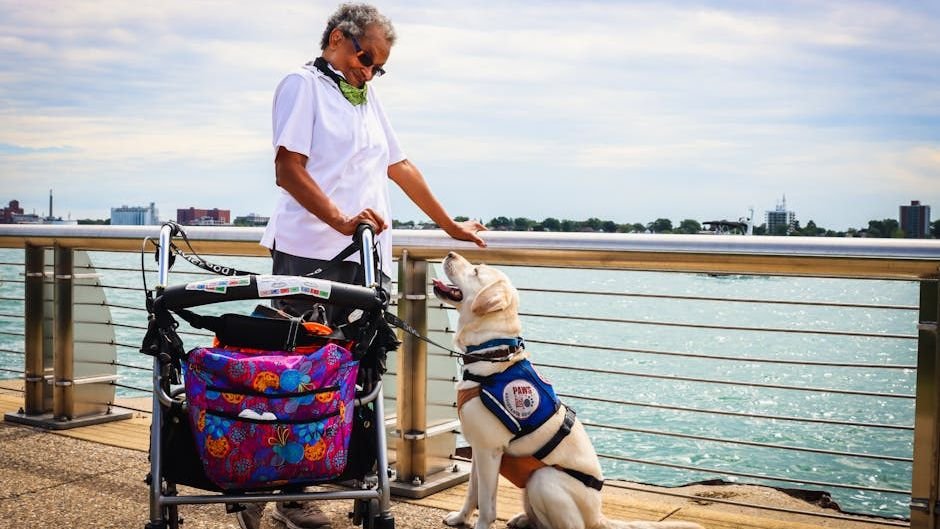
There’s something quietly powerful about the bond between a senior and their dog. It’s not loud or dramatic. It’s a tail wagging at the sound of slow footsteps in the hallway. It’s a warm head resting on a lap during a long, quiet afternoon. It’s the soft exhale of a dog sleeping nearby, reminding someone who lives alone that they are, in fact, not alone at all.
Aging brings tremendous change. Retirement, loss, shifting family dynamics, health challenges. So many seniors find themselves quietly asking the question nobody wants to say out loud: “Does anyone really need me anymore?” It’s a heartbreaking question, honestly. Yet the answer might be padding around on four legs, waiting by the door every single morning.
The research is clear, and the stories are even clearer. Dogs have a remarkable, almost magical way of restoring a senior’s sense of purpose, identity, and joy. Let’s explore exactly how they do it.
1. A Dog’s Morning Routine Makes Every Day Feel Meaningful
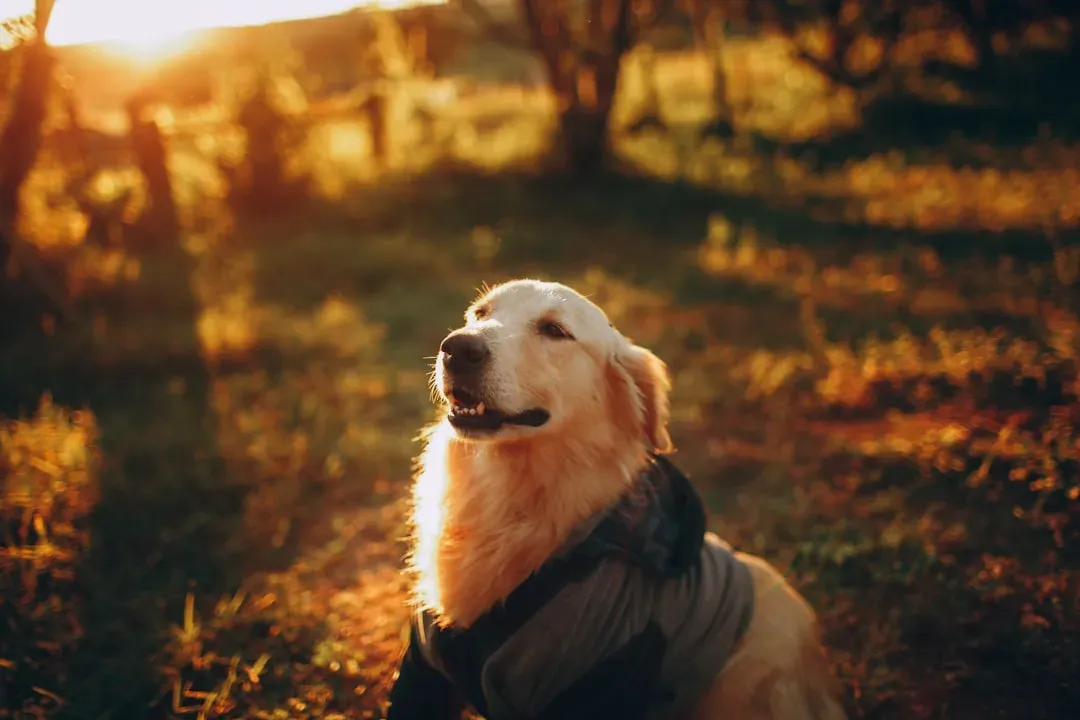
Dogs give seniors’ days a certain structure. Fixed times for meals and walks provide elderly people with the feeling that they have a purpose and a responsibility towards someone. That might sound small, but for someone who woke up after retirement with no particular reason to get out of bed, it’s everything.
Think of a dog’s morning routine like an anchor. The dog doesn’t care that it’s raining, doesn’t care that you’re tired, doesn’t care that yesterday felt pointless. He needs feeding, and he needs you. That simple fact alone can pull a senior gently back into the rhythm of living.
2. Being Depended On Restores a Sense of Identity
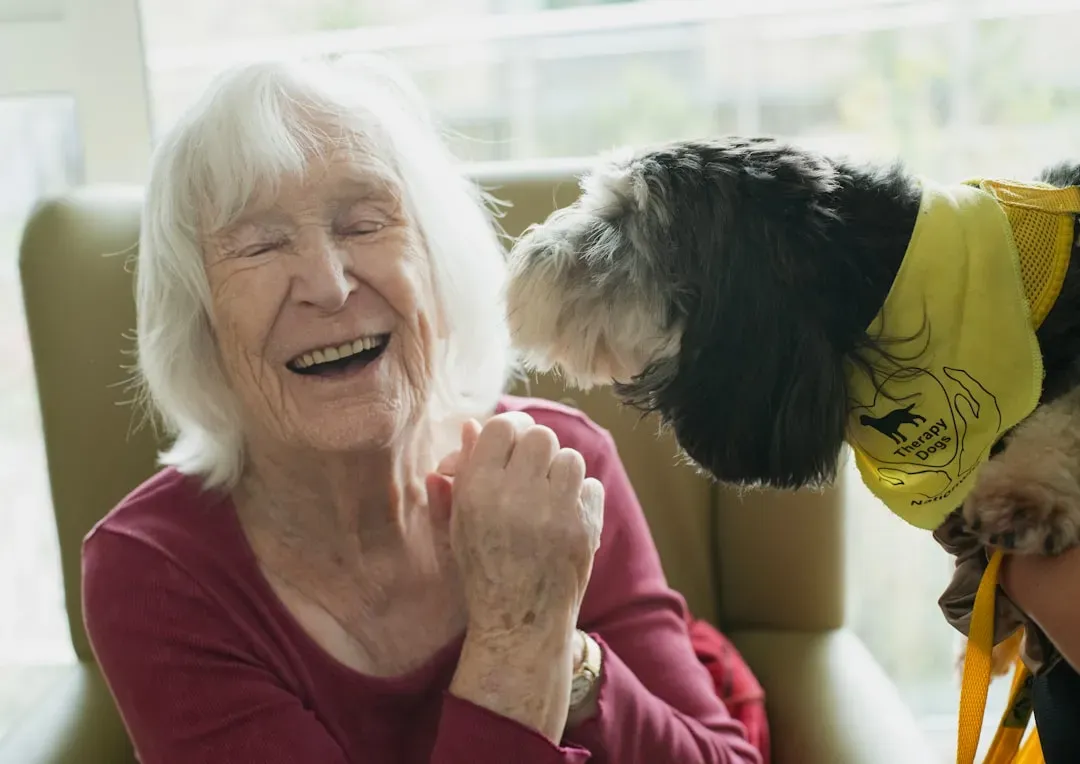
One of the most profound gifts a dog offers is a sense of purpose. Most owners of aging dogs already know that taking care of them gives a sense of purpose. While it is sometimes easy to ignore our own needs, most of us will spring into action to make sure to provide the best life we can for our loyal companions.
Pet ownership may instill a sense of self-worth and responsibility in older adults that they would not otherwise have. Identity doesn’t retire when a person does. A dog sees to that, with every expectant gaze and every bark at mealtime.
3. Dogs Slash Loneliness in Ways That Surprise Researchers
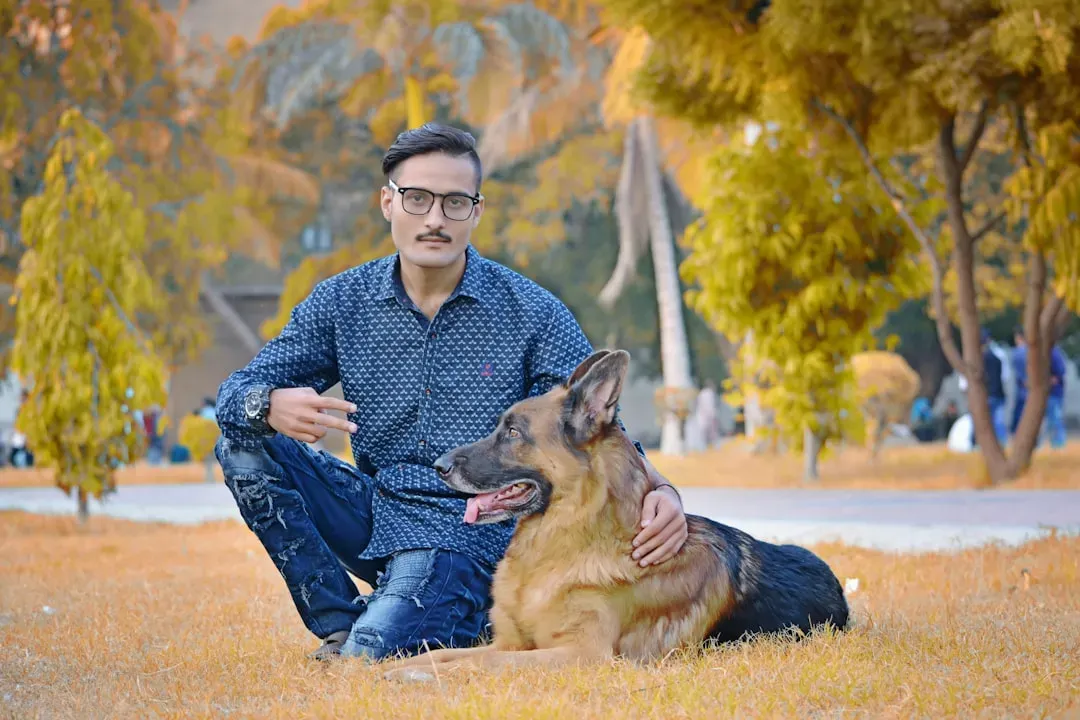
Here’s the thing about loneliness in older age – it’s not just an emotional problem. Older adults who report feelings of loneliness are at increased risk for a range of negative physical and mental health outcomes, including early mortality. That’s sobering. But dogs push back hard against that tide.
Pet owners were roughly a third less likely than non-pet owners to report loneliness, even after controlling for age and living status. That’s not a small or marginal effect. That’s a life-changing difference, tucked inside a furry companion most people overlook.
4. The Simple Act of Petting Triggers Real Chemical Healing
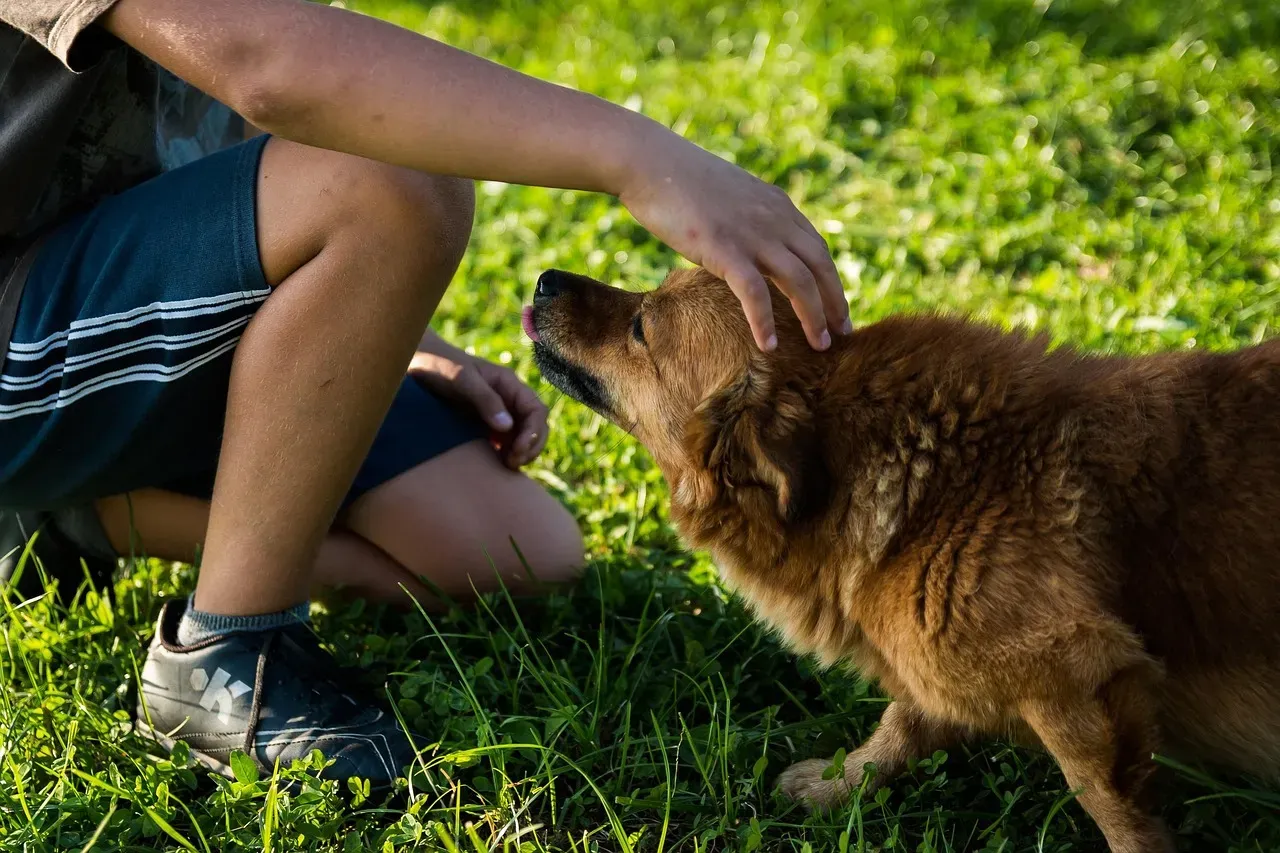
Simply petting a dog can decrease the level of the stress hormone cortisol and increase the level of the mood-regulating hormone serotonin, resulting in lowered blood pressure and heart rate. The body responds to a dog’s presence in ways medication sometimes can’t replicate.
Research has shown that regular interaction with animals can decrease stress hormone levels among older individuals. Additionally, it promotes the release of hormones such as oxytocin, which are associated with increased positive emotions. It’s like a warm hug from chemistry itself, and all a senior has to do is stroke a soft ear.
5. Dogs Get Seniors Moving – Gently, Consistently, Effectively
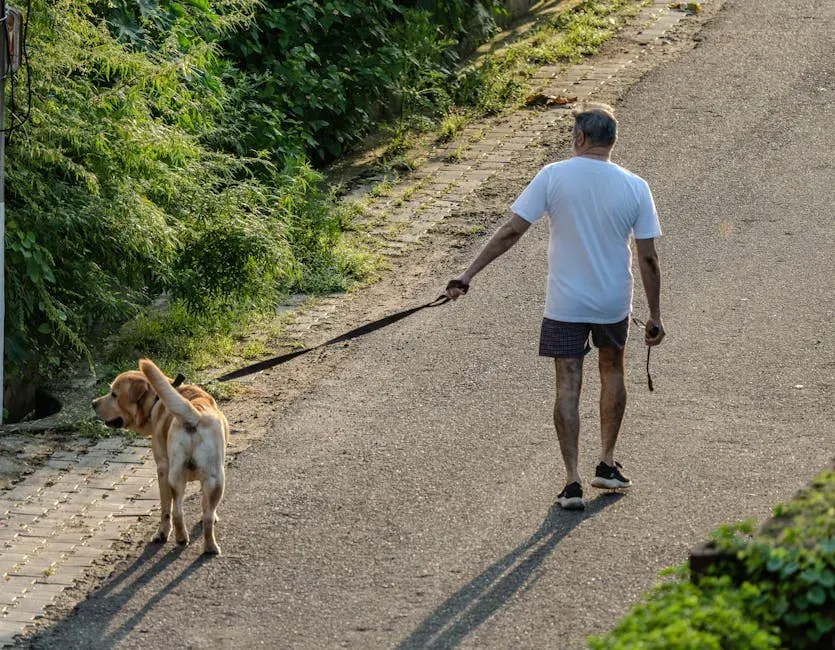
Pets give you a clear reason to walk every day, and that rain-or-shine accountability can help form a lasting exercise habit. Research in the BMC Public Health Journal found that people who own a dog walk roughly twenty minutes longer on average than those who do not. For seniors, that kind of daily movement is genuinely life-extending.
Research shows that multiple shorter periods of exercise throughout the day, like taking a dog out for fifteen minutes at a time several times a day, is just as effective as one longer workout. A dog doesn’t ask for a gym membership. Just a leash and a willing pair of hands.
6. Dogs Open the Door to New Social Connections
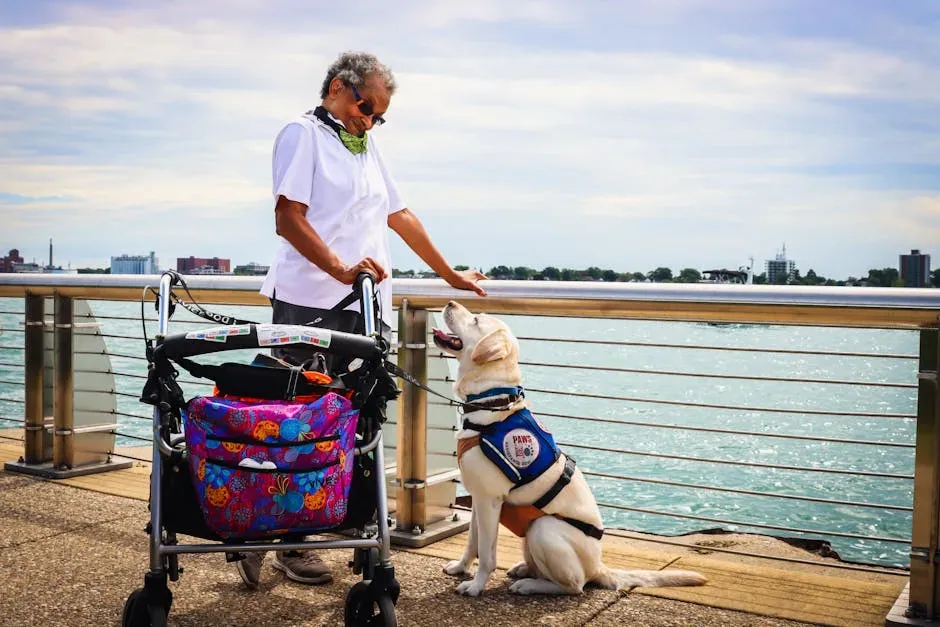
I always find it fascinating how a dog can be the world’s best icebreaker. Walking with a dog results in a significantly higher number of chance conversations with complete strangers than walking alone. For a senior who hasn’t spoken to someone new in weeks, that one conversation in the park can be genuinely transformative.
Pets can facilitate social interaction and create opportunities for seniors to engage with others. Walking a dog in the neighborhood often leads to casual conversations with other pet owners, providing a sense of belonging and community. Seniors with pets may also join local pet-related activities, attend training classes, or participate in pet therapy programs that increase their social circle.
7. Dogs Help Protect the Aging Brain From Cognitive Decline
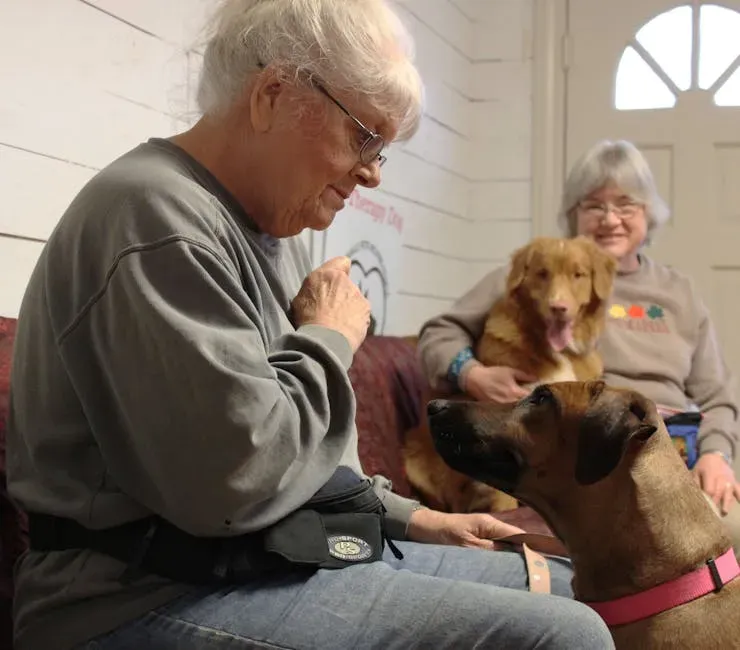
This one surprises a lot of people. One of the many mental health benefits seniors may reap from having an aging dog is improved outcomes when it comes to progressive dementia from diseases such as Alzheimer’s. Research suggests that dogs may help people suffering from dementia by promoting more social interactions and grounding them in the present, which seems to guard against the tendency to withdraw into themselves.
The fact that pets can help seniors stay active means that they can help decrease the risk of cognitive decline. The brain, like a muscle, needs daily engagement. A dog provides that in ways that feel effortless and joyful rather than clinical or forced.
8. Dogs Give Seniors a Reason to Stay Emotionally Present
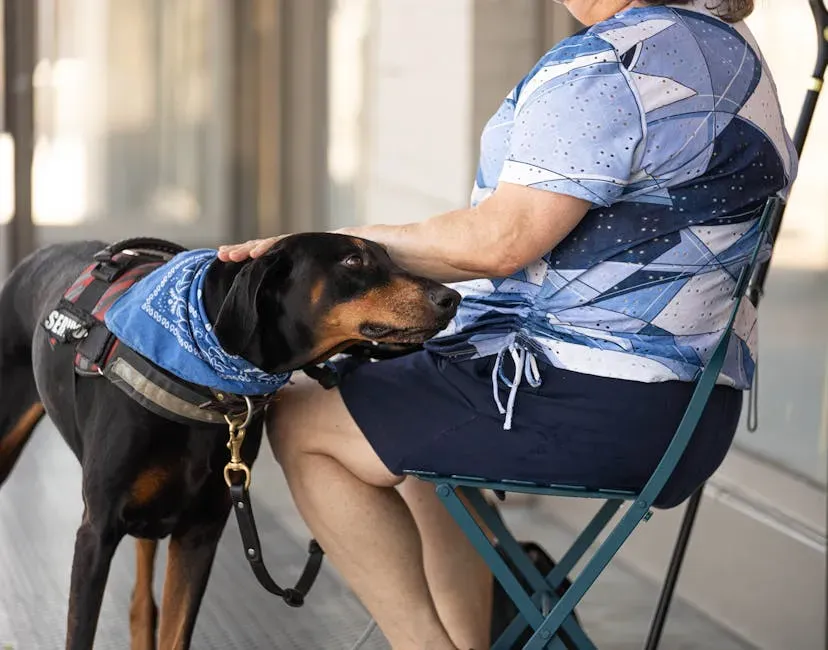
Animals can sense our moods and some might say they know you better than you know yourself. They pay very close attention to their owners and know when they are feeling down. A dog that curls up beside a grieving senior, without being asked, is doing something profoundly healing. That kind of attentiveness is rare even among humans.
One study shows that the vast majority of people feel more relaxed after spending time with a pet. For people who tend to spiral into worry, the same study found that pets help them live in the moment and stay mindful. It’s hard to catastrophize about the future when a dog is nudging your hand, demanding to be scratched behind the ears right now.
9. The Responsibility of Dog Care Rebuilds Daily Structure
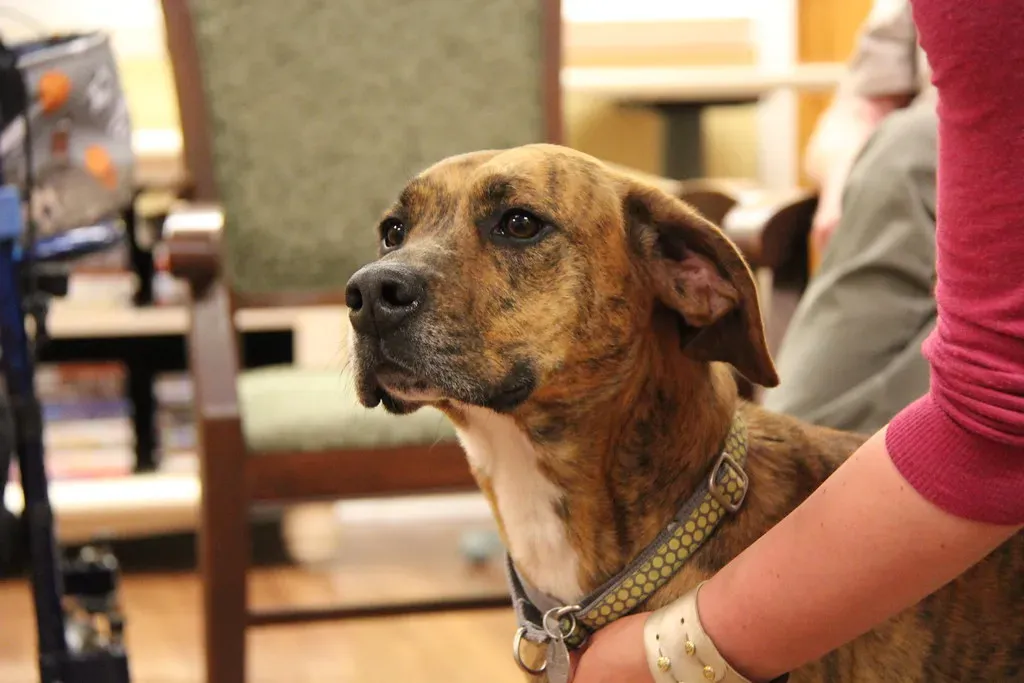
Retirement can quietly unravel the scaffolding of daily life. Without meetings, deadlines, or school runs, days can blur together in a disorienting fog. Pets thrive on routine and require regular feeding, exercise, and care. Having a pet encourages seniors to establish and adhere to a daily schedule. This structured routine provides a sense of purpose and helps seniors maintain cognitive abilities and mental alertness.
Research has shown that having a routine offers improvements in mood and cognitive functioning while also decreasing the chances of developing major depression. A dog is essentially a schedule that loves you back. There’s no better kind.
10. Dogs Reduce Depression With Measurable, Documented Results
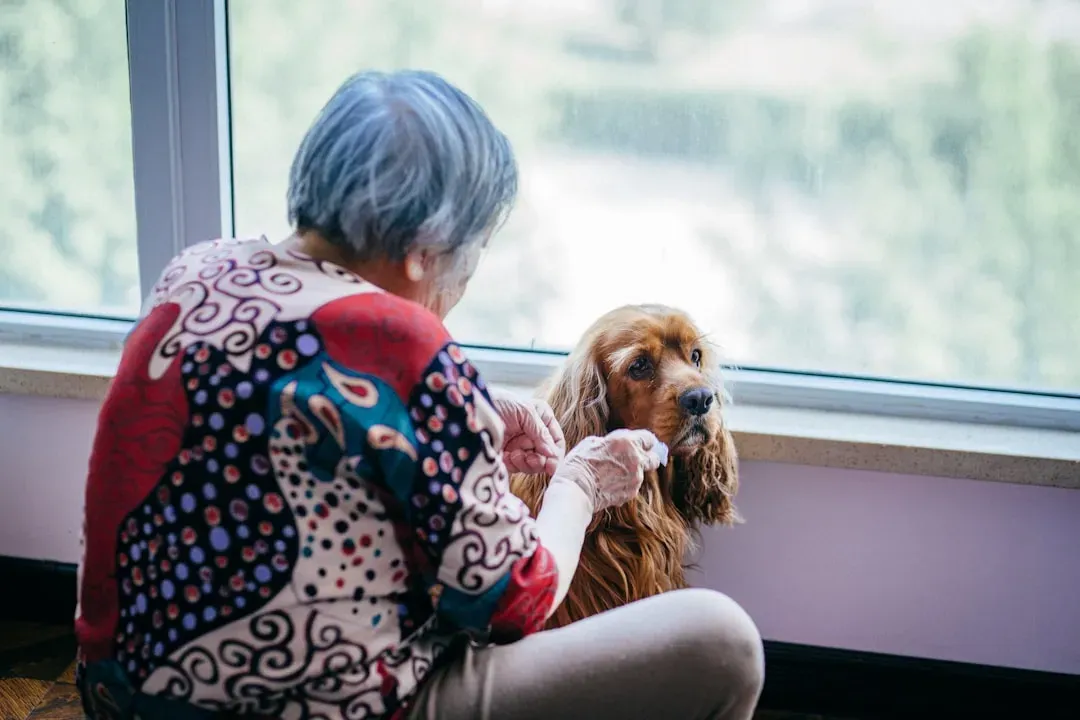
Studies show that elderly individuals with pets exhibit lower depression rates compared to those without pets. That’s not anecdotal wishful thinking. That’s documented research repeated across multiple studies and populations. The effect is real, and it’s meaningful.
The implementation of pet therapy can have a great emotional and social impact, bringing relief to patients and their family members, but also to health professionals. Honestly, some seniors who are resistant to traditional therapy find dogs to be an approachable, non-threatening entry point into emotional wellness. The dog doesn’t judge. The dog doesn’t pity. The dog just shows up.
11. Dogs Bring Comfort During Grief and Loss

Many elderly people suffer from loneliness after they lose their partner or after they retire. They feel a certain lack of purpose that would give sense to their everyday lives. Grief and aging walk hand in hand for many seniors. The losses accumulate. Friends, spouses, even independence itself can feel like something taken away.
The unconditional love and loyalty of a pet can greatly improve the emotional well-being of seniors, offering a sense of purpose and meaning in their lives. A dog doesn’t replace what was lost. Nothing can. Yet that warm, breathing presence beside a grieving senior says something wordless and essential: you still matter, and I’m still here.
12. Dogs Remind Seniors That They Are Still Caregivers, Not Just Care Recipients
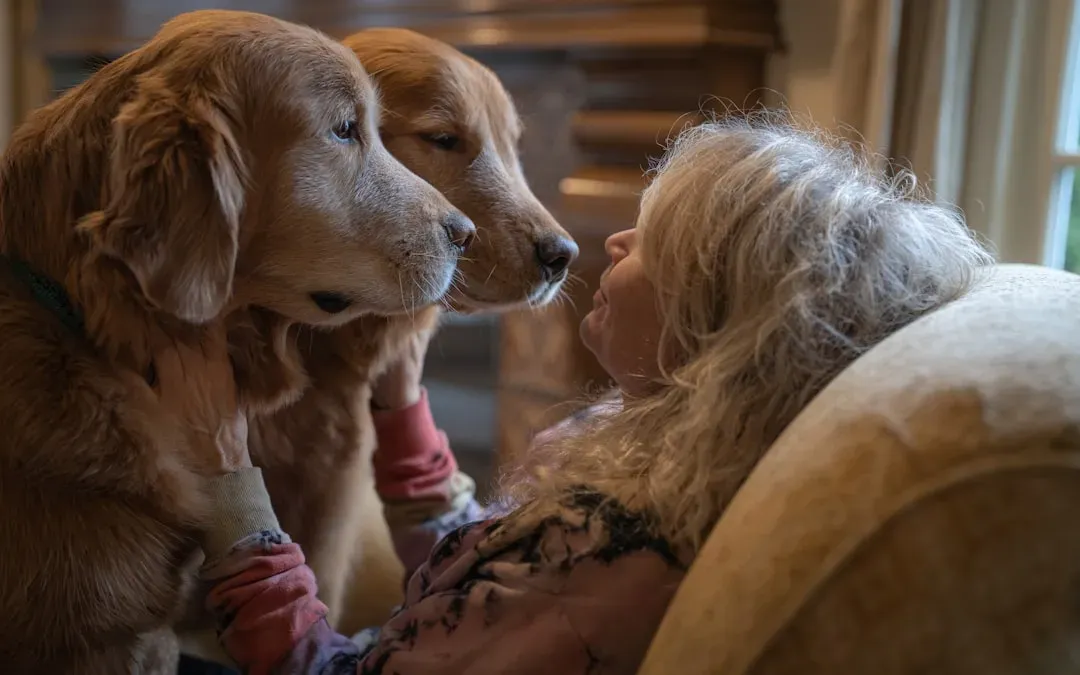
Here’s a truth that doesn’t get said enough. One of the most painful parts of aging is the slow shift from being the person who gives care to being the person who receives it. It chips away at dignity in quiet, relentless ways. Giving residents something to care for, rather than them always being cared for, offers powerful respite from institutionalization. That insight cuts right to the heart of what dogs do for seniors.
The pets kept their owners active and occupied. They made them feel needed, and helped them to establish social contacts. They enlightened their everyday lives and distracted them from distressing events. A dog looks to a senior for food, safety, love, and leadership. In doing so, it hands back something that aging had quietly begun to take away: the profound, irreplaceable feeling of being truly needed.
Conclusion: Four Paws and an Unspoken Promise
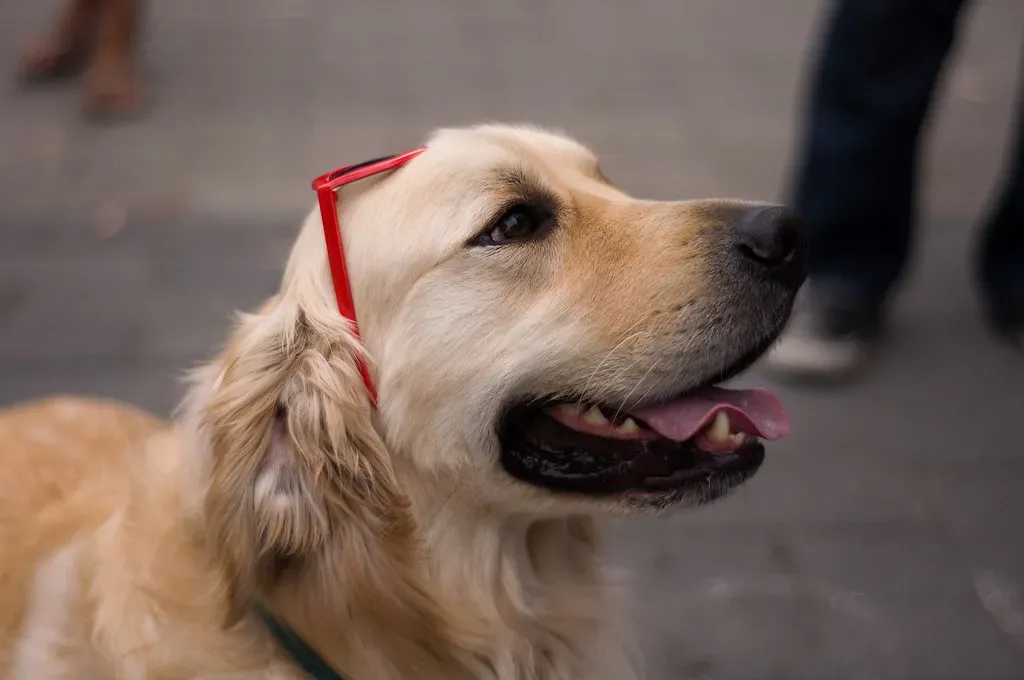
It’s hard to say for sure which of these twelve ways hits the hardest for any individual senior. It might be the morning walk that gets them out of bed. It might be the warm head on their lap during a sad evening. It might just be the tail wagging when they walk through the door, a wordless celebration of their existence.
What we know, backed by research and echoed in thousands of real lives, is that dogs don’t just offer companionship. They restore something much deeper. They give seniors back their sense of purpose, identity, and indispensability in a world that sometimes forgets to tell older people they still matter enormously.
If you know a senior living alone, struggling with purpose or quietly dimming in the absence of connection, perhaps the most loving thing you could offer isn’t another phone call or another scheduled visit. Perhaps it’s a wagging tail, a warm coat, and four paws that absolutely refuse to let a person feel forgotten. What do you think? Has a dog changed the life of a senior you know? Share your story in the comments below.


