
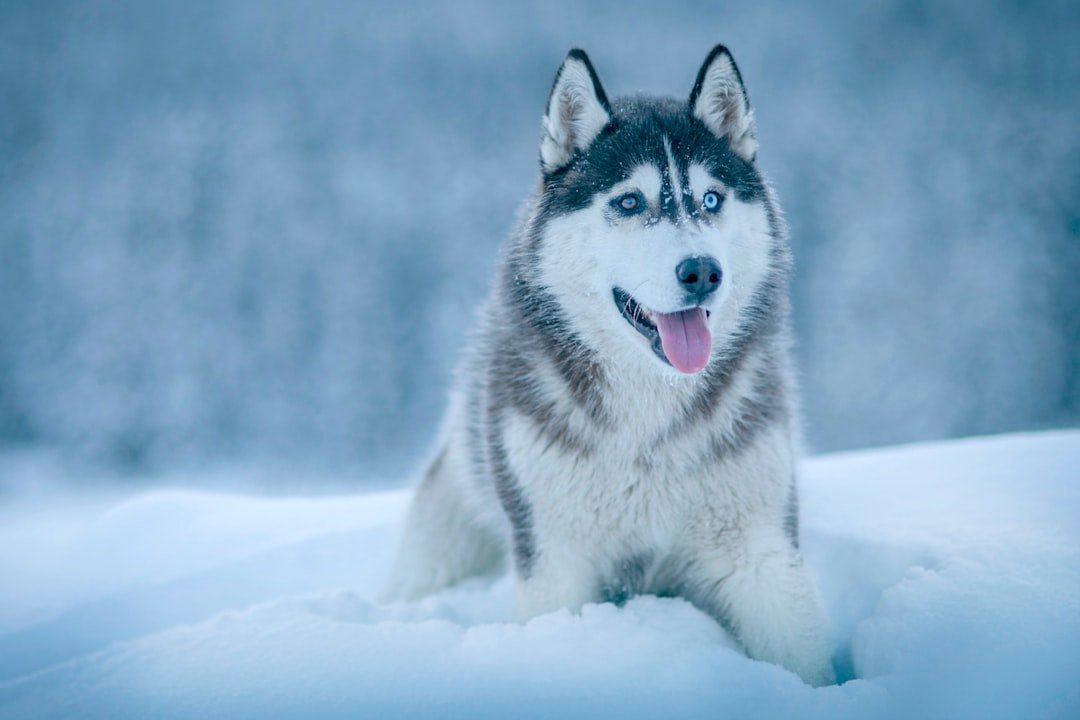
Owning a Siberian Husky is like welcoming a whirlwind of energy, intelligence, and personality into your home. These magnificent dogs have captured hearts worldwide with their striking blue eyes, wolf-like appearance, and incredible endurance. But here’s the thing most people don’t realize until it’s too late – many families who are interested in a Siberian Husky do not know how much exercise, patience, and training they require. They see the beauty but miss the reality of what these incredible creatures actually need to thrive.
If you’re considering adding one of these amazing dogs to your family, or you’ve already taken the plunge, you’re in for quite the adventure. These aren’t your typical couch-potato companions – they’re athletes, escape artists, and comedians all rolled into one furry package. Let me walk you through the essential factors that will make or break your husky experience.
Their Exercise Needs Are Absolutely Non-Negotiable
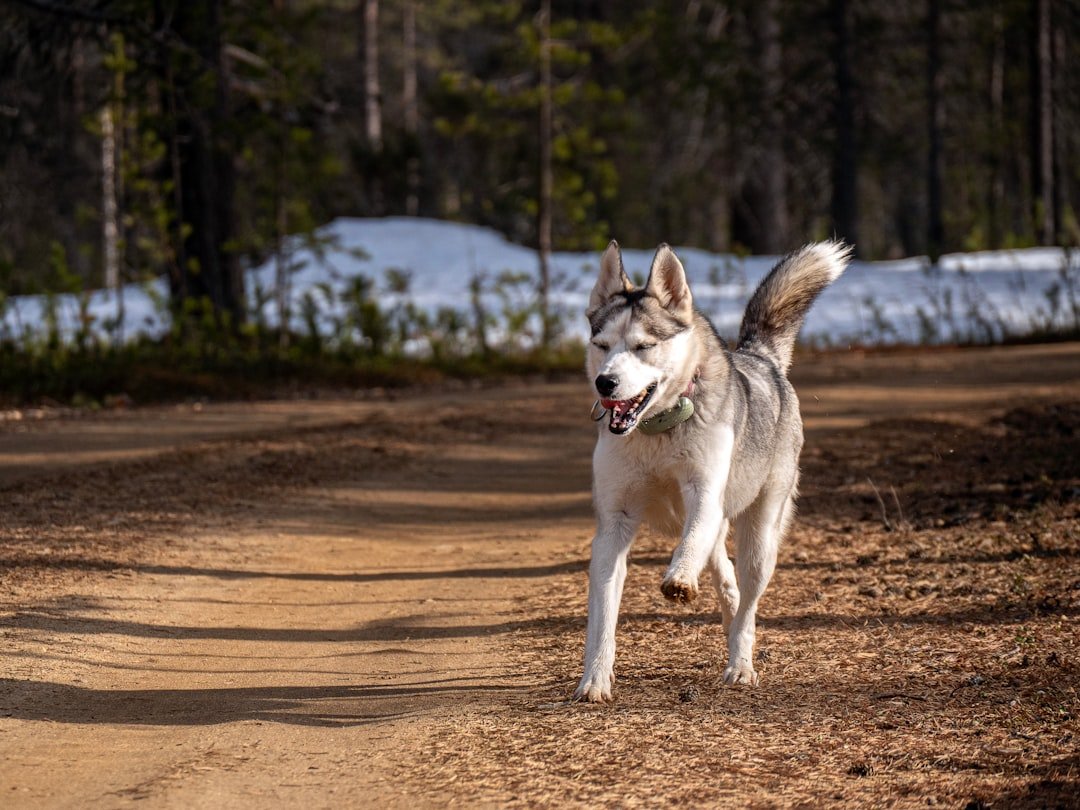
Let’s be brutally honest here – healthy huskies need the equivalent of three to five miles of exercise four days a week. That’s not a suggestion, it’s a requirement for a mentally and physically balanced dog. Huskies are high-energy dogs that require 1–2 hours of daily exercise to stay healthy, happy, and well-behaved.
Without adequate exercise, your husky will become your worst nightmare. Destructive: Chewing furniture, digging holes, or shredding household items. Restless and hyperactive: Constant pacing, jumping, or whining. I’ve seen beautiful homes turned into disaster zones because owners underestimated this breed’s energy levels. This lifestyle should include lots of mental and social stimulation, daily exercise, and playtime.
Cold Weather Is Their Natural Element
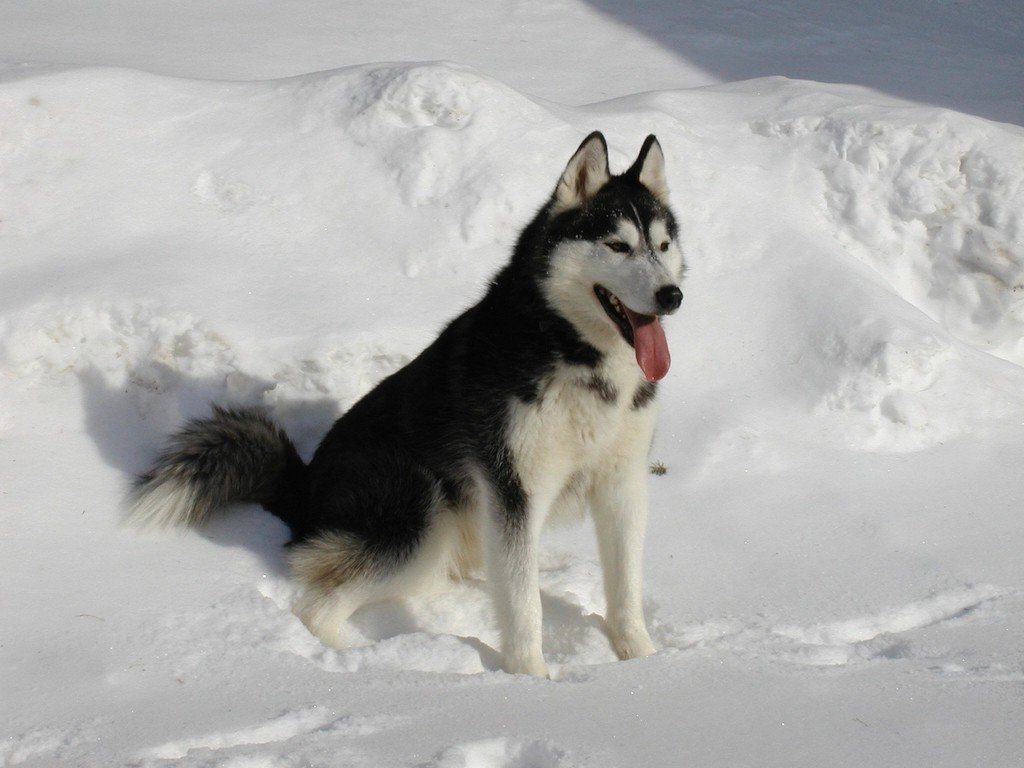
This combination creates an extraordinary thermal barrier, allowing huskies to withstand temperatures as low as -60°F (-51°C). These dogs were literally born for winter conditions, with their thick double coat acting like a built-in arctic suit. Huskies are always ready for the cold because they have got permanently thick coats that help keep them warm. Their coats consist of an undercoat and guard hairs, which shed twice a year.
But here’s what’s fascinating – The weather outside is frightful and my Siberian huskies thrive in cold weather. Siberian huskies enjoy going for a walk and exercise outside during winter. They wear all that fur all year round and now this keeps them warm. And they want to make the most of it. Don’t be surprised if your husky prefers sleeping outside in the snow rather than your heated living room during winter months!
Heat Can Be Dangerous for Them
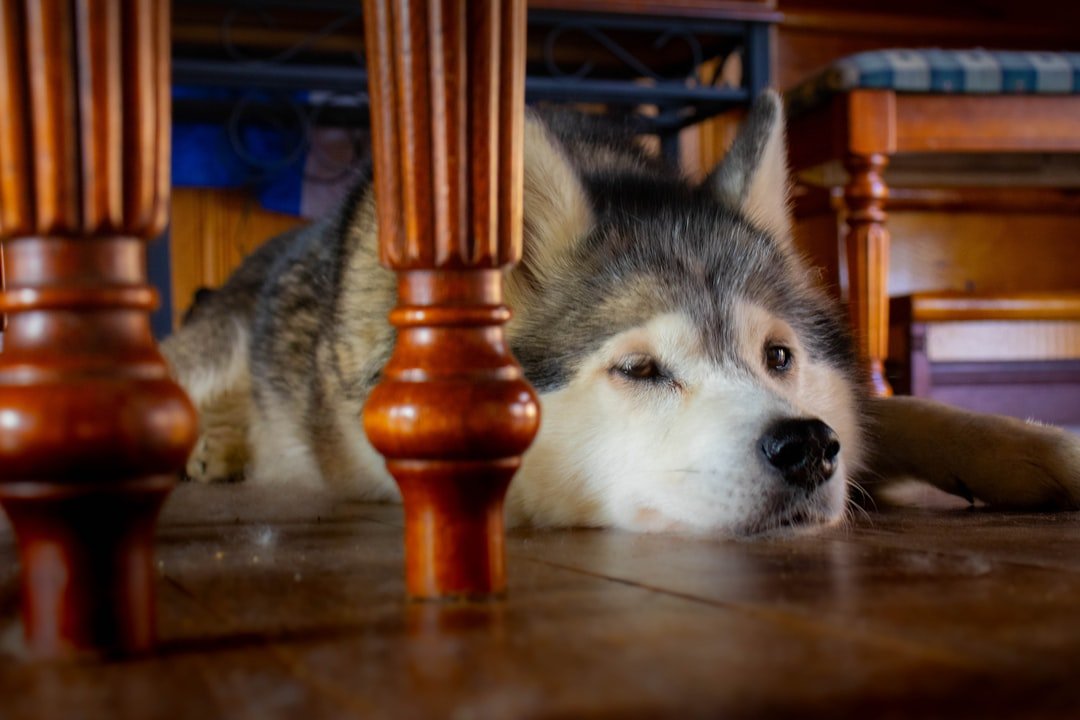
While they’re winter warriors, summer presents serious challenges. Temperatures above 70-75ºF (21-24ºC) are bordering on too hot to exercise. Huskies are equipped to handle cold weather, but they can be sensitive to heat. During hot months, exercise early in the morning or later in the evening when temperatures are cooler. Always provide fresh water and ensure they have a shaded place to rest.
The signs of overheating are serious business. These include: excessive panting, excessive salivation, bright red tongue and gums (or pale gums), thick saliva, weakness, collapse, and vomiting, which is sometimes bloody. I cannot stress this enough – heat stroke can kill your husky. If you are uncomfortable in hot weather your husky, with its thick fur coat, is probably much more uncomfortable to the dog, than you.
Their Grooming Requirements Are Intense
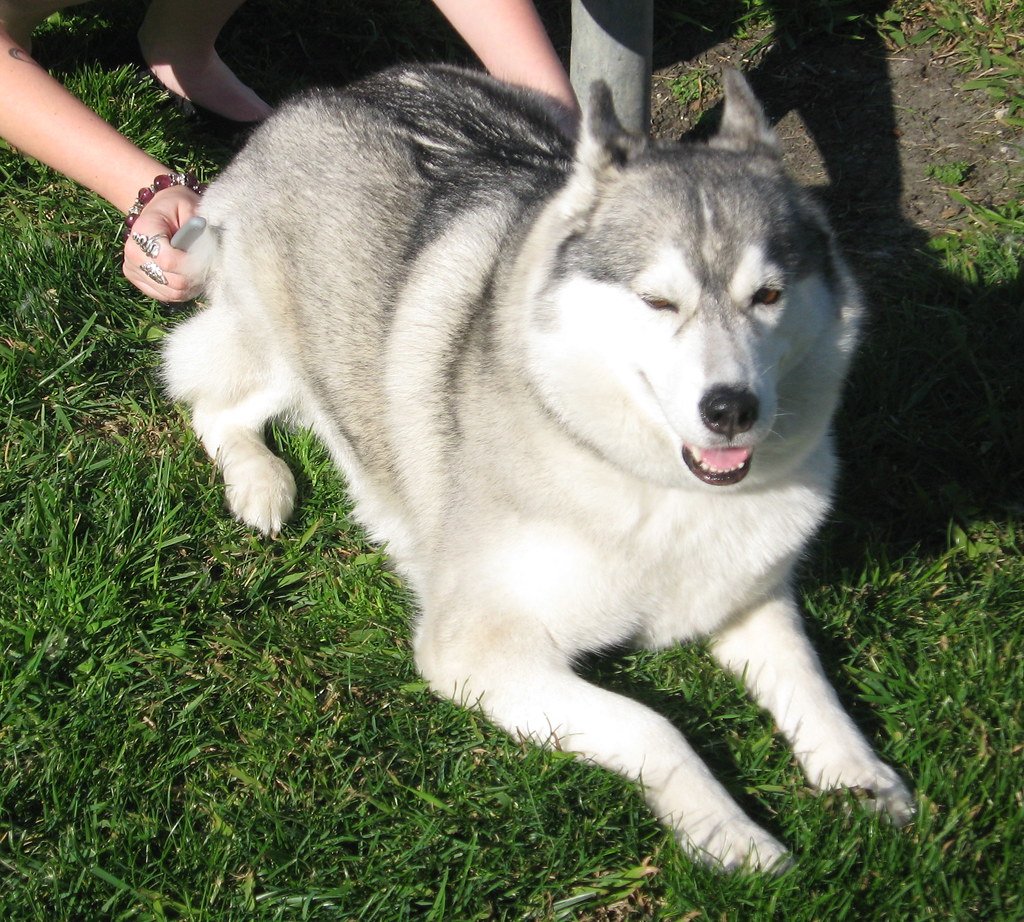
Prepare yourself for what I call “the great fur explosion.” Be prepared – Huskies shed a lot! Because they were bred to live in cold and snowy climates, they have a thick double coat to keep them cosy and warm. This also means they shed a lot more than your average dog throughout the year and even more so in spring and autumn.
You’ll need to brush your Husky a few times a week to keep their coat smooth and in good condition. But during shedding seasons, it’s a daily commitment. At least once a year the Siberian Husky sheds his entire undercoat. This process can last up to six weeks from start to finish. All dead hair needs to be brushed out to enable quick and strong re-growth. Your vacuum cleaner will become your best friend, and you’ll find husky hair in places you never imagined possible.
They’re Master Escape Artists
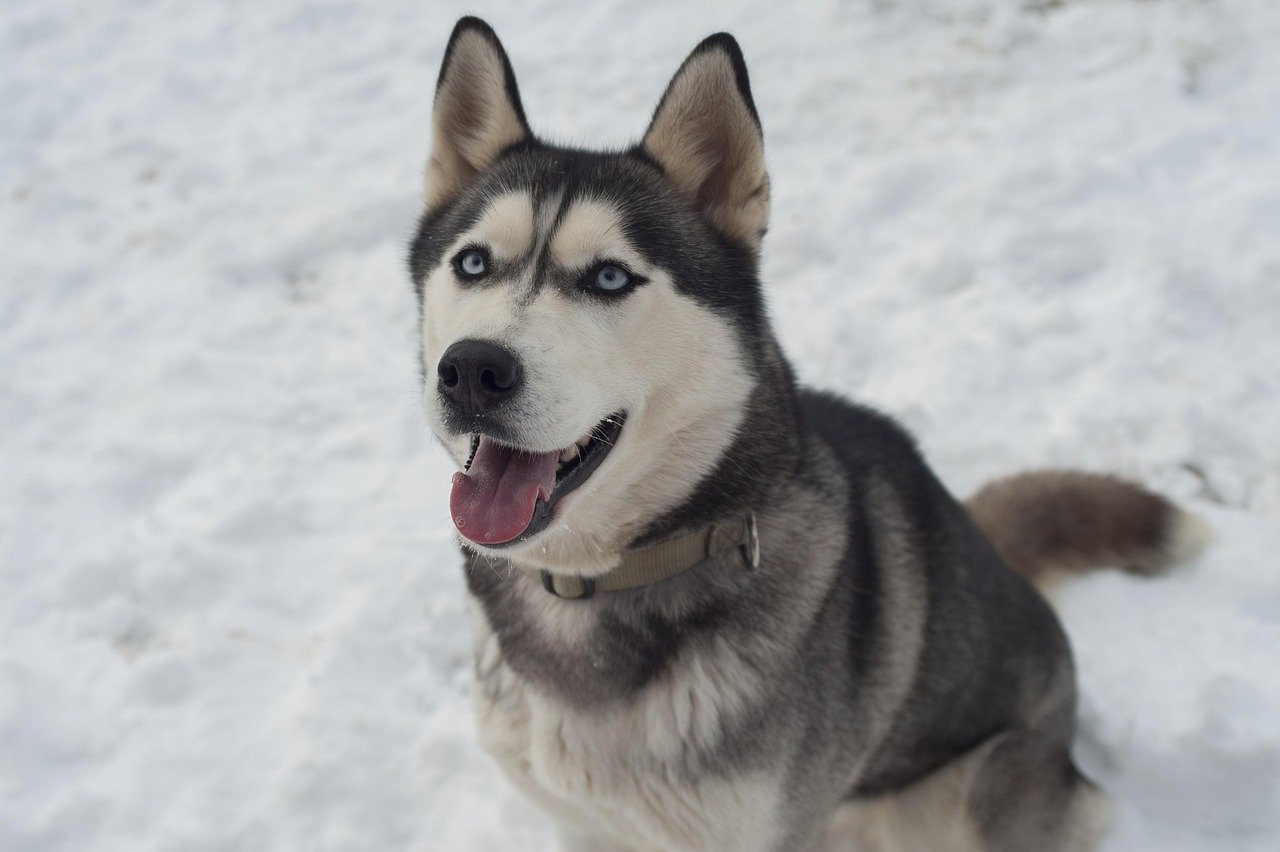
Here’s something that catches new owners off guard – these dogs are basically Houdini with four legs. Owners need a very secure garden with high fences as Huskies are known for getting up to mischief – including escape attempts! Huskies are extremely family-oriented dogs, and they consider the miles that surround their homes their territory, which is one of the main reasons for the breed being notoriously referred to as escape artists.
Their intelligence works against you here. As Hodges notes, huskies are extremely intelligent and they’ll figure things out without having to be shown or told. “That’s why they’re ‘escape artists’ and people say ‘hide your car keys or else they’ll take it for a joy ride,'” says Hodges. “They’ll figure out what’s important to them and they’ll figure out how to do things”. A standard fence isn’t enough – you need Fort Knox-level security to contain these determined adventurers.
Apartment Living Is Challenging But Possible

Huskies can adapt to apartment living if their high energy and exercise needs are met. They are active dogs that require ample daily exercise and mental stimulation. Owners should be prepared to provide long walks, playtime, and other physical activities daily to keep a Husky happy in an apartment setting.
But let’s be real about the challenges. Huskies do not make good apartment dogs due to their propensity to howl and bark. Huskies can be left alone for moderate periods, but they prefer companionship. They can develop separation anxiety if left alone for too long, leading to destructive behavior or excessive howling. Providing toys and activities to keep them occupied, as well as considering a dog walker or doggy daycare, can help. Your neighbors definitely won’t appreciate the husky concert performances at 3 AM.
Training Requires Patience and Consistency
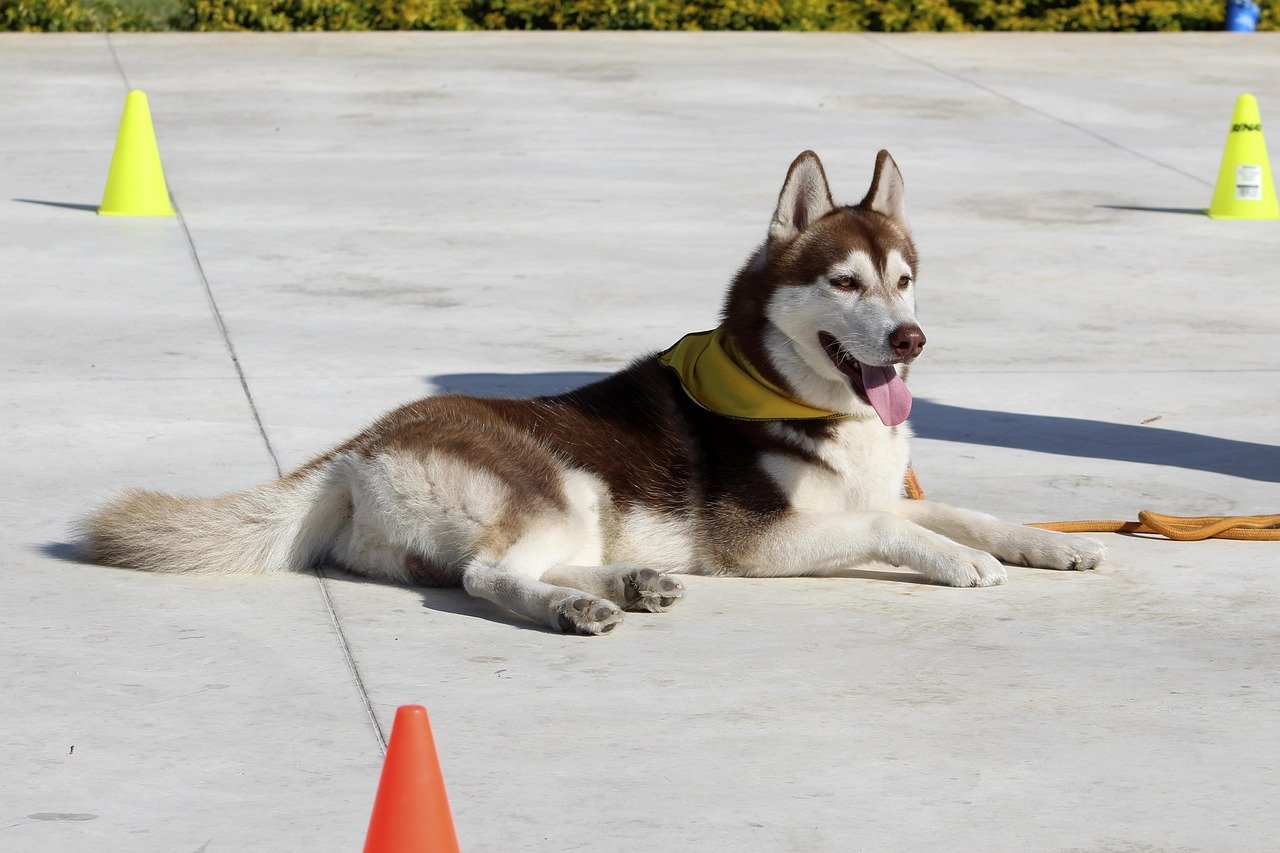
Huskies are intelligent but can be stubborn, making training a challenge. They respond best to consistent, positive reinforcement. Although high intelligence means they are a trainable breed, Huskies have a strong independent streak coupled with a very high prey drive. This means their training is never fully complete. Start their training early, keep it consistent and ongoing – particularly when it comes to recall – but be aware that any Husky is always likely to do its own thing at any given moment.
The key is understanding their pack mentality. Training a Husky is often about finding the right balance between firm but fair handling and making sure they get plenty of positive reinforcement. Being harsh with a Husky is unlikely to get the desired effect. However, as a pack breed, the Husky will instinctually acknowledge and respect the ‘top dog’ so it’s important for owners to use consistent and clear leadership to help make sure their pet is obedient, attentive and happy.
Socialization Is Critical From Day One
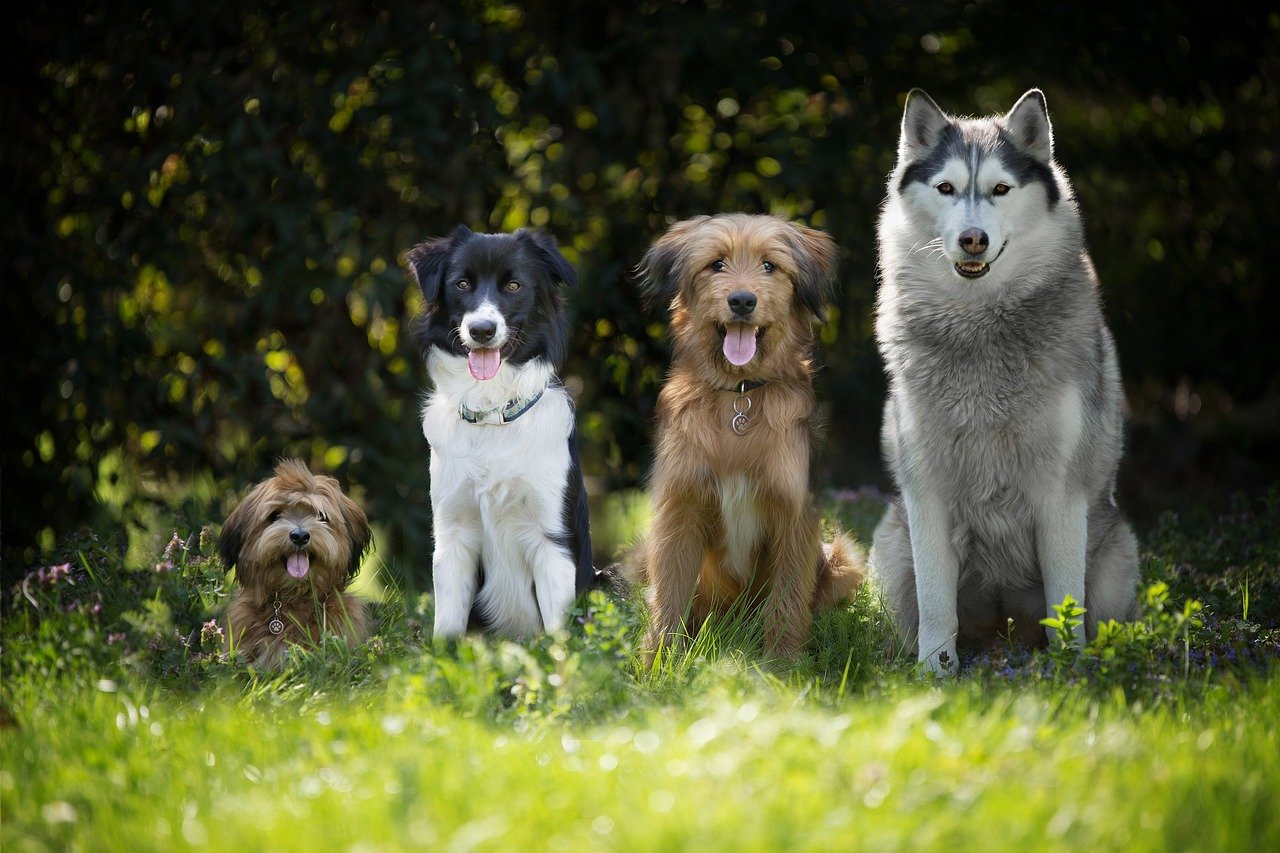
Huskies are known for their intelligence, energy, and sociable nature. Proper socialization from an early age can ensure that a Husky puppy grows up to be well-adjusted, friendly, and well-mannered. The window for effective socialization is narrower than you might think – Start the socialization process as soon as you bring your Husky puppy home, typically around 8 weeks old.
Once fully vaccinated, Husky puppies should be socialised with as many different people, environments and other dogs as possible. This isn’t just about being friendly – it’s about preventing behavioral problems that could last a lifetime. To provide socialization opportunities for your husky puppy in an apartment setting, consider arranging playdates with other well-behaved dogs in the neighborhood. Puppy socialization classes or visits to dog-friendly parks can also offer the chance for positive interactions with other animals. Additionally, enrolling your husky puppy in obedience classes not only aids in their training but also exposes them to different people and dogs in a controlled environment, promoting social development. Regular outings to pet-friendly stores or cafes can also familiarize your puppy with various sights, sounds, and people, contributing to their socialization despite the limited space of an apartment.
Their Vocal Nature Will Surprise You

Not known as barkers, Huskies can still be very vocal and like the sound of their own voice. They have a distinctive howl that they will often do for no apparent reason. She is not much of a barker, but she is a communal howler especially when bored or under-exercised.
This vocalization isn’t just noise – it’s communication. They’ll “talk” to you about everything from meal times to their opinion on your choice of TV shows. Some owners find this endearing, while others find it exhausting. Your husky may start whining or barking while making eye contact with you if it is too cold for him outside. Siberian huskies are pretty vocal and they don’t hold back. Your husky will try to tell you what is not right for them. Understanding their vocal cues becomes part of successful husky ownership.
They’re Not Ideal for First-Time Dog Owners
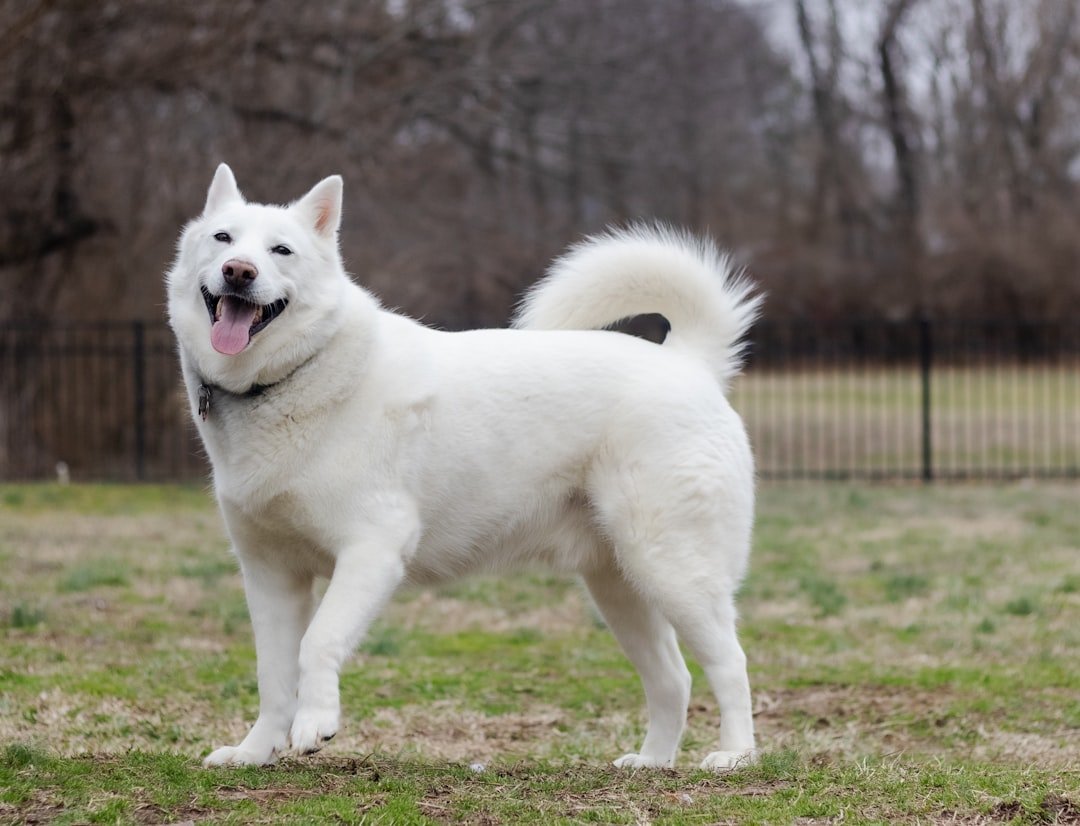
Let me be completely transparent here – As a pretty high maintenance breed – both from a behaviour and exercise point of view as well as in terms of grooming – Huskies are probably not the best choice for first-time owners. They do best in homes with active and experienced pet parents. Siberian Huskies need space to roam and a lot of mental stimulation.
The statistics don’t lie. First-time owners. They did not anticipate raising a puppy to be difficult. Raising a puppy requires a lot of time, money, and patience. This breed demands an owner who understands dog behavior, has experience with training, and most importantly, has the lifestyle to match their needs. Huskies are best suited to people with active lifestyles and who spend a lot of time outdoors.
Mental Stimulation Is Just as Important as Physical Exercise

They require mental exercise or they’ll find a way to exercise themselves mentally. That’s when people misunderstand and the dog gets in trouble for being a ‘bad dog.’ It’s not a bad dog or a good dog – it’s just a dog being a dog. Huskies are very smart, and (because of their big brain) they require a lot of mental stimulation to stay entertained.
As well needing plenty of physical exercise to burn off pent-up energy, a Husky craves lots of mental stimulation. Not only will this keep them happy, it will reduce the potential for destructive behaviour that can happen when they become bored or under exercised. An exercised dog is a happy dog – and this is particularly true of Huskies. Puzzle toys, training sessions, and interactive games aren’t luxuries for this breed – they’re necessities.
Their Lifespan and Health Considerations
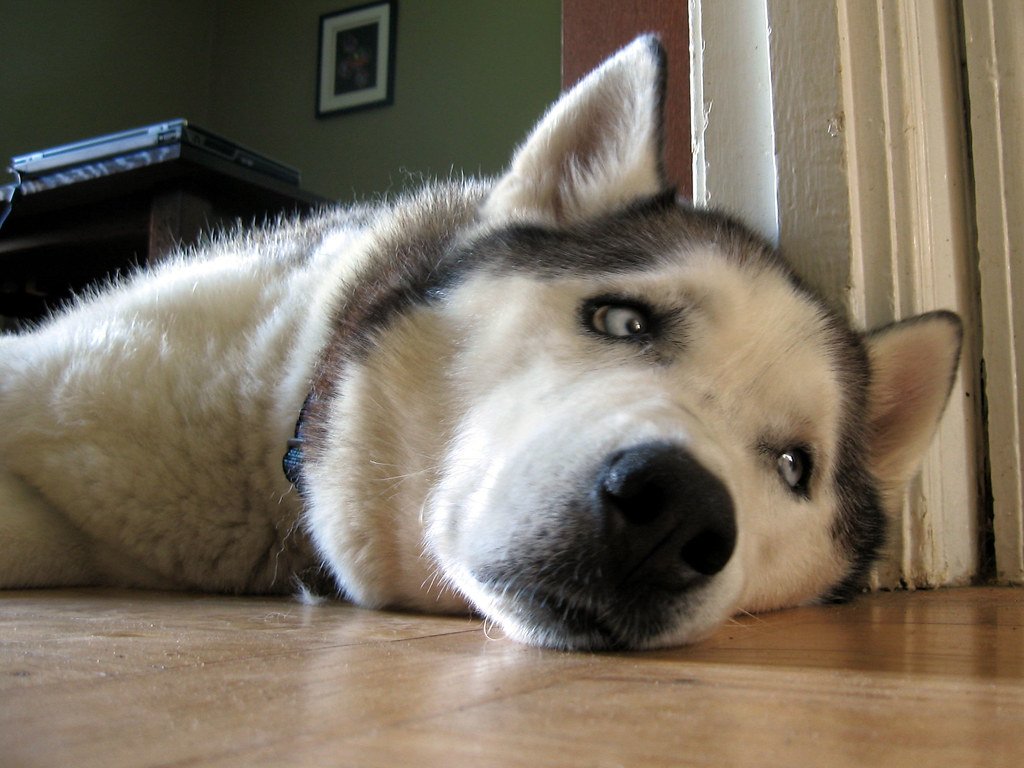
The typical lifespan of a Husky is 12–14 years, and The Siberian Husky is a generally healthy breed with an average lifespan of 11-14 years. However, they do have some breed-specific health concerns you should be aware of.
Because Huskies are prone to many eye diseases, pet parents should take them for an annual eye exam, which can help diagnose disease early. If you notice any vision loss or changes to your pet’s eyes, seek immediate veterinary care. Obesity can be a significant health problem in Siberian Huskies. It is a serious disease that may cause or worsen joint problems, metabolic and digestive disorders, back pain, and heart disease. Though it’s tempting to give your pal food when she looks at you with those soulful eyes, you can “love her to death” with leftover people food and doggie treats.
Conclusion: Are You Really Ready for This Adventure?
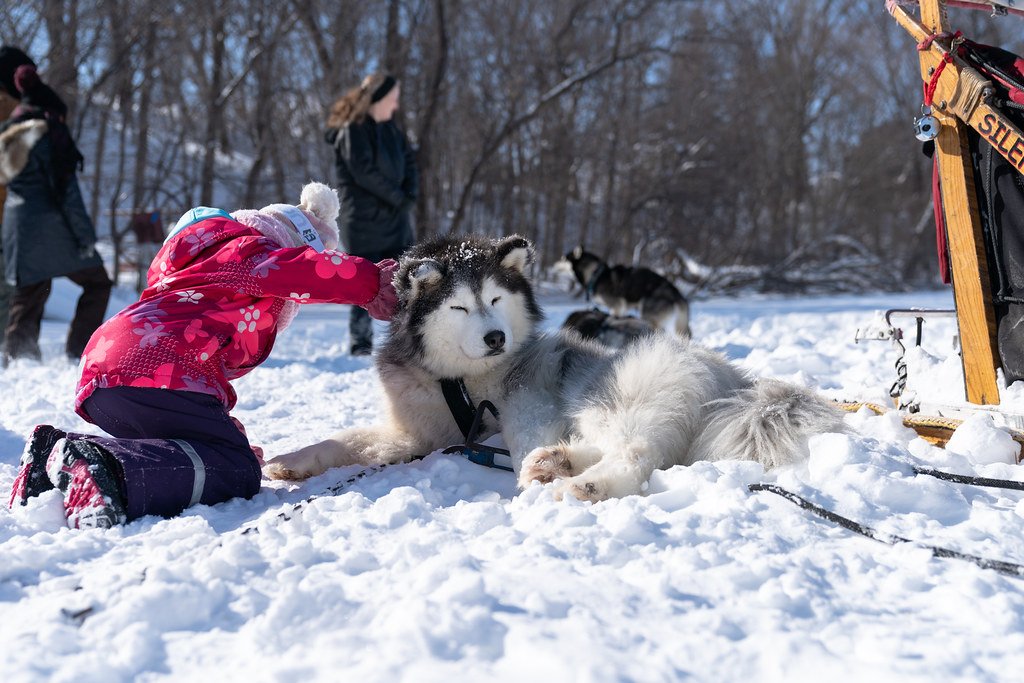
Owning a Siberian Husky isn’t just getting a dog – it’s adopting a lifestyle. These magnificent creatures will challenge you, exhaust you, make you laugh, and occasionally drive you to the brink of insanity. But for the right person, they’ll also become your most loyal companion, adventure buddy, and source of endless entertainment.
Before you fall head over heels for those piercing blue eyes and fluffy coat, ask yourself honestly: Do you have the time, energy, and dedication to meet their needs? Can you provide hours of daily exercise regardless of weather? Are you prepared for a decade-plus commitment to grooming, training, and mental stimulation? Most importantly, can you handle a dog that’s smarter than some people and twice as stubborn?
If you’ve read this far and you’re still nodding yes to everything, then congratulations – you might just be crazy enough to make an excellent husky parent. Just remember, you’ve been warned about what you’re getting into. Did you expect that keeping a husky would be this complex?


