
Picture this: a 200-pound Saint Bernard, chest like a barrel, paws the size of dinner plates, pressing himself flat against a wall while a five-pound Chihuahua stands two feet away, trembling with fury. It sounds ridiculous, right? Honestly, if you’ve never seen it live, you’re missing one of nature’s most hilarious and surprisingly touching moments.
Big dogs are actually reacting in a completely normal, logical way when confronted with aggression. They may know, in theory, that the little dog isn’t a real threat, but for a big dog who isn’t naturally prone to aggression, seeing that kind of intensity from any animal can be genuinely alarming. The drama is real, the confusion is real, and your big dog’s feelings are completely valid.
So why does this keep happening? It turns out smaller breeds like Chihuahuas actually exhibit higher levels of aggression than larger breeds, which are much more likely to be passive or friendly. Smaller dogs, partly because of their size and the feeling that they need to defend themselves, exhibit more aggressive traits on the whole. The big dog often simply doesn’t know what to make of all that energy. Let’s meet the twelve gentle giants most likely to tuck their tails and back away from the world’s smallest firecracker. Let’s dive in.
1. Great Dane: The Apollo of Dogs Who Fears the Ankle Biter
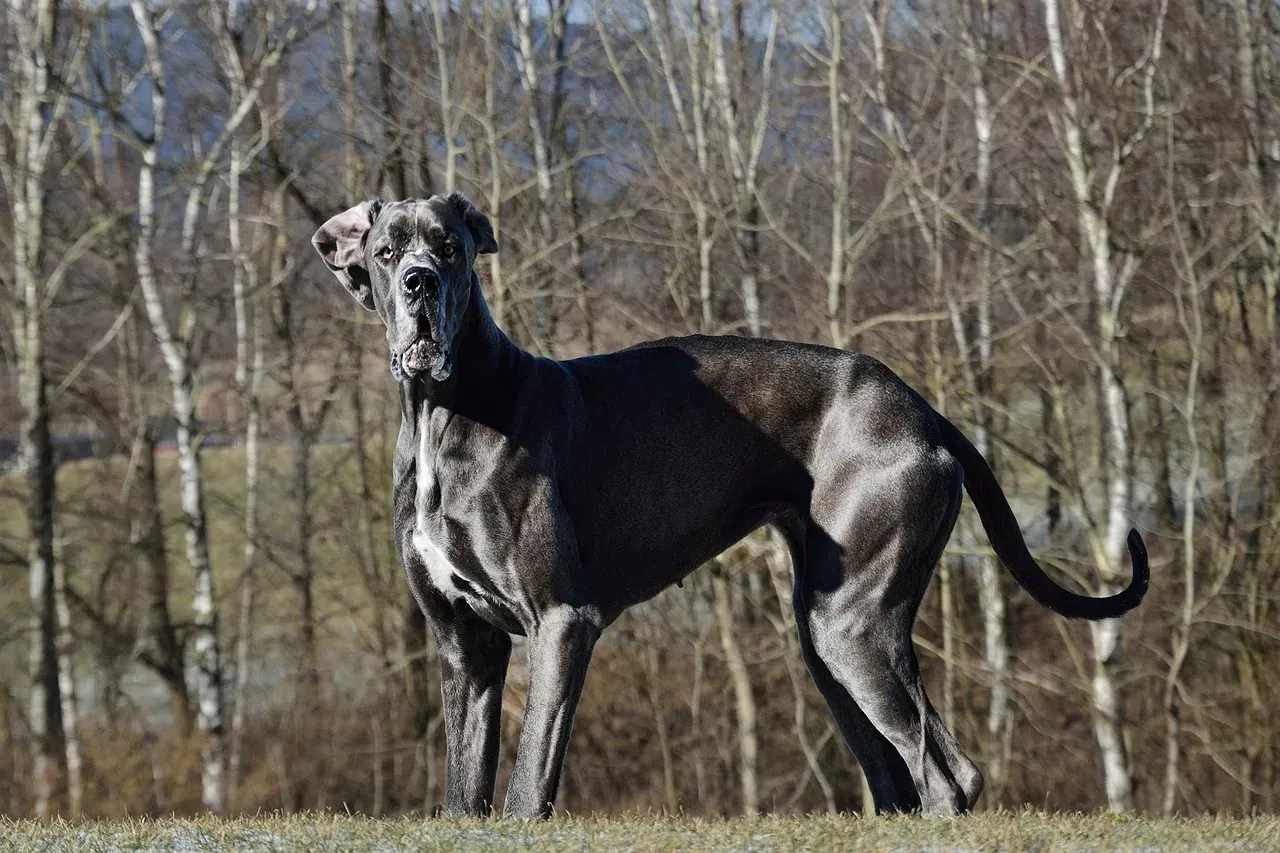
Known as a gentle giant, the massive Great Dane is highly affectionate and wonderful with children. The male Great Dane is typically 32 inches tall, making it the tallest dog in the world. All that height, all that muscle, and yet here he is, slowly backing away from a Chihuahua half the size of his head.
Don’t be fooled by the breed’s large size and assume this dog has an intimidating personality to match. Great Danes are, in fact, loyal and kind with happy personalities, and they desire to always be near their people. That easygoing nature is exactly what makes them such easy targets for a bossy little Chi. Prevention tip: socialize your Dane with small dogs early, starting with calm, friendly individuals in neutral spaces.
2. Golden Retriever: Too Sweet for Chihuahua Drama
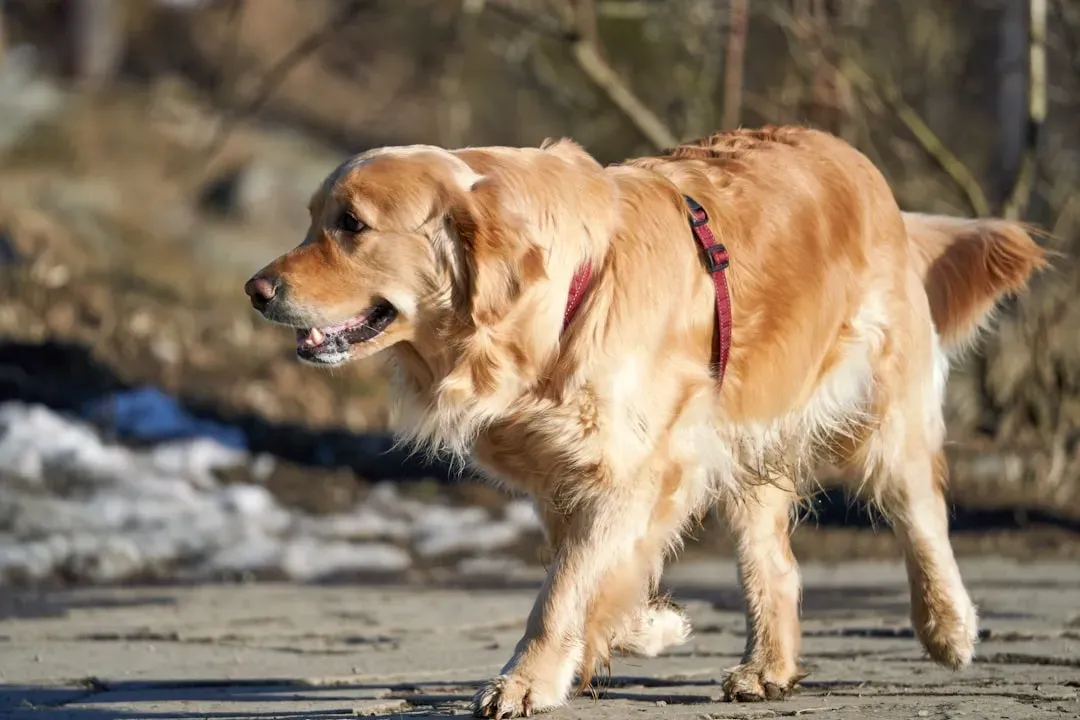
The Golden Retriever personality is naturally outgoing and eager to please. Although individual personalities can vary, most Goldens love people and social outings, thriving in homes with lively environments. Generally, Goldens are born to mingle and see everyone as a potential new best friend. That last part is the problem. The Chihuahua does not want to be their friend.
Small dogs often move faster, bark more frequently, and may dart around erratically. This unpredictability can startle or stress out bigger dogs, especially if they’re more mellow in temperament. Watch your Golden’s body language closely. A tucked tail, whale eyes, or suddenly freezing up are all signs your dog is overwhelmed. Give them space, redirect calmly, and never force the interaction.
3. Irish Wolfhound: A Historic Giant With a Surprisingly Soft Heart
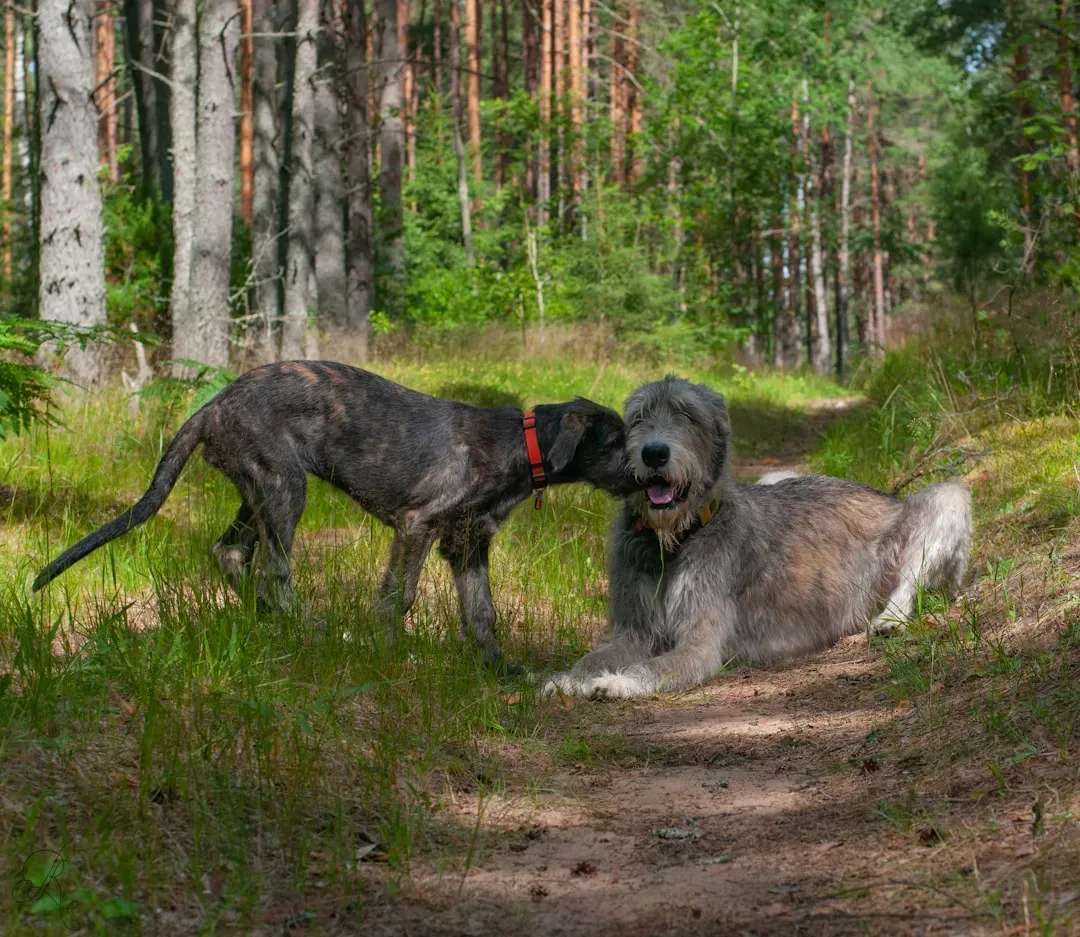
A wolfhound is most easily described by its historical motto, “gentle when stroked, fierce when provoked.” Irish Wolfhounds are often favored for their loyalty, affection, patience, and devotion. In practice, that patience is put to the ultimate test when a Chihuahua is involved. Imagine a creature that once hunted wolves now tiptoeing around a five-pound dog. It’s equal parts hilarious and endearing.
Although at some points in history they have been used as watchdogs, the Irish Wolfhound is usually unreliable in this role as they are often friendly toward strangers, although their size can be a natural deterrent. Their sensitivity and non-aggressive nature means a Chihuahua’s intense energy can genuinely stress them out. If you own both breeds, create safe retreat zones where your Wolfhound can decompress away from the chaos.
4. Saint Bernard: The Rescue Dog Who Needs Rescuing From a Chihuahua
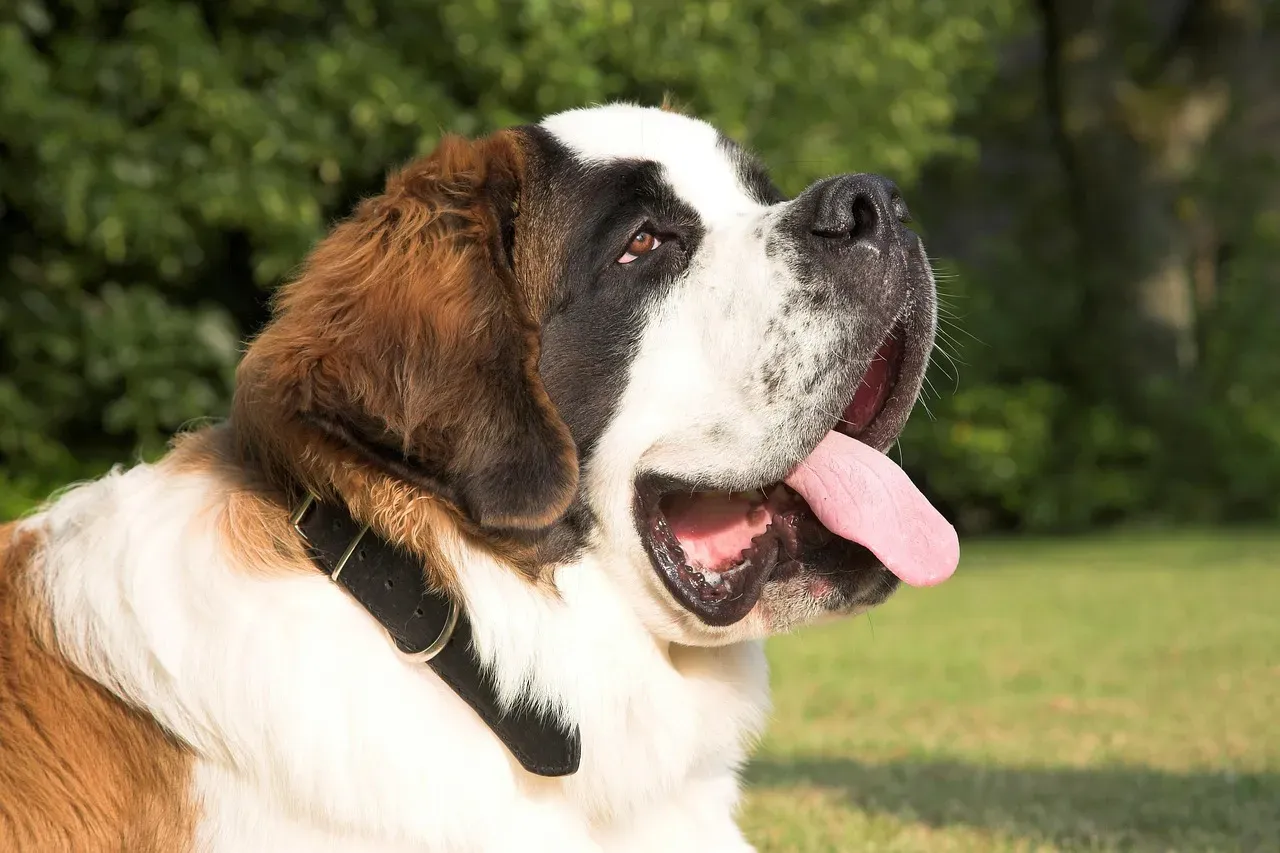
Saint Bernards are famous for their gentle and caring nature. Originally bred for rescue work, they have an innate sense of empathy and understanding. Which is honestly adorable until you realize that same empathy makes them the most confused animals on earth when a Chihuahua launches itself into a full barking meltdown three inches from their nose.
Big dogs that haven’t been properly socialized during their early months might be confused or scared by small dogs. They may not know how to interpret high-pitched barks, frantic movements, or assertive energy. If your big dog has ever been snapped at or bullied by a small dog, that memory can stick. Dogs don’t forget negative encounters easily, and even one incident can create lasting fear. Introduce your Saint Bernard to small dogs gradually and always reward calm behavior with treats and gentle praise.
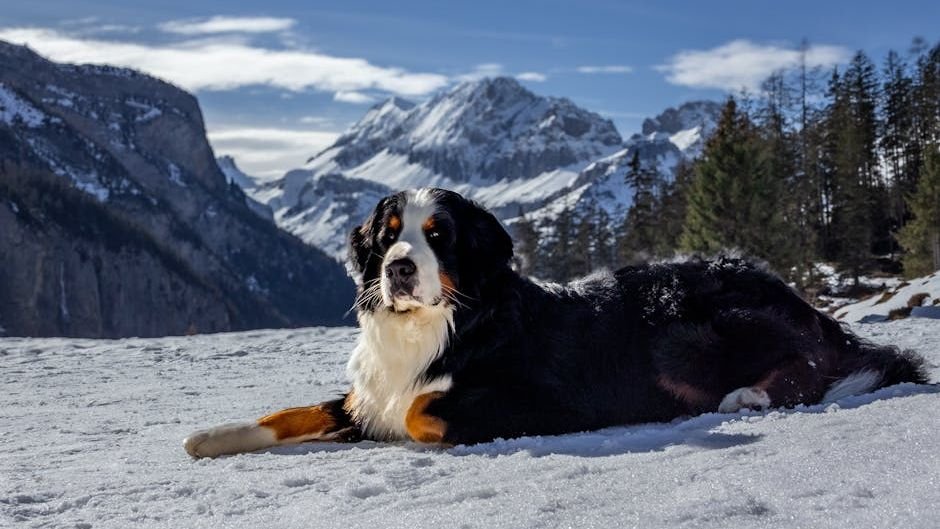
5. Bernese Mountain Dog: The Gentle Farmer Outmatched by a Tiny Tyrant
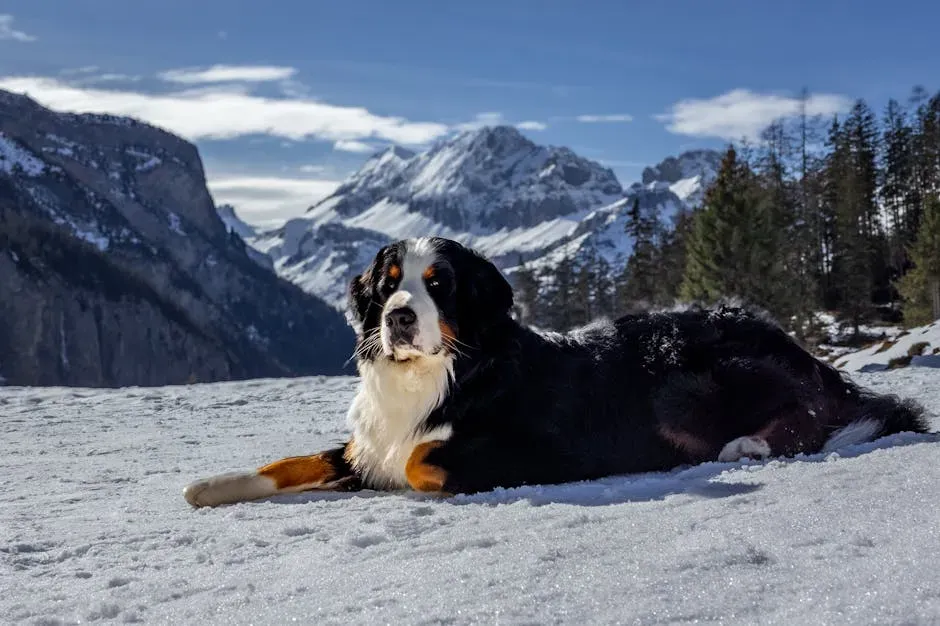
Bernese Mountain Dogs were bred to work Swiss Alpine farms, pulling carts and herding livestock. They are sturdy, hardworking, and deeply devoted to their families. What they were absolutely not bred for is navigating the unbridled fury of an offended Chihuahua at close range.
A big dog has no way of knowing just how aggressive a small dog is or what its intentions might be. As far as the big dog knows, the little dog might actually want to hurt him, and what looks like fear could be a totally rational attempt to avoid a fight, even if it’s one he would ultimately win. Help your Berner by creating structured, calm introductions with small dogs. Keep those early meetings short, positive, and on neutral ground.
6. Newfoundland: The “Nanny Dog” Who Can’t Handle the Chi
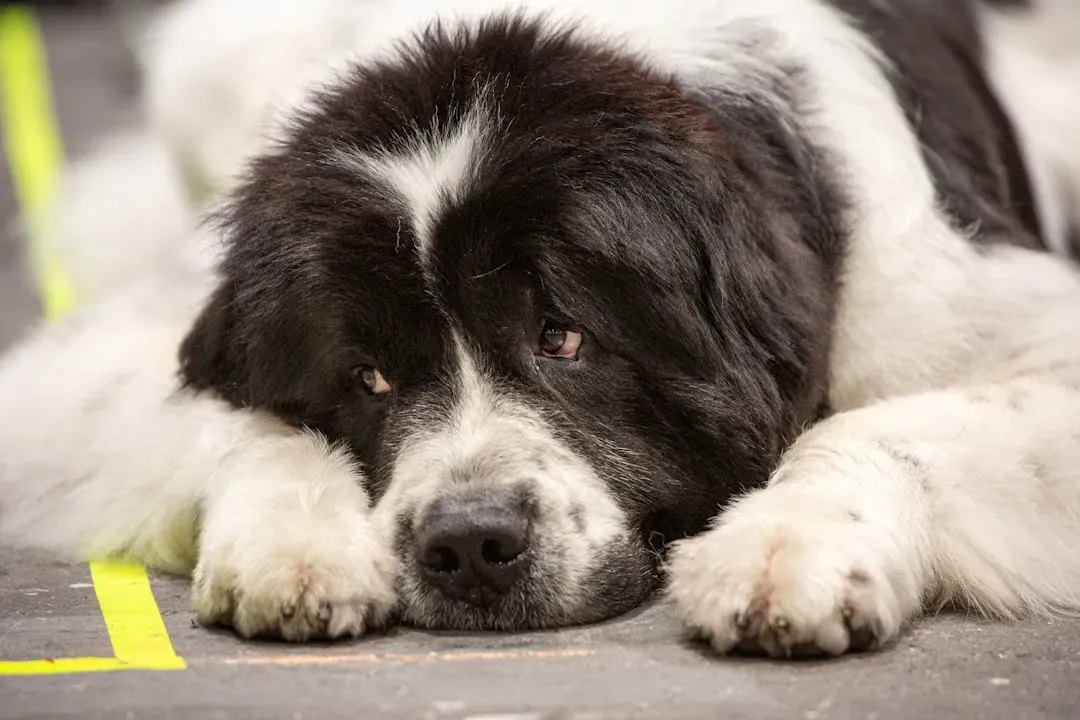
Newfoundlands are gentle giants known for their calm demeanor and strong swimming ability. These dogs are particularly fond of children, earning them the nickname “nanny dogs.” They have a strikingly sweet nature and are incredibly patient, often acting as a steady presence in a bustling home. That patience is a gift. The problem? Chihuahuas rarely reward patience.
Sometimes when a dog is scared, they’ll show fearful body language, such as cowering, pinned back ears, or lying flat on the floor. Other times, that fear can turn defensive, and a dog can exhibit aggressive behaviors such as growling, barking, snapping, or biting. If your Newfoundland is showing any of these signs around small dogs, take it seriously. Consult a positive-reinforcement trainer to work through the anxiety before it escalates.
7. Labrador Retriever: Happy-Go-Lucky Until the Chihuahua Shows Up
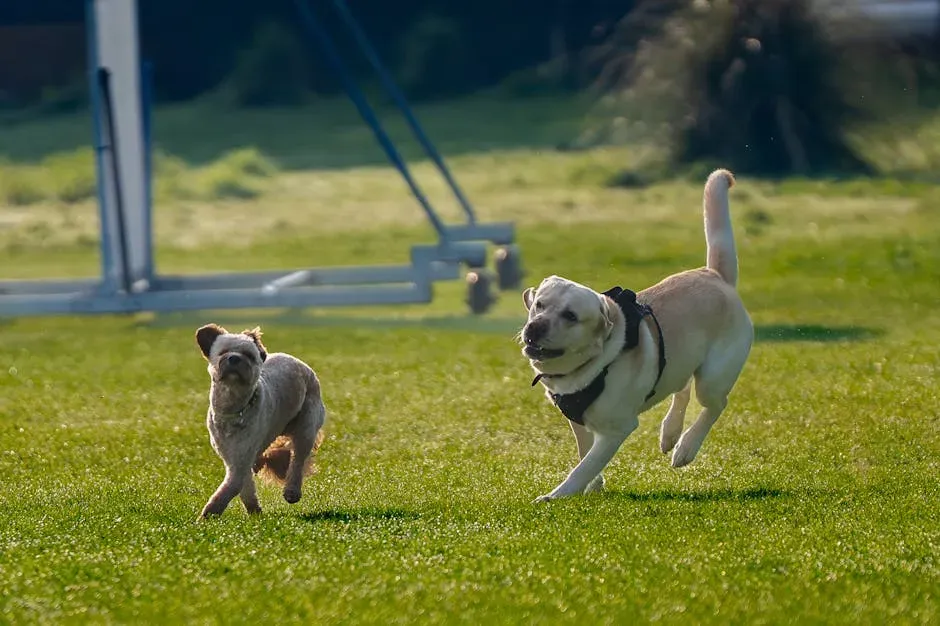
Labs are America’s most beloved dog breed for a reason. They’re joyful, adaptable, and almost pathologically friendly. Put a Labrador in a room with any other animal and they’ll almost certainly try to play. Put them in a room with a Chihuahua who is having a very bad day, though, and watch things get awkward fast.
When a young man wandered by with a large, mature Labrador Retriever, the Chihuahua became frantic, barking and lunging toward the bigger dog. The Lab slowed a bit to look at the tiny, noisy dog and then resumed his leisurely strolling pace as though nothing particularly interesting had happened. That’s the textbook Lab response. Still, repeated negative encounters can wear down even the most cheerful Lab, so don’t assume their calm exterior means they’re unbothered. Watch for stress yawns, lip licking, and avoiding eye contact.
8. Old English Sheepdog: Fluffy, Lovable, and Thoroughly Baffled
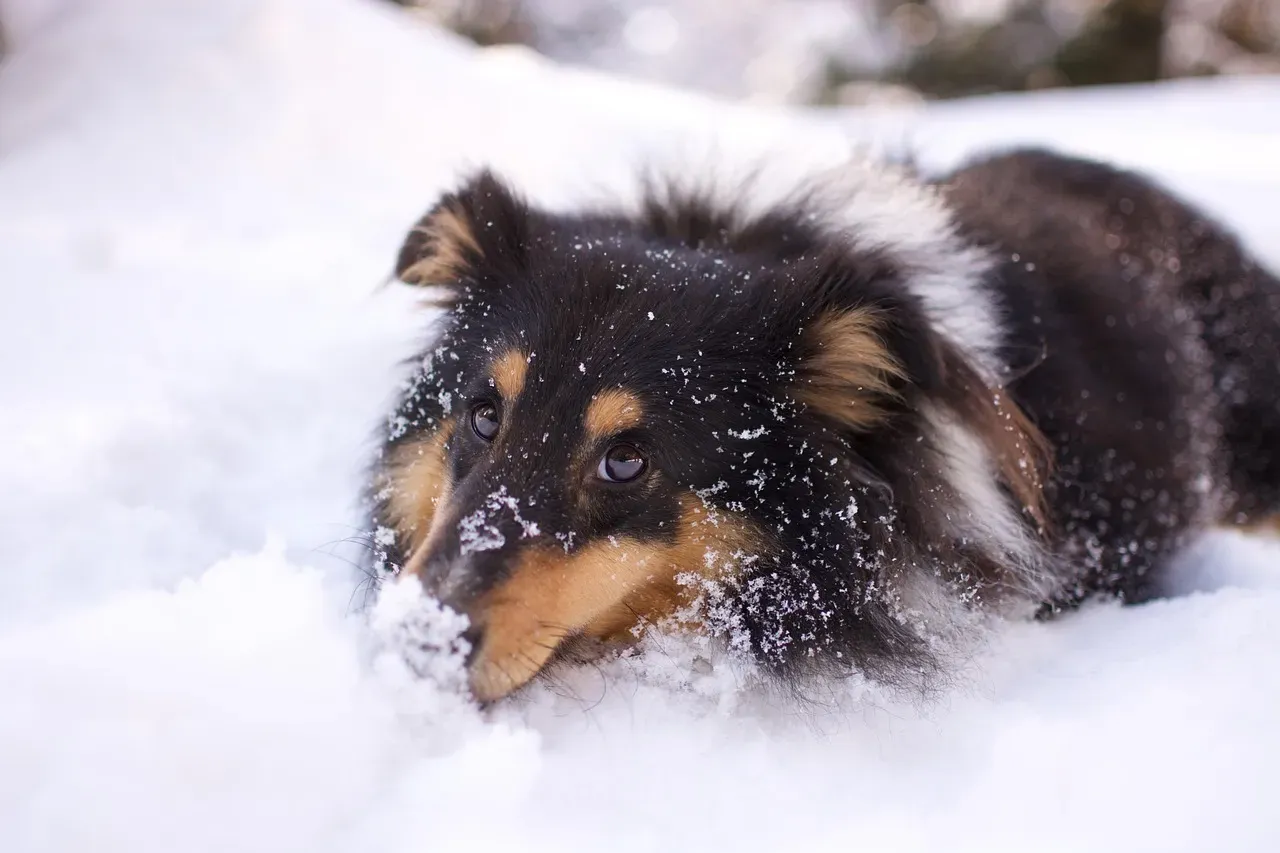
The Old English Sheepdog, often recognized by its shaggy coat and expressive eyes, is a gentle giant known for its protective nature. This breed is great with children and other animals, often taking on a nurturing role. Despite their size, they are surprisingly agile and love to play. They’re also surprisingly emotionally sensitive, which means a screaming Chihuahua can genuinely throw their whole day off.
Recent studies highlight several key risk factors that increase aggression likelihood in small dogs. Poor early socialization represents the most significant contributor to dog-directed aggression. Dogs not exposed to other canines during their critical socialization period often develop fear-based aggressive responses, creating a cycle where fearful reactions lead to negative experiences, reinforcing aggressive behaviors over time. Understanding why the Chihuahua is acting out helps you approach the whole situation with more empathy for both dogs.
9. Boxer: All Muscle, Zero Idea What to Do With This

Boxers are energetic, playful, and fiercely loyal. They’re also wonderfully goofy dogs who bounce around with the enthusiasm of a puppy well into adulthood. Face them with a standoffish Chihuahua, though, and you’ll often see something unexpected: total social paralysis. The Boxer wants to play. The Chihuahua absolutely does not.
A Chihuahua is not so large as to intimidate by size alone, and because they’re transparent about literally everything, they don’t leave another dog guessing about their intent. Clear and fair in their communication is their signature. As a result, this actually helps shy dogs come out of their shell faster, thanks to their clarity. The flip side? When the Chihuahua communicates “I don’t want to interact,” it does so extremely loudly, and many Boxers simply freeze up. Redirect your Boxer with calm commands and reward disengagement.
10. Rottweiler: Confident Protector Who Still Backs Down From the Tiny One
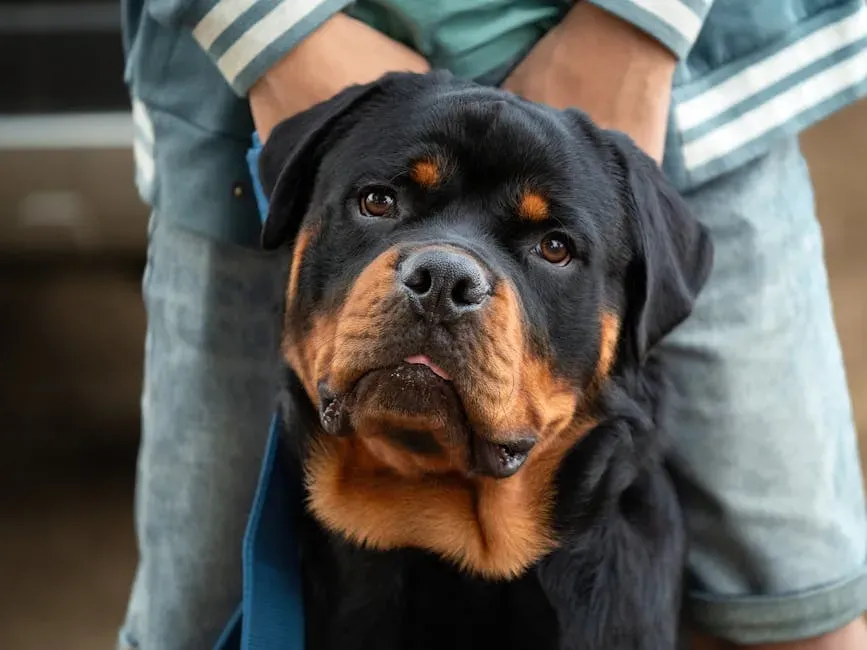
Here’s the thing nobody likes to admit about Rottweilers: behind all that power and protective instinct lives a deeply sensitive dog. They are loyal, emotionally intelligent, and genuinely responsive to the moods of those around them. So when a Chihuahua explodes into a barking tantrum, a well-raised Rottie doesn’t escalate. They often just… step back.
Large breeds may be more dangerous when aggressive, but not necessarily more prone to aggression. One study in the prestigious journal Nature found that taller and bigger dogs are less aggressive toward the owner and even toward strangers than smaller dogs. That non-aggression is a sign of good temperament, not weakness. If your Rottweiler seems stressed around small dogs, structured desensitization with a certified trainer can make a world of difference.
11. German Shepherd: Intelligent, Alert, and Still Rattled by the Chi’s Chaos
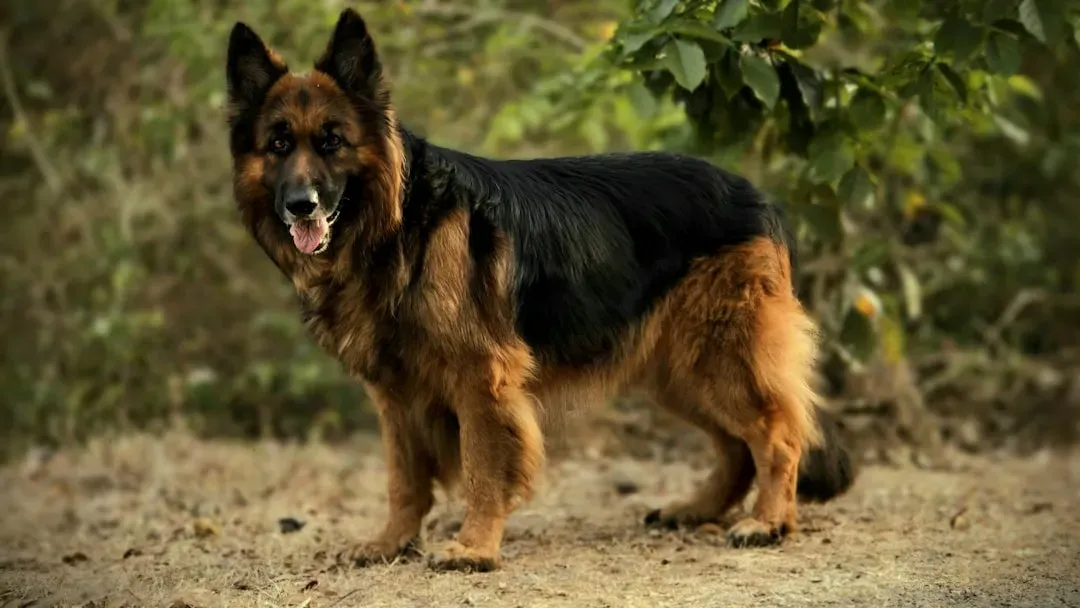
German Shepherds are among the most versatile working dogs on the planet. They serve in police forces, military units, and search-and-rescue teams. They’re smart, loyal, and alert. Yet bring a particularly assertive Chihuahua into their personal space, and you’ll sometimes see even this confident breed take a careful step backward.
Some large dogs are naturally protective. When a small dog charges up to them yapping, your big pup might not know how to respond without feeling like they’re under threat, resulting in either retreat or fear. The good news is that German Shepherds are highly trainable. Using basic commands like “sit,” “look at me,” or “leave it” to redirect your dog’s focus when small dogs are nearby builds trust and helps your dog feel more in control.
12. Irish Setter: The Elegant Socialite Who Can’t Handle Confrontation
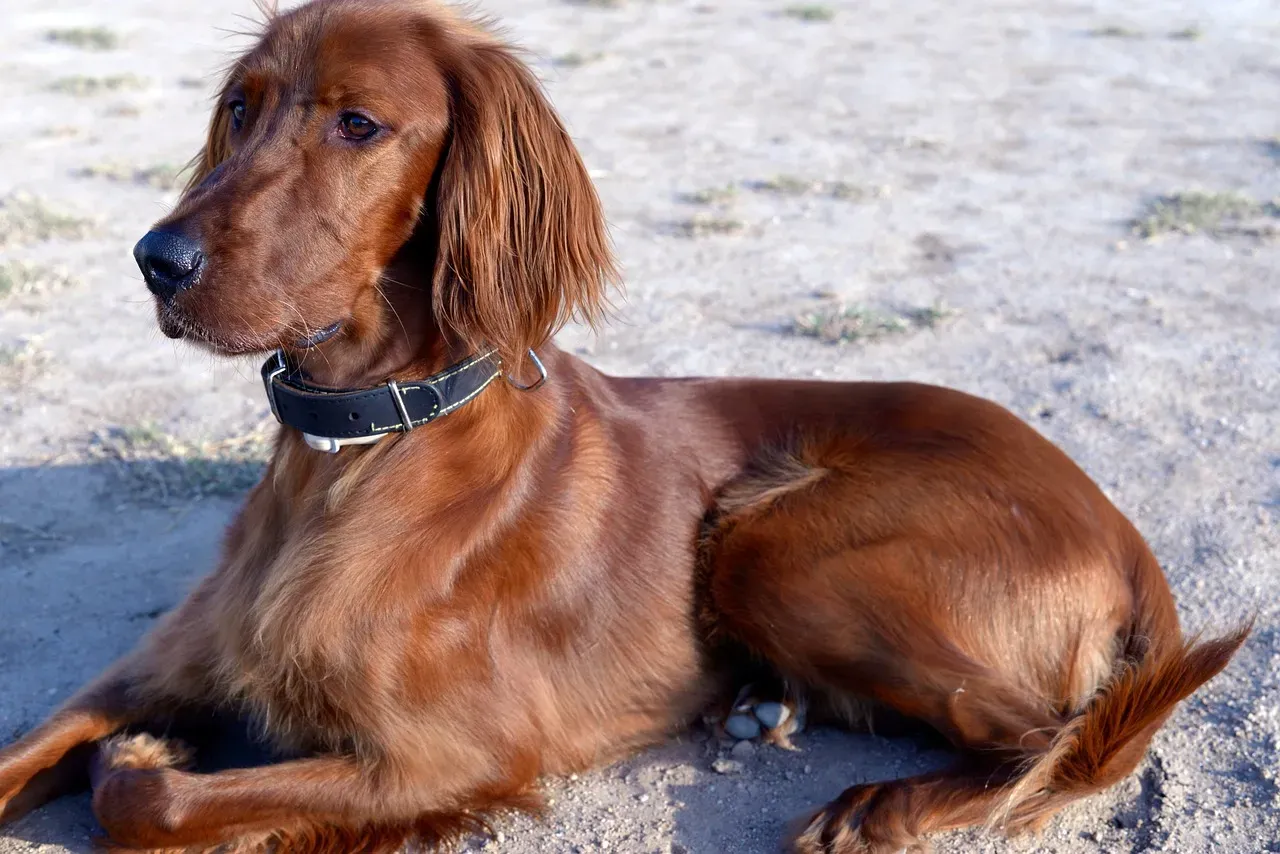
The Irish Setter, with its flowing red coat and playful demeanor, is a friendly giant. Known for its boundless energy and sociable nature, this breed thrives in active households. Despite its size, the Irish Setter is gentle with children and gets along well with other pets. Notice the word “gentle” keeps coming up. That’s the whole pattern here, isn’t it?
If you’re the little guy in a situation, it’s normal to feel threatened by the big guy. The best defense is often a good offense, so the scared little guy puts on a big display, which makes the big guy back up. And ta-da, the dog just learned to behave aggressively in order to make scary big dogs go away. Your Irish Setter isn’t failing by stepping away. It’s actually choosing peace, which is admirable. Reinforce that calm response, and always manage environments so neither dog feels cornered or overwhelmed.
What This All Means for You as a Dog Parent
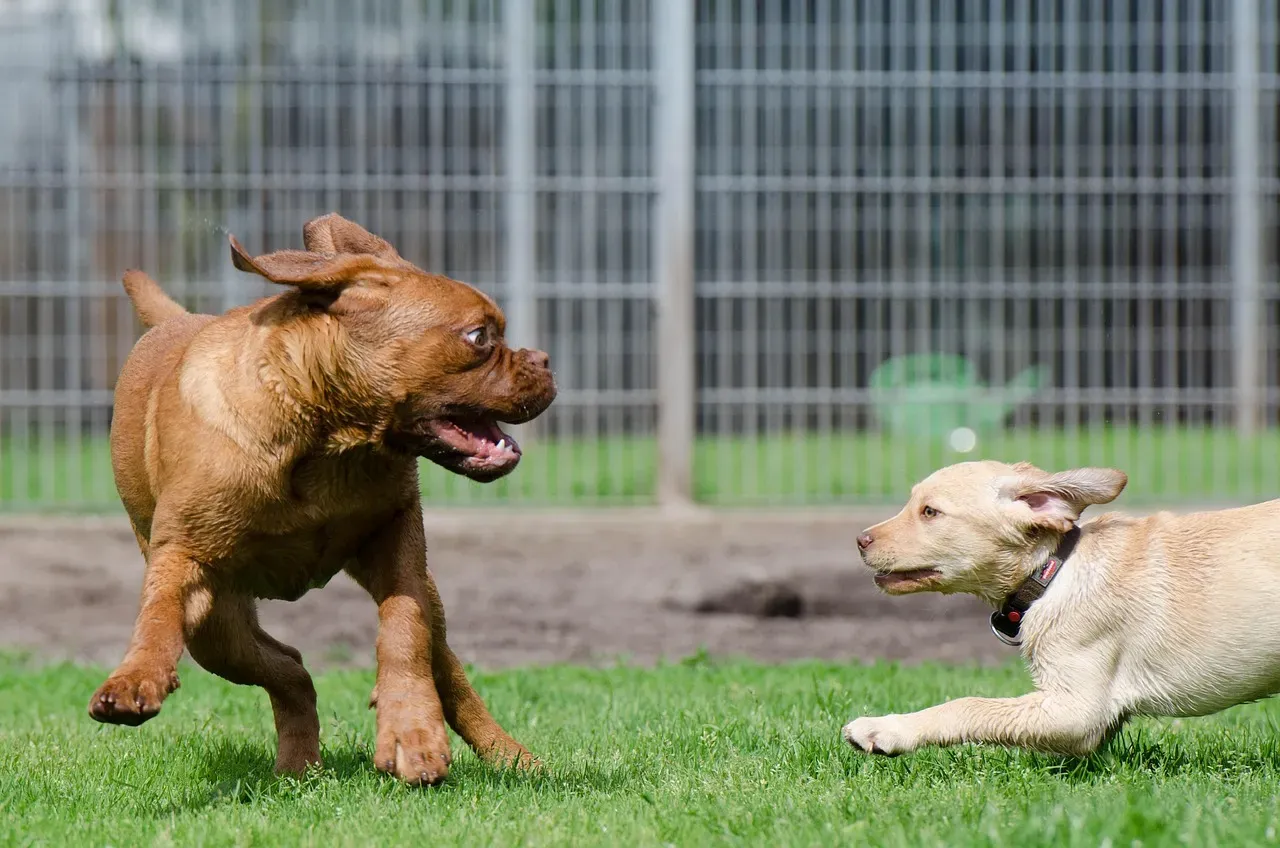
Honestly, watching a 150-pound Mastiff gingerly tiptoe away from a four-pound Chihuahua never gets old. It’s funny, yes. It’s also a really important reminder that size has almost nothing to do with confidence, social skill, or emotional resilience in dogs.
Just because your dog is large doesn’t mean they’re fearless. Just like humans, dogs come with their own personalities, pasts, and sensitivities. What matters most is how you, as their trusted pet parent, respond. With patience, positive reinforcement, and gradual exposure, you can help your big dog feel safe, even in the tiniest company.
Introducing your dog to calm animals first, controlling the environment, rewarding calm behavior, keeping sessions short, and monitoring body language are all strategies professional trainers recommend. Focus on positive reinforcement methods that build confidence while establishing clear boundaries. Every dog, no matter how big, deserves to feel safe in their own skin.
The real takeaway? A big body doesn’t automatically equal a bold spirit, and a tiny dog doesn’t automatically equal a harmless one. Both dogs need their feelings respected, their space honored, and their owners paying close attention. If your gentle giant is losing the standoff with a Chihuahua right now, know this: you’re not alone, and with a little understanding and the right approach, harmony is absolutely within reach. Which one of these big breeds sounds most like yours? Drop a comment and let us know!


