If you’re someone who loves the idea of a big, fluffy dog but thinks you can manage a little shedding, let’s be honest right now. We’re not talking about a bit of fur on your couch. We’re talking about fur tumbleweeds rolling through your hallway like it’s the Wild West. Dog hair becoming part of your wardrobe. Fur in your food, your car, and somehow even in places you didn’t know existed.
Large dogs with heavy coats shed more than you’d believe possible. Some blow their undercoats twice a year in a spectacular display that rivals a snowstorm. Others shed constantly, leaving a trail wherever they wander. It’s not just about looks or cuddle factor anymore when you’re vacuuming twice daily and still finding hair in your morning coffee. Yet people still fall head over heels for these breeds, and honestly, who can blame them? So let’s dive in and meet the magnificent shedding machines that might just redefine your relationship with your vacuum cleaner.
Alaskan Malamute
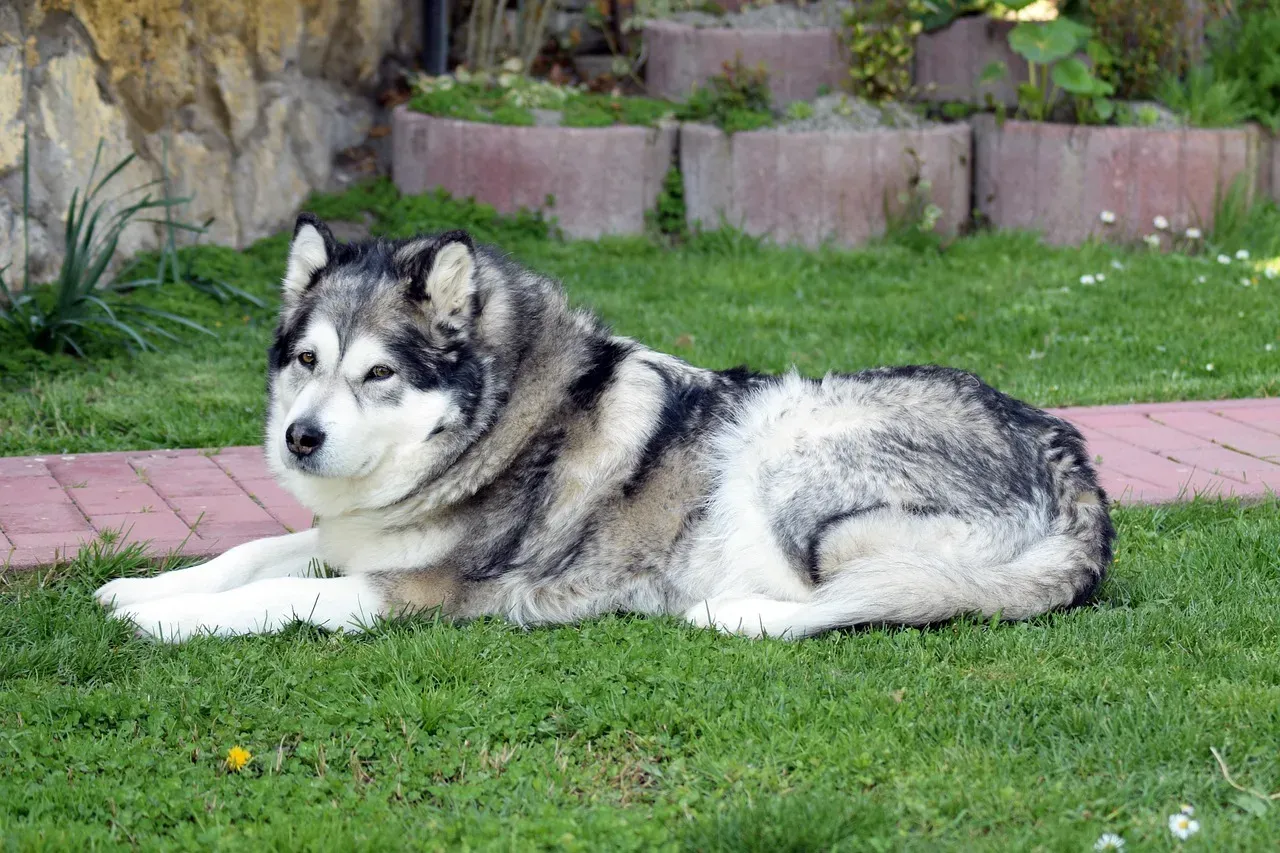
Originally bred to haul heavy loads across icy lands in Alaska, the Alaskan Malamute has a thick double coat that produces lots of shed hair. Think of it this way: these dogs were designed to survive some of the harshest climates on Earth. That plush, wooly undercoat keeps them warm in subzero temperatures, which is incredible for them but less so for your black pants.
Malamutes are seasonal shedders, meaning once or twice a year they will “blow” out their coat. During these periods, you’ll find yourself pulling out clumps of fur that look like they could be assembled into an entirely new dog. They shed furballs everywhere they touch, especially during fall and spring. Daily brushing becomes non-negotiable unless you want your home to resemble the inside of a pillow factory.
Siberian Husky
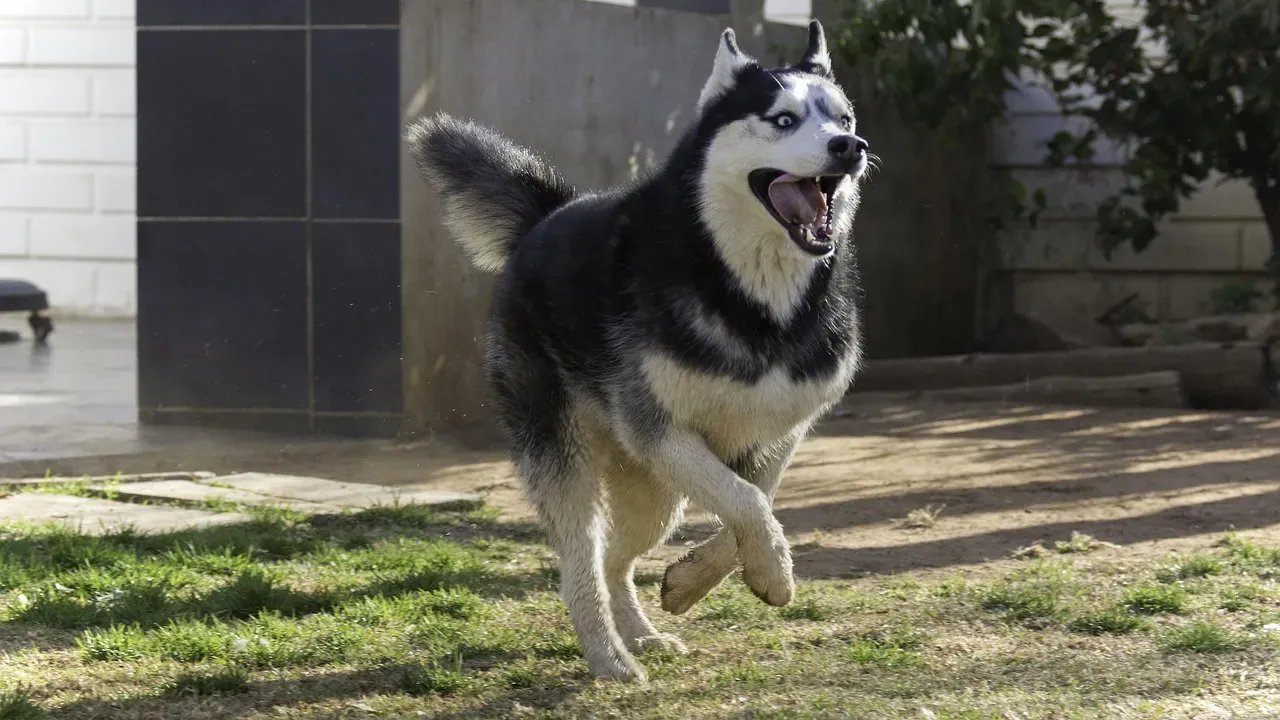
The adorable Siberian Husky is a very heavy shedder, which is no surprise since they originate from Siberia and were trained to drag heavy items across the earth’s coldest place. That striking appearance comes at a price, and that price is paid in lint rollers.
Siberian Huskies are known for their seasonal shedding, as this double-coated breed “blows” their undercoat twice a year, releasing a huge amount of fur all at once. You’ll know it’s happening when you start finding what looks like cotton balls scattered around your house. Siberian Huskies have a double coat thicker than most dog breeds, and during heavy, seasonal shedding, its undercoat is often absent; they shed year-round and require weekly grooming.
German Shepherd
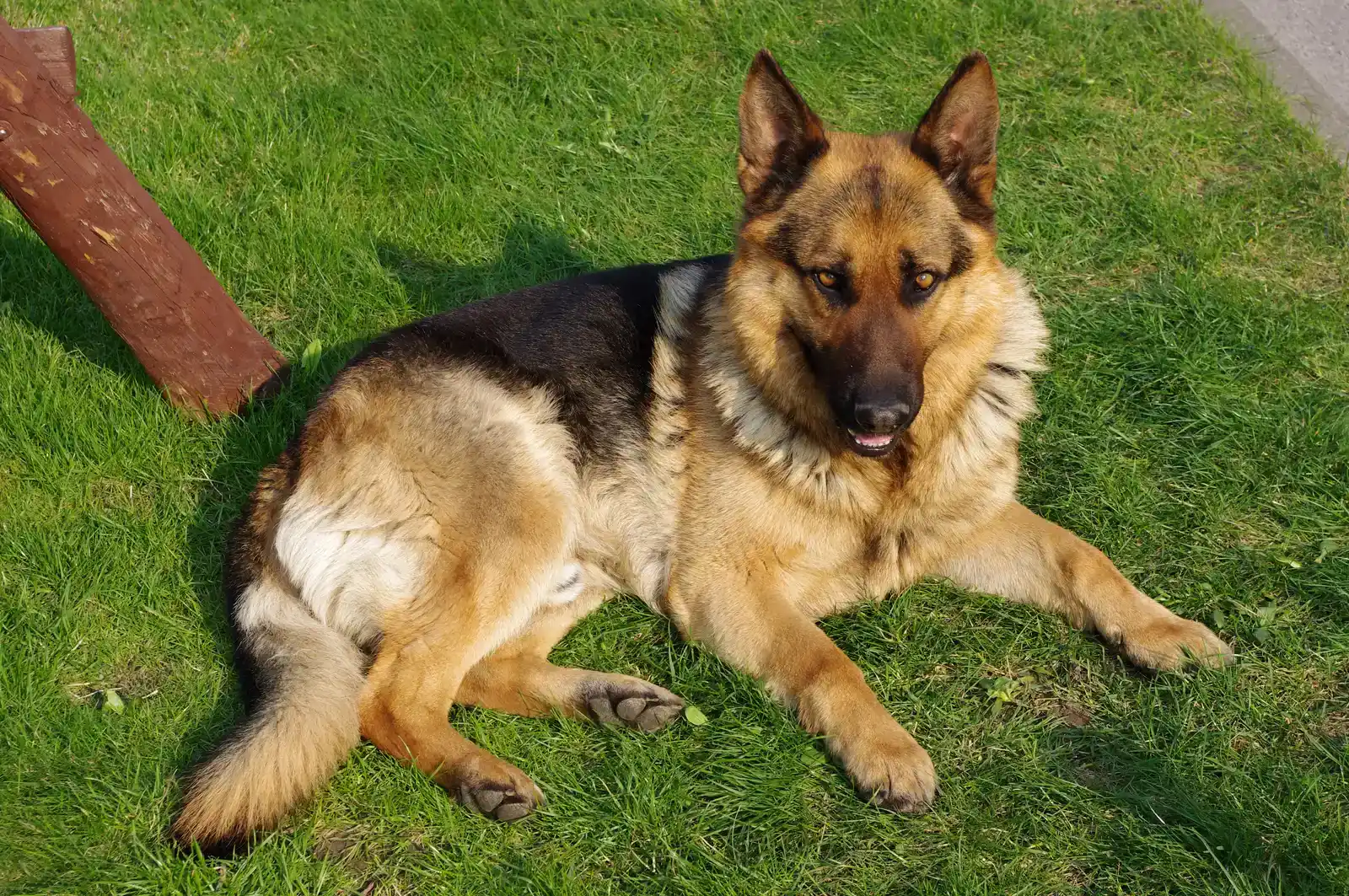
Double-coated breeds like German Shepherds are among the heaviest shedders, with shedding varying widely even within a breed. These loyal working dogs are beloved by police forces and families alike, yet their shedding capacity is legendary. Their fur is coarse and tends to weave itself into fabric like it’s been designed that way.
Although the German Shepherd Dog does “blow” its coat twice a year, it still sheds a lot all year round, and no matter what, the GSD is still the most wonderful companion and protector of the families that own them. It’s hard to stay mad at them when they’re so devoted and smart. Still, prepare yourself for finding dog hair in places you never imagined possible.
Labrador Retriever
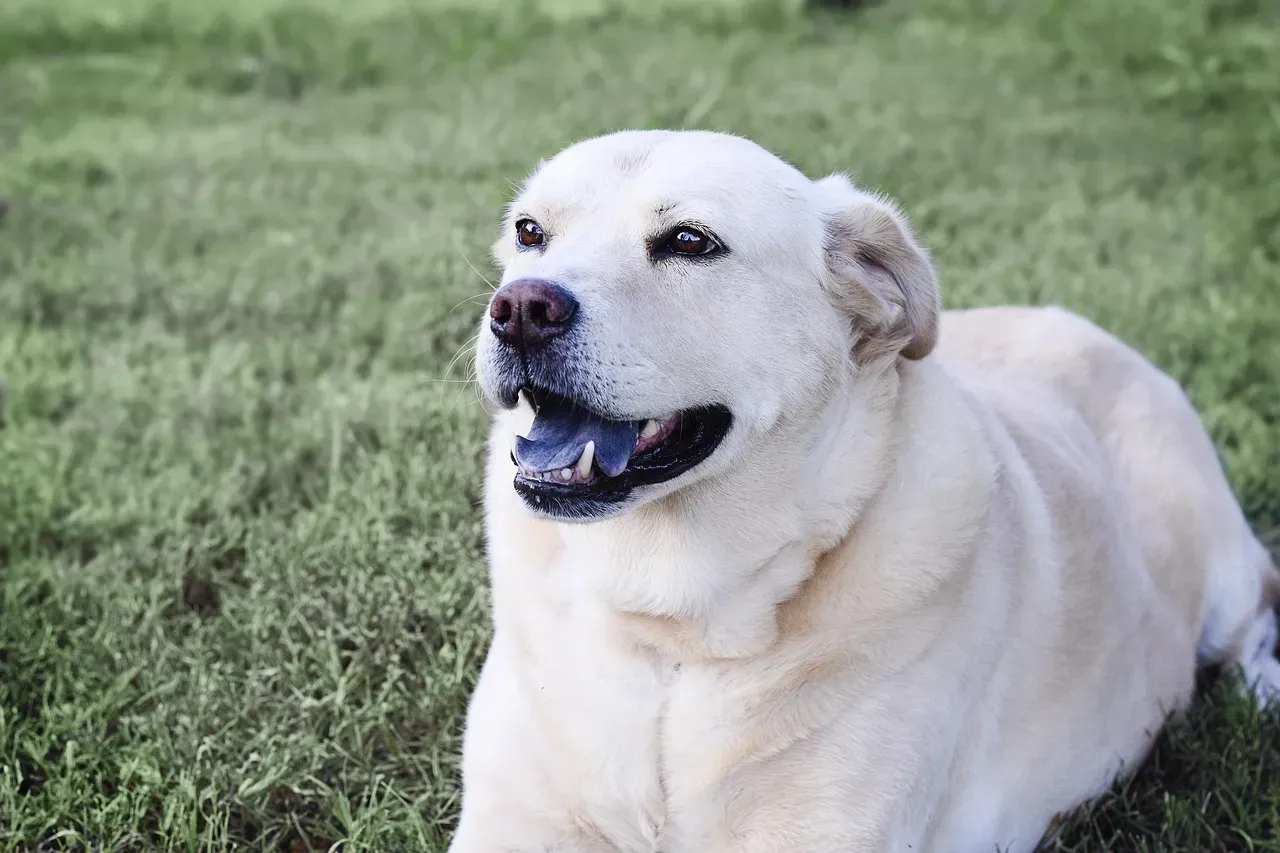
At the top of the list of dogs that shed the most is America’s favorite canine, the Labrador Retriever, and many new Lab owners are shocked by how much their dog sheds, mistakenly assuming that short-haired dogs like Labs don’t shed that much. Here’s the thing: short hair doesn’t mean less shedding. In fact, it might be worse because those little hairs embed themselves everywhere.
These dogs shed their heaviest in spring and fall, but they still create a fur ball when in the living room during other seasons; since they are double-coated, they shed all through the year. The stiff hairs of a Labrador Retriever have a way of weaving themselves into fabrics. You’ll be picking Lab hair out of your clothes for eternity.
Golden Retriever
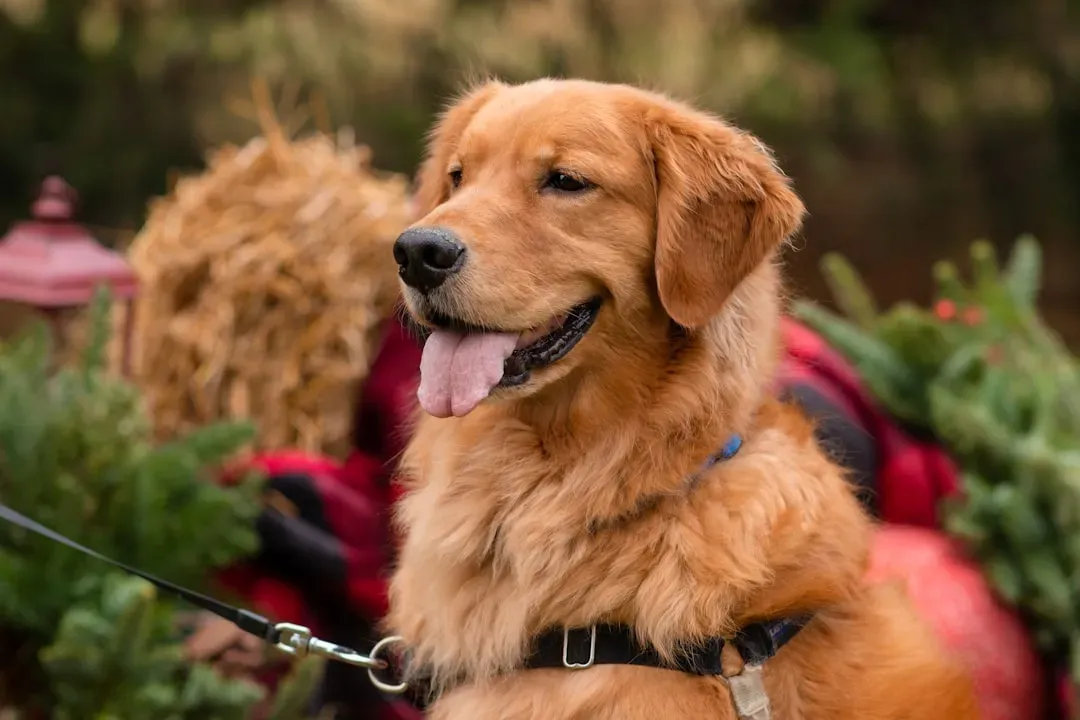
Despite being one of the most popular dog breeds, Golden Retrievers are one of the breeds that shed the most, and their luxurious golden coats need to be brushed frequently to control the masses of loose fur. That beautiful flowing coat is gorgeous until it’s floating through your living room like fairy dust.
Golden Retrievers have medium to long coats with feathering and a soft undercoat; they shed heavily year-round with a noticeable uptick during seasonal changes, and brushing several times a week helps reduce tangles and loose hair. Honestly, if you’re not prepared to commit to serious grooming sessions, a Golden might not be your best match. They’re worth it, though, with their sunny dispositions and endless enthusiasm.
Saint Bernard
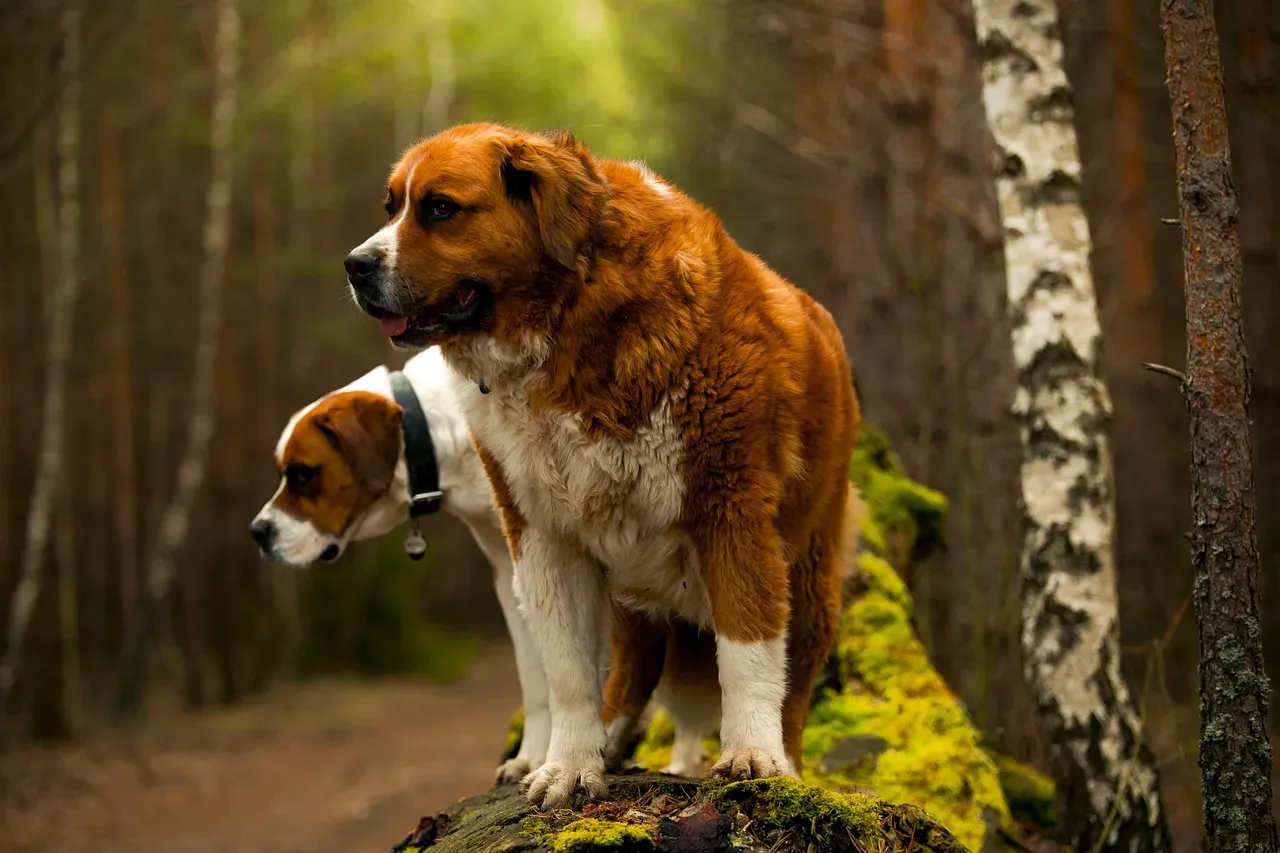
Saint Bernards shed almost as much as they drool, which means extra work for you; you’ll need to clean your home several times a week, along with weekly brushing to maintain their fluffy coats, but luckily, these laidback dogs make great cuddle buddies in return for the excessive chores they bring. If you’ve ever met a Saint Bernard, you know they’re absolute sweethearts.
Saint Bernards do shed, and they especially become heavy shedders during the spring and autumn seasons; while long-haired Bernards may tend to shed more than their short-haired counterparts, you can still expect both coat types to drop hair about your house all year round. It’s a small price to pay for a dog that’s basically a living teddy bear, right?
Great Pyrenees
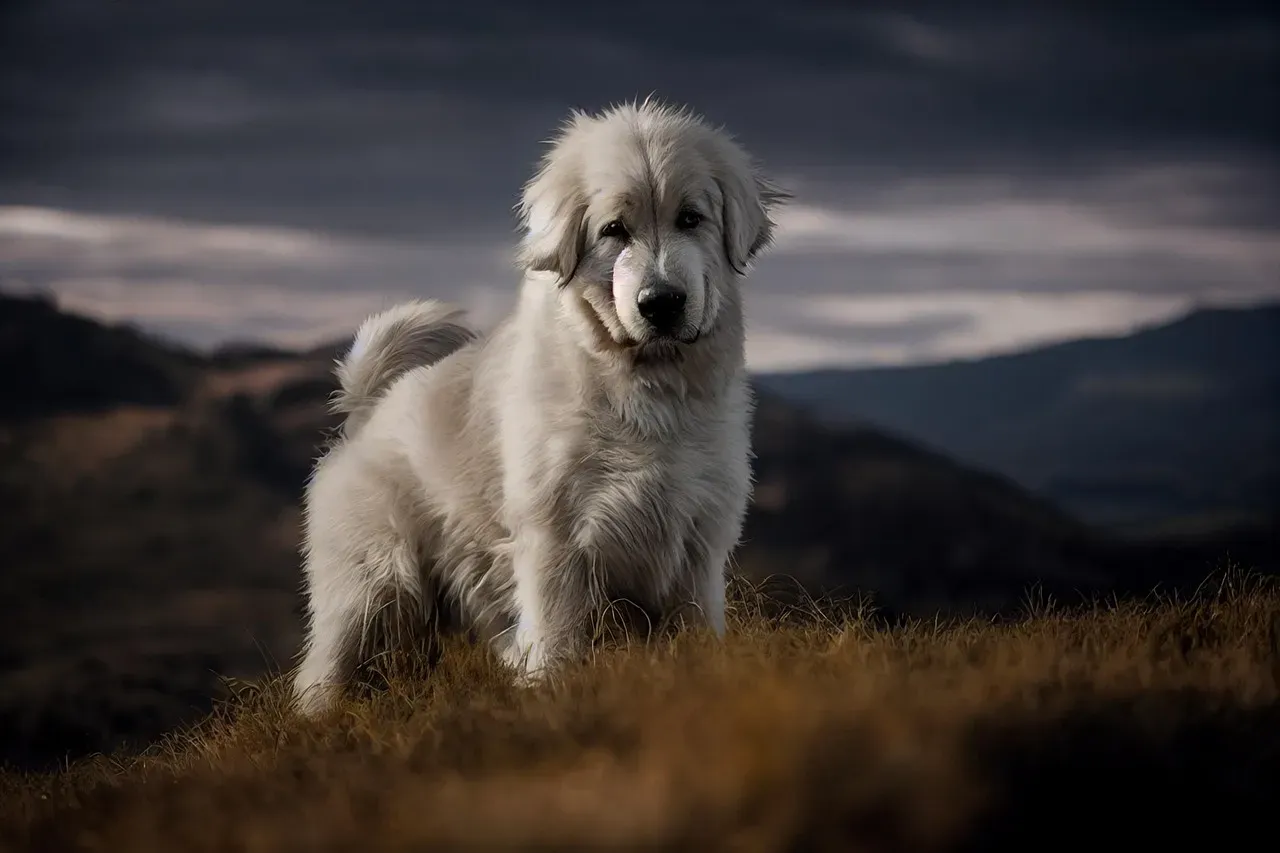
Bred to guard livestock in the mountains, the Great Pyrenees has a long, wooly, weather-resistant coat that sheds continuously. These majestic white dogs look like they belong on a mountaintop, surveying their kingdom. Unfortunately, that gorgeous coat also belongs on your furniture, floors, and probably your dinner plate.
Great Pyrenees have a medium-length double coat with abundant fur; luckily, its long outer coat and soft undercoat are resistant to tangling, dirt, and weather, but Great Pyrenees do shed moderately to heavy year-round and require brushing at least once a week to prevent hair all over the house. Great Pyrenees drop so much fur during heavy shedding seasons that it can take hours to brush or blow it all out.
Akita
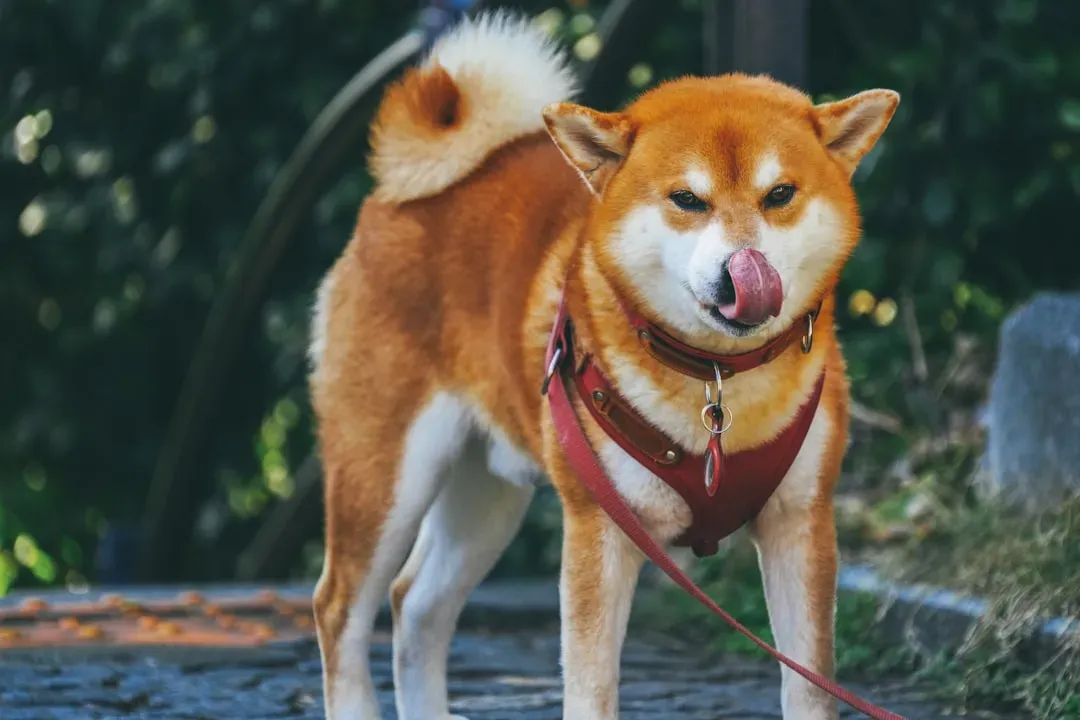
The Akitas are large canines from Japan, and since the creatures come from mountainous regions, they have a thick coat to help keep them warm; even though their coat is short, it has got a thick double layer that is always shedding. These dignified dogs have a calm demeanor and an almost regal bearing, but their shedding is anything but subtle.
During parts of the year, self-grooming Akitas are considered low-shedding; however, during the spring and fall they blow their dense undercoats, so get the broom ready! The transformation is dramatic. One week your Akita looks pristine, and the next it’s like a fur explosion happened in your home. You just have to roll with it and accept that grooming is now a major part of your routine.
Newfoundland
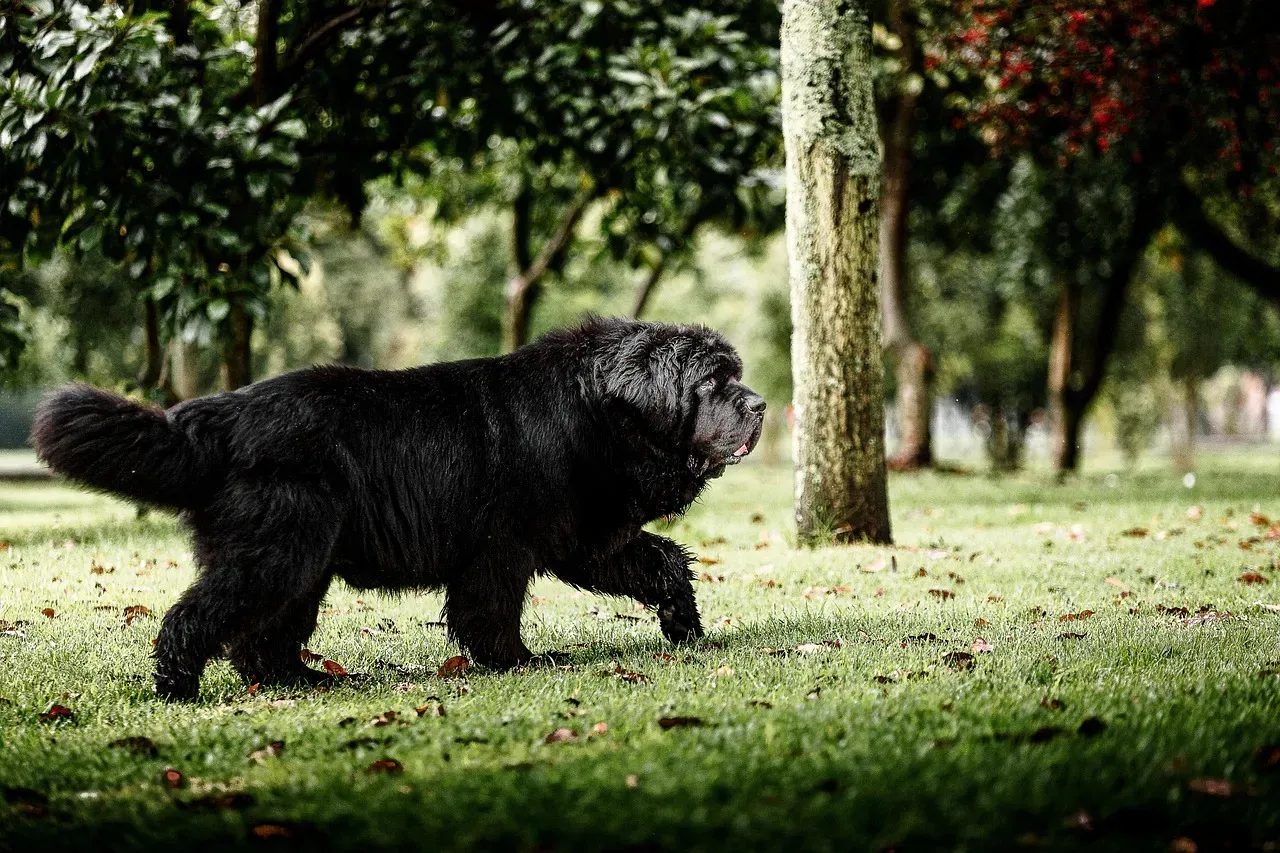
The Newfoundland is a breed that sheds year-round with periods of extra-heavy shedding. These gentle giants are known for their sweet nature and impressive water rescue abilities. They’re also known for leaving behind enough fur to knit a sweater. Literally, some people do that.
Newfoundlands are more than gentle and kind-hearted, they’re a positive force for good; this water-rescue breed is not overly active but enjoys swim outings and cool-weather hikes, and Newfoundlands love people, particularly kids, but drawbacks include shedding, drooling, and a low tolerance for hot temperatures. They’re wonderful family dogs, just be prepared to find clumps of black fur absolutely everywhere. It becomes part of the décor after a while.
Bernese Mountain Dog
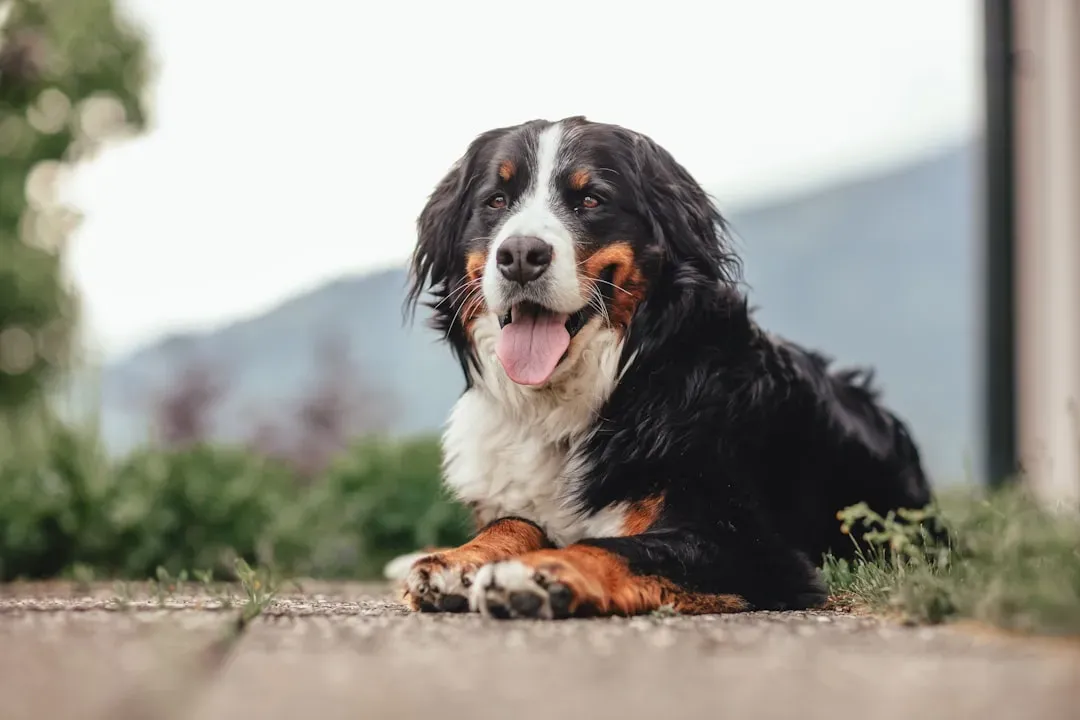
The beautiful tricolor coat of a Bernese Mountain Dog is breathtaking, but you better get used to fur floating around your home; their coat is dark and easy to see on light-colored furniture, and without proper brushing, their loose fur will also get trapped in their undercoat, which could result in painful mats. Let’s be real, those stunning markings are worth a little extra vacuuming.
Bernese Mountain Dogs shed their soft undercoat year-round, with heavier shedding during seasonal changes. Like the colossal Newfoundland and other double-coated dog breeds, the Bernese Mountain Dog has a thick undercoat and sheds quite heavily. They’re affectionate, devoted, and absolutely loaded with personality, so most owners consider the shedding a fair trade.
Chow Chow
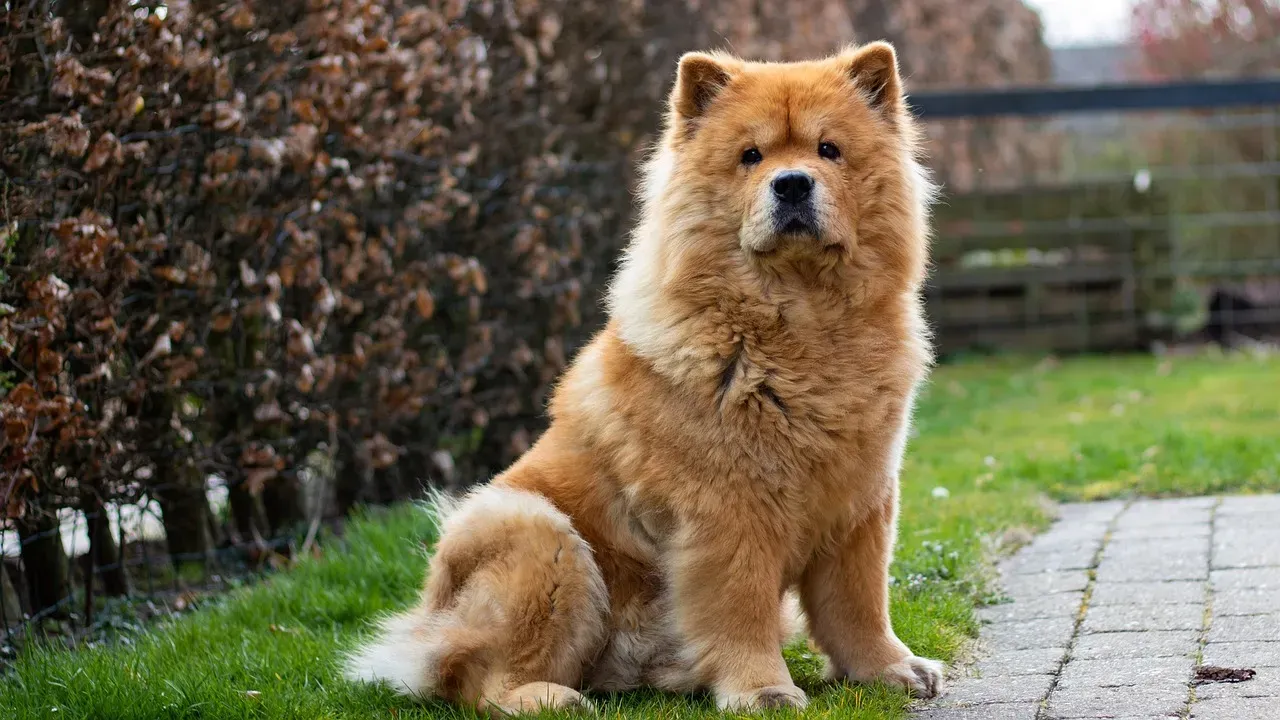
Chow Chows are known for their thick, mane-like coat, which requires regular grooming to keep it looking its best; they shed heavily, especially during seasonal transitions. These distinctive dogs with their lion-like ruffs and blue-black tongues are striking to look at. That thick mane, though, comes with a serious maintenance commitment.
Chow Chows can be aloof and independent, which makes their grooming needs all the more important because they won’t always cooperate willingly. Daily brushing during shedding season isn’t optional if you want to avoid a home filled with dense tufts of fur. It’s hard to say for sure, but the amount of fur they lose in a single grooming session could probably fill a small trash bag.
Leonberger
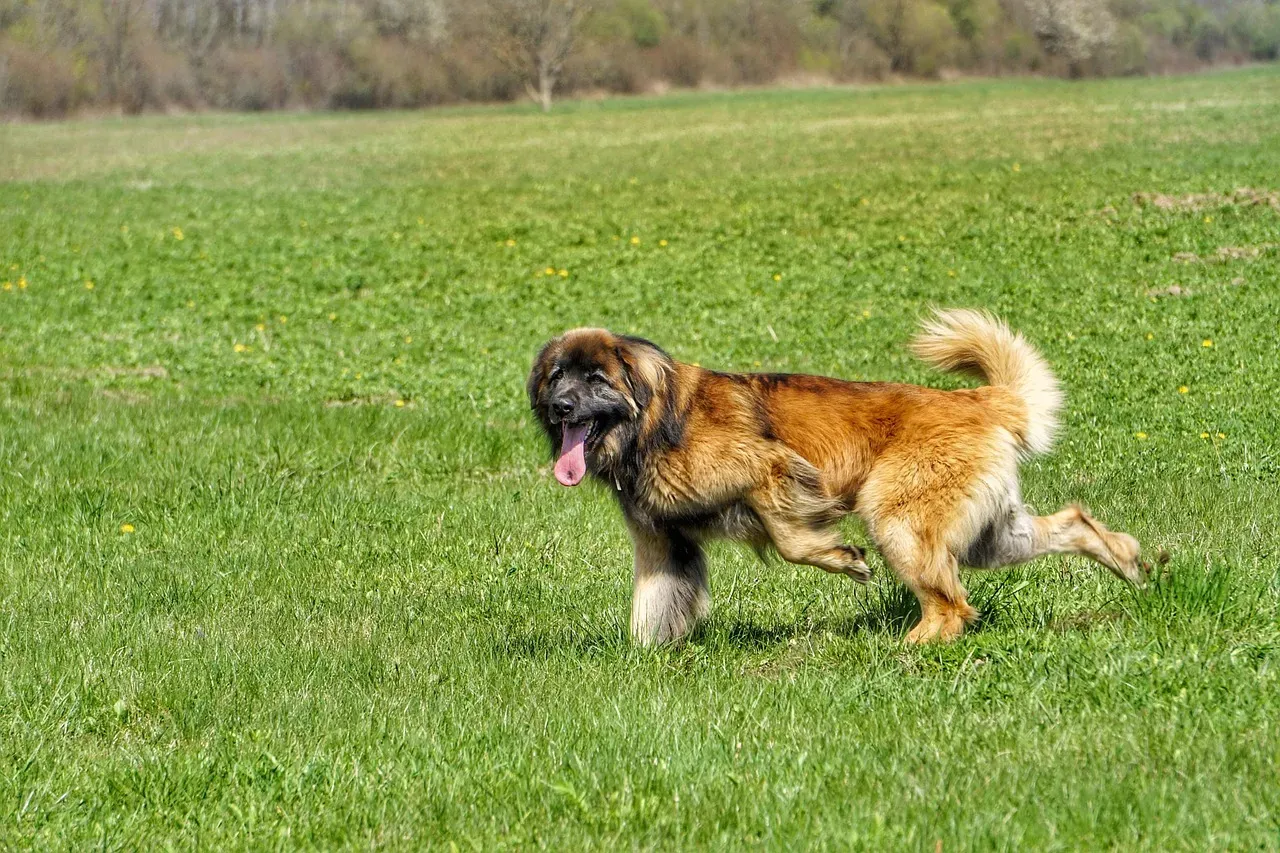
One question Leonberger owners always get is “DO THEY SHED?” and the answer is yes, so much so that Leonberger brushing has spawned cottage industries like dog-hair sweaters and Afghan blankets, plus photo competitions about who can produce the biggest hairball. If that doesn’t paint a picture, I don’t know what will.
Leonbergers shed year-round, but when they blow their coats, be ready to devote a full week to deshedding your pup! The thick coat and massive size of the Leonberger mean that, in addition to heavy shedding, this breed requires increased grooming time. These gentle giants are incredibly loving and make fantastic therapy dogs, so their devoted owners happily accept the fur-covered lifestyle that comes with them.
Conclusion
Owning a large dog breed that sheds heavily is not for the faint of heart. You’ll become intimately familiar with your vacuum cleaner, develop a lint roller addiction, and find dog hair in places that defy the laws of physics. Your wardrobe will gradually shift to colors that match your dog’s fur because resistance is futile.
Yet millions of people choose these magnificent breeds anyway, and for good reason. Their loyalty, affection, and larger-than-life personalities far outweigh the inconvenience of constant fur management. These dogs bring joy, companionship, and yes, a whole lot of shedding into our lives. It’s worth every single strand of fur you’ll spend the next decade finding in unexpected places. What’s your tolerance for shedding? Could you handle one of these magnificent fluff monsters?