
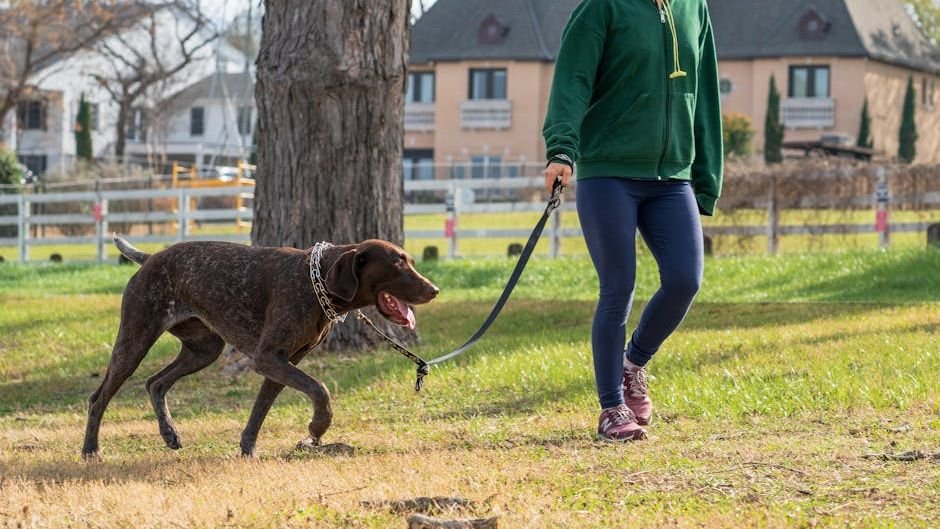
Picture this: it’s the Fourth of July, fireworks are exploding overhead, and your dog is wedged under the bed, shaking uncontrollably. Or maybe it’s a regular Tuesday afternoon, you grab your keys, and your pup immediately starts pacing and whining before you even open the front door. Sound painfully familiar? You are not alone. Research shows that roughly three out of every four dogs exhibit at least one anxiety-related behavior. That’s a staggering number, and honestly, it breaks my heart every time.
The good news is that you don’t have to sit helplessly and watch your best friend suffer. There are safe, natural, vet-approved strategies that can genuinely make a difference, without turning your energetic, loving dog into a groggy shadow of themselves. Whether your pup trembles during thunderstorms, panics when you leave for work, or just seems chronically “on edge,” this guide is for you. Let’s dive in.
First, Learn to Read the Signs: What Anxiety Actually Looks Like
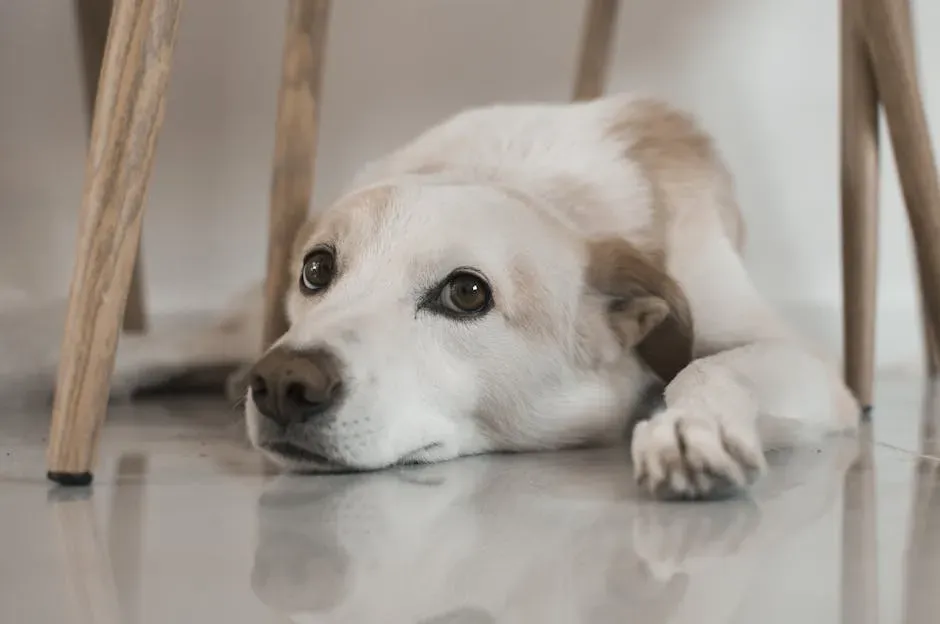
Before you can help your dog, you need to know what you’re looking for. The signs of anxiety in dogs are often subtle and can easily be misinterpreted unless the full context is understood. Many owners mistake anxious behavior for stubbornness or bad manners, which is genuinely unfair to the dog.
While some anxious dogs tremble or bark excessively, most display far-subtler behaviors. Look for frequent yawning when they are not tired, lip-licking, avoiding eye contact, or showing the whites of their eyes, known as “whale eye.” Others may slow down, freeze, hide, pace, or become unusually clingy. Think of these as your dog’s version of saying “I’m not okay right now.”
Dogs also show anxiety through trembling, excessive panting, pacing, spinning, destructive chewing, and excessive barking. Some lose bladder control during stressful events, while others become hypervigilant or refuse to settle. If your dog has been doing any of these things regularly, it’s worth investigating further.
Establish a Daily Routine That Feels Like a Security Blanket
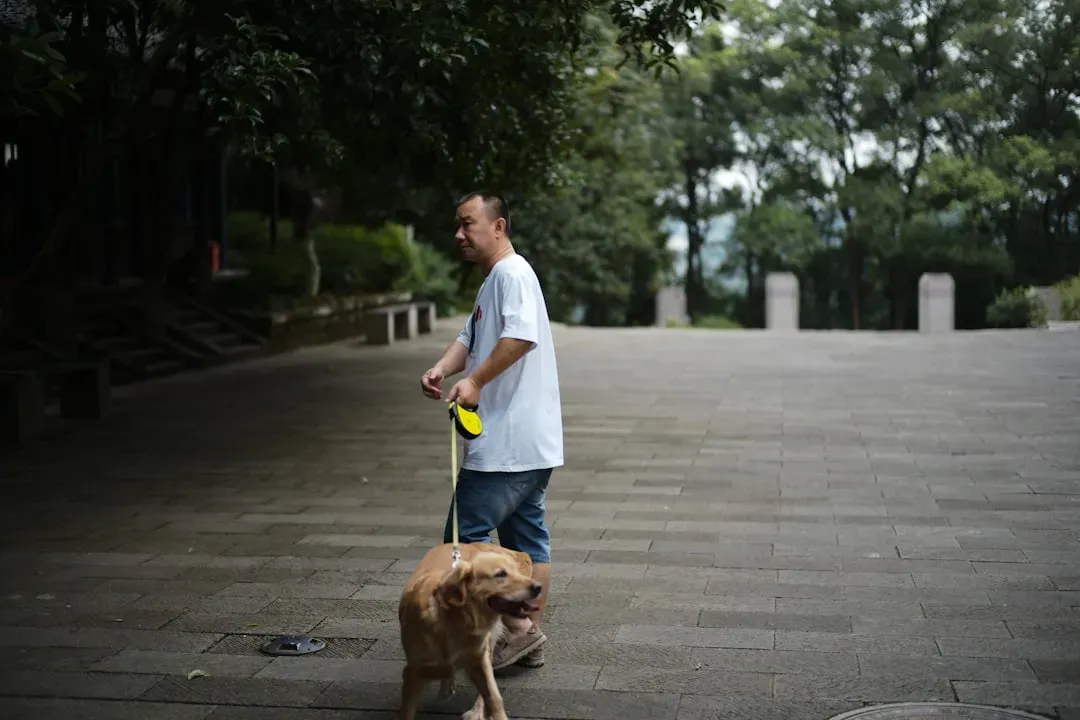
Here’s the thing about dogs: they are not built for unpredictability. It’s essential to establish a routine for your dog so they feel comfortable and secure. Dogs are creatures of habit and thrive on predictability and structure. Feeding times, exercise times, playtimes, and sleep times are all part of a routine, and you should stay consistent as much as possible so your dog doesn’t get confused or stressed. Think of it like this: if your mornings were chaotic every single day, you’d be anxious too.
Even small changes in a schedule can trigger stress. Something as minor as eating dinner an hour later than usual can throw a sensitive dog off balance. I know it sounds rigid, but once you build a consistent rhythm, you’ll likely notice your dog becoming calmer, more confident, and genuinely more at ease in their daily life. It costs nothing and the payoff is massive.
Give Your Dog the Gift of Daily Exercise
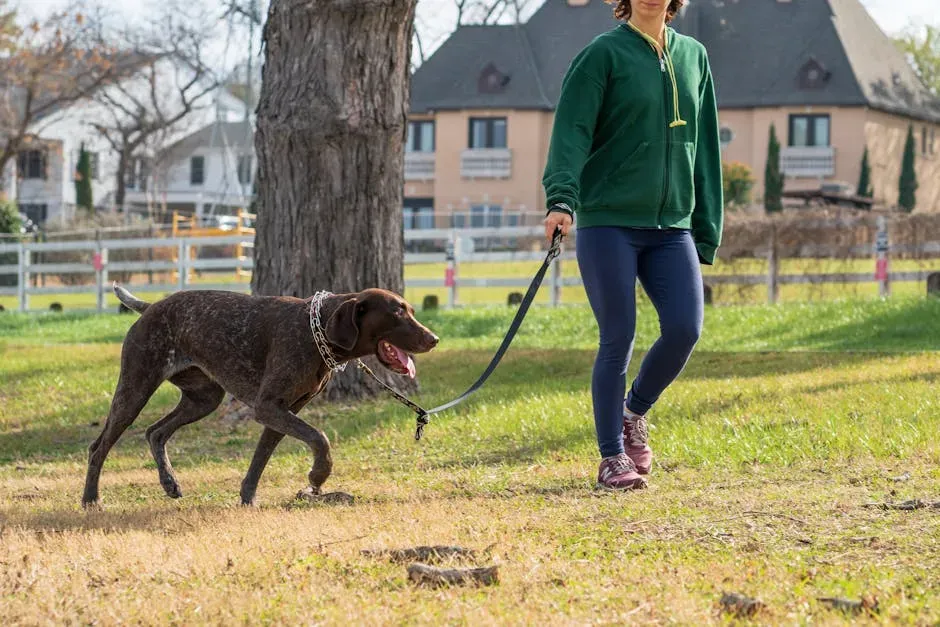
Exercise is probably the most underrated anxiety buster in a dog owner’s toolkit. Exercise remains one of the most accessible and underrated natural remedies for dog anxiety. It works a lot like it does for us: burn off the nervous energy, flood the body with feel-good hormones, and suddenly the world feels a lot less threatening.
As with humans, exercise can be a great stress reducer. For healthy dogs, physical activities such as walking or playing fetch may help both you and your dog release tension. Regular exercise releases endorphins that reduce anxiety and promote relaxation, helping your dog stay mentally and physically balanced. The goal isn’t to exhaust your dog into submission, but to give them an appropriate outlet for all that pent-up nervous energy that might otherwise come out in less helpful ways, like chewing your couch cushions.
Create a Safe Space Your Dog Can Always Retreat To
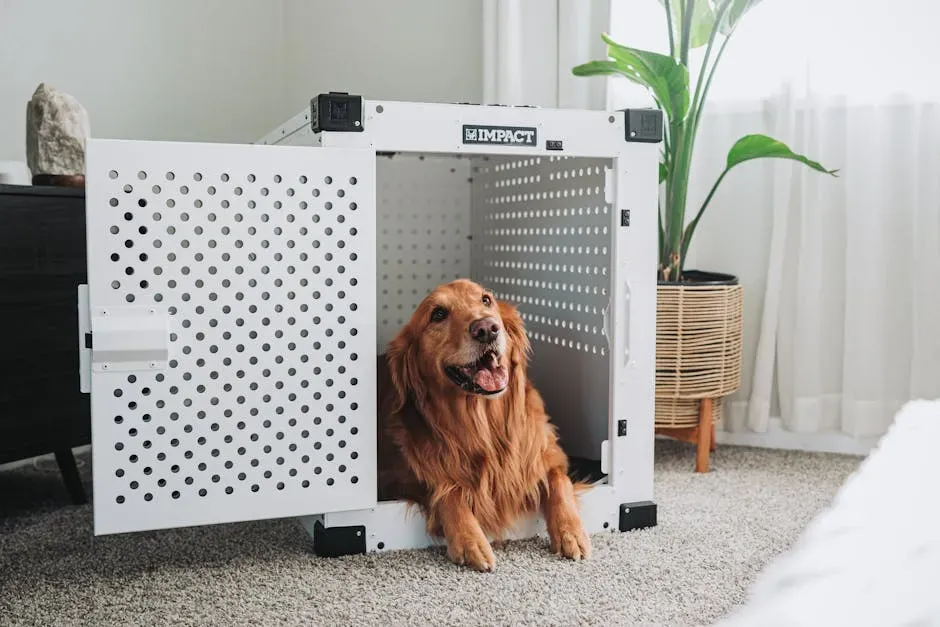
Every anxious dog needs their own version of a panic room. It is important to provide your dog with a safe place in the home where they can escape stimuli that trigger a stress response. This could be a crate lined with their favorite blanket, a quiet corner of your bedroom, or a dog bed tucked behind the sofa. The key is that it’s always available and always feels safe.
If a dog is frightened of storms, for example, create a safe space for the dog in the basement with white noise, calming music, and so on. You can layer this safe space with familiar scents, favorite toys, and even a worn item of your clothing to reinforce the feeling of security. Over time, your dog will learn to go there voluntarily when they feel overwhelmed, which is actually a really healthy coping skill.
Try Calming Music and White Noise Therapy

This one surprises a lot of people, but it genuinely works. When dogs experience anxiety, music or white noise can help calm them down. It provides a soothing and calming environment, and it can naturally reduce their stress and anxiety levels. White noise or music can also drown out the unpredictable noises from thunderstorms or fireworks that trigger anxiety.
Though it may not resolve anxiety for every dog, playing certain types of music is a hassle-free and quick solution to test. One study revealed increased resting and less standing in dogs that listened to classical music. By contrast, heavy metal caused more signs of agitation. Luckily, many apps and playlists are specifically curated to calm and soothe dogs. It’s worth pulling one up tonight just to see how your pup responds. You might be genuinely surprised.
Use Anxiety Wraps and Gentle Pressure Products
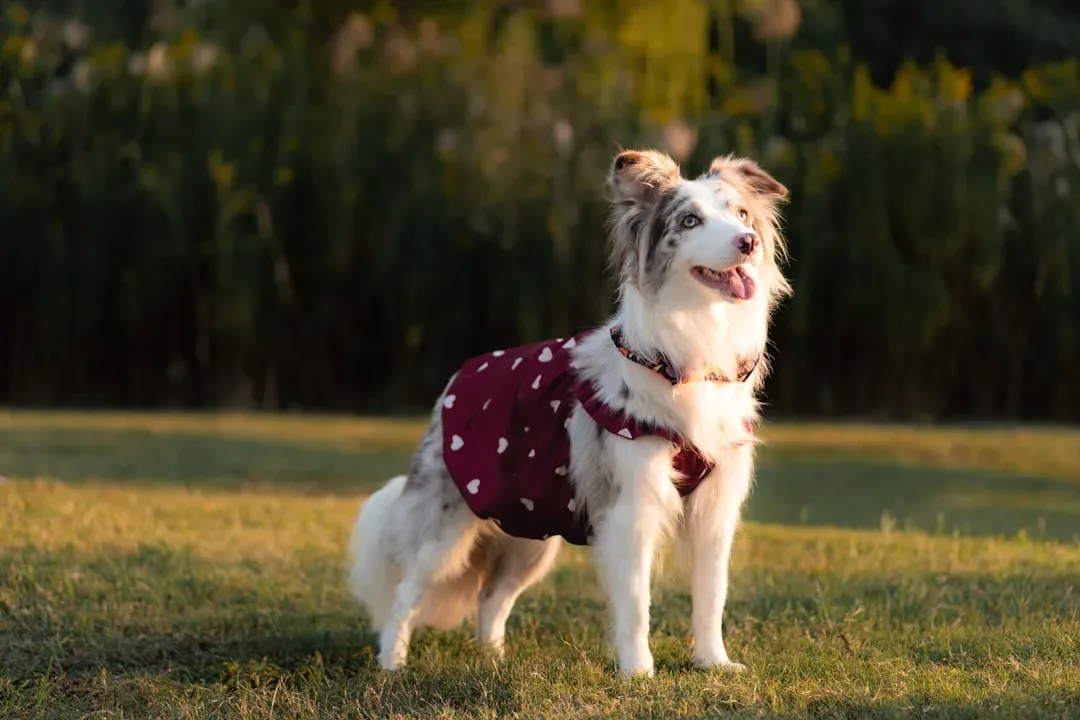
It’s hard to say for sure why being hugged makes everything feel better, but it does, for us and apparently for our dogs too. Thundershirts are garments that help dogs cope with many types of stressful situations, including thunderstorms, car rides, trips to the veterinarian, or fireworks. A Thundershirt works by gently applying pressure to your dog’s body, which can make them feel hugged and soothe any anxieties.
An anxiety vest or calm vest is a garment given to dogs to mimic the feeling of being hugged or embraced to trick their bodies into releasing soothing hormones like oxytocin and endorphins. Think of it like swaddling a newborn baby. Weighted blankets, snug-fitting shirts, and favorite toys can offer emotional comfort during stressful situations. These products don’t work equally well for every dog, but for many, the results can be nearly immediate.
Harness the Power of Calming Massage
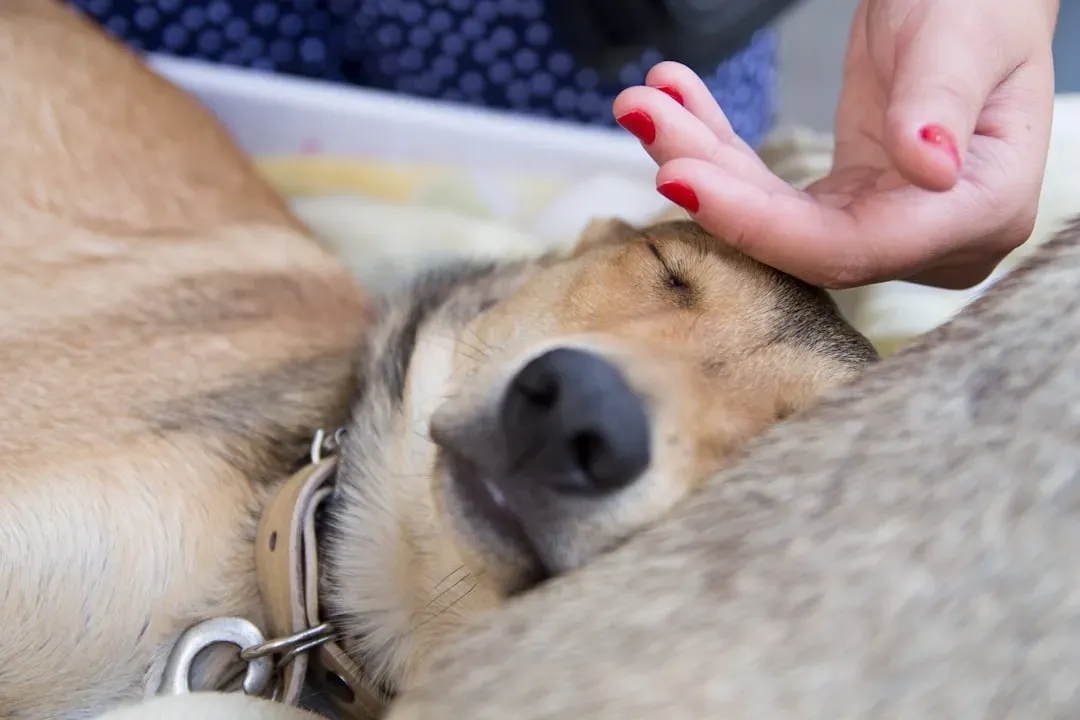
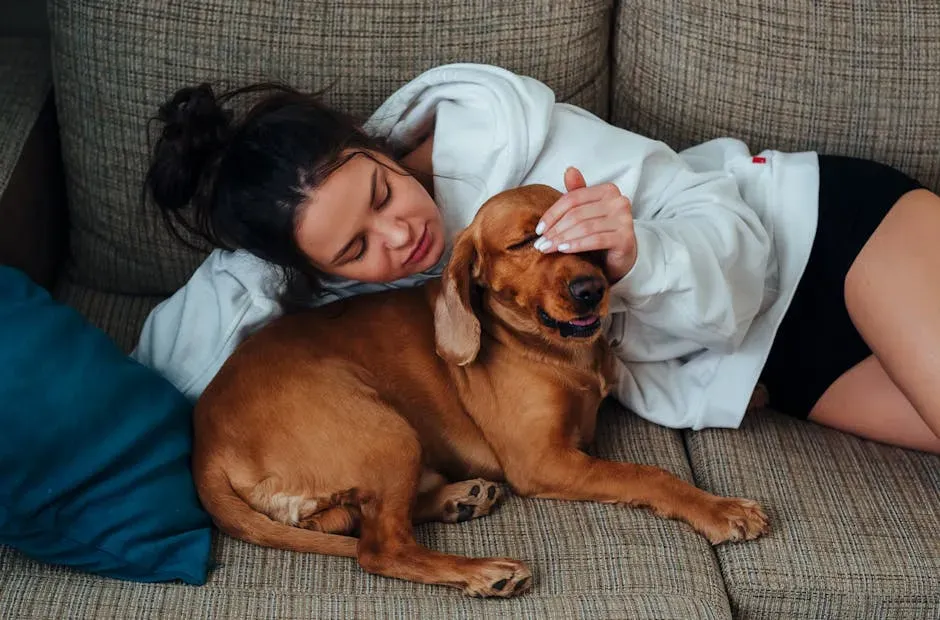
If you’ve ever had a stiff neck relieved by a good massage, you already understand the principle at work here. Regular massages will help reduce stress and anxiety in your dog because applying pressure to certain points on their body has a calming and relaxing effect. You can give your dog a massage at home after a stressful event, such as a thunderstorm or fireworks.
Through gentle strokes and careful kneading, canine relaxation therapy encourages the release of endorphins in your furry friend’s body. These natural chemicals work wonders for boosting mood and creating a sense of peace. When you set aside time for pet wellness practices like massage, it doesn’t just benefit your dog physically but also strengthens the emotional bond between you two. The focused attention during a massage session signals to your pup that they are safe and loved, helping to alleviate feelings of anxiousness. By gently moving your fingers in a circular motion behind the ears, along the temples, and at the top of the head, you can help relieve stress and release endorphins. Start slow, follow their lead, and stop if they seem uncomfortable.
Explore Calming Herbal Supplements
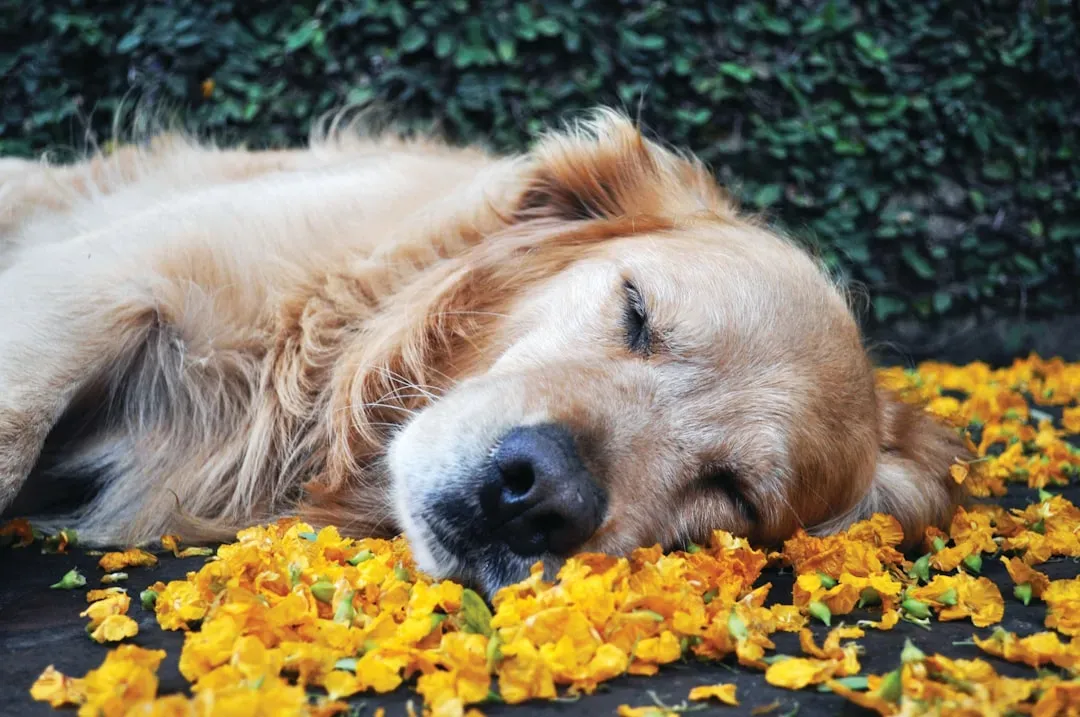
Nature’s pharmacy has a surprising amount to offer anxious dogs. Chamomile and valerian root are herbal supplements known for their soothing effects. Herbal supplements can be given to your dog when they are feeling overwhelmed, or you can give them preemptively. Ginger is especially good because it can also help combat queasiness associated with motion sickness, which itself could be the cause of the anxiety.
You can give supplements to dogs as part of their routine for chronic anxiety or situationally to deal with stressful events. For example, you can give your dog a calming supplement about thirty to sixty minutes before an anxiety-inducing vet trip. Always consult your veterinarian before introducing new supplements or oils. Not every herb is safe in every form or dose, and what works beautifully for one dog might do nothing for another. Your vet is your best guide here.
Try Lavender Aromatherapy the Right Way
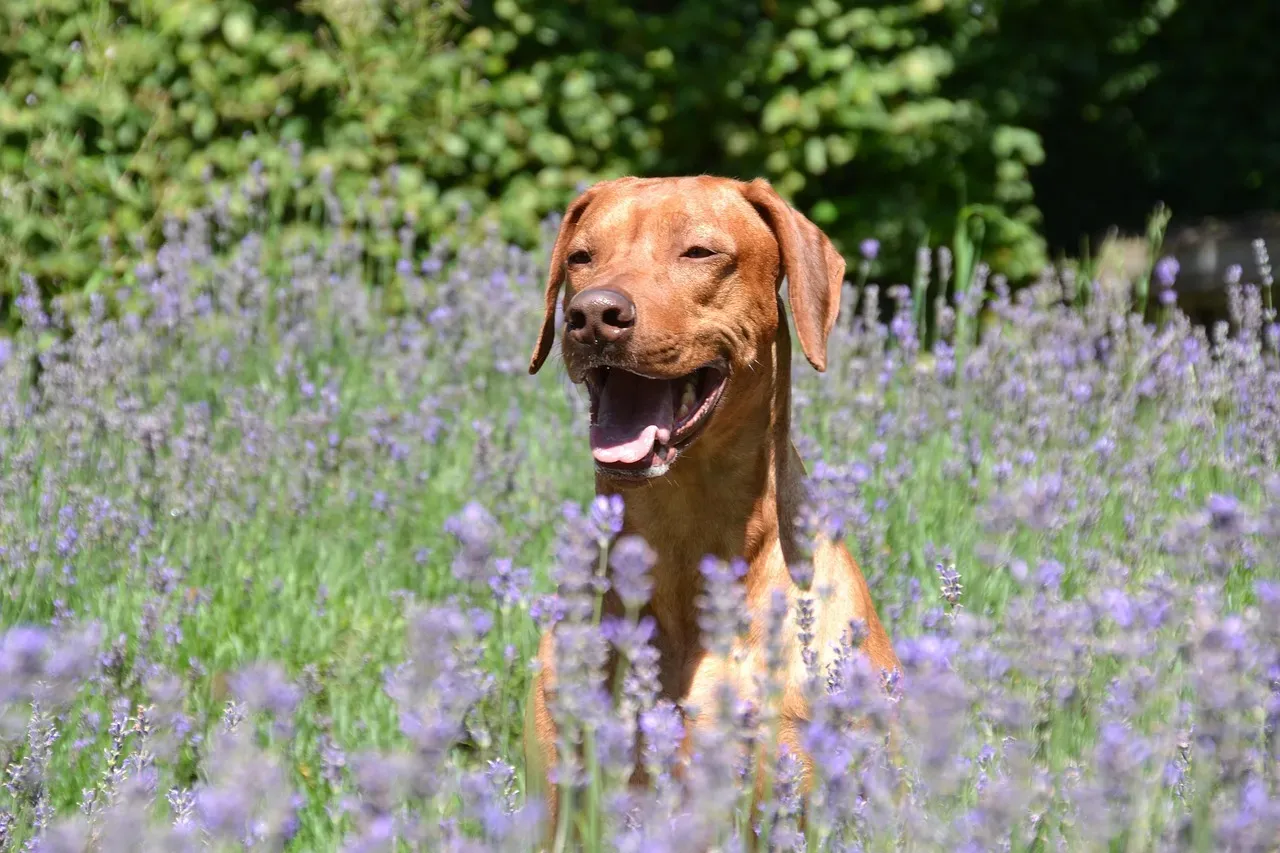
Dogs have a sense of smell that is thousands of times more powerful than ours, so scent is a huge factor in how they experience the world. Aromatherapy for dogs works because certain scents like lavender and frankincense create a calming atmosphere that some dogs respond well to. There are a number of diffusers made specifically for pets. Using a diffuser in your home during known stressful periods, like before a thunderstorm or when guests arrive, can make a measurable difference.
Lavender aromatherapy is recognized as a calming scent that can help ease tension in dogs. That said, a word of caution: never apply undiluted essential oils directly to your dog’s skin, and always keep diffusers in well-ventilated areas where your pup can leave the room if the scent becomes overwhelming. It’s important to consult a veterinarian before using any aromatherapy products. Less is genuinely more with this one.
Consider Pheromone Products
Pheromone therapy might sound futuristic, but it’s actually one of the better-studied natural interventions for dog anxiety. Pheromone products aim to mimic natural pheromones and essentially release chemicals that naturally calm your dog. Pheromone products typically come in a spray, plug-in, or wet wipe form. They can include room sprays that you spritz around the room, or you can get plugins that work like air fresheners, but rather than improving the scent of the room, they improve the mental condition of your dog.
Pheromone collars help calm dogs by mimicking a mother dog’s natural nursing pheromones. Honestly, I find this concept both clever and kind of beautiful. You’re essentially recreating the feeling of being safe with mom. Products like Adaptil are widely used and worth discussing with your vet, especially for dogs dealing with separation anxiety or situational stress like moving to a new home.
Support the Gut-Brain Axis With Probiotics and Omega-3s
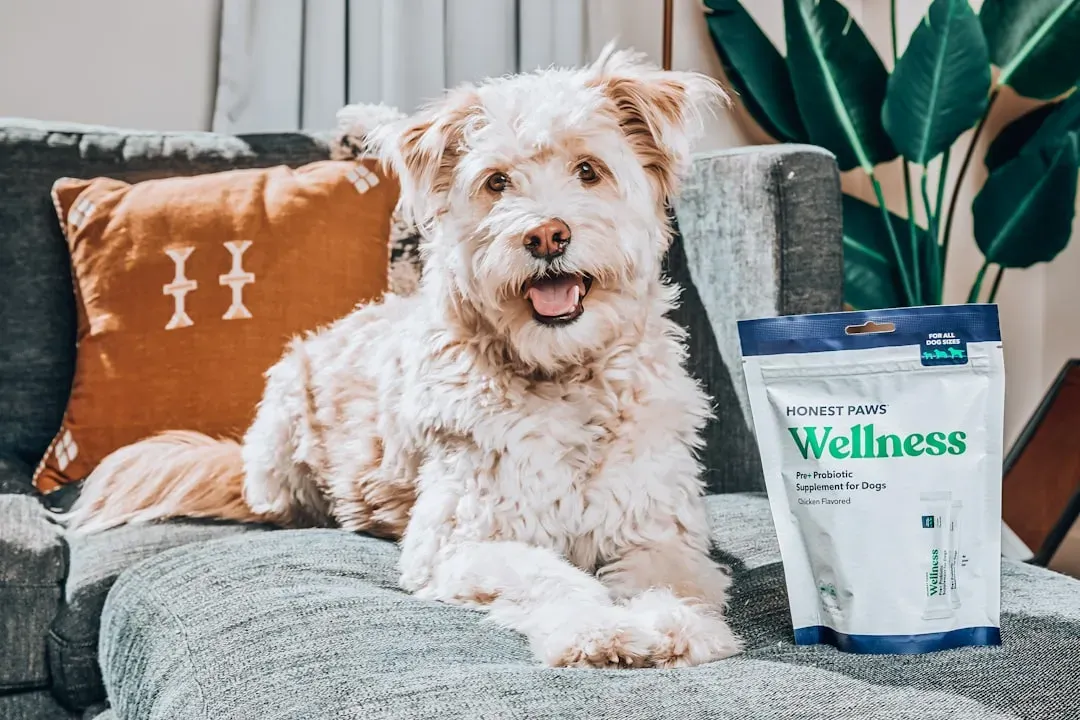
This one is genuinely exciting from a science perspective. The gut and brain are deeply connected, and imbalances in the gut microbiome can contribute to anxiety in dogs. By improving digestion and reducing inflammation, probiotics may help regulate mood and reduce anxiety-related behaviors. Think of your dog’s gut as a second brain that has a direct conversation with the first one.
Omega-3 fatty acids, especially DHA and EPA, support emotional regulation and brain function in dogs. In a pilot study, supplementation with omega-3s, magnesium, and zinc significantly improved behavioral symptoms in dogs with anxiety-related disorders. Probiotics help modulate stress responses by regulating how a dog reacts to various situations, potentially reducing anxiety levels. A balanced gut microbiome supports the immune system, and when a dog feels physically well, it can greatly impact their emotional state. Add a quality fish oil to your dog’s food and ask your vet about a canine probiotic. The combination can be quietly transformative.
Approach CBD Oil With Informed Optimism
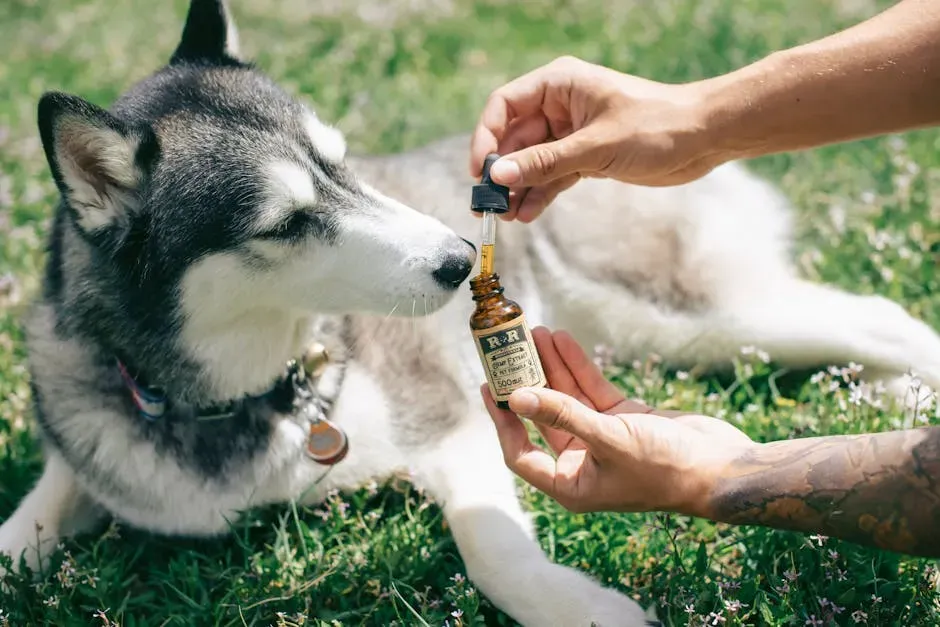
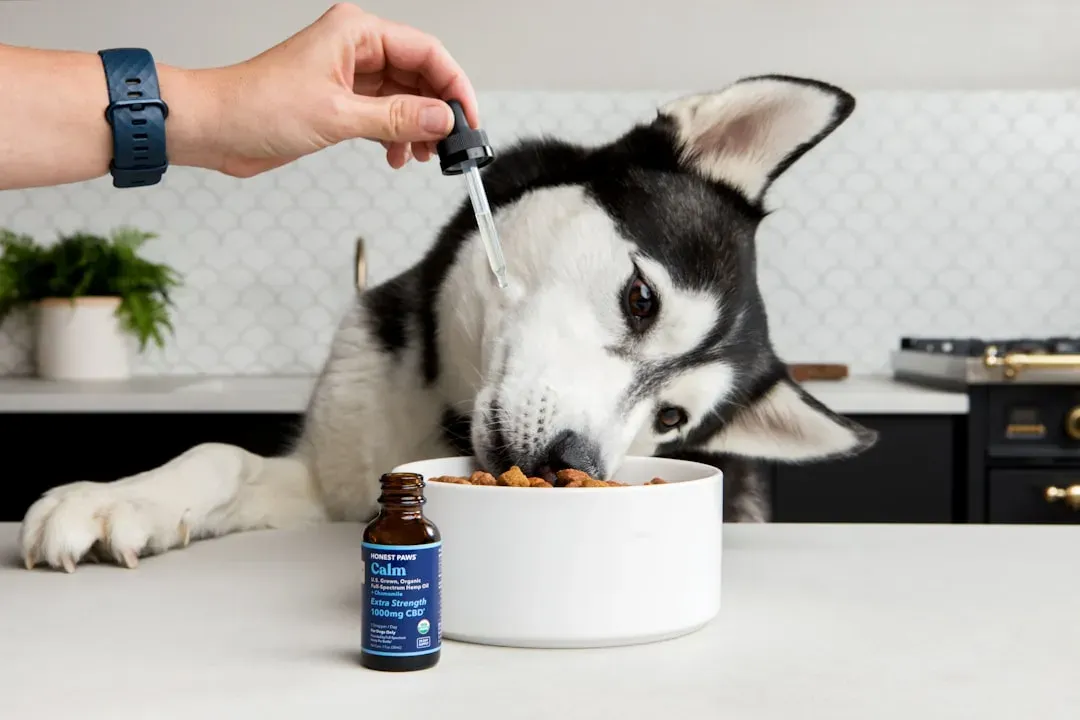
CBD has become one of the most talked-about natural remedies in the pet wellness space, and the early research is genuinely encouraging. CBD interacts with your dog’s endocannabinoid system, a network of receptors throughout the brain, nervous system, and gut that helps regulate mood, fear response, and emotional balance. Unlike pharmaceutical sedatives, CBD doesn’t force the nervous system into calm; it modulates the stress response, helping the brain recalibrate without causing sedation or dependency.
In one study, the vast majority of dogs showed reduced stress or anxious behaviors after receiving a CBD chew prior to a stressful event. Additional research has shown that CBD may help reduce reactivity in shelter dogs. However, these findings are still preliminary, and more research is needed to determine effective dosing, product types, and long-term safety. Never give your dog CBD products without first consulting your veterinarian. If they give you the green light, look for products that are third-party tested and specifically formulated for dogs.
Conclusion: Your Anxious Dog Deserves Patience, Not Perfection
Managing your dog’s anxiety is rarely a “one remedy fixes everything” situation. Not all treatments work the same for every dog. The goal is to find what works best for your pup while keeping them safe. Sometimes it takes a bit of experimentation, a combination of approaches, and a whole lot of patience before you find the right groove.
What matters most is that you’re paying attention. You’re noticing the subtle signs, advocating for your dog’s emotional wellbeing, and exploring every gentle option available before reaching for heavier interventions. Supporting an anxious dog doesn’t mean changing who they are, it means helping them feel safe.
The bond between a dog and their owner is one of the most healing forces in both their lives. Your calm presence, your consistent routine, and your willingness to try these natural strategies might just be the most powerful remedy of all. Have you tried any of these approaches with your dog? Which ones worked, and which ones surprised you? Share your experience in the comments below, because every anxious pup’s story is worth telling.


