

You know that feeling when something just seems slightly off with your pup? Maybe they’re not quite themselves, but you can’t put your finger on what’s wrong. Here’s the thing: dogs are masters at communicating, yet so many of their subtlest requests go completely unnoticed. While we’re quick to spot the obvious tail wags and excited barks, there’s a whole vocabulary of quieter signals that our four-legged friends use to tell us they’re craving more play and interaction.
The truth is, roughly half of behavioral issues in dogs stem from insufficient mental and physical stimulation. Yet we often misinterpret these signs as bad behavior or personality quirks. Your dog isn’t trying to be difficult. They’re simply trying to tell you something important. Let’s dive into those whispered requests your dog has been making all along.
1. The Strategic Item Thief
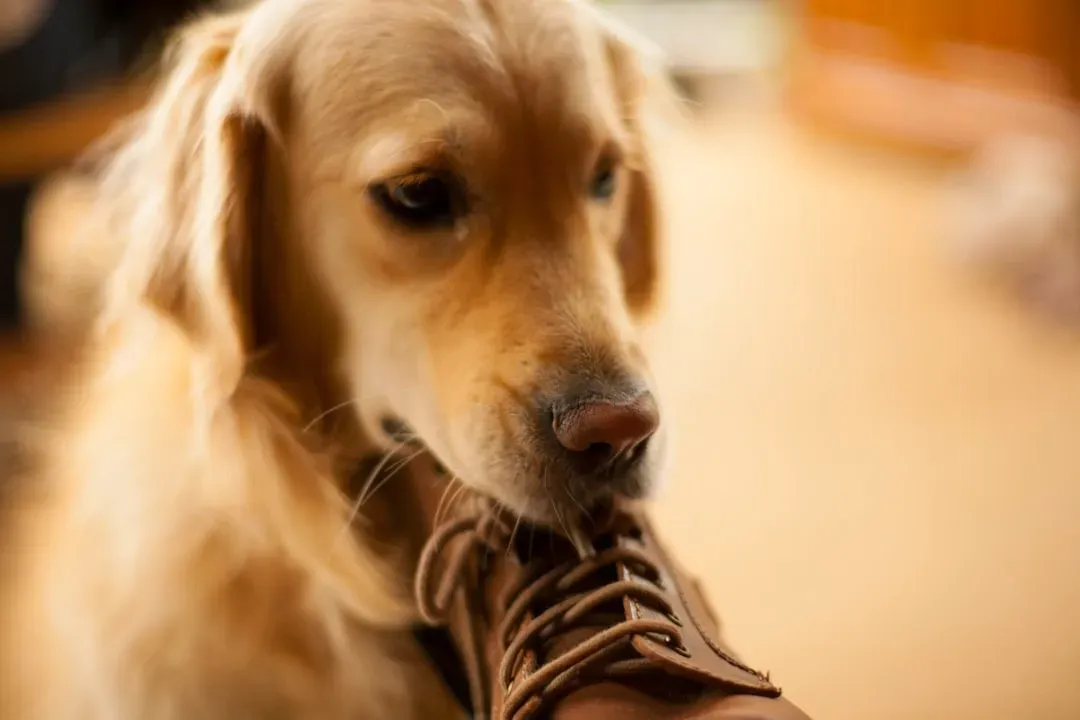
If your dog is displaying attention-seeking behaviors such as stealing things in the house, they might not be getting enough play and are trying to create games of their own – like stealing your shoe then showing it to you, and once you get up to retrieve it, running away from you. It’s honestly kind of brilliant when you think about it. Your dog has figured out exactly how to get you to chase them.
This behavior is less about rebellion and more about desperation for engagement. Dogs catch your attention by growling, barking, bringing toys, or jumping on you – gestures that could mean anything from begging for a meal to asking for pets, but if water and food bowls are full and pets don’t calm them, it might be time for a short session of exercise through playing, walking, or performing tricks. When your socks become the most exciting thing in their day, that’s your cue.
2. Excessive Following and Shadowing

Does your dog follow you from room to room like a furry little shadow? While some dogs are naturally more attached, if your dog is at all times browsing the house, following every step of every moving person, or wanting to participate in every activity, that’s often a sign of excessive boredom and energy accumulation – they’re just trying to keep themselves busy.
Think of it this way: your dog is basically saying they’re available for literally anything you might do. Room to room, they’re hoping something interesting will finally happen. This constant vigilance can actually be exhausting for them, creating a cycle where they’re too stimulated to rest but too bored to be content.
3. Restless Pacing and Circling
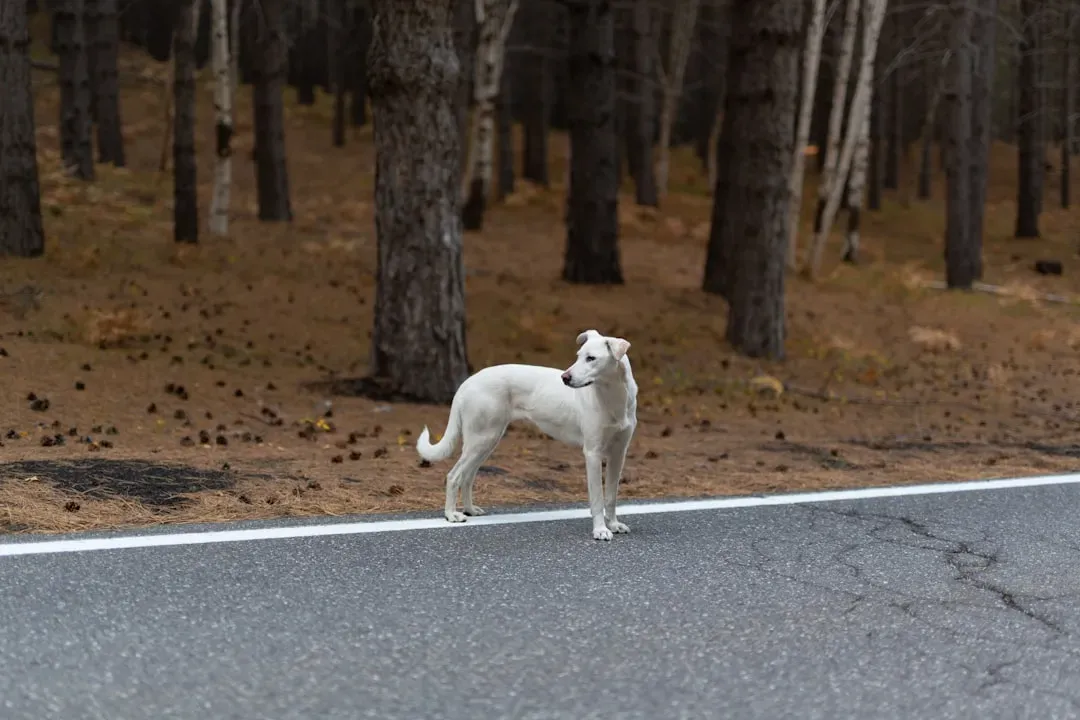
Behaviors like pacing around the house or suddenly barking for no apparent reason are signs that your pet needs more exercise, and restlessness – constantly pacing back and forth – is a key indicator that dogs who don’t get enough physical activity can become anxious or stressed. You’ll notice this especially during times when they’d normally be settled.
Watch for the pattern. If your dog circles the coffee table multiple times, lies down briefly, then gets up to pace again, their body is telling them they have energy to burn. Dogs who don’t get enough exercise often have trouble winding down, and if your pet seems restless at night or paces the house, they may need more daytime activity to help them rest peacefully.
4. The Sudden Energy Burst (Zoomies at Odd Hours)
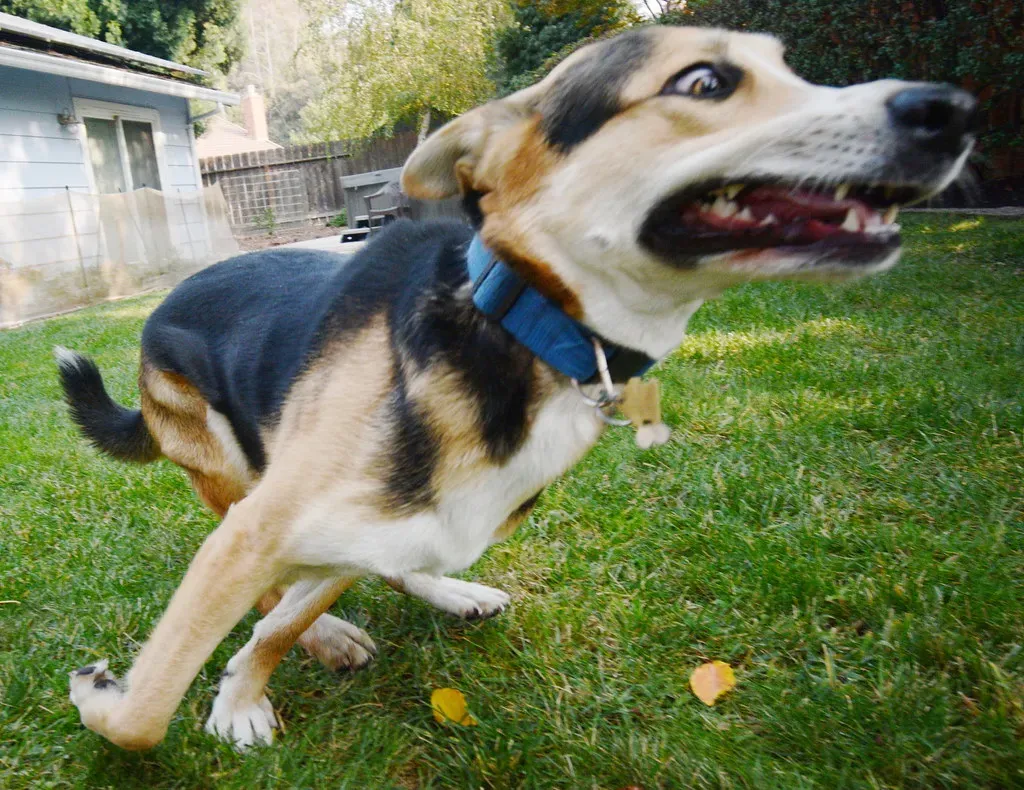
Sudden episodes of running, jumping, vocalizing or playing by themselves – whether at daytime or nighttime – are a clear sign that a dog needs to exercise more. We’ve all seen it: that moment when your dog suddenly tears through the house like they’re being chased by invisible squirrels at three in the morning.
These bursts aren’t random acts of chaos. They’re pressure release valves. Your dog’s body has accumulated so much pent-up energy that it simply must come out somehow. While the occasional zoomie is normal and even endearing, frequent episodes suggest your dog’s exercise routine might need an upgrade.
5. Increased Destructive Chewing

Behavioral problems, especially destructive behavior, are commonly a result of not getting enough exercise, and many dogs, especially high-energy breeds, become bored and frustrated if they don’t get enough outdoor exercise and mental stimulation – leading them to chew things around the house, scratch or dig at doors, or raid the kitchen or trash can. That favorite pair of shoes? They were just in the wrong place at the wrong time.
If you notice your dog biting, chewing, scratching or tearing things around the house, or breaking their toys in record time, it’s highly likely that your dog is trying to drain their contained energy. Chewing releases endorphins and provides an outlet, even if it’s not the outlet we’d prefer. The solution isn’t just more chew toys – it’s more interactive play.
6. Persistent Low-Level Whining or Barking

Dogs that are restless and bark or whine a lot are telling you they need more exercise – these dogs feel the need to be doing something, want to be doing it outdoors, and want to be doing it with their people, so they’re communicating in the best way they know by barking or whining, and regular outdoor play periods are often the cure.
This isn’t the alert bark when someone knocks or the excited bark at dinnertime. This is that persistent, almost conversational whining that seems to serve no obvious purpose. Let’s be real – it’s their way of saying they’re understimulated. They’re literally asking you, over and over, to do something with them.
7. Bringing You Toys Repeatedly

Here’s one that seems obvious but often gets ignored in our busy lives. Your dog drops a toy at your feet, you absentmindedly toss it once or twice while scrolling your phone, and they keep returning with increasing persistence. That’s not just cute behavior – it’s a direct request.
Your pet knows the perfect way to catch your attention by bringing you their favorite toy, and playing, walking, running or asking them to perform tricks will help them burn energy. When this happens multiple times a day and you consistently brush them off, they’ll find other ways to expend that energy, and you probably won’t like those alternatives as much.
8. Excessive Self-Grooming or Licking

Dogs often behave destructively to relieve anxiety or as an outlet for excess energy, and while people may exercise or chew their nails to relieve tension, dogs tend to chew, lick excessively, pace or house-soil when anxious. If you notice your dog licking their paws or legs obsessively when there’s no medical reason, it might be their way of self-soothing from understimulation.
This behavior can easily be mistaken for allergies or skin issues, which is why it’s overlooked. Yet sometimes the fix is simpler than we think. More engagement and play can redirect that nervous energy into something positive and healthy.
9. Decreased Interest in Regular Activities

Oddly enough, sometimes asking for more playtime looks like withdrawal. Some dogs become very withdrawn and depressed when they’re lacking mental and physical stimulation – these dogs are more reluctant to engage with their human family and might need to get outside and moving to become more involved, though this can also be a sign of illness.
Think of it like burnout in humans. When we’re chronically understimulated, we don’t always bounce off the walls – sometimes we just shut down. Your normally enthusiastic dog who suddenly seems disinterested in their favorite walk route might actually be telling you they need more variety and challenge, not less activity.
10. Attention-Seeking During Your Relaxation Time
If your dog is constantly trying to initiate play with you while you are attempting to relax, then your dog may need more exercise. You’ve finally sat down after a long day, and suddenly your dog is nudging your hand, pawing at your leg, or staring intensely at you from across the room.
We often interpret this as clinginess or neediness, but it’s frequently a scheduling issue. If your dog’s most active attempts at engagement happen during your downtime, it suggests their exercise needs aren’t being met during appropriate windows. They’re not trying to annoy you – they’re communicating that their internal activity meter hasn’t been satisfied.
11. Changes in Sleep Patterns

Nighttime activity can be a signal that a dog needs more exercise, as in general, your dog should be sleeping when you are. If your once-sound sleeper is suddenly restless at night, pacing, or waking you up, their daytime routine might need adjustment.
Dogs need adequate physical and mental exhaustion to sleep deeply. When that doesn’t happen, they experience something similar to when we’re overtired but can’t settle – that wired-but-tired feeling. A well-exercised dog is typically a well-rested dog, and vice versa.
12. Increased Attempts to Escape or Explore
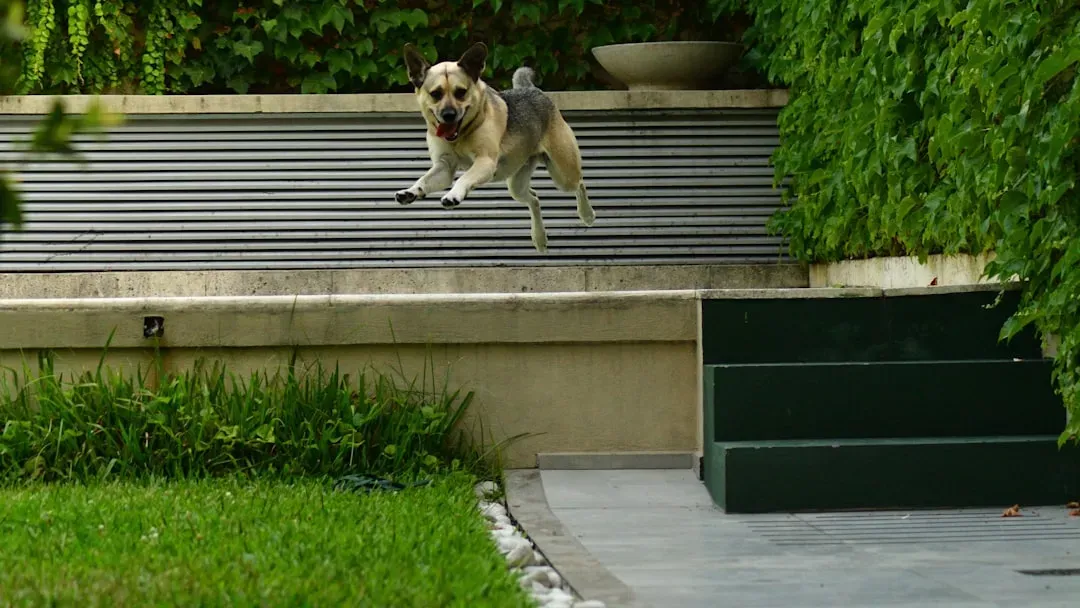
If dogs don’t receive adequate opportunities for social interaction with their owners or if their environment is relatively barren without playmates or toys, they may entertain themselves by engaging in activities that inadvertently result in property destruction, and dogs that don’t receive attention and reinforcement for appropriate behavior may show destructive behavior as a way to attract attention.
Does your dog suddenly seem obsessed with what’s happening outside the fence? Are they trying to bolt out the door every chance they get? This exploration drive often signals that their current environment isn’t providing enough stimulation. They’re literally looking for adventure elsewhere because they’re not finding it at home.
How to Respond: Creating a Better Play Routine
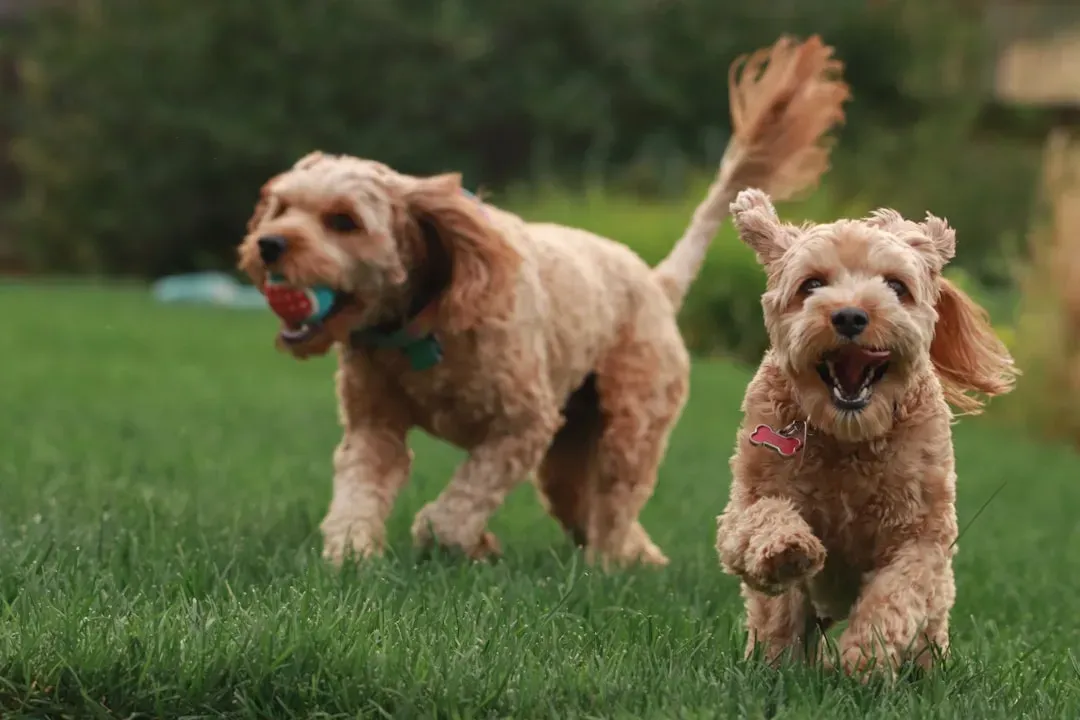
Play is important to the well-being of all species, including dogs, and naturally provides opportunities for physical exercise, mental stimulation, and social interactions. The good news is that addressing these signs doesn’t require hours of your day – it requires intentionality.
Start with variety. Some dogs prefer playing with people rather than other dogs, while some like toys and others prefer games like hide and seek. Mix up your play sessions with different activities: tug-of-war one day, fetch another, puzzle toys on rainy days, and short training sessions that challenge their minds. Quality matters more than quantity, though consistency is key. Even fifteen minutes of focused, engaged play can make a remarkable difference in your dog’s behavior and contentment.
What’s your dog been trying to tell you? Sometimes the quietest signals deserve the loudest response. What small change could you make today to help your furry friend feel more fulfilled?


