
Have you ever wondered why your dog seems to gravitate toward one person in your household? Maybe you’re the one who feeds them every day, yet they sprint past you when your partner comes home. Or perhaps you’ve noticed your furry friend shadowing you from room to room, even following you into the bathroom when you just want a moment of peace.
This isn’t random behavior or some kind of canine conspiracy. There’s genuine science behind why dogs form such intense bonds with certain people. Understanding these reasons can help you appreciate the complexity of your relationship with your four-legged companion. Let’s dive into the fascinating ways our dogs select their emotional anchors.
1. The Critical Socialization Window Shaped Their Heart
The first six months of a dog’s life represent the most crucial period for bonding patterns, when puppies form their strongest bonds with whoever cares for them during this time. Think of it like emotional imprinting. During these early weeks, puppies’ brains are incredibly receptive to new experiences, and their early social interactions influence their attachment preferences for the rest of their lives.
If someone was consistently present during those formative months, providing care, warmth, and positive experiences, that person often becomes the dog’s primary emotional anchor. It’s hard to say for sure, but this early bonding period seems to set the stage for all future relationships.
This critical period often occurs between 8-11 weeks of age, when puppies are most receptive to social learning and bonding. The person who feeds them, plays with them, and comforts them during this window creates neural pathways that last a lifetime. Even if you adopt an older dog, they can still form new bonds, though it may take more patience and intentional effort.
Those puppy experiences matter tremendously. The people they encounter during this key socialization period can largely determine who they bond with later in life. Here’s the thing though: this doesn’t mean older dogs can’t change their preferences. It simply means the foundation laid early carries significant weight.
2. Quality Time Beats Quantity Every Single Time
You might assume the person who spends the most hours with a dog automatically becomes their favorite. That’s not always true. Dogs choose the people who give the most attention, affection, and one-on-one time, but if your dog spends hours in someone’s presence while that person ignores them most of the time, that time won’t matter.
It’s the quality of interaction that seals the deal. Someone who spends just thirty minutes of focused, engaged time with a dog each day can become more important to that dog than someone who’s home all day but barely acknowledges them. Honestly, I think this is one of the most misunderstood aspects of canine bonding.
The easiest and most fun way to strengthen your bond is to spend at least 30 minutes of focused, one-on-one time together each day. This shouldn’t be passive time like watching TV or having the dog in the same room while you work. We’re talking about active engagement: playing fetch, going for walks where you’re really present, or practicing training exercises together.
Dogs can tell when you’re genuinely engaged with them versus just going through the motions. They read our body language, our tone, our energy levels. When someone truly focuses on them, dogs recognize that attention and reciprocate with devotion.
3. Positive Associations Create Unbreakable Bonds
When a person is the source of good stuff, the dog forms a bond. This is basic psychology, really. If every time a specific person appears, wonderful things happen – treats appear, walks begin, toys come out, belly rubs commence – the dog’s brain creates powerful positive associations with that individual.
Dogs have an incredible memory for experiences tied to emotions, and if a person consistently provides positive experiences like treats, praise, or playtime, the dog will naturally associate them with happiness and security. These associations build over time, creating layers of emotional connection that become difficult to disrupt.
Think about it from the dog’s perspective. One person might be associated with vet visits or nail trimmings, while another is linked to park adventures and cuddle sessions. The brain doesn’t need to work hard to figure out which human feels better to be around.
Dogs bond most strongly with humans who engage them in activities they enjoy, whether that’s playing tug-of-war, going for adventures, or simply providing calm, comforting presence during stressful situations. The person who consistently makes your dog feel good emotionally becomes irreplaceable in their world. It’s that simple, yet that profound.
4. Personality Compatibility Is Absolutely Real
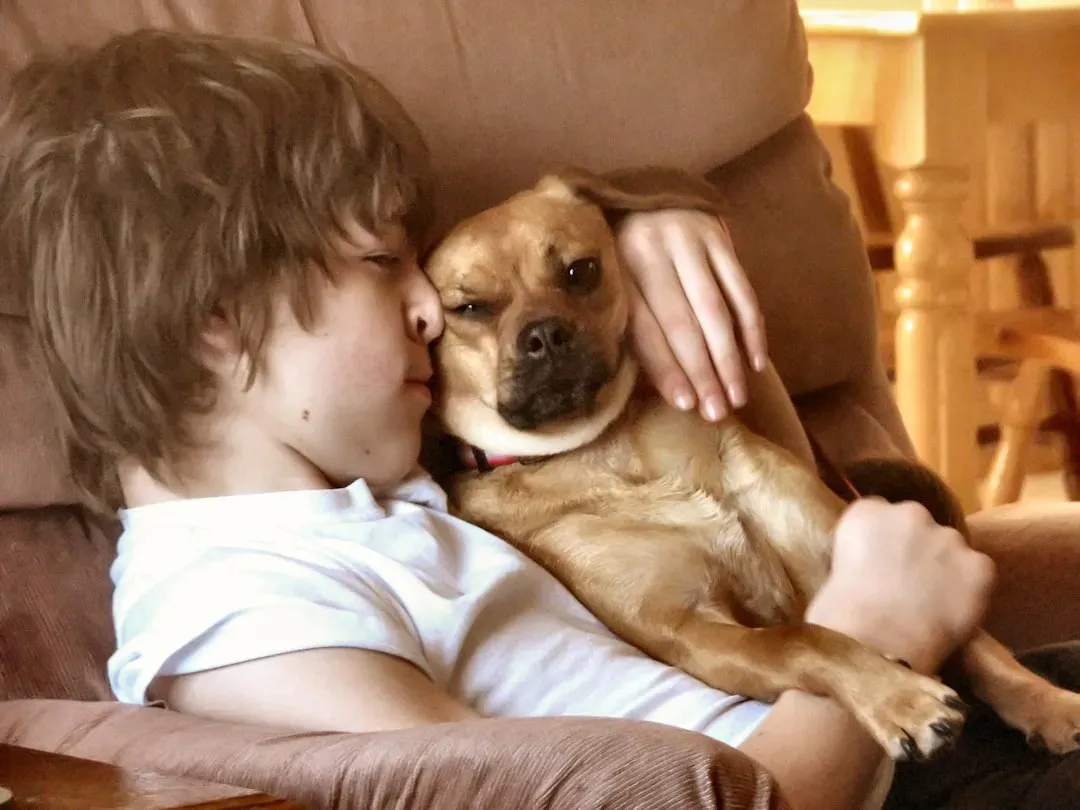
Just like humans gravitate toward people with compatible personalities, dogs do the same thing. Dogs have a tendency to bond with people who match their personality, so if your pup is energetic and needs lots of activity, and you enjoy taking them out for hikes and other activities, your dog may bond with you most, while more chill dogs are more likely to spend time with whoever in the house is quieter or enjoys lounging.
Cautious dogs naturally gravitate toward quiet, calm individuals, while high-energy dogs prefer active people who match their enthusiasm. This isn’t just about energy levels either. A dog’s overall temperament, their confidence level, their playfulness – all these factors influence which human feels most comfortable to them.
Some people naturally exude a calming presence that anxious dogs find soothing. Others have that playful energy that matches a young, boisterous pup perfectly. The alignment doesn’t have to be exact, but there’s definitely something to the idea that like attracts like.
I know it sounds crazy, but dogs are constantly assessing whether someone’s vibe matches theirs. This compatibility extends beyond energy levels to include how humans handle stress, communicate, and interact with the dog during both positive and challenging situations. When everything clicks, the bond forms almost effortlessly.
5. Consistent Care Creates Deep Security
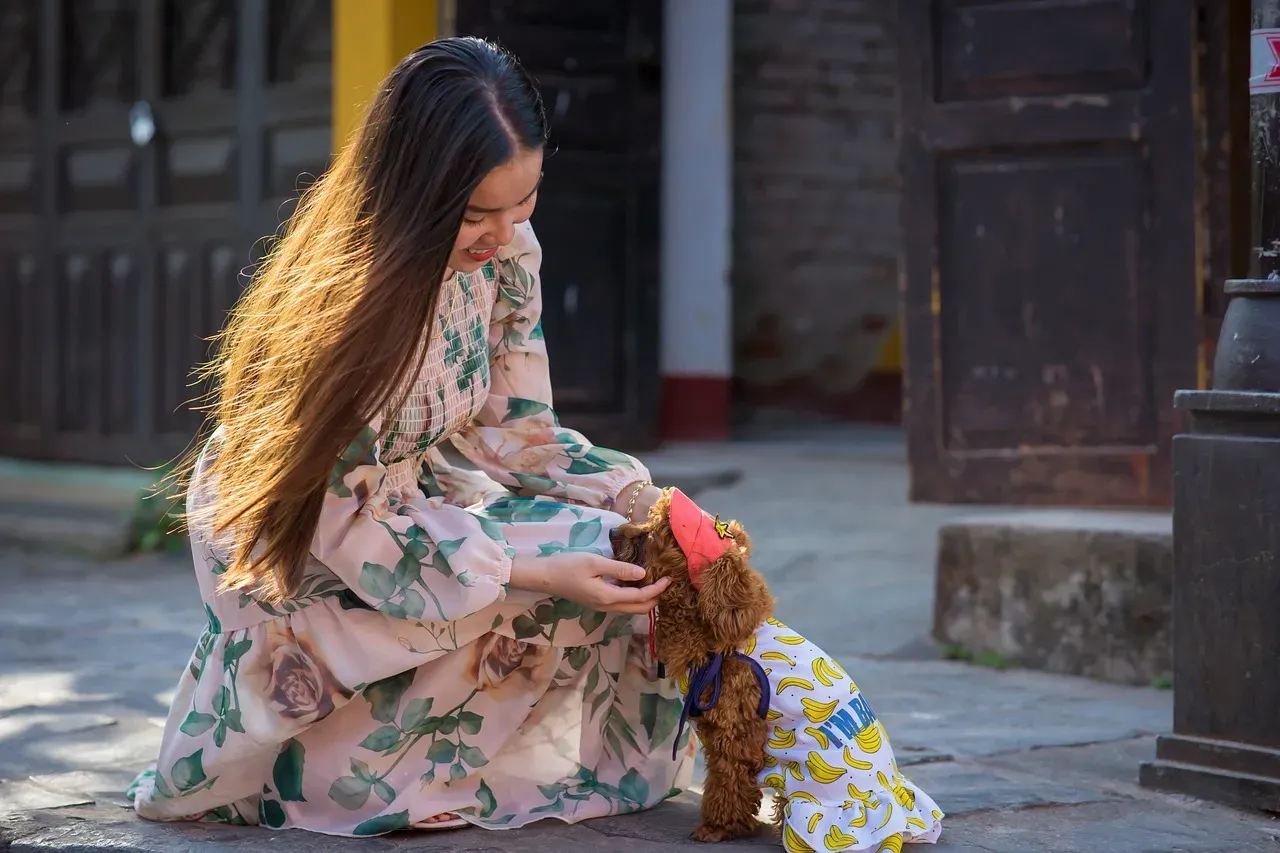
Generally speaking, dogs will form a strong attachment to people who offer them the most affection, time and attention, which can be in the form of interactive walks, training, or simply sleeping on the settee together. Consistency is the secret ingredient here. Dogs are creatures of habit who thrive on predictable routines and reliable relationships.
Sleeping alongside one person, spending the majority of time with that one individual, or providing a safe and supportive environment to the dog creates strong bonds, and if you offer them treats, spend one-on-one time with them every day, give them grooming sessions, massages, and plenty of love, they will respond in a positive manner.
The person who consistently shows up day after day becomes the dog’s emotional bedrock. They know this person will feed them at certain times, walk them regularly, and be there when they need comfort. That predictability creates a sense of safety that dogs desperately need.
Let’s be real: dogs remember who takes care of them when they’re scared during thunderstorms, who sits with them when they’re not feeling well, who never forgets their meals. When a person is the source of all good things, the dog will form a connection with them. Consistency builds trust, and trust builds unshakeable bonds.
6. Certain Breeds Are Wired for Single-Person Devotion
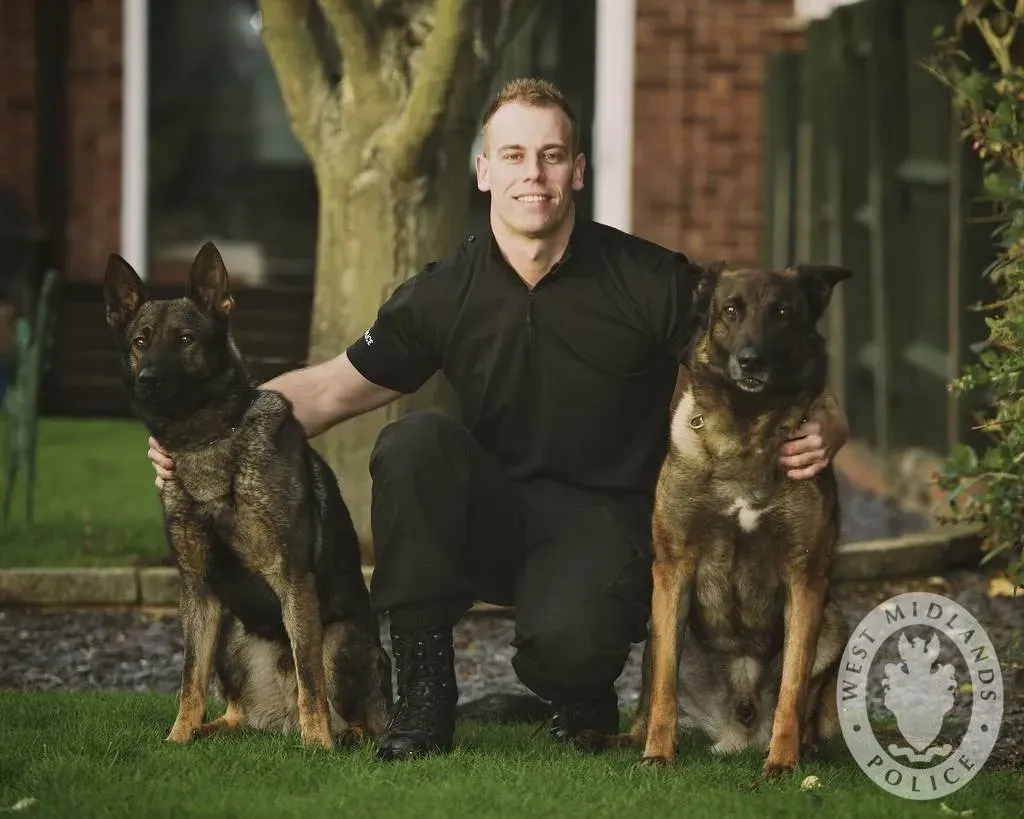
Some dog breeds are more likely to bond with a single person, making it more likely that their favorite person will be their only person. Breed tendencies play a surprisingly significant role in bonding patterns. Certain breeds were developed over centuries to work closely with one handler, and that genetic predisposition persists today.
Some dog breeds are simply hardwired to form a stronger bond with one particular person, particularly breeds who were bred to work directly with humans, like herd dogs or guard dogs, because they’ve worked so closely with humans throughout history, that instinct to form a strong bond is there, often translating to bonding with one person.
These breeds include Border Collies, German Shepherds, Chihuahuas, and Beagles. If you have one of these breeds, you might notice they seem to choose a favorite person despite everyone in the household treating them well. It’s not personal – it’s literally in their DNA.
Guard dog breeds like German Shepherds and Rottweilers were bred for protection and loyalty, and as a result, they often form strong bonds with one person whom they perceive as their pack leader, which can lead to a phenomenon known as “single-person focus,” where the dog becomes intensely attached to that individual. Understanding your breed’s history can help you anticipate and work with these tendencies rather than against them.
7. Emotional Intelligence Draws Dogs to Empathetic Humans

Dogs have an innate ability to sense our emotions and respond accordingly, and this is especially true for the person a canine has bonded most deeply with. Dogs are remarkably perceptive creatures who can read human emotions with startling accuracy. They pick up on subtle cues in our facial expressions, body language, tone of voice, and even our scent.
Dogs are highly sensitive to human emotions and can often sense when someone feels happy, sad, anxious, or relaxed, and when a dog feels comfortable and secure around a person, they are more inclined to develop a close relationship. The person who best understands and responds to the dog’s emotional needs often becomes their chosen anchor.
Someone who notices when a dog is anxious and offers comfort, who celebrates when they’re playful, who gives them space when they need it – that person demonstrates emotional attunement that dogs absolutely recognize. Dogs gravitate toward individuals who make them feel protected and understood, often selecting the person who best reads their body language and responds appropriately to their emotional needs.
This creates a beautiful feedback loop. The more emotionally intelligent the human, the better they respond to the dog’s needs. The better they respond, the more the dog trusts and bonds with them. Honestly, it’s one of the most touching aspects of the human-canine relationship.
8. Physical Touch and Affection Cement the Connection

Physical touch is essential in establishing a bond between dogs and their favorite humans, as dogs thrive on affection, whether through petting, cuddling, or playful roughhousing. Never underestimate the power of a good belly rub or scratch behind the ears. Physical affection creates tangible bonds through neurochemical responses.
The release of oxytocin, the “bonding hormone,” occurs in both dogs and humans during physical interactions, reinforcing the emotional connection, and a person who engages in affectionate behaviors is likely to be perceived as a favorite, as this interaction creates feelings of safety and happiness. This hormonal exchange literally binds humans and dogs together on a biological level.
When our canine pals stare into our eyes, they activate the same hormonal response that bonds us to human infants, and this study – the first to show this hormonal bonding effect between humans and another species – may help explain how dogs became our companions thousands of years ago.
The person who regularly engages in gentle, affectionate touch with a dog becomes associated with those good feelings. Calming tactile interactions such as stroking, touching, and petting may be a key mechanism explaining animal-specific benefits to stress physiology. Touch communicates love in a language dogs inherently understand.
9. Training Sessions Build Teamwork and Trust

Dogs respond to positive reinforcement and training, and if one family member is more consistent in rewarding good behavior or teaching tricks, the dog is more likely to form a bond with them, as training also requires bonding between the dog and the trainer, which can solidify the relationship. Training isn’t just about teaching commands – it’s about building a communication system between dog and human.
The person who invests time in training creates a unique partnership with the dog. Engaging in play and training sessions is a great way to bond with your dog, as interactive games like fetch or tug-of-war can be both fun and beneficial for building trust and affection, while training sessions reinforce positive behavior and create a sense of teamwork between you and your dog.
Working together toward goals, celebrating successes, navigating challenges – all of this builds mutual respect and understanding. The dog learns to look to this person for guidance, and that dependence creates a powerful bond. It’s not about dominance or control; it’s about collaboration.
Teaching your dog new tricks or commands can be a rewarding experience that enhances your relationship, and the sense of accomplishment and shared joy during these sessions can deepen your connection, making you a significant presence in your dog’s life. Think of it as building a shared language that only the two of you fully understand.
10. They Can Actually Smell Your Unique Identity
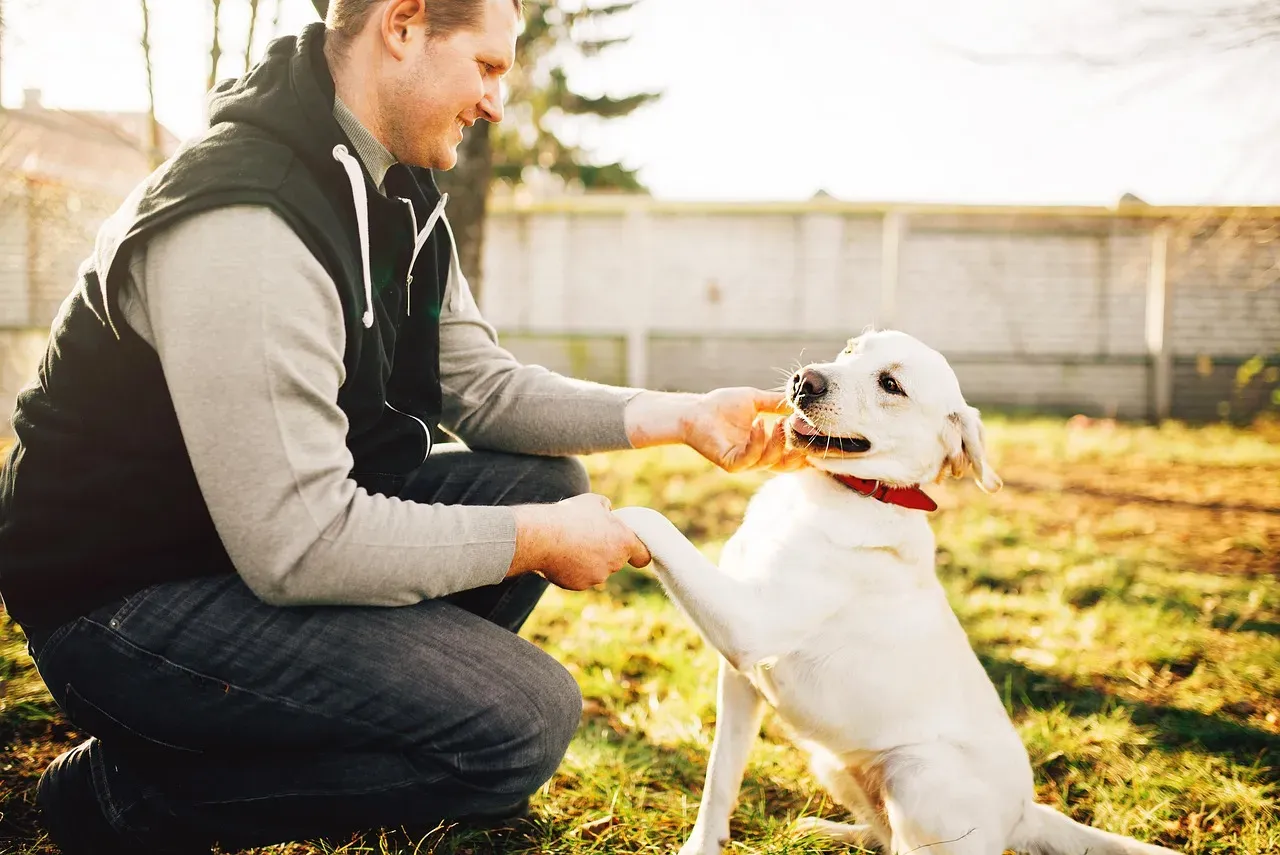
One of the most significant ways dogs choose their favorite humans is through their extraordinary sense of smell, as dogs have approximately 220 million scent receptors compared to a human’s 5 million, making their olfactory capabilities remarkable, and they can pick up on various scents, including hormonal changes and individual scents associated with different people.
Your dog literally knows you by your scent. When dogs sniff a person, they gather information about that individual, including their emotional state and health. Every human has a unique scent profile, and dogs create deep associations between that scent and their experiences with that person.
Dogs have a keen sense of smell and can identify individuals by their scent. The person whose scent is most strongly associated with comfort, safety, and positive experiences becomes deeply embedded in the dog’s memory and preferences. They don’t just recognize you visually – they know you on a molecular level.
This scent-based recognition runs deeper than conscious thought. It’s primal and instinctive. When your dog buries themselves in your worn clothing or immediately relaxes when you enter the room, they’re responding to your unique chemical signature. That scent becomes synonymous with home and safety.
11. Tone of Voice Matters More Than Words
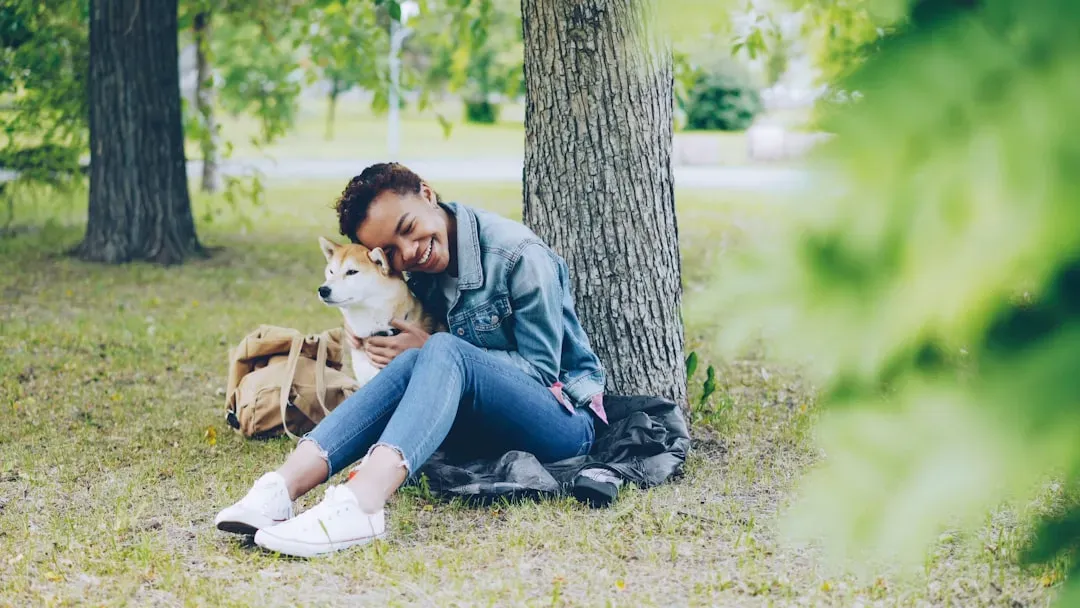
Dogs are particularly sensitive to the tone of voice used by their humans, as a gentle, high-pitched, or soothing tone can signal affection and safety, while a loud or harsh tone may be intimidating, and dogs are more inclined to bond with those who speak to them in a positive manner, reinforcing feelings of happiness and security.
You’ve probably noticed your dog responds differently when you use your “dog voice” versus your regular speaking voice. That’s because tone carries more weight than vocabulary in canine communication. The person who consistently speaks to them in warm, encouraging tones creates positive emotional associations.
If your voice, movement, and overall demeanor make your dog feel comfortable, at ease, and attached, you are on the path to powerful bonding. Dogs can’t understand your words the way humans do, but they’re absolutely fluent in emotional tone. They know when you’re genuinely pleased with them, when you’re frustrated, when you’re playful.
Someone who naturally speaks gently and positively to dogs has an advantage in forming bonds. Conversely, do not underestimate your dog’s ability to associate you with a negative feeling, as it will cause them to be stand-offish towards you. The person whose voice consistently brings comfort and praise becomes the voice they most want to hear.
12. Territorial Inclusion Makes Them Feel Chosen
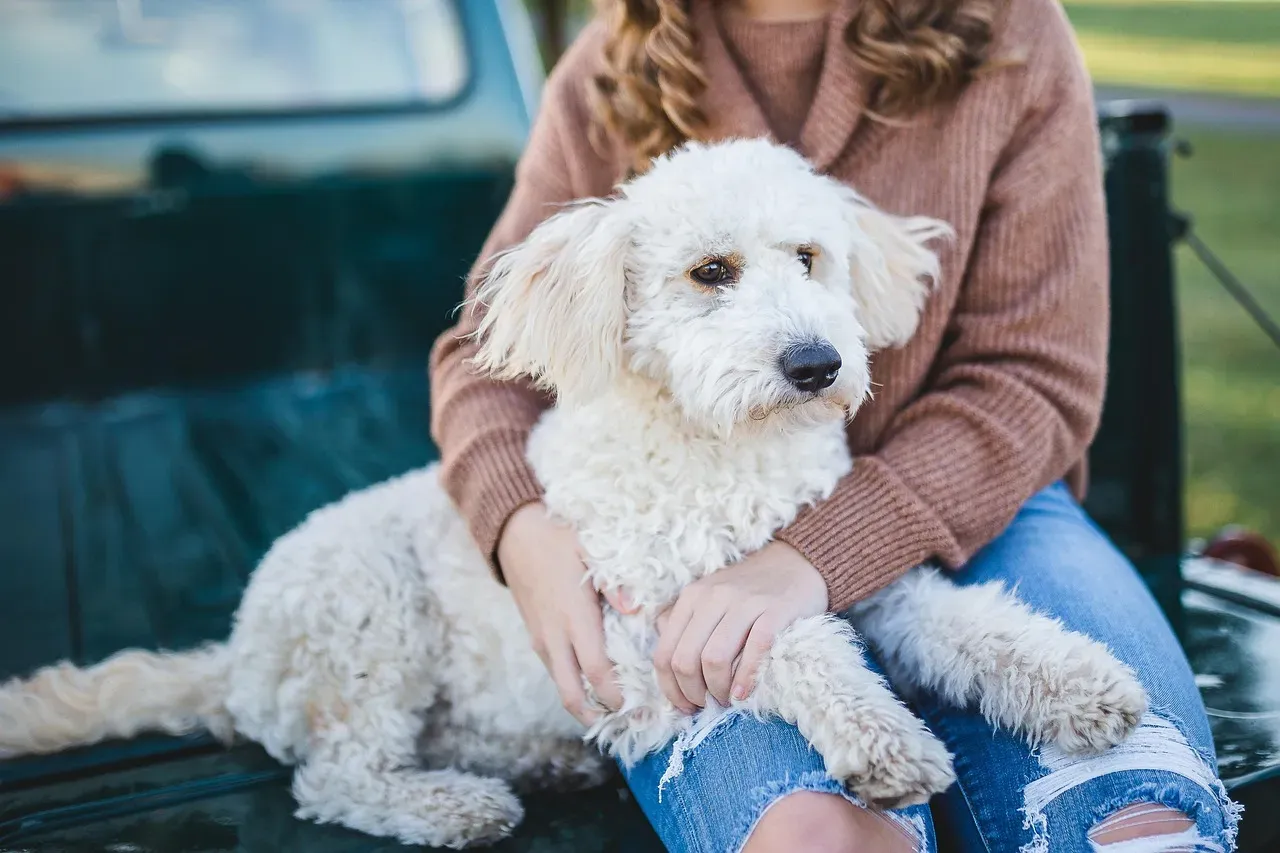
Dogs have a natural instinct to mark their territory, and their favorite humans often become part of it, as through scent marking such as rubbing against a person or resting on them, dogs express their affection and claim a bond, demonstrating ownership and comfort while reinforcing the special connection.
When your dog constantly leans against you, sleeps on your clothes, or insists on being in your personal space, they’re not just being clingy – they’re claiming you as part of their territory. When a dog feels that a human is part of their territory, they are more likely to develop a favorite relationship, viewing that person as an integral part of their life.
This territorial behavior shows deep trust and attachment. The dog has decided you belong in their protected circle, their safe space. They follow you from room to room because you’re not just someone they like – you’re part of their emotional home base.
Dogs perceive their owners as part of their pack and rely on them for love and protection. The person who accepts and reciprocates this inclusion, who doesn’t push the dog away when they seek closeness, reinforces this bond. It’s a mutual claiming, really – they choose you, and you choose them back through your acceptance of their presence.
Conclusion
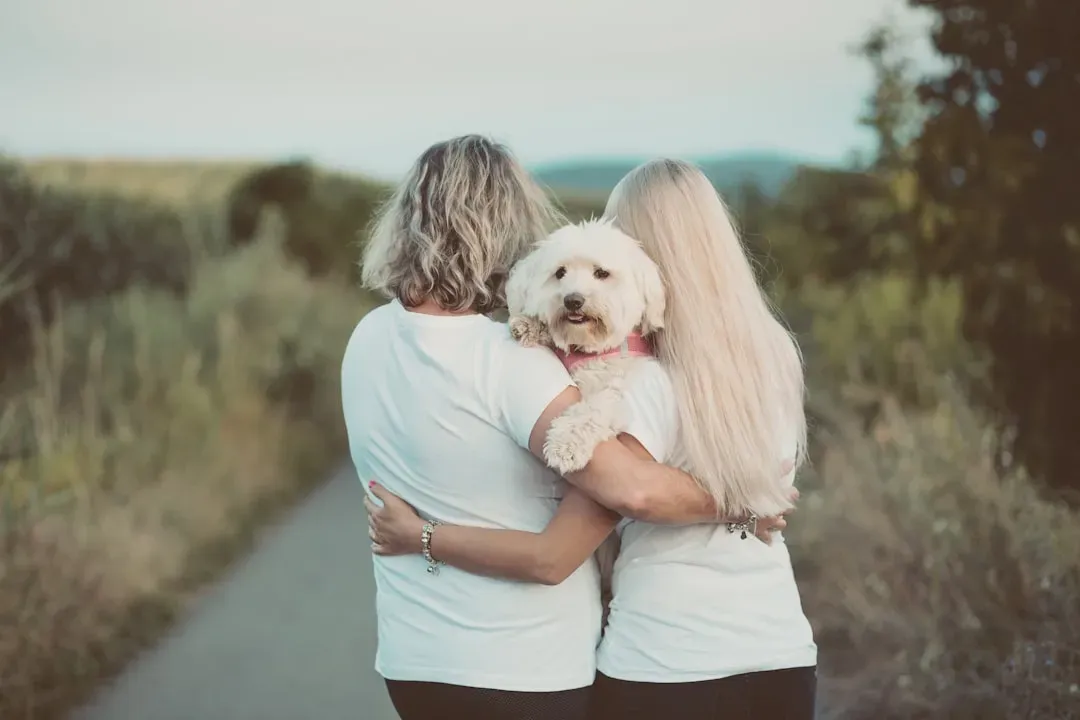
The bond between a dog and their chosen human is one of the most profound interspecies relationships we can experience. It’s built on layers of biology, psychology, consistency, and genuine emotional connection. Understanding why your dog chose you – or why they chose someone else – isn’t about competition or jealousy. It’s about appreciating the complex factors that create these remarkable relationships.
Whether you’re currently your dog’s favorite person or hoping to strengthen your bond with them, remember that these connections can evolve and deepen over time. With patience, consistency, quality engagement, and genuine affection, you can become an irreplaceable part of your dog’s emotional world. They’re not just pets or companions – they’re family members who offer us unconditional love and loyalty.
What’s your experience with canine favoritism? Has your dog clearly chosen one person in your household, or do they spread their affection equally? The journey of understanding our dogs is never really complete, and that’s part of what makes it so endlessly fascinating.


