
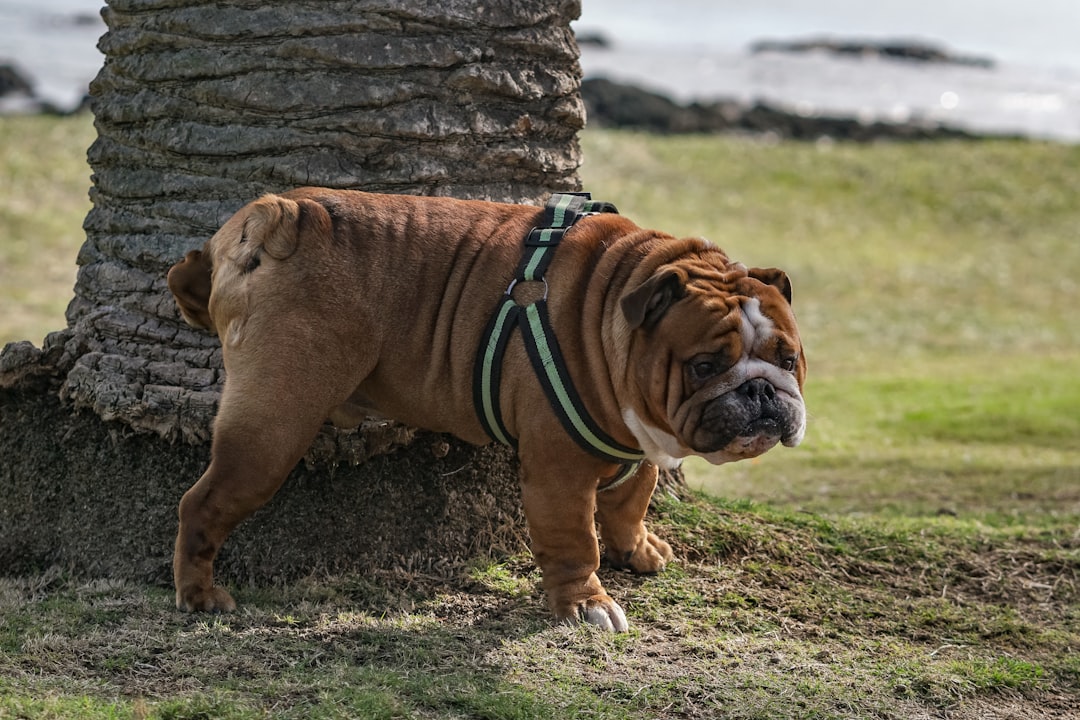

Have you ever wondered why your neighbor’s huge dog seems out of place in your quiet suburb? Or maybe you’ve heard stories of a fence-jumping escape artist terrorizing the mailman, or late-night barking that shakes the whole block awake. While we all love dogs, not every breed or personality is suited to the slower pace and close quarters of suburban life. Sometimes, the very things that make certain dogs so special can also lead to real chaos in the wrong environment. Let’s take a close look at the surprising, sometimes hilarious, and occasionally heartbreaking reasons why some dogs just aren’t cut out for suburban neighborhoods.
Unstoppable Energy Levels
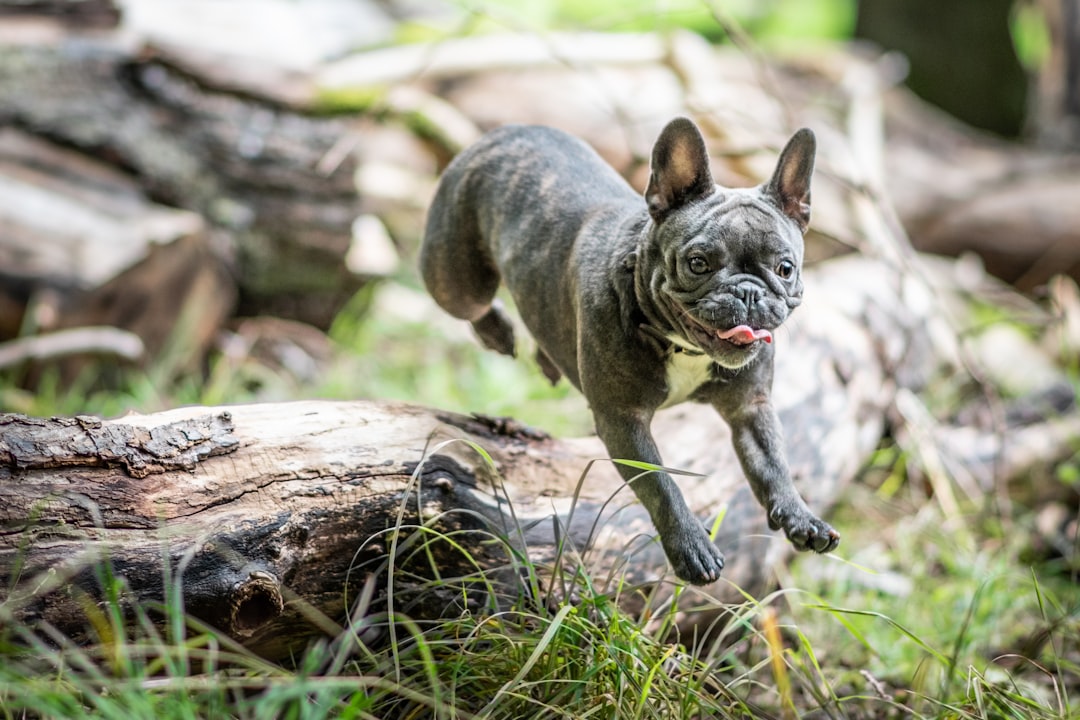
Some dogs are born with an energy meter that never runs out. Think of breeds like Border Collies or Belgian Malinois. These pups aren’t just a little hyper—they’re like furry rockets powered by espresso! In suburban neighborhoods, where yards are often modest and walks are brief, their energy has nowhere to go. Without wide open spaces or hours of daily exercise, these dogs can become frustrated, destructive, or even anxious. Picture a child trapped indoors during a rainy week—eventually, something is going to break! For these dogs, the suburbs just aren’t big enough.
Intense Prey Drive
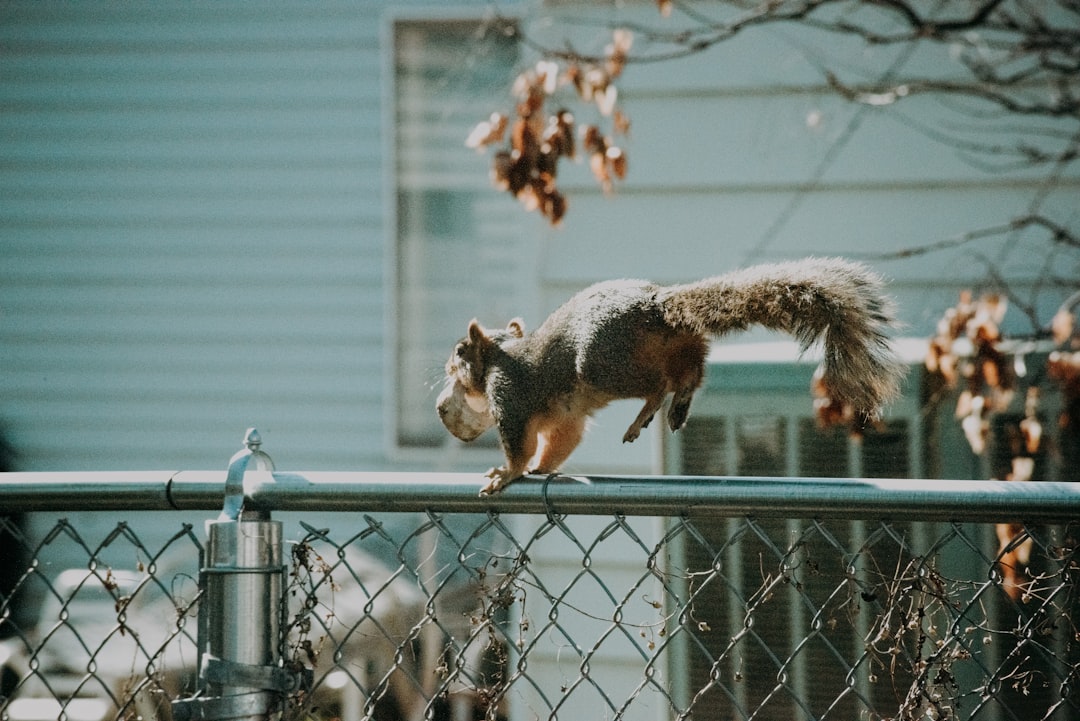
Imagine a squirrel darting across your backyard. Now imagine a dog bred for chasing—like a Greyhound or a Husky—spotting that squirrel. In a rural area, maybe that’s fun. In the suburbs? That’s a recipe for a wild chase through neighbors’ gardens, across busy streets, and into trouble. High prey drive dogs can’t help but follow their instincts, and the close proximity to other pets, wildlife, and the ever-present temptations of suburbia make things risky for everyone.
Size Matters—Sometimes Too Much
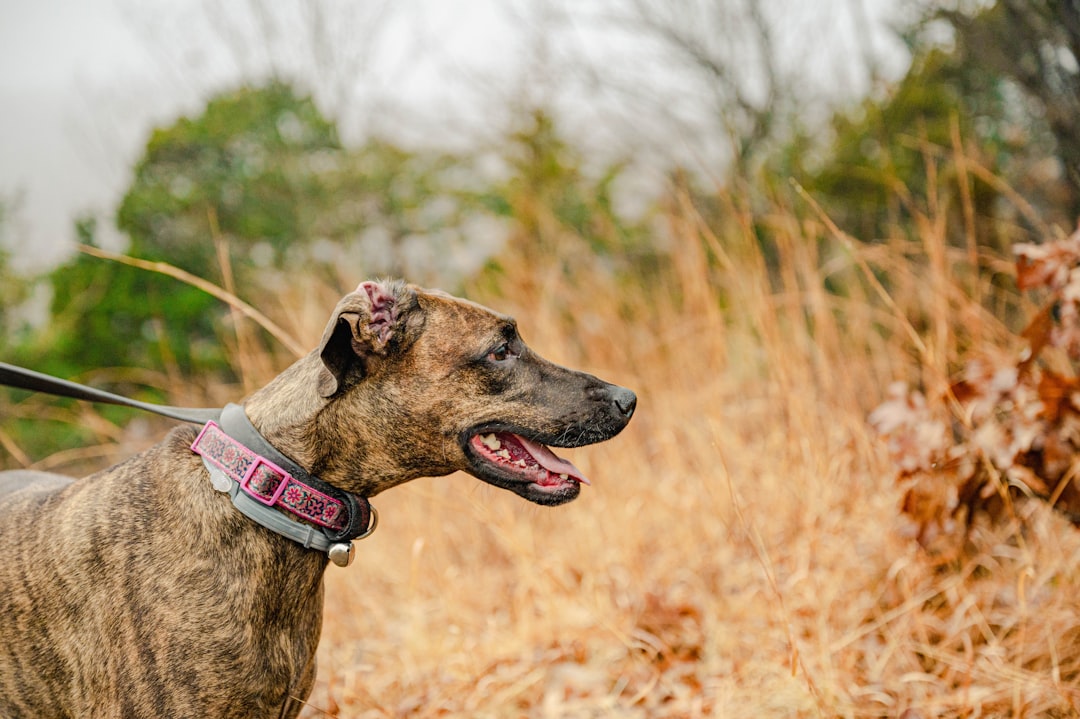
Some dogs just don’t fit the “white picket fence” lifestyle. Giant breeds like Great Danes or Mastiffs need space to stretch out—physically and emotionally. Shoving a 180-pound dog into a small home or fenced yard can be like squeezing an elephant into a closet. Not only is it uncomfortable for the dog, but it can also lead to accidents, damage, and stress for the whole family.
Excessive Barking
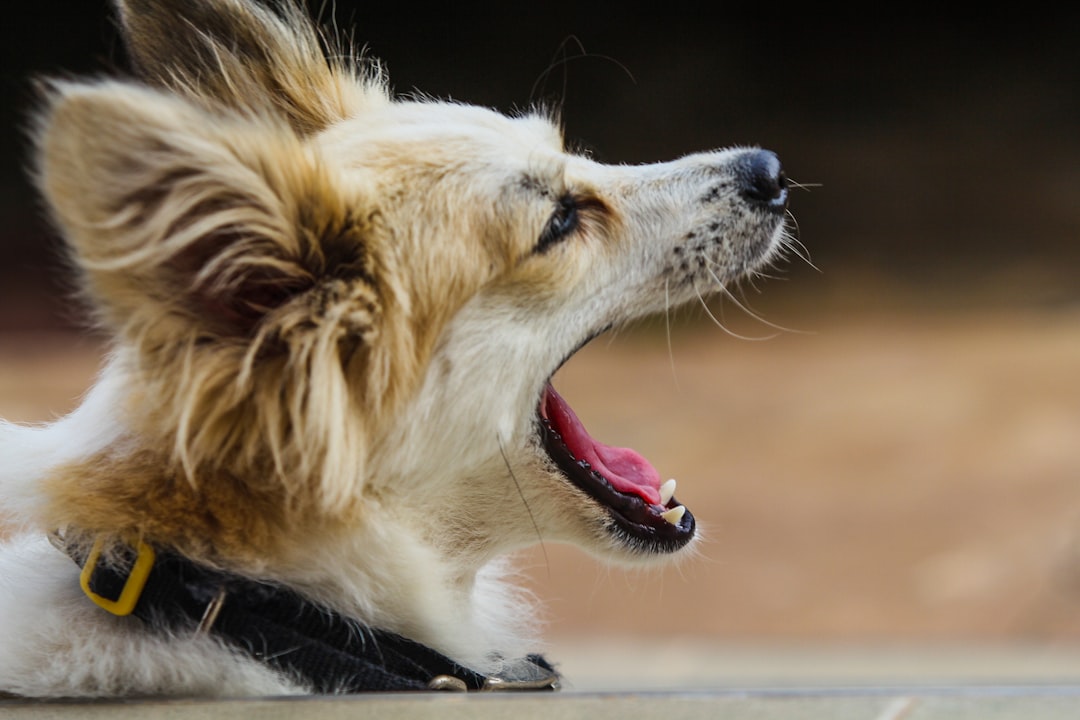
Let’s face it: some dogs are born announcers. Breeds like Beagles or Shelties have a voice, and they’re not afraid to use it. In a suburb, where houses are close and neighbors value their peace, a barking dog can quickly become the neighborhood villain. It’s not just annoying—it can lead to complaints, strained relationships, and even legal headaches. Sometimes, the suburbs are simply too quiet for a talkative pup.
Escape Artists on the Loose
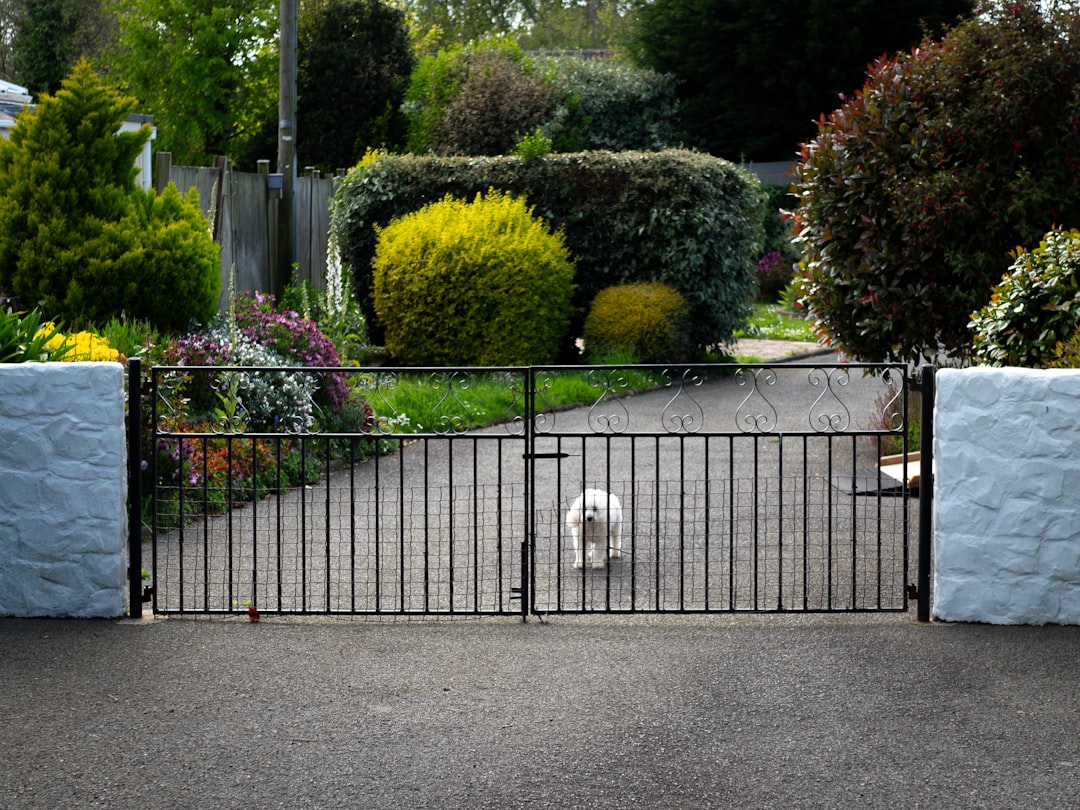
Certain dogs see fences as mere suggestions. Huskies, Jack Russell Terriers, and even some Labs are notorious for finding ways out. In the suburbs, a quick escape can mean a lost dog, property damage, or even accidents with cars. A friend once told me about her Houdini-like Husky who could scale a six-foot fence—every single day. No one wants to be the owner whose dog is always “just visiting” the neighbors.
Guard Dog Instincts Gone Overboard
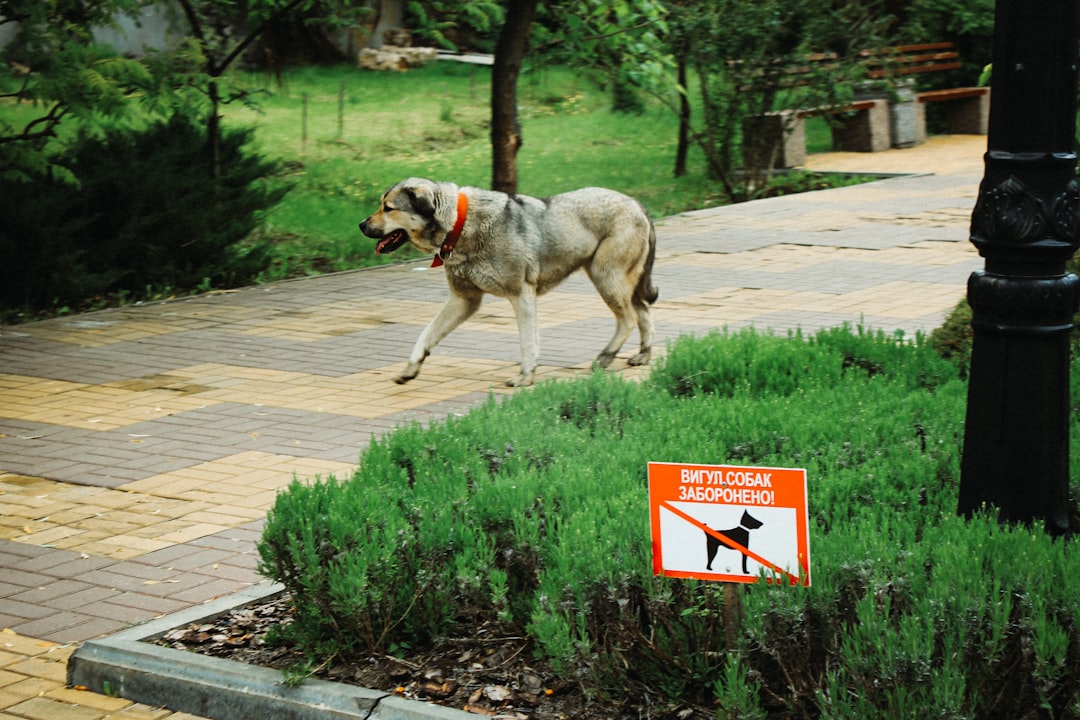
We all want to feel safe, but some breeds take guard duty a little too seriously. Rottweilers, Dobermans, or even certain Shepherds may see every passing jogger, delivery person, or child as a potential threat. In a bustling suburb, that means constant alertness, stress for the dog, and a lot of apologizing to startled strangers. It’s not fair to them—or to the people just trying to walk their own dogs in peace.
Noise Sensitivity and Anxiety
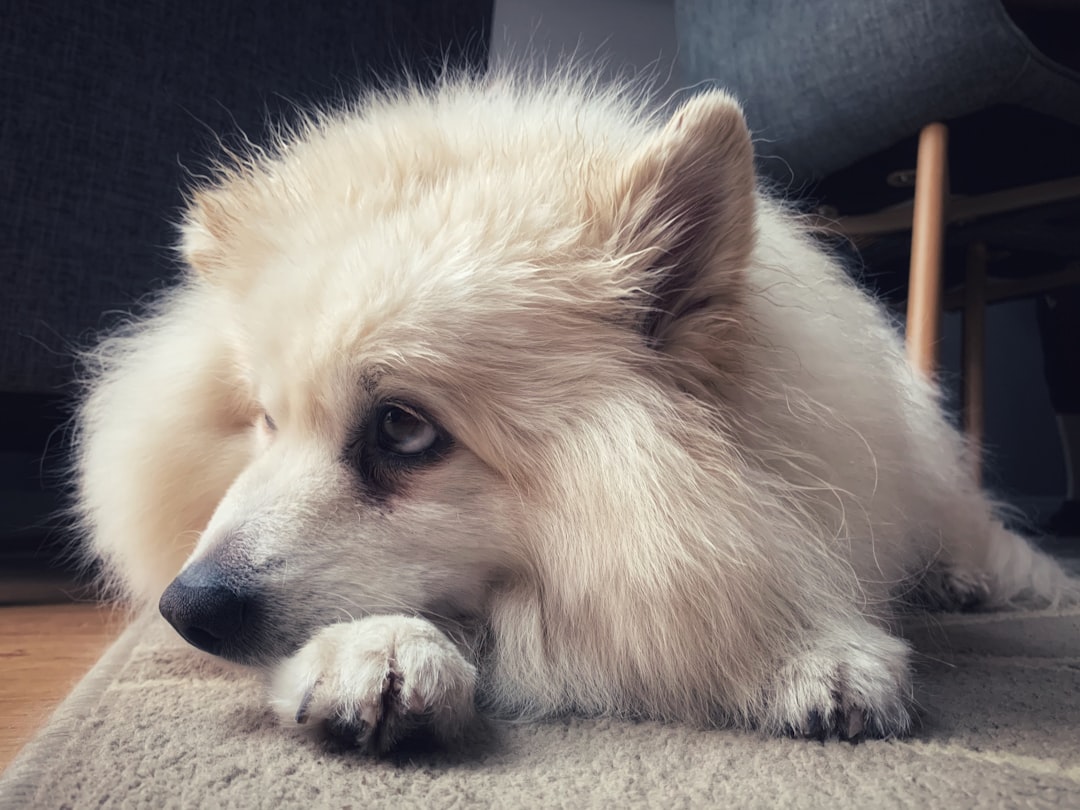
Suburbs can be surprisingly noisy—lawnmowers, fireworks, traffic, and neighborhood kids can all trigger anxiety in sensitive dogs. Breeds like Whippets or some rescue dogs struggle to cope with the constant background buzz. Instead of relaxing, they’re always on edge, which can lead to nervous habits, health issues, or even aggression. For these pups, the quiet countryside or a calm city apartment might actually be less stressful.
Socialization Struggles

Some dogs just aren’t social butterflies. Whether due to their breed or background, they may react poorly to the endless parade of people, pets, and kids that define suburban life. Dogs that are fearful or reactive can become overwhelmed, leading to incidents or even bites. It’s not that they’re “bad dogs”—they just need a quieter, more controlled environment to feel safe.
Special Exercise Needs
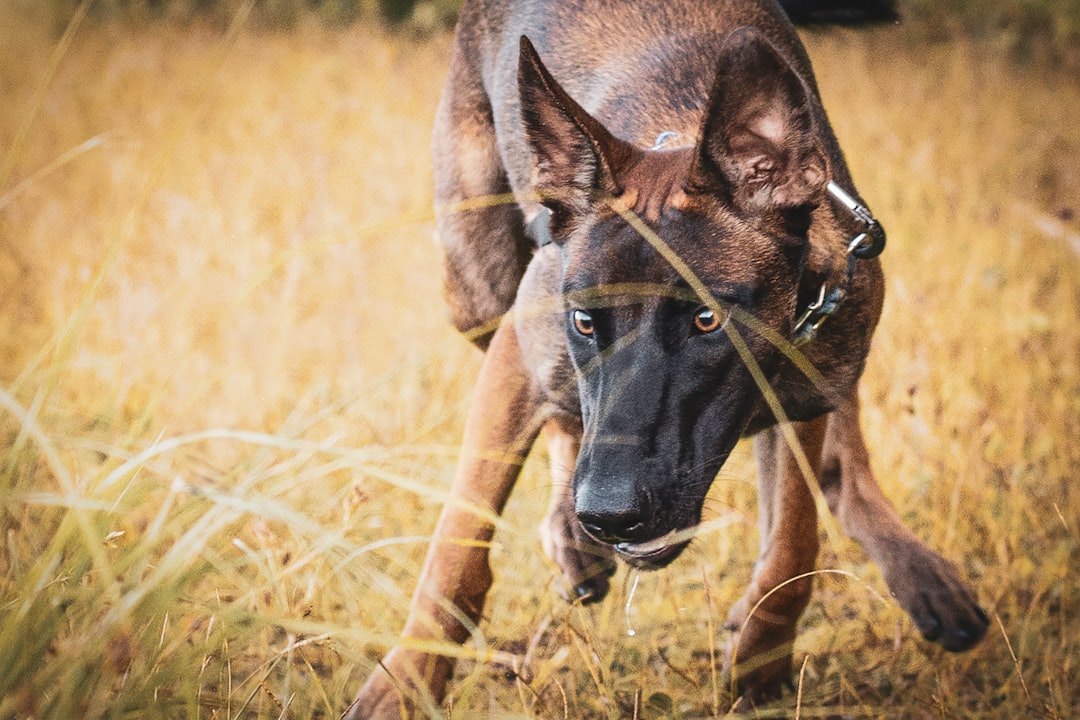
Certain breeds have exercise needs that go way beyond what a suburban neighborhood can offer. Think of the marathon-running Vizsla or the mountain-climbing Bernese Mountain Dog. These dogs thrive on adventure and stamina challenges, not leisurely walks around the block. Without the right outlets, they can quickly develop bad habits, like chewing, digging, or non-stop pacing.
Shedding and Mess
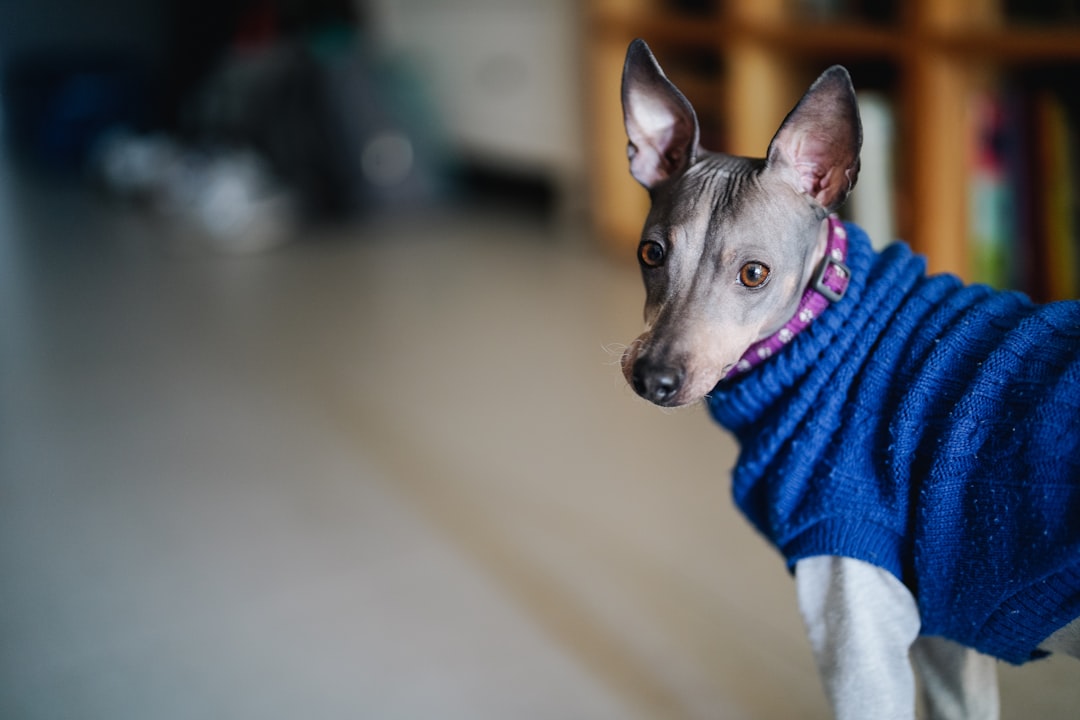
Big, fluffy dogs like Newfoundlands or Alaskan Malamutes are stunning—but their shedding can overwhelm even the tidiest suburban home. In close quarters, fur gets everywhere, and some neighbors (especially those with allergies) might not be thrilled with the extra “gifts” blowing into their yards. Plus, muddy paws, drool, and dander can make suburban living a constant cleaning challenge.
Strong Territorial Instincts
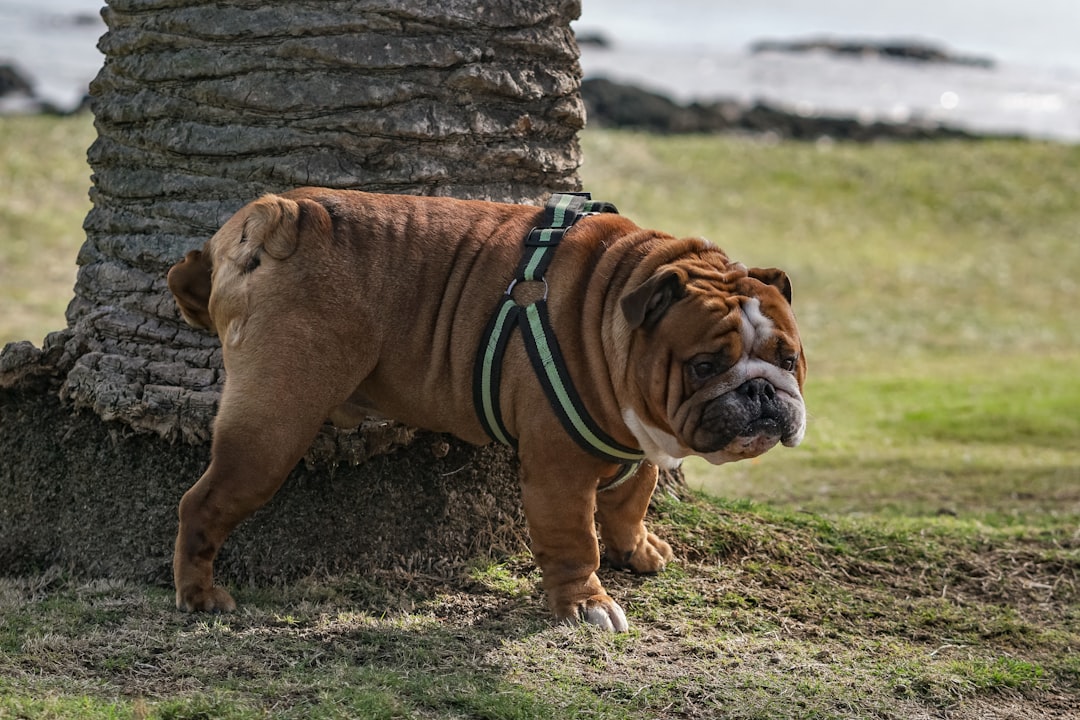
Some dogs are fiercely protective of their turf, and in the suburbs, that turf is surrounded by other people’s property. Breeds like Akitas or Chows might see anyone near their fence as an intruder, leading to barking, lunging, or even aggressive behavior. This can be stressful for everyone involved, and it puts a damper on friendly neighborhood vibes.
Breed Restrictions and Legal Issues
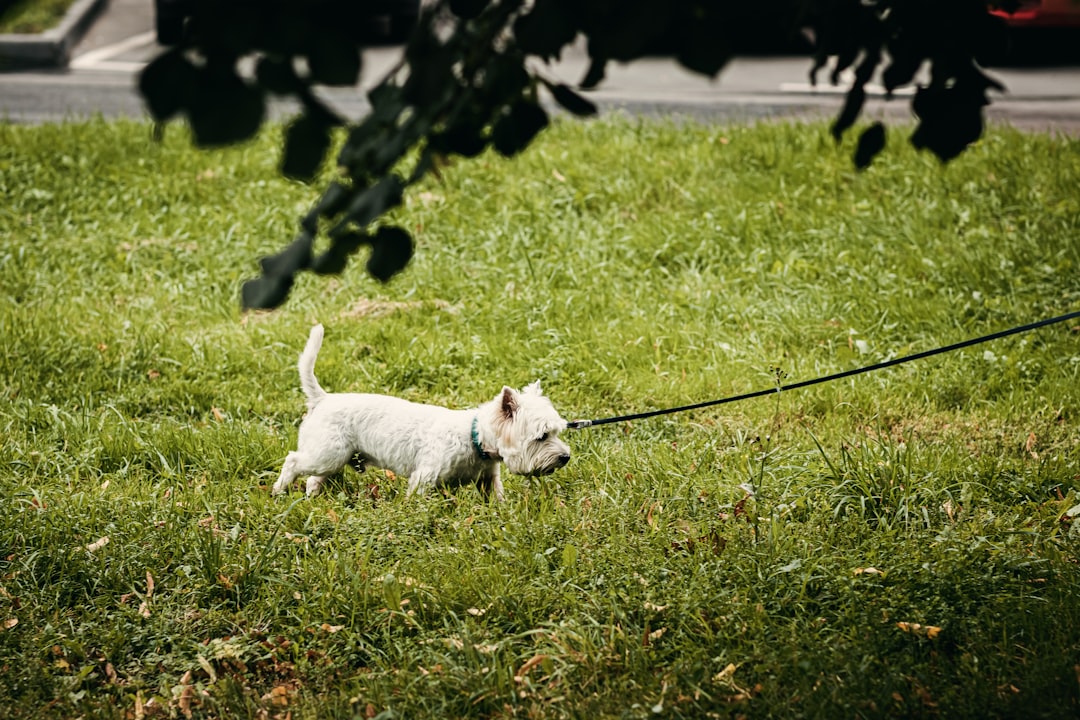
It’s a sad reality: many suburban neighborhoods have breed-specific regulations or homeowners’ association rules that ban or restrict certain breeds. Even if your dog is a model citizen, you might find yourself facing fines, insurance issues, or forced rehoming. Before bringing home a new pup, it’s crucial to know the local laws—sometimes, the heartache of moving or giving up a pet can be avoided with a little research.
So, while dogs bring joy, laughter, and love into our lives, choosing the right breed for your environment is key. It’s not just about what you want—it’s about what your future furry friend needs to be happy and safe. Who would have guessed that the suburbs aren’t always a dog’s best friend?


