
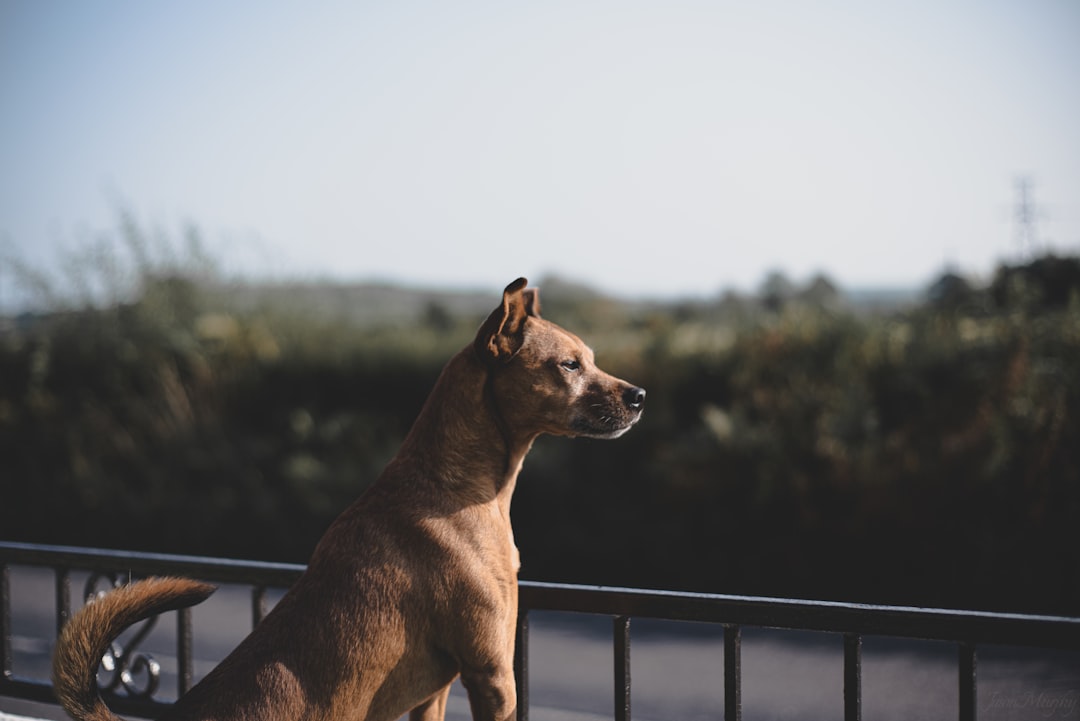

Owning a guard dog might seem like an appealing idea to many. After all, who wouldn’t want a loyal companion that also offers protection? However, the reality of having a guard dog is far more complex than one might imagine. This article delves into the often overlooked challenges of owning a guard dog, offering insights for potential owners. From training to health considerations, these twelve reasons may make you rethink the seemingly simple idea of bringing a guard dog into your home.
Training Takes Time and Patience

Training a guard dog is not a simple weekend project. It requires dedication, consistency, and a lot of patience. Unlike teaching a pet to sit or fetch, guard dog training involves instilling specific behaviors that ensure the dog’s protective instincts are appropriately channeled. Owners must be committed to daily training sessions, often stretching over months or even years. Furthermore, professional training is often necessary, which can be costly. Patience is key, as each dog learns at its own pace, and rushing the process can lead to undesirable behaviors.
The Cost Factor
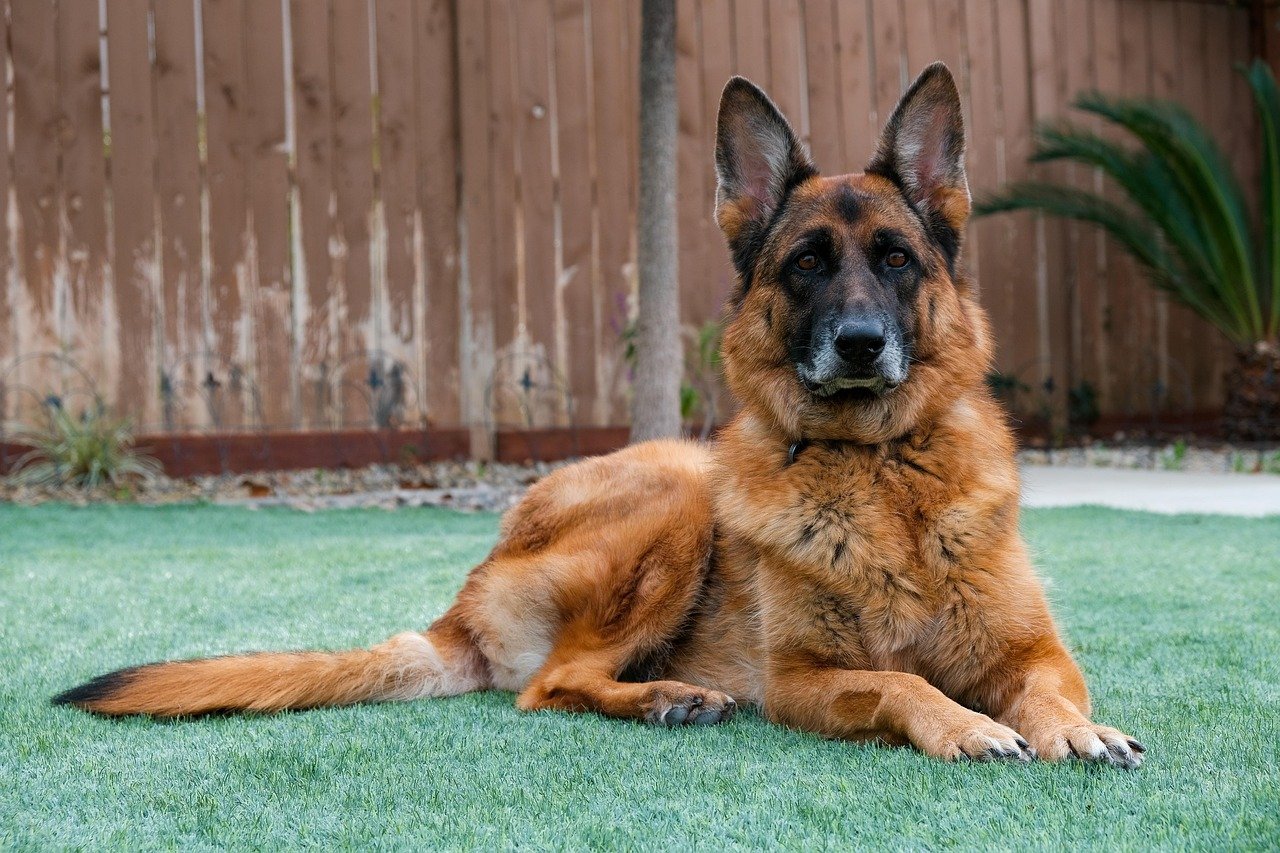
Owning a guard dog is not just a one-time investment. The initial cost of purchasing a purebred guard dog can be high, but that’s just the beginning. Training, veterinary care, food, and equipment all add up quickly. Regular vet visits are necessary to keep the dog in optimal health, while specialized diets may be required to maintain their strength and agility. These expenses can be a significant burden on an unsuspecting owner’s budget.
The Commitment to Socialization
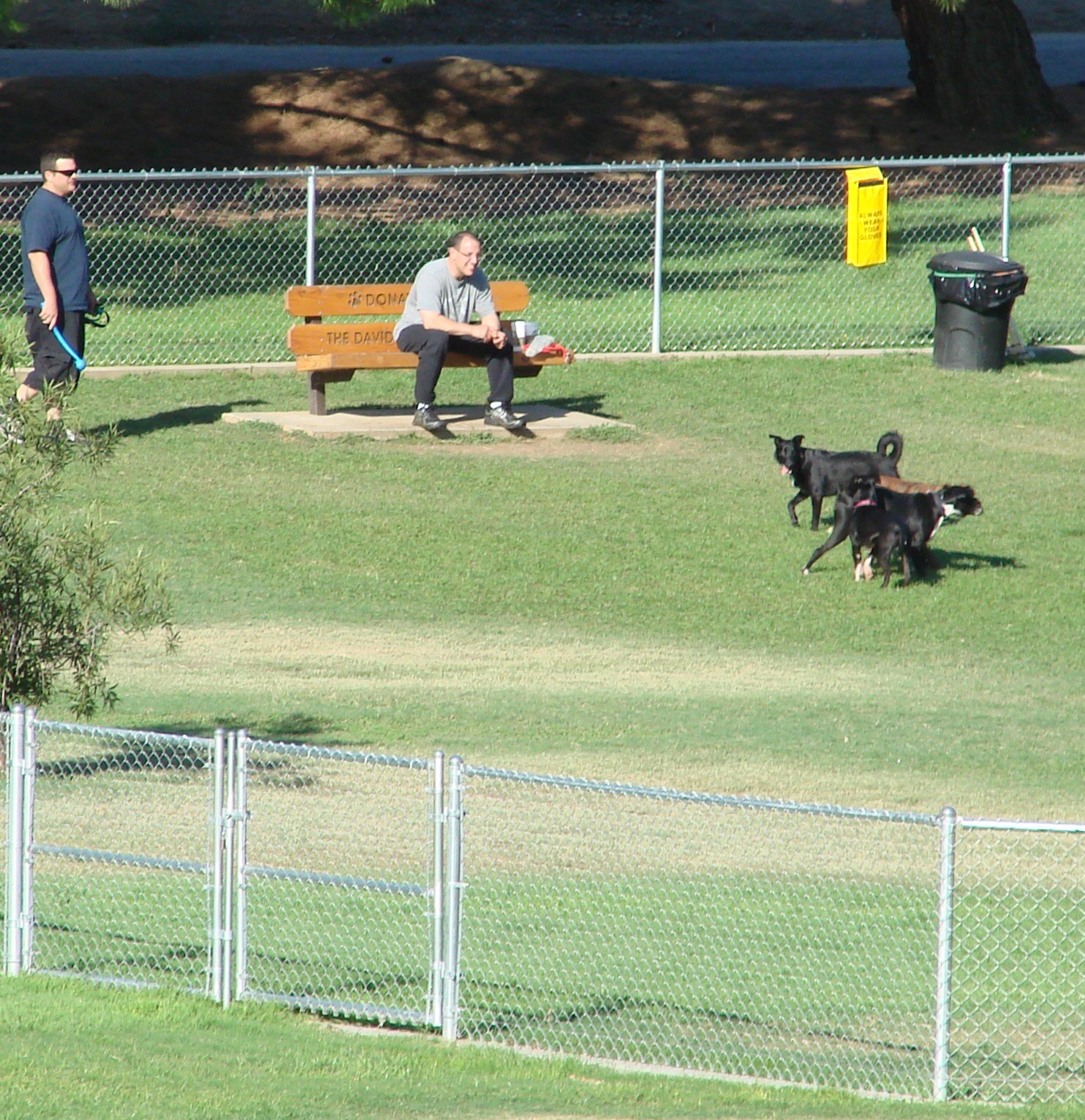
Socializing a guard dog is crucial in preventing aggressive behavior. This means exposing them to various environments, people, and other animals in a controlled manner. It’s a delicate balance; the dog must be protective but not hostile. Without proper socialization, guard dogs can become a liability, reacting aggressively to unfamiliar situations or individuals. This commitment is ongoing and requires the owner to be vigilant and proactive in managing their dog’s interactions.
Understanding the Breed’s Needs
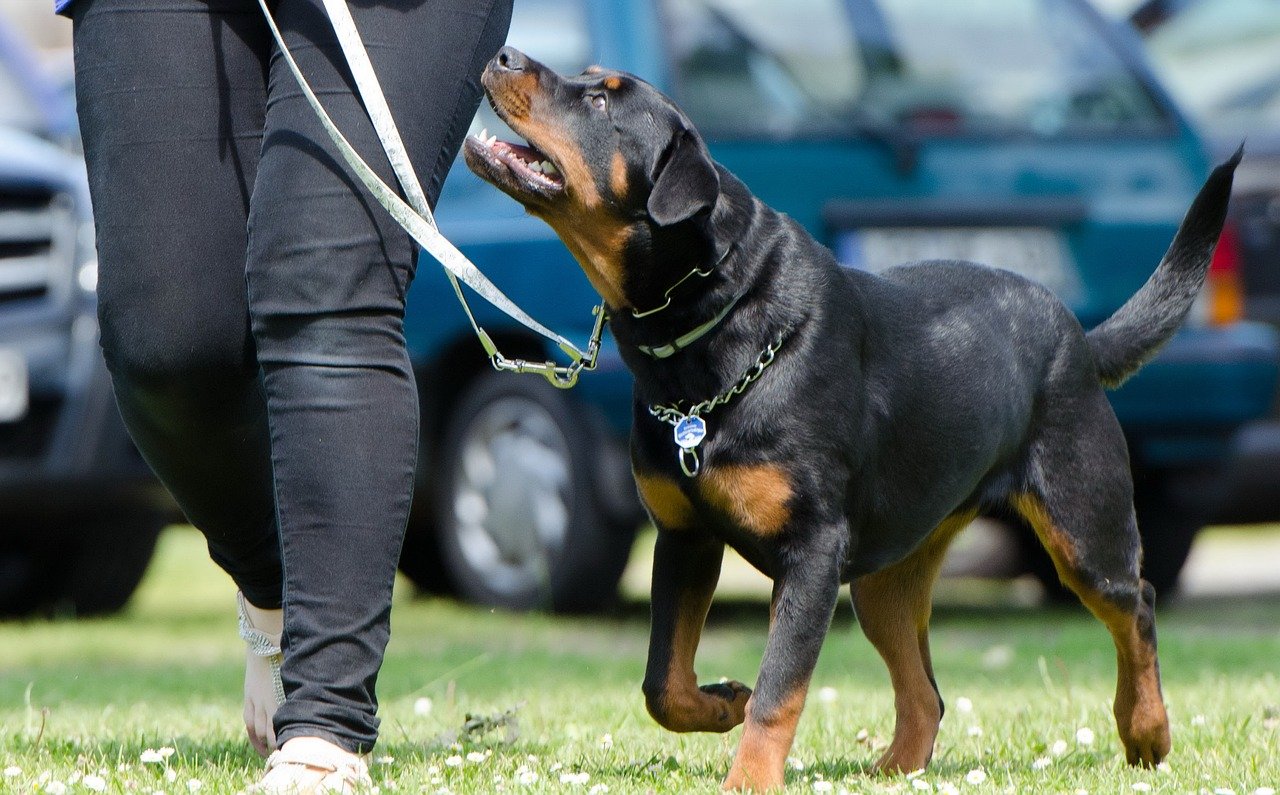
Each breed of guard dog comes with its own set of instincts and requirements. Understanding these needs is essential in providing the appropriate care and training. For example, German Shepherds are highly intelligent and require mental stimulation, while Rottweilers may need more physical exercise to burn off energy. Failing to meet these needs can lead to behavioral issues, making it crucial for owners to educate themselves on their specific breed’s characteristics.
Legal and Insurance Considerations

Owning a guard dog often involves navigating a web of legal and insurance requirements. Some breeds are subject to specific regulations or may be banned in certain areas. Additionally, insurance companies may charge higher premiums or refuse coverage altogether for homes with guard dogs. Owners must be diligent in researching and complying with local laws and insurance policies to avoid unexpected legal complications.
Time Investment for Exercise

Guard dogs are typically active and require ample exercise to stay healthy and happy. This means daily walks, playtime, and activities that engage their minds and bodies. Owners must be prepared to dedicate this time, rain or shine, as inadequate exercise can lead to pent-up energy and behavioral problems. It’s not just about letting them run in the yard; structured activities are essential to their well-being.
Potential Liability

While a guard dog can deter intruders, they can also pose a liability if not properly managed. The risk of the dog biting someone, even in a protective situation, is a concern every owner must consider. This can lead to legal action, financial penalties, or even the dog being taken away. Responsible ownership means understanding these risks and taking steps to minimize them through training and supervision.
Impact on Family Dynamics

A guard dog can significantly impact the dynamics within a household. They may form a stronger bond with one family member, leading to jealousy or rivalry. It’s crucial for families to work together in training and caring for the dog, ensuring everyone is on the same page. Additionally, families with small children must be extra cautious, as the dog’s protective instincts might be unpredictable around young kids.
Health Concerns and Veterinary Care
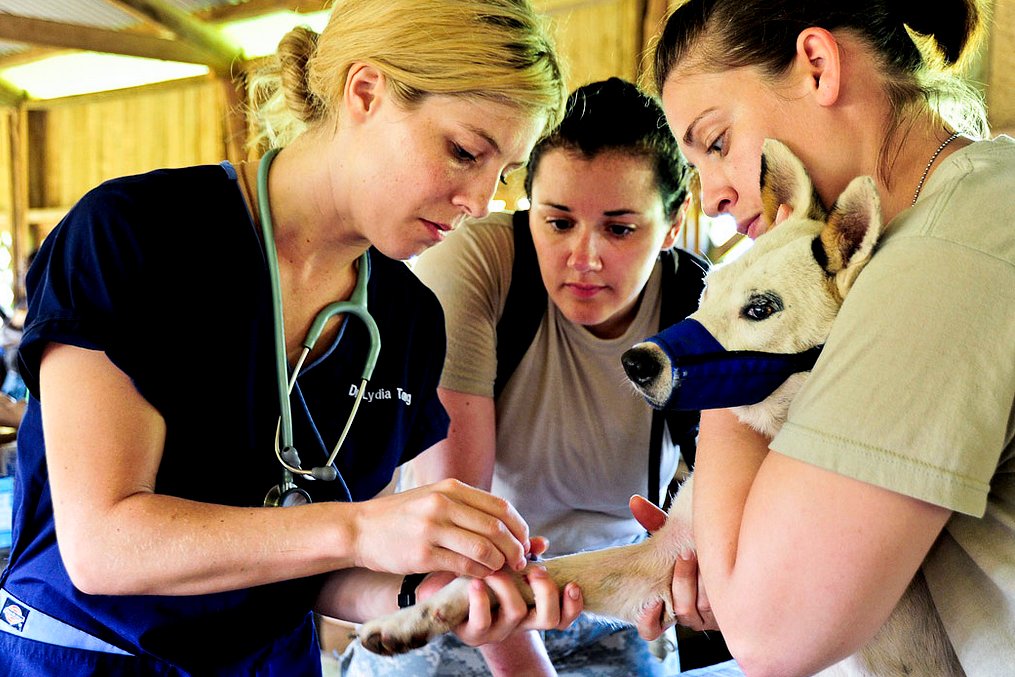
Guard dogs are prone to specific health issues depending on their breed. Hip dysplasia, heart conditions, and joint problems are common in larger breeds. Regular veterinary check-ups and preventive care are essential in managing these health concerns. Owners must be vigilant in monitoring their dog’s health and be prepared for potential medical expenses that may arise.
Space Requirements
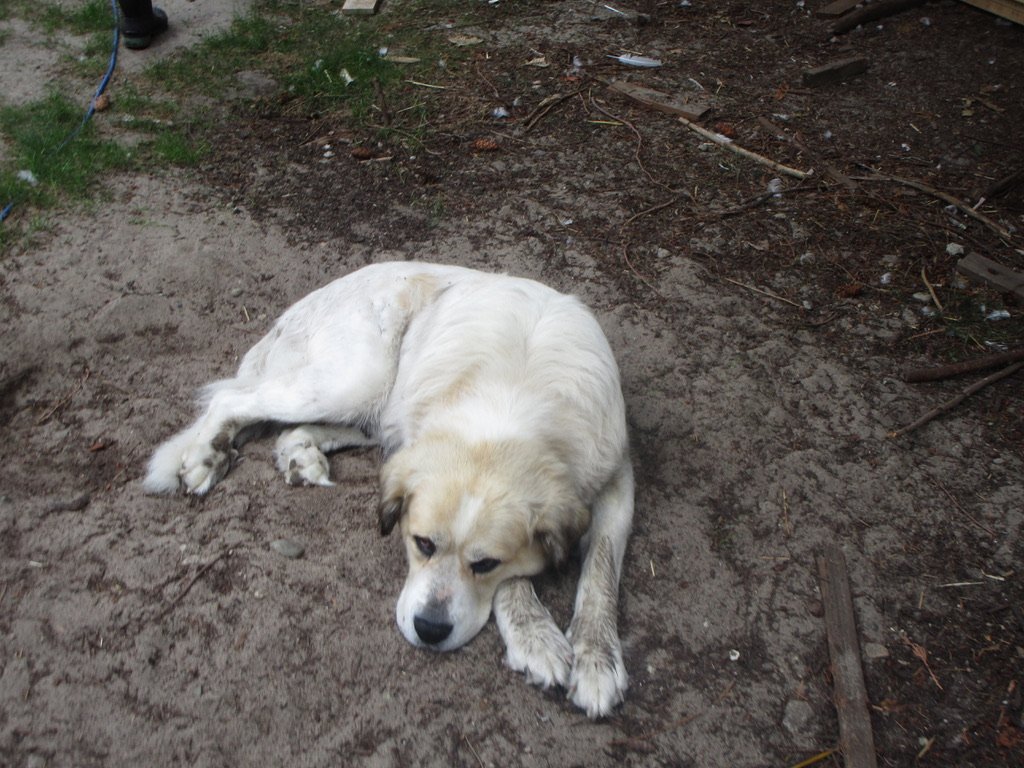
Most guard dogs are large breeds that require ample space to move and thrive. Apartment living may not be suitable for breeds like Mastiffs or Dobermans, who need room to stretch and patrol. A secure yard is often necessary to provide them with the freedom they need while ensuring they don’t become a danger to neighbors. Space constraints can be a significant challenge for those living in urban environments.
Finding the Right Fit
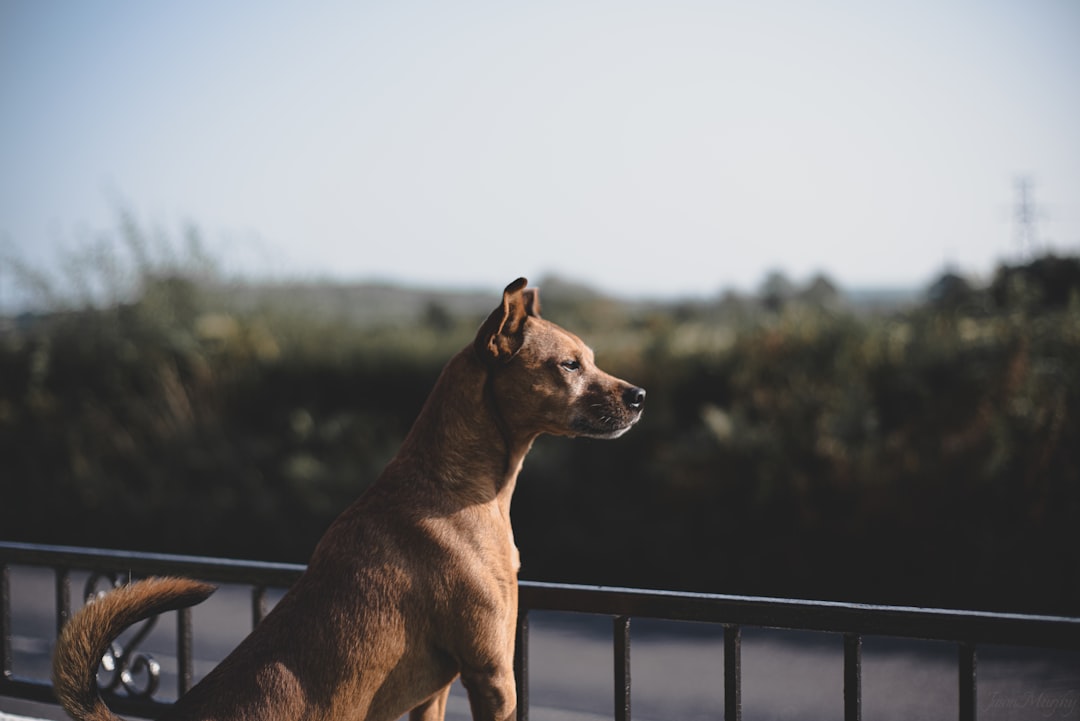
Not every dog is suited to be a guard dog. It takes a specific temperament and set of traits to fulfill this role effectively. Selecting the right dog involves careful consideration of the dog’s personality, potential for training, and compatibility with the owner’s lifestyle. This decision should not be rushed, as the wrong choice can lead to a mismatch, resulting in frustration for both the owner and the dog.
Emotional and Mental Demands

Owning a guard dog is emotionally and mentally demanding. The responsibility of ensuring the dog is well-trained, healthy, and happy can be overwhelming. It requires a strong commitment to the dog’s welfare, with the owner constantly learning and adapting to meet the dog’s needs. This level of dedication can be challenging, particularly for those unprepared for the demands of owning such a specialized animal.
In conclusion, while the idea of owning a guard dog might be appealing for the protection they offer, it’s essential to recognize the challenges involved. From training and financial considerations to legal issues and emotional demands, owning a guard dog is a significant commitment. Prospective owners must be prepared for the responsibilities that come with these loyal and powerful companions.
Born and bred in South Africa, a Capetonian at heart. Amy-Leigh’s love for nature and animals was inherited from her Dad. He loves taking the family on road trips to experience nature at its finest; Amy-Leigh’s favourite being whale watching in Hermanus and spotting Kudu along the West Coast. Amy-Leigh holds a BA in English Literature and Communication Studies.


