

There is something almost magical about the moment a rescue dog realizes it is finally safe. One second they are cowering in a corner of a shelter kennel, eyes wide, tail tucked. The next, they are sprawled across a stranger’s lap, breathing slowly, trusting fully. If you have ever been lucky enough to witness that transformation firsthand, you already know it changes you.
In recent years, the stories that have moved people the most reflect what matters most: hope, resilience, and the unshakable bond between people and pets. These are not just feel-good tales. They are real, documented turning points that prove, again and again, that love can undo what fear has done.
Every single story in this article carries a lesson, a behavior tip, or a health insight worth knowing. So grab your coffee, snuggle your pup a little tighter, and let’s dive in.
1. Wiley the Stray Who Became Someone’s Whole World

Wiley had already lived in four different homes before finding his forever family. He was found as a stray by Friends with Four Paws Rescue in Oklahoma, was fostered there until he was sent to Brooklyn, where he was fostered again. Most people would have written him off as “too complicated.” His family didn’t.
He was nervous in the car and left a little present outside the building after the first ride, but he adjusted phenomenally, like he was still a puppy and they were his first set of parents. That’s the thing about rescue dogs. Given genuine stability, they adapt faster than you’d expect. Watch for early stress signs in newly adopted dogs: excessive panting, tucked tail, or refusal to eat. These usually ease within days of consistent, calm handling.
2. Vito: A Decade of Waiting, One Perfect Match
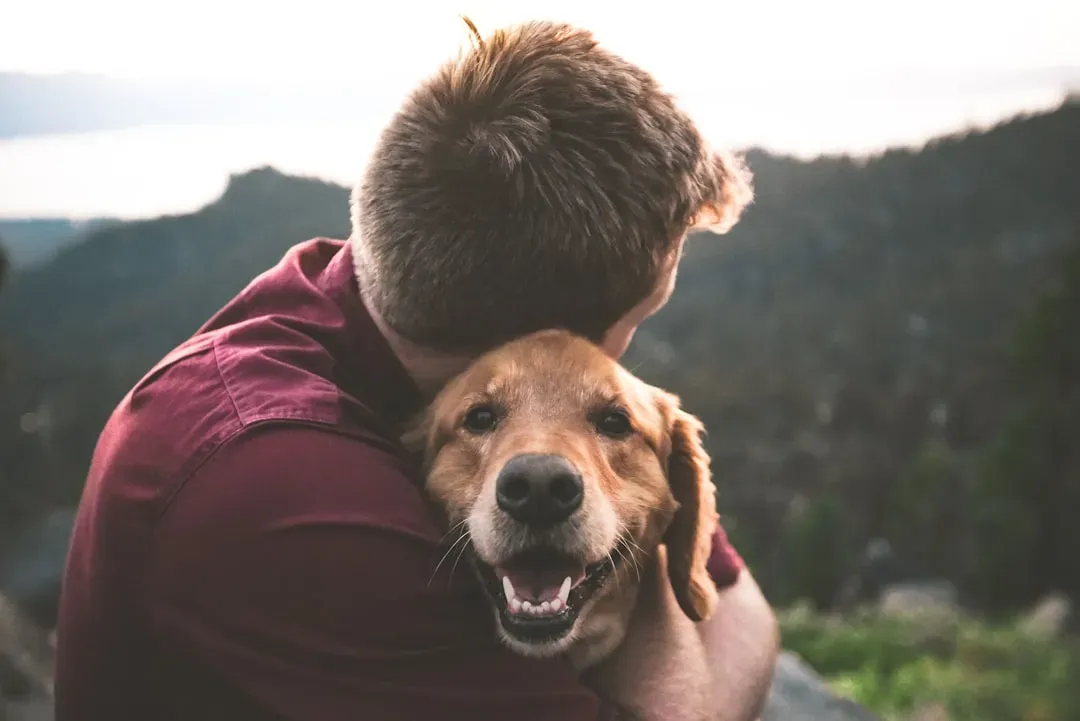
After a few years in a shelter and a decade at Best Friends Animal Sanctuary, Vito finally met an adopter who just seemed to get him. Casey, who used to work with wolves and understood a sensitive animal’s needs, was just the person Vito needed. Honestly, this story teaches one of the most underrated lessons in rescue: the right match matters more than speed.
Casey came to the Sanctuary several times to build his relationship with Vito, and that sealed the deal. Now Vito spends his time cruising around the United States and Canada with Casey. If you are thinking about adoption, visit your prospective dog more than once before committing. Watching how a dog responds to you across multiple interactions reveals so much more than a single meet-and-greet ever could.
3. Doug the Dog Who Saw the World Differently

Doug was given a snazzy pair of dog sunglasses to help him see better in bright light. In the meantime, Doug had started exploring the world with his mouth to make up for his vision loss, and this behavior made it difficult to find him the right adopter. Let’s be real, a visually impaired dog who mouths everything is a tough sell for most families. But the right family was out there.
Ralph Bartley, a former K-9 handler with the sheriff’s department, and his family had recently lost their family dog and were ready to open their home and hearts again. Ralph had enough experience with dogs to know he could continue working with Doug to help him become his best self. Today, Doug is finally in a loving home with the Bartleys. If your rescue dog has a sensory or health challenge, connect with adopters who have relevant experience. It changes everything.
4. Diamond Ring: The Pittie Who Won the Internet
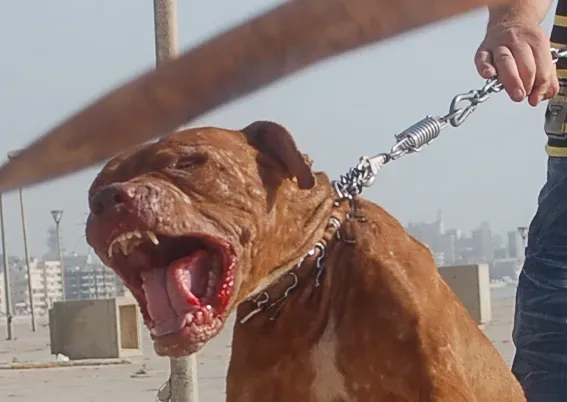
Diamond Ring came to Best Friends in NYC from Animal Care Centers of NYC and became an instant shelter staff favorite thanks to her sweet and loving nature. Still, she waited longer than anticipated for a home. At less than two years old, Diamond Ring stuck around Best Friends longer than anticipated, possibly due to her strength on leash.
This matters because leash reactivity is one of the most fixable issues with consistent training, yet it keeps dogs in shelters far longer than necessary. Training plays a crucial role in the successful integration of rescue dogs into homes. Proper training helps manage behavioral challenges such as chewing, barking, or leash pulling. A few weeks of structured loose-leash training before adoption events could literally save a dog’s life by making them more adoptable.
5. Wingnut: Four Pounds of Matted Fur and a Brand-New Beginning

Wingnut was not even recognizable as a dog when he first came into the program. He was in so much pain from the horrific matting, he couldn’t be touched. He had to be anesthetized to remove four pounds of matted hair from his tiny body. Imagine carrying that kind of weight, literally and emotionally. And still surviving. Dogs are remarkably resilient creatures.
Stories like Wingnut’s are a critical reminder to watch for physical neglect signs in dogs: matted fur, overgrown nails that curl into paw pads, extreme underweight, or a dull coat. Many rescue dogs, especially senior dogs, have health challenges. To address any immediate concerns, schedule a thorough veterinary check-up soon after adoption. With proper care, these animals often recover and thrive in their new homes. A full vet visit within the first 48 hours of adoption isn’t optional. It’s essential.
6. Mercy: Rescued Minutes Before the End
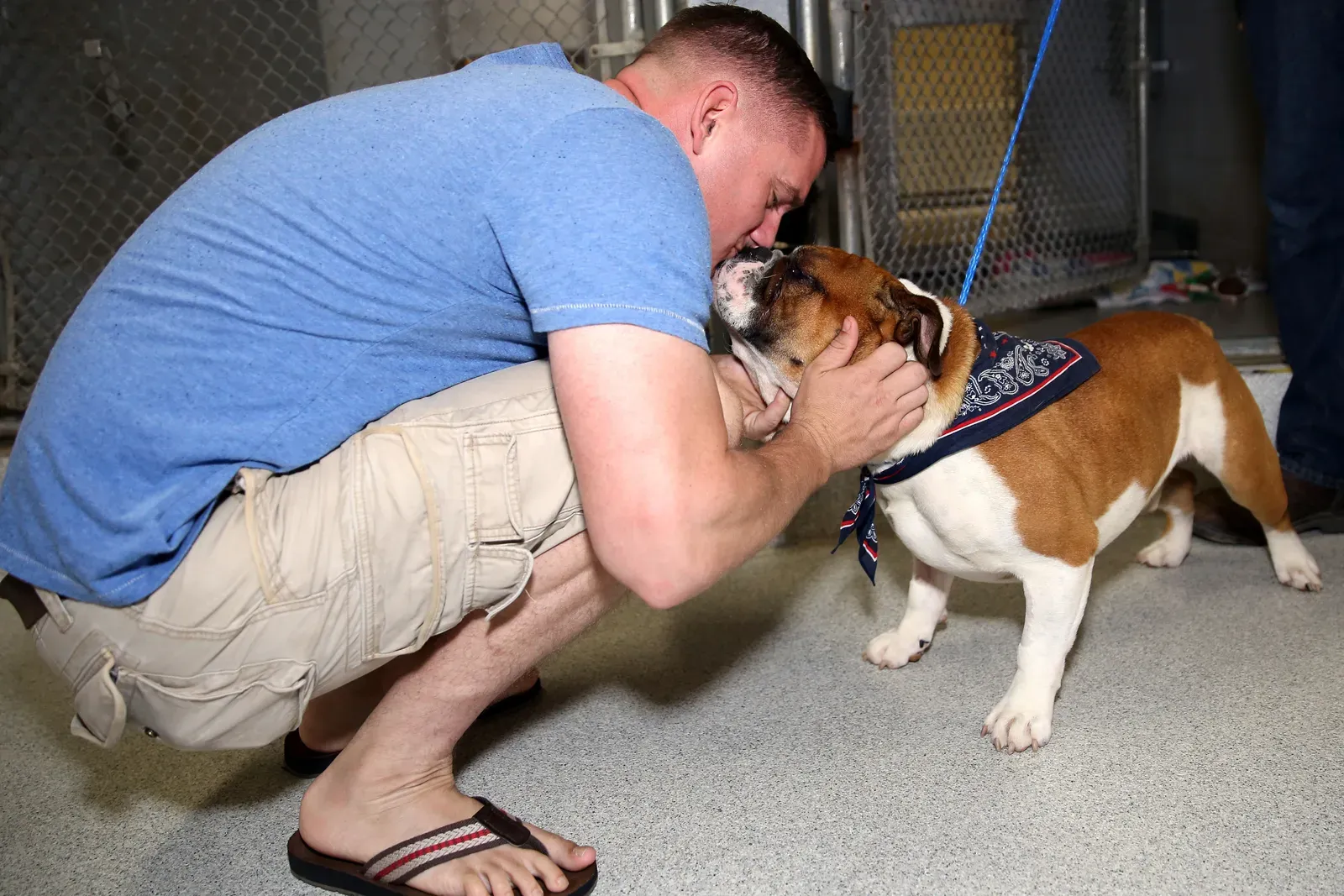
Mercy came to the rescue group mere minutes before she was to be euthanized. She had what appeared to be a gaping impalement injury to her abdomen. She was also very malnourished and dehydrated. Think about that for a moment. Minutes. It is humbling how thin the line between survival and loss can be for these animals.
Mercy’s story isn’t just heartwarming. It’s a loud call to action. Every year, 3.3 million dogs enter shelters and 670,000 are euthanized. That number stops feeling abstract the moment you picture Mercy, terrified and barely alive, and then picture her thriving later. If just 6% more families chose to adopt instead of purchase, we would end the killing of cats and dogs in our nation’s shelters. Six percent. That’s it.
7. Max the Hound Who Healed a Lonely Retired Couple
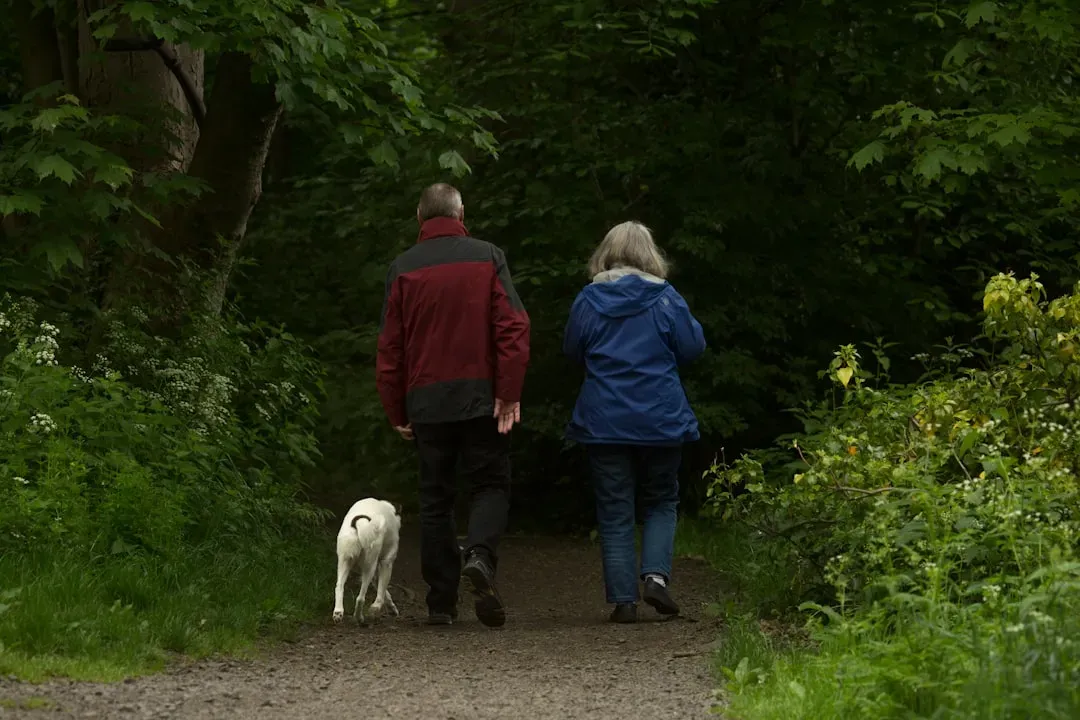
Max, a neglected hound saved from the odds, gradually transformed into a loyal companion for a once-lonely retired couple. This is one of those mutual rescue situations that nobody talks about enough. The couple saved Max. Max saved the couple. That’s how it almost always works.
Pet ownership can provide essential social and emotional support for older adults. Older adults who own pets report a reduction in stress and loneliness. They also experience an increase in activity and overall quality of life. Additionally, older adults who have strong connections with their pets report lower rates of depression. If you know a lonely senior in your life, the gentlest, most life-changing gift might just be helping them find a calm, middle-aged rescue dog. The data fully backs this up.
8. Te Fiti: A Storm Survivor Who Kept Her Pups Safe

When seven tornadoes ripped through Northwest Arkansas, Te Fiti took refuge under a storage shed. Thanks to a timely rescue effort, patience, and love, she overcame her own fears to keep her four pups healthy and safe. She was traumatized, displaced, and a new mother all at once. Her instinct to protect her babies, even through that kind of terror, is something that genuinely gives me chills.
Disaster-displaced dogs like Te Fiti often carry layered trauma that shows up as hypervigilance, fear of loud sounds, or reluctance to be touched. Rescue dogs often come from difficult situations, whether they were abandoned, neglected, or experienced other forms of trauma. These past experiences can lead to anxiety, making it harder for your new dog to adjust to their new home. Understanding your rescue dog’s anxiety is the first step toward helping them heal. With the right training and support, you can build a trusting relationship and help them feel safe and secure.
9. The Rescue Dog Who Became a Cancer Patient’s Best Therapy
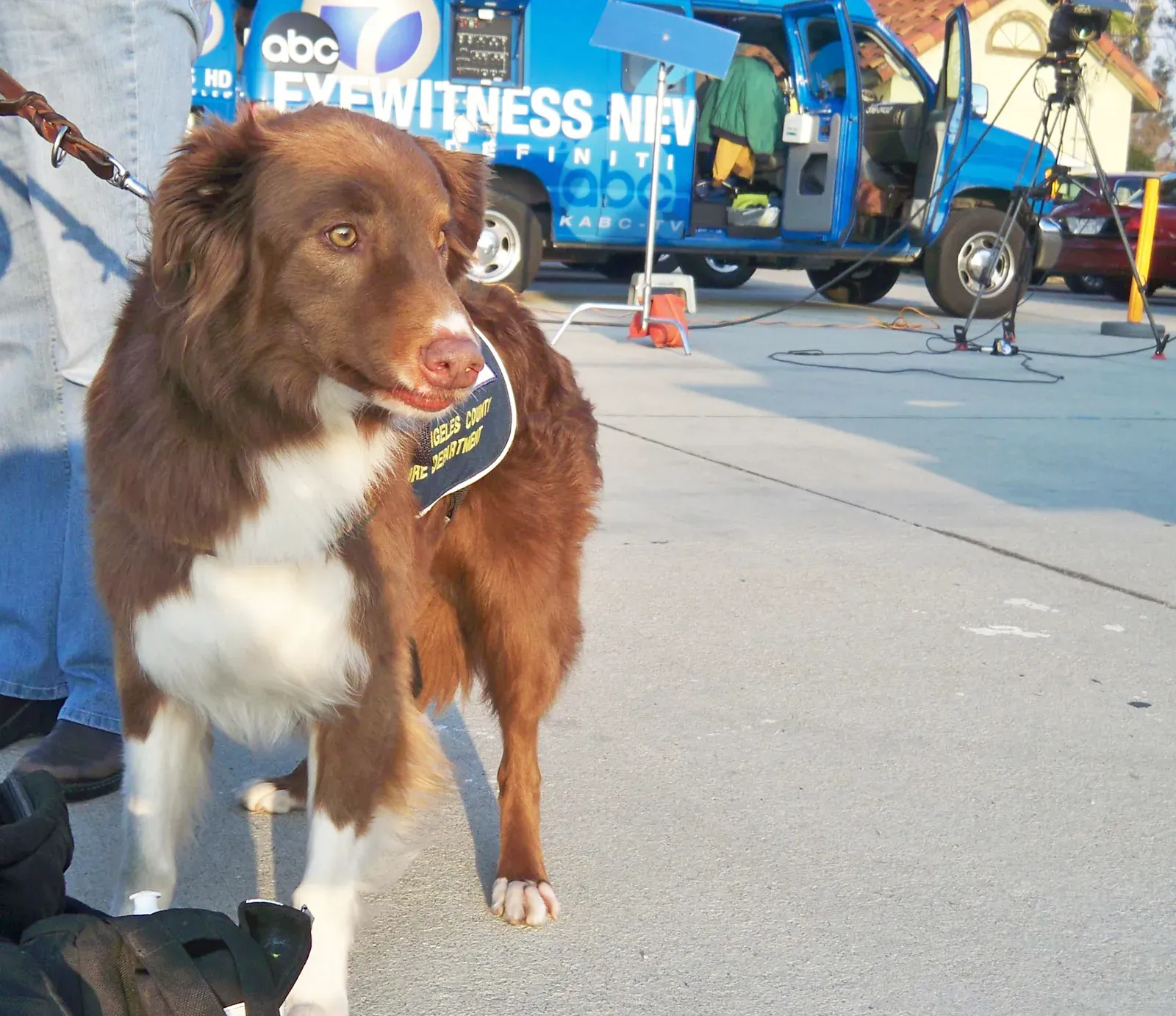
One of the most quietly powerful stories from Best Friends describes a scrawny rescue dog spotted at an adoption event who went home with someone who wasn’t even ready for a pet. The biggest and most important thing the owner would have missed would have been him being a therapy dog through cancer treatments. Only four months later, she was diagnosed and started her treatments. He was there for it all.
Here’s the thing: science backs this completely. The simple act of petting an animal can release oxytocin, a hormone associated with bonding and stress relief. According to the Centers for Disease Control and Prevention, pet owners tend to have lower blood pressure and cholesterol levels, which are indicators of reduced stress. During difficult times, the presence of a pet can offer comfort and reduce feelings of loneliness. This emotional bond is particularly beneficial for those experiencing depression or anxiety, as pets offer a non-judgmental ear and unconditional love. This dog didn’t just make her feel better. He helped her fight harder.
10. King Julian: From Bald to Beautiful

When King Julian landed at Best Friends Animal Sanctuary, he wasn’t feeling like royalty. But with some time and TLC, he began bouncing around with his best doggy pals and enjoying his puppyhood. This one always gets me. A dog called Julian, finally living up to his name. It’s a small story, but it carries a huge reminder.
Physical recovery and emotional recovery in rescue dogs happen on parallel timelines. Don’t mistake a physically healing dog for an emotionally healed one. With patience, compassion, and structured training, these dogs can find healing and learn to trust again. One of the first steps in helping abused dogs recover is rebuilding their confidence. Through positive reinforcement training, you can show these dogs that they are safe, loved, and worthy of trust. By rewarding desired behaviors and gently guiding them through training exercises, you can help them regain their sense of self-assurance.
11. Jack the Great Dane Who Healed Two Hearts at Once

Jack was a 4-year-old Great Dane in need of a new home. His previous family, overwhelmed by his size and energy, couldn’t keep him, especially with their young children. His new owner had just lost a beloved dog of ten years and wasn’t sure she was ready. She was. And so was Jack.
Adopting a rescue animal not only saves the animal’s life but can also significantly enhance the adopter’s mental health. Rescue pets often form strong bonds with their owners, offering deep emotional connections and a sense of fulfillment. Rescue animals, having experienced abandonment or neglect, can be incredibly loyal and loving. Their resilience can inspire and motivate owners, reminding them of the power of compassion and second chances. It’s hard to say for sure who truly rescued whom in Jack’s story. That ambiguity is the whole point.
12. The Twenty-Nine Dogs Who Left Cruelty Behind
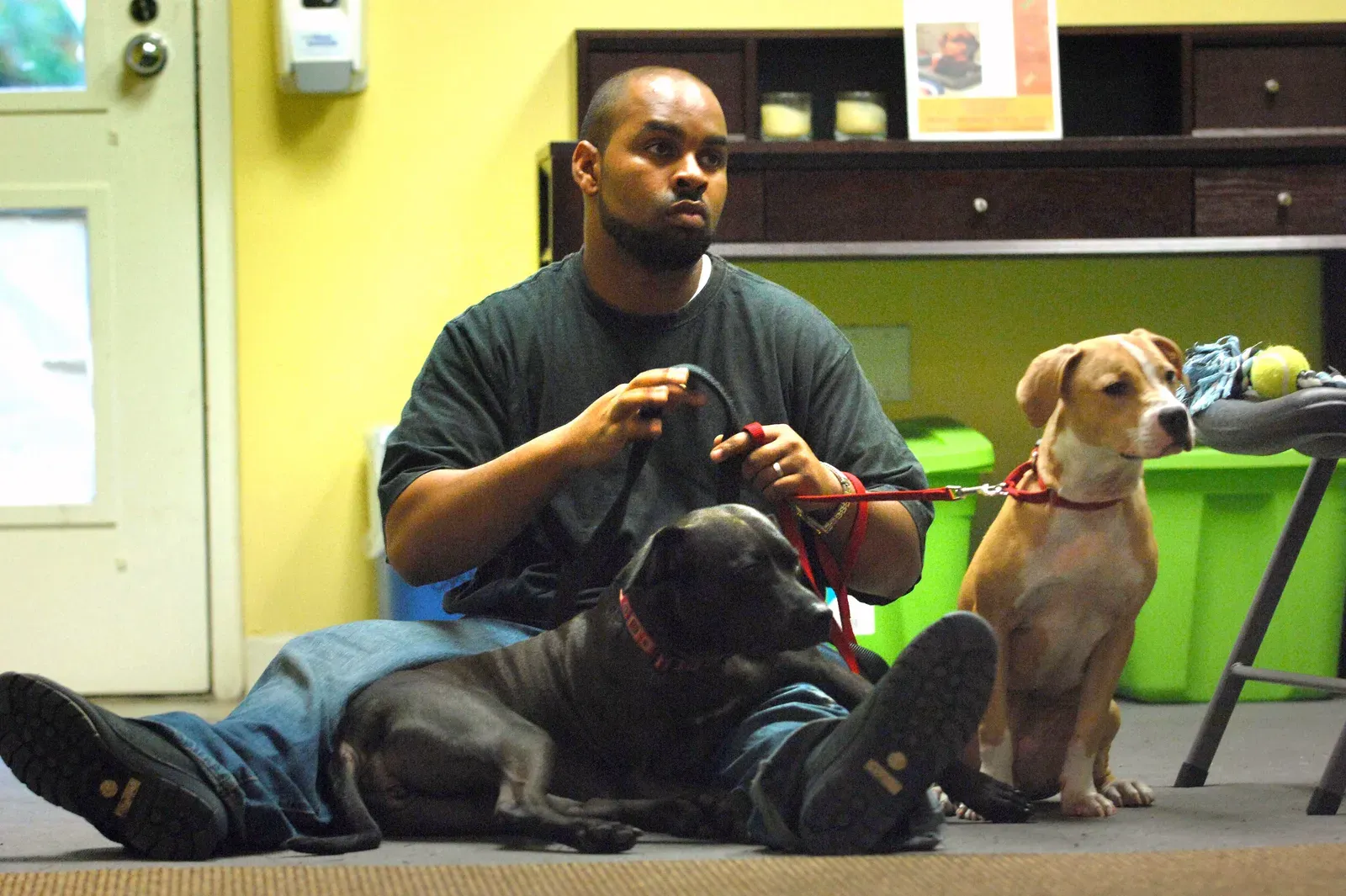
Twenty-nine dogs put cruelty in the past and began new lives after being saved in South Carolina. They settled into rescue groups, made friends, and won hearts of their own. Twenty-nine. Not one. Not a lucky few. All of them. That collective turnaround says everything about what structured rescue, community support, and determined foster volunteers can accomplish together.
Best Friends’ newest data from the 2024 calendar year shows that the country is moving in the right direction: shelters are seeing a 3.4% decrease in the number of pets killed compared to the previous year, as well as a 4% increase in adoptions for both dogs and cats. Progress is real and measurable. Community-run foster programs are making a positive impact. They provide temporary homes for dogs, easing shelter overcrowding. Fosters play a critical role, offering the dogs a home-like environment. By preparing these dogs for adoption, foster programs give them a better chance to succeed in a permanent home.
Conclusion: Every Rescue Story Starts With a Single Choice
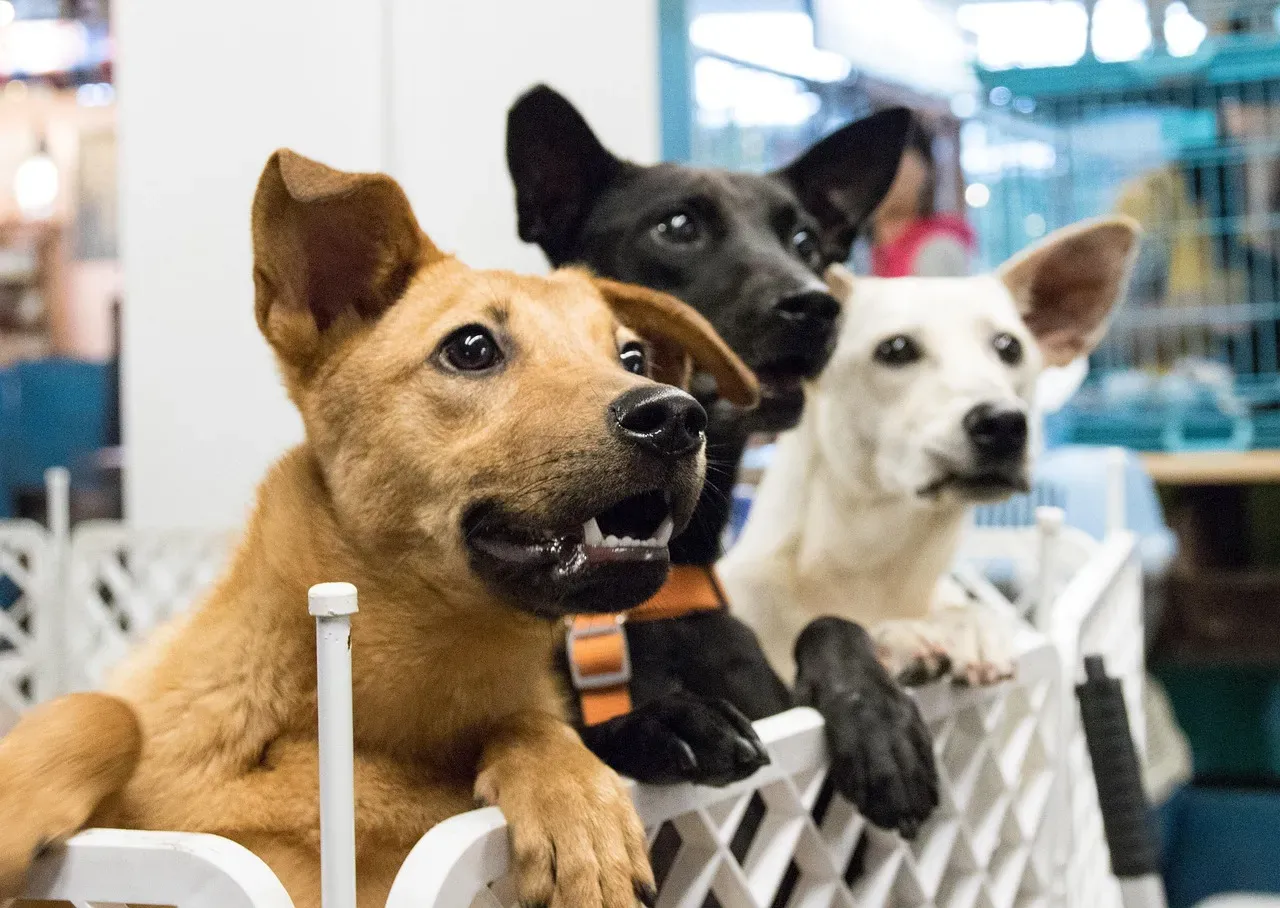
These twelve stories span different breeds, different struggles, different states and countries. Yet they all converge on the same truth: rescue dogs don’t need perfect homes. They need patient ones. These dogs often carry past trauma, but with love, proper training, and a consistent routine, they can overcome obstacles and thrive in a new home. The transformation doesn’t happen overnight, but it happens.
The numbers tell one story. In 2025, about 5.8 million dogs and cats were abandoned or otherwise entered U.S. shelters and rescues nationwide. The individual faces behind those numbers tell another. Every dog you have read about today was once just a statistic. Then someone chose them. And everything changed.
If these stories stirred something in you, trust that feeling. Whether you adopt, foster, volunteer, or simply share these stories with someone who might, you are already part of the solution. Rescue is not just something you do for a dog. It is something a dog does for you, every single day. Which story moved you the most? Tell us in the comments and share your own rescue journey with our community.


