
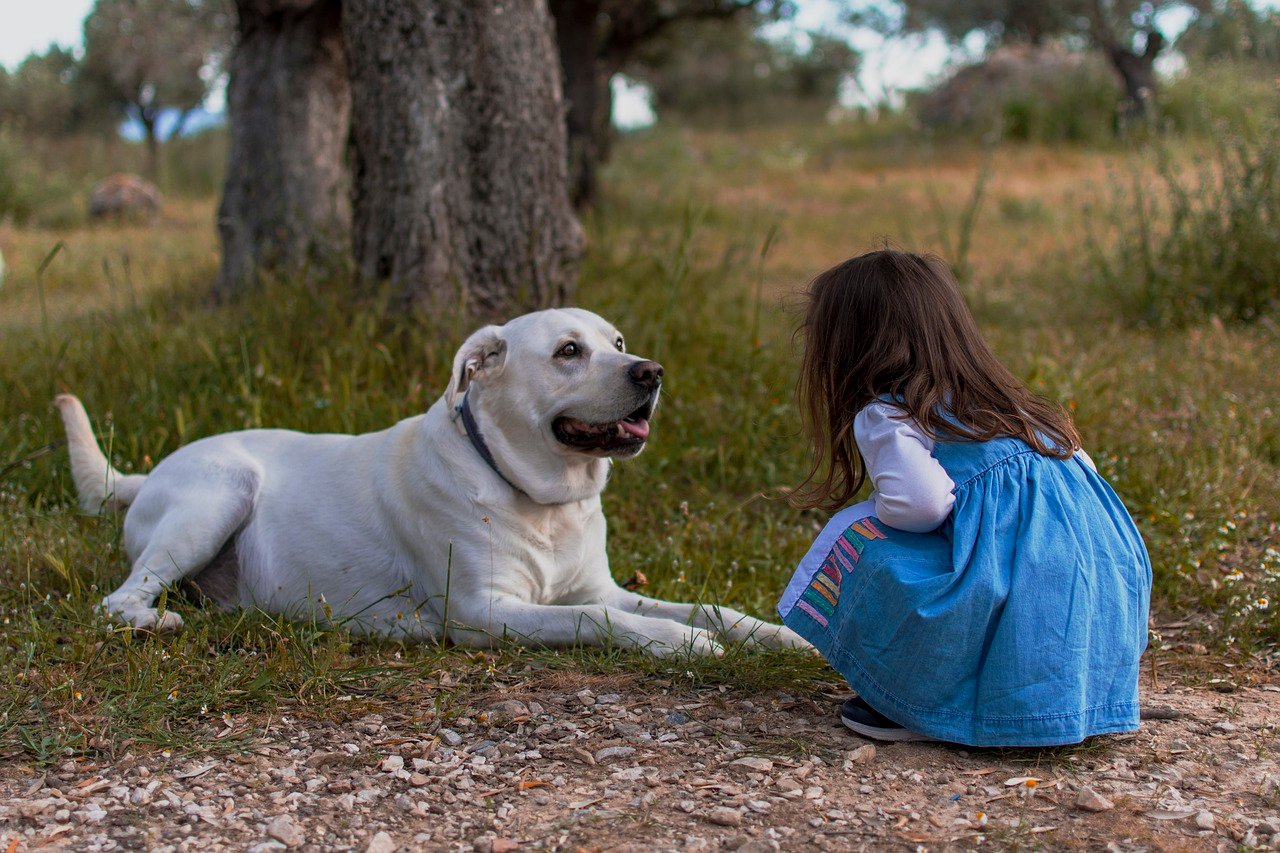

Dogs have been our loyal companions for thousands of years, but have you ever wondered about the subtle language they use to connect with us? While we often focus on their barks, wagging tails, and playful antics, there’s a deeper layer of communication that many of us might overlook. The secret language of dogs is a fascinating blend of gestures, sounds, and behaviors that reveal their emotions, desires, and even their affection for us. Understanding these cues can deepen our relationship with our furry friends, making our bond even stronger and more meaningful. Let’s delve into these secret signals and discover how our dogs express their love and loyalty.
Wagging Tail: Not Just a Sign of Happiness
The wagging tail is perhaps the most recognized dog behavior but is often misunderstood. While a wagging tail generally indicates excitement, it’s not always synonymous with happiness. The way a dog wags its tail can tell you a lot about its mood. For instance, a broad wagging motion often suggests friendliness, while a stiff, rapid wag might indicate agitation or alertness. By observing the direction and speed of the wag, you can gain insights into what your dog is feeling at that moment.
A tail held high and wagging can suggest confidence, while a low, slow wag might mean uncertainty or submission. Think of the tail as a barometer of your dog’s emotional state. If you see a dog with a tucked tail, it’s a sure sign of fear or anxiety. By paying attention to these tail movements, you can better understand your dog’s emotional needs and respond appropriately, reinforcing your bond.
Eye Contact: The Window to Their Soul
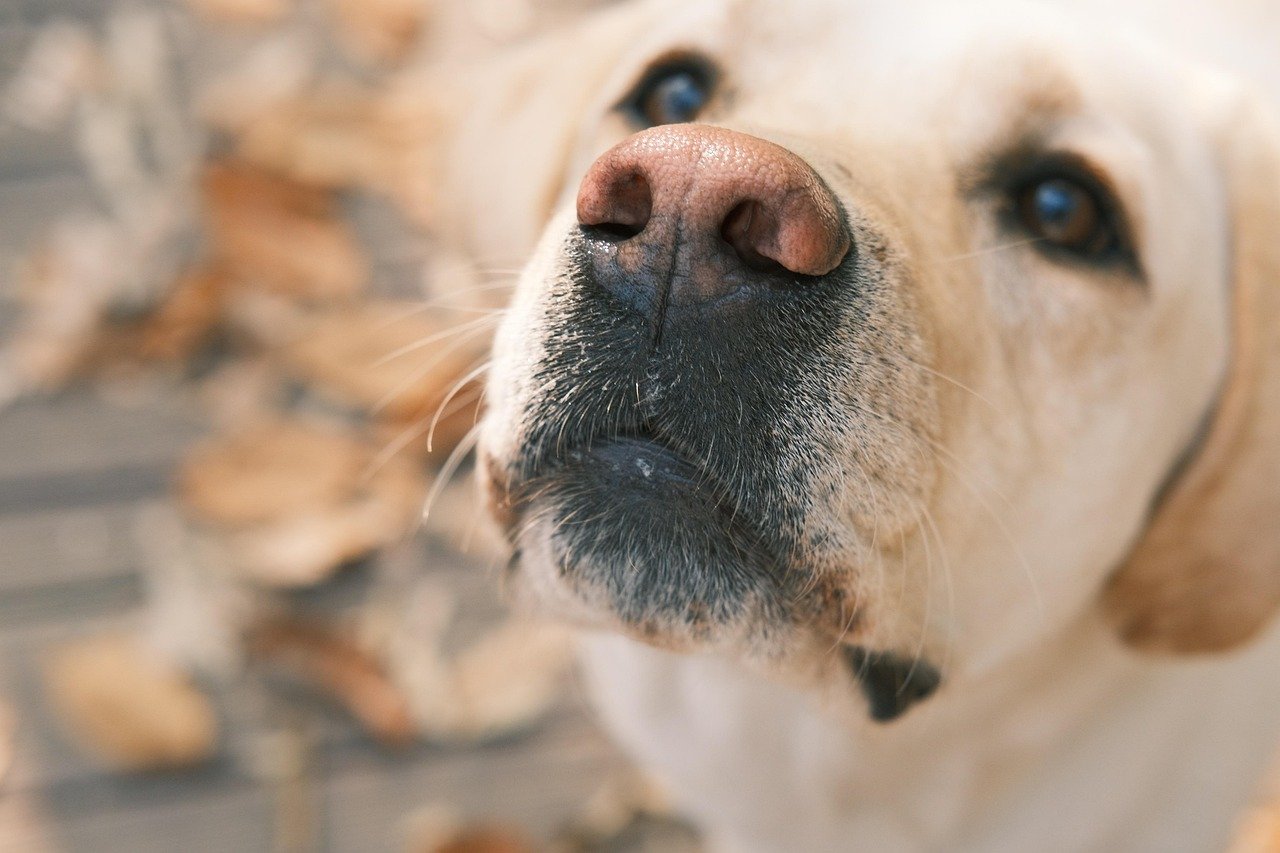
Eye contact between humans often conveys trust and love, and the same goes for dogs. When your dog gazes into your eyes, it’s not just looking at you—it’s connecting with you on a deeper level. This gaze releases oxytocin, the “love hormone,” in both you and your dog, reinforcing the bond between you two. It’s a mutual exchange of affection and trust that can strengthen your relationship.
However, not all eye contact is created equal. A soft, relaxed gaze is a sign of comfort and love, while a hard stare may indicate dominance or even aggression. Understanding the nuances of your dog’s eye contact can help you discern its emotional state and intentions. Remember, prolonged eye contact with a dog you don’t know can be perceived as a threat, so it’s essential to approach unfamiliar dogs with caution.
Licking: More Than Just a Kiss
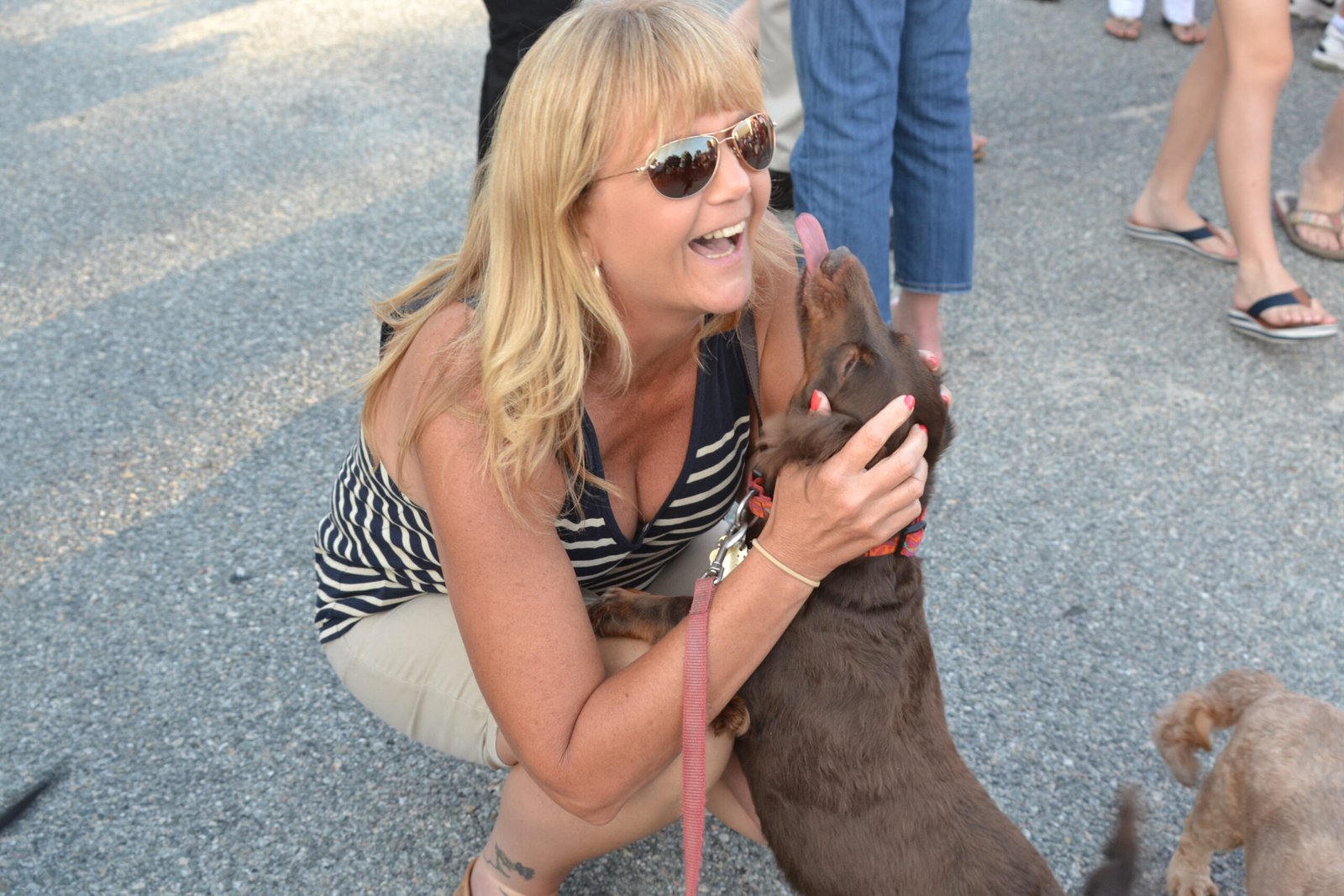
Licking is another common behavior that many dog owners interpret as a sign of affection. While it’s true that dogs lick to show love and submission, it’s also a way for them to explore their environment and communicate. When your dog licks you, it might be trying to comfort you, bond with you, or even taste the salt on your skin!
In the wild, licking is a way for dogs to communicate with each other, particularly between mothers and their pups. It’s a behavior that has been passed down through generations. If your dog licks you frequently, it might be seeking reassurance or trying to tell you something. Pay attention to the context in which your dog licks and try to understand what it might be expressing.
Play Bow: An Invitation to Fun

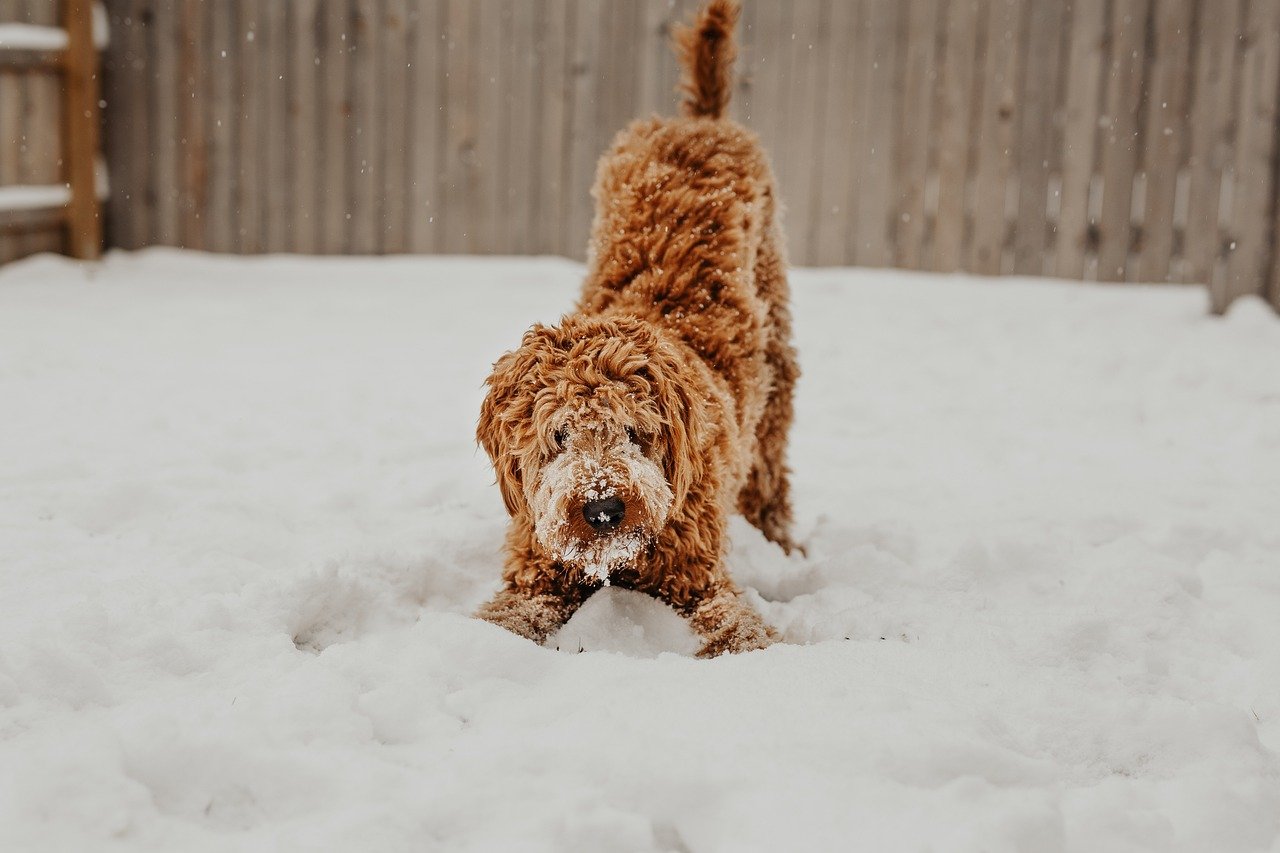
The play bow is a universal dog language cue that is hard to miss. When a dog lowers its front legs and keeps its rear end up, it’s inviting you or another dog to play. This gesture is often accompanied by wagging tails and playful barks. It’s a clear sign that your dog is feeling joyful and wants to engage in some fun activities.
Understanding the play bow can help you respond appropriately to your dog’s needs. It’s an opportunity for you to bond with your dog through play, enhancing your relationship. Whether it’s a game of fetch or a playful chase around the yard, responding to a play bow shows your dog that you’re attuned to its emotions and ready to interact on its terms.
Yawning: A Sign of Empathy
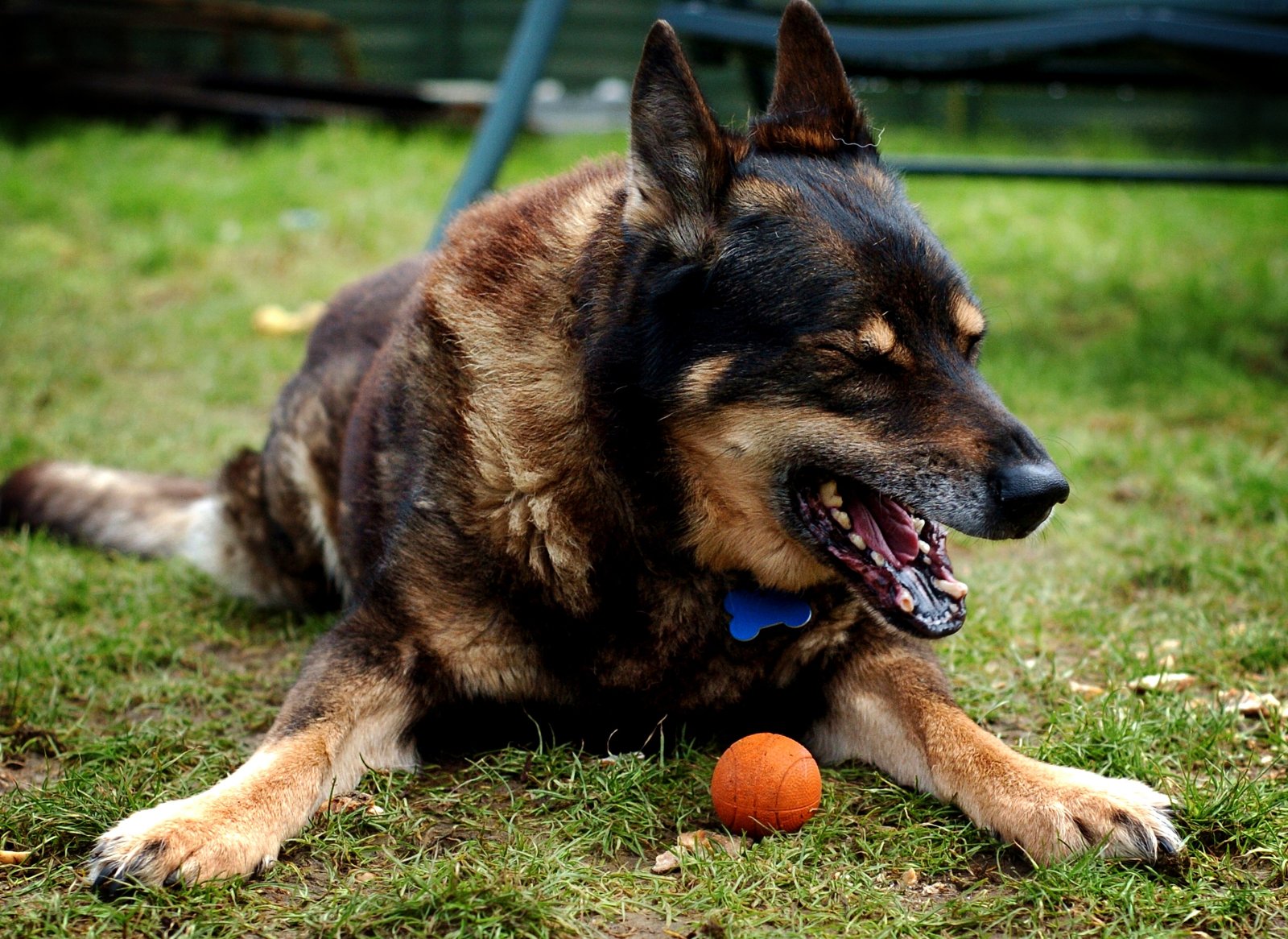
Yawning is a behavior often associated with tiredness, but in dogs, it can mean much more. Dogs yawn for various reasons, including stress, confusion, or even empathy. Yes, you read that right—dogs can catch yawns from humans just like we do from each other. This phenomenon is believed to be a sign of empathy, showing that your dog is in tune with your emotional state.
If you notice your dog yawning after you do, it might be a sign of its strong bond with you. However, excessive yawning can indicate stress or discomfort, so it’s essential to consider the context. By paying attention to when and why your dog yawns, you can better understand its emotional needs and respond accordingly.
Rolling Over: Seeking Trust and Comfort

When a dog rolls over and exposes its belly, it’s displaying a sign of trust and submission. This vulnerable position indicates that your dog feels safe and comfortable in your presence. It’s a gesture that says, “I trust you completely.” When your dog rolls over, it’s an invitation for belly rubs, which can further strengthen your bond.
However, rolling over can also be a sign of submission in the presence of dominant dogs or humans. It’s essential to read your dog’s body language and context to understand whether it’s seeking affection or showing submission. Responding with gentle, loving touches can reassure your dog and reinforce the trust it has in you.
Leaning: A Gesture of Affection
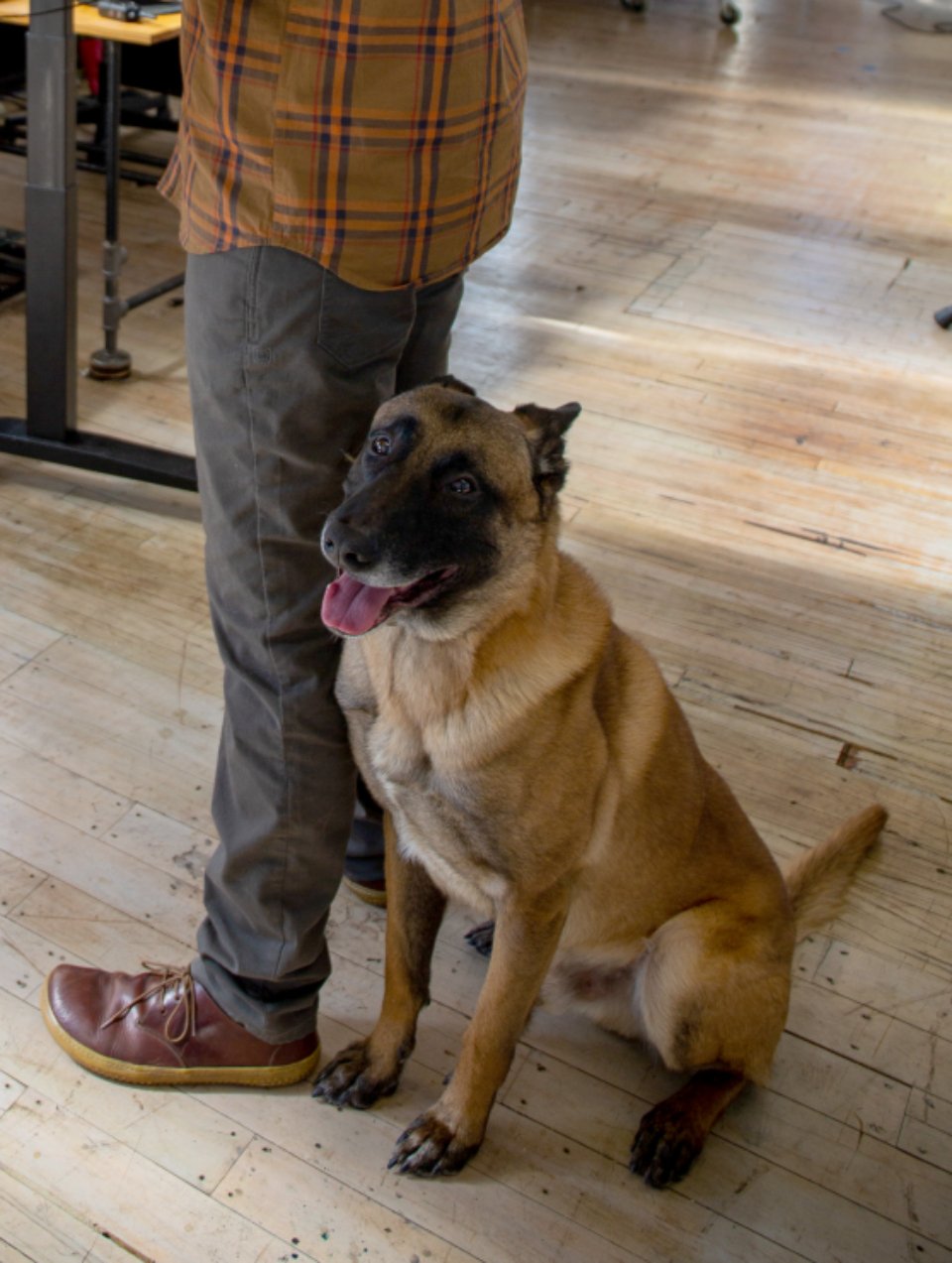
Have you ever noticed your dog leaning against you while you’re sitting or standing? This behavior is a clear sign of affection and trust. When a dog leans on you, it’s seeking comfort and closeness, much like how humans hug each other. It’s a way for your dog to feel secure and loved.
Leaning is also a way for dogs to seek attention and reassurance. If your dog leans on you frequently, it might be asking for some quality time together. Responding to this behavior with gentle pets and soothing words can strengthen your bond and show your dog that you’re there for it emotionally.
Barking: A Multifaceted Form of Communication
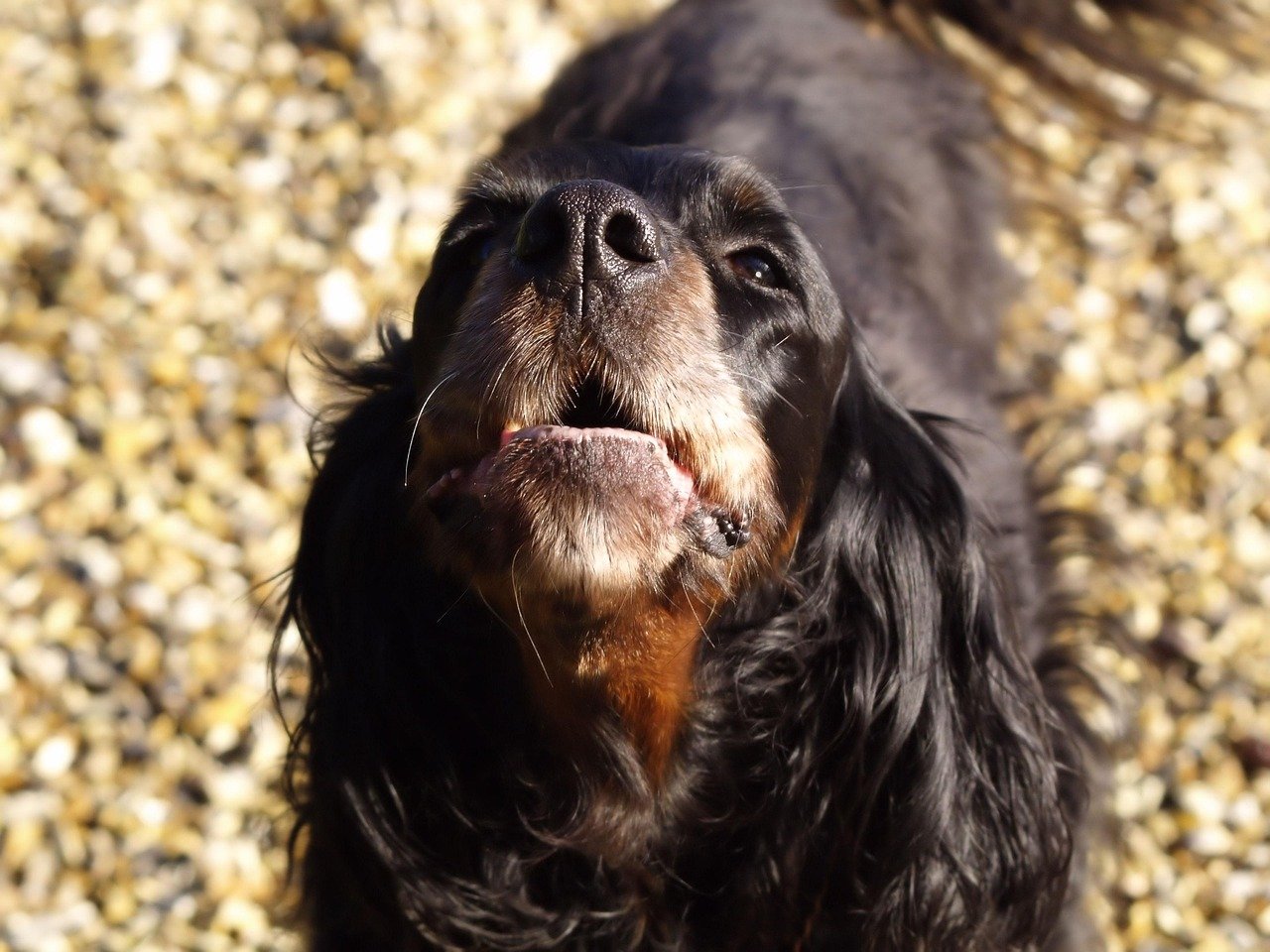
Barking is one of the most obvious forms of dog communication, yet it’s often misunderstood. Dogs bark for various reasons, including alerting you to danger, expressing excitement, or seeking attention. The tone, pitch, and frequency of the bark can provide clues about what your dog is trying to convey.
A high-pitched, repetitive bark might indicate excitement or playfulness, while a low, growling bark could signal aggression or fear. Understanding the context and nuances of your dog’s barks can help you respond appropriately and address its needs. By tuning into your dog’s vocal cues, you can strengthen your communication and deepen your bond.
Head Tilting: A Sign of Curiosity
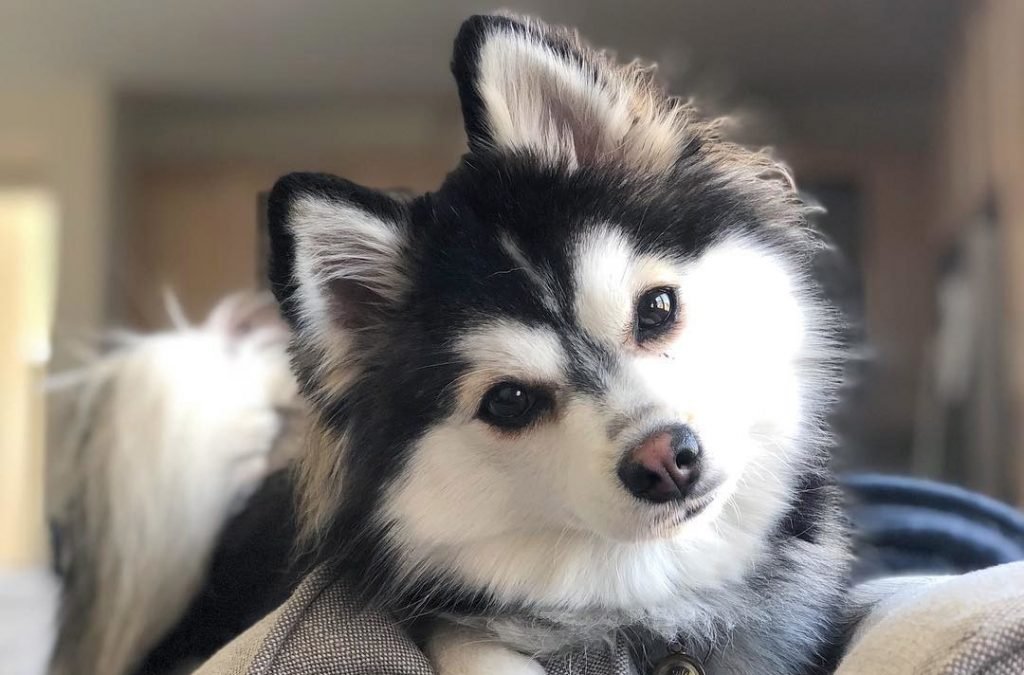
The adorable head tilt is a behavior that many dog owners find endearing. When a dog tilts its head, it’s often trying to understand something better, whether it’s a sound, a gesture, or a word. This behavior indicates curiosity and a desire to connect with you on a deeper level.
Head tilting can also be a sign that your dog is trying to pick up on subtle cues in your voice or body language. By paying attention to when and why your dog tilts its head, you can gain insights into what it finds intriguing or confusing. Engaging with your dog during these moments can enhance your communication and strengthen your relationship.
Pawing: Seeking Attention and Interaction
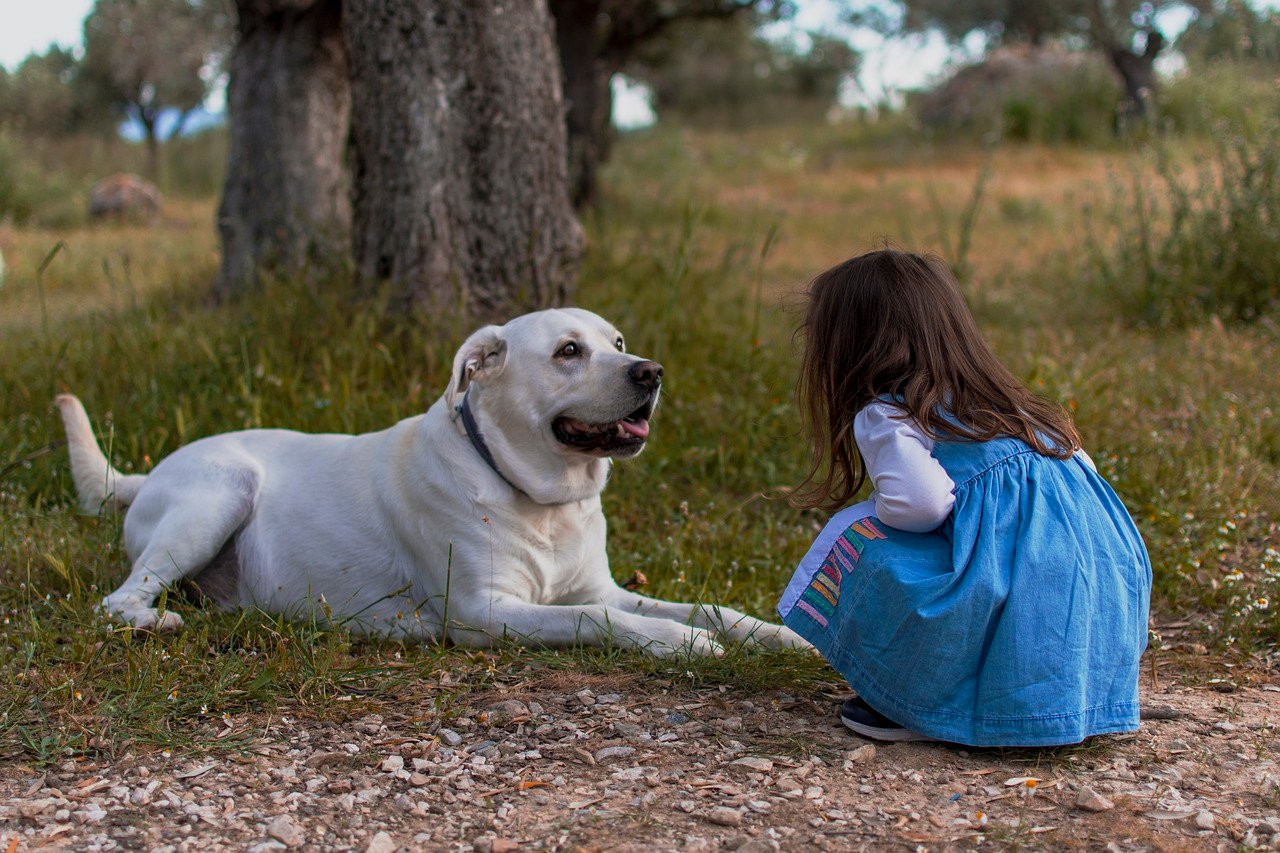
When a dog extends its paw to you, it’s often seeking attention or interaction. Pawing is a behavior that dogs use to communicate their desire for affection or play. It’s a way for your dog to say, “Hey, notice me!” Responding to this gesture with attention and affection can reinforce your bond and show your dog that you’re attuned to its needs.
Pawing can also be a sign of submission or a request for reassurance. If your dog frequently paws at you, it might be seeking comfort or trying to express its emotions. By acknowledging this behavior and responding with love and care, you can strengthen your connection with your furry friend.
Sniffing: Exploring and Gathering Information

Sniffing is a fundamental behavior for dogs, as their sense of smell is incredibly powerful. When a dog sniffs you or its surroundings, it’s gathering information about its environment. This behavior is a way for dogs to explore and understand the world around them.
When your dog sniffs you, it’s not just being curious—it’s also bonding with you by learning about your scent. Dogs have a unique ability to detect changes in our emotions through scent, allowing them to provide comfort and support when needed. By acknowledging your dog’s sniffing behavior and allowing it to explore its environment, you can foster a deeper connection and understanding.
Sighing: A Sign of Contentment

A dog’s sigh can be a subtle yet meaningful form of communication. When a dog sighs, it often indicates contentment and relaxation. It’s a sign that your dog feels safe and comfortable in your presence, much like how humans might sigh in relief or satisfaction.
However, sighing can also indicate boredom or frustration, depending on the context. If your dog sighs frequently, it might be seeking more engagement or stimulation. By paying attention to when and why your dog sighs, you can better understand its emotional state and respond accordingly, reinforcing your bond and ensuring your dog’s well-being.
Understanding these secret language cues can transform your relationship with your dog, allowing you to connect on a deeper level. By tuning into your dog’s behaviors and responding with love and care, you can strengthen your bond and create a harmonious and fulfilling companionship.


