
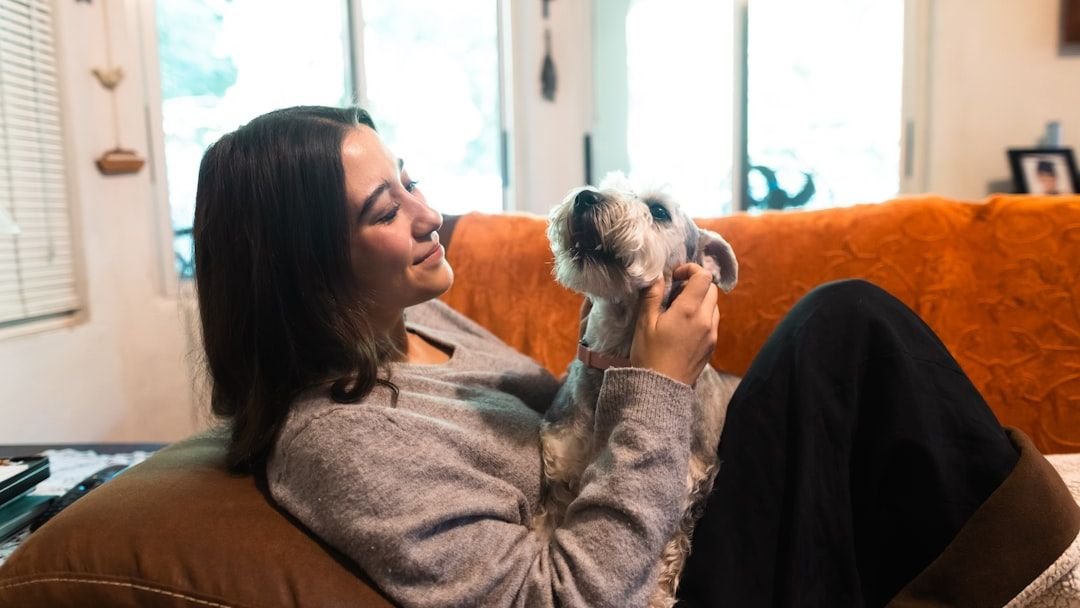
There is something quietly extraordinary about the moment your dog sighs, closes their eyes, and melts into you on the couch. No words. No fanfare. Just pure, unguarded calm. For many dog lovers, that moment is everything. Yet most of us still wonder, deep down, whether our dog is truly at peace with us or simply comfortable with the routine.
Here’s the thing: dogs are constantly communicating, through the set of their ears, the weight they press against your leg, the way they close their eyes in your presence. They just speak a language we have to learn. The good news? Once you know what to look for, it’s surprisingly beautiful. Let’s dive into the 12 most telling signs that your dog feels genuine .
1. Their Body Goes Completely Loose and Relaxed
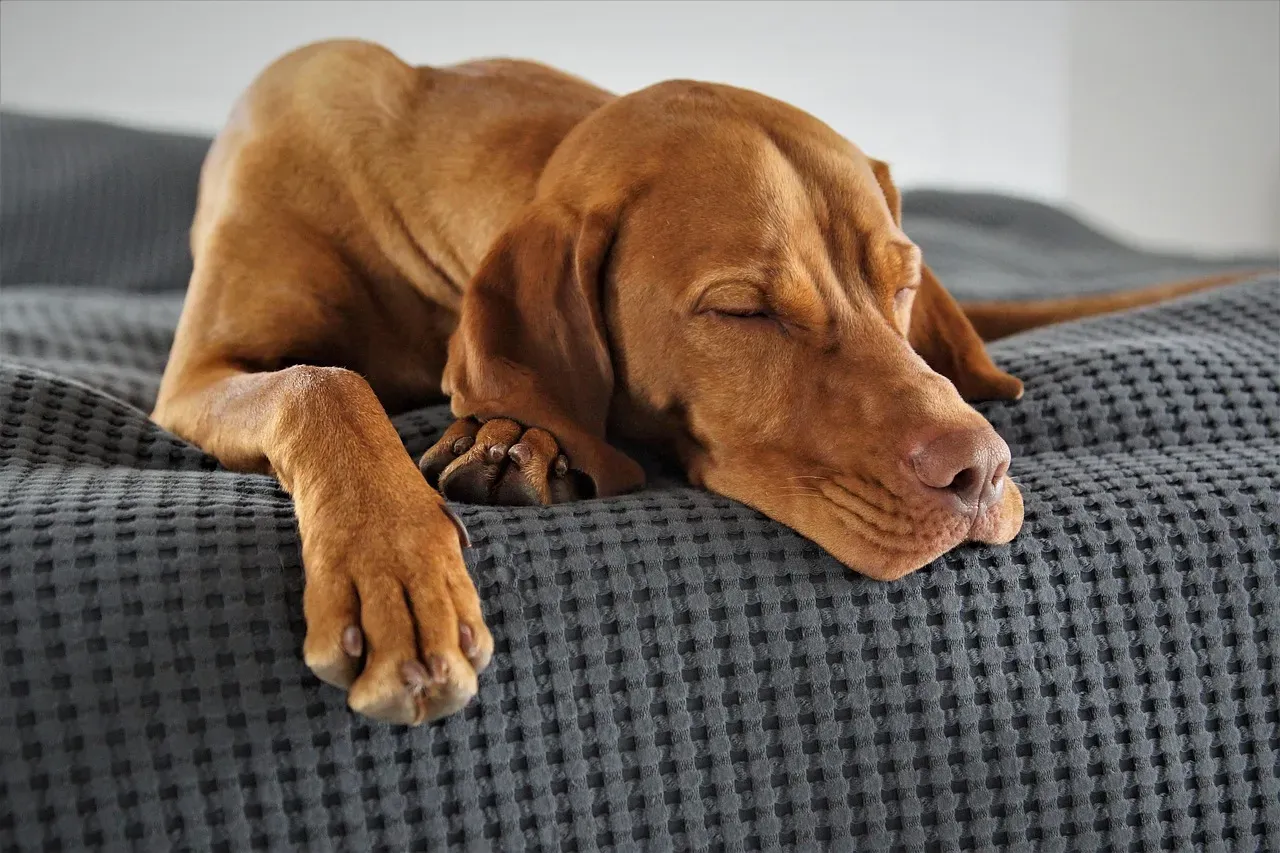
Think of tension as a dog’s first language of worry. A dog’s body language speaks volumes about their emotional state, and when a dog feels safe and content, their body appears loose and relaxed. Watch for that almost floppy quality, like they have no bones at all. It’s honestly one of the most heartwarming things you’ll ever notice.
When your dog feels happy and comfortable, you may notice relaxed ears reflecting calmness, an open mouth with a relaxed face indicating contentment, and a loose posture with a body free of tension. If your dog looks a bit like they’re made of warm putty when they’re near you, that is their version of saying, “I’m exactly where I want to be.”
2. They Expose Their Belly Without Hesitation
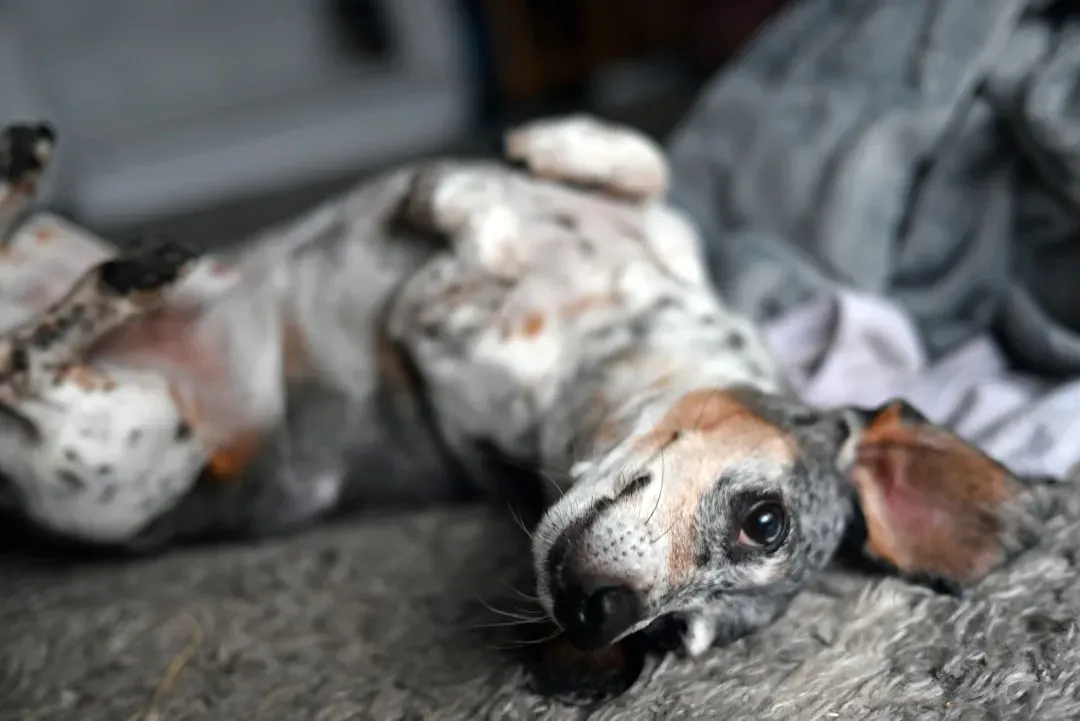
Happy dogs may flop onto their backs and expose their bellies, a vulnerable position that shows trust. Think about how significant that is. The belly is one of the most unprotected parts of a dog’s body. Showing it freely is not something they do for just anyone.
One of the most revealing signs of trust is when your dog willingly sleeps on its back, exposing its belly. If your dog does a dramatic flop and rolls over in your presence with a goofy, relaxed expression, consider it a standing ovation for the bond you’ve built. Just read the full picture before diving in for that belly rub.
3. They Make Soft, Lingering Eye Contact With You

Eye contact is extremely important in the world of dogs. If your pet stares into your eyes for a long time, the bond between you is extremely strong. In dog language, prolonged eye contact is fundamentally a threatening behavior, which dogs typically avoid in most cases. So when your dog holds your gaze with soft, blinking eyes? That is a profound gesture of peace and trust.
One of the ways that we know dogs are capable of loving their human companions is through heightened oxytocin levels. Scientific studies have found that this oxytocin, the “love hormone,” is released in dogs through deep and meaningful eye contact. Honestly, I think of it as a silent “I love you” that your dog offers freely, with zero expectation in return.
4. They Sleep Deeply Near You or On You
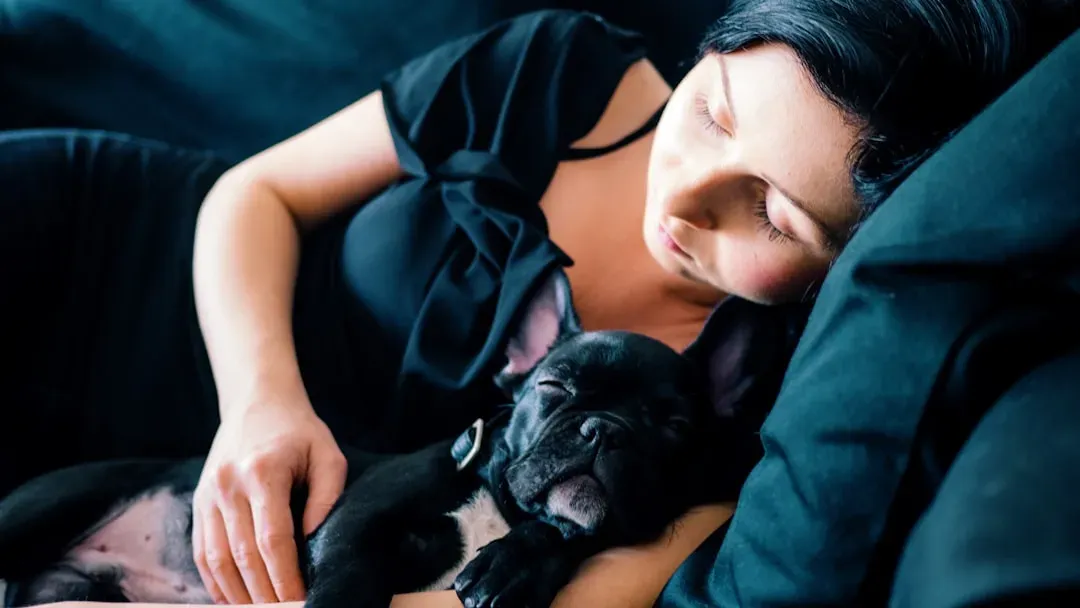
Dogs choose to sleep where they feel most comfortable and at ease, so if your dog enjoys sleeping in your bed or likes to snuggle up to you for a nap, they feel trust in you that they will be safe to do so. Sleep is when animals are at their most vulnerable. Choosing to be close to you during that time is a deeply instinctive act of security.
Another vulnerable time for a dog is when they are asleep. Historically, wolves and dogs used to sleep close together with other pack members to ensure trust and protection. Resting by your side, especially in deep sleep, is a “vulnerable behavior” that speaks far louder than any bark or tail wag ever could. It’s hard to say for sure which feels better: when they choose your lap, or when they choose the spot directly against your feet.
5. Their Tail Wags in a Slow, Full-Body Sweep
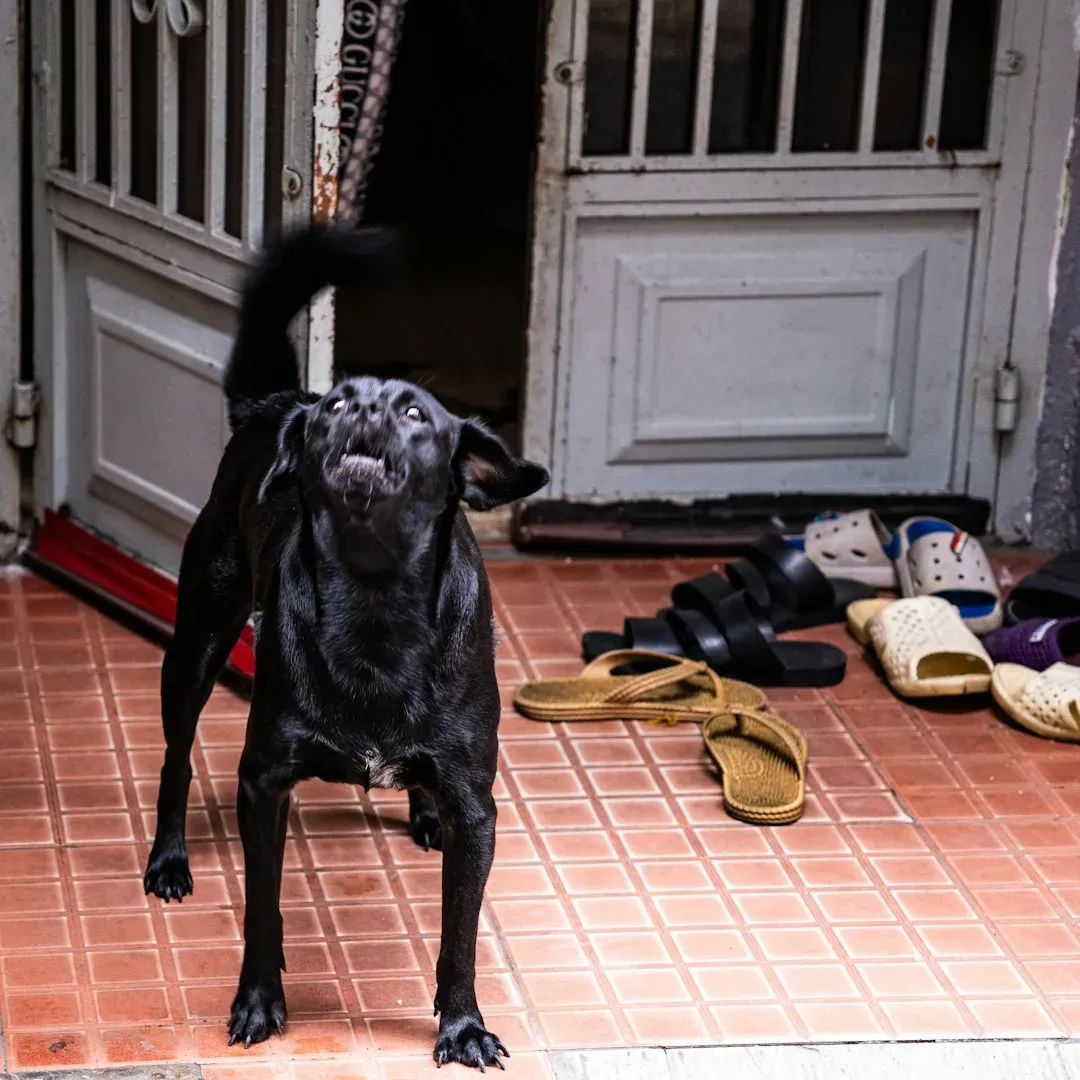
Not all tail wags are equal, and this is something a lot of dog owners get wrong. The faster the wag, the more aroused the dog. Those long, slow, side-to-side tail sweeps your dog makes when greeting you, the type that wags the dog’s whole body, signal a relaxed dog.
A tail that wags around and around like a helicopter and is accompanied by relaxed fluid body movement and a wiggling bottom signals friendliness and a willingness to engage. Some research has shown that when a dog sees someone they like, their tail wags more to the right. When they see an unfamiliar person, it wags more to the left. That little asymmetry is your dog’s heart showing up in their tail. Sweet, right?
6. They Lean Their Weight Against You
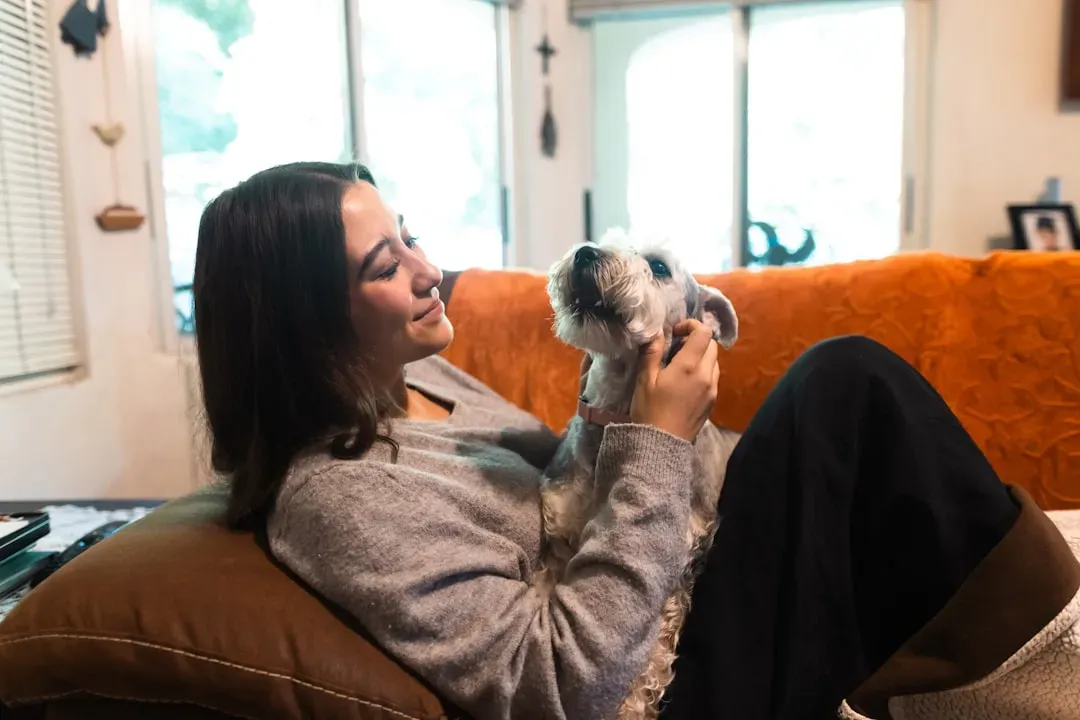
If your dog leans their body weight against you or rests their head on your lap, it’s a sign of trust and attachment. They only do this with people they feel comfortable and secure around. It’s a bit like your dog saying, “I don’t need words. This is enough.” There is something grounding about the quiet weight of a dog leaning on you.
If your dog frequently approaches you to nudge your hand, lean against you, or give you slobbery kisses, you can be pretty sure that they trust you. Dogs only willingly engage in physical contact with someone, or another animal, they trust. Next time your dog leans in, try not to move. Let them have that moment. It matters to them more than you know.
7. They Follow You Calmly From Room to Room
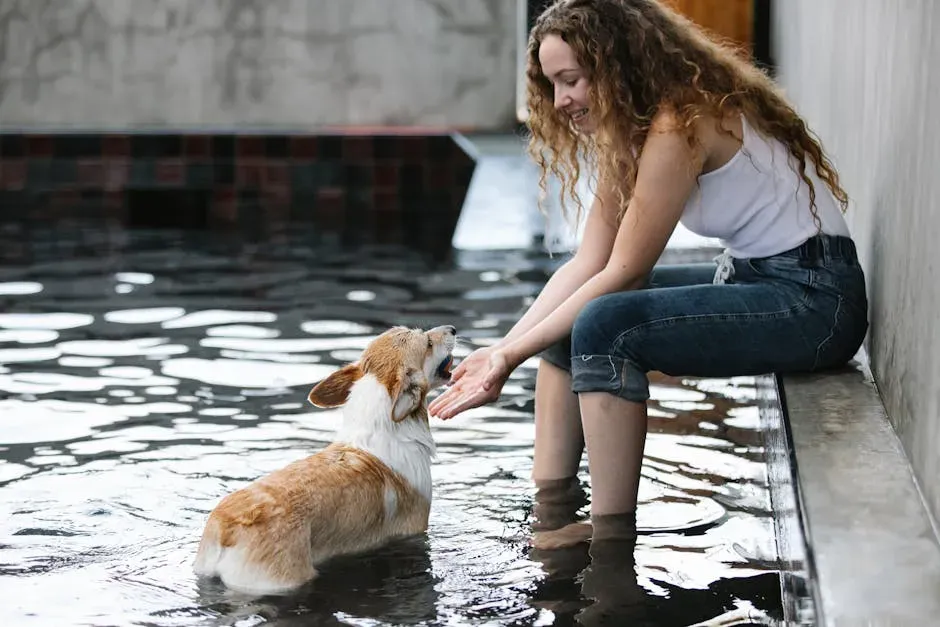
You may feel like you have a magnetic pull with your dog, and according to experts, you may be onto something. Dogs will naturally gravitate toward their human when they feel safe and bonded. There is a difference, though, between peaceful following and anxious shadowing. Knowing which one you’re looking at is key.
If your dog sticks to you like glue with a cheerful attitude, that is considered “a strong affiliative behavior.” The cheerful attitude is the detail that matters most here. A relaxed dog who trots behind you with an easy gait and an open expression is doing it out of peace, not worry. If your dog is showing signs of separation anxiety, however, it is worth putting in some work to help them gain self-confidence and security in being alone.
8. They Play Freely and Joyfully in Your Presence
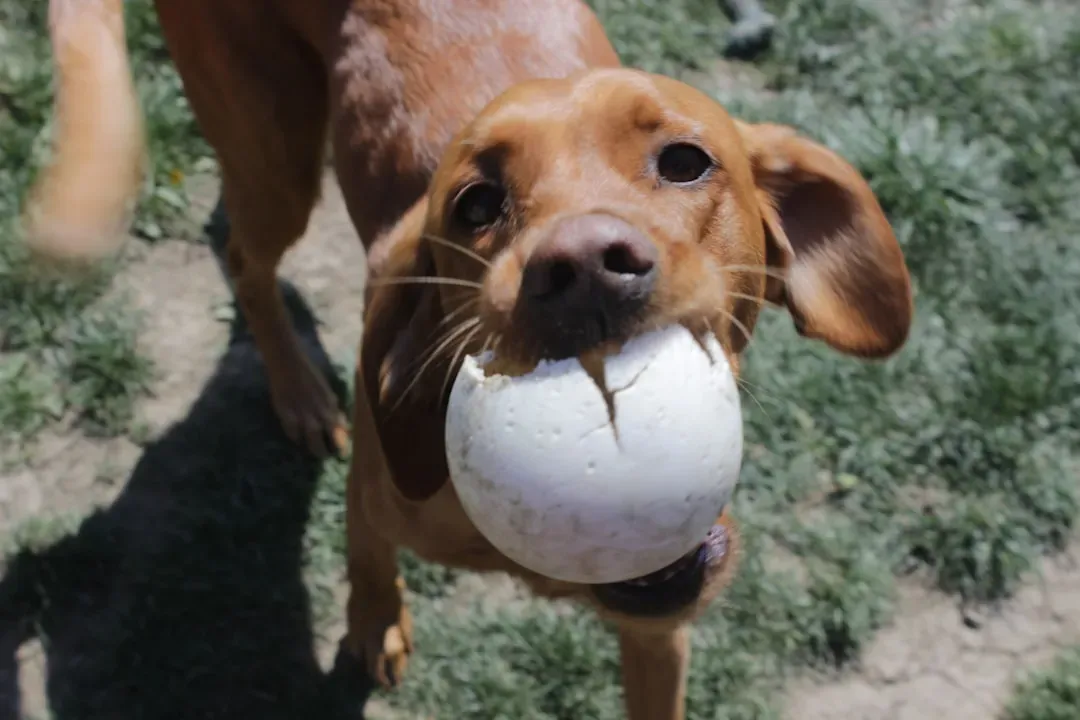
It might be somewhat annoying after a while if your dog constantly nibbles on its squeaky toy while you’re trying to concentrate on something. However, it’s a very good sign if the dog plays in your presence. A mischievous dog who jumps around or repeatedly drops its favorite fetch toy at your feet clearly wants to express that it feels good in your company.
A dog that engages in playful behavior, such as bounding around, play-bowing, and bringing you toys, is demonstrating a sense of comfort and happiness in its owner’s presence. Let’s be real: a dog who play-bows at you with a goofy, wiggly bottom and a toy in their mouth has absolutely zero stress in that moment. Pure, uninhibited peace. It’s contagious, honestly.
9. They Eat Comfortably and Calmly Around You
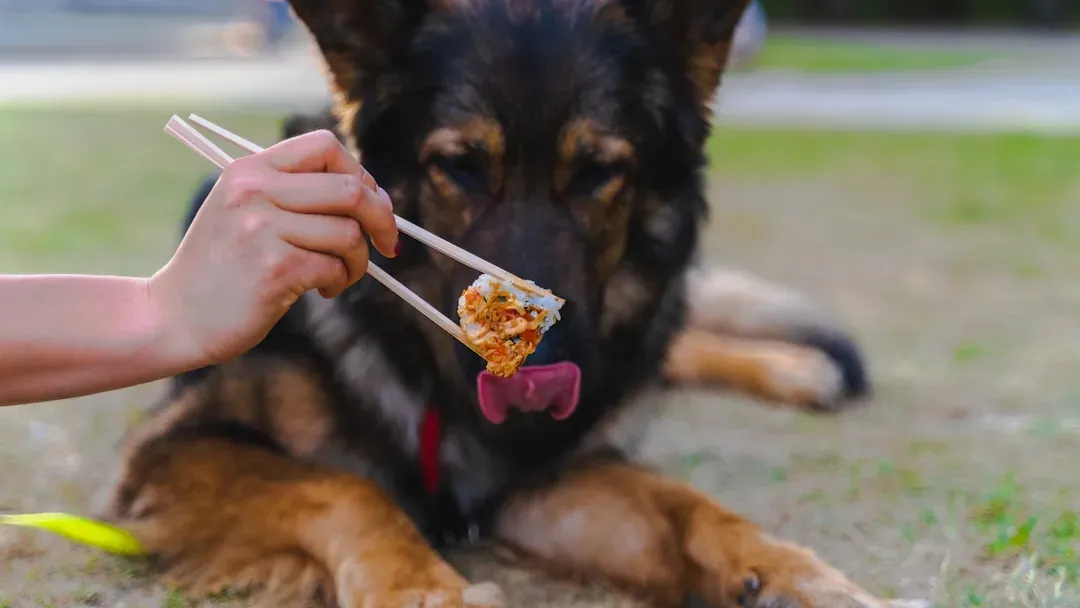
This one surprises a lot of people. Dogs that feel safe will eat their meals without hesitation or anxiety. A relaxed mealtime indicates trust in the environment and assurance that their owners will provide for their needs. Eating is, at its core, a vulnerable act for animals, because it requires dropping the guard entirely.
If your dog can eat comfortably in your presence, that’s a great sign that they don’t see you as a threat. Think of it this way: imagine trying to enjoy a meal while feeling genuinely unsafe. Impossible, right? A dog who chows down happily while you sit nearby is relaxed deep in their instincts. That is real peace at work.
10. They Lick You Gently and Affectionately
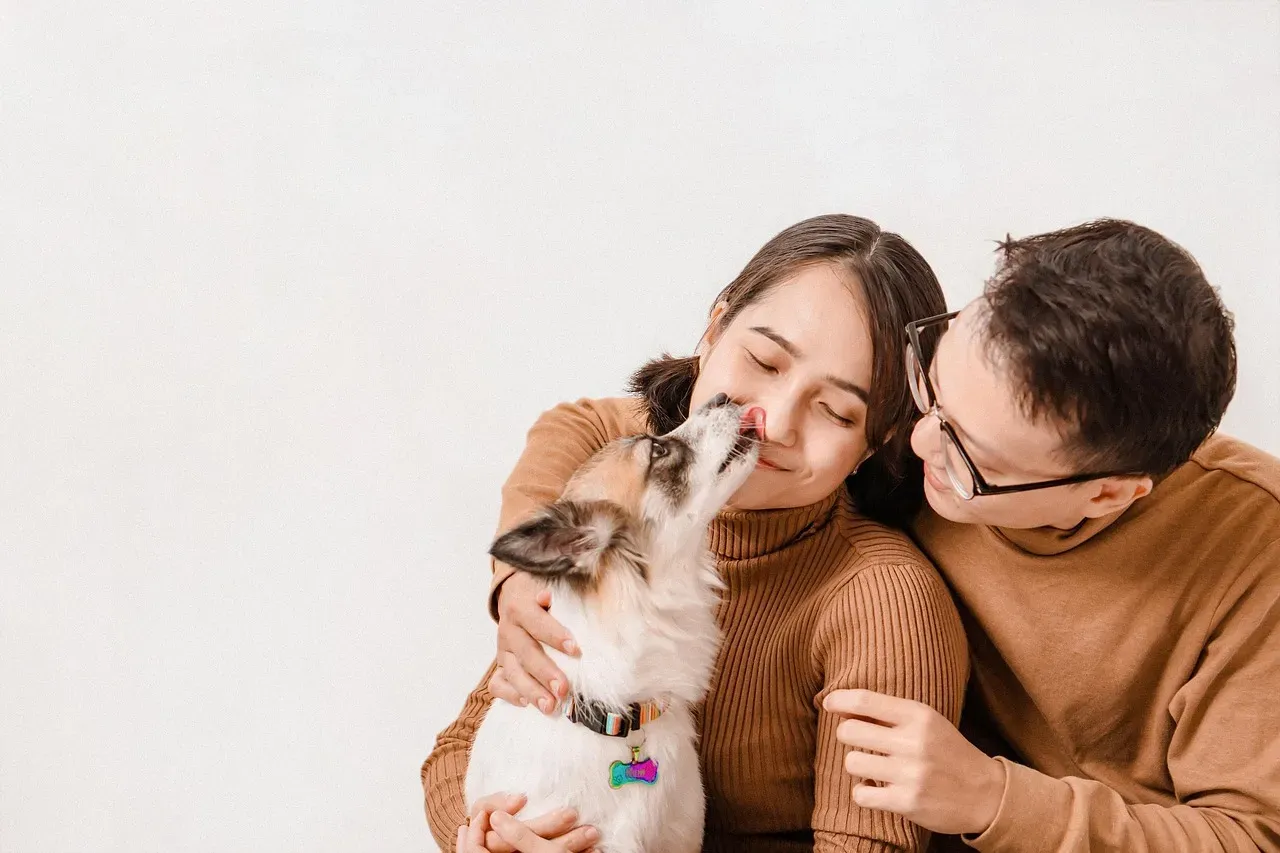
Dogs often use licking as a means of expressing love and trust. This behavior is instinctual, as even puppies communicate this way with their mother. When your dog occasionally licks you affectionately, it’s a sign of attachment and contentment. The word “occasionally” is doing a lot of work here, though. Context matters enormously with licking.
While licking is often a way dogs show love, it can also be a sign of anxiety. Consider the context and other behaviors to understand your dog’s feelings. Calm, occasional licks during a quiet moment together? That is affection and peace. Frantic, repetitive licking while the dog’s body is stiff and tense? That is something different entirely. Always read the whole dog, not just one signal.
11. They Look to You for Reassurance in New Situations

When a dog finds itself in an unfamiliar situation, it’s likely that it will look up at its owner for comfort and trust that they are there to provide moral support. This is particularly evident in new environments, as dogs look to humans to learn about their surroundings, so if a dog sticks near and looks to you for reassurance, you can rest assured they feel trust in your presence.
The best way to know if your dog feels safe and comfortable around you is if they rely on you to provide safety and comfort. For instance, when startled or upset, if they look to you and move toward you rather than retreating and seeking distance, that is a pretty solid answer. It’s like being someone’s safe person. That is genuinely one of the greatest gifts a dog can give you.
12. Their Ears Sit in a Neutral, Relaxed Position
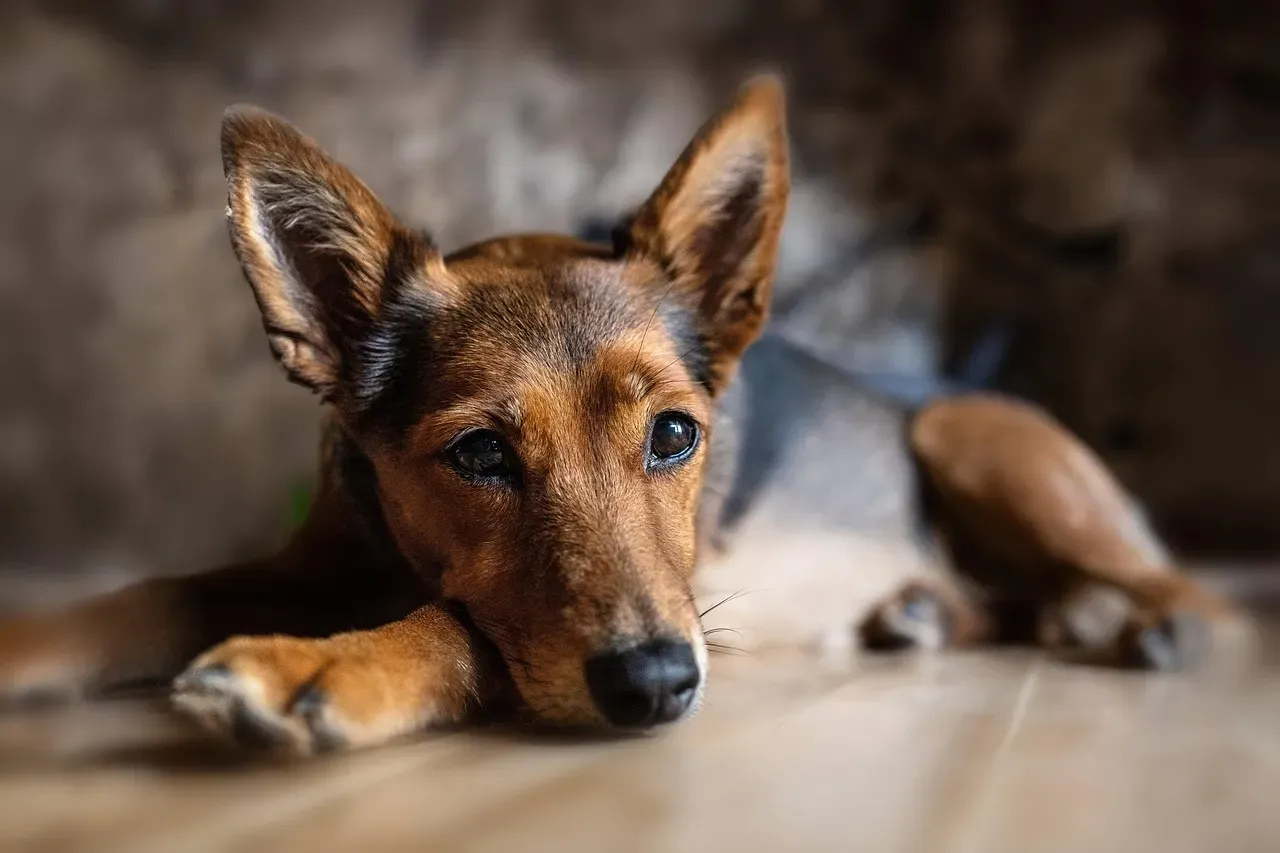
Ears in their natural resting position, rather than pinned back or upright with tension, are another great sign of relaxation. Happy and relaxed dogs offer a great deal of body language intel. The ears can range from forward and relaxed to pointed back and relaxed. Dogs that are happy and submissive may even fold their ears back. But the key takeaway is “relaxed.”
Pay attention to that distinction between pinned-back and relaxed-back ears. One comes from fear, the other from comfort. While these are common signs, some breeds’ natural characteristics may appear alarmed upon first glance. For example, German shepherds’ natural ear shape means they’re often upright, and husky and malamute breeds have curled tails even when relaxed. Always factor in your dog’s breed and individual baseline before drawing conclusions.
A Final Thought: Your Dog Chose Peace With You

Many people make the mistake of thinking that dogs give their love and trust to anyone, but this is not necessarily true. The bond between a dog and their owner is one that takes time to build. That truth makes every single sign on this list more meaningful. Your dog did not have to choose calm in your presence. They arrived there because of you.
Dogs that are calm, confident and relaxed should be interested in what’s happening around them, responsive to their owners, and also able to settle. When you see that in your dog, every day and in the quiet in-between moments, know that you are doing something deeply right. Understanding your dog’s body language is the key to a stronger bond and a happier, more confident dog. With patience and practice, you’ll learn to read their emotions and respond in a way that helps them feel safe, supported, and understood.
The peace your dog feels near you is not accidental. It is built, one gentle moment at a time. So the next time your dog sighs, leans in, and closes their eyes beside you, let that land. Which of these 12 signs do you notice most in your dog? Tell us in the comments below.


