
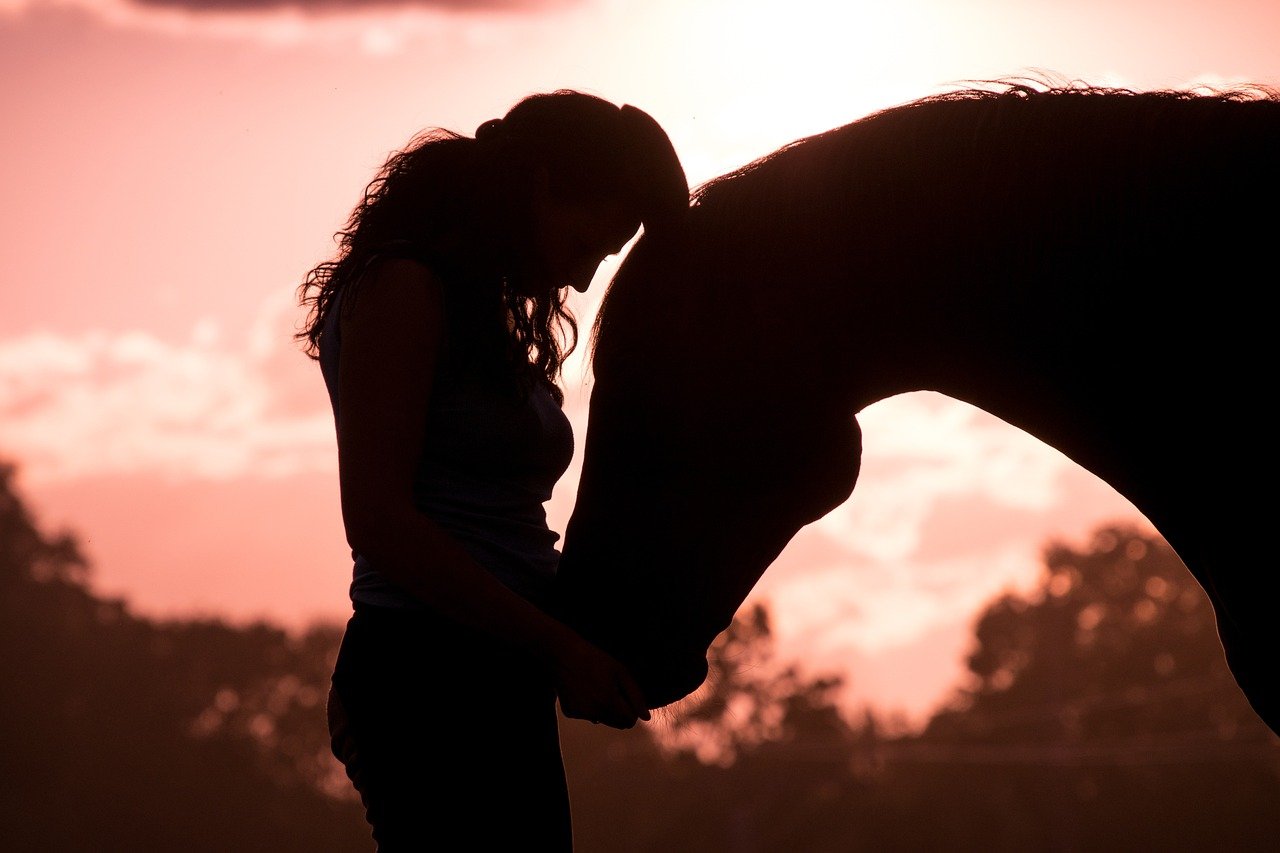
Have you ever wondered if your horse truly trusts you? The bond between a horse and its owner can be as deep and meaningful as any human relationship. But how do you know if your equine companion trusts you with their whole heart? Horses, with their gentle eyes and powerful presence, communicate in subtle yet profound ways. Understanding these signals can be both heartwarming and enlightening. Let’s explore the telltale signs that your horse trusts you completely and identify the indicators that suggest they might still be on the fence.
1. They Come to You Willingly
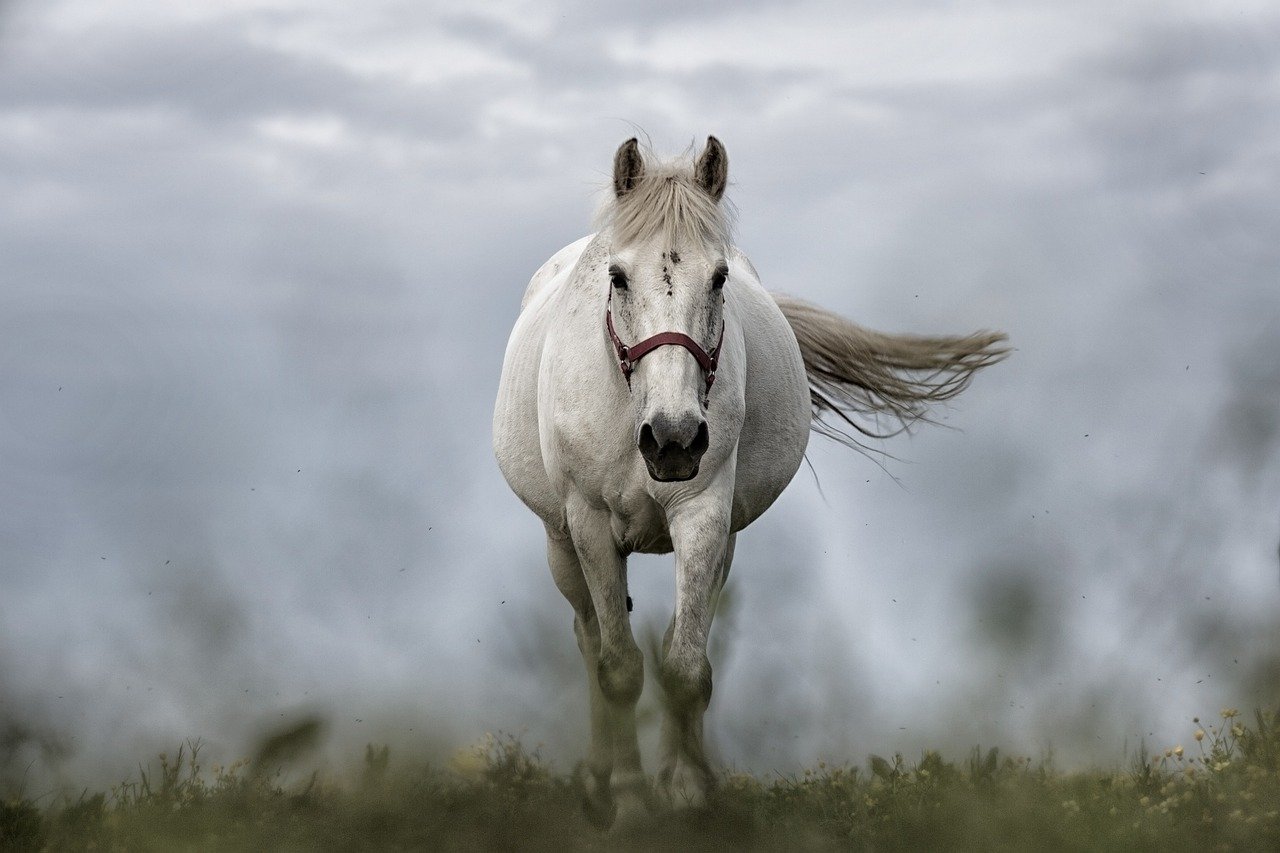
Building a bond with a horse is a journey of patience, respect, and quiet understanding. Unlike more openly expressive animals, horses communicate their trust in subtle, powerful ways—through body language, behavior, and the energy they reflect back to you. When a horse truly trusts you, it’s a beautiful connection that goes beyond training or routine—it’s heart-deep. But just like people, horses can also carry hesitation or uncertainty, especially if they’ve had past experiences that made them cautious.
One of the most heartening moments for any horse owner is when their horse approaches them without hesitation. If your horse trots up to you in the pasture, it’s a clear indication of trust. Horses are naturally cautious creatures, so when they come to you willingly, it shows they feel safe in your presence. It’s akin to a child running to a parent, seeking comfort and security. This behavior demonstrates that your horse associates you with positive experiences and feels a sense of belonging.
2. They Stand Calmly Beside You
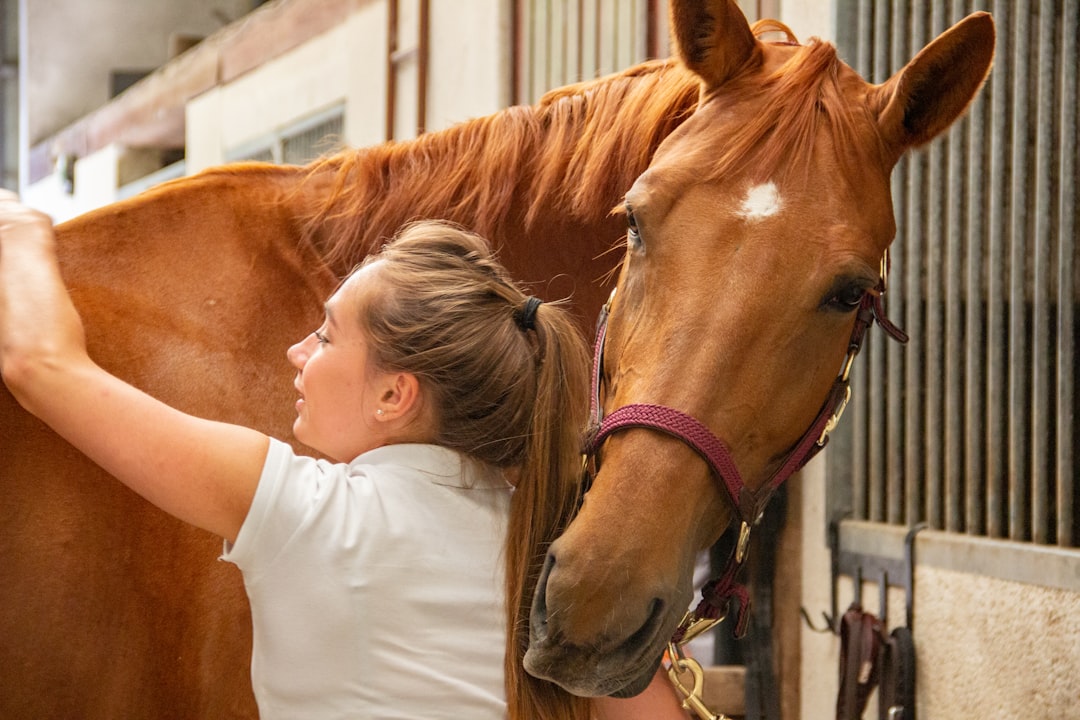
A trusting horse will stand quietly by your side, relaxed and at ease. This calm demeanor indicates that they are comfortable with you and do not perceive you as a threat. Horses are prey animals, always on the lookout for danger. When they choose to stand calmly beside you, it’s a sign that they trust you to protect them. It’s like having a friend who’s content to sit in silence, simply enjoying your company.
3. They Follow You Without Hesitation
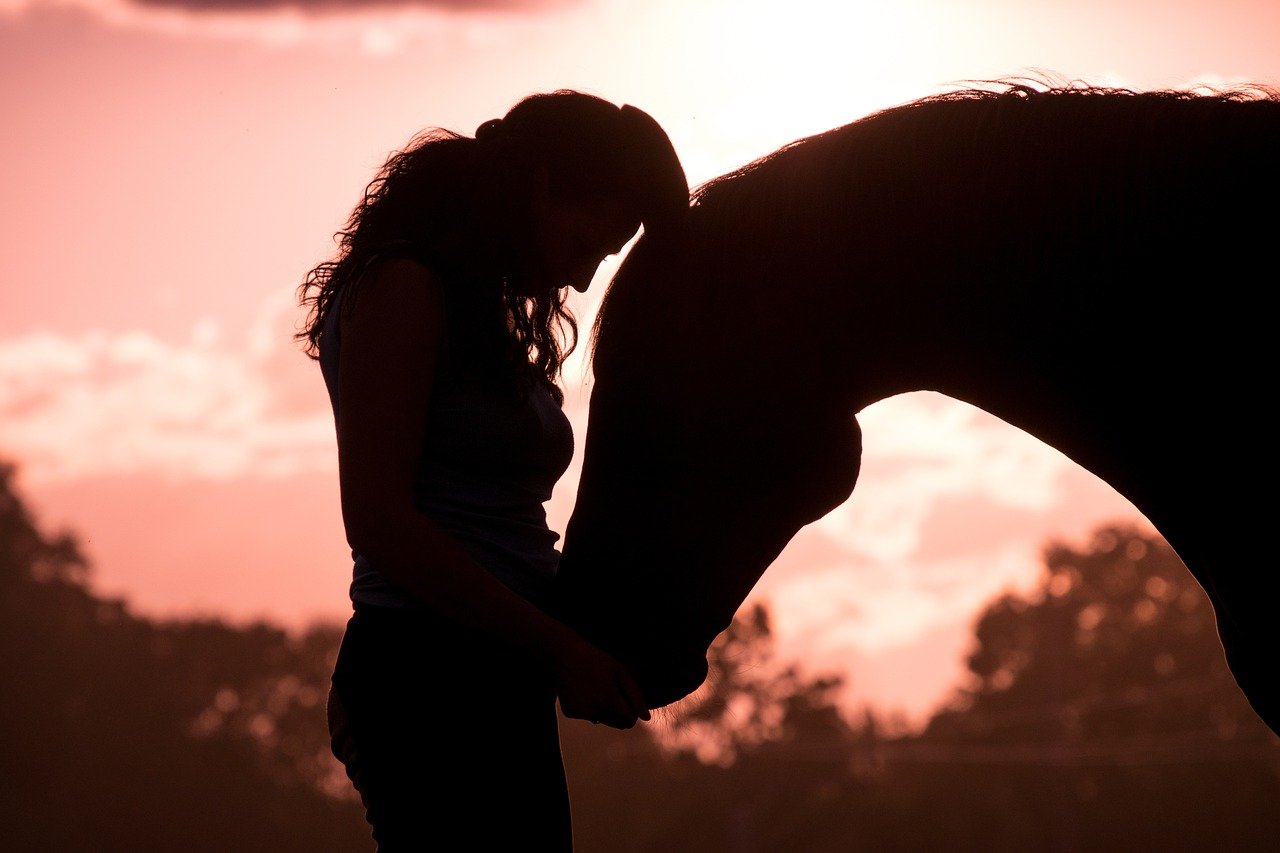
If your horse follows you around without any prompting, it’s a strong sign of trust. This behavior shows that they see you as a leader and are willing to go where you go. Think of it as a dance where you lead, and your horse follows, moving in harmony. This willingness to follow reflects their belief in your guidance and care.
4. They Allow You to Touch Their Ears and Face
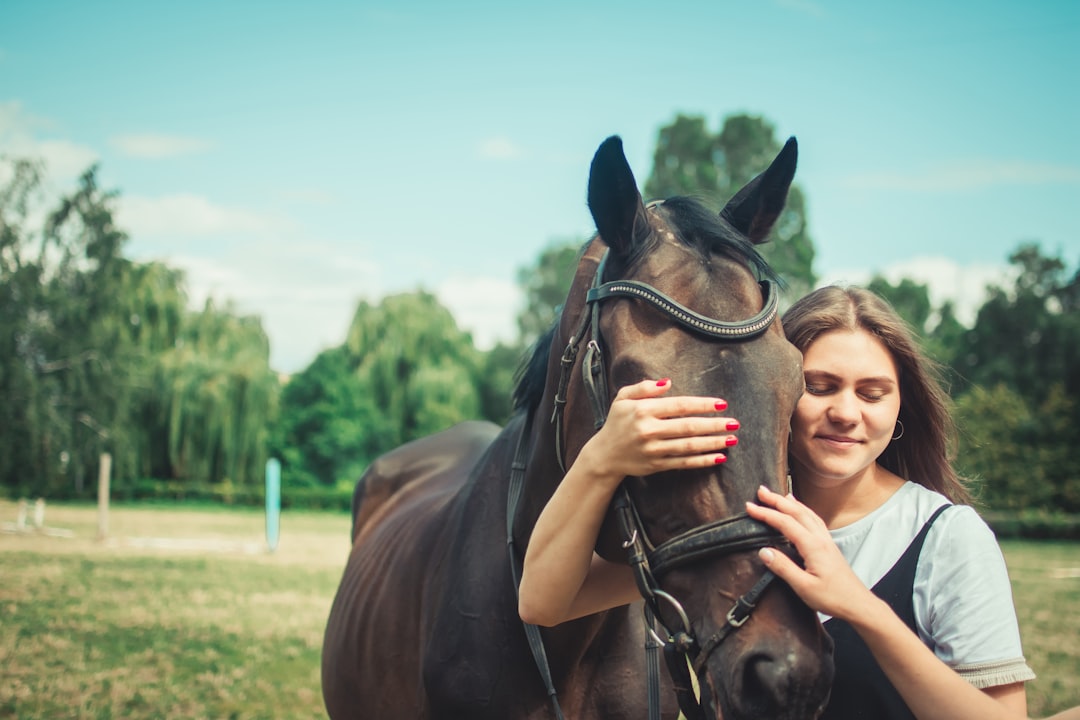
Horses are sensitive creatures, and their ears and face are particularly vulnerable areas. If your horse allows you to touch these parts without flinching or pulling away, it’s a clear indication of trust. This gesture is like allowing someone into your personal space, a sign of deep comfort and acceptance. It’s a beautiful testament to the bond you share.
5. They Nicker When They See You
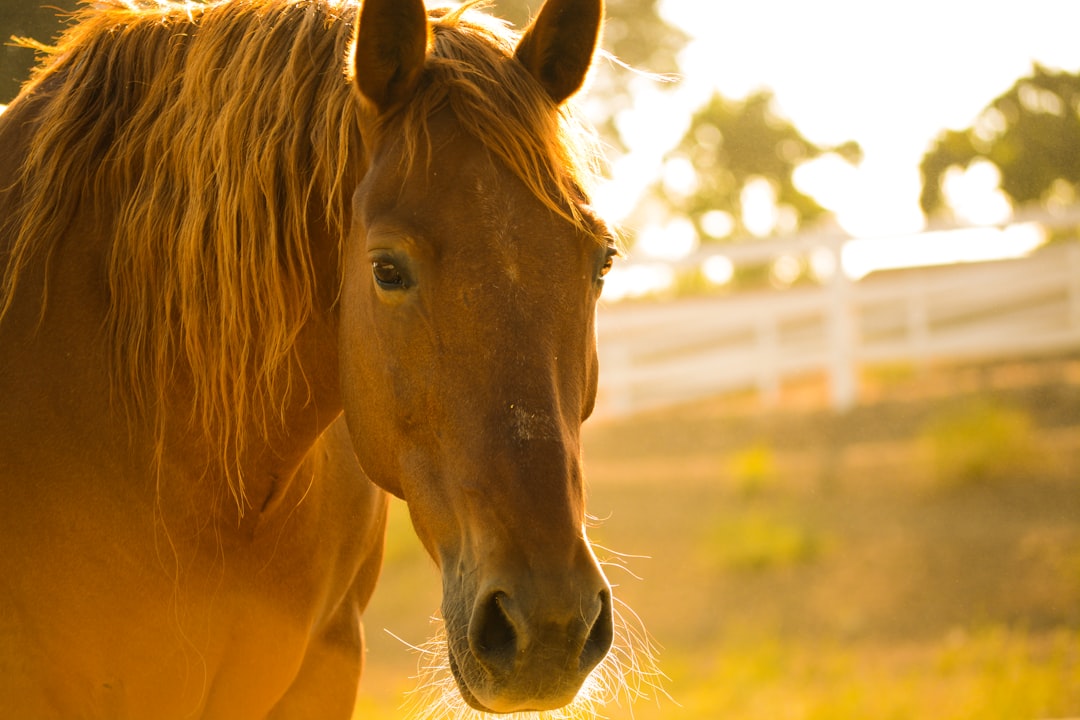
A soft nicker from your horse is a heartwarming sound that signifies recognition and affection. This gentle vocalization is a way for horses to greet those they trust and care about. It’s akin to a friendly hello or a warm hug, expressing happiness at your presence. When your horse nickers at you, it’s their way of saying, “I’m glad you’re here.”
6. They Relax Their Body Around You
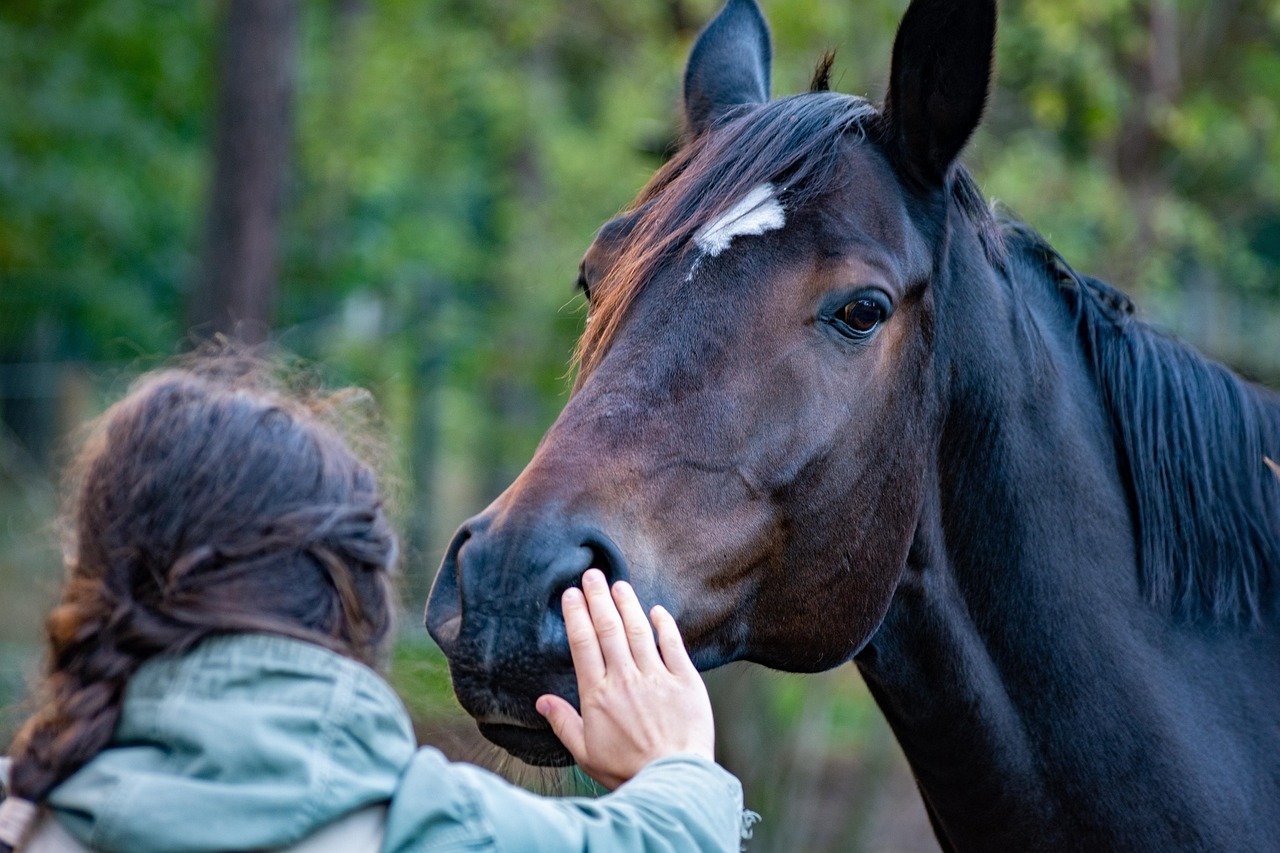
A horse that trusts you will exhibit a relaxed body posture in your presence. Their head will be low, their muscles at ease, and their eyes soft. This state of relaxation indicates that they feel secure and unthreatened. It’s comparable to a person lounging comfortably in their favorite chair, feeling safe and at home.
7. They Let You Groom Them
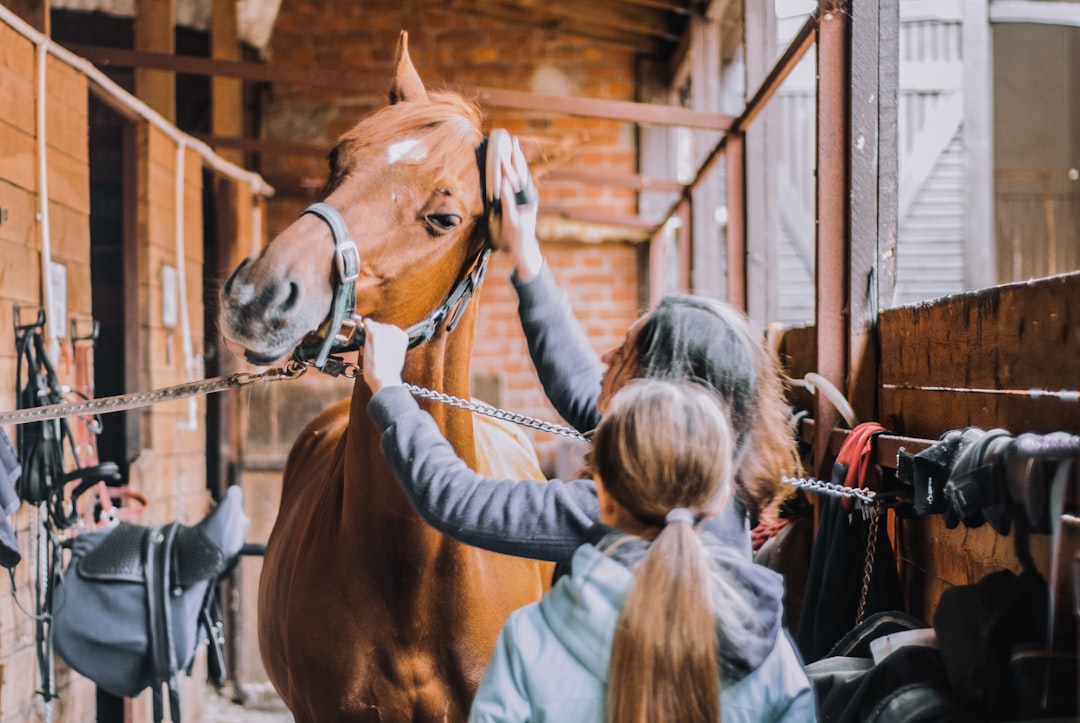
Grooming is an intimate activity that requires trust and cooperation. If your horse stands still and allows you to groom them, it’s a sign that they enjoy your touch and trust your intentions. It’s similar to a person allowing a friend to style their hair, a gesture of confidence and camaraderie. Grooming strengthens the bond between you and your horse, fostering mutual understanding.
8. They Play with You
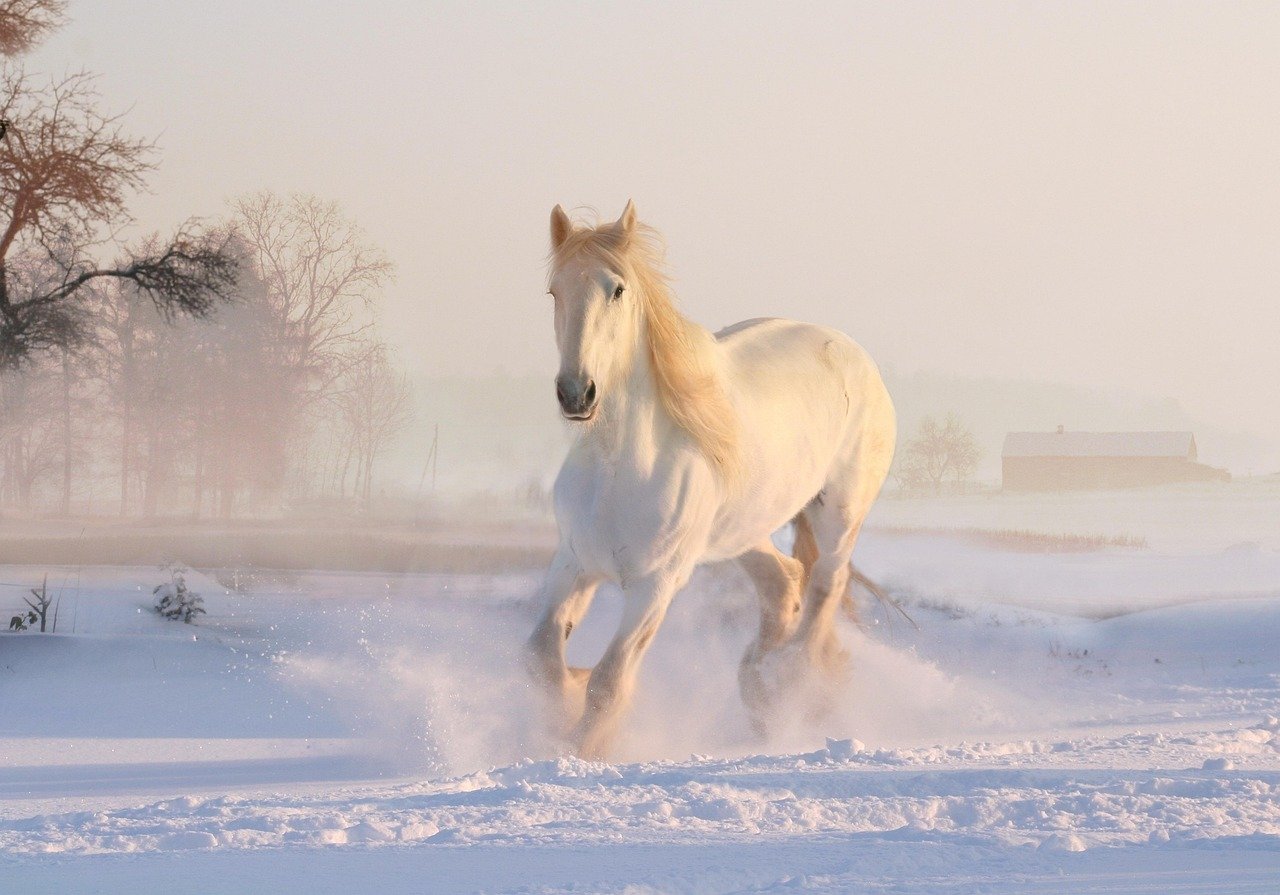
Horses that trust their owners often engage in playful behavior. Whether it’s nudging you gently or frolicking around, playfulness is a sign of comfort and joy. It’s like a child playing tag with a friend, expressing happiness and trust through fun interactions. When your horse plays with you, it’s a delightful indication of a strong bond.
9. They Allow You to Pick Up Their Feet
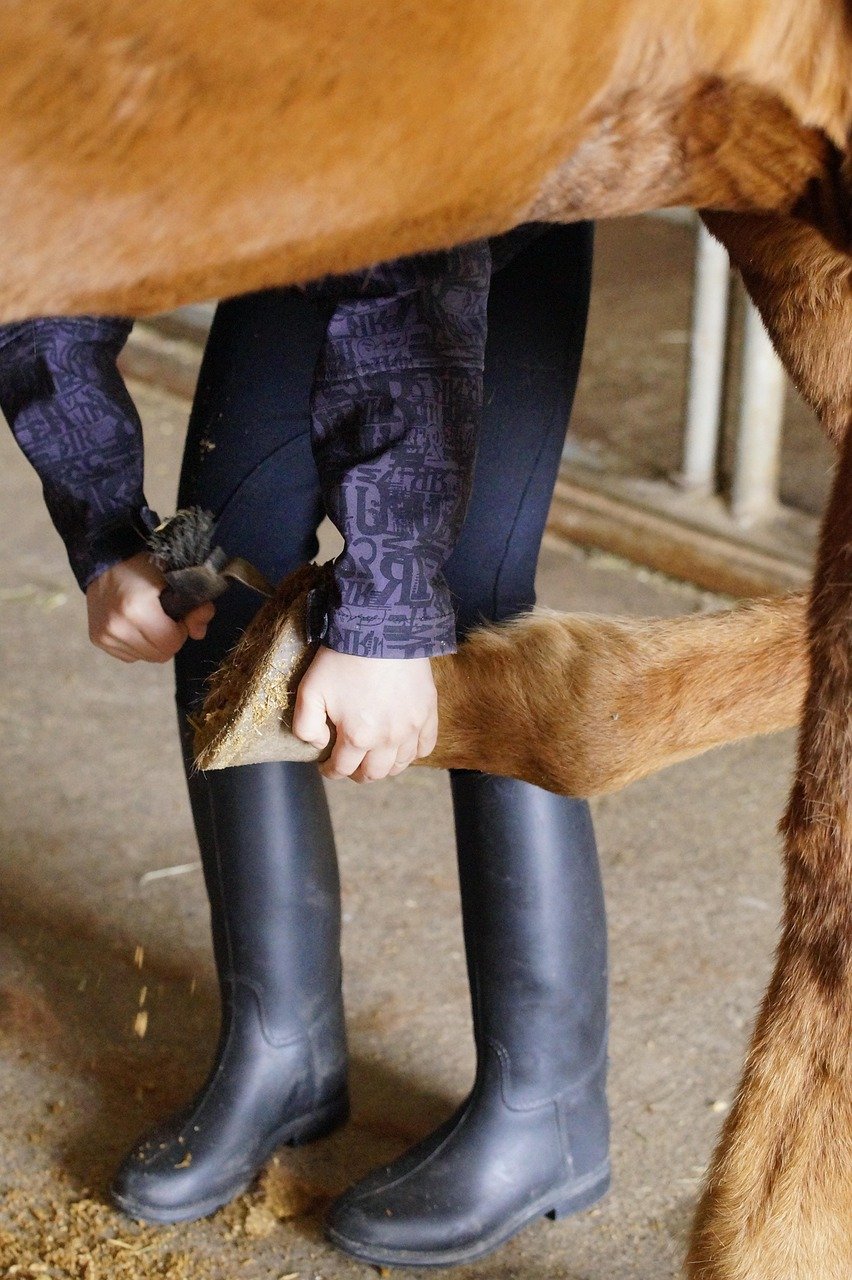
Picking up a horse’s feet is essential for their care but requires trust and cooperation. If your horse lets you handle their hooves without resistance, it’s a sign that they trust you. This action is akin to a person trusting another to hold their hand, a gesture of reliance and confidence. It shows that your horse feels safe and secure with you.
10. They Show Interest in Your Activities
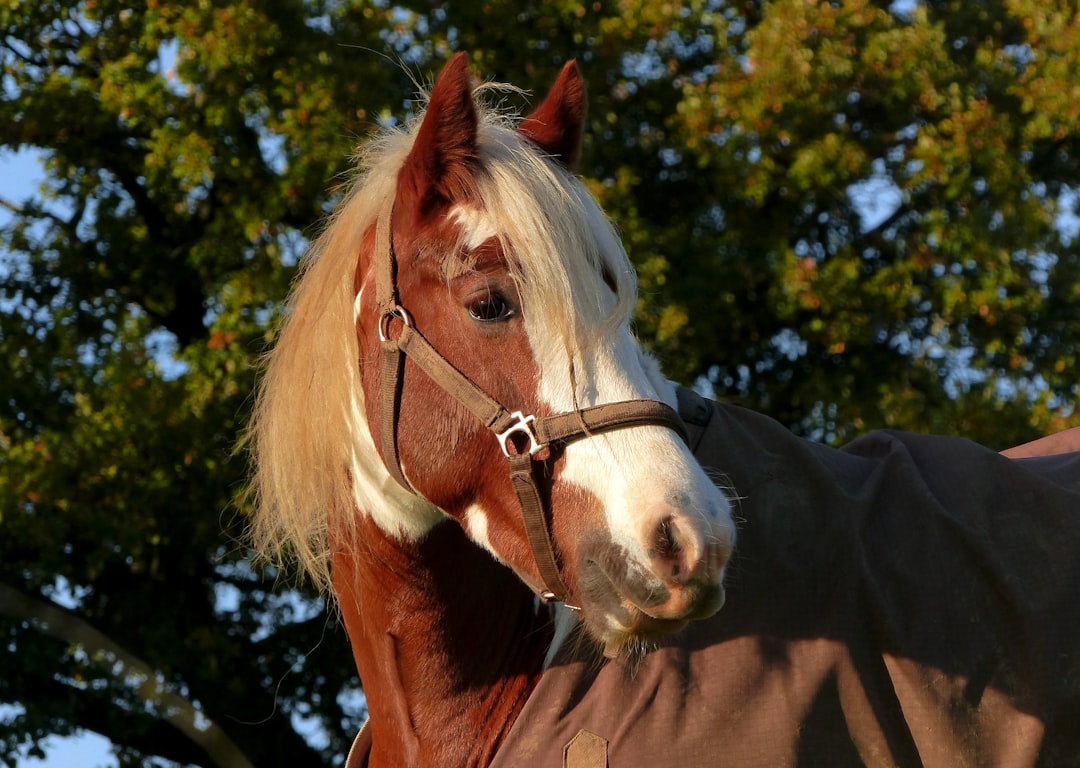
A curious horse that watches you closely and shows interest in what you’re doing is a sign of trust. This attentiveness indicates that they value your presence and are comfortable engaging with you. It’s like a friend who’s genuinely interested in your hobbies, eager to learn and participate. Such curiosity reflects a deep level of trust and connection.
11. They Rest Near You
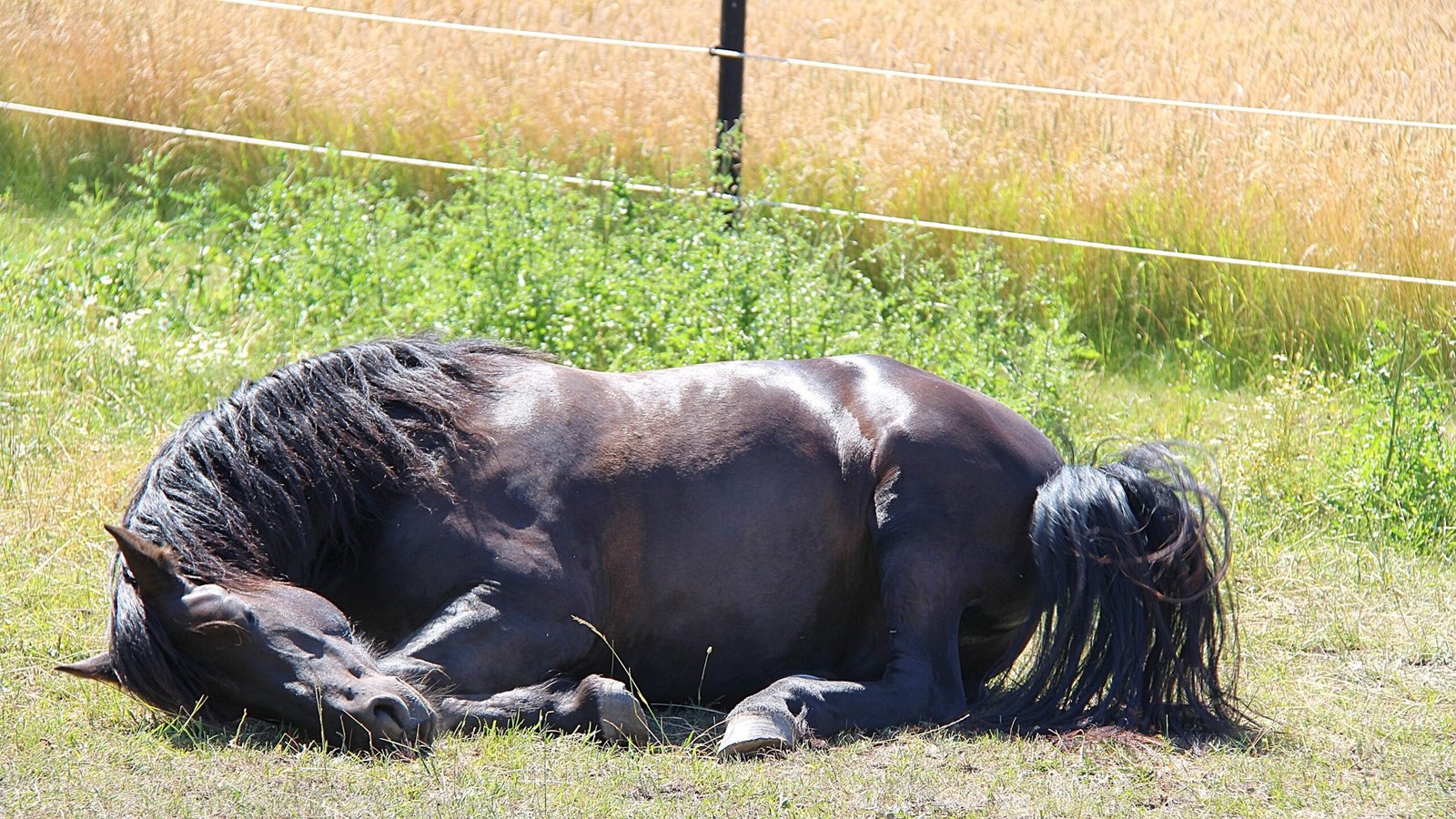
Horses are vulnerable when they lie down, so if your horse chooses to rest near you, it’s a profound sign of trust. This behavior shows that they feel safe enough to let their guard down in your presence. It’s comparable to a person falling asleep beside a trusted companion, feeling secure and protected. When your horse rests near you, it’s a touching testament to their trust.
12. They Respond to Your Voice
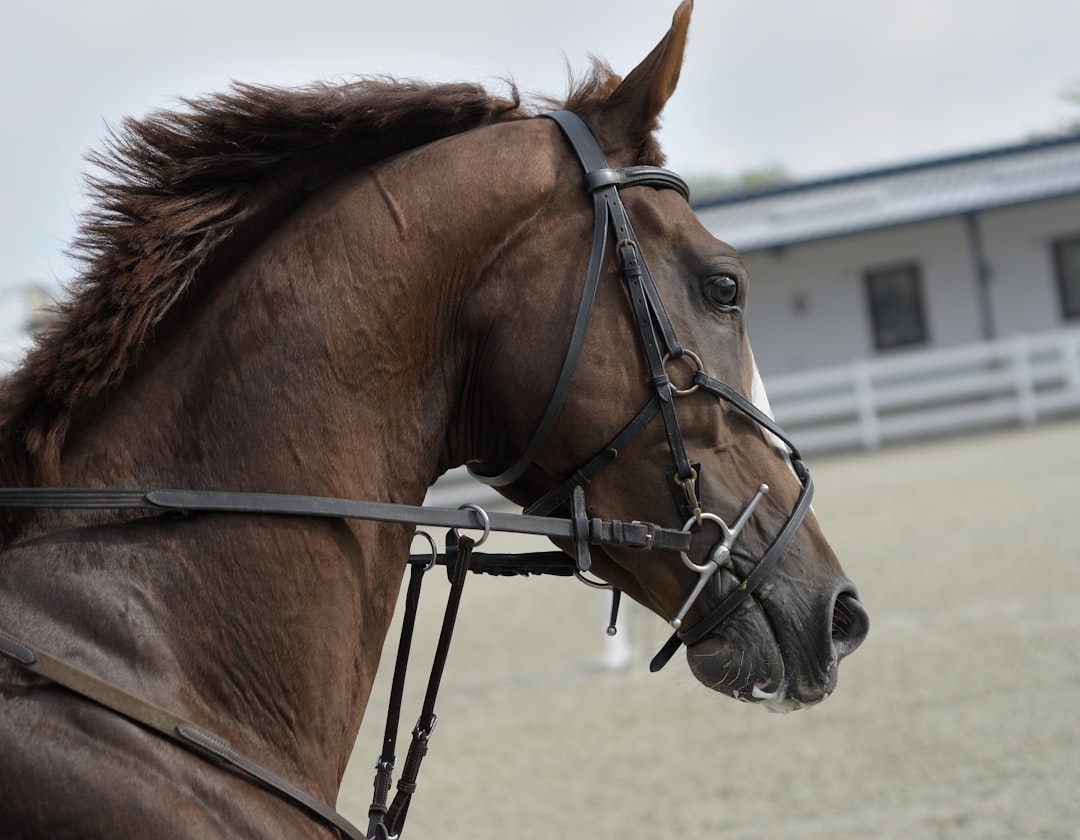
If your horse responds to your voice, it’s a clear indication that they trust and recognize you. Whether it’s a gentle call or a firm command, a horse that listens and reacts shows that they respect your authority. It’s like a person who perks up when they hear a loved one’s voice, acknowledging their presence with warmth and familiarity.
13. They Keep Their Distance
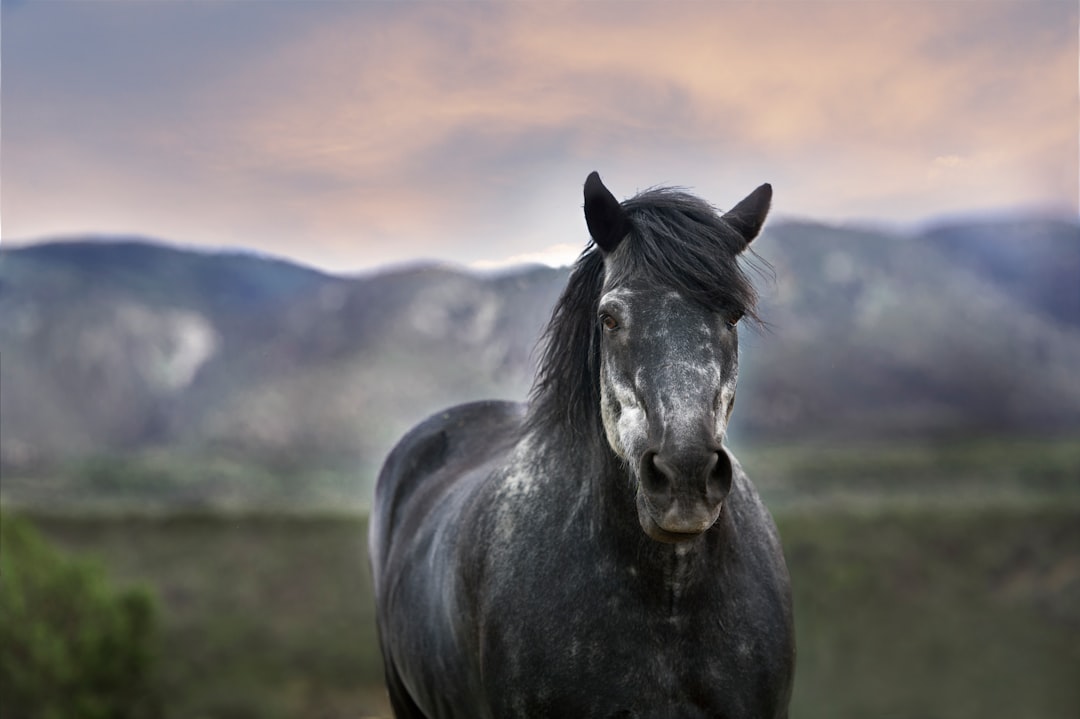
If your horse maintains a distance and seems hesitant to approach, it might indicate uncertainty. This behavior suggests that they are still assessing your intentions and need more time to build trust. It’s similar to a person who’s cautious around new acquaintances, taking time to warm up and open up. Patience and understanding are key to bridging this gap.
14. They Exhibit Nervous Behavior
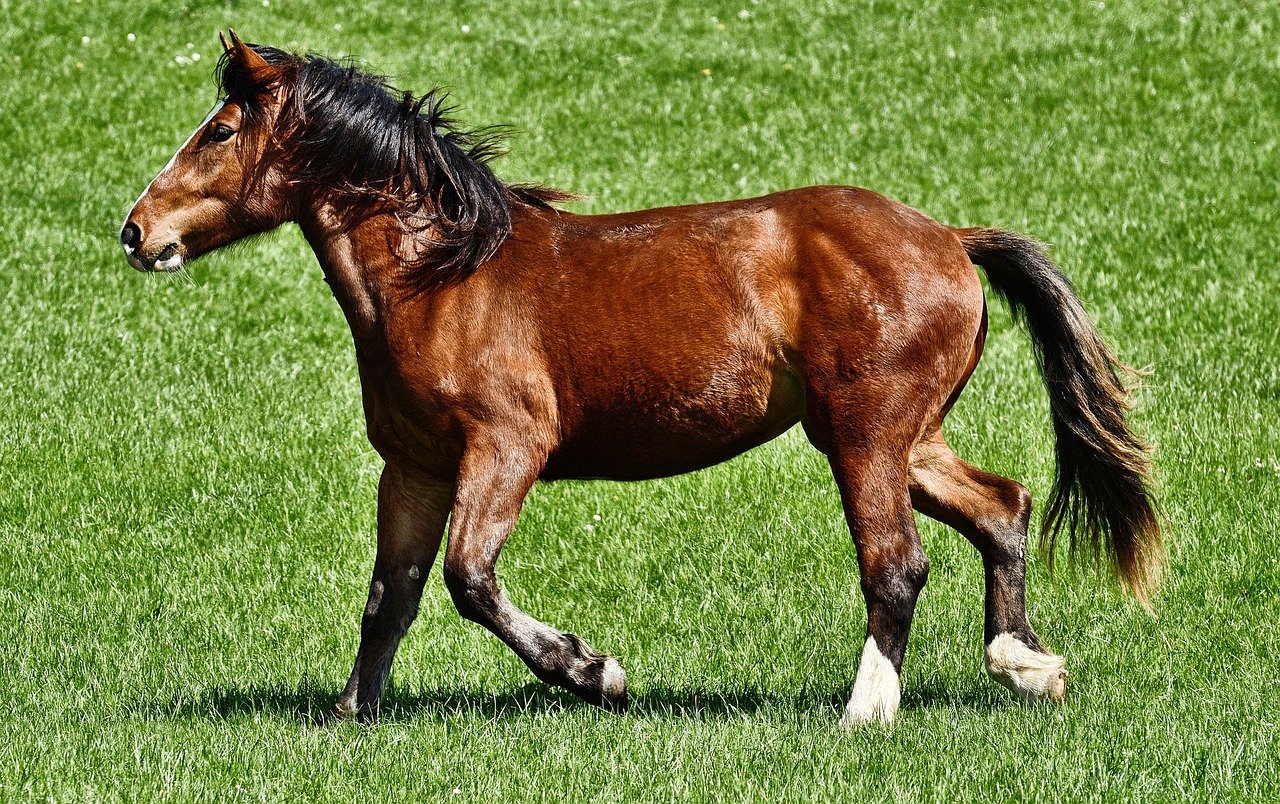
Nervous behaviors, such as pacing or frequent head tossing, can indicate that your horse is unsure about you. These actions reflect anxiety and a lack of trust, signaling that they need reassurance. It’s akin to a person fidgeting when they’re uncomfortable, expressing their unease through restless movements. Building trust requires patience and consistent positive interactions.
15. They Avoid Eye Contact
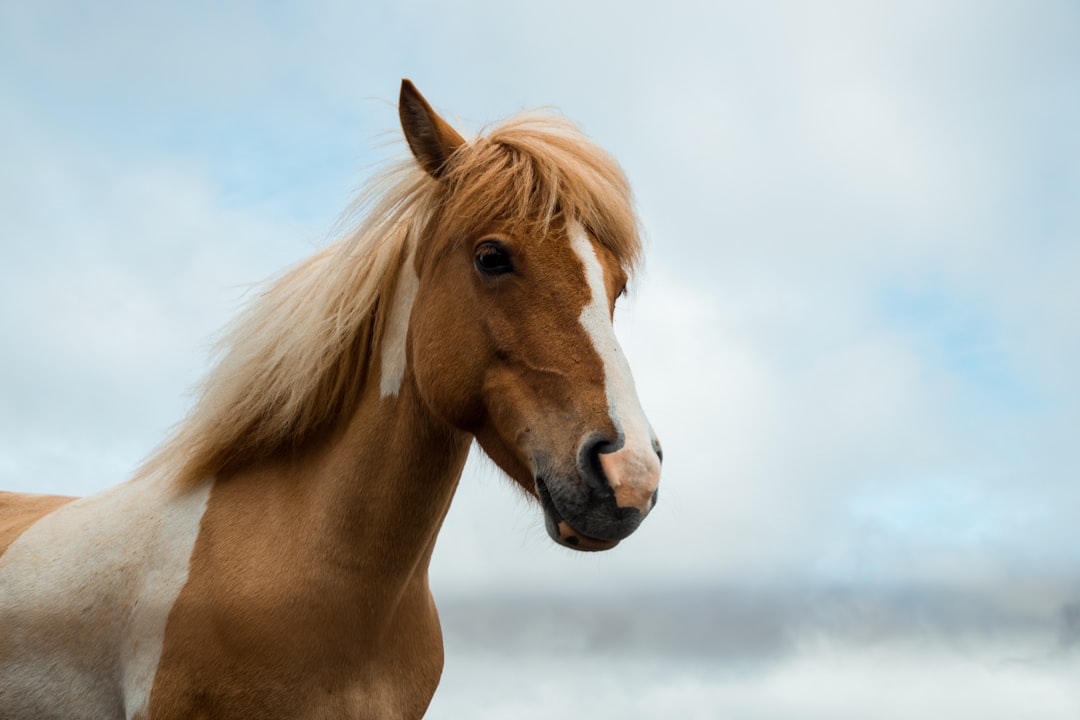
Avoiding eye contact can be a sign that your horse is still unsure about you. Horses use eye contact to communicate trust and connection, so if they look away, it might indicate hesitance. It’s similar to a person who avoids looking directly at someone they’re unsure about, a sign of uncertainty. Encouraging gentle interactions can help foster trust and confidence.
16. They Resist Handling
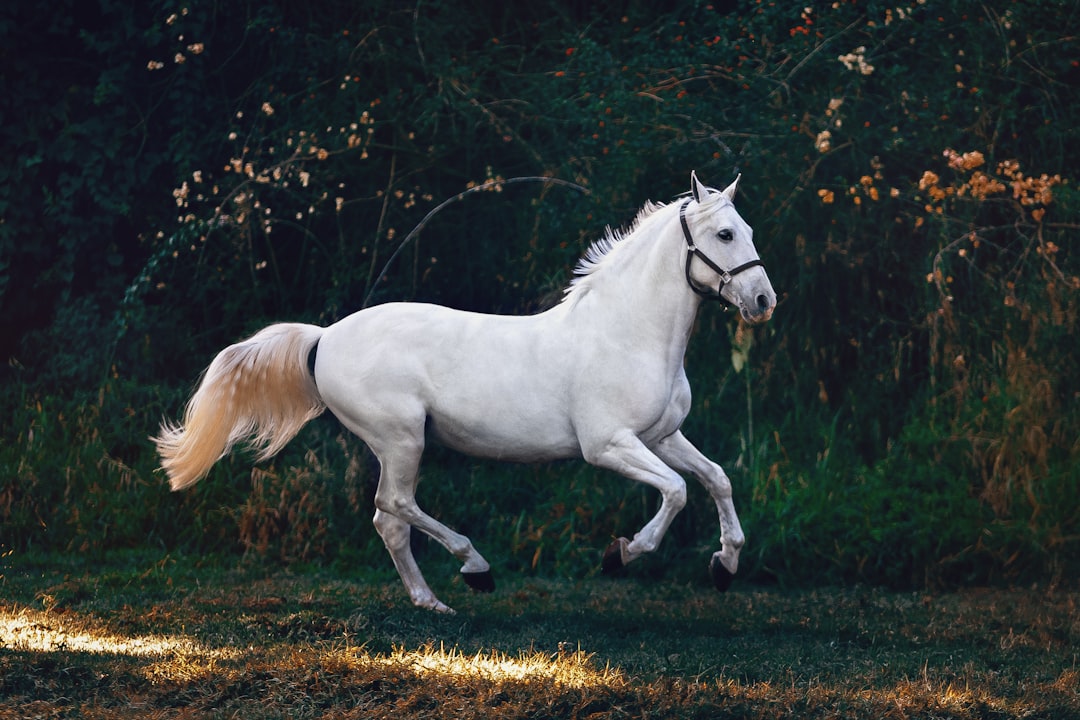
If your horse resists handling, such as pulling away or refusing to be touched, it’s a sign that they might not fully trust you yet. This resistance indicates discomfort and a need for more positive experiences. It’s like a person who’s wary of physical contact until they feel comfortable and secure. Building trust takes time, patience, and consistent care.
In the intricate dance of trust between horse and human, understanding these signs can deepen the bond you share with your equine friend. Horses, with their gentle souls and intuitive nature, offer us a unique opportunity to connect on a profound level. By recognizing and respecting their signals, we can nurture a relationship built on trust, love, and mutual respect. So, what signals does your horse give you? Are they whispering trust or still seeking assurance?


