
Picture this: your dog suddenly freezes when you pick up the car keys. His tail tucks, ears flatten, and those puppy eyes start pleading with you not to go. Sound familiar?
I think every dog parent has been there at some point. Vet visits can trigger such intense anxiety in our four-legged friends that some dogs start panicking the moment they sense what’s coming. The unfamiliar smells, the sounds of other anxious animals, strangers poking and prodding them – honestly, who could blame them for feeling overwhelmed?
Here’s the thing: it doesn’t have to be this way. With a few thoughtful strategies and a bit of patience, you can transform those dreaded vet trips into something far more manageable, maybe even pleasant. Your dog deserves quality healthcare without the emotional trauma, and you deserve to get through appointments without feeling like you’ve just wrestled a bear.
Let’s explore some practical, proven ways to ease your dog’s veterinary anxiety and create positive experiences that last a lifetime.
Start with Happy Visits
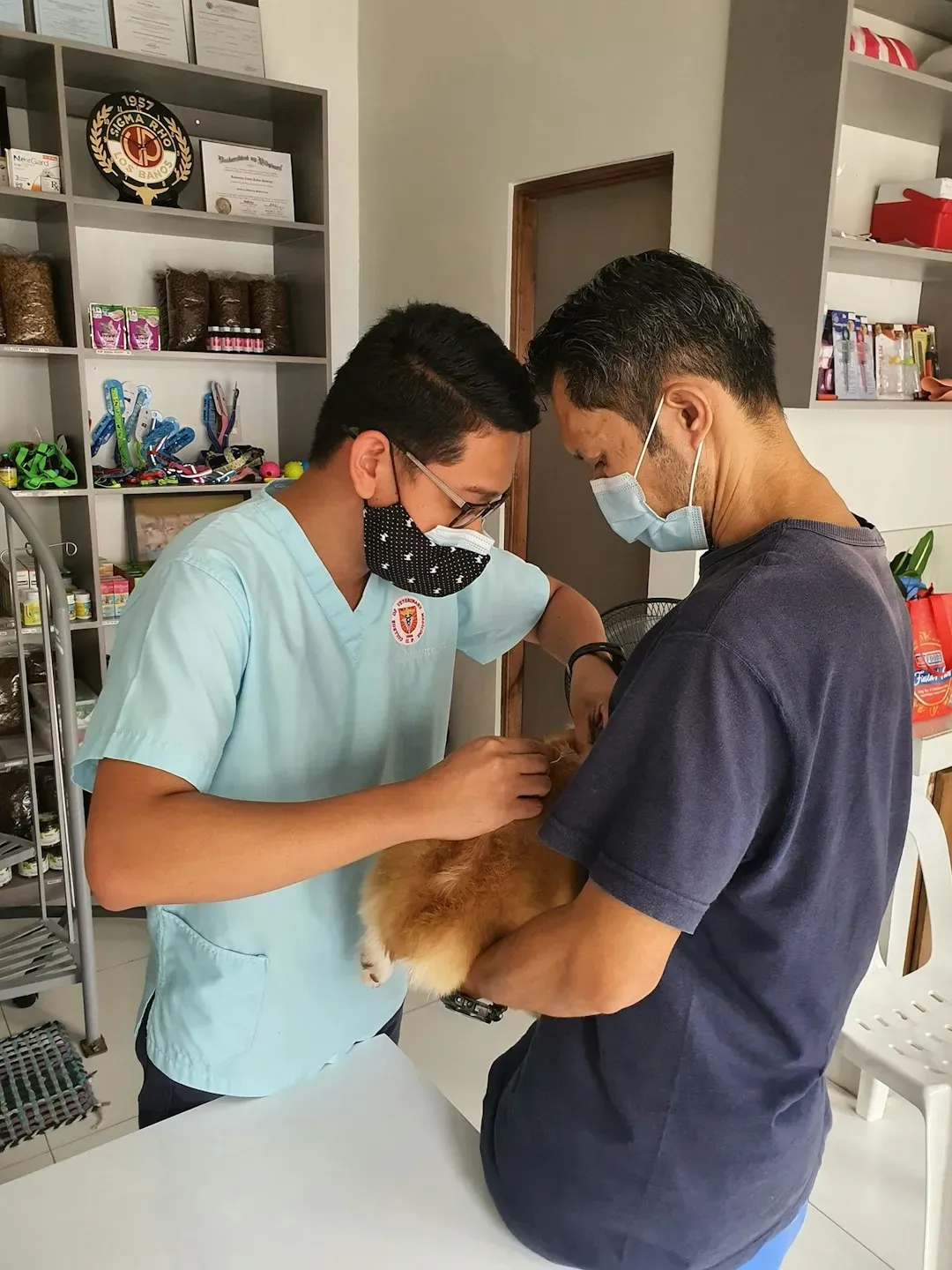
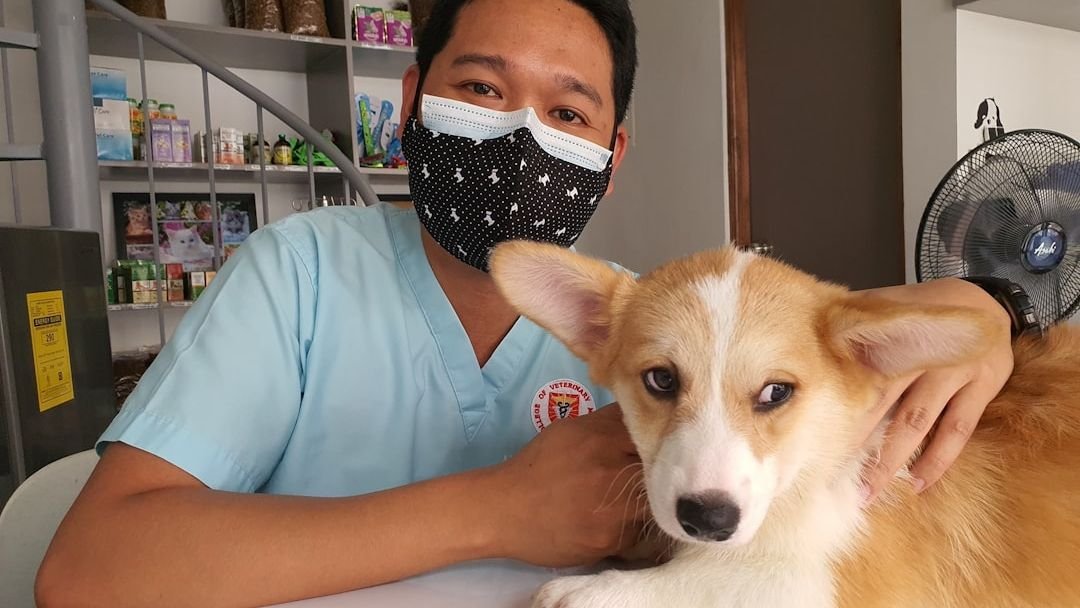
Taking your dog to the vet when they don’t need medical treatment – just a visit to the building to create positive associations – is called a happy visit, and it’s beneficial for both puppies and adult dogs. Think of it like test-driving the experience without any of the scary stuff.
Start with small steps, such as giving your dog treats in the car or parking lot outside the veterinary hospital, calling ahead to ensure the clinic isn’t too busy, and asking if a staff member can greet your dog with treats outside, then gradually work toward bringing your dog inside the building to continue rewarding them. The goal is simple: help your dog realize that the vet’s office isn’t always associated with needles and discomfort. Sometimes it’s just a place where nice people give out delicious snacks and belly rubs.
These visits work wonders because they reshape your dog’s entire perception of the veterinary clinic. Instead of only showing up when something hurts or when vaccinations are due, your pup learns that this place can actually be fun.
Practice Handling at Home
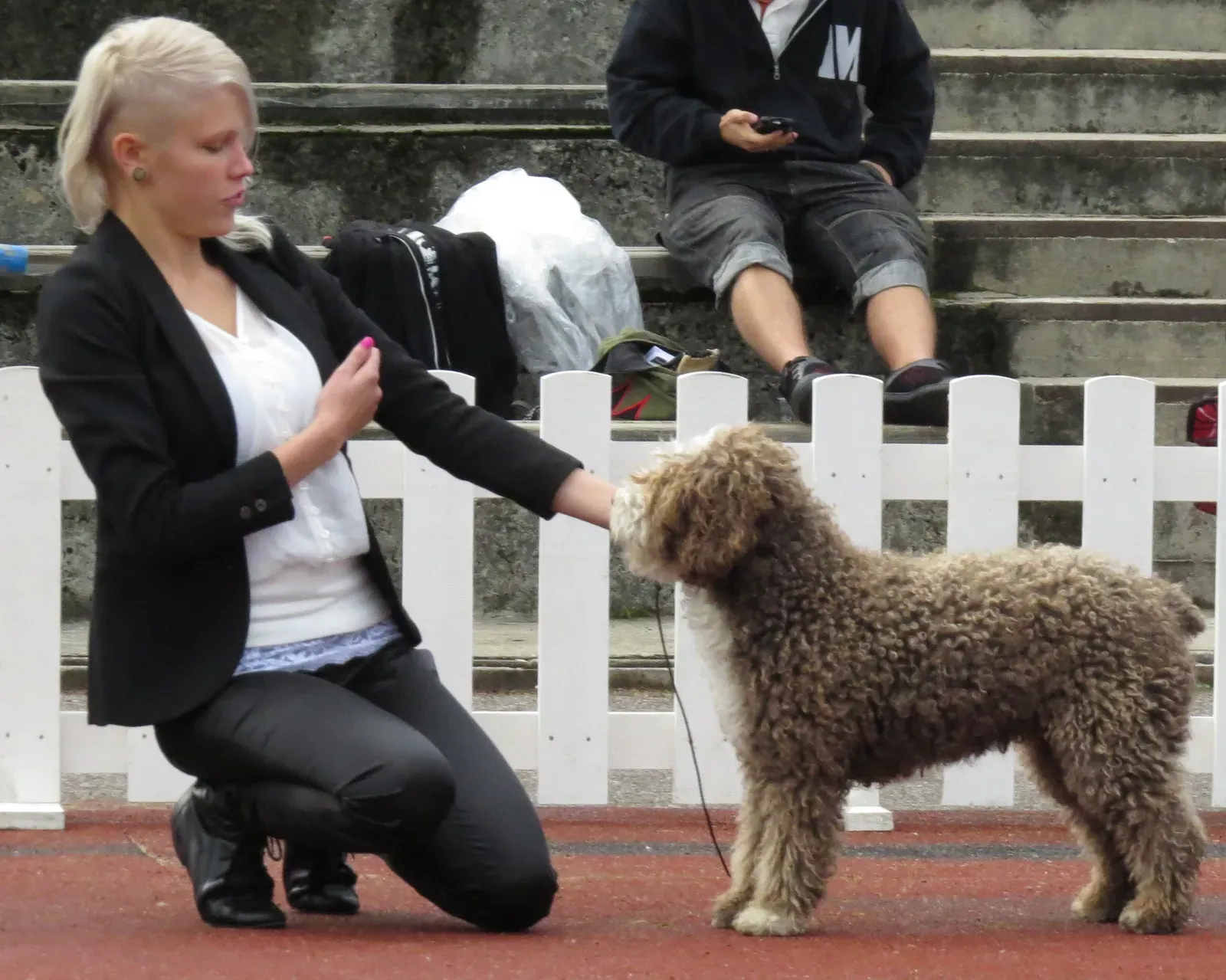
Dog guardians can practice similar handling techniques commonly used by veterinarians and groomers at home, with the goal being for dogs to learn to be comfortable with this type of handling in a stress-free environment by practicing handling your dog’s paws, ears, mouth and other body parts while offering treats as rewards.
Start gently. Touch a paw for just a second, then immediately reward. Touch sensitive body areas like feet, nails, and ears lightly while offering your pet a reward, and gradually lengthen the time you hold a body part until your pet no longer resists having it handled. You’re essentially desensitizing your dog to the kinds of examinations they’ll experience at the vet.
This approach takes patience, but it’s genuinely one of the most effective strategies. Puppyhood is the ideal time to teach comfort with handling, but dogs can learn at any age, and you should never force your dog to accept touch or handling – always allow them to walk away if they are uncomfortable, as this information tells you the training needs to be in smaller, slower steps.
Normalize Car Rides
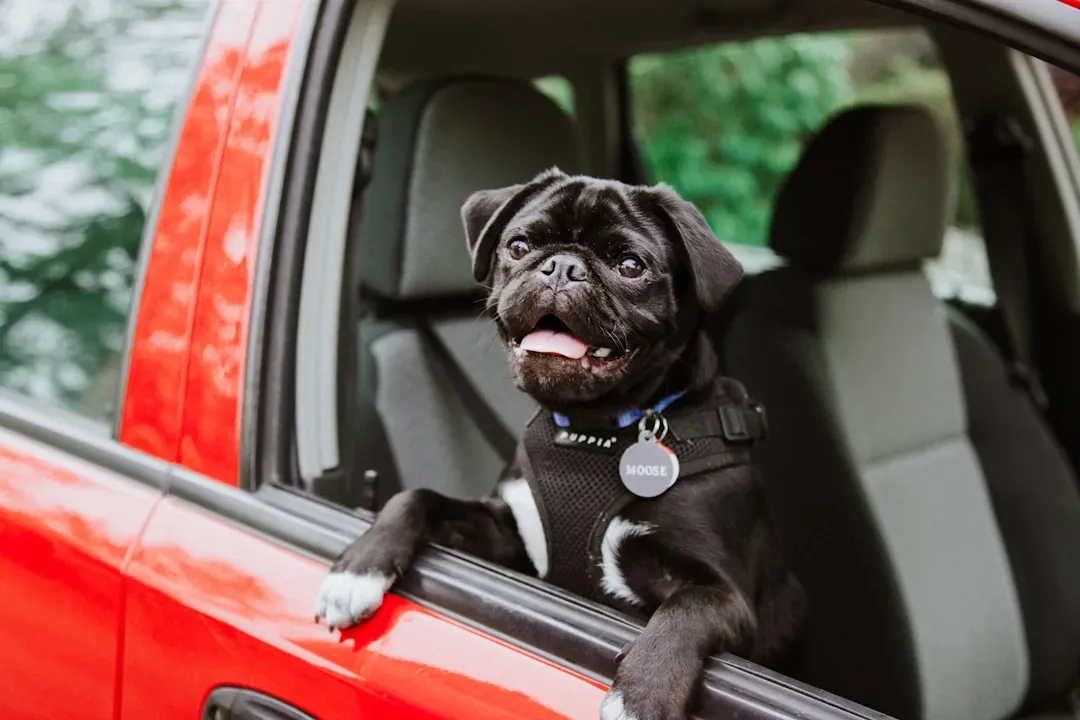
Let’s be real – if the only time your dog gets in the car is to go somewhere unpleasant, they’re going to associate that vehicle with dread. For dogs with car anxiety, take quick trips around the block or to nearby places they enjoy, offering treats during the ride, and as your dog becomes more comfortable with car rides, gradually increase your trip length.
Drive to the park. Drive through for a puppuccino. Drive to a friend’s house where your dog gets spoiled with attention. The more positive car experiences your pup accumulates, the less they’ll assume every ride ends at the vet’s office.
Some dogs get carsick or genuinely struggle with motion, which compounds the problem. Talk to your vet about this – there are solutions. The key is breaking that negative association before it becomes deeply ingrained.
Bring High-Value Treats
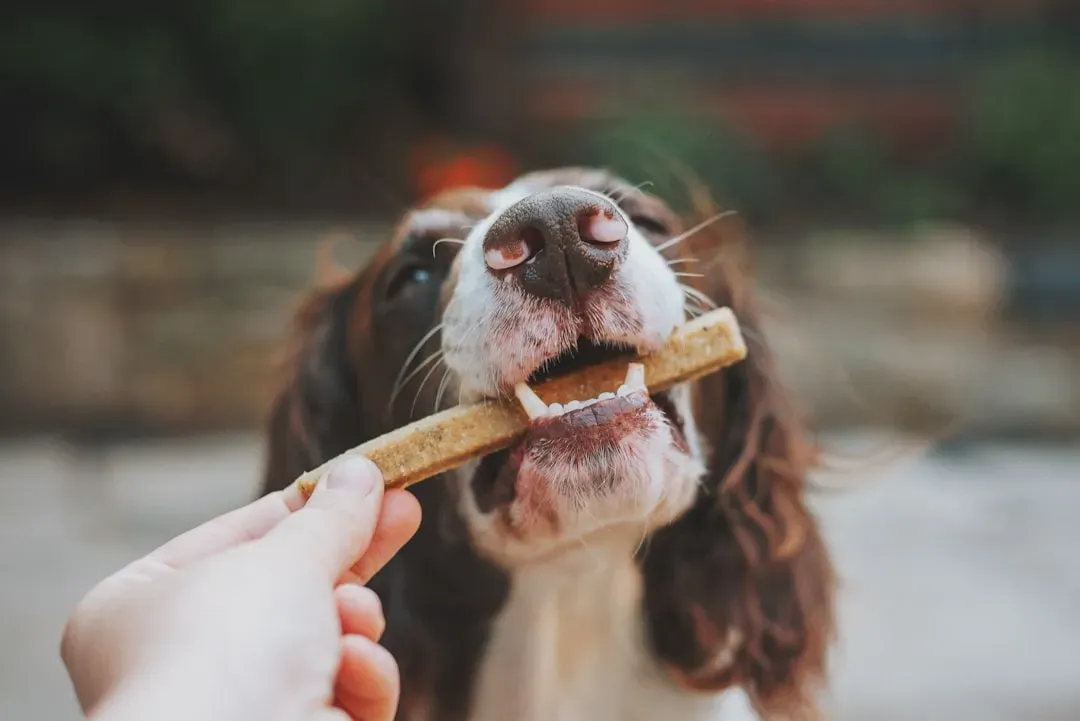
On the day of your veterinary visit, bring your dog’s favorite treats from home, opting for small, soft treats that can be broken into smaller pieces and given throughout the appointment, and you might also consider bringing a frozen rubber, hollow treat dispenser or a flat rubber textured mat filled with your dog’s favorite spreadable snacks for extra distraction.
I’m talking about the really good stuff here. Not their regular kibble, but the chicken, cheese, hot dogs, or whatever makes your dog’s eyes light up. Feeding your dog during their exam will help distract them as well as build positive associations, and asking the vet and other staff to feed a few as well helps.
Here’s an interesting signal to watch for: If your dog stops eating or refuses treats, it often indicates their stress levels are too high, and you and your veterinary care team may need to make adjustments in their experience. That’s your cue that things need to change – maybe take a break, step outside, or try a different approach.
Choose a Fear Free Certified Clinic
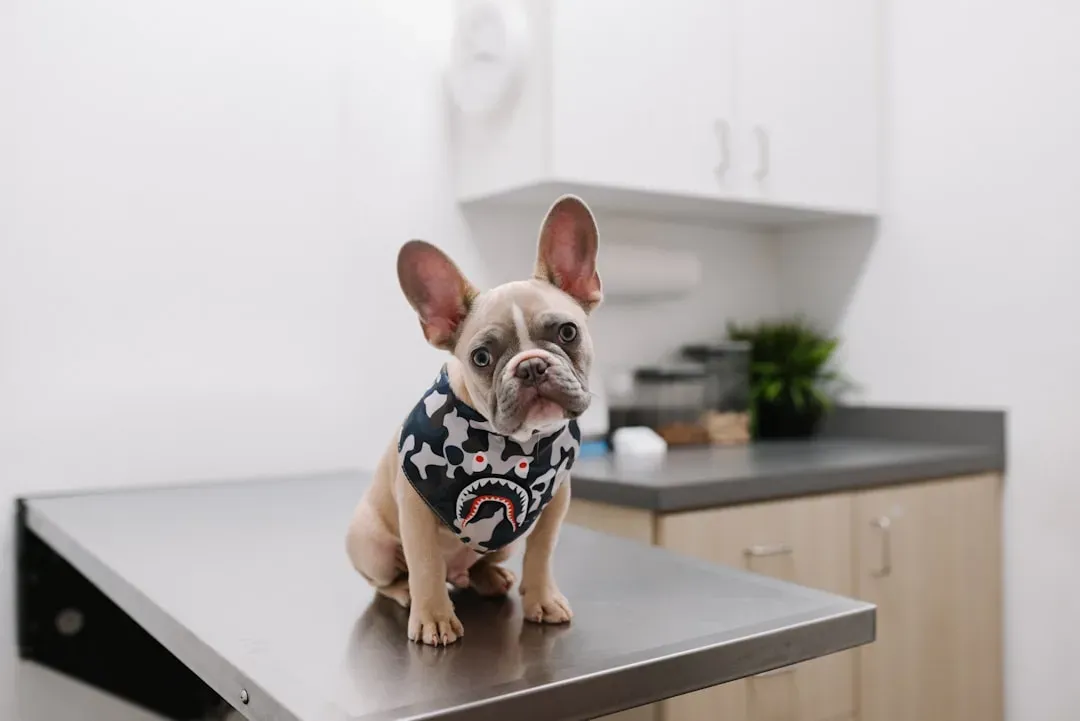
When choosing a veterinary team, consider inquiring about their approach to minimizing fear and stress during appointments, as many veterinarians and staff members are trained in programs such as Fear Free and Low Stress Handling, which aim to create a behavior-friendly environment using minimal restraint since many dogs do better with less restraint for physical exams, vaccinations and blood draws.
Fear Free isn’t just marketing jargon – it’s actual specialized training. These clinics often attempt to limit noise that could stress out pets, play calming music, and examine dogs on the floor where they feel less stressed instead of on an exam table. The difference in approach can be remarkable.
Not every vet practice has this certification, but more and more are adopting these principles. It’s worth asking about their handling techniques and stress-reduction strategies when you’re choosing a veterinarian. Your dog will thank you.
Stay Calm Yourself
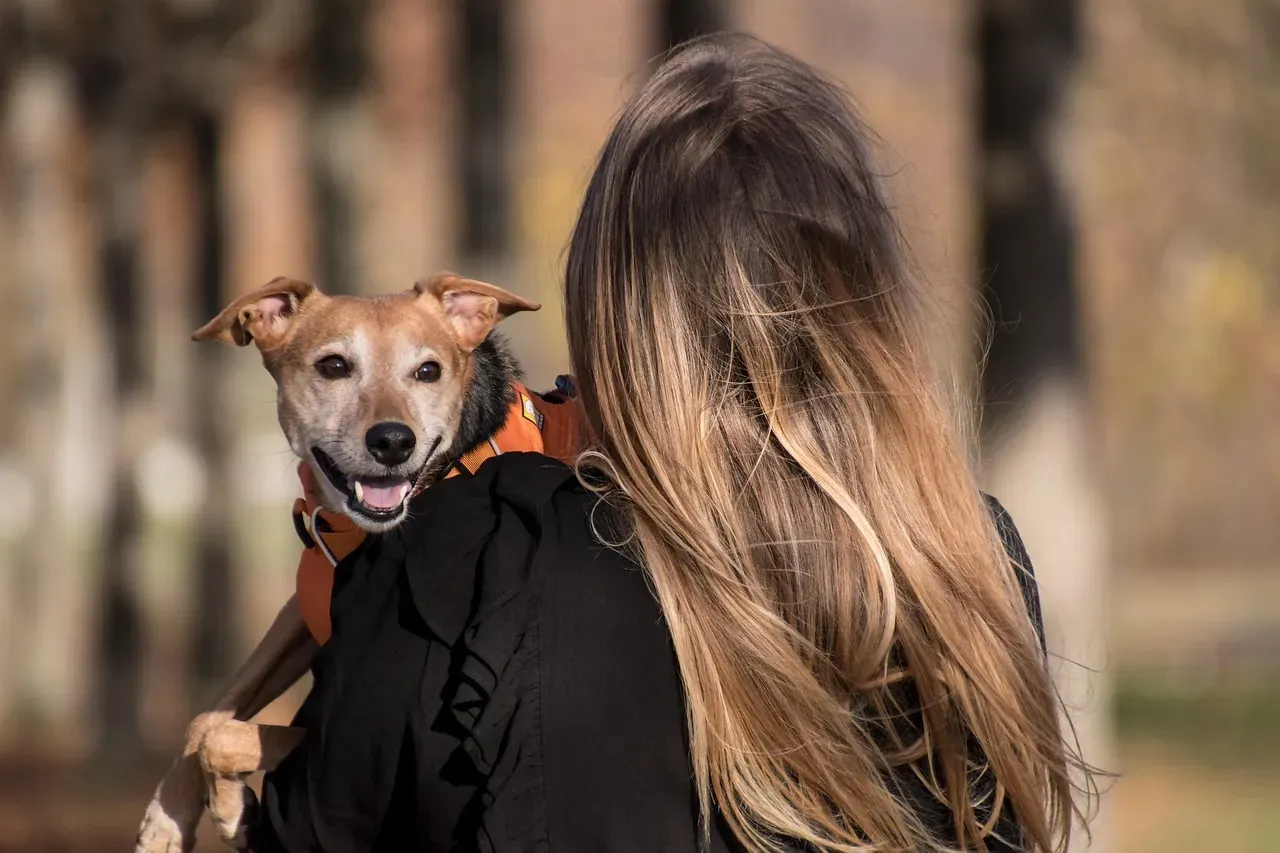
Pets are incredibly tuned into their owners’ emotions and look to them when feeling uncertain about a particular situation, and if you’re worried about your pet’s behavior at the veterinary hospital or concerned about how they’re feeling, you might put off an anxious, unsure vibe that your pet will notice.
I know it sounds simple, but this one’s genuinely challenging. Dogs are highly sensitive to their owner’s emotions, and if you’re stressed or anxious, your dog is likely to pick up on it, so stay calm, speak in a soothing voice, and maintain a relaxed demeanor.
Take deep breaths. Remind yourself that this is routine healthcare, not a catastrophe. Your energy sets the tone for your dog’s experience, so even if you’re internally freaking out about potential diagnoses or costs, try to project confidence and calm on the outside.
Skip the Crowded Waiting Room
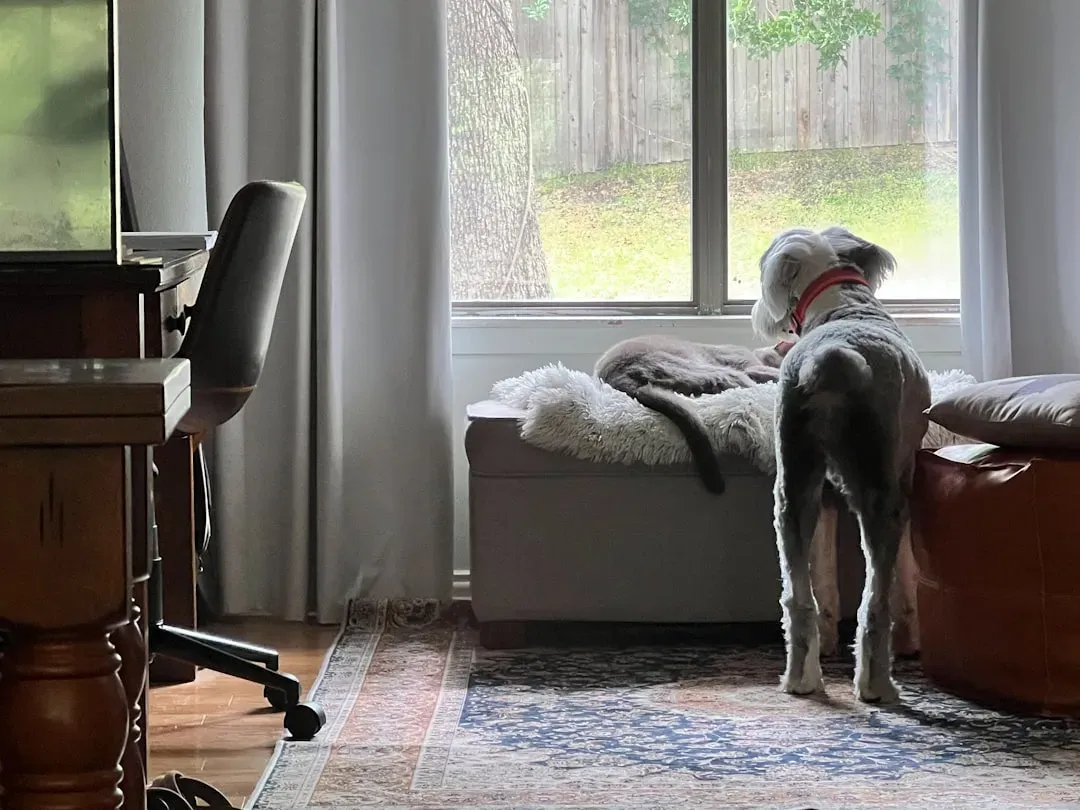
If a loud, crowded waiting room ramps up your nervous pet’s anxiety, ask the front desk staff to place you and your pet in an exam room as soon as you arrive at the hospital, and if a room isn’t available, consider waiting in your car or going for a short walk so your pet can release some nervous energy.
Waiting rooms can be overwhelming sensory environments. Other anxious dogs barking, cats hissing, unfamiliar people, cleaning product smells, and fluorescent lighting all contribute to stress. Many veterinary practices are completely understanding about letting you wait elsewhere until they’re ready for you.
Call ahead when you arrive and ask them to text or call when the exam room is available. This simple adjustment can prevent your dog’s anxiety from escalating before you even see the veterinarian. It’s such an easy fix that makes a huge difference.
Use Calming Aids Strategically

For anxious dogs, consider pheromone treatments or calming treats, as pheromones mimic the smell of a nursing mother dog which relaxes even adult dogs, and you can look for a spray or collar so you can take it to the vet with you, while calming treats can be used before the appointment to provide your dog with relief.
There are numerous options available, from sprays to collars to supplements. Some work better than others depending on the individual dog. The key is starting these interventions before your dog’s anxiety peaks, not in the middle of a meltdown.
For many dogs with pre-existing fear or anxiety, anti-anxiety medications can be beneficial when given at home a few hours before a veterinary visit. This isn’t about drugging your dog into submission – it’s about bringing their stress levels down to a point where they can actually experience something positive. Talk openly with your vet about medication options if your dog’s anxiety is severe.
Request Floor Exams When Possible

Some dogs feel trapped and vulnerable on an exam table. The height, the slippery surface, the inability to escape – it all triggers their fight-or-flight response. Many Fear Free practices now routinely perform examinations on the floor, especially for fearful dogs.
Don’t be afraid to advocate for what works for your dog. If your pup does better sitting on the floor with you, let the veterinary team know. Most vets are happy to accommodate this request because a calmer dog makes for a safer, more thorough examination.
The floor also gives your dog more control over the situation. They can move slightly, lean into you for comfort, and don’t feel as cornered. These seemingly small details matter enormously to an anxious dog.
Arrive Hungry
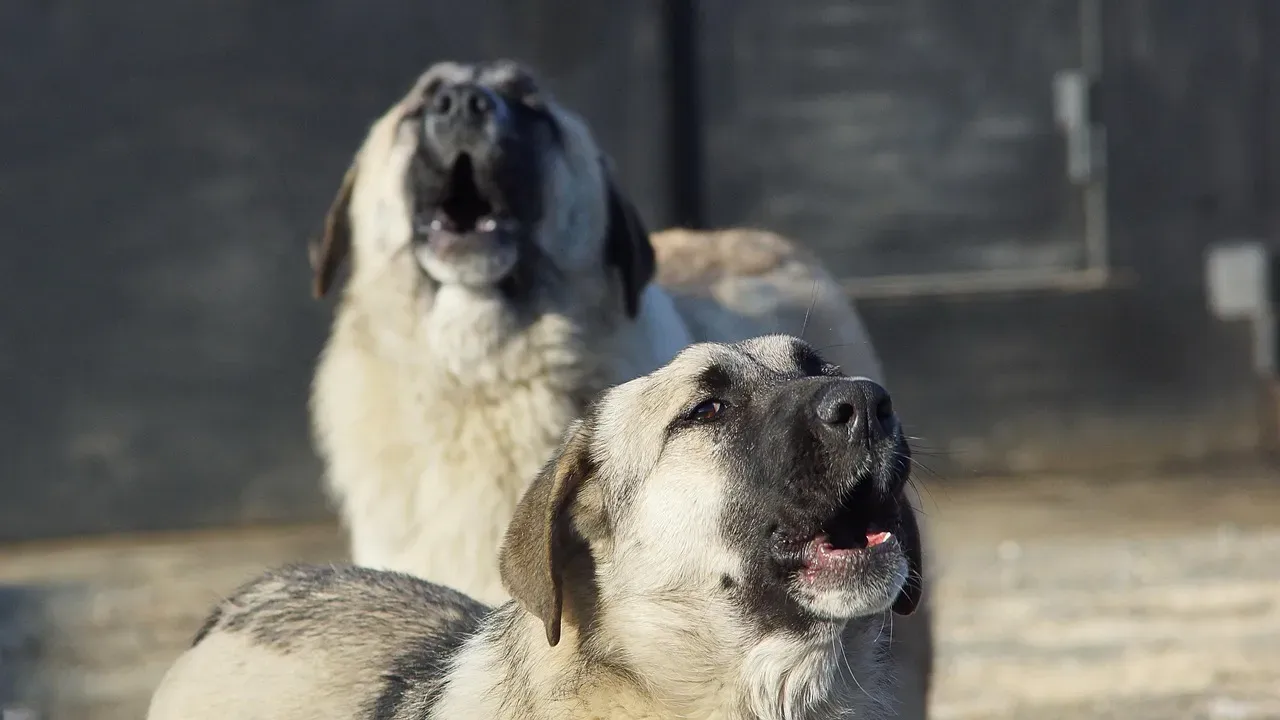
Fear Free actually shows that it’s OK for dogs to have a little food before a procedure, and it’s better for them, though limiting food prior to an appointment increases the effectiveness of treats as rewards. You want your dog motivated by those high-value treats, not indifferent because they just ate a full meal.
This strategy works brilliantly for routine appointments and wellness checks. Obviously, if your dog needs bloodwork or sedation, follow your vet’s specific fasting instructions. Otherwise, a slightly hungry pup is a more food-motivated pup.
The treats become incredibly powerful rewards when your dog is genuinely interested in them. This simple trick amplifies the effectiveness of all your other stress-reduction strategies.
Bring Familiar Comfort Items
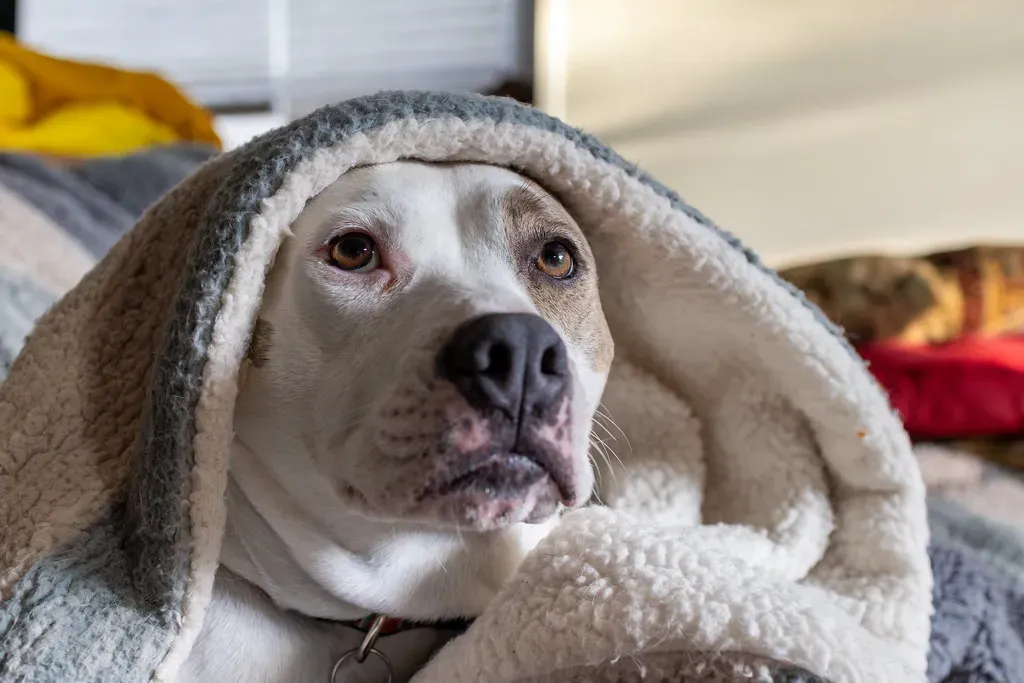
A favorite toy or blanket can help comfort your dog during the visit, as familiar scents provide a sense of security in unfamiliar surroundings. Your dog’s favorite blanket carries the comforting smells of home, which can be remarkably soothing in a stressful environment.
Maybe it’s a special toy they’ve had since puppyhood, or their favorite bed you can throw in the car. These items serve as emotional anchors, reminding your dog that they’re safe even in this strange place.
Some clinics will even let you place a familiar blanket on the exam table or floor where your dog will be examined. It’s worth asking – this small accommodation can make your pup significantly more comfortable.
Build a Relationship with Your Veterinary Team
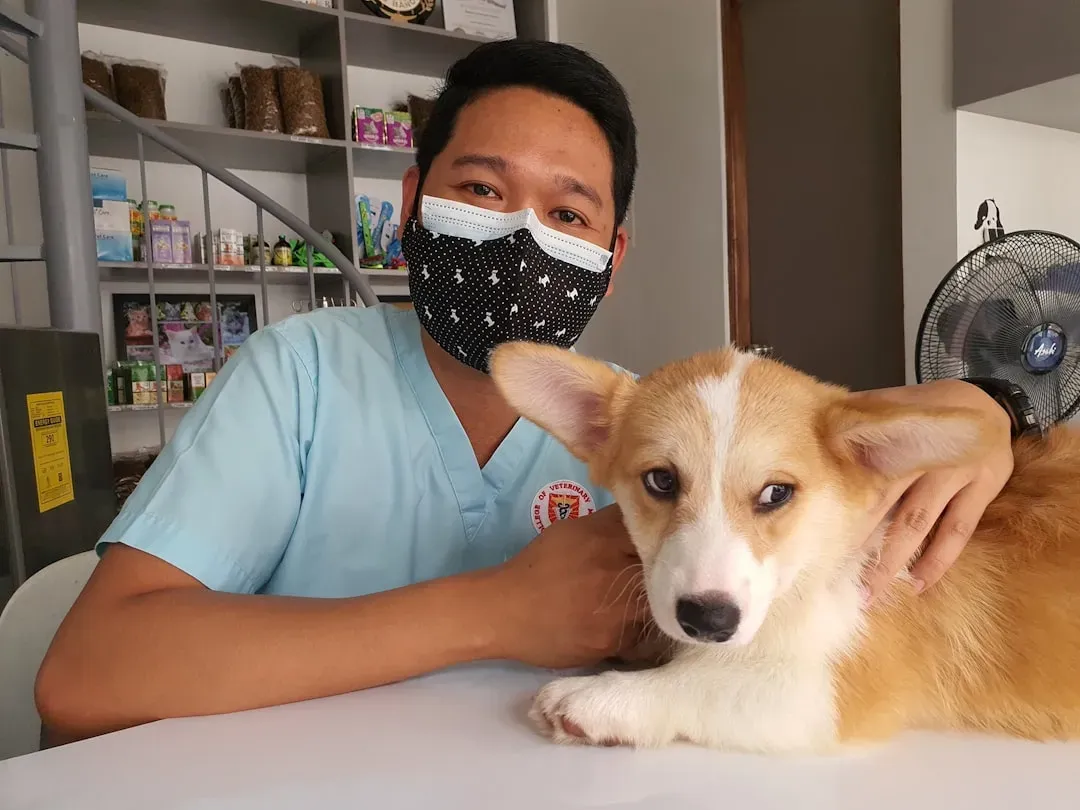
Consistency matters tremendously. When your dog sees the same faces repeatedly, those people gradually transition from “scary strangers” to “familiar friends who sometimes do uncomfortable things but also give treats.” This familiarity builds trust over time.
Ask if you can request the same veterinarian and technicians for appointments. Share what works and what doesn’t for your specific dog. Many practices now keep notes about individual animals’ preferences and fear triggers, which helps them provide more personalized care.
This collaborative relationship transforms the entire experience. Your veterinary team becomes true partners in your dog’s wellbeing, not adversaries your pup dreads seeing. That shift in perception happens gradually but makes a profound difference.
Conclusion: Small Steps, Big Impact
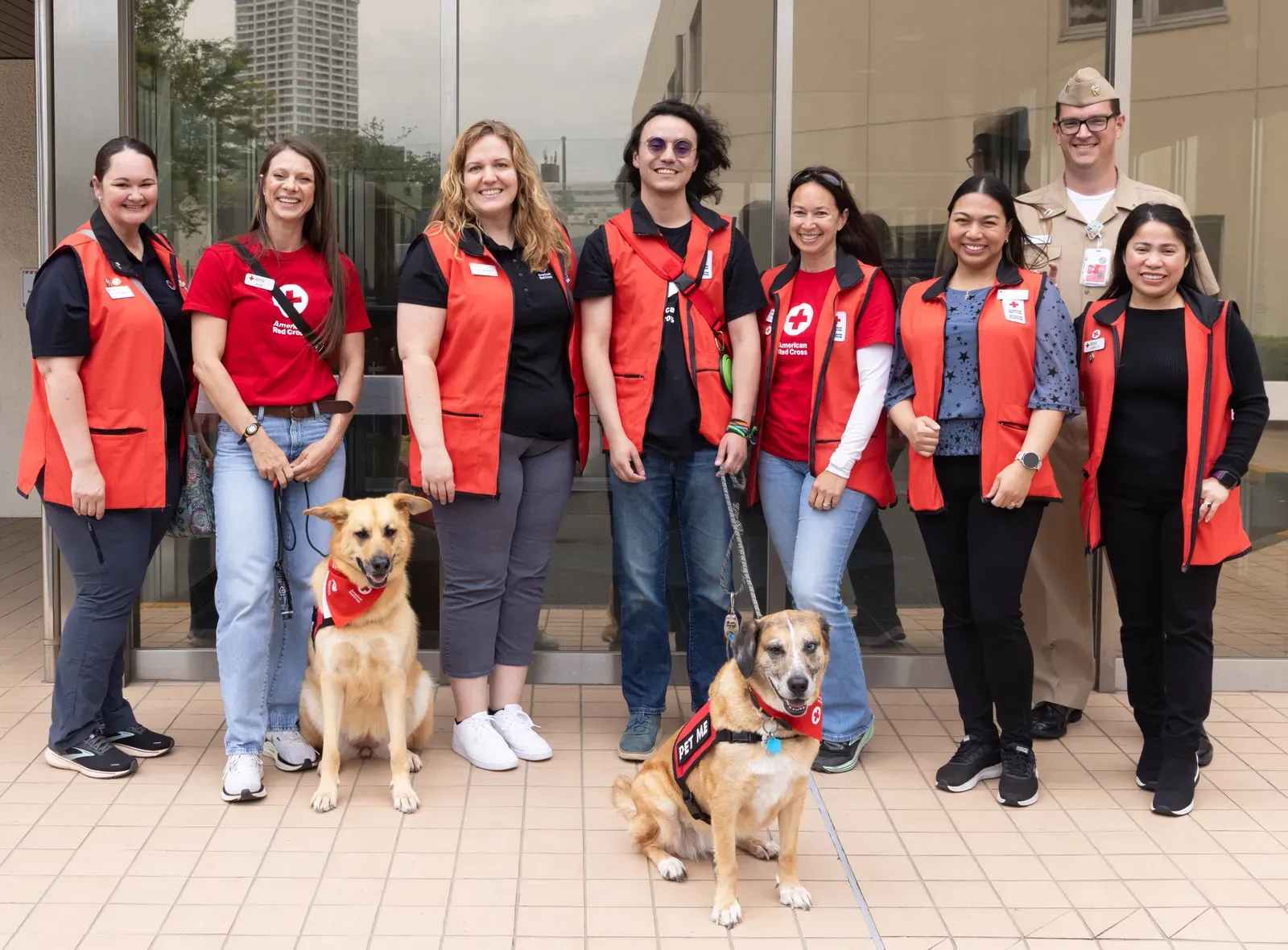
Transforming your dog’s vet visits from traumatic to tolerable doesn’t happen overnight. It requires patience, consistency, and sometimes a bit of creativity. Yet the investment is absolutely worth it because regular veterinary care is non-negotiable for your dog’s health and longevity.
Dogs with fear, anxiety and stress may be more difficult to examine, which may compromise the veterinary healthcare team’s ability to make a complete and accurate diagnosis, and may cause a dog to react aggressively to members of the veterinary healthcare team, resulting in injury. Reducing that stress isn’t just about making everyone more comfortable – it’s about ensuring your dog receives the quality medical care they deserve.
Start with one or two of these strategies that feel most manageable for your situation. Maybe that’s practicing handling at home this week, or scheduling a happy visit next month. Small, consistent efforts compound over time into meaningful change.
What approach are you going to try first with your dog? I’d genuinely love to hear what works for your furry friend.


