
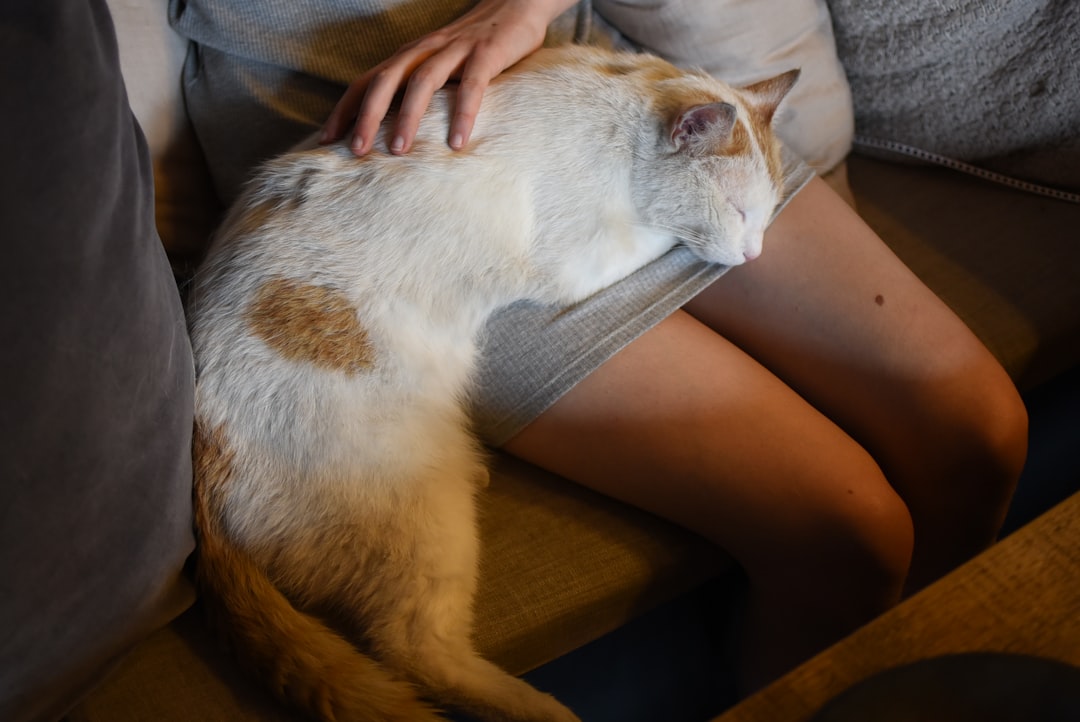
Cats might have a reputation for being aloof, but when they’re attached to you, they show it in some pretty quirky ways. Ever had your cat headbutt you or follow you to the bathroom? That’s feline love, plain and simple. Kneading your lap like dough, sleeping on your chest, or bringing you “gifts” (like that unfortunate sock or bug) are all signs they think you’re part of their inner circle. Some even chirp or trill just to get your attention—it’s their version of chatting. Grooming you, rubbing their scent on your stuff, and even slow blinking are all sweet, subtle ways they show deep affection. It may not be loud or obvious, but trust us—your cat is totally obsessed with you in their own mysterious way.
Headbutting and Face Bumps
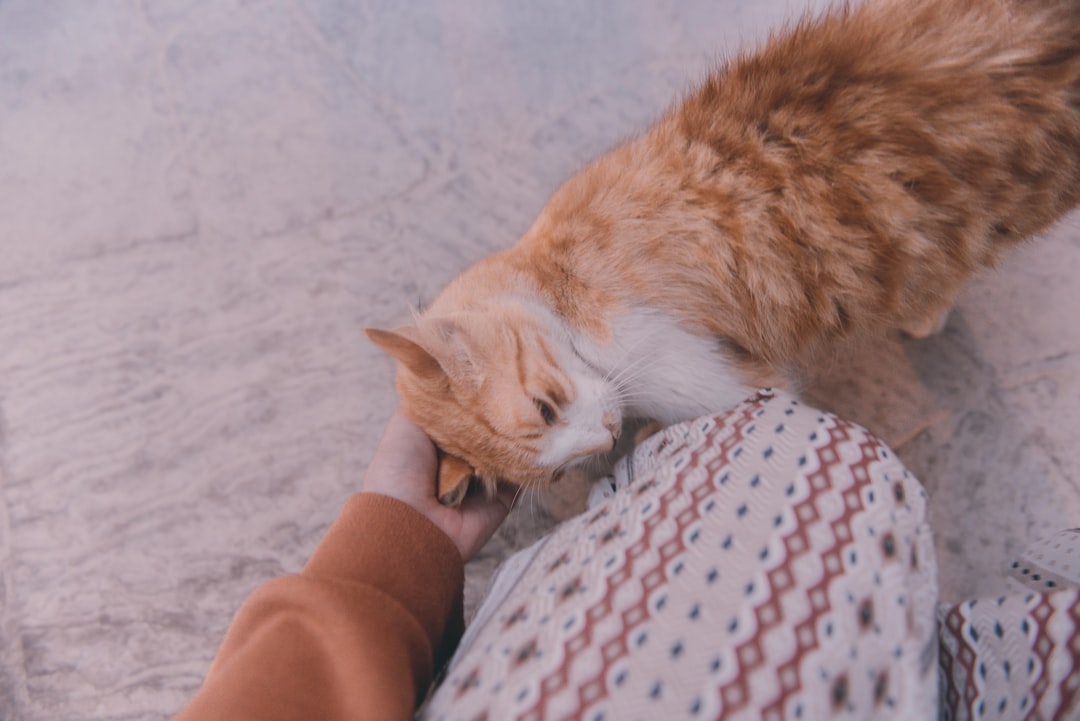
When your cat bumps their head against you, it can feel like a strange greeting—but it’s actually a huge compliment. This headbutt, often called “bunting,” is more than just a playful nudge. Cats have scent glands in their cheeks and forehead, so when they rub or bump you, they’re marking you as part of their inner circle. It’s like your cat’s way of saying, “You’re mine, and I trust you completely.” If your feline friend greets you with a gentle bump, you should feel honored. They reserve this behavior for those they feel safest and happiest around.
Some cats will even lean their whole bodies into your face, pressing with surprising force. It might be awkward if you’re half-asleep or trying to work, but remember, this is their way of sharing their scent and claiming you as their own. In the cat world, this is an act of true love and loyalty—like a secret handshake only the most trusted get to experience.
Bringing You “Gifts”
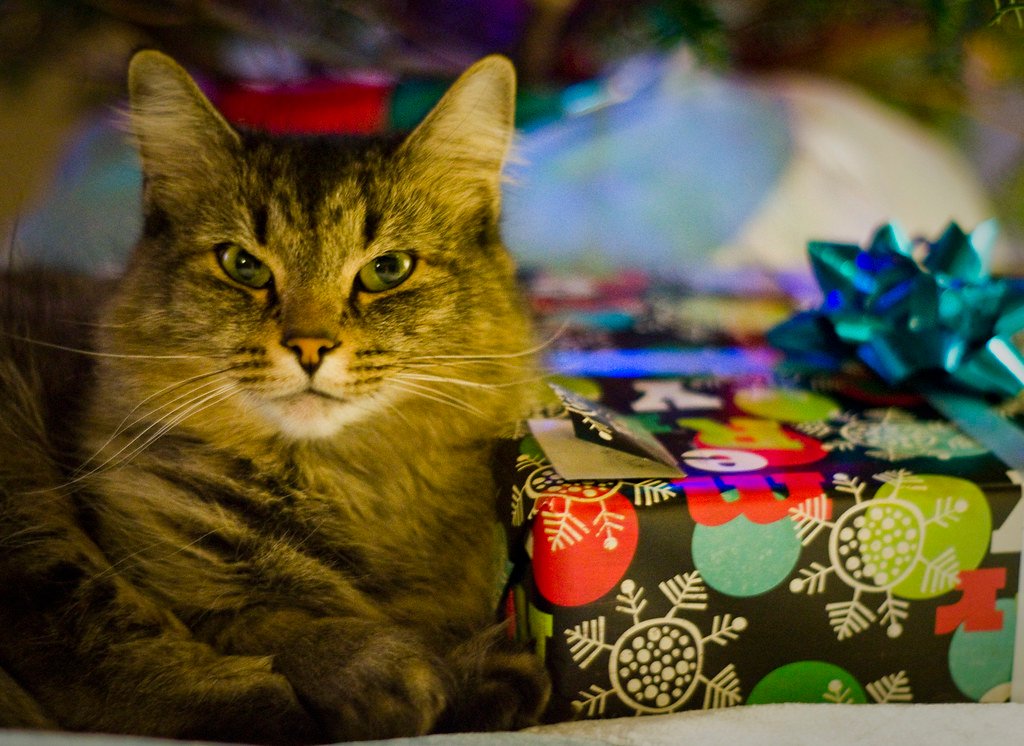
Nothing says “I love you” like a dead bug on your pillow or a toy mouse in your shoe, right? As odd as it sounds, when your cat brings you little presents, it’s a powerful sign of their attachment. This behavior comes from their wild instincts. In the wild, cats bring prey back to their family or kittens, both to share and to teach hunting skills. So, if your furry companion drops a toy (or something less pleasant) at your feet, they’re treating you like family.
It might be tempting to react with horror, especially if the “gift” is still moving. But try to see it through your cat’s eyes—they’re showing you they care and want to provide for you. It’s their way of saying, “You’re important to me.” The next time you step on a soggy feather toy, remember: you’re loved.
Following You Everywhere
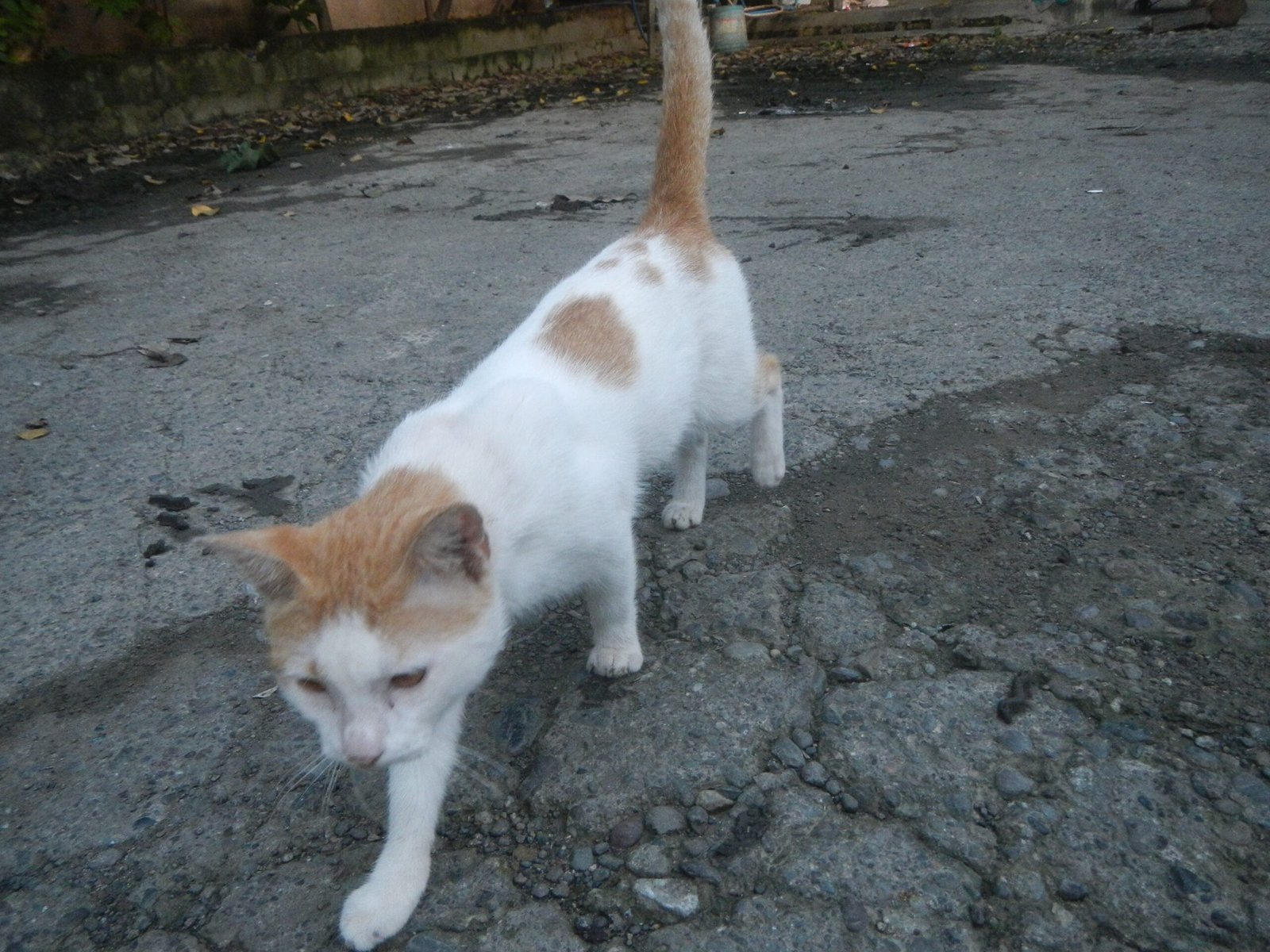
Does your cat act like a fluffy little shadow, trailing you from room to room? This clingy behavior is a classic sign that your cat is deeply attached to you. While cats are often stereotyped as aloof and independent, many form incredibly close bonds with their humans. If your cat insists on following you—yes, even to the bathroom—it’s because they feel safe around you and want to be part of whatever you’re doing.
Some cats will even cry or paw at doors if you shut them out, making it clear they don’t want to be separated. This constant companionship might feel overwhelming at times, but it’s really your cat’s way of saying, “Where you go, I want to go too.” They see you as their anchor, and being near you is their happy place.
Kneading You Like Dough
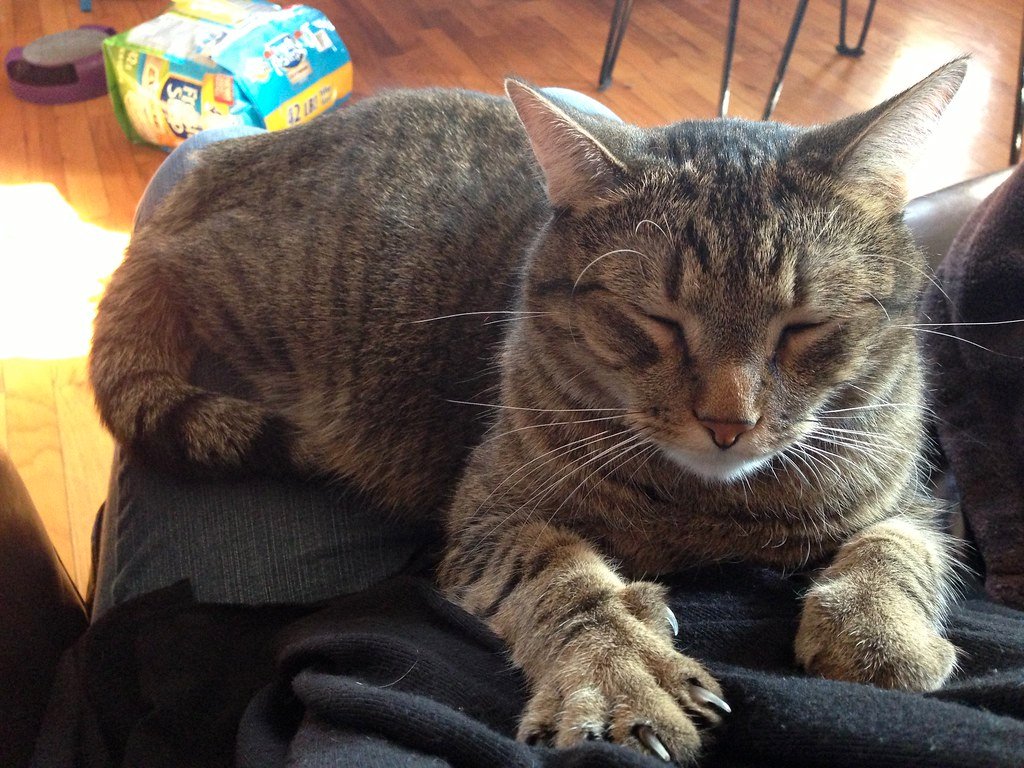
When your cat presses their paws into your lap, chest, or belly in a rhythmic motion, it’s called kneading—and it’s one of the strangest, most endearing things cats do. This behavior starts when cats are kittens, as they knead their mother’s belly to stimulate milk flow. If your adult cat is still kneading you, it’s a sign they associate you with comfort, warmth, and security.
Kneading often comes with purring, drooling, or even a faraway look in their eyes. Some cats get so into it, they look like they’re making biscuits on your favorite sweater. It’s a throwback to their kitten days and means they feel totally at ease with you. So, even if your cat’s claws make it a little uncomfortable, remember: it’s a gesture filled with deep trust.
Slow Blinking at You
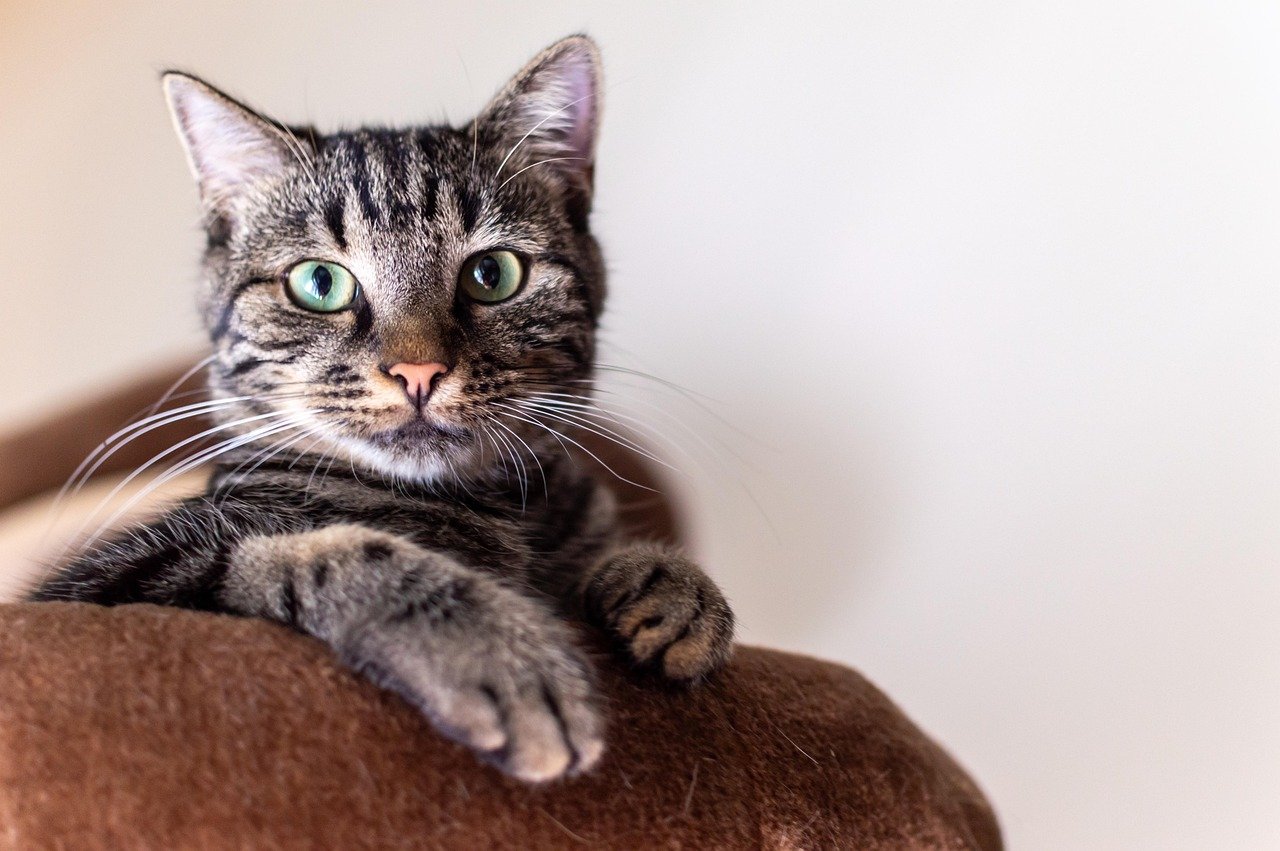
If your cat looks at you and slowly closes their eyes, congratulations—you’ve just received a “kitty kiss.” Slow blinking is a subtle but powerful sign of affection in cats. In the animal world, closing your eyes in someone’s presence means you feel safe and relaxed. Your cat is telling you, “I trust you completely.”
You can even try slow-blinking back at your cat. Many cat owners find that this helps deepen their bond, as their cat will often return the gesture. It’s like a silent conversation between you and your feline friend, full of warmth and mutual respect. The next time you catch your cat slow-blinking, know that you’re witnessing a quiet declaration of love.
Sleeping on Top of You
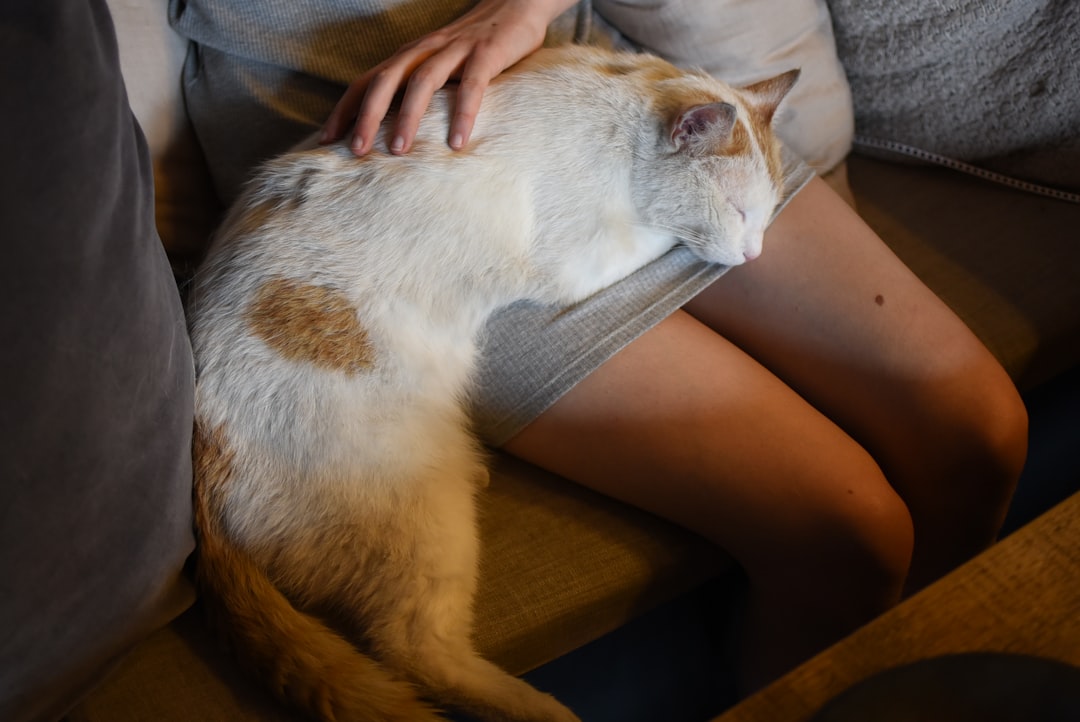
There’s nothing quite like waking up to find your cat sprawled across your chest, purring contentedly. Cats are incredibly vulnerable when they sleep, so choosing to nap on you is a big deal. It means your cat feels safe, secure, and totally at home with you. They’re seeking your warmth and comfort, treating you like their personal cozy bed.
Some cats will even curl up on your head, legs, or back—anywhere they can be as close as possible. This behavior is especially common in multi-cat households, where cats have to choose their favorite human. If you’re the chosen one, it’s a clear sign of deep attachment. So even if it means a few nights of restless sleep, know that your cat’s love is literally all over you.
Chirping, Trilling, or Chatting with You
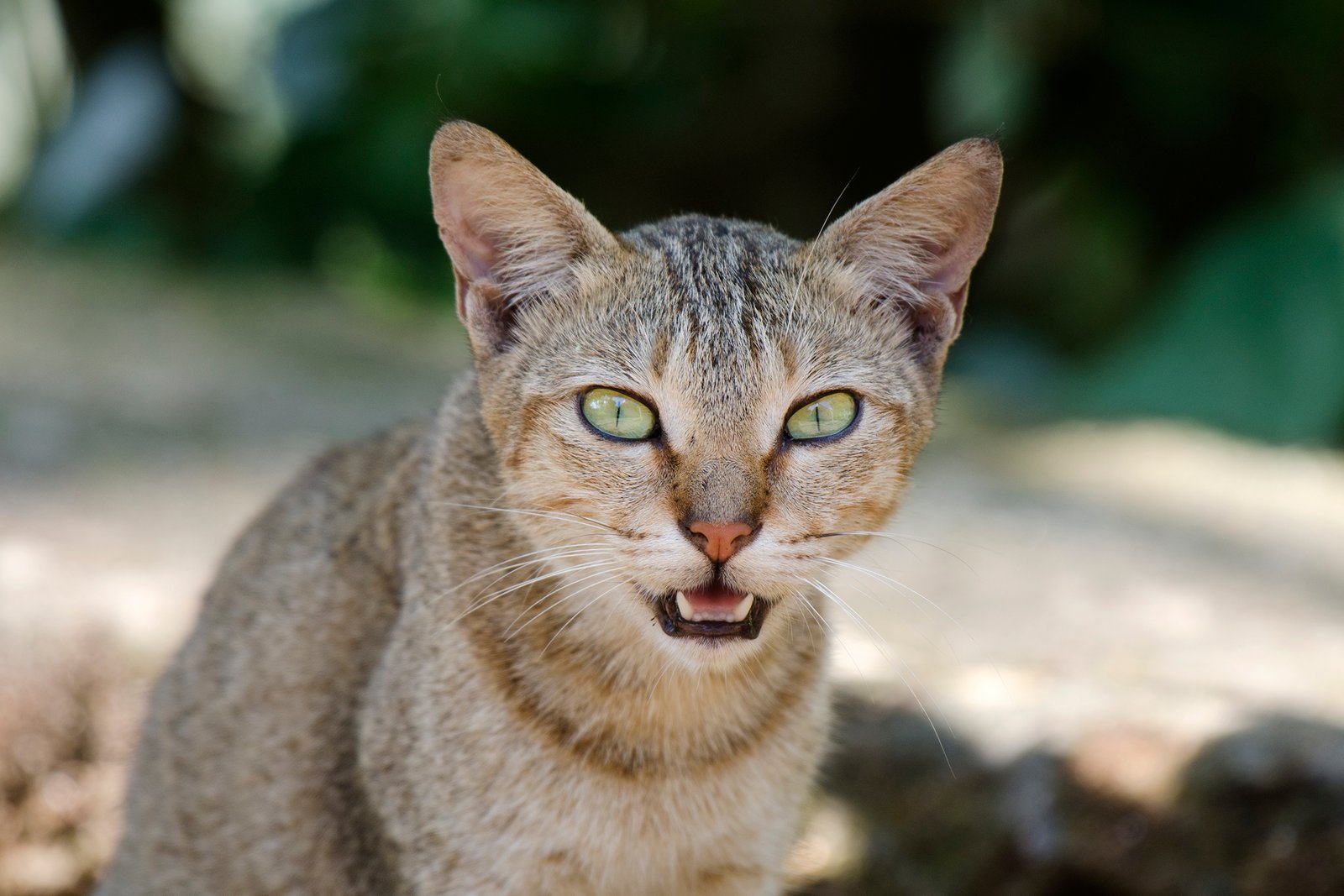
If your cat greets you with a chorus of chirps, trills, or meows, you’re not just hearing random noises. Many cats develop a special “language” just for their favorite humans. Chirping and trilling are sounds mother cats use to communicate with kittens, so when your cat uses these sounds with you, it’s a sign of affection and connection.
Some cats will even “talk” to you throughout the day, sharing their opinions about everything from breakfast to the birds outside the window. It’s their way of keeping the conversation going and making sure you’re in sync. So next time your cat gives you a friendly trill, answer back—you’re part of their inner circle, and they want to hear from you.
Showing Their Belly (and Maybe Letting You Pet It)
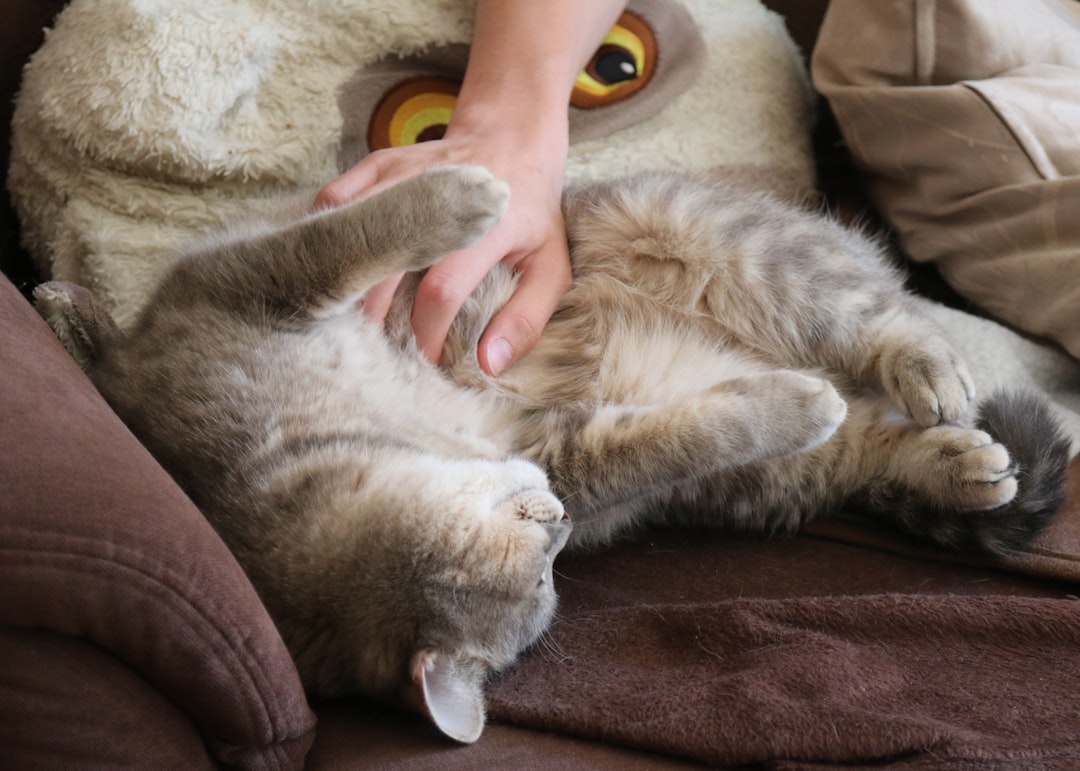
A cat’s belly is one of the most vulnerable parts of their body, so when they flop over and expose it, it’s a huge gesture of trust. Not every cat will let you touch their belly, and some might even playfully swat if you try. But the mere act of showing it means your cat feels completely safe with you.
If your cat actually lets you stroke their belly without protest, consider yourself especially lucky. This is rare, reserved for the people they love most. It’s like your cat is saying, “I trust you not to hurt me.” So, approach with care—but know that this strange, vulnerable pose is a sign of deep attachment.
Grooming You or Your Hair
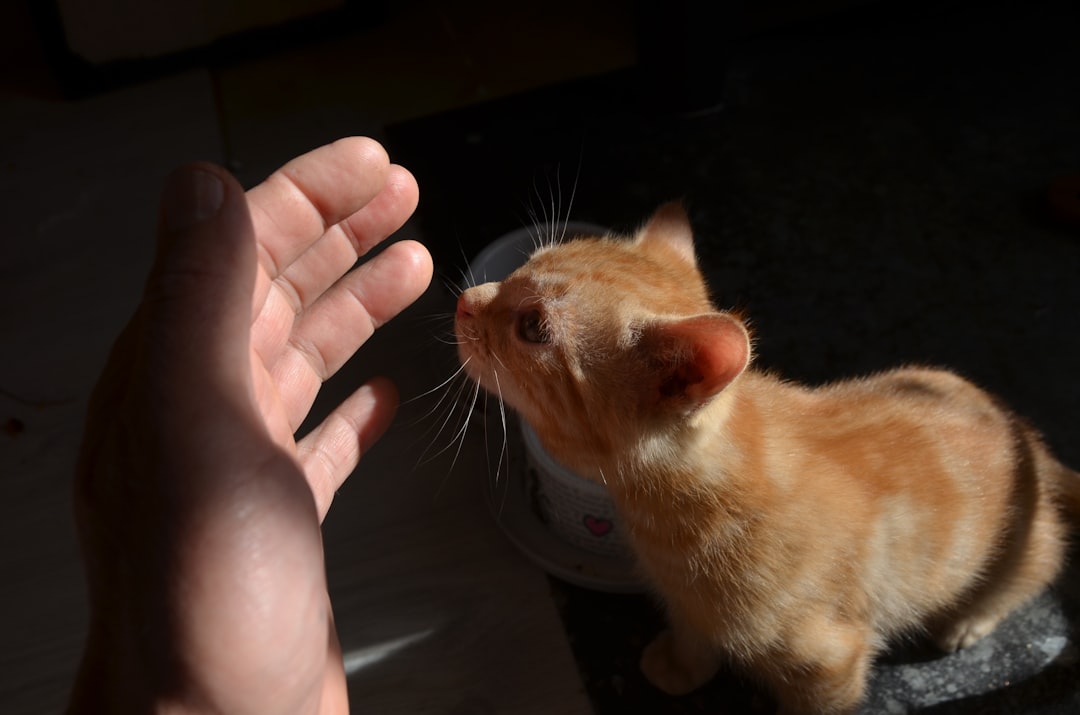
Have you ever caught your cat licking your hand, arm, or even your hair? It might feel a bit weird, but it’s one of the highest compliments a cat can give. In the wild, cats groom each other as a way to strengthen social bonds—a behavior called allogrooming. When your cat grooms you, they’re treating you like a cherished member of their family.
Some cats even nibble or “comb” through your hair with their teeth, which can be both flattering and hilarious. It’s their way of making sure you’re clean and cared for—just like they’d do for a fellow feline friend. So next time your cat gives you a sandpaper-tongue bath, remember: you’re in their inner circle.
Tail Twining and Tail Quivers
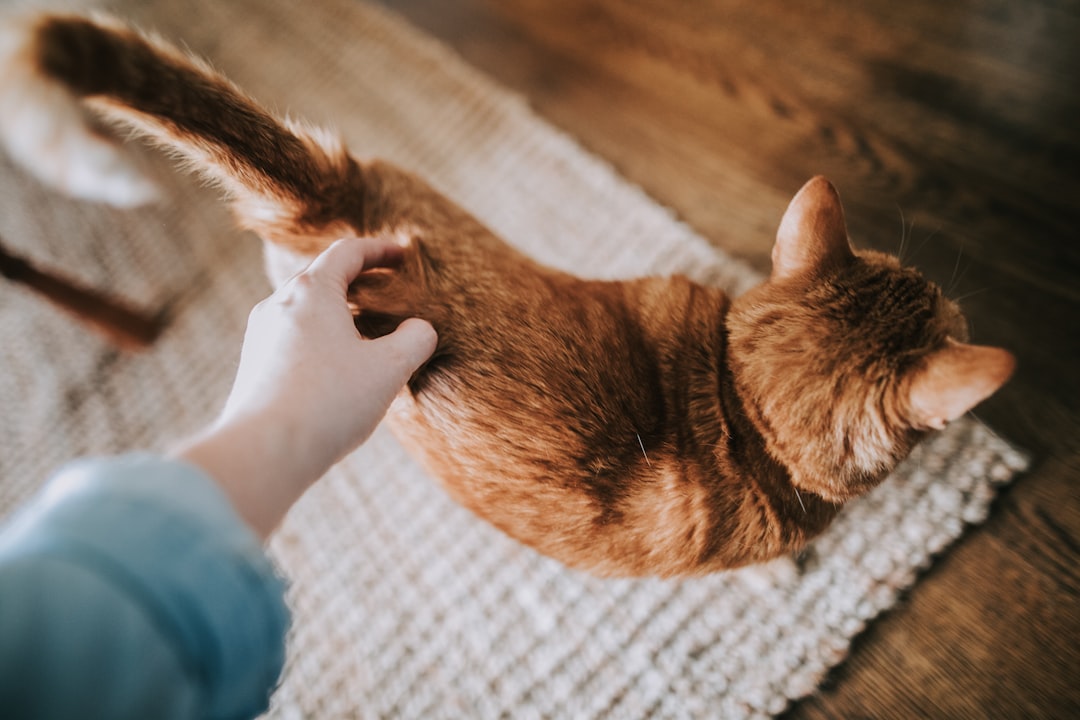
A cat’s tail is like a mood ring, and how they use it around you says a lot about their feelings. If your cat wraps their tail around your arm, leg, or even another pet, it’s a sign of closeness and affection. In cat language, this is a friendly gesture, almost like holding hands.
You might also notice your cat’s tail quivering or vibrating when they greet you. This odd little shake means they’re excited and happy to see you, almost like a dog wagging its tail. When your cat gives you the tail wrap or quiver, you can be sure they’re completely attached and delighted to be near you.
Scratching or Rubbing on Your Belongings
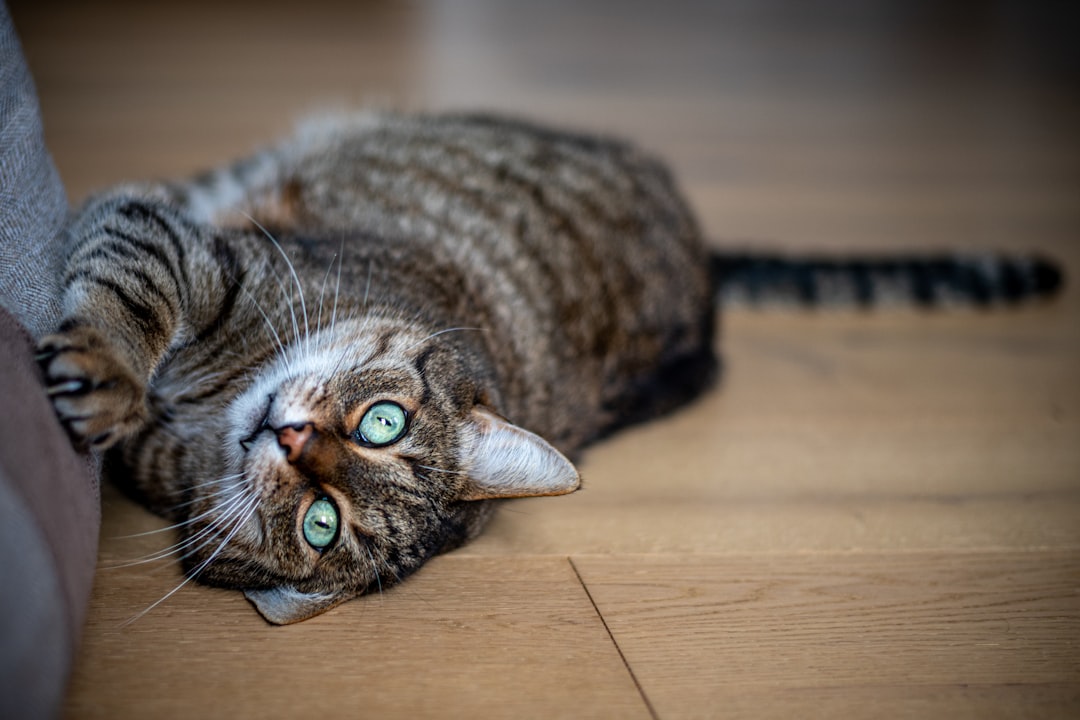
It might seem annoying when your cat scratches your favorite chair or rubs their face all over your shoes, but there’s a hidden message behind this behavior. Cats have scent glands in their paws and cheeks, and by marking your belongings, they’re mingling their scent with yours. This is their way of building a shared “family smell,” which is incredibly important in the feline social world.
So, while you might not love the scratch marks, try to appreciate the sentiment. Your cat is claiming you and your space as their own, making it clear to any other animals that you belong together. It’s a strange, territorial kind of love that only a cat can give.
Waiting for You at the Door
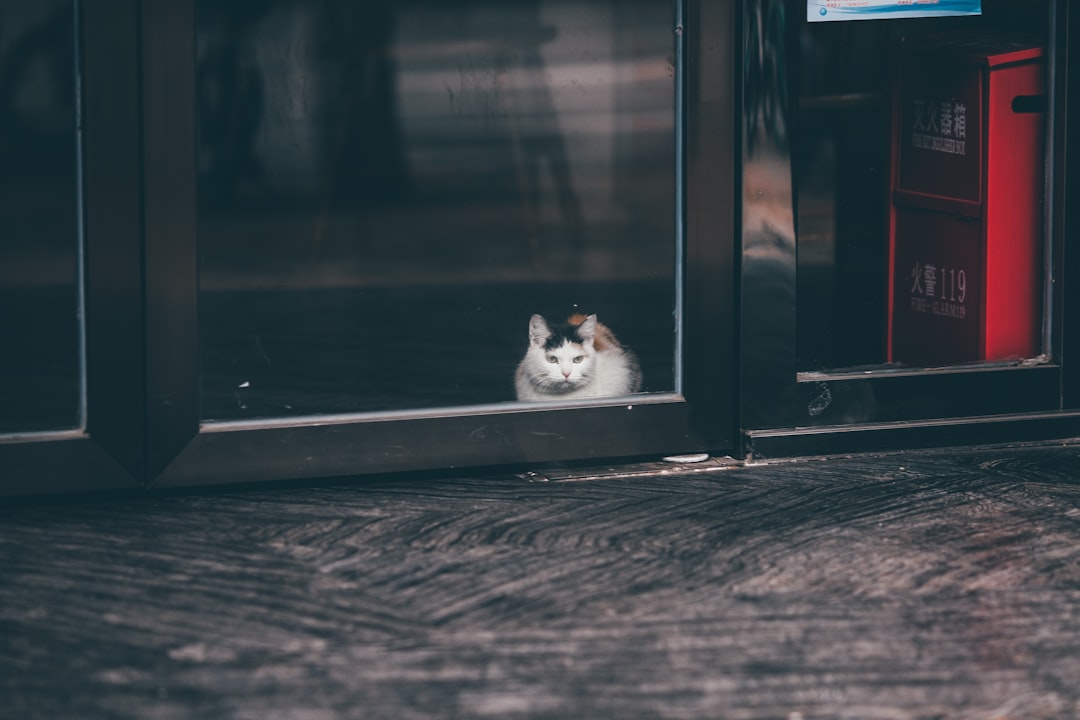
Few things are more heart-melting than coming home to find your cat sitting by the door, waiting for you. While dogs are famous for this, many cats do it too—especially those who are deeply bonded with their humans. Your cat’s internal clock is sharp, and they often learn your routine, anticipating your return.
This welcoming ritual is a sign that your cat misses you and is eager for your company. Some cats will even meow or purr the moment you walk in, making it clear you were missed. It’s their way of saying, “Welcome back. My day wasn’t quite right without you.” If your cat greets you at the door, you can be sure you’ve got a seriously attached friend on your hands.
So, the next time your cat brings you a weird “gift” or insists on sitting on your laptop, just know—it’s love in disguise. Cats may be subtle (and a little odd) with their affection, but their loyalty runs deep. These quirky habits are their special way of saying, “You’re my person.” And honestly, that kind of devotion makes all the strange little behaviors totally worth it.


