
Your dog watches you more closely than you realize. Every tone of your voice, every shift in your mood, every small moment of your day together is being registered and processed by a creature wired for connection. It is genuinely one of the most remarkable things about dogs: they have spent thousands of years learning to read us, and yet so many of us are still guessing at what truly makes them feel safe and cherished.
Here is the thing – loving your dog well is not just about belly rubs and treats, though those certainly help. It goes much deeper than that. Some of the most powerful things you can do for your dog are quiet, invisible, and surprisingly easy. Ready to discover what really makes your dog feel loved from the inside out? Let’s dive in.
1. A Predictable Daily Routine That They Can Count On

Love, for dogs, is less about intensity and more about consistency. Dogs evolved to pay close attention to patterns, and inconsistent schedules or unpredictable reactions can create low-level stress, even in well-adjusted dogs. Think of it like this: imagine showing up to work and never knowing when your lunch break would be, or whether anyone would even tell you. That low-grade anxiety would wear you down fast.
Dogs thrive on routine. Predictable mealtimes, walks, play, and rest help your dog feel safe and secure, especially if they’re new to your home. When your pup feels safe and like they can count on you to follow through with their routine, it’s easier for them to trust you.
A consistent schedule also reduces anxiety and can make it easier to train your dog, including potty training. So even small rituals, like a morning walk at the same time or an evening cuddle session, add up to something huge in your dog’s emotional world.
2. Gentle, Intentional Physical Touch on Their Terms

Not every dog likes to be grabbed and smothered, even if their humans mean well. Honestly, some dogs tolerate hugs rather than enjoy them, and learning that difference is a game-changer. Affection that feels safe to humans doesn’t always translate the same way to dogs. Dogs are highly sensitive to pressure, proximity, and restraint, which means that well-intended affection can sometimes feel overwhelming. Understanding how dogs experience love through touch means observing their body language closely.
Regular brushing, gentle petting, or massage not only keeps your dog healthy, but it also reinforces your bond. Touch builds trust and comfort, especially when it’s paired with positive experiences. Take time to learn how your dog likes to be handled. Some love belly rubs, while others prefer ear scratches or just being near you.
When dogs are allowed to initiate or disengage from touch freely, they learn that their boundaries will be respected. This builds confidence and deepens trust, both essential components of emotional safety and love in a dog’s world.
3. The Power of a Calm, Steady Presence
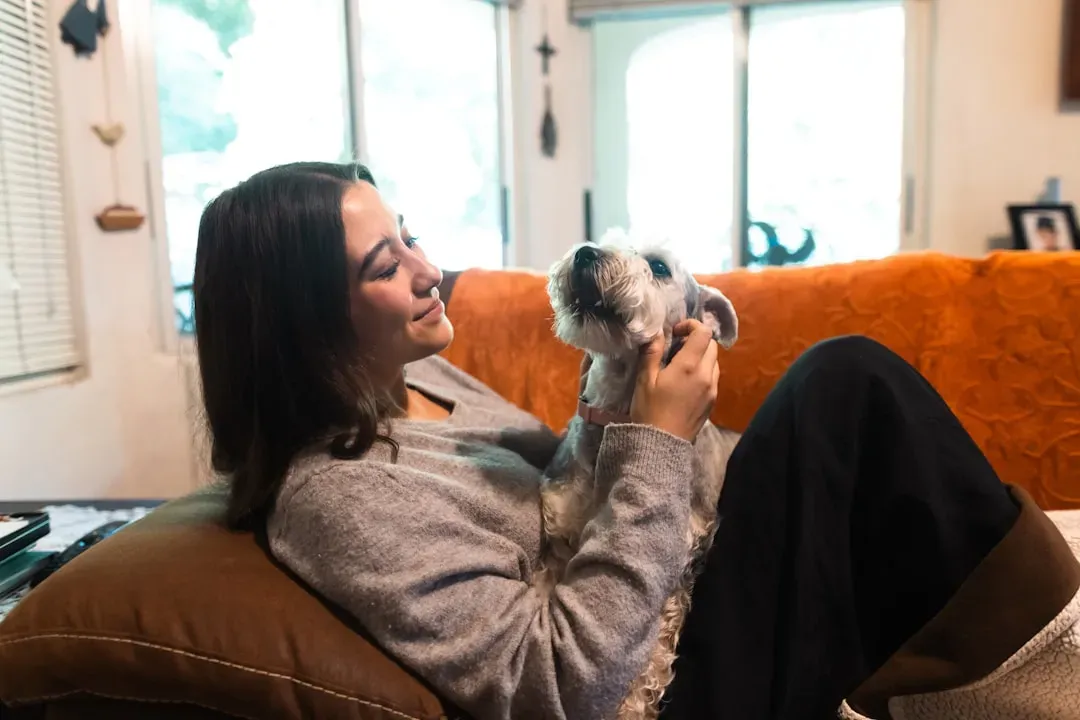
You do not always need to be doing something to make your dog feel loved. Sometimes just being there, quietly and calmly, is everything. Dogs experience love in a way that’s deeply tied to their nervous system. While humans often associate love with emotional expression, dogs associate it with regulation, the feeling that nothing bad is about to happen. This is why understanding how dogs experience love requires paying attention to what helps them relax, not what excites them.
Physical contact with you helps dogs feel grounded and calm. Your presence regulates their nervous system, even if you’re not actively petting them. That is genuinely profound when you think about it. Your calm energy is medicine for your dog.
4. Positive Reinforcement Training That Builds Confidence
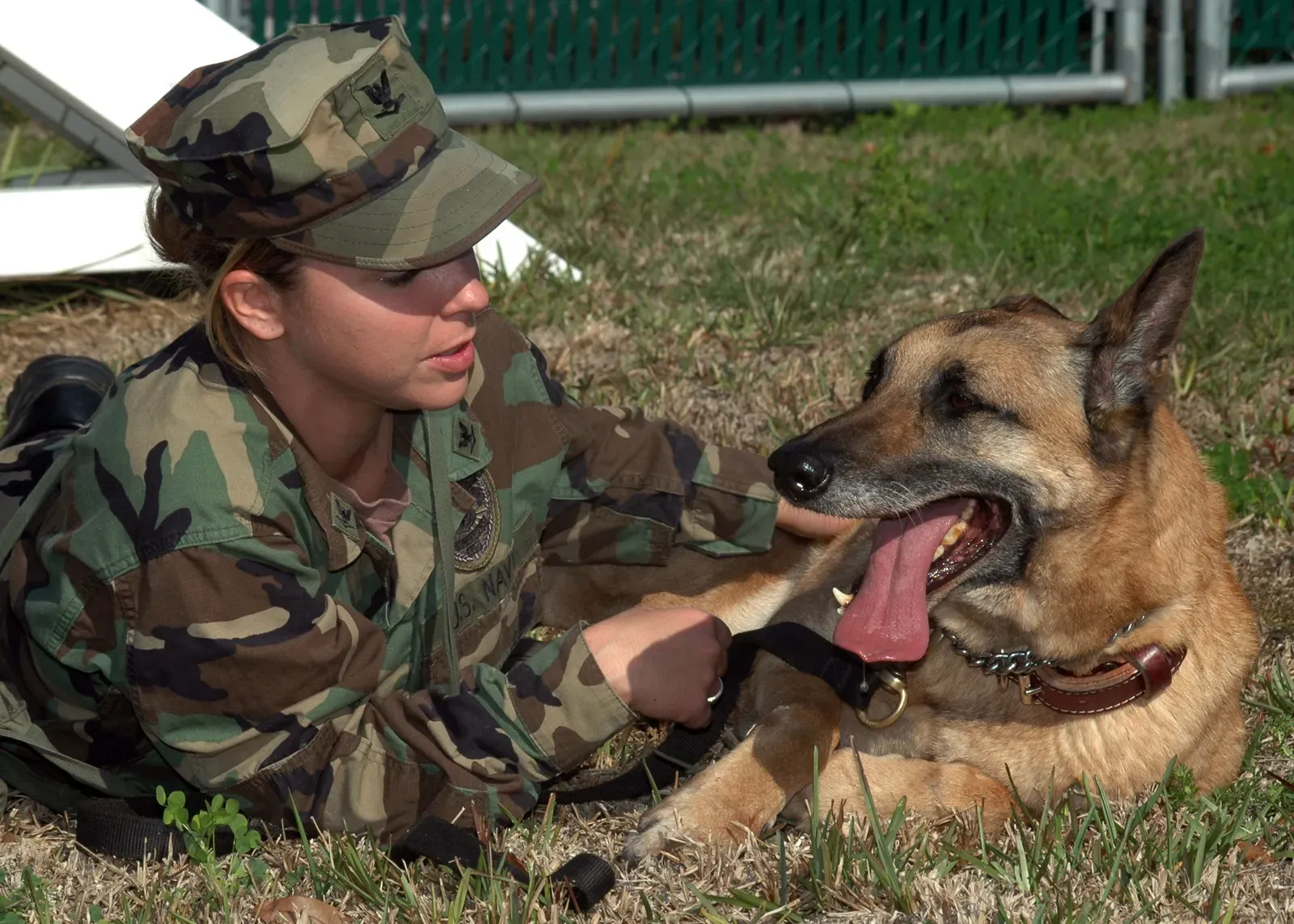
Training is not just about good manners. It is an act of love that gives your dog a language to communicate with you. Training your dog using positive reinforcement is not only effective, but it’s also a relationship builder. Rewarding good behavior with treats, praise, or playtime reinforces your bond and creates a safe space for learning. Avoid punishment-based methods, which can damage trust and create confusion or fear.
Punishment by no means makes a dog feel safer. It should really be avoided. We want pups to love and trust their pet parents, and punishment creates an opposing outlook for your pet. A dog who understands what is expected of them is a dog who feels genuinely secure. Clarity is kindness.
5. Letting Them Sniff on Walks Without Rushing

Here is something that surprises a lot of dog owners: a walk is not just exercise for your dog. It is a full sensory experience, practically their version of checking email and reading the news all at once. Dogs rely heavily on their senses, especially scent, to interpret their environment. Sniffing allows dogs to gather information, regulate emotions, and mentally decompress.
Regular walks provide mental stimulation, exercise, and an opportunity for bonding. Extra-long walks, or more frequent outings, indicate your commitment to their well-being, which reinforces the idea that you care about their physical and mental health. Let your dog linger on that interesting patch of grass. That unhurried moment of exploration tells them, in dog language, that they are safe and free.
6. Respectful Eye Contact That Builds a Bond

A soft, loving gaze between you and your dog is so much more than a sweet moment. There is actual science behind it. A compelling study from the University of Japan found that when dogs and their owners stared into each other’s eyes during a 30-minute period, both of their oxytocin levels increased. Oxytocin is also known as the love hormone and the cuddle hormone. It helps mothers bond with their babies, and it spikes when we’re around someone we love and trust. Lead scientist Takefumi Kikusui believes that this result could mean that the dogs were trying to form bonds with their owners.
However, context matters. Hard stares can be threatening in dog speak, so use gazing in moderation and only with pups you’ve established a positive relationship with. A soft, relaxed gaze with a slightly blinking expression signals warmth. Think of it as blowing a kiss, only in dog.
7. Giving Them a Safe, Cozy Space They Can Call Their Own

Every dog needs a place they can retreat to and fully exhale. A dedicated safe space is not a luxury; it is a genuine emotional need. Included in a dog’s space should be a safe and secure crate, a comfortable dog bed, and effective ventilation and temperature control. Think of it as their personal sanctuary, the canine equivalent of closing your bedroom door after a long day.
A well-arranged environment caters to their physical and emotional needs, making them feel secure and cared for. The comfort of knowing they have a personal space can significantly impact their overall happiness and reduce stress. A comfortable bed is essential and can significantly enhance your pet’s quality of life. Orthopedic beds are suitable for a variety of dogs, particularly older and larger breeds.
8. Reading and Responding to Their Body Language
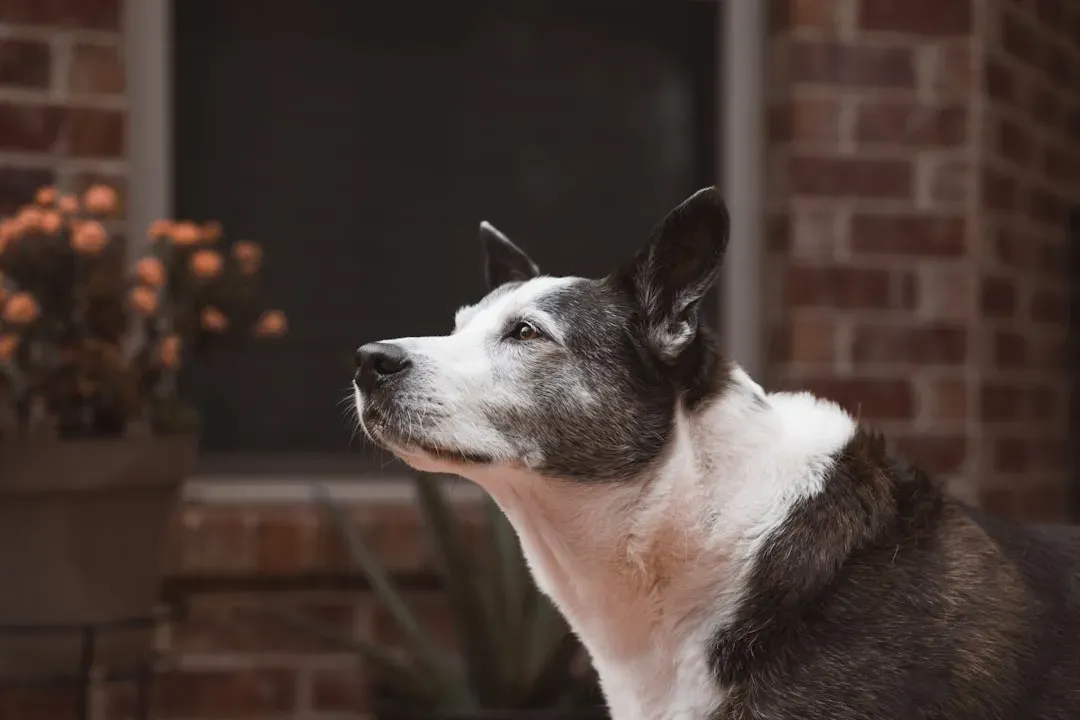
Understanding your dog’s body language is one of the most powerful ways to strengthen your bond. Dogs communicate how they feel through their posture, tail movements, ears, eyes, and overall behavior. A dog who feels heard, even without words, is a dog who feels deeply loved. It is like the difference between someone who talks at you and someone who actually listens.
Signs your dog is feeling relaxed include a relaxed face, loose lips perhaps with the tongue hanging out, a natural-looking tail position with loose flowing movement, and a smooth gait with bouncy steps. In contrast, a dog who’s feeling uncomfortable might appear tense, with pricked-up or pinned-back ears and wide eyes. They might engage in displacement behaviors like licking their lips or yawning, or their tail might be tucked or wagging high and rigid.
9. Verbal Praise and the Sound of Your Voice
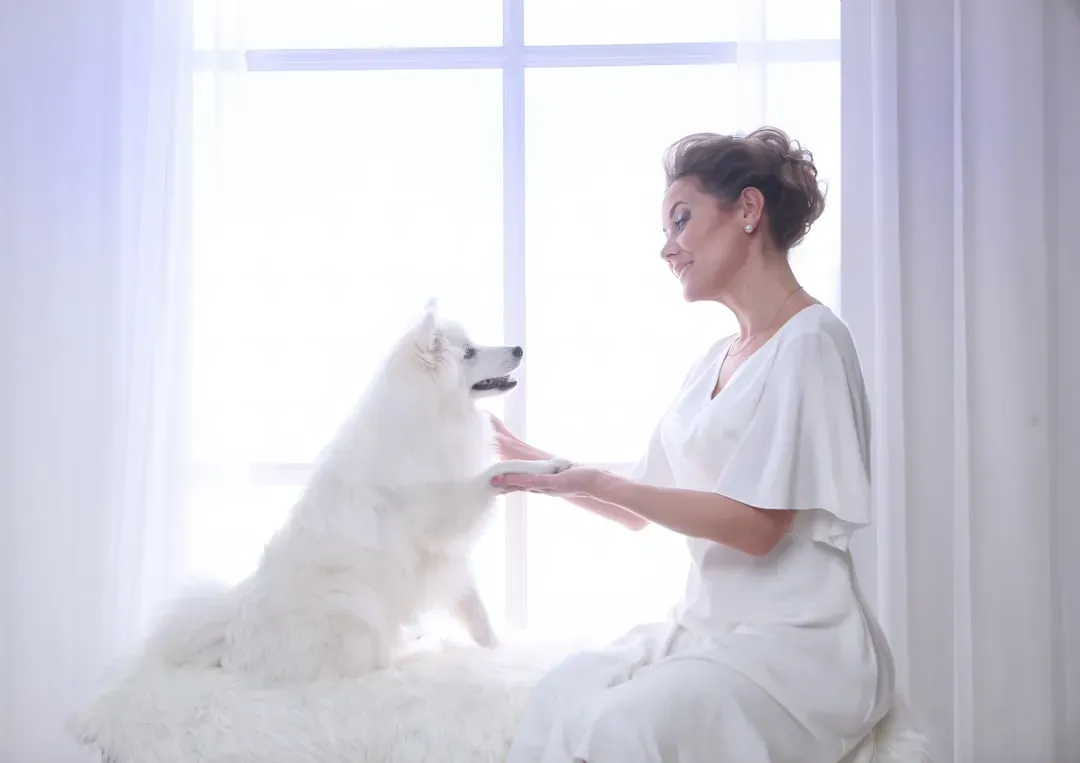
Your voice is a comfort tool you carry with you everywhere, and you might be underusing it. Acts of love are important, but don’t underestimate the power of telling your dog you love them, especially in a sing-song, cheerful tone. Research found that when given the choice of food or verbal praise from their beloved human, nearly every dog in a study opted for praise. Yes, you read that right. Praise over treats for most dogs.
While dogs may not understand every word we say, they can pick up on our tone and body language. Speaking to your dog in a loving and calm voice and using consistent signals for commands fosters a sense of security and understanding between you and your pet. So talk to them. Narrate your day. Sing off-key. They truly love the sound of you.
10. Letting Them Sleep Close to You
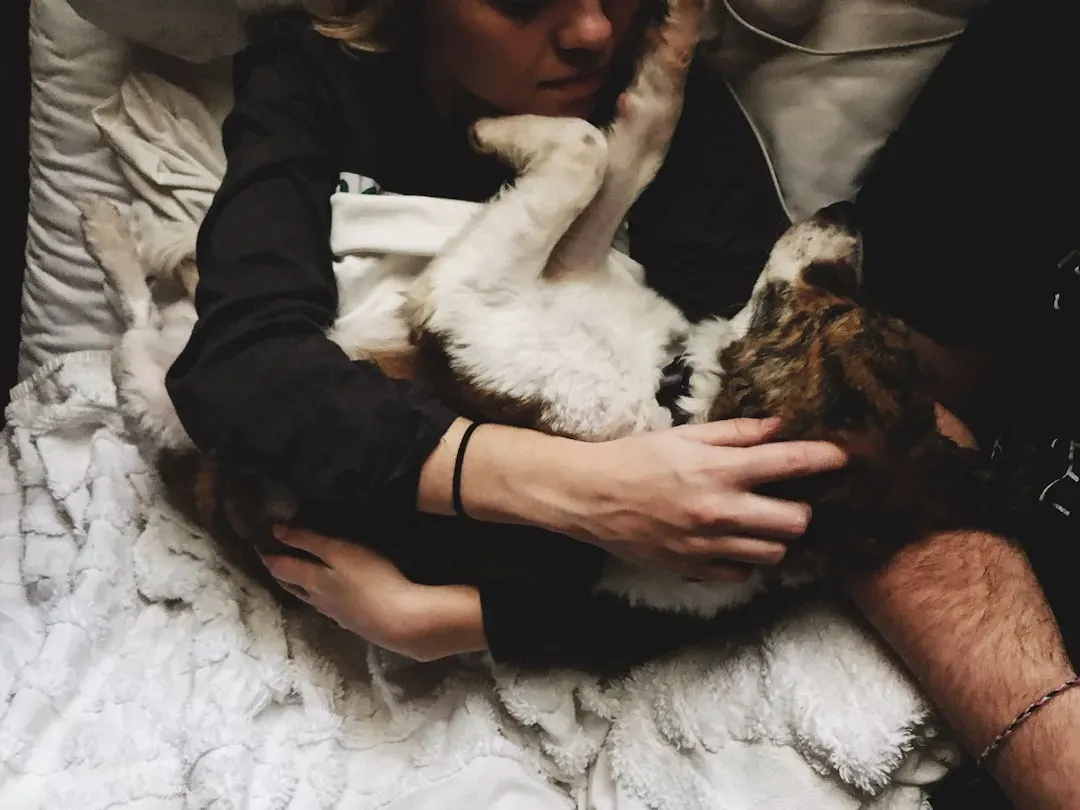
Dogs are inherently alert to threats in their environment and lie in a defensive position when sleeping in the wild. They place their noses to the wind to pick up threatening scents and their backs to other pack members to form a protective circle. When they snuggle with you on the couch, it is a sign they feel safe and consider you part of their pack. You are part of their inner family circle.
Sleep is a vulnerable time for any animal, but your dog doesn’t feel that way when curled up next to you. Studies indicate that dogs who have a secure relationship with their humans sleep better when they’re close. So next time your dog takes up half the bed, remember it’s not just about the warmth, it’s about the deep sense of security they feel nestled up with you.
11. Socialization and Enriching Their World
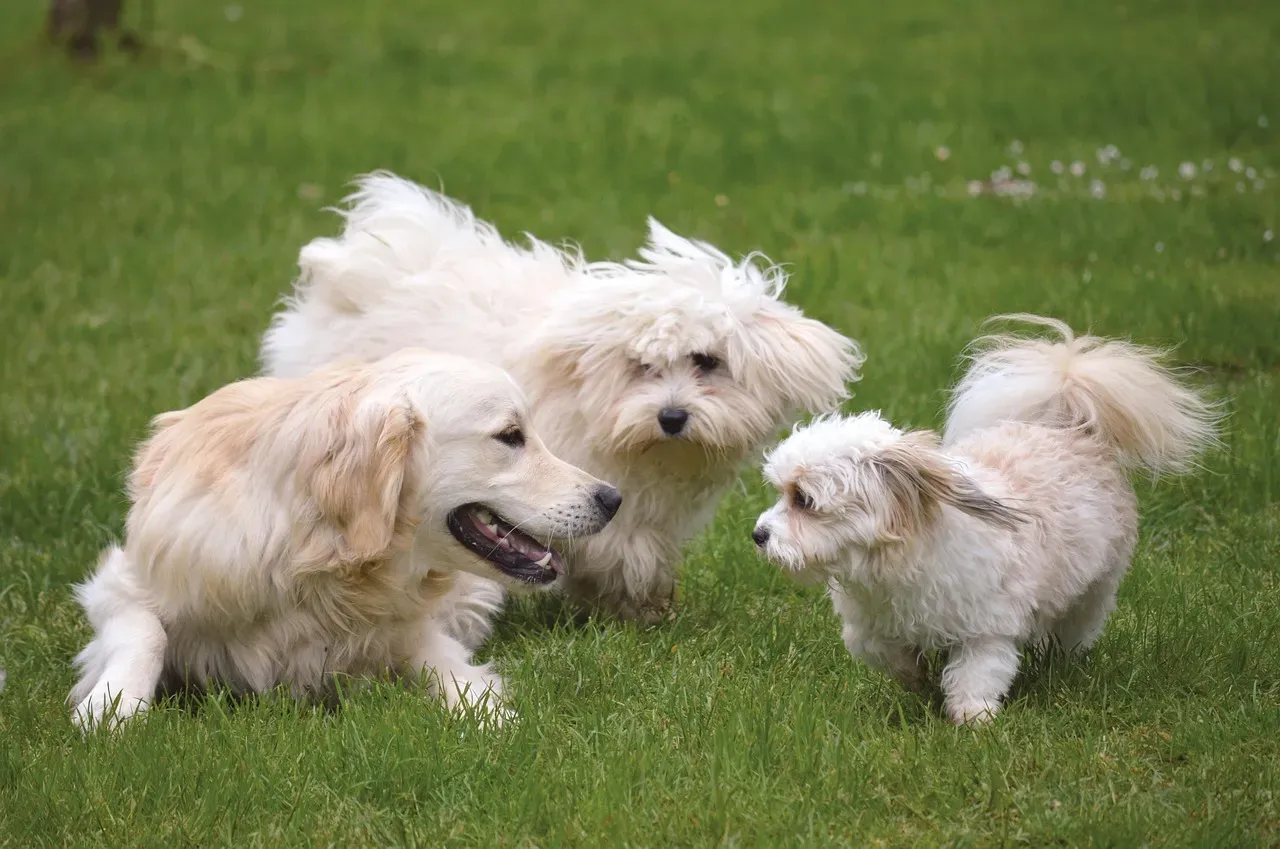
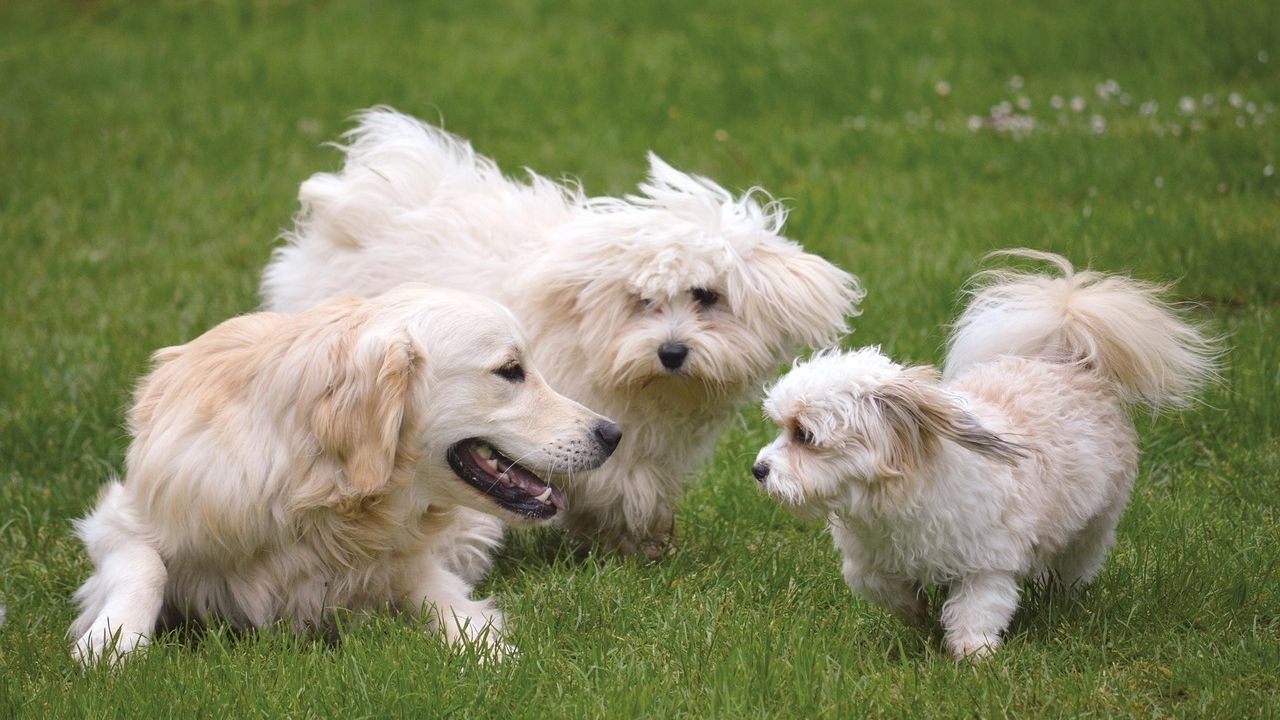
A loved dog is not an isolated dog. Helping your dog engage with the world around them, safely and positively, is one of the deepest forms of care you can offer. Even if your dog is a bit older, you should still socialize them. Create a confident canine by taking them for long walks during the day, or to a local dog park to meet other dogs. Let them sniff, wag, and play. Use positive reinforcement during the socialization process so that your pet learns that meeting new friends is an exciting thing.
Allowing your dog to socialize with other dogs helps them develop social skills and makes them feel part of a community, enhancing their happiness and well-being. Interaction with other dogs can improve their behavior, reduce anxiety, and contribute to a more balanced temperament. Think of socialization as giving your dog a richer, fuller emotional life. It is a gift.
12. Respecting Their Boundaries Without Taking It Personally
This one is harder for us humans than we like to admit. We want to hug and squeeze our dogs constantly, and sometimes they just are not in the mood. Respecting that is not rejection. It is love. When it comes to cultivating a strong bond with our pets, respecting them is one of the most important things we can do. One study suggests that mutual respect in dog-human relationships fosters trust, a sense of security, and even increased dependency within the relationship. Recognizing and respecting our dog’s boundaries brings many pet parents the fulfilling realization that they are genuinely meant to be their dog’s caretaker.
Pay attention to your dog’s body language and respect their boundaries. If they seem uncomfortable or anxious, give them space and allow them to approach you on their own terms. Trust and mutual respect are essential components of a loving relationship with your dog. When your dog chooses to come to you freely, that moment means everything. Let them choose you, every single day.
Conclusion: Love Is in the Little Things
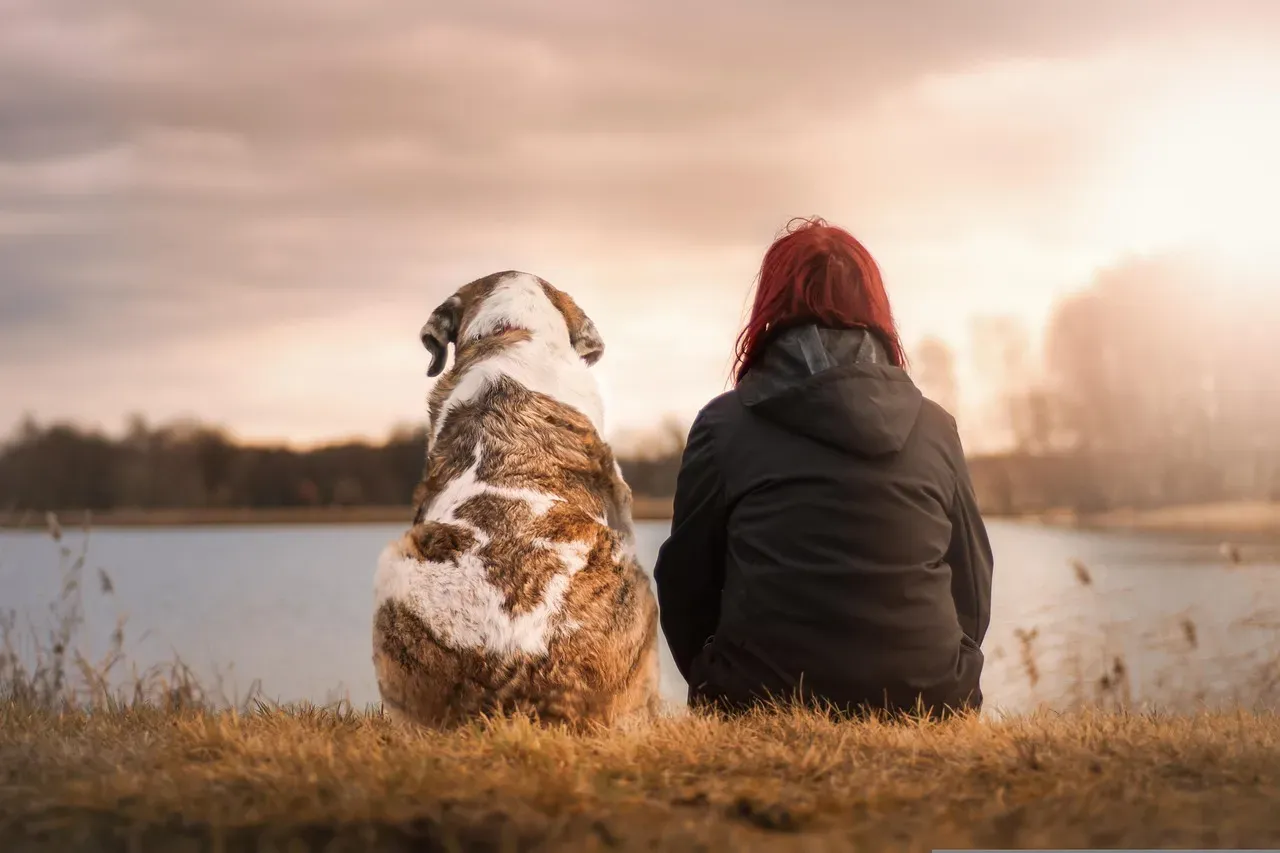
What all of this comes down to is beautifully simple. When dogs feel emotionally safe, their bodies soften, their breathing slows, and their behavior becomes more settled. These physiological shifts are often subtle, but they are the clearest indicators that a dog feels secure in a relationship. That softening, that exhale, that trusting flop onto the floor beside you. That is your reward.
You do not need to be a perfect dog owner. You just need to be a consistent, caring, and observant one. The smallest gestures, a calm voice, a predictable routine, a safe corner of the couch, speak volumes to your dog every single day. The bond between you and your dog is built on trust, communication, and love. By understanding their language, training with kindness, and showing up every day as their advocate and friend, you’ll create a connection that lasts a lifetime.
Your dog already thinks the world of you. The question is, which of these 12 things will you start doing more of today? Share your thoughts in the comments – we’d love to hear how you show your pup they’re truly loved.


