

You know that moment when your dog suddenly freezes, tucks their tail, and looks at you with wide, pleading eyes over something that seems completely harmless to you? Maybe it was a plastic bag skidding across the pavement. Maybe it was the hiss of a coffee machine. Or perhaps it was your neighbor wearing a floppy hat. You stood there confused, wondering what on earth just happened.
Here’s the thing: dogs experience the world very differently from us. While fear is very individualized, there are some common triggers that many dogs react to. The tricky part is that many of those triggers are completely invisible to us, hidden in plain sight within our everyday lives. One study found that nearly three out of four dogs have at least one form of canine anxiety, which means chances are your dog is quietly dealing with something you haven’t fully noticed yet. Let’s dive into 12 surprising fear triggers, and more importantly, how you can help your pup feel genuinely safe.
1. Thunderstorms: More Than Just a Loud Noise
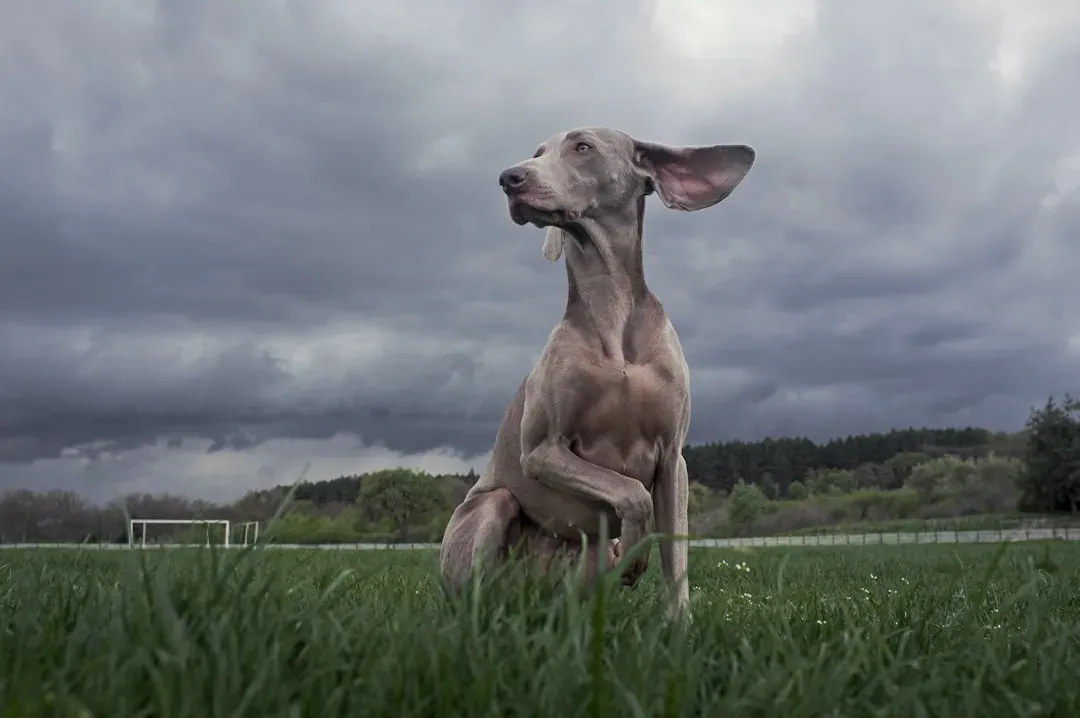
Most dog parents know their pups don’t love thunder. But what surprises people is just how complex that fear really is. It’s not just the loud booms that are terrifying. Thunderstorms bring changes in the air, like drops in barometric pressure, which can significantly affect your pup’s behavior. They’re also accompanied by changes in smells and sights, all of which can induce fear once your dog associates these changes with thunder.
So your dog might start panicking before you even hear a single rumble. That’s not drama, that’s their senses working overtime. Setting up a safe space for your dog to retreat to during storms is one of the most effective strategies. It can be a crate, a bathroom, a closet, or another interior room without windows. Think of it as their personal storm shelter, cozy and familiar.
2. The Vacuum Cleaner: The Monster That Lives in the Closet
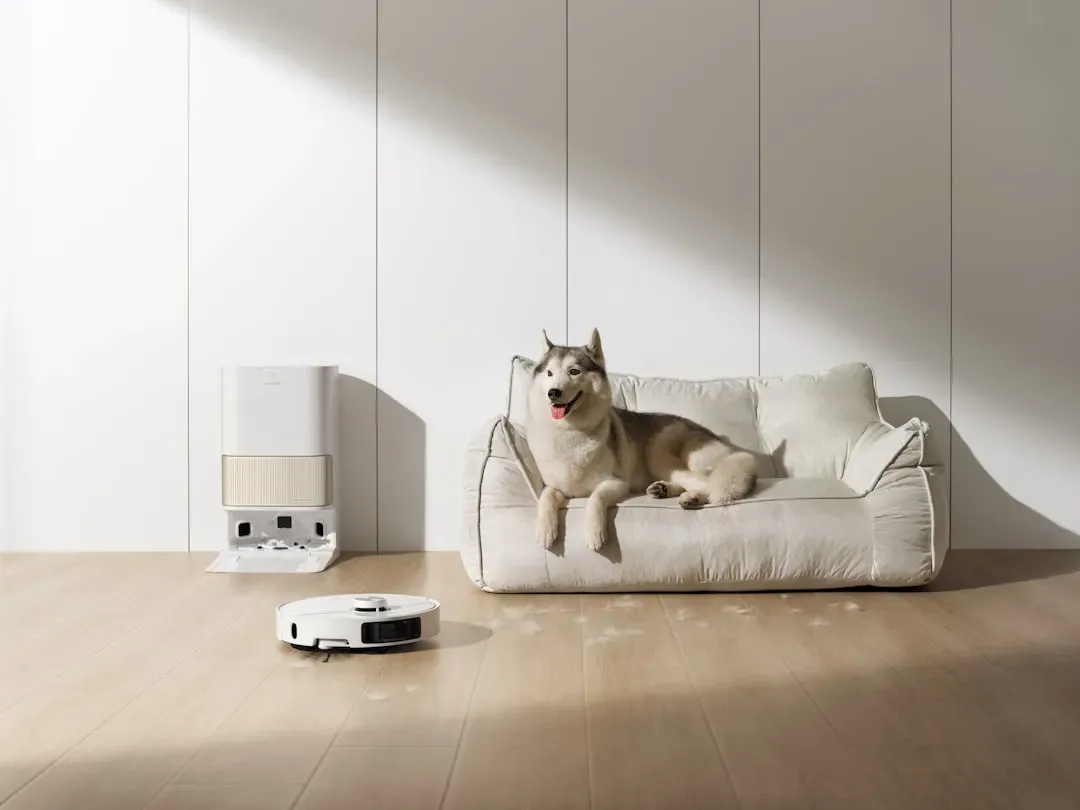
Anyone who has tried cleaning their home with a canine bystander knows how many pups view vacuum cleaners. Whether it’s the unfamiliarity or volume of the noise, dogs view them as a sign of the end times. It’s honestly a little hilarious, until you realize your dog is genuinely terrified.
Fearful behavior around these household tools is common, and many dogs develop fear responses based on how sudden or loud these items are. Pet owners often notice their pup barking or avoiding the room when appliances come out. Try leaving the vacuum in the middle of the room without turning it on, letting your dog sniff it freely. Then reward calm behavior near it. Small steps, real progress.
3. Strangers and Unfamiliar People
Considering their upbringing is important here. Some dogs are fearful of unfamiliar people, whether due to lack of socialization, negative past experiences, or natural wariness. They might be scared of people of a specific race or people wearing a certain type of clothing. Exploring the potential causes of their fear of strangers can help you better address and overcome it.
The best thing you can do is let your dog call the shots. Allow your dog time to get used to people. Instruct others to ignore your dog and let your dog decide whether they want to approach someone. Dogs that adjust on their own are more likely to approach people safely. Never force a greeting. Respecting your dog’s pace builds deeper trust than any shortcut ever will.
4. Hats, Umbrellas, and Costumes

This one catches people completely off guard. Your dog has known your neighbor for years, then one rainy day they step outside with an umbrella and suddenly your pup loses it. A dog’s fear can kick in fast when a person looks totally different. People wearing hats or holding umbrellas can confuse a pup’s view of body language. Add costumes into the mix and now your dog might see a stranger instead of their favorite person.
It makes perfect sense when you think about it. Dogs read body shape and silhouette constantly. Anything that dramatically changes how a person looks can feel threatening. Slowly introducing these changes with treats to build positive associations is key to reducing fearful behavior. Try putting on a hat at home during treat time and let your dog connect the new look with something wonderful.
5. Slippery Floors: When the Ground Feels Unsafe
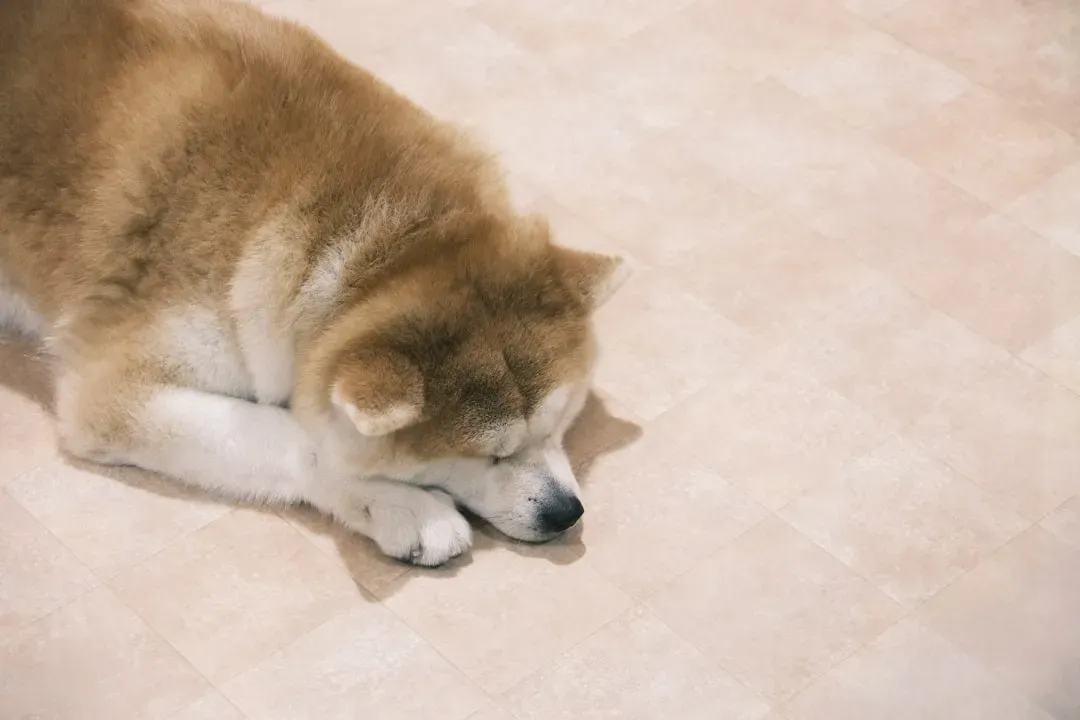
Ever watched a dog refuse to walk across a polished hardwood floor or suddenly go stiff at a tile entrance? It’s not stubbornness. Many dogs have a natural fear of falling, which is rooted in their instinct for self-preservation. Because of this, dogs often behave differently on surfaces where they feel they might slip and fall. Their paws lack the traction to confidently walk or run on these surfaces, which can make them anxious and fearful.
This fear is especially relevant at the vet’s office. If your dog seems uneasy during checkups, consider holding them during appointments. It could very well be that they’re uneasy standing on the cold metal table. At home, non-slip rugs placed along key pathways can work wonders. It’s a small investment that makes a massive difference in your dog’s daily confidence.
6. Being Left Alone: Separation Anxiety Is Real
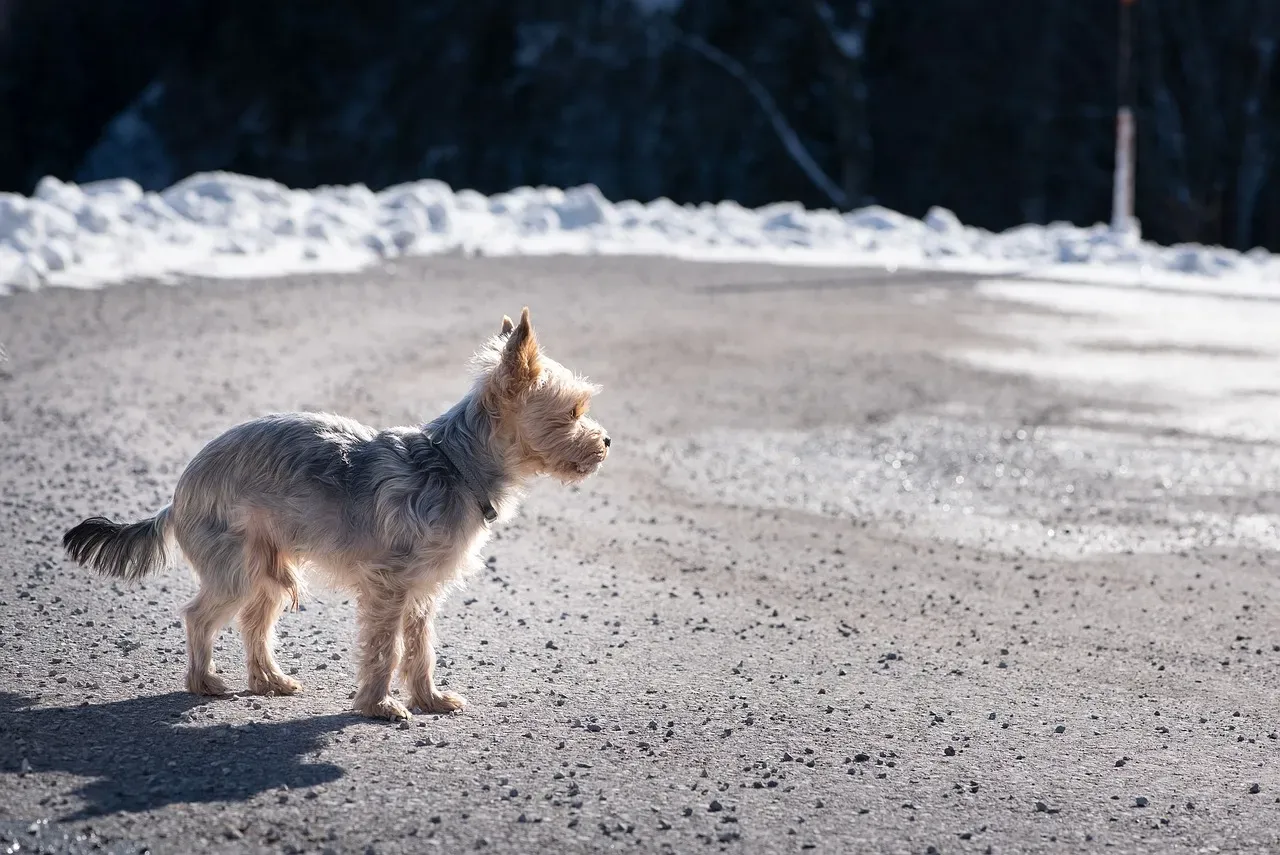
Separation anxiety is one of the most emotionally loaded fear responses dogs can experience. Dogs with separation anxiety feel genuinely upset when their favorite person leaves. This fear leads to pacing, barking, or chewing furniture. A scared dog may also try to escape or follow you everywhere. If you’ve come home to a destroyed couch, this probably sounds familiar.
Try creating some artificial separation even when you are home by closing a door or creating a safe space where your dog can be alone for a bit. Make sure to provide your dog with something to do in your absence, like treat-stuffed toys or puzzles to keep them occupied. Gradual practice builds tolerance over time, and that consistency is genuinely lifesaving for anxious dogs.
7. Fireworks: A Yearly Nightmare
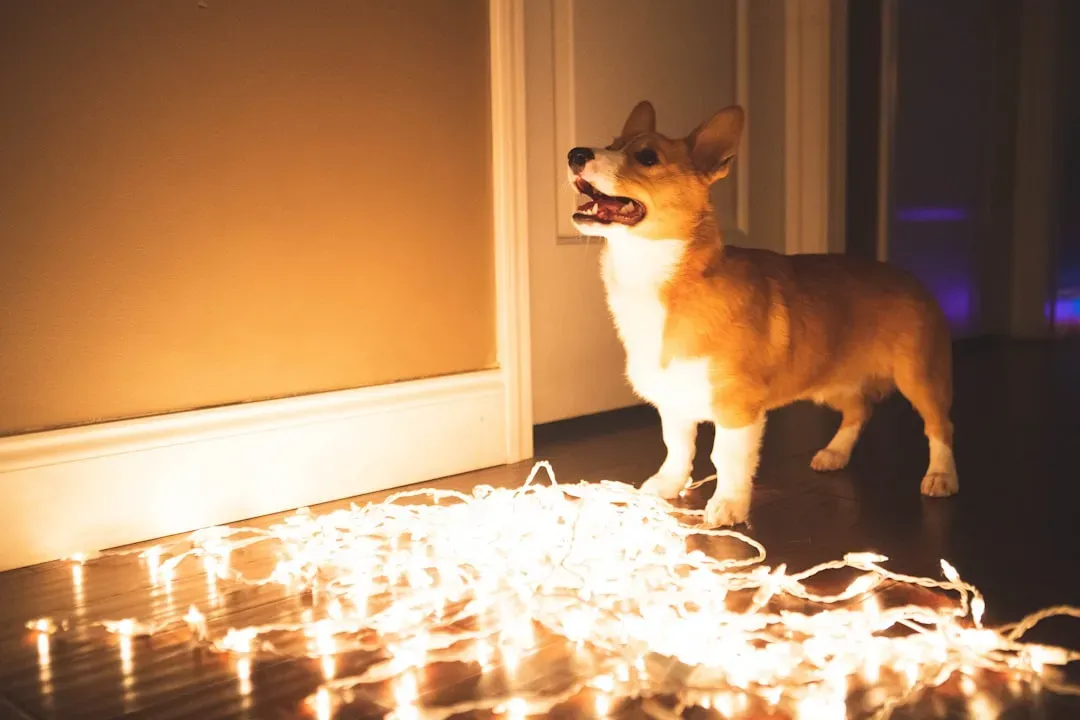
Celebrations are joyful for humans. For dogs? Fireworks season is often a traumatic experience. Thunder, fireworks, smoke alarms, and even a microwave beep can trigger fear in dogs. Loud noises often confuse and upset them. Fearful dogs might shake, bark, or hide under the bed. These sudden sounds often link to negative associations that leave pups jumpy and scared.
The good news is that the fear can be reduced with consistent work. Counter conditioning means training an animal to display a behavior different from its current reaction to a stimulus. Desensitization is the process of exposing the animal to a stimulus beginning at a very low intensity. These two methods need to be used together to be effective. Start playing soft recordings of fireworks months before the season begins, pairing each sound with praise and treats.
8. The Vet’s Office: A Perfect Storm of Stressors
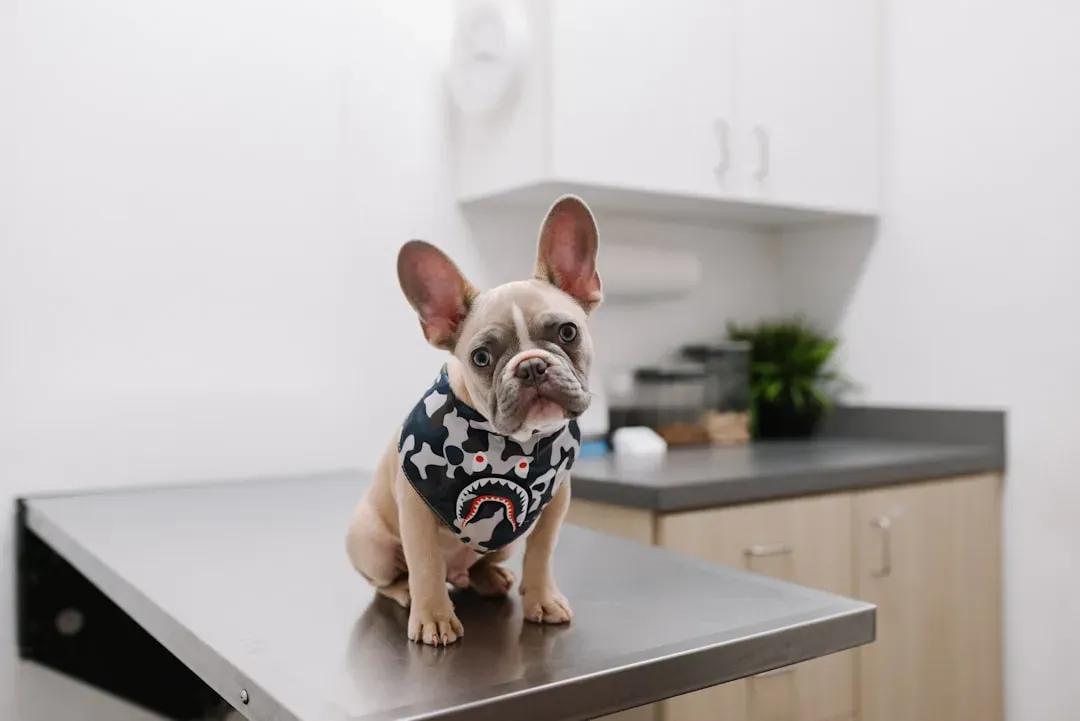
Let’s be real, most dogs would happily skip their vet visits entirely. Going to places like the vet or a boarding kennel can be scary for dogs. These places have strange noises, unfamiliar people, and other animals that may also be stressed. Even the car ride there can make some dogs nervous because of the small space, strange sounds, and movement.
The fix starts long before the appointment. Practice short car trips that don’t go to the vet. This helps your dog learn that the car can be a positive place. Bring along a favorite blanket or toy to make your dog feel more secure, and reward calm behavior with treats and kind words. You can also ask your vet about “happy visits,” where you bring your dog in just for treats and cuddles with no procedures involved. Total game changer.
9. Other Dogs: Fear Among Their Own Kind
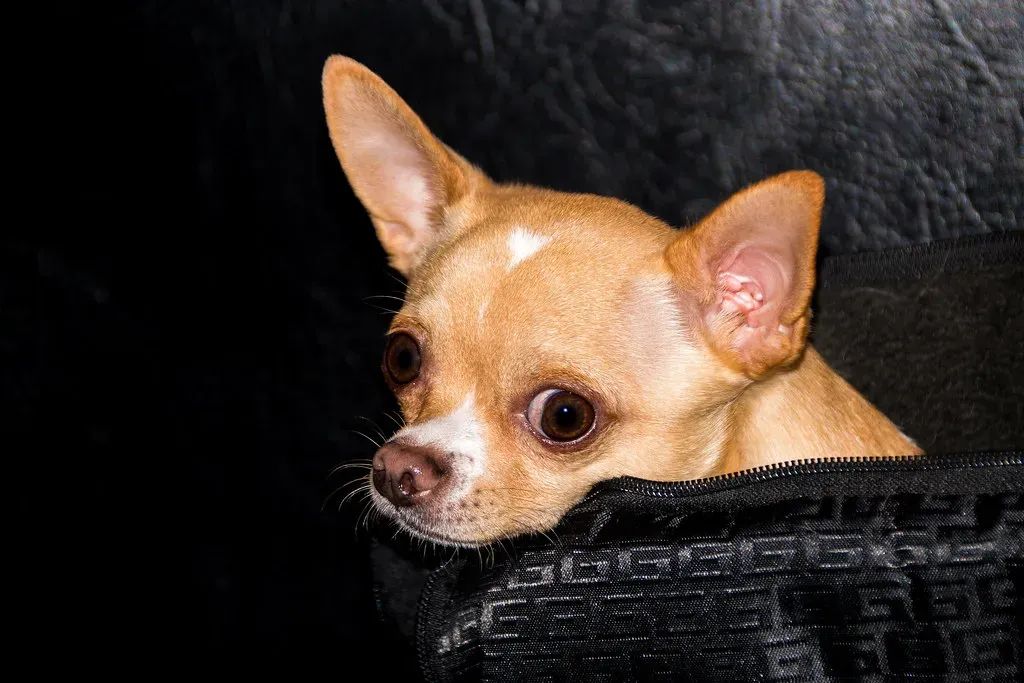
It feels counterintuitive. Shouldn’t dogs love other dogs? Not always. Running into strange dogs can make your pup nervous, especially if they’ve been barked at or chased before. Some dogs develop fearful behavior around their own kind after a bad experience. One terrifying encounter as a puppy can shape a lifetime of wariness.
Dogs frightened by another animal may develop long-lasting fear. A single negative or traumatic experience may induce a profound fear of the trigger, or could even generalize to fear of related situations. When walking a dog-reactive pup, maintain distance and redirect their attention with treats before they hit their stress threshold. Watch the ears, the posture, the tail. Your dog is always talking. The question is whether you’re listening.
10. Being Touched Without Warning
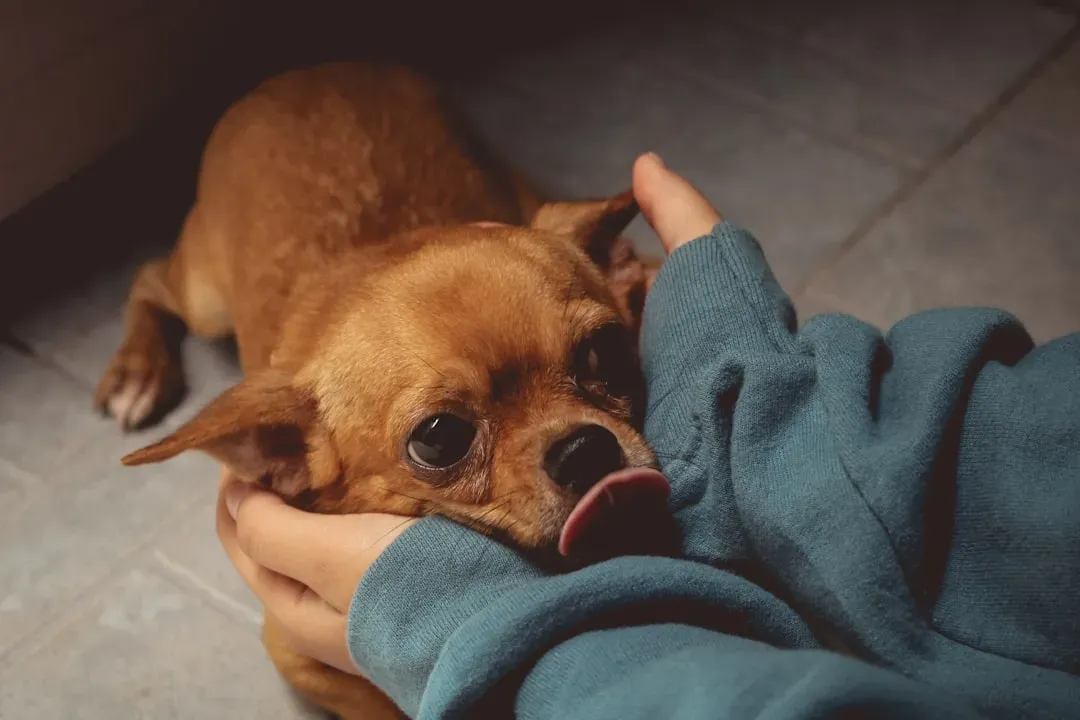
This one is easy to overlook because it happens so naturally in busy households. Someone reaches over a sleeping dog without thinking. A child pets them from behind. Waking a dog with a surprise touch can trigger fear or even a defensive reaction. Some pups lose control when touched without warning, and fearful dogs may growl or jerk away if they feel startled.
This is especially important to teach children. Understanding body language, like tail positions, ear positions, and posture, helps pet parents avoid moments that trigger fear. This is especially common in dogs with a traumatic past or a lack of early socialization. Always let your dog see and smell your hand first. Give them the chance to say yes to being touched. That simple habit prevents so many scary moments.
11. Harsh Training Methods
Honestly, this one is more important than most people realize. Using harsh training methods, like yelling, physical punishment, or shock and bark collars, can really scare your dog. These tactics can also damage your dog’s trust in you. When dogs experience pain or fear during training, they might become nervous, scared, or even aggressive. This can hurt your bond and lead to long-term problems like anxiety or depression.
The alternative is so much more effective and it feels better for everyone involved. Positive reinforcement means rewarding your dog with treats, praise, or playtime when they do something good. It’s a kinder and more effective way to train, and it helps build trust between you and your dog. Training should feel like a fun conversation, not a confrontation. Your dog deserves that kind of relationship with you.
12. Big Life Changes and New Environments
Moving homes, a new baby, a different work schedule, even rearranging the furniture can unsettle a dog more than you’d expect. Just as unfamiliar people can trigger dogs, so can new surroundings. When dogs look at new environments, they often get nervous. It’s best to create a distraction using the dog’s nose rather than eyes or ears. If your pup seems anxious when pulling into a new place, capturing their attention with a treat helps them associate that place with reward rather than fear.
If a big change is coming, like a new baby or a move, introduce these changes slowly. Let your dog explore a new space little by little or get used to new things one at a time. Routine is your best friend here. The more confident your dog feels, the better they can cope with situations that trigger their fear. Providing a consistent routine, so that your dog can predict when they will eat, walk, and play, is one of the most powerful confidence builders available.
Your Dog Is Counting on You
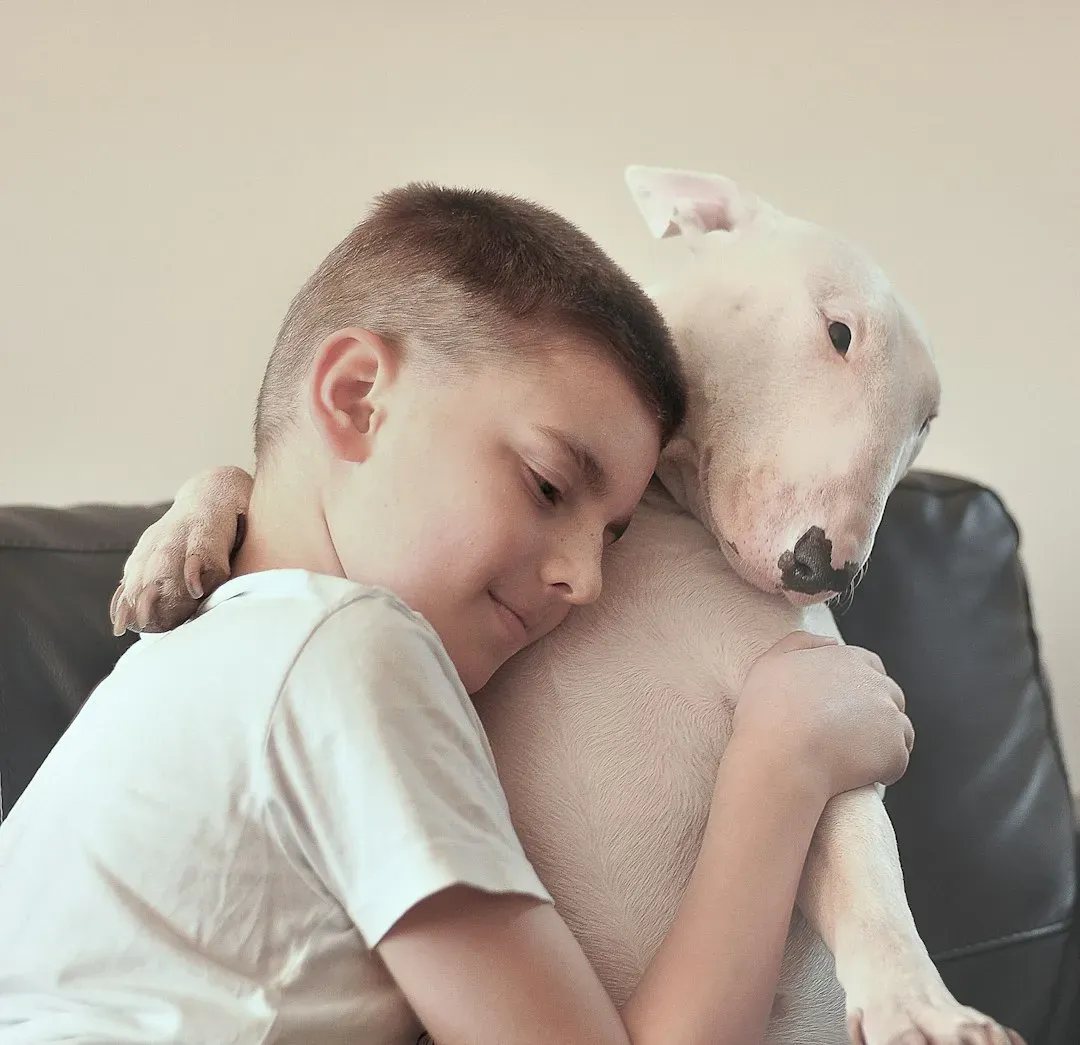
Fear in dogs is real, it’s complex, and it deserves your full compassion. Regardless of what fear a dog has, you, the human, have the power and the choice to help your dog overcome what scares them. Understand that while it may not make sense to you why your dog is fearful of something, that doesn’t mean it isn’t a real concern for your dog.
The thing to focus on is helping your dog feel safe. It doesn’t matter if the things the dog is scared of don’t make sense to you. It’s how your dog feels that counts. Once they feel safe, they will learn to trust you and will begin to gain more confidence. That trust, built slowly and steadily through patience and kindness, is the foundation of everything.
Every time you notice your dog’s body language, every time you advocate for their comfort, and every time you choose patience over frustration, you are being exactly the person your dog needs. They may not be able to say it out loud, but they feel it completely. How well do you know your own dog’s fear signals? You might be surprised by what you’ve been missing.


