
Every dog deserves love, and honestly, there’s no such thing as a truly terrible dog. What makes a breed challenging often has nothing to do with their heart or loyalty. It’s more about compatibility, health burdens, and whether you’re ready for what comes with the package. Vets see it all, day after day. The same breeds rolling through their exam rooms with recurring problems, strained owners, and preventable heartbreak. They watch families struggle financially and emotionally with dogs whose breed characteristics make ownership genuinely difficult.
This isn’t about pointing fingers or saying certain dogs should never be adopted. It’s about real talk. Some breeds demand more than the average owner expects. More vet visits, more training, more patience, more money. If you’re thinking about bringing home a new companion, knowing what you’re up against can make all the difference between a match made in heaven and years of frustration. Let’s dive into the breeds that veterinarians often see as challenging for most owners.
1. English Bulldog: A Walking Vet Bill

English Bulldogs are bred more for appearance than health, resulting in an incredible number of inherited diseases, and most suffer from skin allergies along with airway compromise from brachycephalic syndrome. These wrinkly, snorting companions may win hearts with their adorable underbites and couch potato personalities. Yet beneath that charm lies a laundry list of chronic issues that rarely let up.
The majority have serious health problems like severe skin allergies, chronic eye problems, and occasionally life-threatening respiratory issues. Their pushed-in faces make breathing a constant struggle, especially in warm weather. Many need surgical intervention just to breathe somewhat normally, and skin fold infections become routine battles for owners who aren’t prepared for daily maintenance.
2. French Bulldog: Cute but Costly
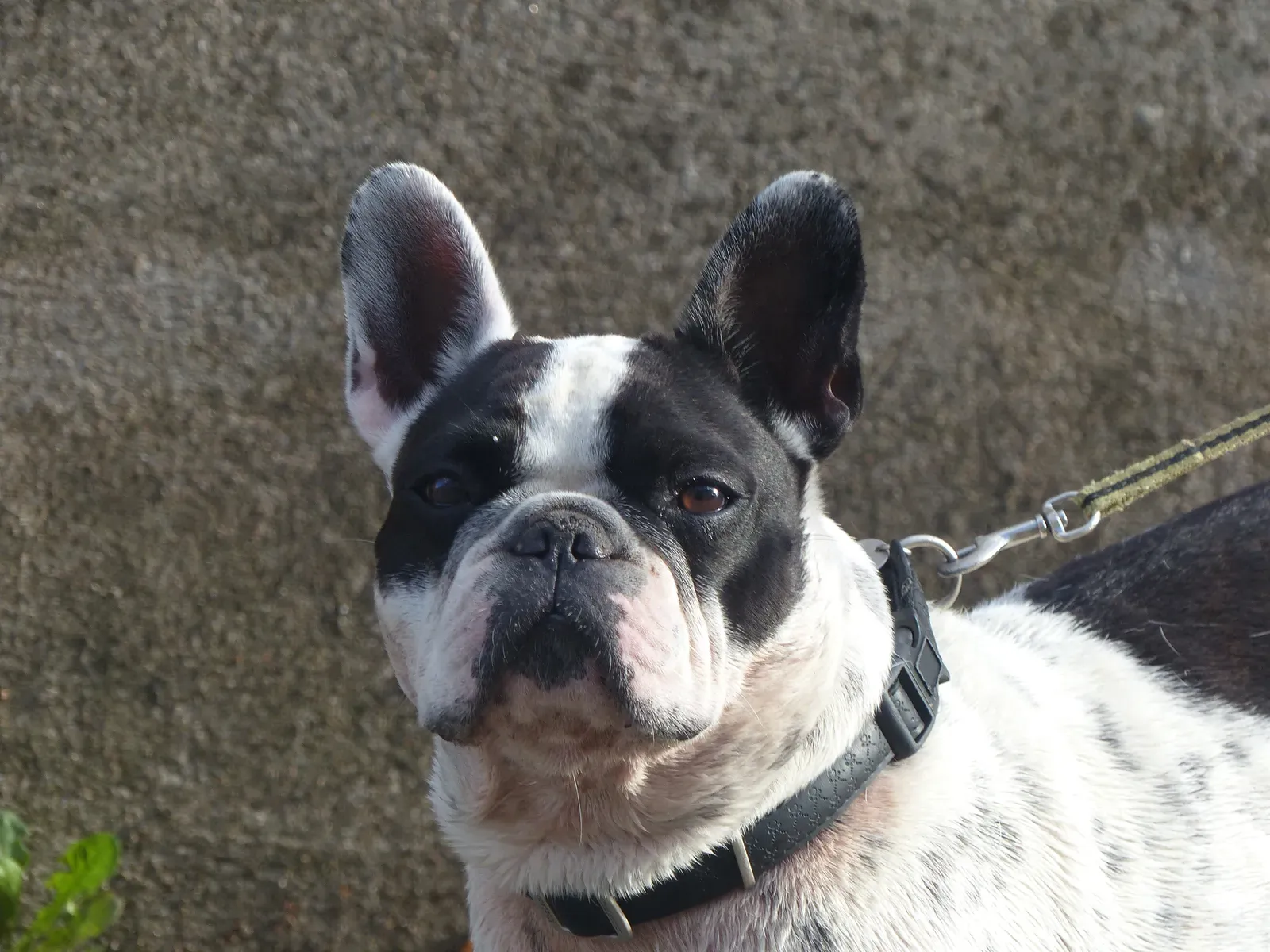
French Bulldogs suffer from breathing problems, skin infections, spinal trouble, and more. They’ve exploded in popularity over the past decade, but that popularity hasn’t solved their health problems. These pint-sized charmers rack up insurance premiums and vet bills faster than most breeds.
Vet bills can easily reach thousands to address conformation-related problems like BOAS, while skincare and heat management require serious consideration due to breathing issues and skin rolls. Frenchies struggle with temperature regulation, meaning summer walks become dangerous, and air conditioning isn’t optional. Their spinal issues can lead to pain, mobility problems, or even paralysis in severe cases.
3. Chow Chow: Beautiful but Aloof

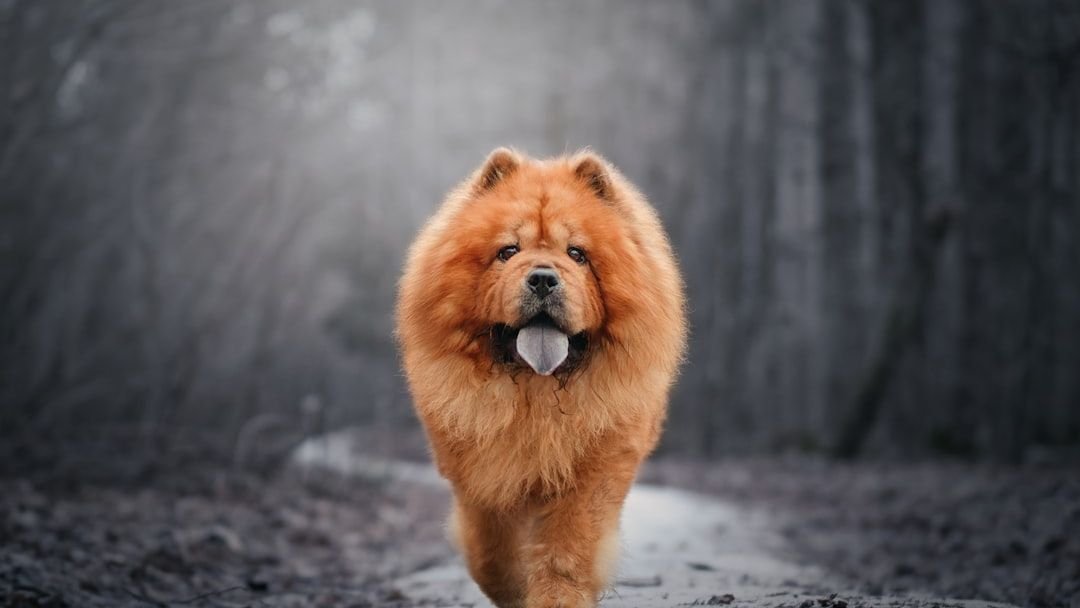
Chow Chows often don’t have a very nice temperament, tend to be really aloof, and are often very aggressive at the vet with difficulty fitting a muzzle onto their face. That fluffy lion-like appearance hides a dog with serious attitude. They weren’t bred to cuddle; they were bred to guard, and that instinct runs deep.
Originally bred as guard dogs in China, they carry strong protective instincts and often size up new people with suspicion, which can turn into problematic behavior without early socialization. Their independent streak makes training feel like negotiating with a teenager who’d rather not listen. First-time owners often find themselves overwhelmed by a Chow’s stubborn refusal to cooperate, and their grooming needs only add to the challenge.
4. German Shepherd: Loyal but High-Maintenance
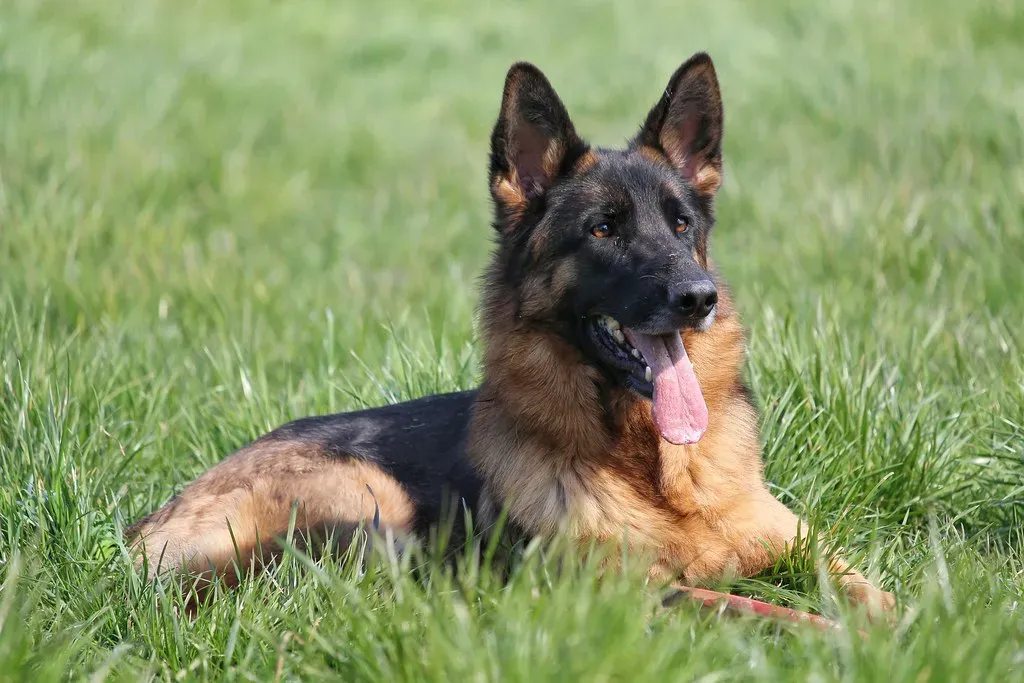
German Shepherds are iconic, intelligent, and incredibly capable. Police forces and military units worldwide depend on them for good reason. Arthritis and hip problems are relatively common for the breed. Their large size and genetic predisposition to joint issues mean ongoing health management becomes part of the package.
They can be defensive and protective, often snarling, especially in veterinary settings. Without proper training and socialization from puppyhood, their protective instincts can escalate into fear-based aggression. They need jobs to do, mental stimulation, and owners who understand dominant breed behavior. For someone unprepared, a German Shepherd can quickly become unmanageable.
5. Shar Pei: Wrinkles and Worry

Most Shar Peis suffer from severe chronic skin allergies, and many experience bouts of Shar Pei fever and cutaneous mucinosis. Those adorable wrinkles aren’t just for show. They create warm, moist environments where bacteria and yeast thrive, leading to constant infections that require vigilant cleaning and medication.
Unfortunately, vets see lots of fear-based aggression in these dogs. Combine health issues with a temperament that can be unpredictable, and you’ve got a breed that demands experience and dedication. Shar Peis aren’t starter dogs. They’re projects for owners who know what they’re signing up for and have both the time and budget to handle it.
6. Italian Greyhound: Fragile and Delicate

Italian Greyhounds are extremely fragile and prone to breaking or fracturing bones due to their long limbs, while their thin skin means they develop wounds very easily. Think of them as porcelain figurines in dog form. A leap off the couch can result in a broken leg, and rough play with other dogs often ends in injury.
Their delicate build makes everyday life risky. Households with young children or larger pets may find an Italian Greyhound constantly getting hurt despite everyone’s best efforts. Vet visits for fractures, dental issues, and skin injuries become routine, turning what seems like a low-maintenance small dog into a surprisingly high-maintenance companion.
7. Border Collie: Too Smart for Their Own Good
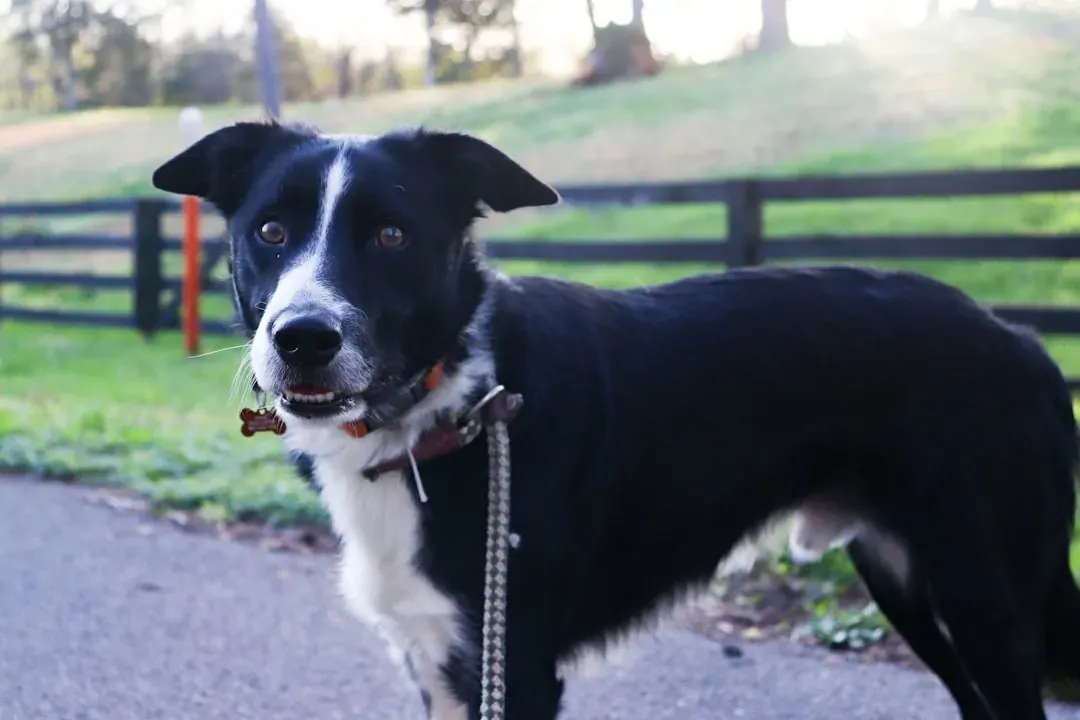
Border Collies need lots of exercise and plenty of things to occupy their smart, busy brains. They’re not just intelligent; they’re relentlessly driven. Originally bred to herd sheep all day in the Scottish highlands, their work ethic is hardwired. Without a job, they create their own, and trust me, you won’t like their creative choices.
A bored, understimulated Border Collie can become anything from hyperactive to noisy to destructive to aggressive. They’ll herd children, chase cars, or obsessively fixate on shadows and lights. For active families committed to dog sports or farm work, they’re brilliant. For everyone else, they’re a handful that quickly becomes overwhelming.
8. Siberian Husky: Escape Artists Extraordinaire

Huskies are energetic, independent, and often stubborn, with a strong prey drive that may lead them to chase smaller animals. Their striking blue eyes and wolf-like beauty make them Instagram favorites. Their Houdini-level escape skills and vocal tantrums make them veterinary nightmares for unprepared owners.
These dogs need secure yards, constant exercise, and mental stimulation, and without proper training and structure, they may become destructive or show aggressive traits. Huskies were bred to run for miles in subzero temperatures. Suburban backyards bore them senseless. They’ll dig under fences, jump over gates, and howl loud enough to upset the entire neighborhood when left alone.
9. Akita: Bold and Unforgiving

Originally guard dogs, Akitas are known for their guarding abilities and come with very high bite force and strength. They’re beautiful, loyal, and absolutely not for inexperienced handlers. Akitas don’t tolerate poor dog handling, and they won’t hesitate to assert themselves if they sense weakness or inconsistency.
Their size and power make training non-negotiable. Socialization must start early and continue throughout their lives, or you risk a dog that’s aggressive toward strangers, other dogs, or both. They’re devoted to their families, sometimes to the point of being overprotective, which can create liability issues for owners who aren’t vigilant.
10. Dalmatian: High Energy, High Maintenance

Dalmatians need to be socialized at an early age and are good with children, but without enough attention from their owner, they can develop behavioral issues as very energetic dogs requiring frequent exercise and play. Their spotted coats are iconic, but their energy levels are relentless. These aren’t casual companion dogs; they’re athletes who need serious outlets.
Without adequate physical and mental stimulation, Dalmatians become destructive, anxious, and difficult to manage. They can develop guarding behaviors and become snappy if not properly trained. First-time owners often underestimate just how much work a Dalmatian requires, leading to frustrated families and overwhelmed dogs.
11. Chihuahua: Small Dog, Big Attitude

Chihuahuas tend to be aggressive when not trained, and owners must work with professional pet trainers to avoid this type of problem. Size doesn’t determine difficulty. These tiny dogs pack personalities far larger than their bodies, and not always in a good way.
Chihuahuas are very protective of their owners and will attack anyone to defend their household, making them unsuitable for first-time pet owners or families with small kids. Many become snappy, yappy, and anxious because owners treat them like accessories instead of dogs needing training and boundaries. That “cute” aggression isn’t funny when it escalates, and correcting it requires real effort.
12. Golden Retriever: The Cancer Risk

Golden Retrievers have more than their share of breed-related health issues, with cancer being the most common and tragic, and countless owners receive bad news about their dogs, many of whom are young. This one hurts because Goldens are arguably the most beloved family dog in America. They’re gentle, trainable, and wonderful with kids.
Many veterinarians not-so-secretly call this breed “The Cancer Retriever.” Their predisposition to cancer, particularly at relatively young ages, makes them heartbreaking to own. Families fall deeply in love with these dogs, only to face devastating diagnoses before the dog reaches middle age. The emotional and financial toll of fighting cancer in a young, otherwise healthy dog is something vets see far too often.
Conclusion

Here’s the thing: every breed on this list has devoted, loving owners who wouldn’t trade their dogs for anything. These aren’t bad dogs. They’re challenging dogs, and that distinction matters. Veterinarians see the consequences when people choose breeds based on looks or trends without understanding the reality of ownership. They watch families struggle with vet bills they can’t afford, behavioral issues they can’t manage, and heartbreak they weren’t prepared for.
If you’re considering any of these breeds, do your homework. Talk to vets, meet adult dogs of the breed, and be brutally honest about your lifestyle, budget, and experience level. Sometimes the most loving decision is choosing a different breed that fits your life better. What’s your experience with challenging breeds? Have you found these warnings accurate, or did your dog surprise you? Share your thoughts in the comments.


