
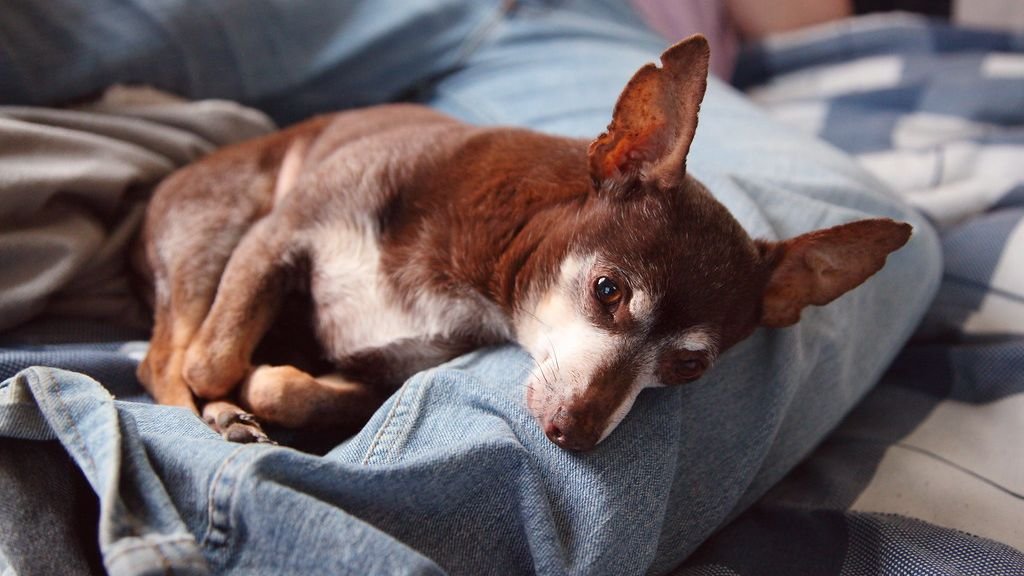
Your dog has been there for every hard morning, every long night, every moment when the world felt a little too heavy. They greet you at the door like you hung the moon, every single time. So it’s genuinely heartbreaking to think that some of the most common, everyday habits we fall into could be quietly telling them the opposite – that they don’t matter as much as they actually do.
Here’s the thing: dogs don’t speak in words, but they are incredibly fluent in emotions. They are intuitive animals who can sense changes in their environment and relationships even when we think everything is perfectly fine. The good news? Once you know what to look for, you can fix it. Let’s dive in.
1. Brushing Off Their Excitement When You Come Home
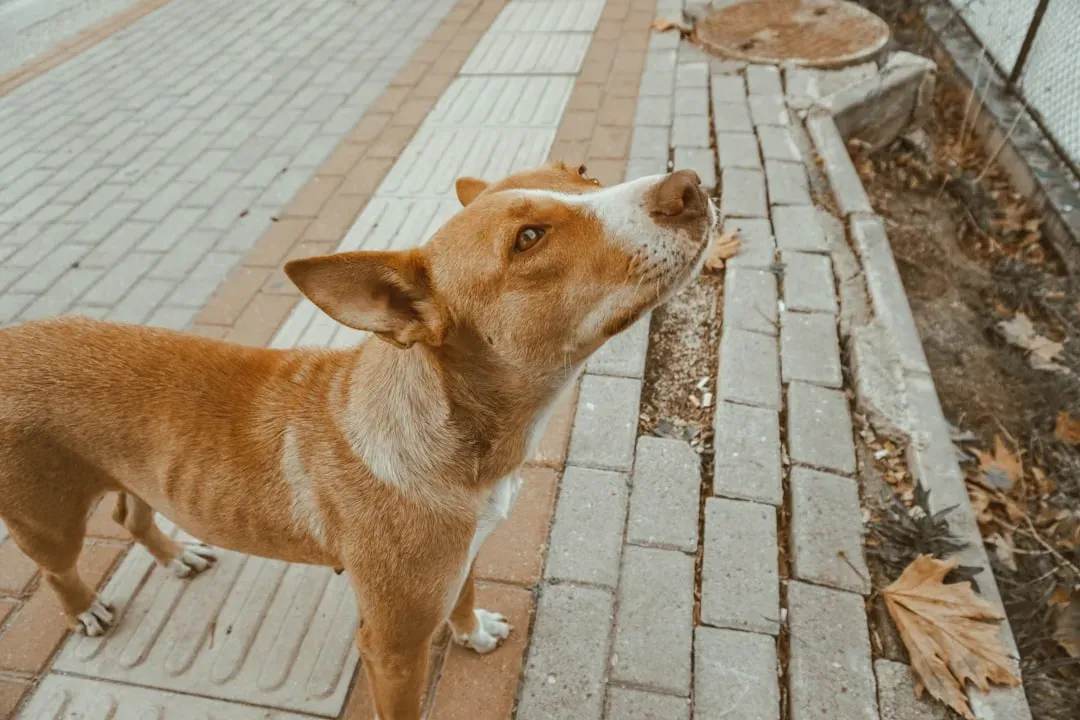
Picture this. You walk through the front door after a long day, your dog is practically vibrating with joy, tail spinning like a helicopter, and you just… walk past them to check your phone. It seems small. To your dog, it isn’t.
Dogs thrive on connection, and one of the most exciting parts of their day is when you come home. If you brush off their excitement or fail to acknowledge their enthusiasm, it can signal that the bond isn’t as strong as they thought. Over time, they might start to feel less important to you.
You don’t need a five-minute celebration. Even a brief moment of connection can reassure them that they are still a cherished part of your life. Bend down, say their name, give those ears a good scratch. That’s honestly all it takes.
2. Leaving Them Alone for Too Long, Too Often

Dogs are social creatures and they really do not do well spending hours alone each and every day. Think of them like that incredibly social friend who genuinely needs company – except they can’t pick up the phone and call someone when they’re lonely.
Generally, dogs shouldn’t be left alone for more than four to six hours at a time. The longer they go solo, the likelier they are to feel neglected and act out. And the acting out isn’t spite. It is distress wearing a destructive costume.
Prevention tip: Hire a dog sitter or dog walker to spend time with your dog during the day if your schedule demands long hours away. Even a midday visit can completely transform your dog’s emotional state.
3. Skipping or Cutting Short Playtime
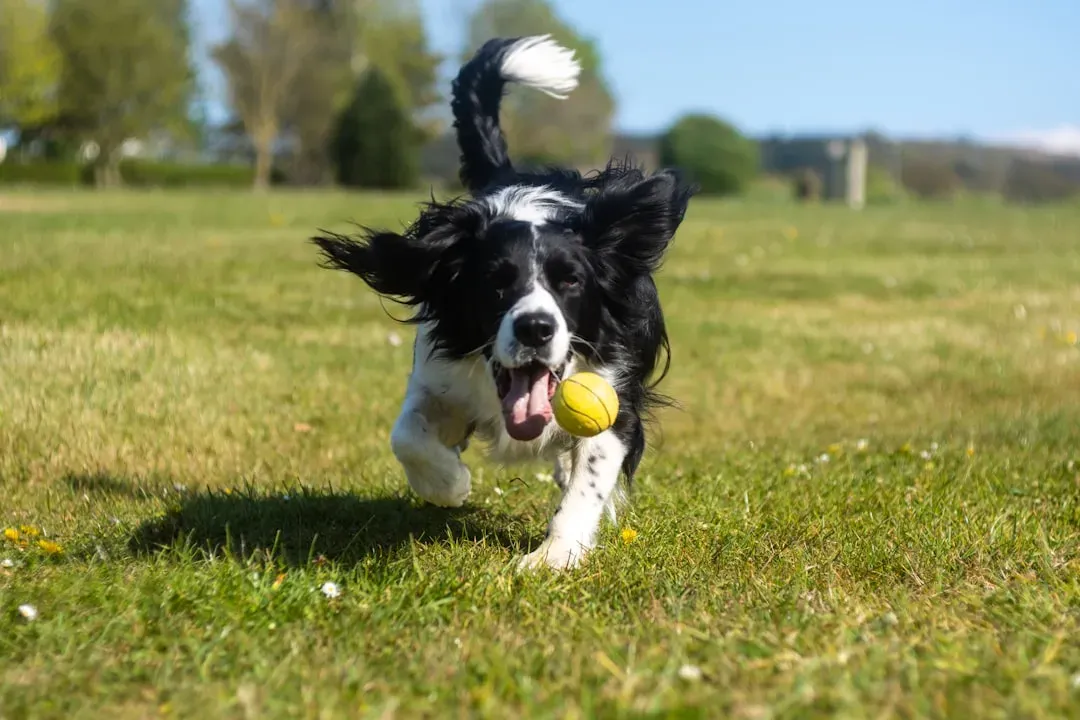
We all get busy. Work deadlines pile up, life gets loud, and suddenly the tennis ball hasn’t moved from the corner of the room in three days. It feels minor. For your dog, it registers as something much more unsettling.
If life gets busy and playtime takes a backseat, your dog can feel neglected. Without regular play, they might assume they’re no longer important or valued in your life. Carving out even a small amount of time for play can make a huge difference in how connected they feel to you.
Even ten focused, enthusiastic minutes of fetch or tug-of-war sends a powerful message: “I see you. You matter.” Your dog doesn’t need attention all in one big block of time. Any attention you give throughout the day, such as walks or a quick game, will go a long way toward keeping them from feeling neglected.
4. Being Distracted on Walks
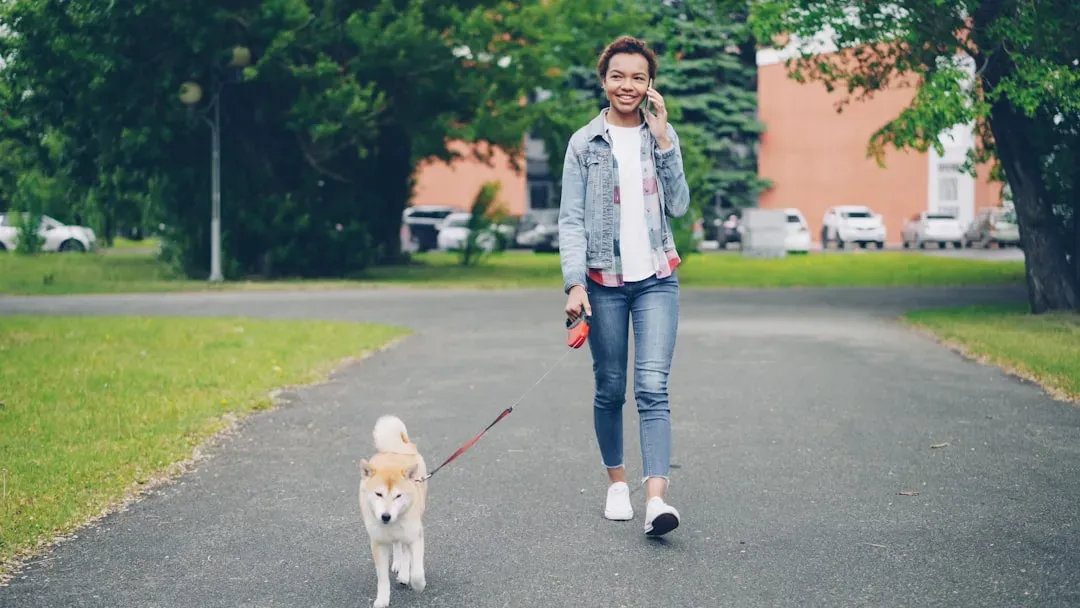
Walks are not just bathroom breaks for your dog. They are adventures, bonding rituals, and the highlight of many dogs’ entire day. So when you’re scrolling through your phone the whole time, barely present, your pup notices more than you’d think.
Your dog sees walks as bonding time, but when you’re constantly on your phone or distracted, they notice. It can feel like they’re not important enough for your full attention. They don’t understand why your focus isn’t on them, and this can subtly lead them to feel overlooked.
Leave the phone in your pocket for even part of the walk. Let them sniff that fascinating patch of grass for a whole minute. Giving your undivided attention on walks strengthens the bond and assures them that this time is meant for both of you.
5. Ignoring Their Attempts to Communicate
Your dog paws at your leg. They bring you their toy. They sit in front of you and stare with those deep, soulful eyes. These are not random behaviors. They are conversations, and repeatedly ignoring them is like hanging up the phone every time someone you love calls.
One of the first signs that a dog may feel unappreciated is an increase in whining or barking. When dogs feel neglected or ignored, they may resort to vocalizing their feelings more often in an attempt to get your attention. This behavior can indicate frustration or a plea for acknowledgment.
The fix is simple but intentional. When your dog approaches you with that look, pause. Acknowledge them. A moment of real engagement tells them their voice matters in your world.
6. Withholding Affection as Punishment

I get it. When your dog chews the couch cushion or has an accident indoors, the instinct to give them the cold shoulder feels almost natural. But honestly, this approach can do quiet emotional damage over time.
Dogs don’t understand why you might withhold affection as a consequence for bad behavior. They associate affection with security, so suddenly withdrawing it can be deeply confusing. It doesn’t communicate the lesson you intend. Instead, they may feel emotionally abandoned, unsure of how to reconnect with you.
Gentle correction paired with love is far more effective in guiding behavior than shutting them out emotionally. Redirect, correct calmly, and then reconnect. That sequence builds trust instead of eroding it.
7. Unpredictable Routines and Sudden Long Absences
Dogs are creatures of routine in a deep, almost cellular way. When schedules are all over the place – some days you’re home all day, other days you vanish for twelve hours – it creates a low hum of anxiety that slowly chips away at their sense of security.
While dogs can adapt to a regular schedule, unpredictable absences can be disorienting. If you’re gone for longer than usual or leave suddenly, it can make your dog anxious. They don’t have a sense of time the way humans do, so each absence feels like it could be permanent.
Creating a predictable routine for leaving and coming home can help them feel secure even when you’re not there. Consistency is not boring for a dog. It is their emotional safety net.
8. Overlooking Mental Stimulation
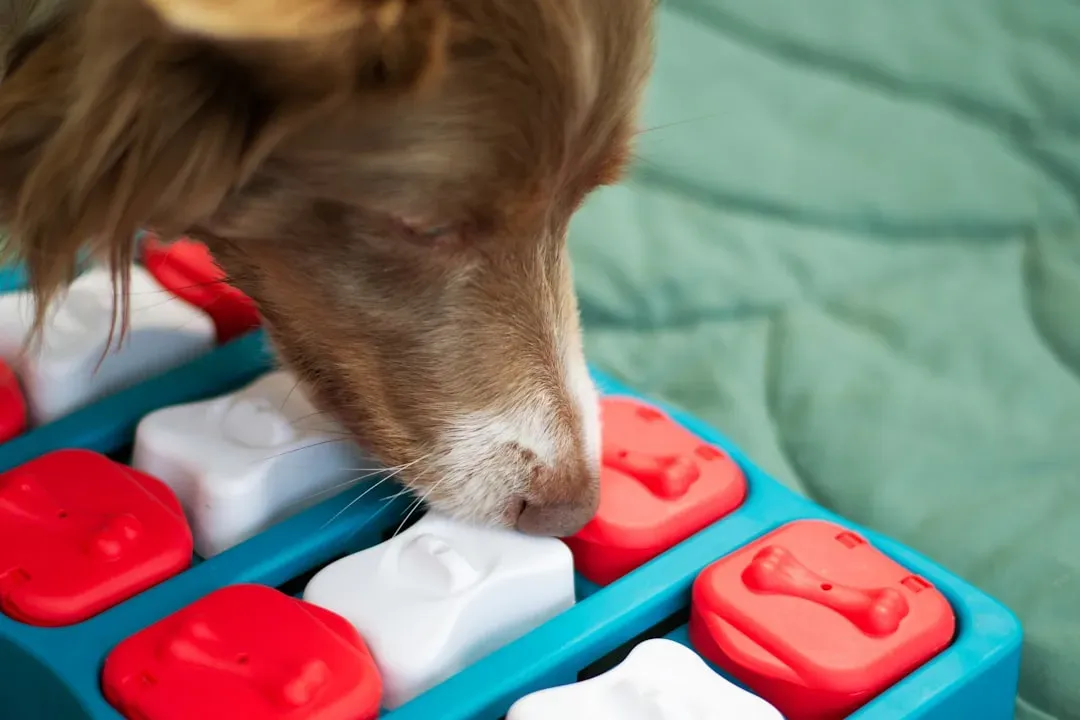
Here’s something that surprises a lot of dog owners: physical exercise alone is not enough. A dog that runs two miles a day but has nothing interesting to think about is still a dog quietly going out of their mind with boredom. Think of it like feeding someone well but never letting them read a book or have a real conversation.
A lack of mental and physical stimulation can contribute to depression in dogs, especially when their exercise or enrichment needs go unmet. Boredom, social isolation, and the absence of breed-specific activities can lead to frustration and emotional decline over time.
Puzzle feeders, sniff games, short training sessions – these are not luxuries. Providing your dog with enough mental stimulation throughout the day is important in keeping their mood up and preventing depressive episodes. Regular walks, socialization, and training are all helpful.
9. Failing to Notice the Signs of Emotional Distress
This one stings a little, because most of us genuinely believe we’d notice if our dog wasn’t doing well. But the data tells a sobering story. Research from a study in the United Kingdom indicates that almost three quarters of dogs exhibit signs of depression or anxiety, yet only about one third of owners are able to recognize these signals.
When dogs feel disconnected or unimportant, they may stop doing things they previously enjoyed – this kind of disinterest mirrors human symptoms of depression. A dog who used to bolt for their leash but now barely lifts their head is telling you something important.
Watch for loss of interest in previously enjoyed activities like walks or favorite toys, appetite changes, altered sleep patterns, social withdrawal, and excessive licking or chewing of paws as a self-soothing behavior. These quiet signals deserve a loud response from you.
10. Replacing Quality Time With Treats

Treats are wonderful. No argument there. But there is a big difference between rewarding your dog and using food as a substitute for your actual presence. If the cookie jar is doing all the emotional heavy lifting in your relationship, your dog knows it.
Feeding technically counts as a way of giving attention to your dog, but the way to your pup’s heart is definitely not through their stomach alone. Giving your dog extra treats should never be a substitute for spending quality time together.
Your presence, your eye contact, your voice – these are what truly fill your dog’s emotional tank. Treats are a lovely bonus, not a replacement for the real thing. Think of it like getting a gift card instead of a heartfelt birthday call. Nice, but it misses the point.
11. Dismissing Behavior Changes as “Just Bad Behavior”

When a dog starts chewing furniture, having indoor accidents, or becoming unusually clingy or withdrawn, the easiest reaction is frustration. But those behaviors are almost never random. They are your dog’s only available vocabulary for something they cannot otherwise say.
When a dog exhibits destructive behavior, such as chewing furniture or tearing up items, it can often be a cry for help. Dogs who feel neglected may act out to get attention or out of frustration. This behavior is their way of coping with the emotional distress they are experiencing.
Feelings of neglect must be taken seriously because they can be detrimental to your dog’s physical and emotional well-being. If you’ve noticed any behavioral changes in your dog, it’s best to first visit your veterinarian to rule out any medical causes. Always rule out pain or illness before assuming it is behavioral.
12. Not Involving Them in Your Daily Life
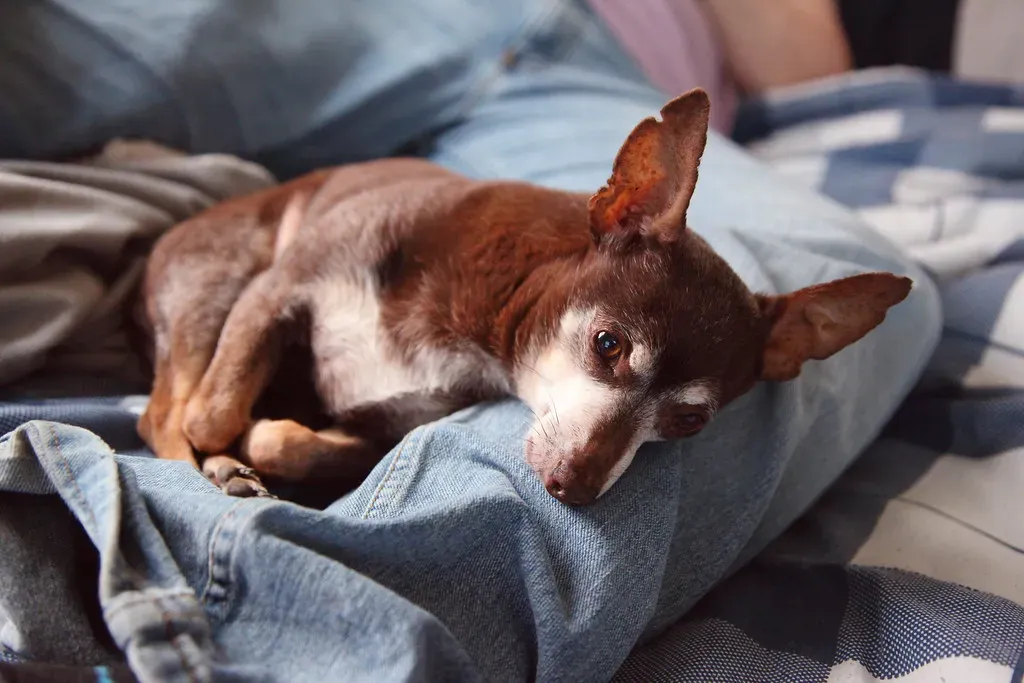
Dogs do not need to go everywhere with you – but they do need to feel like they are part of something. When a dog is consistently shut out of rooms, left out of family activities, or simply treated like furniture, that slow exclusion leaves a mark on their spirit.
Dogs are pack animals by nature, and when they sense they’re not part of the action, it can affect their mood, behavior, and overall health. They thrive on connection and routine, and even small changes in your attention can leave them feeling confused or cast aside.
Creating a healthy routine for them that’s filled with exercise, enrichment activities, and quality time with people will significantly improve your dog’s quality of life and ensure that they feel safe and loved. Something as simple as letting them sit near you while you work, or talking to them while you cook, does more than you realize.
A Final Thought Worth Carrying With You
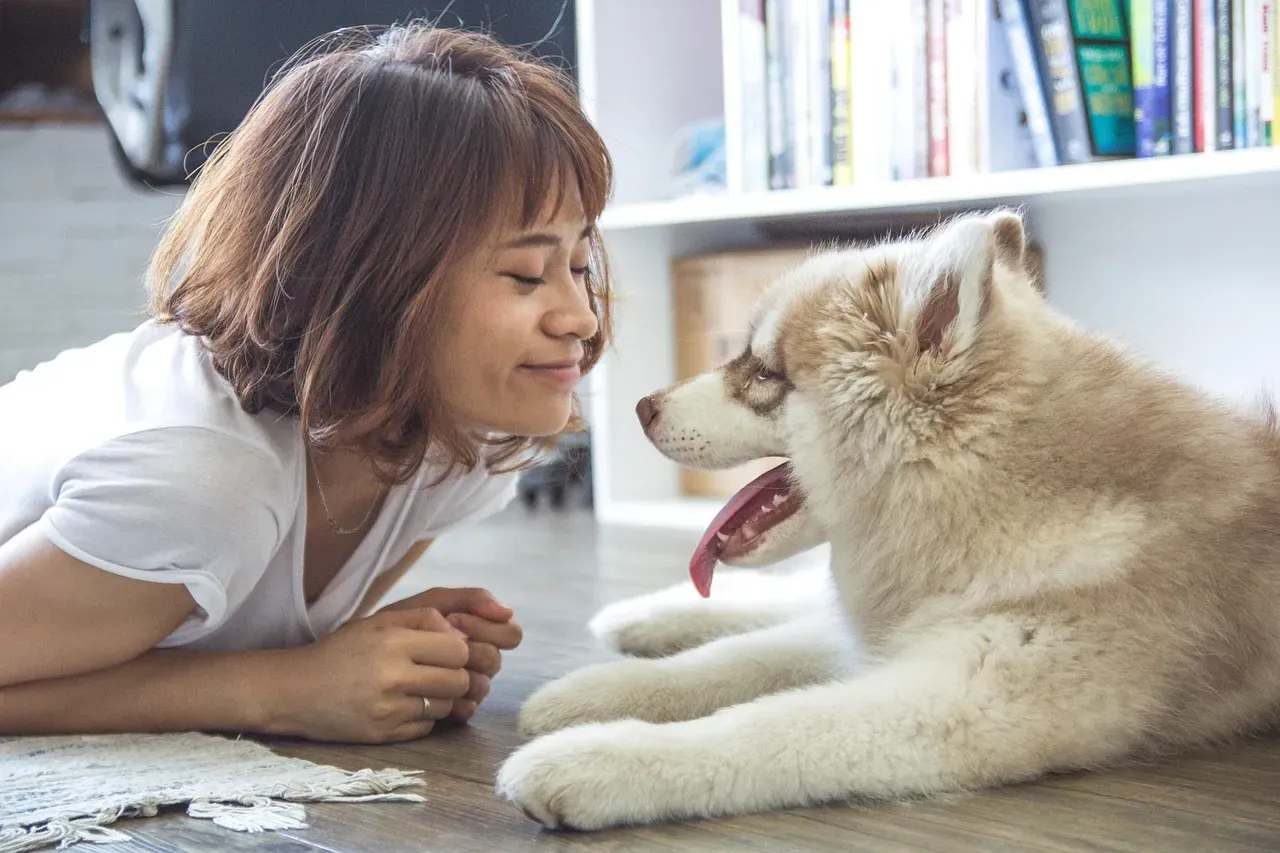
None of us set out to make our dogs feel small. Life gets full, schedules get tight, and the days blur together. But our dogs are quietly keeping score – not out of resentment, but out of a deep, unwavering need to belong to us.
Dogs are loyal, loving companions who do everything to make us happy, but sometimes they might feel underappreciated. When they feel neglected, they may express their discomfort in subtle or overt ways. If your dog seems more distant, anxious, or is exhibiting unusual behavior, it might be their way of telling you they need more attention or love. Understanding these signals can help strengthen the bond between you and your furry friend, ensuring they feel valued and cherished as they always deserve.
The beautiful part? Every single thing on this list is fixable. Today. Right now. Go find your dog, look them in the eyes, and let them know they are the most important thing in the room. Because to them, you always have been.
Which of these surprised you the most? We’d love to hear your thoughts – drop them in the comments below.


