
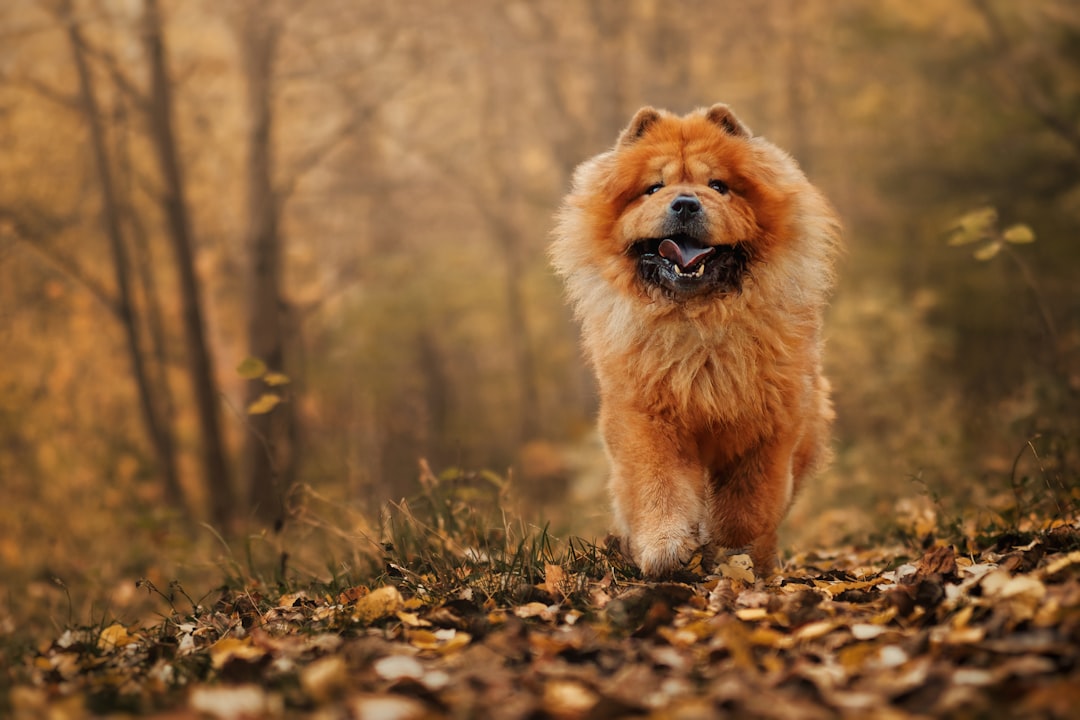
Chow Chows are undeniably adorable with their fluffy coats and lion-like mane, but there’s much more to this breed than just good looks. Known for their independent and sometimes aloof nature, these dogs require a dedicated and knowledgeable owner. From their unique grooming needs to their strong-willed temperament, owning a Chow Chow is a commitment that goes beyond cuddles. Understanding their personality, training requirements, and health considerations can help ensure a happy life for both you and your furry companion. If you’re thinking about bringing a Chow Chow into your home, here are 12 essential things you need to know first!
Understanding the Unique Personality of a Chow Chow
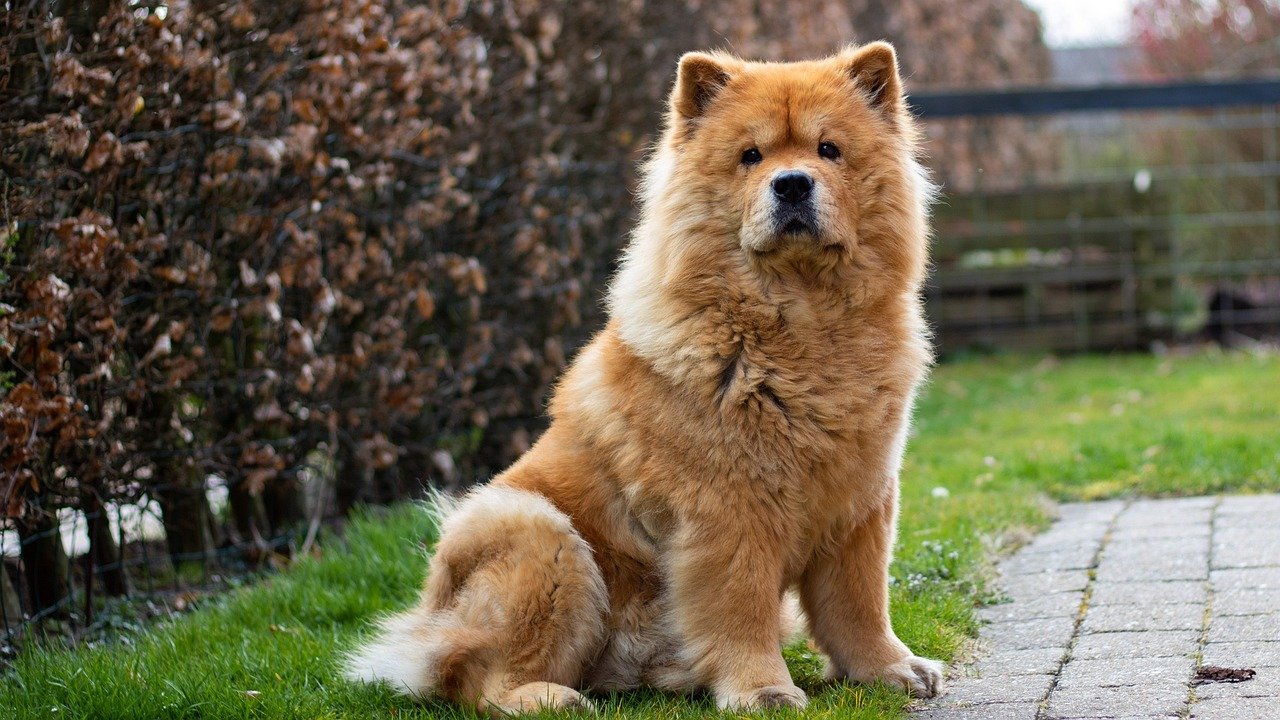
Chow Chows are not your average dogs. They carry themselves with a regal air, often compared to a lion or a teddy bear. Their independent nature is akin to that of a cat, making them both intriguing and challenging for first-time dog owners. While they are incredibly loyal to their family, Chow Chows can be aloof with strangers. This breed doesn’t crave constant attention, so if you’re looking for a lap dog, a Chow might not be the best fit. However, their dignified demeanor and steadfast loyalty can be incredibly rewarding for the right owner. It’s important to approach them with respect and patience, as they have their own unique way of showing affection.
The Importance of Early Socialization
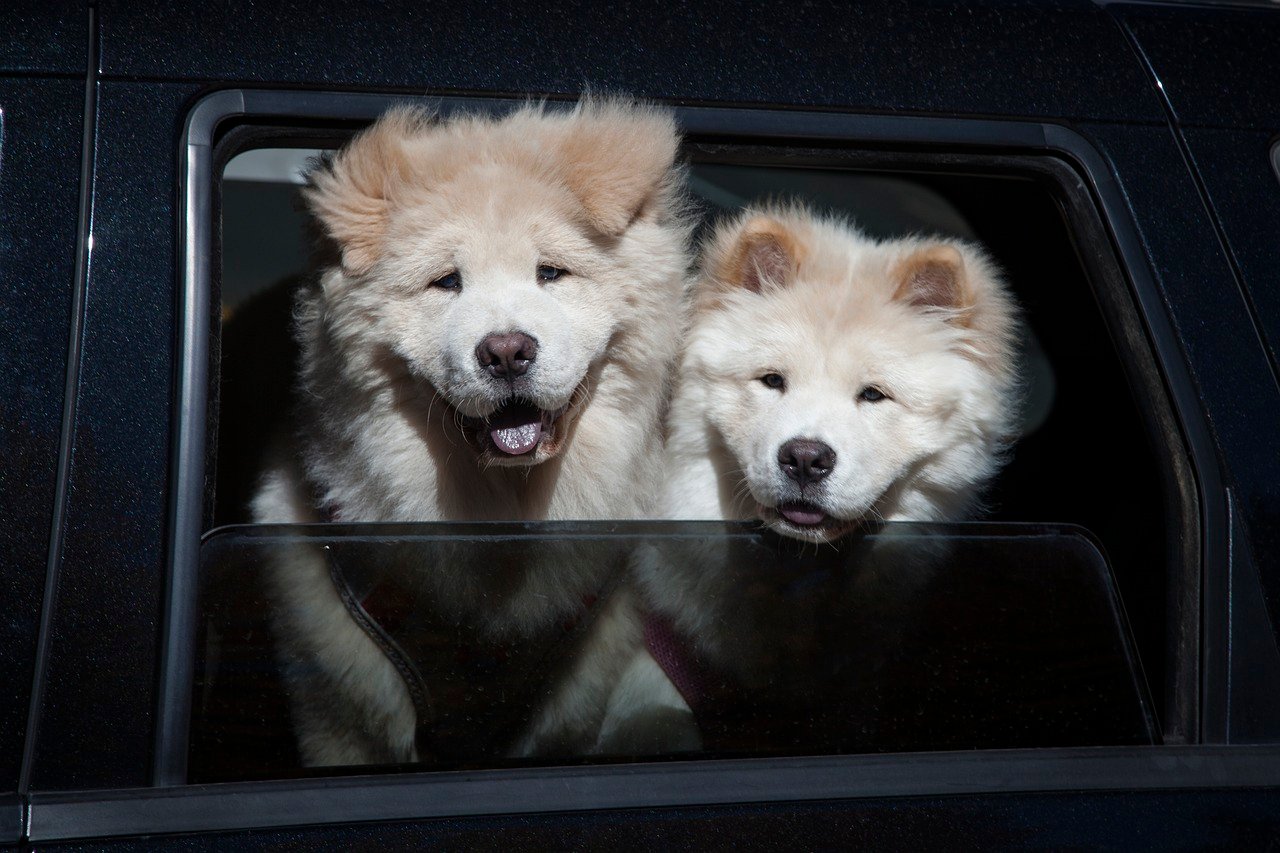
Chow Chows can be wary of strangers and other animals if not properly socialized. Early exposure to a variety of people, pets, and environments is crucial to ensure they grow into well-rounded adults. Think of socialization as a toolbox filled with experiences that your Chow can draw upon throughout their life. Puppy classes are an excellent start, allowing your Chow to meet other dogs in a controlled setting. Regular walks in different places, meeting friends and family, and experiencing new sounds and sights can help them become more adaptable. The goal is to build confidence and prevent any aggressive tendencies that can arise from fear or anxiety.
Grooming Needs: More Than Just a Pretty Coat
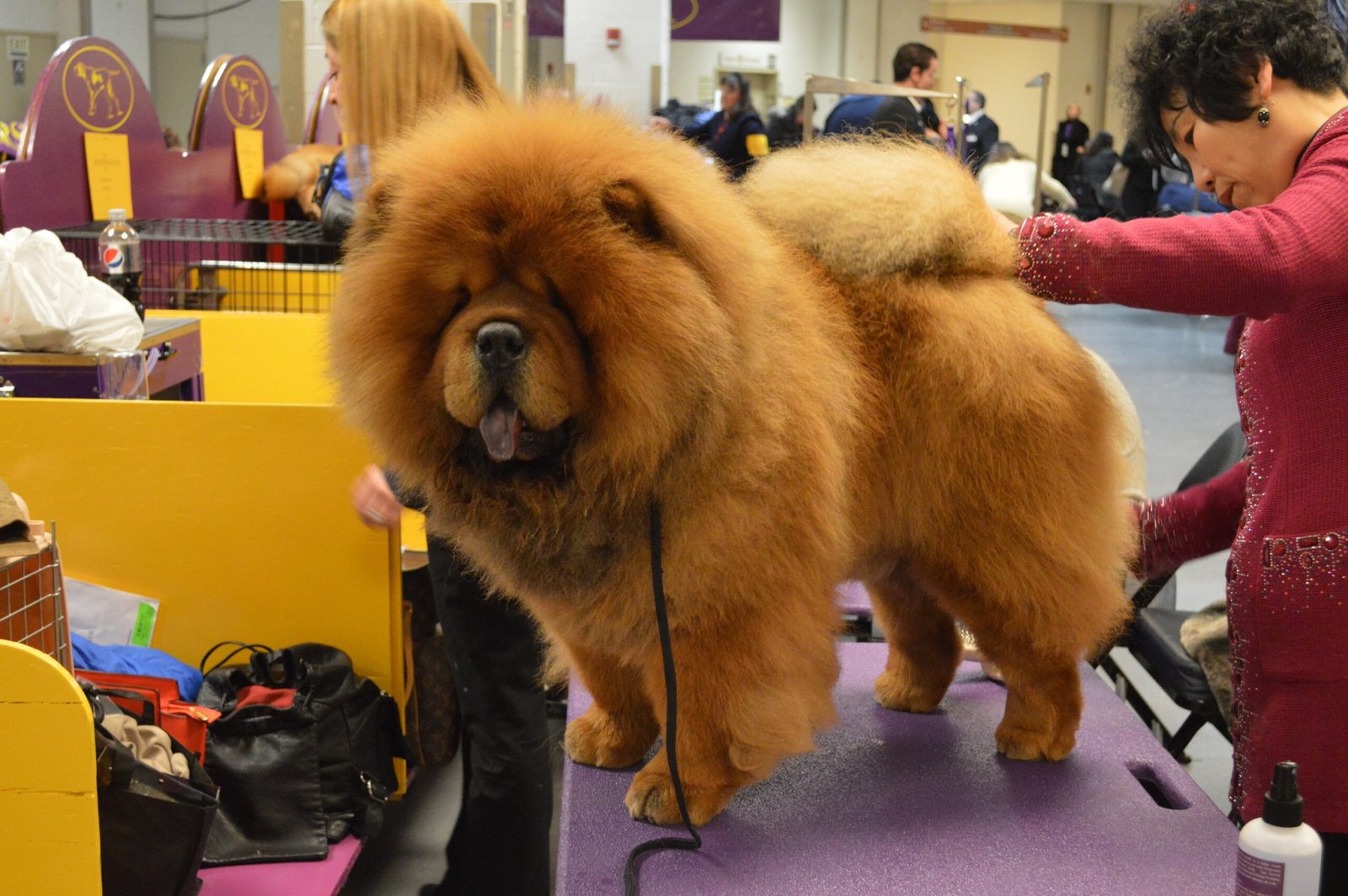
The Chow Chow’s luxurious double coat requires consistent grooming to keep it in top condition. Imagine trying to comb through a thick, woolly sweater—that’s what it’s like maintaining a Chow’s coat. Regular brushing, at least a few times a week, prevents matting and reduces shedding. Bathing should be done every few months, but it’s essential to dry their coat thoroughly to prevent skin issues. Don’t forget about their nails, ears, and teeth; these areas require regular attention too. Investing time in grooming not only keeps your Chow looking their best but also provides an opportunity for bonding.
Health Considerations: Knowing the Risks
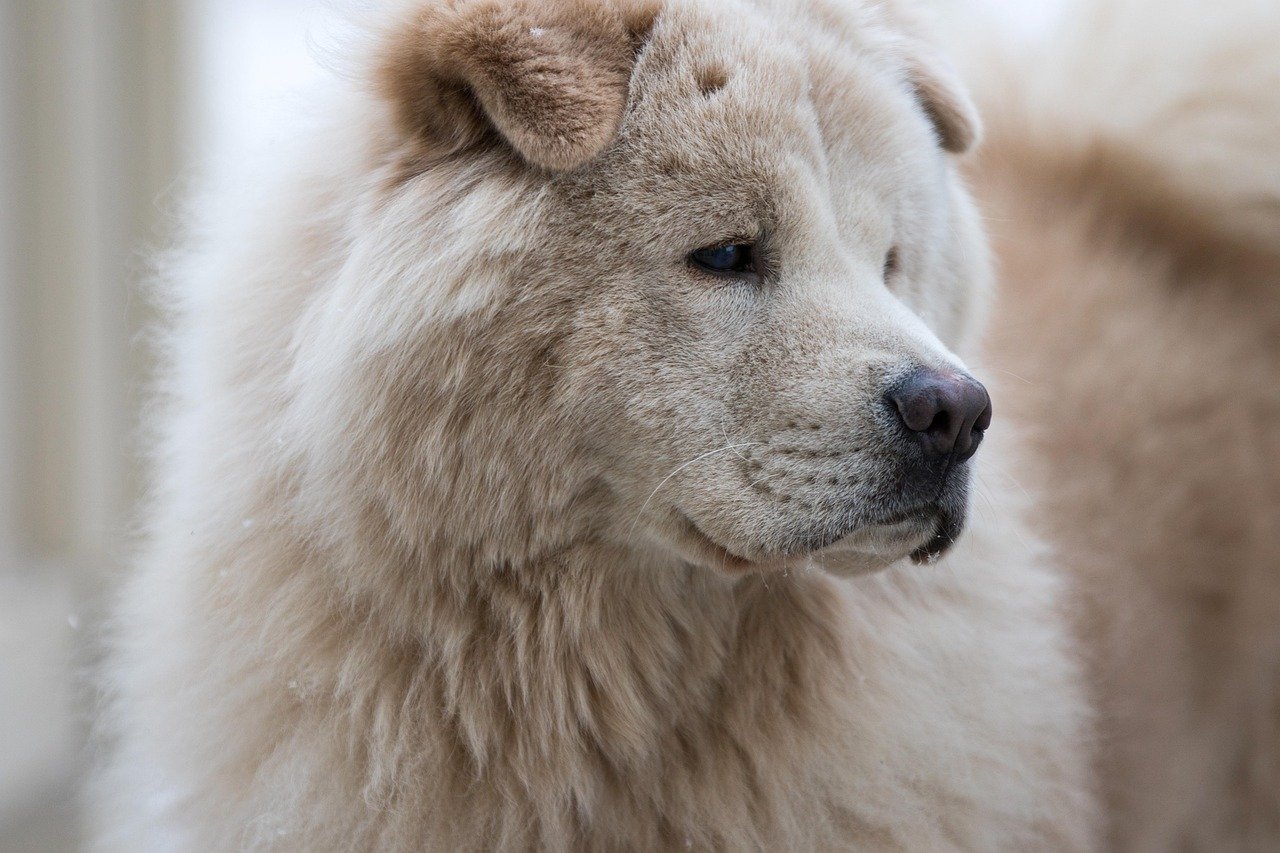
Like all breeds, Chow Chows have specific health concerns to be aware of. They are prone to hip dysplasia, eye disorders, and skin conditions, among other issues. Regular veterinary check-ups are vital to catch any potential health problems early. A balanced diet and proper exercise routine can help maintain their overall well-being. It’s wise to choose a reputable breeder who screens for genetic disorders. Understanding the potential health risks and taking preventive steps can ensure your Chow lives a long, healthy life.
Dietary Needs: Feeding Your Chow Chow
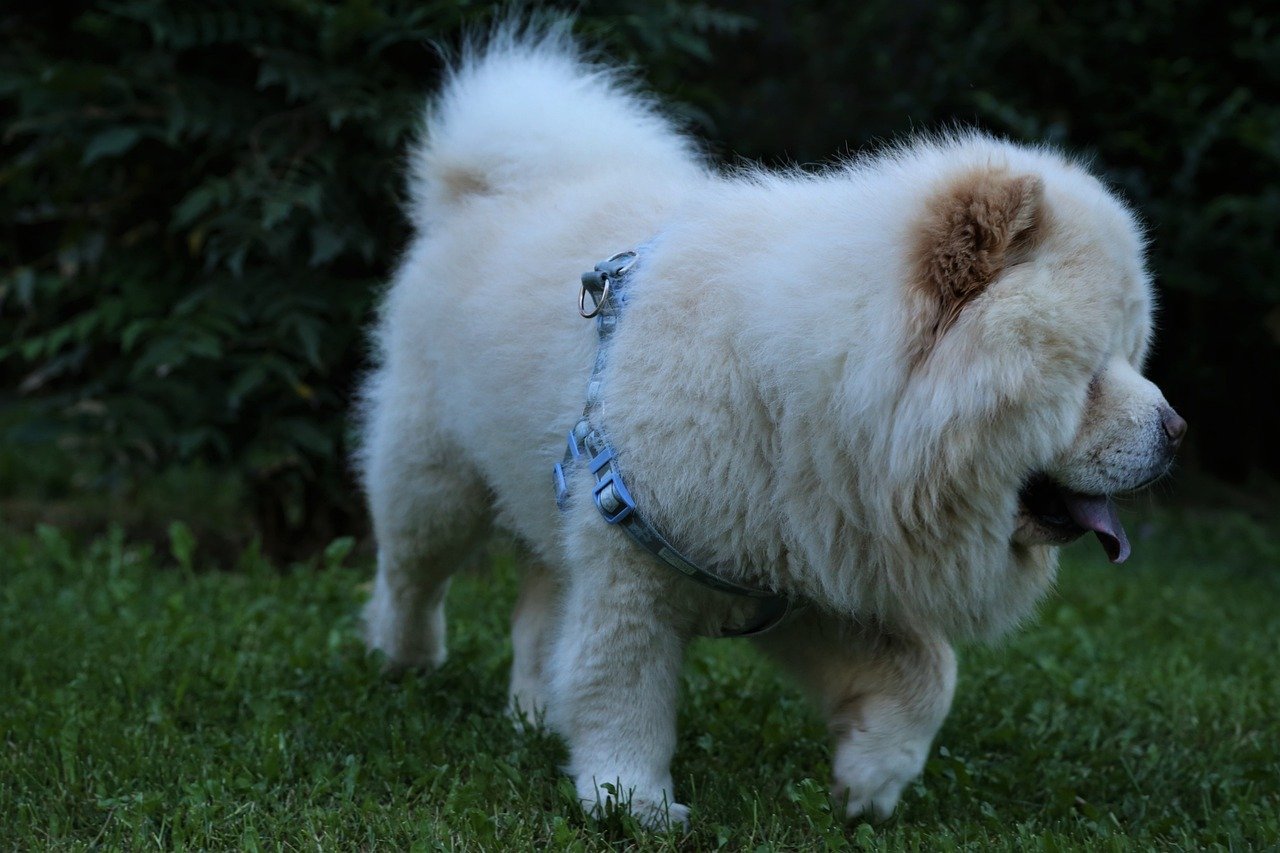
Chow Chows have specific dietary requirements to maintain their health and vitality. A high-quality, balanced diet that meets their nutritional needs is essential. Protein is crucial for their muscular build, while fats provide energy. Carbohydrates should be carefully monitored to avoid weight gain, as Chow Chows can easily become overweight. Fresh water should always be available, and treats should be given in moderation. Consulting with a veterinarian about your Chow’s diet can help tailor a plan that suits their individual needs.
Exercise Requirements: Not Just a Walk in the Park
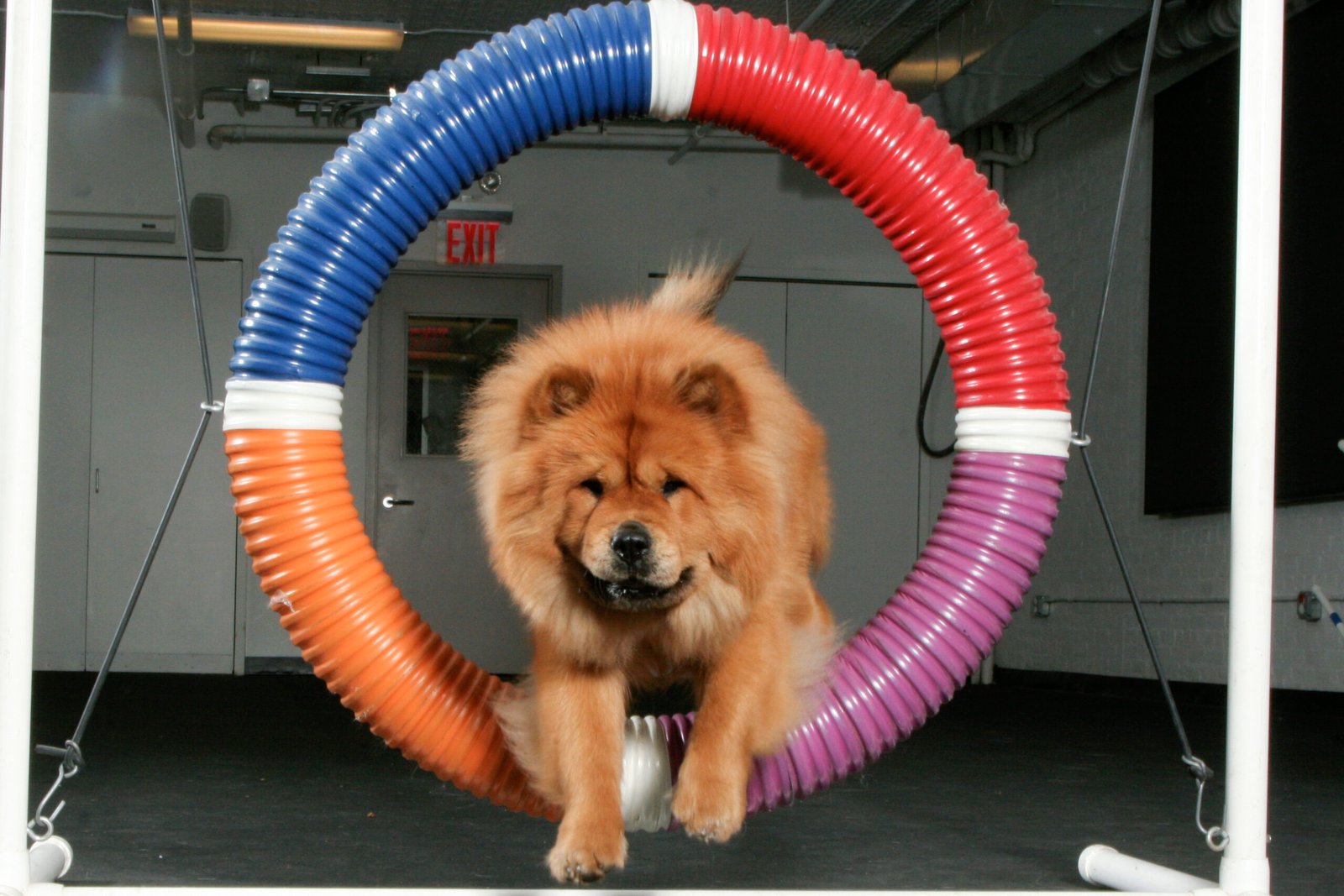
While Chow Chows may not be as energetic as some breeds, they still require regular exercise to stay healthy. Think of exercise for a Chow as a gentle stroll rather than a marathon run. Daily walks and playtime in a secure yard are usually sufficient to meet their needs. It’s important to avoid over-exercising, especially in hot weather, as they are prone to overheating. Mental stimulation is equally important; puzzle toys and training sessions can keep their minds sharp. Balancing physical and mental activities will ensure your Chow remains happy and engaged.
The Training Journey: Patience is Key
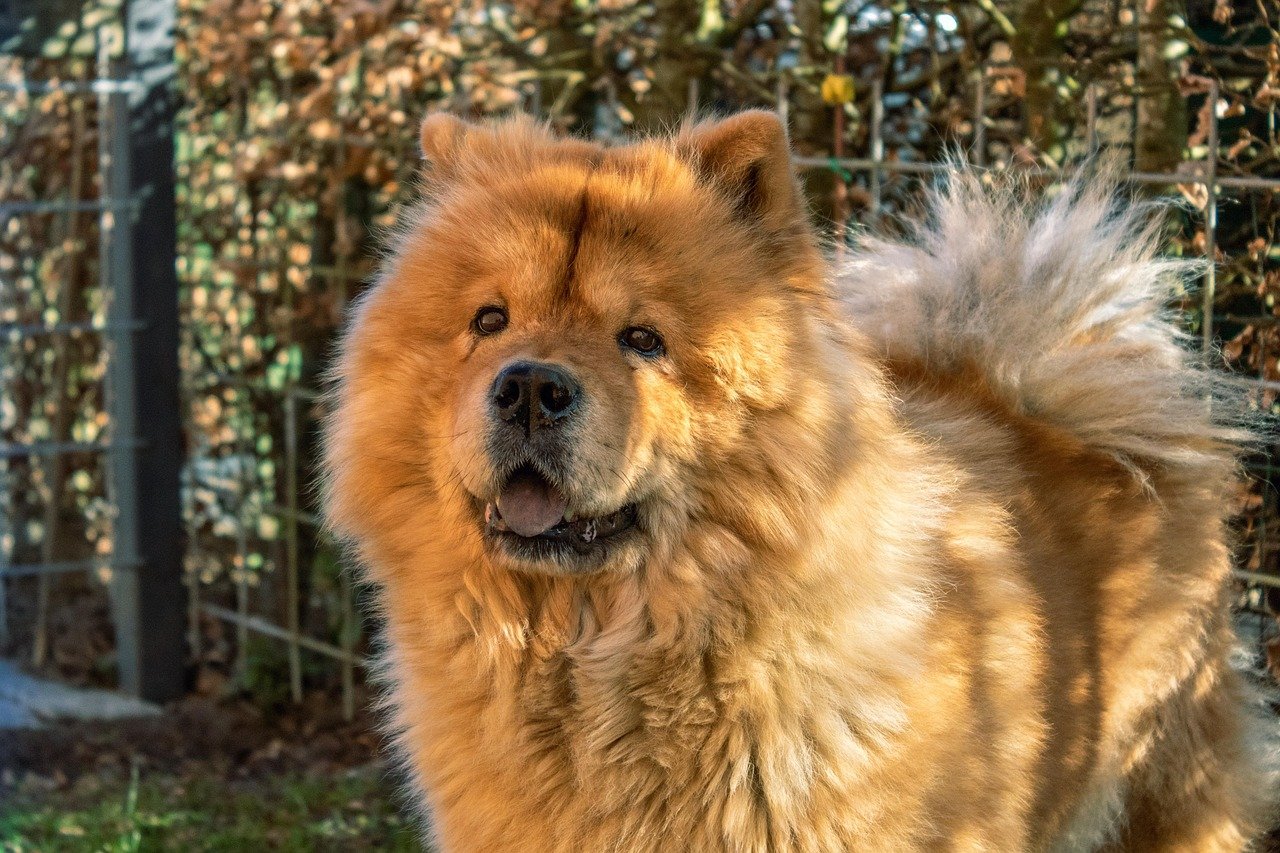
Training a Chow Chow requires patience, consistency, and a gentle touch. They are intelligent but can be stubborn, much like trying to convince a cat to do tricks. Positive reinforcement methods, such as treats and praise, work best with this breed. Training should begin early, focusing on basic commands and good manners. Short, engaging sessions are more effective than long, repetitive ones. It’s crucial to establish yourself as a calm and confident leader, as Chow Chows respond well to clear boundaries. Remember, training is not just about obedience; it’s about building a strong bond with your dog.
Living Space: Creating a Chow-Friendly Environment
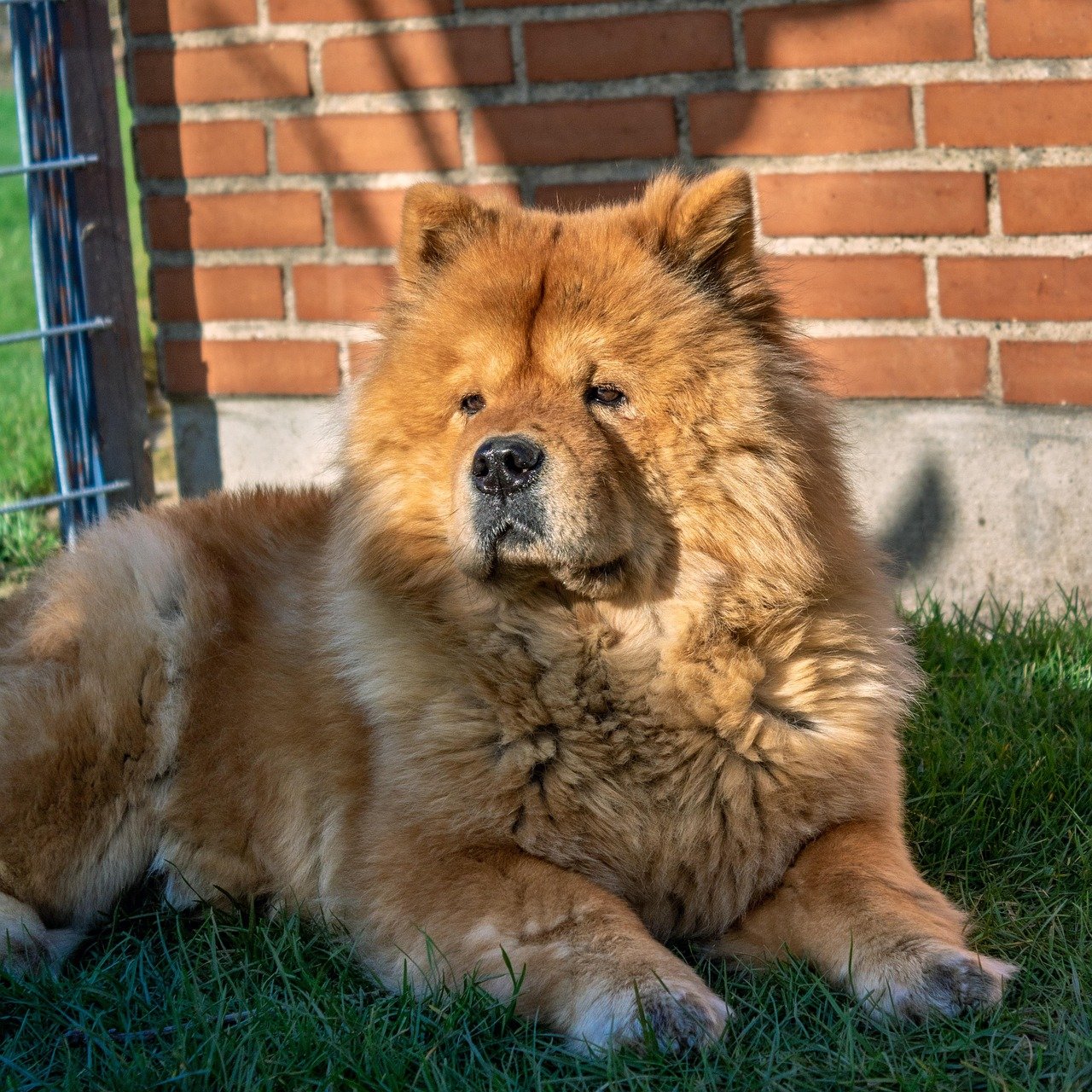
Chow Chows can adapt to various living situations, whether in an apartment or a house with a yard. However, they thrive in environments where they can be part of the family. A secure, fenced area is ideal for their safety, as they can be independent and curious. Inside the home, providing a comfortable space with their bed or crate gives them a sense of security. Chow Chows appreciate a routine and can become stressed with too much chaos or change. Creating a calm, stable environment will help them feel at ease.
Understanding Their Protective Instincts
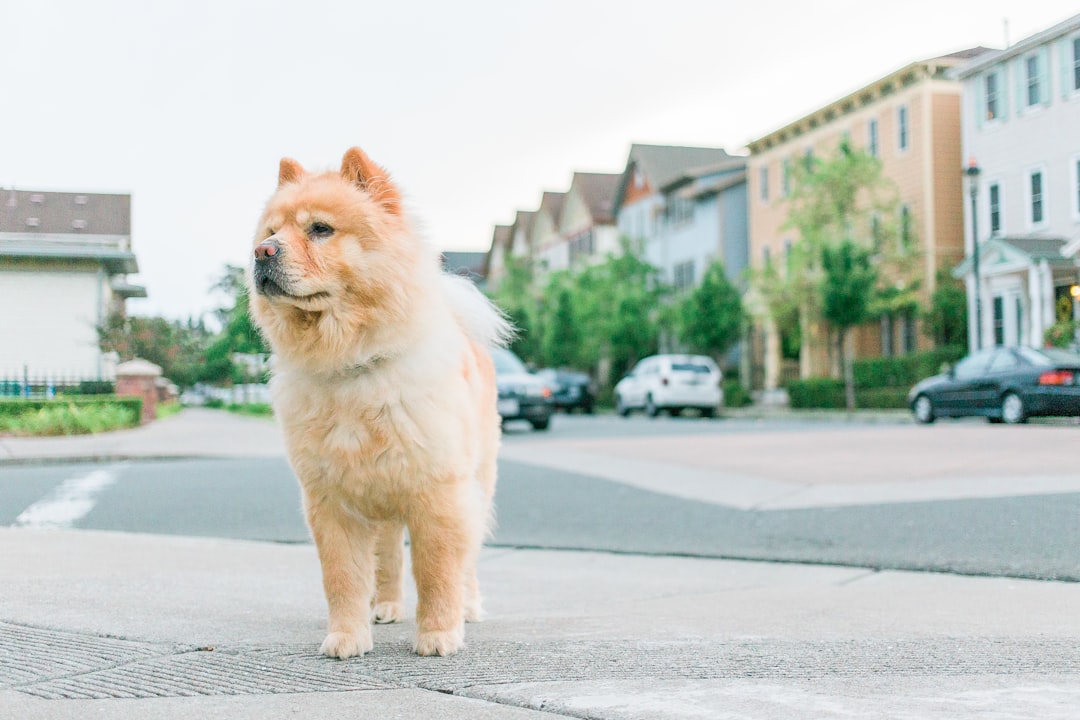
Chow Chows have a natural protective instinct, often serving as excellent watchdogs. They are incredibly loyal to their family and can be wary of strangers. This trait is both a blessing and a responsibility, requiring owners to manage their Chow’s interactions carefully. Proper socialization and training can help channel their protective instincts positively. It’s important to teach them to differentiate between a genuine threat and a friendly visitor. Understanding and respecting their protective nature will help you manage their behavior effectively.
Finding a Reputable Breeder
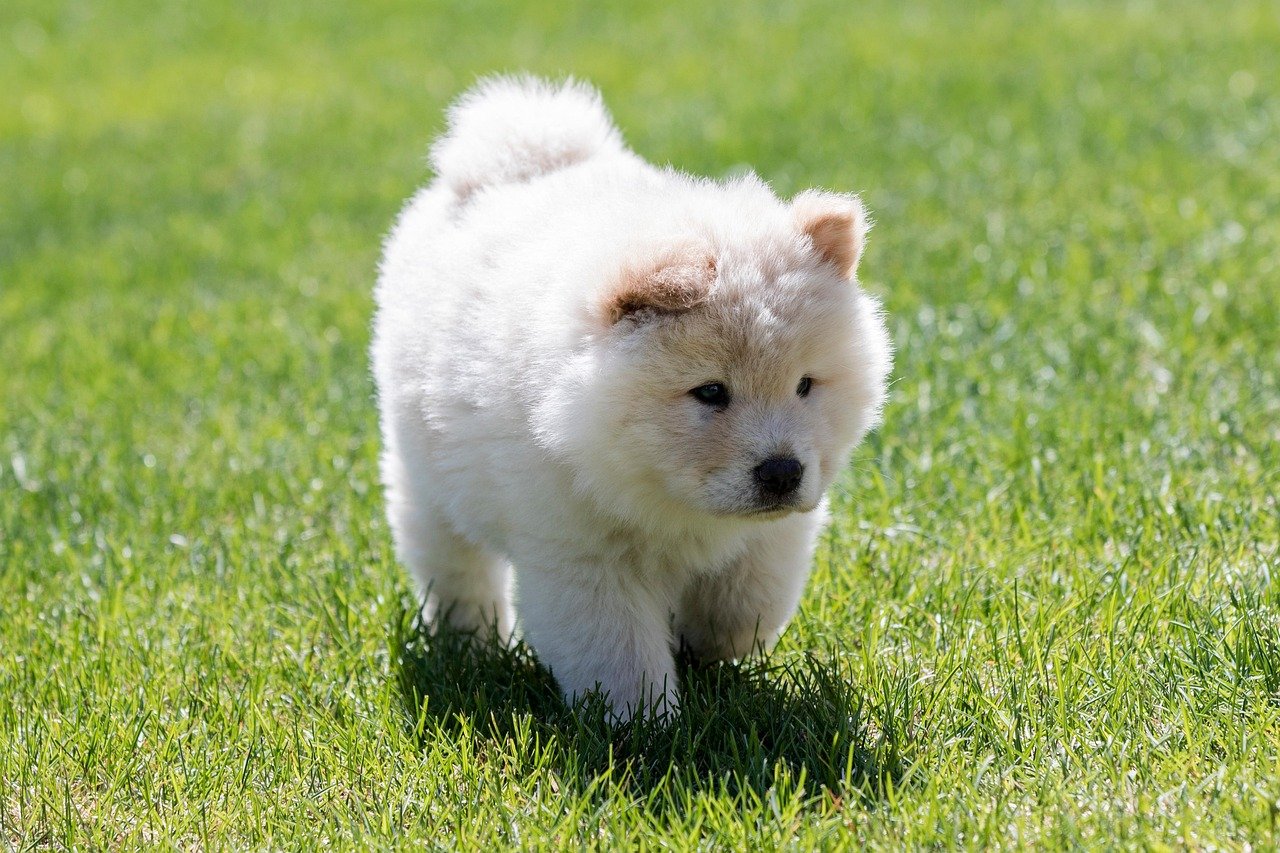
Choosing a Chow Chow from a reputable breeder is crucial for obtaining a healthy, well-adjusted puppy. A good breeder will prioritize health, temperament, and breed standards over profit. They should be willing to answer your questions and provide health clearances for the puppy’s parents. Visiting the breeder’s facility allows you to see the conditions in which the puppies are raised. A reputable breeder is also a resource for support and advice throughout your Chow’s life. Taking the time to find the right breeder is an investment in your future dog’s well-being.
Chow Chows and Children: A Harmonious Relationship
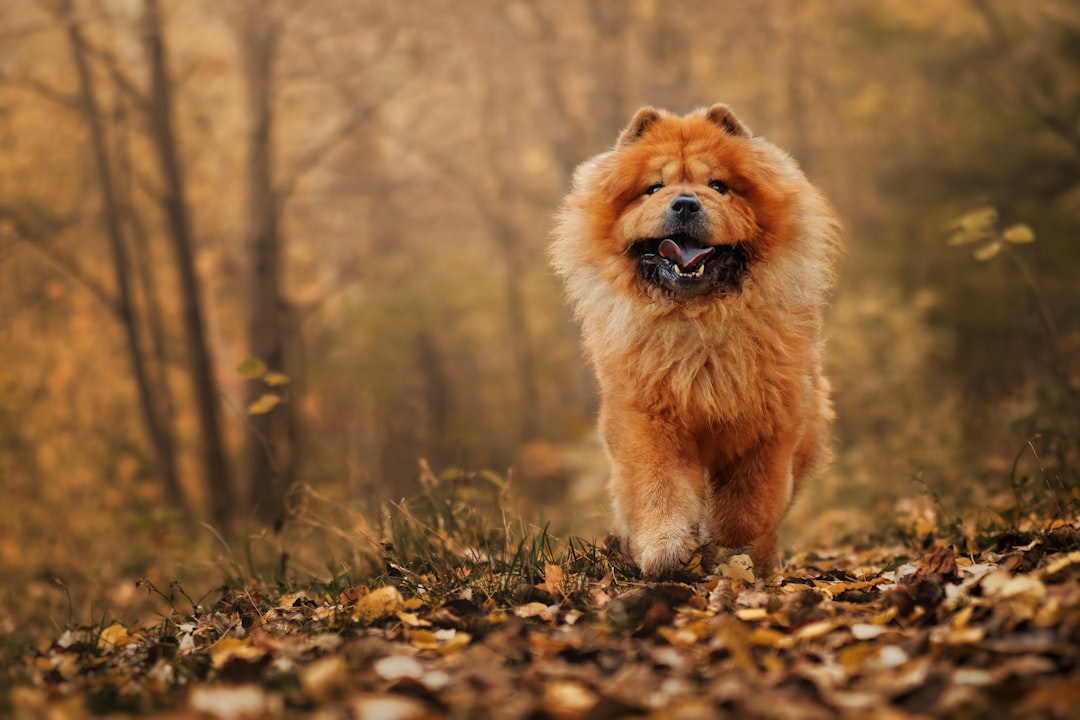
Chow Chows can live harmoniously with children, but supervision and education are key. Teaching children how to interact respectfully with a Chow is essential for a positive relationship. Children should understand not to disturb the dog while eating or sleeping and to approach them calmly. Chow Chows are generally patient but may not tolerate rough handling. Early socialization and training help ensure a Chow is comfortable around children. When managed correctly, a Chow Chow can be a loving and protective family member.
The Lifelong Commitment of Owning a Chow Chow
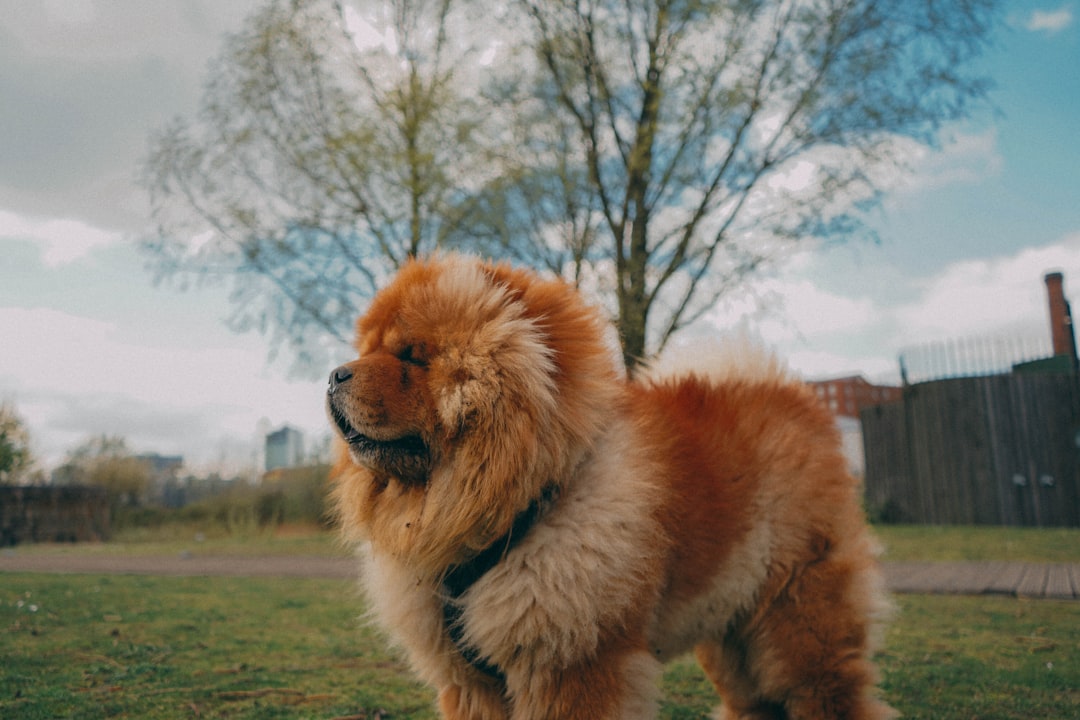
Bringing a Chow Chow into your life is a lifelong commitment, often spanning over a decade. They require time, patience, and understanding to thrive. Consider your lifestyle and whether you can meet their needs before making a decision. Owning a Chow is not just about the initial excitement; it’s about the daily care and companionship. These dogs offer loyalty, dignity, and a unique presence that enriches the lives of those who understand them.
In conclusion, owning a Chow Chow is a rewarding experience for those willing to invest the time and effort. Understanding their unique traits and requirements is essential for a harmonious relationship. With proper care, a Chow Chow can be a cherished member of the family for many years.


