
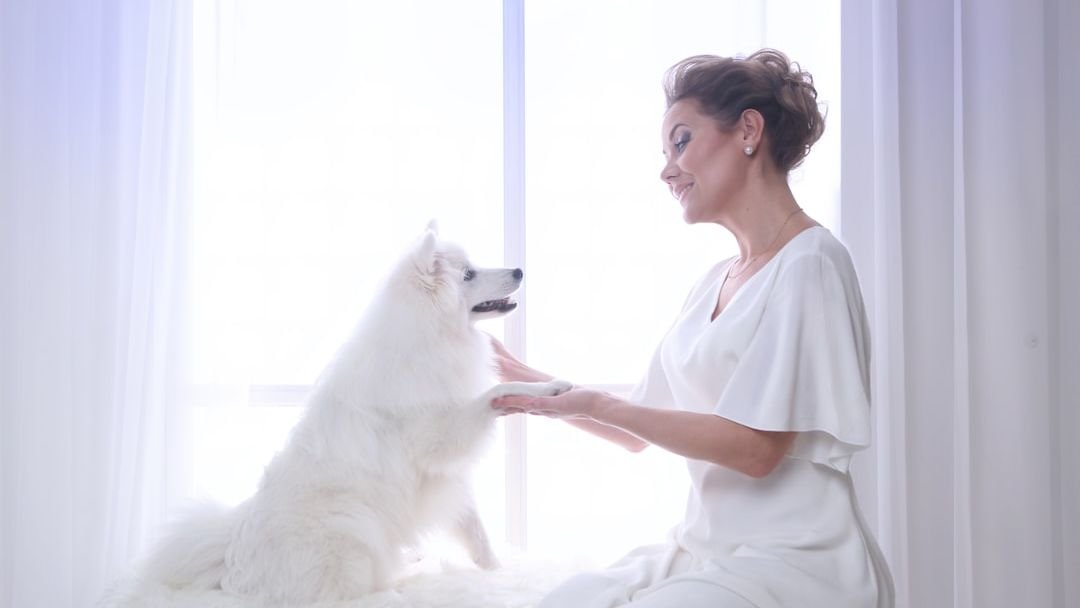
Ever wonder how your dog really sees you? They can’t tell us in words, but they’re reading every gesture, every touch, every glance. Your daily routines might seem ordinary to you, yet to your dog, they’re powerful declarations of affection. The bond between humans and dogs is one of the most fascinating relationships in nature, woven from thousands of years of coevolution. While we express love in human ways, our dogs have learned to decode our intentions through their own unique lens. Some of what we do translates perfectly. Other actions carry meanings we never imagined. Let’s explore the subtle and not-so-subtle ways your everyday behaviors speak volumes to your furry companion.
When You Look Into Their Eyes
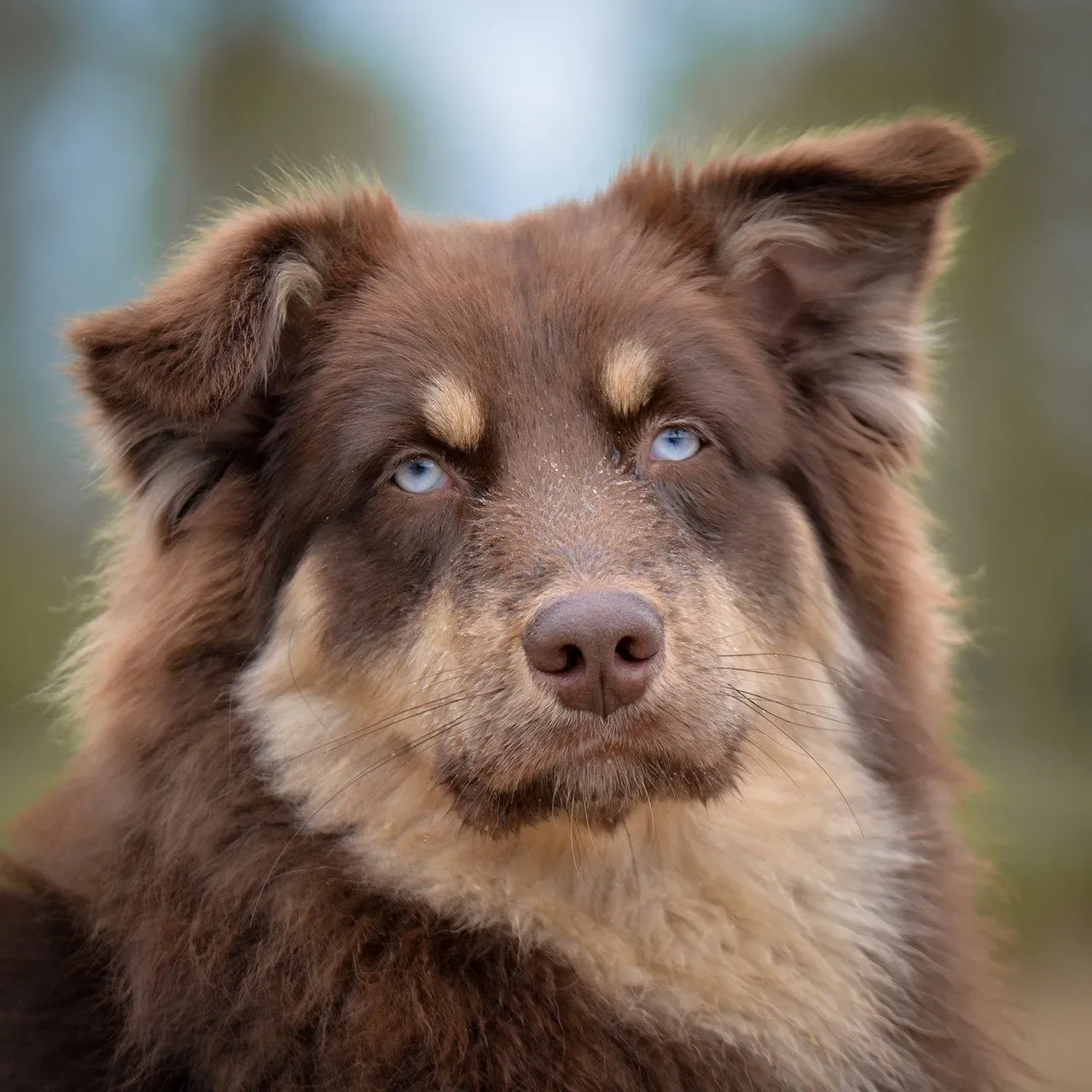
Direct, gentle eye contact between you and your dog isn’t just a sweet moment – it’s a biological bonding experience. While staring means confrontation among wolves, prolonged eye contact in the dog-human relationship signals trust and affection, triggering oxytocin release in both species. This is the same hormone that floods a mother’s system when gazing at her infant. Think about that. When your dog gazes up at you with those soft, relaxed eyes, you’re both literally falling in love all over again.
Research shows that dogs’ neural systems evolved during domestication to activate human oxytocin release through gaze, creating an interspecies bonding loop similar to parent-child relationships. It’s not manipulation – it’s connection. Next time your pup locks eyes with you during a quiet moment, know that it’s one of the most intimate exchanges two different species can share.
Following You From Room to Room
When your dog shadows you everywhere, they’re displaying what researchers call secure attachment – you’re essentially the sun in their personal solar system, and studies show dogs follow their favorite humans from room to room as a sign they think you’re the best person to be around. It might feel clingy sometimes, especially when you’re trying to shower or cook dinner. Yet this Velcro behavior is your dog’s way of saying they feel safest in your orbit.
Dogs aren’t just being nosy or bored. They form real emotional attachments like young children do with caregivers, using humans for security and reassurance, with behaviors that go beyond learned responses to food or care. So when your dog plants themselves at the bathroom door, it’s pure devotion speaking.
The Way You Talk to Them
Your voice is like music to your dog’s ears – literally. Dogs interpret love through reliable cues like gentle tone of voice, which feels reassuring to them, and they respond to the warmth and consistency in how we speak. That silly, high-pitched voice you use? Don’t be embarrassed. It works because dogs are masters at reading vocal intonation.
Research confirms that dogs are exceptionally skilled at interpreting human body language and emotions, responding to facial expressions and voice intonation – even a simple smile or gentle tone can elicit excitement. When you narrate your day to them or ask how their nap was, they might not understand every word, but they’re soaking up your affection through every syllable. The way you say it matters far more than what you say.
Physical Touch and Gentle Petting
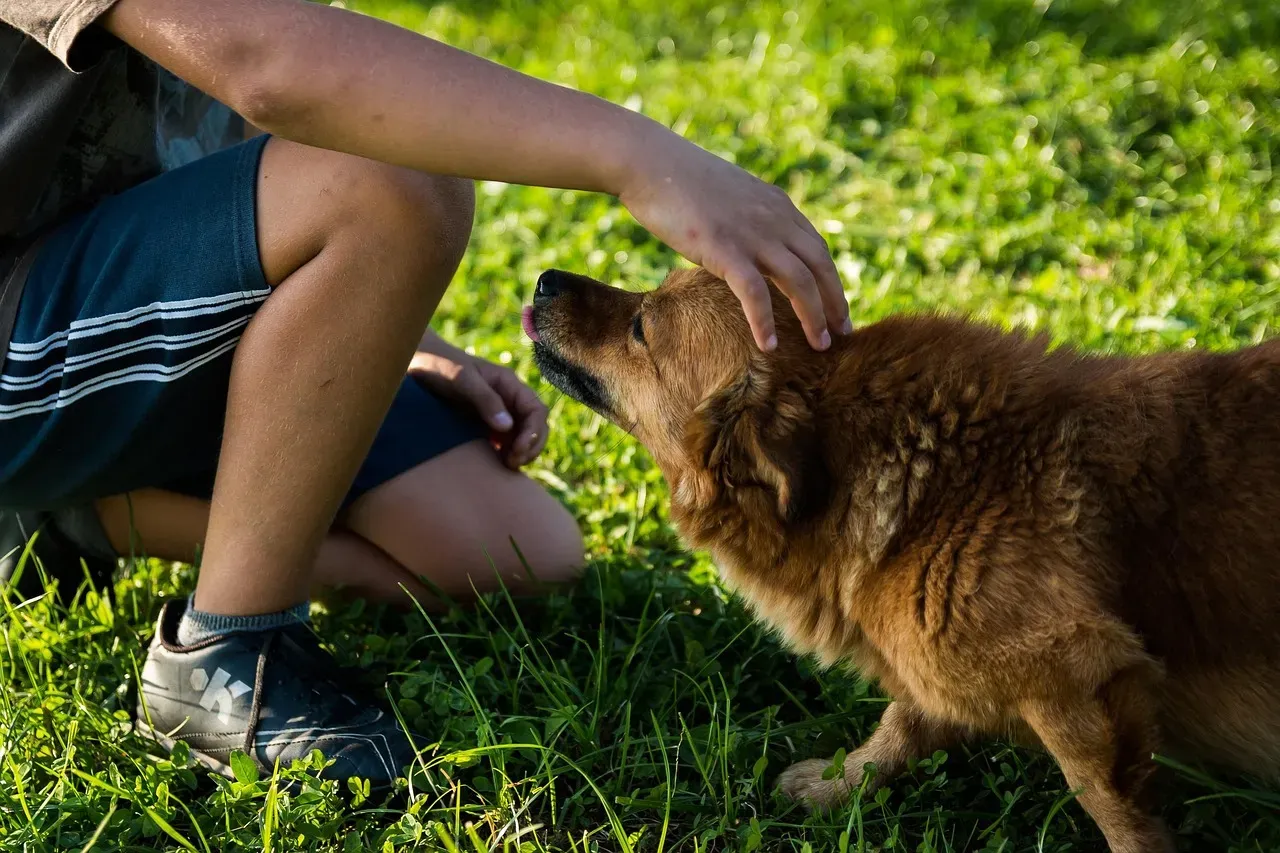
Physical touch like petting and cuddles stimulates nerve endings and releases oxytocin in both dogs and humans, and when you pet your dog and make loving eye contact, both of your oxytocin levels increase, creating a chemical connection. This isn’t just pleasant – it’s transformative. Each stroke along their back, each scratch behind the ears, chemically reinforces your bond.
Interestingly, not all dogs want to be squeezed or hugged tightly. Some dogs will cuddle on their own terms in less restrictive ways, perhaps sprawling across you, so it’s best to avoid embraces that may feel constricting. Pay attention to how your dog responds. Do they lean into your hand or pull away? Let them guide the interaction, and you’ll both benefit from touch that feels good rather than overwhelming.
Feeding Them Every Day
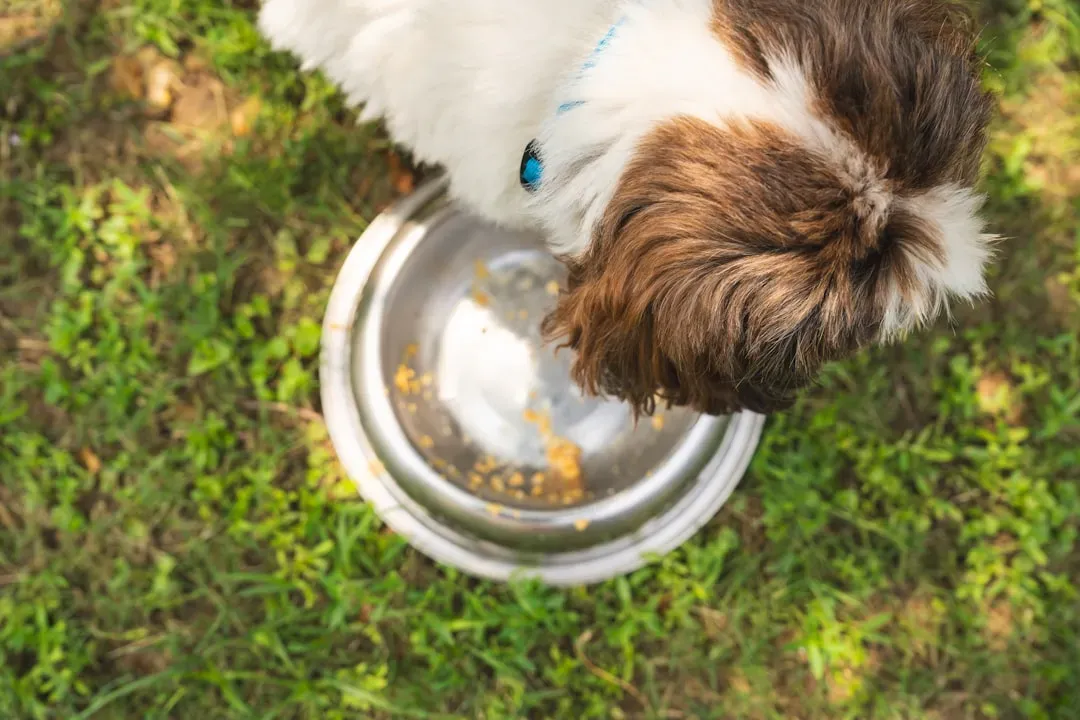
This one might seem obvious, but it goes deeper than you think. Dogs interpret love through daily care routines such as feeding, walking, and grooming, along with the consistency of positive reinforcement and affection. Food isn’t just fuel. It’s security, routine, and trust rolled into one shiny bowl. When you show up at mealtime like clockwork, you’re telling your dog they can count on you.
The ritual itself matters as much as the food. Dogs thrive on predictability, and knowing that you’ll provide for them creates a foundation of safety. Even if they’re dancing and barking impatiently as you scoop their kibble, that excitement is rooted in gratitude and anticipation. You’re the source of something they need, and that’s love in its most primal form.
Leaning on You – And Letting Them Lean on You
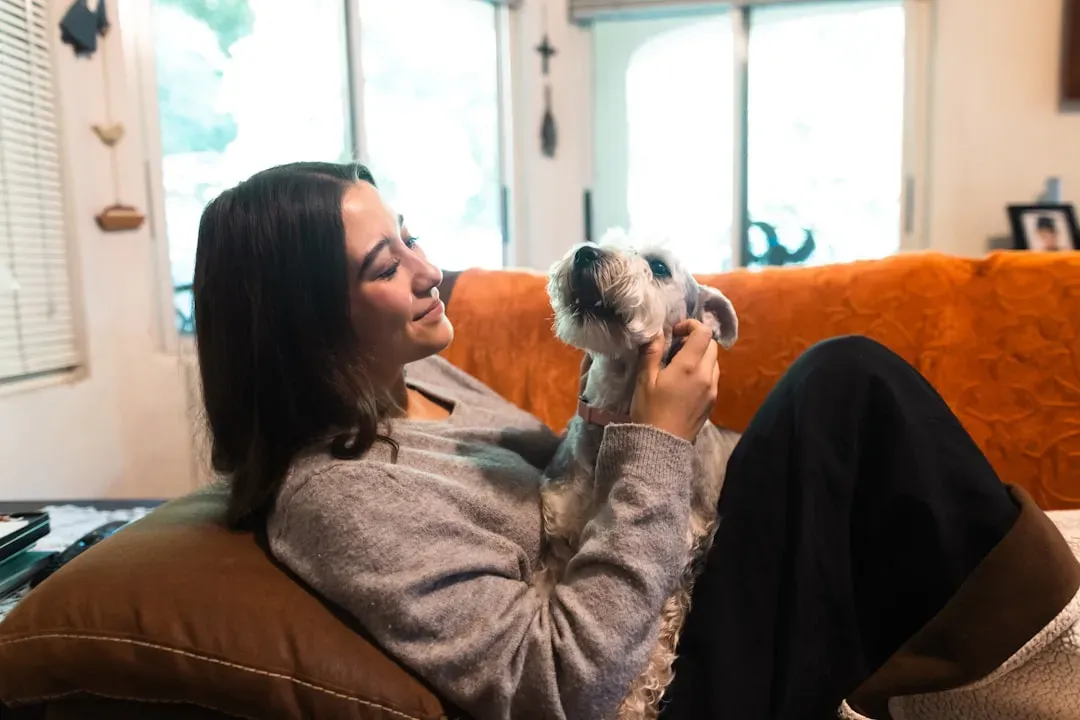
When a dog presses their body against your leg or sits on your foot, this physical closeness isn’t dominance but emotional reassurance – touch reinforces bonds and trust in canine social behavior, similar to how puppies sleep in heaps or adult dogs rest side by side. If your dog flops against you on the couch or leans heavily while you’re standing, they’re seeking comfort and connection.
Leaning is a sign of affection, attachment, and sometimes a polite request for a little scratch. It’s their way of being close without demanding constant interaction. Honor that. Let them press into you. That quiet weight is one of the purest expressions of trust and love a dog can offer.
Taking Them on Walks
Walks are more than exercise. They’re adventures, exploration, and quality time wrapped into one leash. When you take your dog outside, you’re offering them the world beyond the front door – new smells, interesting sights, maybe a friendly neighbor or two. Dogs live for these sensory experiences, and you’re the one making it happen.
Dogs are incredibly skilled at reading human body language, gestures, and emotions, interpreting facial expressions and vocal tones, which allows them to reciprocate emotional states and offer comfort when we’re sad or excitement when we’re happy. During walks, they’re also reading your mood and energy. A relaxed stroll with you isn’t just physical enrichment – it’s an emotional exchange that deepens your bond with every step.
Playing With Them
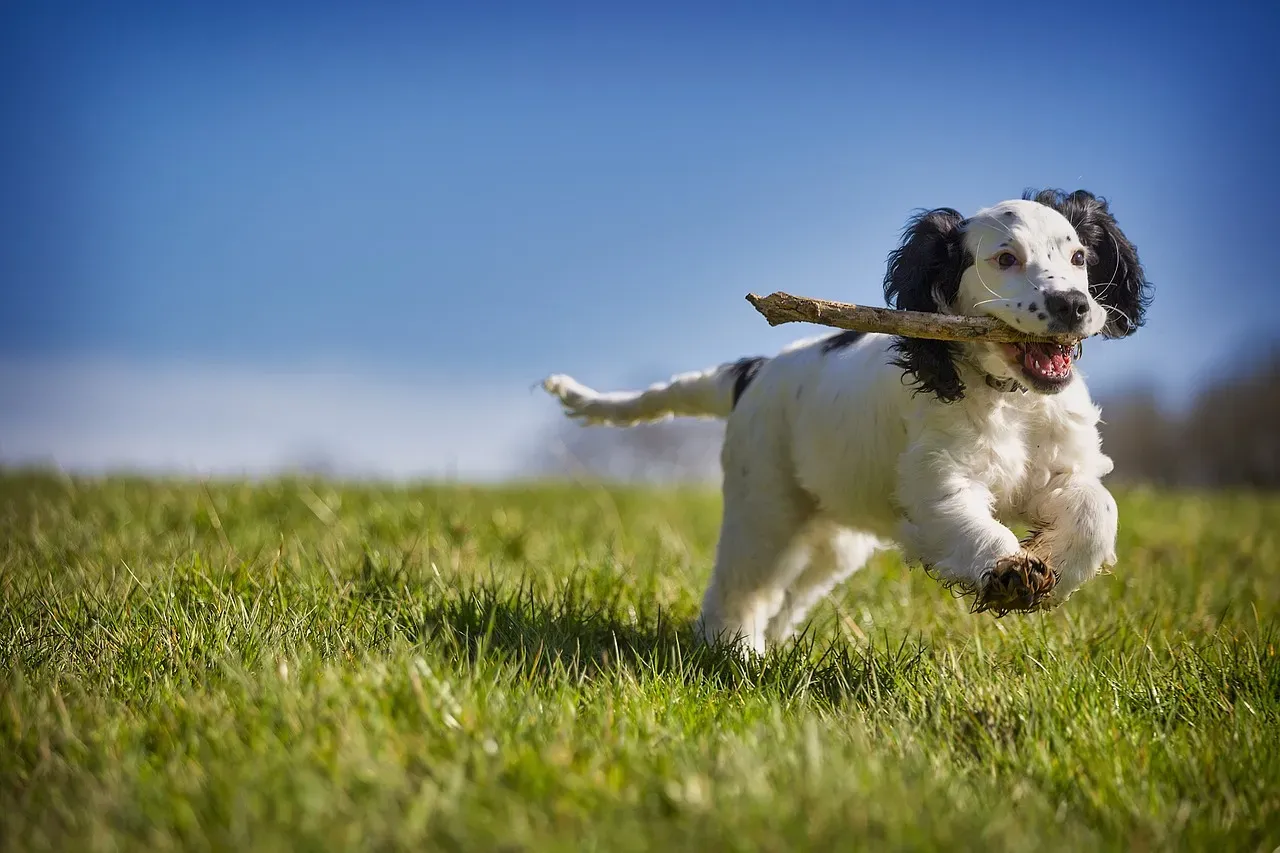
When your dog brings you a slobbery tennis ball and drops it in your lap, they’re inviting you into their world and seeking engagement. Play is the language of joy for dogs. Whether it’s fetch, tug-of-war, or a goofy wrestling match on the living room floor, these moments are your dog’s version of quality time.
Relaxed dogs are engaged with their surroundings and may be eager to receive or show affection, and they may be squirmy and overdramatic during play when feeling excitable. When you throw that ball for the fiftieth time or wiggle a rope toy with exaggerated enthusiasm, you’re not just entertaining them. You’re showing them that their happiness matters to you. And that, in dog language, is pure love.
Spending Quality Time Together
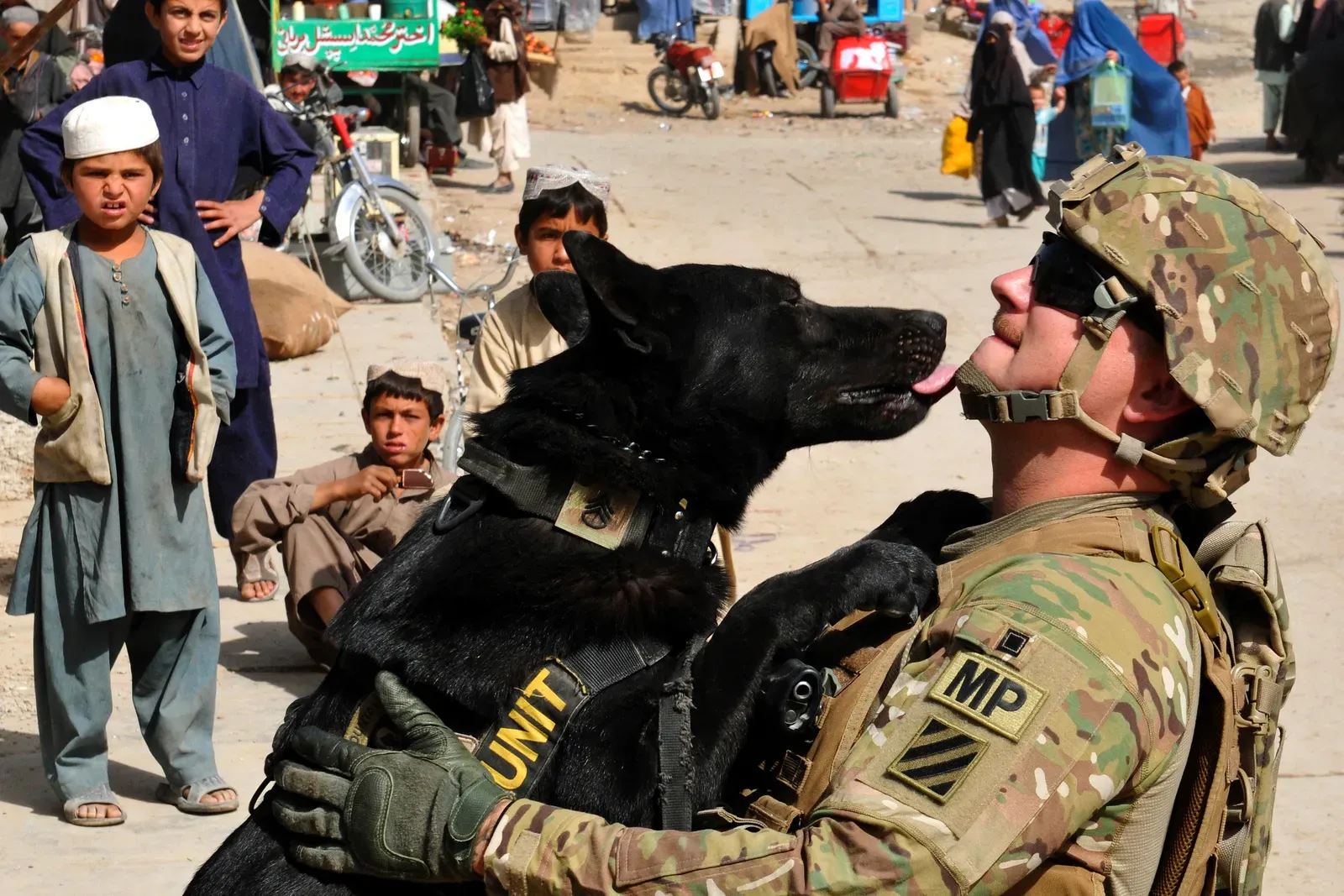
Just being present counts. Dogs thrive on companionship and attention, and spending quality time together strengthens your bond. This doesn’t always mean grand gestures or elaborate activities. Sometimes it’s simply sitting together on the couch, your hand resting on their back while you scroll through your phone or watch TV.
Sleeping near or with you signifies security and comfort, and leaning on you or pressing their face into yours is physically and emotionally comforting. Your dog doesn’t need constant entertainment. They need your presence. They need to know you’re there, within reach, sharing space. That quiet companionship speaks louder than any treat or toy ever could.
Using Their Name Affectionately
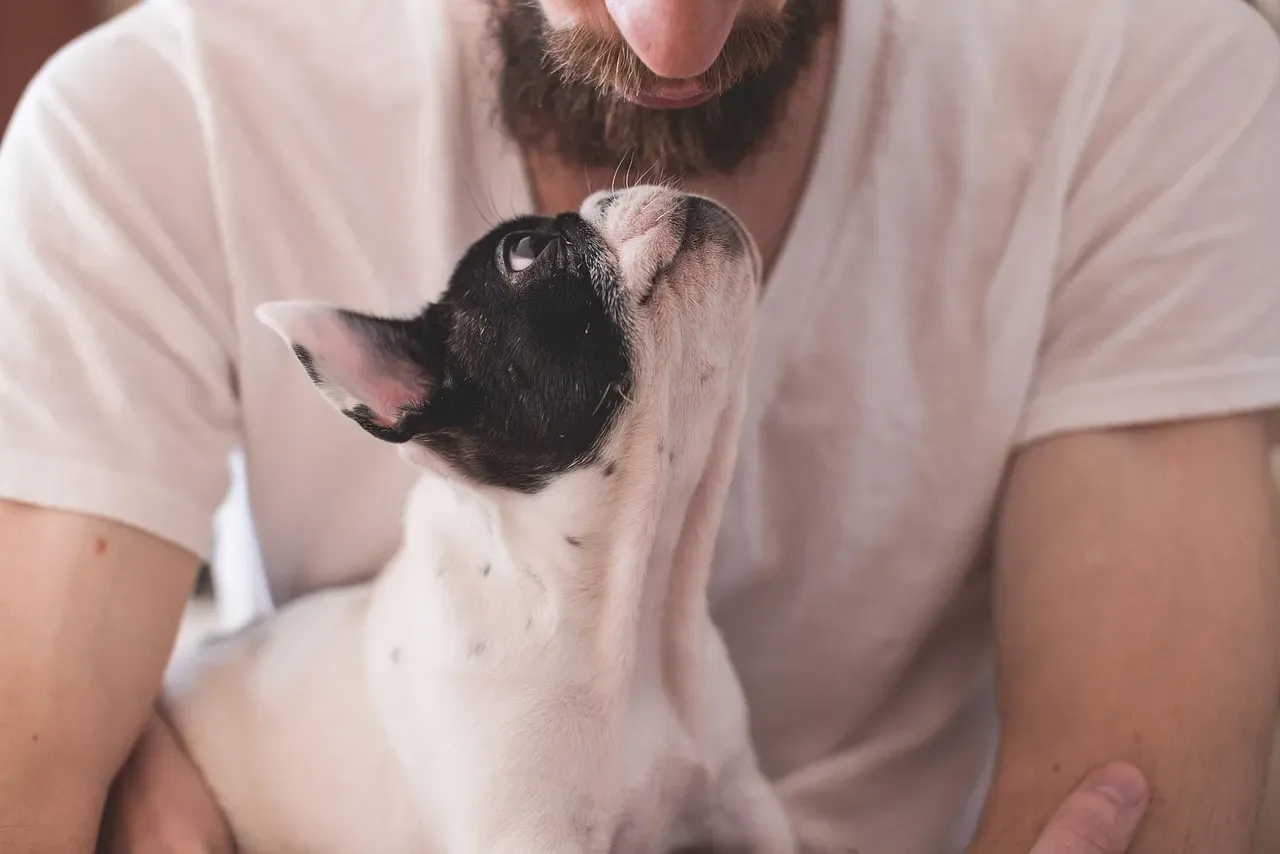
Your dog’s name, spoken with warmth and affection, is like a little gift every time. They learn to associate their name with good things – your attention, praise, treats, love. When you call them over with a happy voice or say their name while scratching their favorite spot, you’re reinforcing that they matter.
Dogs are sensitive to patterns and associations. Every time their name is paired with something positive, it becomes a signal of safety and affection. Even saying their name while you’re thinking about them – yes, they notice – adds another layer to the emotional bond you share. It’s a simple act with profound meaning.
Protecting and Comforting Them
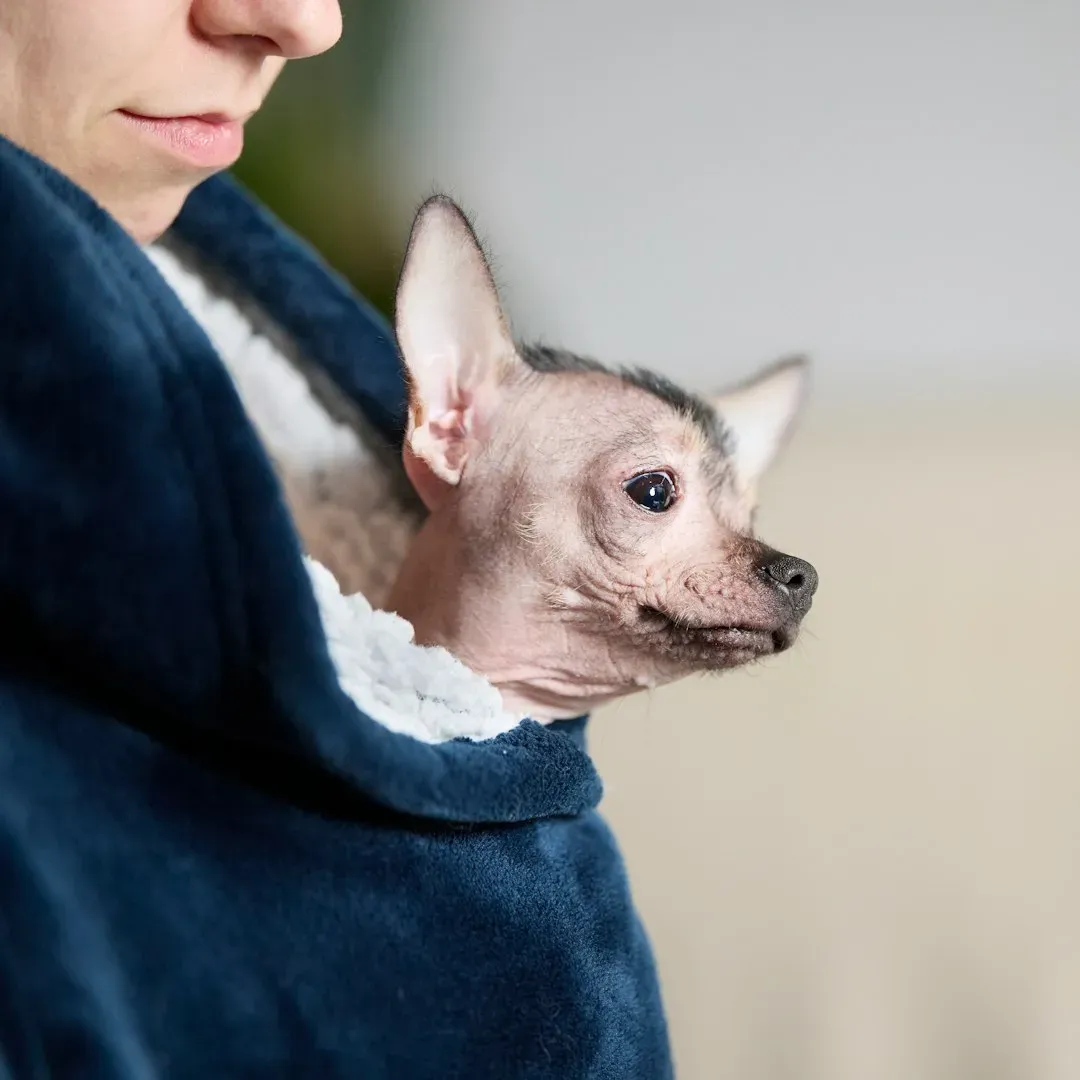
Dogs often display empathy and loyalty, and they respond to illness, sadness, or stress in their humans with physical closeness and gentle behavior, reinforcing their role as attentive companions. The reverse is also true. When you comfort your dog during a thunderstorm, shield them from an overly enthusiastic stranger, or soothe them after a vet visit, you’re acting as their protector.
Dogs form real emotional attachments and utilize humans for security and reassurance, often showing clingy tendencies during unfamiliar situations or environments. Your dog knows when you’re looking out for them. That awareness builds trust in ways that nothing else can. You’re not just their companion – you’re their safe harbor in a chaotic world.
Respecting Their Boundaries
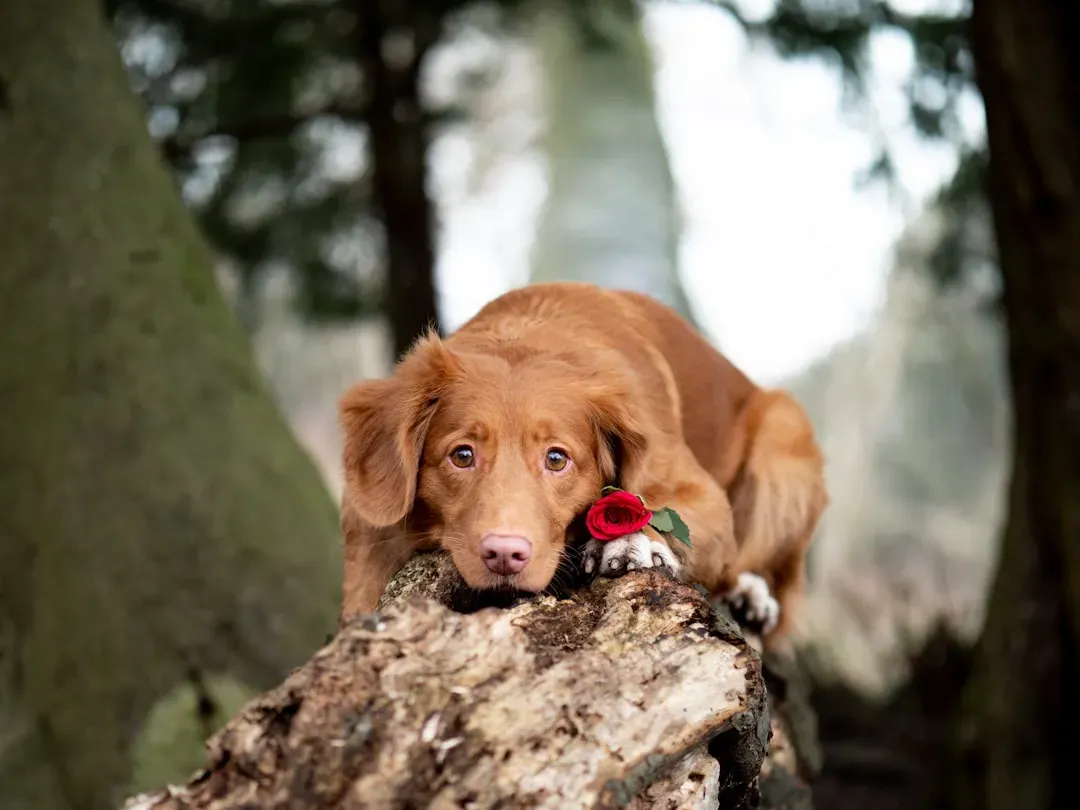
Love isn’t just about what you do – it’s also about what you don’t do. Understanding dogs’ basic body language allows us to gain insight into their thoughts and feelings about the world, helping us decode what they’re experiencing. When your dog signals discomfort – turning their head away, licking their lips, or moving to another spot – and you honor that, you’re showing respect.
Dogs appreciate when we listen to their nonverbal cues. Dogs are “talking” all the time through body language, and learning what they’re saying helps develop a deeper bond of trust and respect while also helping predict their behavior. When you give them space instead of forcing interaction, you’re demonstrating that their feelings matter. That’s a powerful form of love many people overlook.
Coming Home to Them
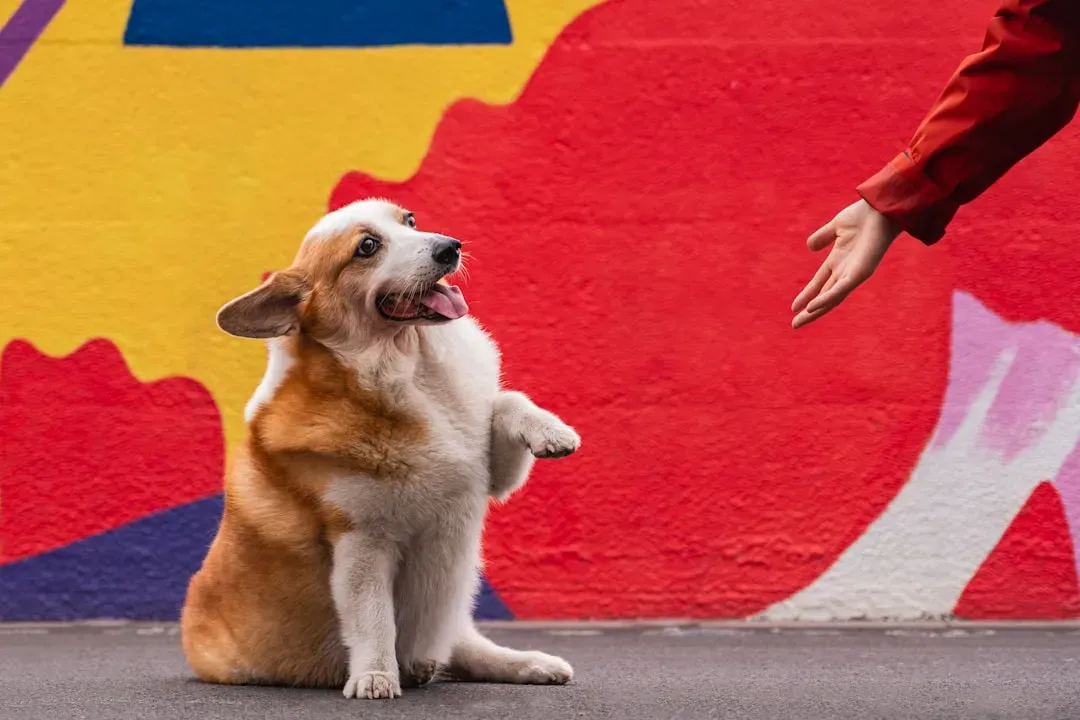
Dogs exhibit affectionate behaviors like loyalty through following you room to room, protective instincts when they become alert around loved ones, and excited greetings with tail wagging, jumping, and barking when you return as expressions of happiness and attachment. Your arrival home isn’t just another moment in their day – it’s the moment. You left, and now you’re back. In dog time, that absence felt longer than it did for you.
Research shows that the same part of dogs’ brains activates when they smell a familiar human even when that person isn’t present, suggesting dogs have mental representations of us that persist, meaning they truly miss us when we’re gone. Every homecoming is a reunion. Every greeting is a celebration. When you walk through that door and make a fuss over your dog – even if you were only gone ten minutes – you’re affirming that the separation is over and your bond remains intact. That reassurance is love at its most joyful.
Conclusion: The Language of Love
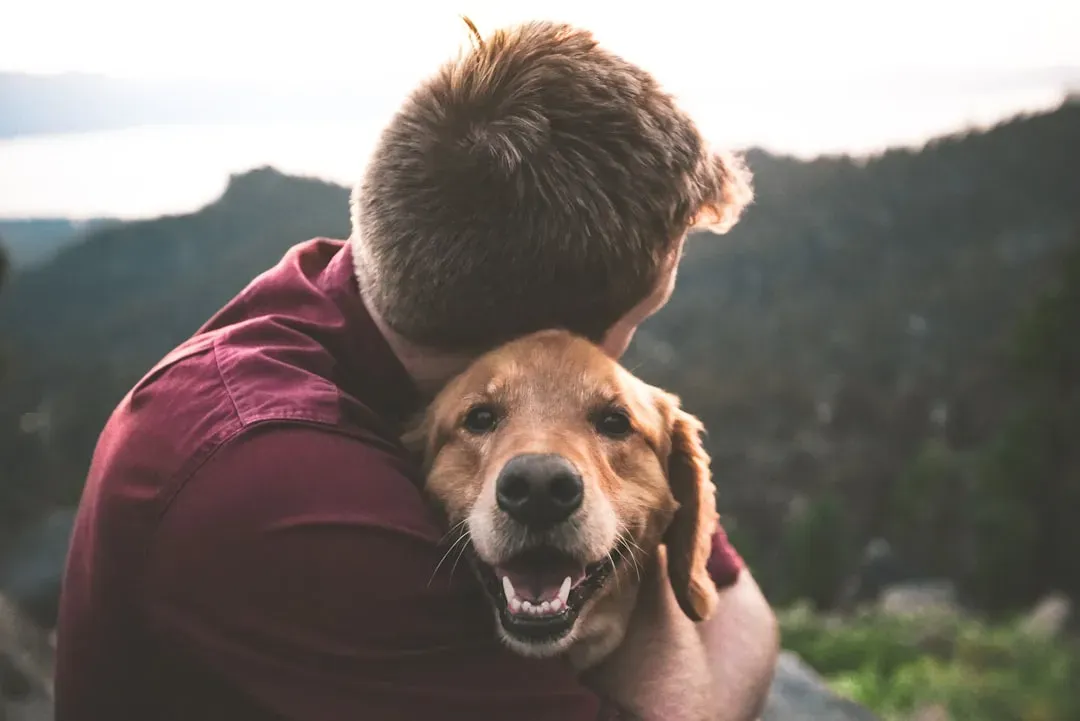
The truth is, dogs don’t need grand gestures or expensive gifts. They need consistency, presence, and genuine affection. Evidence from hormone-driven feedback loops and evolved traits shows that dogs feel the love we show them – their behaviors aren’t just learned but rooted in deep biological and emotional ties, and for millions who consider dogs family, science confirms that affection is not only felt but returned.
Every ordinary moment – walking them, feeding them, looking into their eyes, letting them lean on you – adds up to an extraordinary bond. You’re not just living with a pet. You’re sharing your life with a being who reads your emotions, mirrors your affection, and loves you with an intensity that spans millennia of evolution. So the next time your dog gazes at you with those soulful eyes or follows you to the kitchen for the hundredth time today, remember: they’re not just being a dog. They’re loving you in the only way they know how. What do you think – does your dog understand how much you care? The answer is probably yes, in ways both big and beautifully small.


