
There is a specific kind of quiet that settles into a home after a dog is gone. It’s not the peaceful kind. It’s the kind that presses down on you, fills your chest, and catches you completely off guard on an ordinary Tuesday morning when you reach for their leash out of pure habit. If you’ve been there, you already know exactly what I mean.
Losing a dog is one of those experiences that reshapes you. Not dramatically, not all at once, but in small, everyday ways that only people who’ve loved a dog will truly recognize. This article is for those people, the ones who get it. Let’s dive in.
The Grief Is Real, and Science Actually Proves It
Let’s be real, the world doesn’t always make room for this kind of grief. People might tell you to “move on” or remind you it was “just a dog.” Honestly, that is one of the most dismissive things anyone can say. Studies have shown that for many individuals, losing a dog can mirror the emotional impact of losing a close human companion in nearly every respect, and in some cases, the sense of loss is even greater.
The ache you feel is not just emotional. It’s neurological. The social separation distress system in mammals is activated during loss, and when your dog dies, the same neural pathways involved in human grief light up, creating genuine psychic pain, an echo of physical pain in the brain. So if you felt like you were grieving as hard as you ever have, it’s because you were.
Your Daily Routine Will Feel Completely Broken

Think about how much of your day was structured around your dog. Morning walks, feeding times, the evening ritual of settling on the couch together. The loss of a dog can seriously disrupt an owner’s daily routine more profoundly than the loss of most friends and relatives, because daily schedules, even vacation plans, can revolve around the needs of their pets, and changes in lifestyle and routine are some of the primary sources of stress.
Researchers have found that the intensity of pet grief is highly correlated with the strength of daily routines shared between pet and owner. The more integrated the dog was in one’s daily life, the deeper the rupture when they’re gone. It’s like removing a load-bearing wall from a house and wondering why everything feels unstable.
You’ll Hear, Smell, or See Them When They’re Not There
This one catches people completely off guard. You’ll swear you heard the click of their nails on the floor. You’ll glance toward their bed and almost see them there. According to research, many bereaved pet owners will mistakenly interpret ambiguous sights and sounds as the movements, pants, and whimpers of the deceased pet, and this is most likely to happen shortly after the death, especially among owners who had very high levels of attachment.
You’re not losing your mind. Your brain built an entire internal map around that dog. It takes time for that map to update. Be patient with yourself when it happens, because it will happen, and it’s completely normal.
Nobody Warns You About the Guilt
People tend to feel guilt either way, whether from a natural death or euthanasia. When an animal dies naturally, some people feel they should have caught the symptoms earlier. When an animal is euthanized, the guilt tends to center around whether the timing was right. There is no version of losing a dog that comes without that quiet, nagging self-questioning.
Guilt after pet euthanasia often stems from the depth of your love for your pet, and it’s a natural defense mechanism, a way your heart tries to protect itself from the pain of loss. Here’s the thing though: the fact that you’re carrying guilt is proof you were paying attention, that you were present, that you cared deeply. That is not something to be ashamed of.
Your Identity Shifts in Ways You Didn’t Expect
You were “the person with the golden retriever.” You were “the one who always came to the park at 7am.” Your dog was woven into how others saw you and, more importantly, how you saw yourself. Part of your self-identity can come from being a pet owner, and others may also think of you in relation to your pet. Adjusting to that change is a central need of mourning.
It sounds strange when you first hear it, but it’s deeply true. Your whole social rhythm, your neighborhood relationships, your sense of purpose, a lot of it flowed through that dog. Give yourself permission to grieve that identity shift alongside the loss itself.
The World Doesn’t Know How to Support You
Here’s something that stings. Research has confirmed that for most people, the loss of a dog is comparable to the loss of a human loved one, yet there’s little in our cultural playbook, no grief rituals, no obituary in the local newspaper, no religious service, to help people get through the loss of a pet. You’re expected to bounce back on a timeline that doesn’t fit the size of your love.
Sociologists note that society often doesn’t allow for pet grief to be publicly or culturally acknowledged. This phenomenon is called disenfranchised bereavement, a type of mourning that isn’t socially recognized, and as a result, pet owners may feel shame for their sorrow or even question their own emotional stability. Knowing this has a name can actually bring a quiet kind of relief. Your grief is legitimate. Full stop.
The Empty Food Bowl Is the Hardest Thing to Move
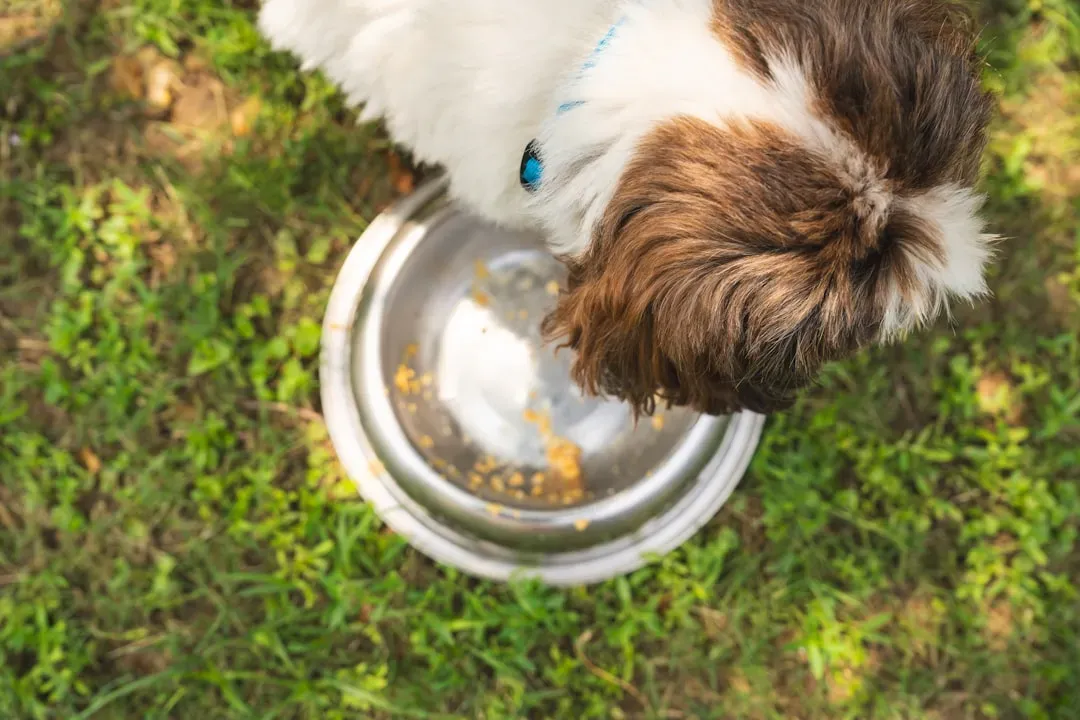
You can handle packing away the toys. You can even manage folding up the blanket. But that bowl. The water bowl sitting in the same spot it’s been in for years. I think most dog owners know the one specific object that brings them to their knees, and it’s almost always something small and everyday like that.
While it might seem easier to pack up all their things immediately, many people find they regret this later. There’s no rush. Grief has its own timeline. Don’t let anyone pressure you to “clear things out” before you’re ready. Those objects hold something important, and you get to decide when to let them go.
If You Have Other Dogs, They’ll Grieve Too

Your surviving dog isn’t just confused. They’re mourning. Research shows that roughly 86% of surviving dogs show behavioral changes after the passing of a bonded canine companion, and a study of 279 households showed nearly three quarters of surviving dogs became more affectionate, while 10% withdrew entirely. Watch your remaining dog closely during this time.
A 2021 study observed grief-like behaviors in surviving dogs that included searching for the deceased animal, increased clinginess towards their humans, and altered sleep patterns, findings that align with the growing body of evidence that dogs are capable of mourning the loss of a close companion. Stick to their routine as closely as possible and give them extra physical affection. They need you, and honestly, you need them too.
You’ll Wonder If You Made the Right Call
If you made the decision to euthanize your dog, this question will visit you at 2am more than once. It’s completely normal to second-guess yourself after such a significant decision. However, if your pet was suffering, euthanasia was likely the most compassionate choice, and veterinarians do not make this recommendation lightly.
Feeling guilty is not the same as being guilty. Although our minds can make us feel many things, that doesn’t validate them. What happened to your pet was likely beyond your control, so no matter how many “would haves” and “could haves” you conjure, the outcome likely would have been the same. You loved them enough to make the hardest possible call. That is not failure. That is devotion.
Memories Hurt First, Then They Heal
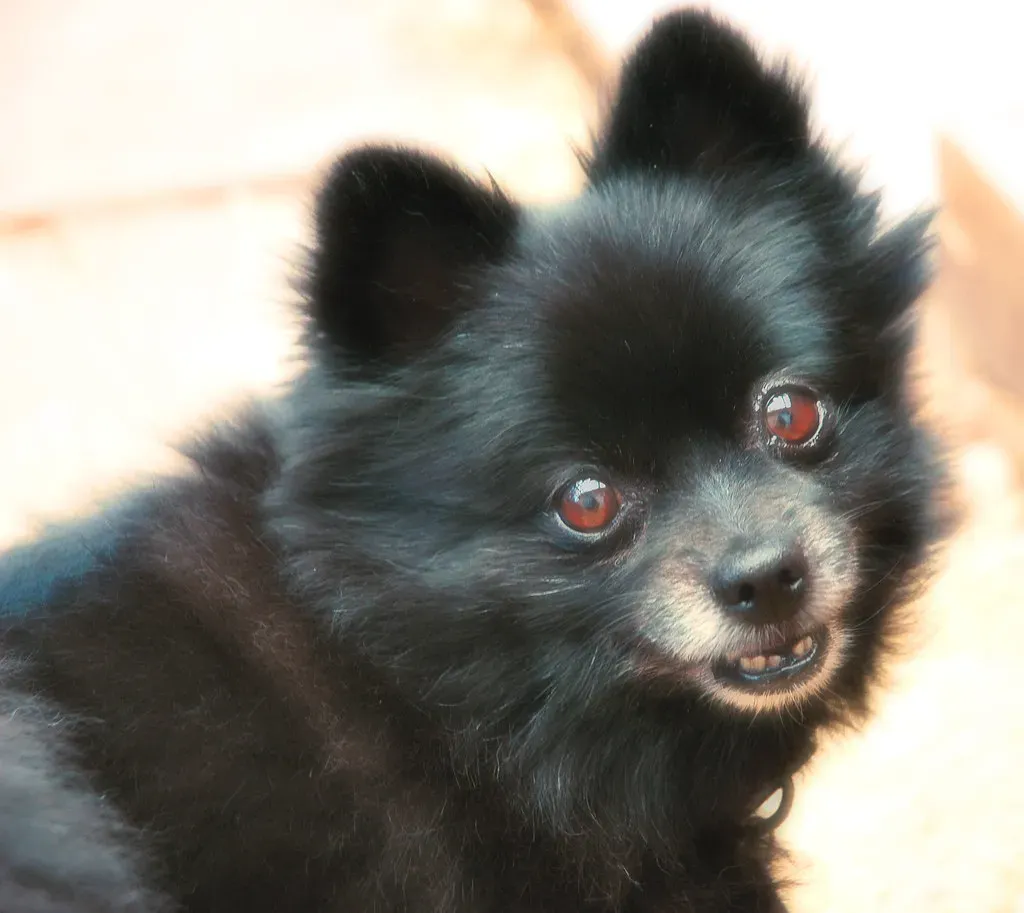
In the first weeks, looking at photos might feel unbearable. The happy ones especially. But the American Veterinary Medical Association notes something important about this process. Your memories allow your pets to live on in you, and embracing those memories, both happy and sad, can be a very slow and at times painful process that occurs in small steps. Taking time to look at past photos, writing a tribute, or writing your pet a letter can all help.
It’s a bit like pressing on a bruise at first. Painful, but part of healing. Over time, the same memories that made you cry will make you smile. That shift doesn’t mean you’ve forgotten. It means the love has found a new way to live inside you.
Getting Another Dog Doesn’t Mean You Loved Them Less
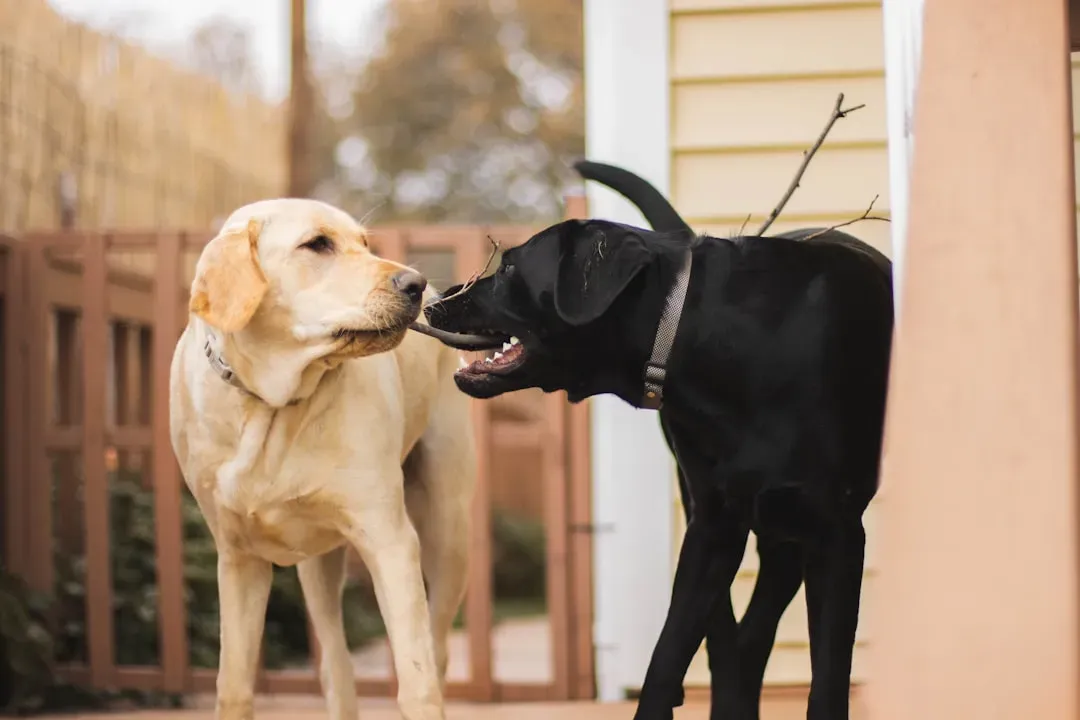
This one carries a lot of weight. Some people feel an almost guilty urgency to get another dog. Others feel like doing so would be a betrayal. Both reactions are understandable. Bringing a new pet into your life is not about replacing the one you’ve lost. It’s a way to honor their memory by sharing your love with another animal in need, and while a new companion won’t replace the bond you had, they will offer new love and joy, which can help in the healing process.
It may be tempting to visit a shelter very soon after your dog passes, but it’s worth waiting until you feel more comfortable with the change. It can be hard on a new dog if you bring them in to replace the first, and every dog has its own personality. Give yourself time. When you’re ready, you’ll know. The capacity to love a new dog isn’t a replacement. It’s a tribute.
The Connection You Had Was Scientifically Extraordinary
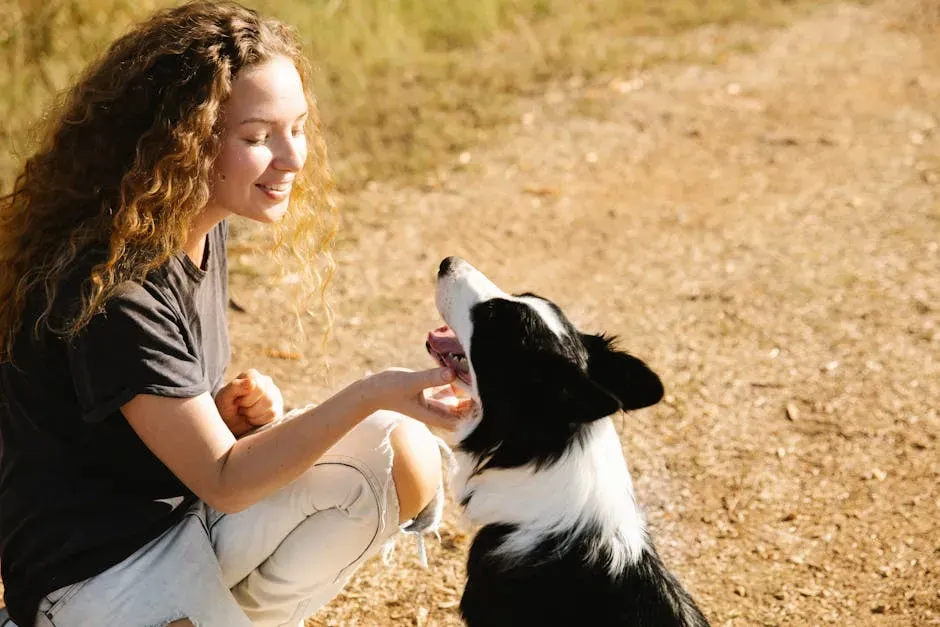
It wasn’t “just a dog.” It was a neurological partnership. When a dog becomes part of your daily emotional regulation system, they become a co-regulator of brain activity, including the production of hormones such as oxytocin. When a pet passes, the synchronized rhythms of affection, comfort, and shared presence are suddenly severed, and your brain, your body, and your emotional self must recalibrate without the living presence of that bond.
Every shared walk, every cuddle on the couch, every training session or gaze across the room wasn’t just time spent. It was a neurological duet, strengthening your bond day by day. Science now affirms what dog lovers have long known in their hearts: the love between a human and a pet is not only real, it’s deeply wired into who we are. That bond was real. The grief is proof of it.
Conclusion: Your Love for Them Doesn’t End When They Do
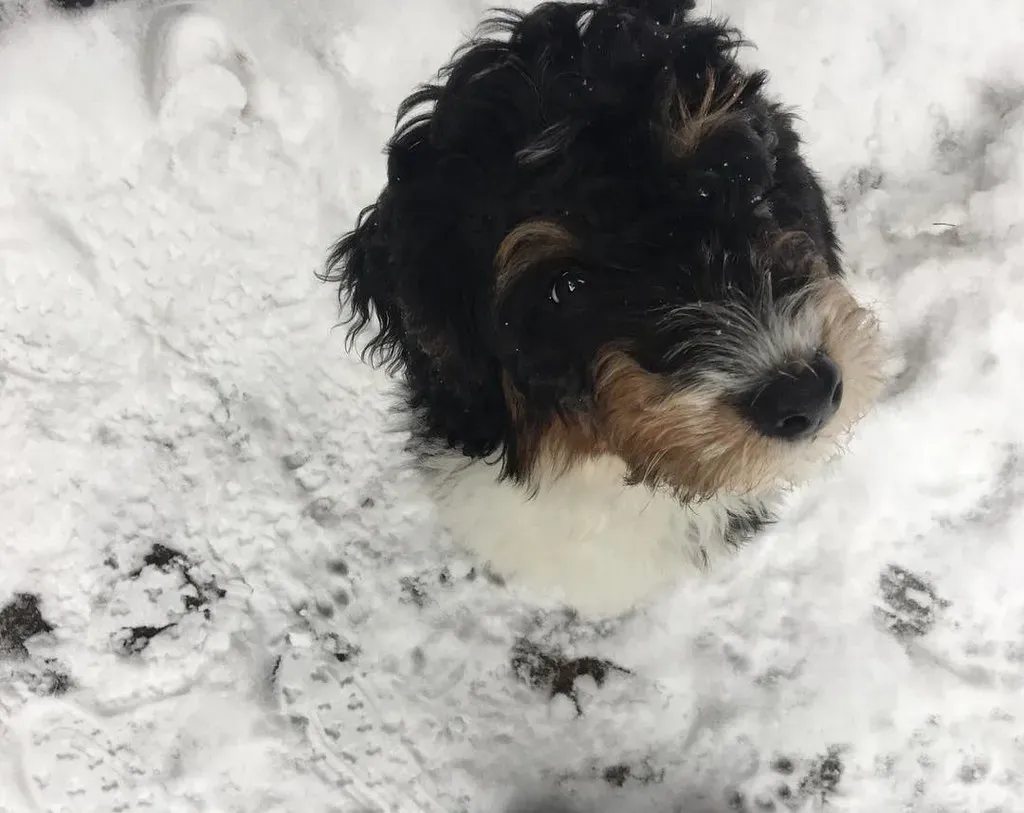
Grief after losing a dog is messy, non-linear, and deeply personal. Some days you’ll feel like you’re moving forward, and other days something as simple as a muddy paw print on an old jacket will stop you cold. That’s okay. A healthier grief journey may come from taking your time to work through your feelings rather than trying to push them away or ignoring them.
You don’t have to perform recovery on anyone else’s schedule. The dog you lost shaped your daily life, your sense of self, your routines, and your capacity for unconditional love. That kind of love leaves a mark. Time will contribute to the healing process, loss will become easier to bear, and fond memories will replace sorrow. The relationship between the survivors, canine and human, may evolve into something even more beautiful as a new way of life is established following a loss.
So here’s the thought to carry with you: the depth of your grief is simply the shape of your love. And that is something worth honoring. What has been the hardest part of saying goodbye to your dog? Share your story in the comments. You are not alone in this.


