

Every morning, millions of dog owners grab their keys, say a quick goodbye, and step outside, completely unaware of the emotional whirlwind they’re leaving behind. Your dog watches. Ears perk up. A nose presses to the glass. Something significant is happening on the other side of that closed door, and most of us never get to see it.
What does your dog actually feel, think, and do when you’re gone? Science has come a long way in answering that, and honestly, some of the findings are both heartwarming and a little heartbreaking at the same time. If you’ve ever felt guilty leaving your pup behind, this article is for you. Let’s dive in.
“Wait… Are You Really Leaving Right Now?”
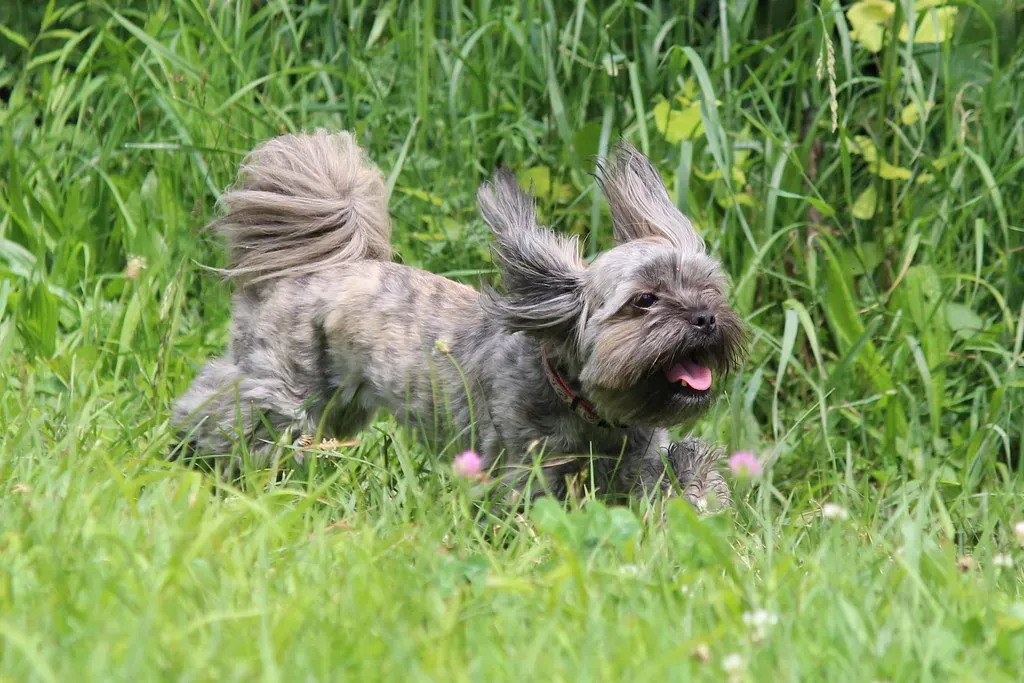
Here’s the thing most dog owners don’t realize: your dog starts picking up on your departure cues long before you actually walk out the door. Triggers like the sound of keys or grabbing your scarf can alert your dog that you’re leaving, meaning they’re well on their way to a full emotional response by the time you’re actually out the door. Think of it like a smoke alarm that senses heat before there’s an actual fire.
Some dogs suffering from separation anxiety become agitated when their guardians prepare to leave. If your dog starts following you from room to room the second you pick up your bag, or begins panting when you put on your shoes, those aren’t random behaviors. That’s your dog processing an emotional cue with real physical consequences.
The behavior cue to watch: restlessness, whining, or shadowing you through the house during your pre-departure routine. If you spot this, try mixing up your routine sometimes, like picking up your keys and then sitting back down. It helps break that anxious association.
“My Heart Rate Just Went Up. Literally.”
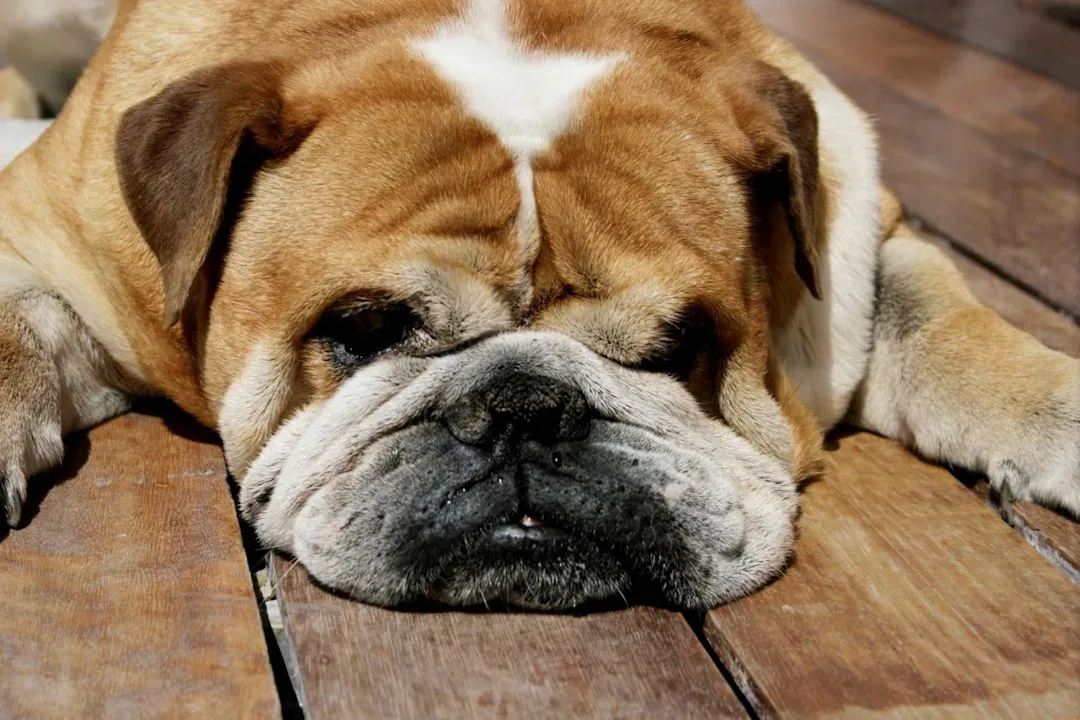
This isn’t poetic language. This is real physiology. All the physiological signs of fear may be present in a dog left alone, including an increase in heart and breathing rate, panting, salivating, increased activity and, sometimes, a need to go to the toilet. Your departure can trigger a genuine stress response in their body, similar to how a human might feel before a difficult conversation.
The first 30 minutes after being left alone is usually the most stressful time for the majority of dogs. This is the window where distress peaks, and it explains why so much of the destructive or anxious behavior happens right after you leave, not hours later. If you can ease those first 30 minutes, you’ve won half the battle.
“I’m Going to Look for Something That Smells Like You”
Dogs are scent-driven animals at their core, and when you leave, your smell becomes a powerful emotional anchor for them. After the initial frantic period, your dog may settle down to chew something that you have recently touched that still carries your scent. Dogs will often chew scented items into small pieces and curl up in the debris so that they form a barrier of your scent around them for security. It sounds a bit dramatic, but it makes perfect sense. Your scent is comfort.
If you’ve noticed that your dog always lays on your dirty laundry or old sneakers, it’s pretty clear they’ve been missing you. This is actually a beautiful, harmless coping mechanism. You can lean into it intentionally by leaving an unwashed t-shirt or blanket in your dog’s resting area before you head out. It’s one of the simplest and most effective calming strategies there is.
“Am I Ever Going to See You Again?”
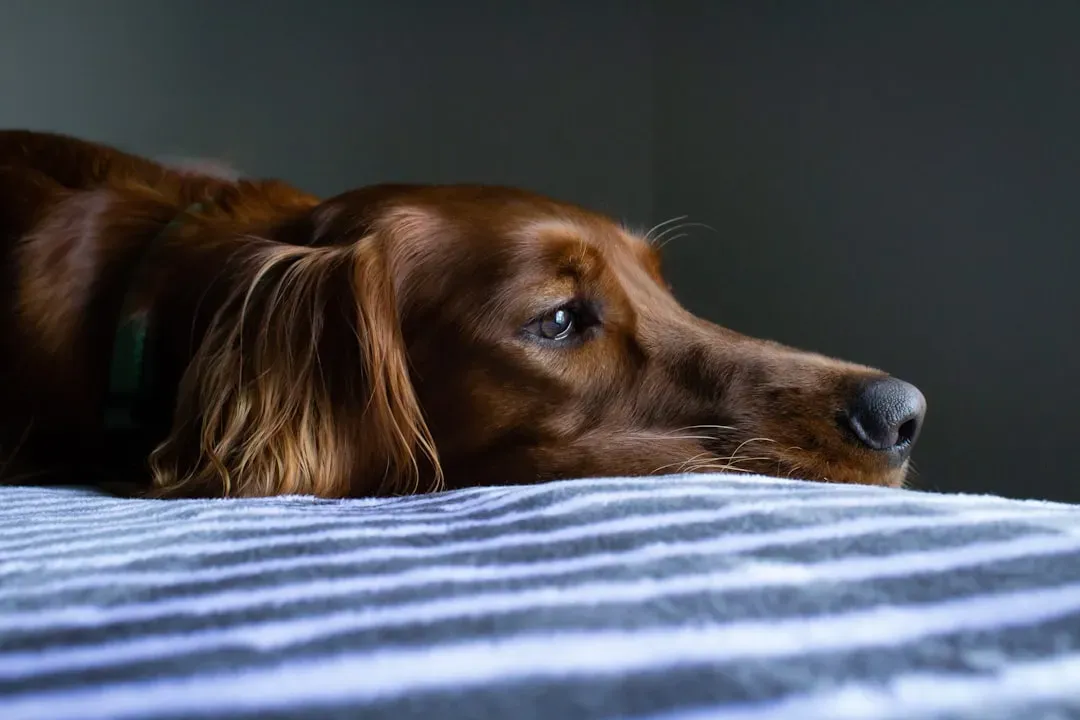
I know it sounds dramatic, but from a dog’s perspective, the concept of “I’ll be back in two hours” simply doesn’t exist the way it does for us. Studies indicate that dogs do indeed miss their humans during absences, suggesting that they form strong emotional attachments akin to human relationships. They aren’t overthinking it the way we do, but the emotional weight of your absence is absolutely real.
Dogs can actually start missing their owners from the moment they part ways, and keep missing them more up until two hours. Beyond two hours, the melancholy stays about the same until they’re reunited. So if you’re gone all day, the emotional intensity doesn’t necessarily keep climbing forever. There’s something oddly comforting about knowing that.
“Is This Feeling Fear, or Am I Just Really Frustrated?”
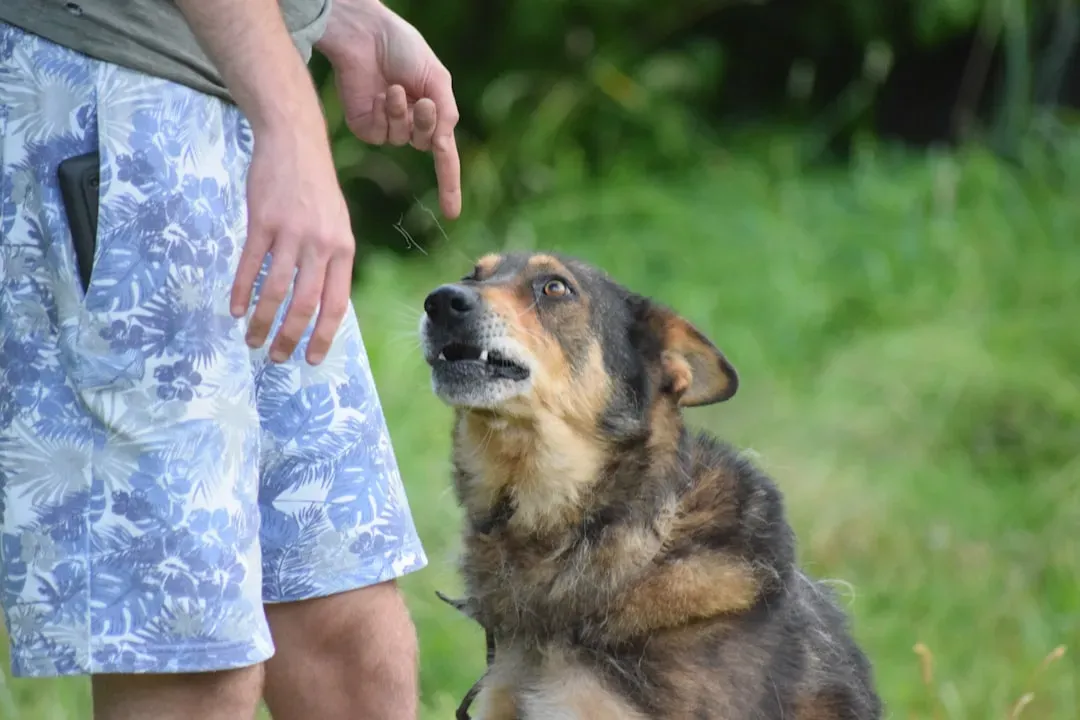
Here’s something fascinating that researchers have only recently started to untangle. Not all separation distress is the same. Dogs can react to the absence of their owner due to different inner states such as fear, panic, or frustration. Some dogs are genuinely scared to be alone. Others are mostly frustrated that they can’t access the one thing they want most, which is you.
Frustration is a negative affective state that appears when an animal’s expectation is violated, for example, when a needed resource is inaccessible, or when the reward of a previously reinforced behavior ceases. This distinction matters enormously when it comes to treatment. A frustrated dog responds differently to training than a fearful one, and lumping them together is a common mistake that can slow progress significantly.
“Maybe I Should Pace Up and Down the Hallway for a While”
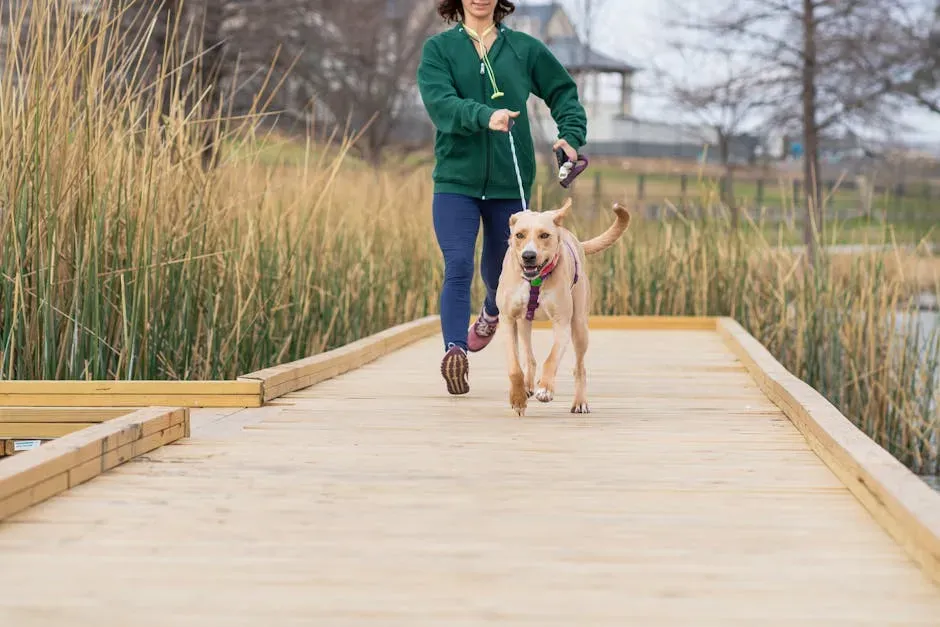
Pacing is one of those behaviors that looks almost comical on a pet cam, but it’s actually a sign of real internal tension. Some dogs walk or trot along a specific path in a fixed pattern when left alone or separated from their guardians. Some pacing dogs move around in circular patterns, while others walk back and forth in straight lines. Think of it as your dog’s version of nervous fidgeting.
Some affected dogs constantly pace when left alone while others rather show inactivity. Yes, some dogs shut down completely, becoming quiet and still rather than frantic. Both are valid stress responses. The quiet, withdrawn dog is just as worth your attention as the one tearing up the couch. Stillness is not always contentment.
“I’ll Just Howl Until Someone Comes Back”
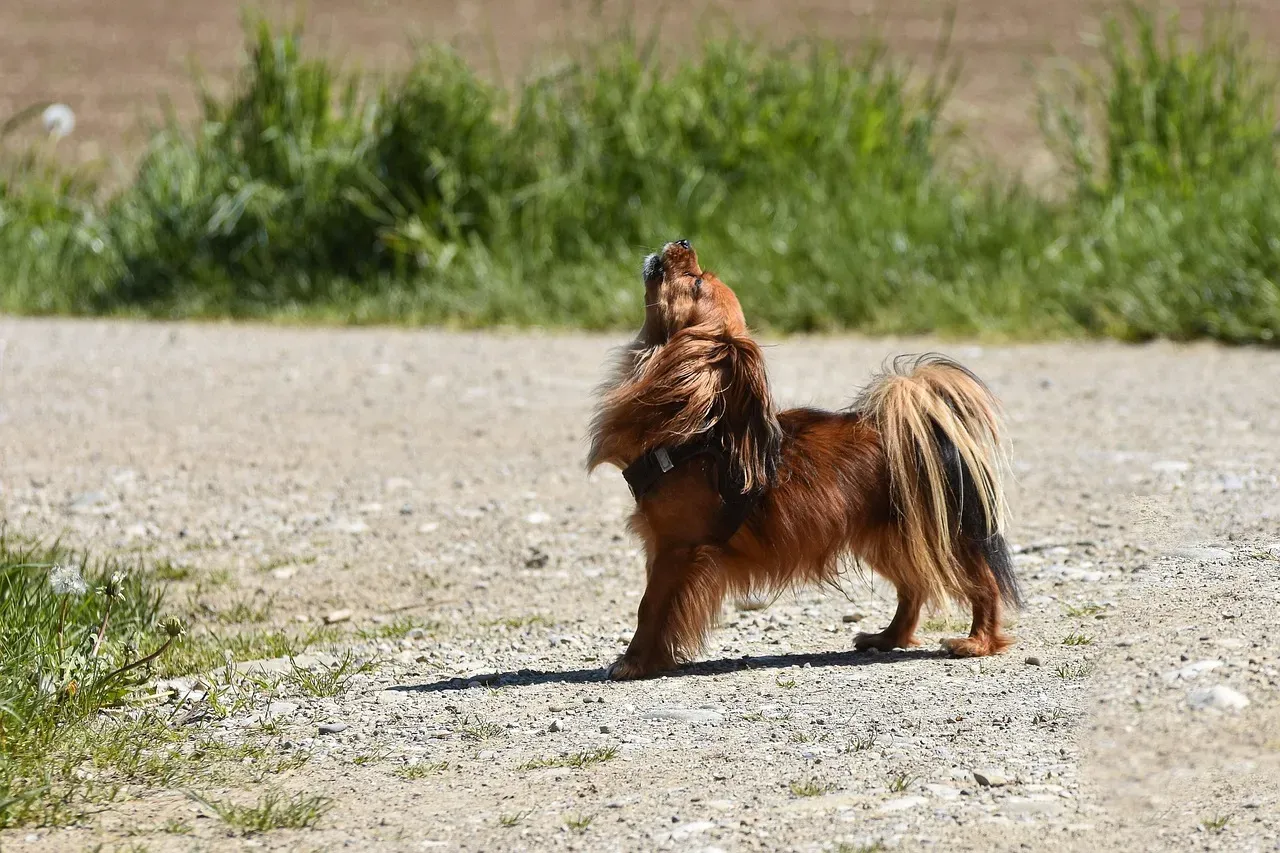
It was found that the particular type of barks emitted in isolation, called ‘left alone barks,’ are especially easy to recognize and are mostly characterized by human listeners as being ‘desperate’ and ‘fearful.’ That sound hits you right in the chest for a reason. It is a real distress signal, encoded in the acoustics of canine communication over thousands of years.
Usually, right after a guardian leaves a dog with separation anxiety, the dog will begin barking and displaying other distress behaviors within a short time after being left alone, often within minutes. If your neighbors have mentioned your dog’s vocalizations, don’t brush it off. It’s worth investigating with a pet camera. Perhaps the best way to determine if the behaviors are due to the anxiety associated with the owner’s departure is to make an audiotape or movie clip of the behavior when the dog is alone.
“Wait, Is That a Puzzle Toy? I Guess I’ll Play”
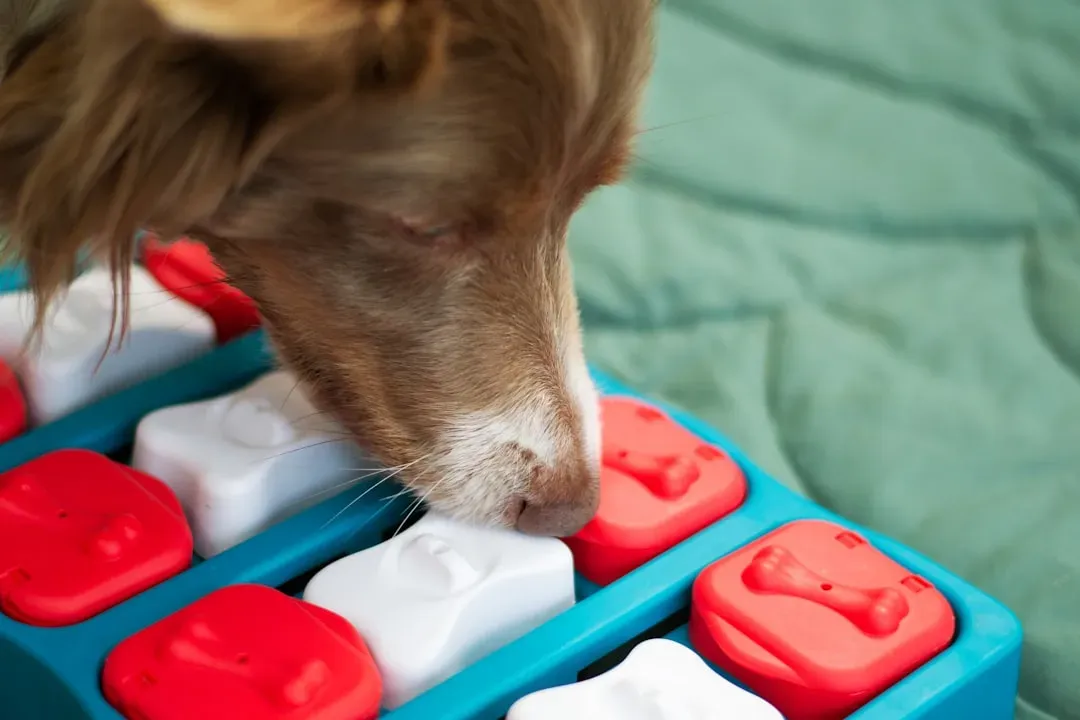
Not every thought your dog has when you leave is anxious or sad. With the right setup, many dogs find their groove. Toys like treat dispensers and puzzle toys engage your dog’s mind and body, reducing boredom and preventing destructive behaviors. Think of a frozen Kong stuffed with peanut butter as the canine equivalent of a really absorbing book. It’s hard to spiral into anxiety when your brain is occupied.
Toys that involve problem-solving, like puzzle feeders or treat-dispensing balls, encourage focus and engagement. They transform alone time into a rewarding challenge and help redirect nervous energy into healthy behaviour. Rotating toys every few days keeps things fresh and maintains your dog’s interest. A good mix might include one chew toy, one puzzle feeder, and one comfort toy. Simple, effective, and inexpensive.
“The House Is So Quiet. This Is Kind of Unsettling”
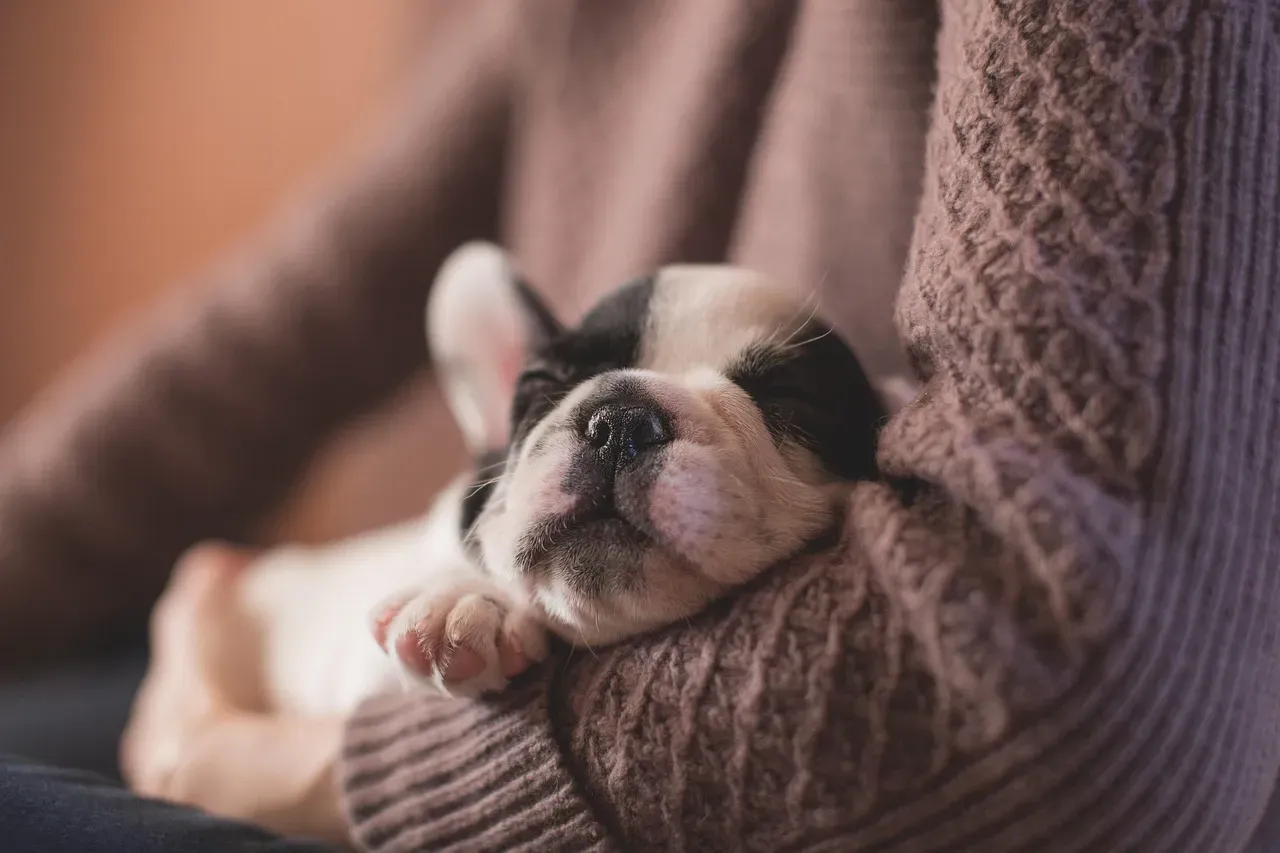
Most people leave their dogs in complete silence and never think twice about it. Background noise can be incredibly comforting for dogs, particularly when they are left on their own. A completely quiet home may feel unfamiliar and even unsettling, which can heighten stress or separation anxiety. A silent house can actually amplify every small creak or outside noise, turning normal sounds into potential threats.
Leaving the television on a calm channel or playing soft music makes a real difference for many dogs. Audiobooks with calm, steady narration provide comforting human vocal patterns that many dogs find reassuring. The sound of a human voice, even a recorded one, signals safety to a dog who is wired to live beside people. It’s such a small thing that costs you nothing and genuinely helps.
“I Remember That Scary Thing That Happened When I Was Alone Before”
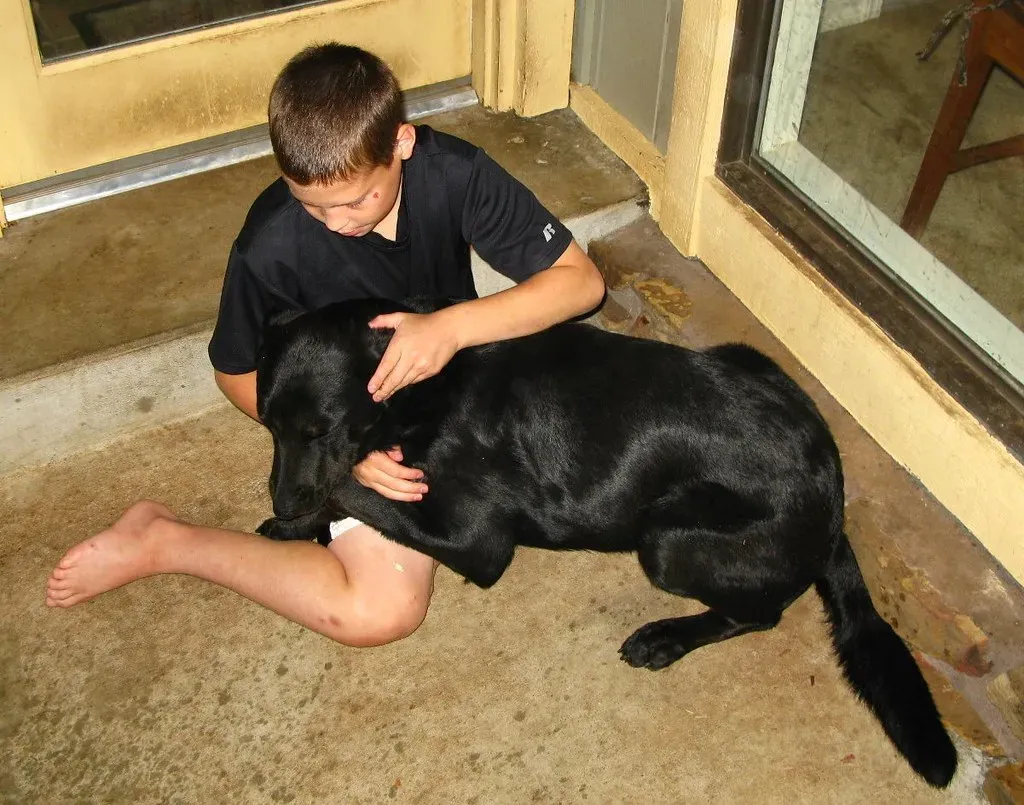
Sometimes, a dog’s anxiety around being left alone has nothing to do with attachment and everything to do with a single traumatic event. There is some evidence that canine separation anxiety can be triggered or exacerbated by a change in the household, such as a new human resident, a job change, a change in the routine of owner’s absences from the home, or a single traumatic event. A thunderstorm. A loud backfire. A delivery person banging hard on the door. Any of these can leave a lasting imprint.
Some dogs appear to have separation anxiety but are afraid to be home alone because something bad has happened to them while alone, such as storms or fireworks. If your dog’s anxiety seemed to come out of nowhere, it’s worth reflecting on whether something frightening happened during a solo period. Identifying the root cause dramatically changes how you approach the solution.
“I Know You’re Coming Back. I Can Sense It”
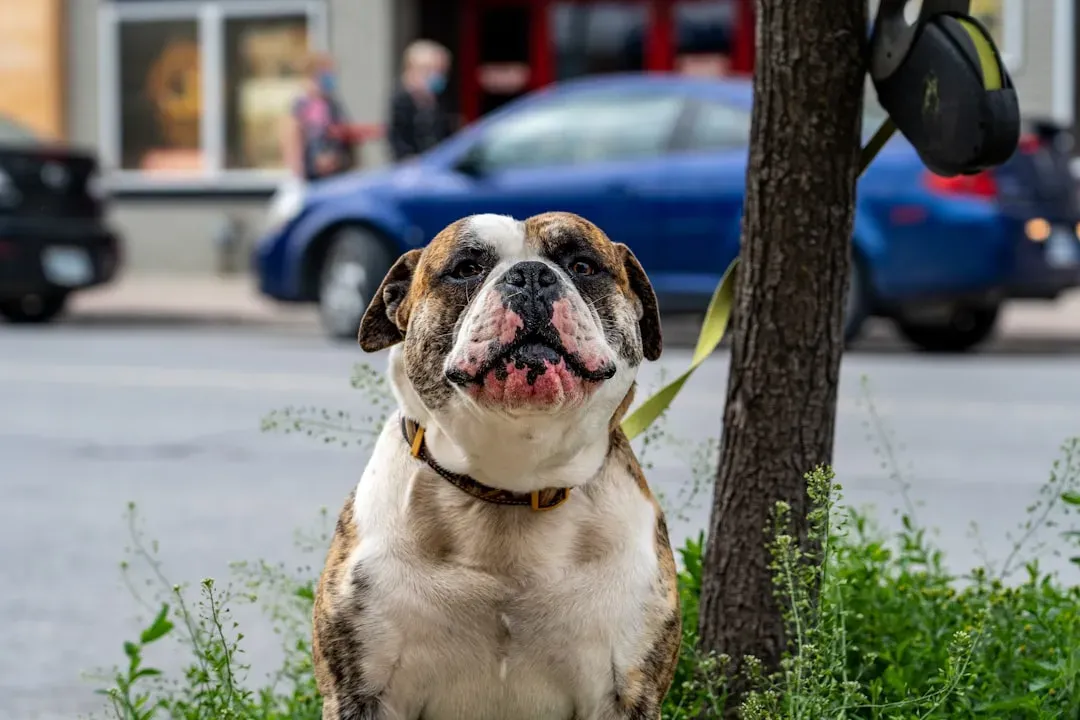
This one blows people’s minds every time. Dogs seem to have an almost uncanny sense of when their owners are returning home, even without hearing a car in the driveway. Even though they don’t have the same concept of time as humans, dogs can sense when we are coming home if we have a regular schedule. Their internal body clock is remarkably well-calibrated.
Consistency is genuinely one of the most powerful tools for a calmer dog. Protective factors against separation anxiety include ensuring a wide range of experiences outside the home and with other people, between the ages of 5 to 10 months, stable household routines, and scheduled absences from the dog. Predictability creates safety in a dog’s mind. When they know what to expect, the unknown becomes far less frightening.
“I Can’t Wait Until You Walk Back Through That Door”

Here’s the moment that makes it all worth it. When reunited with their owners, dogs exhibit strong signs of affection, including tail wagging, jumping, and licking, behaviors commonly associated with joy and relief. That explosive greeting is not just excitement. It’s genuine emotional reunion, the dog equivalent of what you feel when you see someone you love after a long time apart.
The longer the separation, the more intense the dog’s emotional response. So those dramatic homecoming greetings after a long day? They’re earned and genuine. One study even found that some dogs were calmer when their pet parent petted them before leaving the house. A moment of calm, affectionate contact before you go can set the emotional tone for the whole day. It costs you thirty seconds and means everything to them.
Conclusion: What Your Dog Really Needs From You
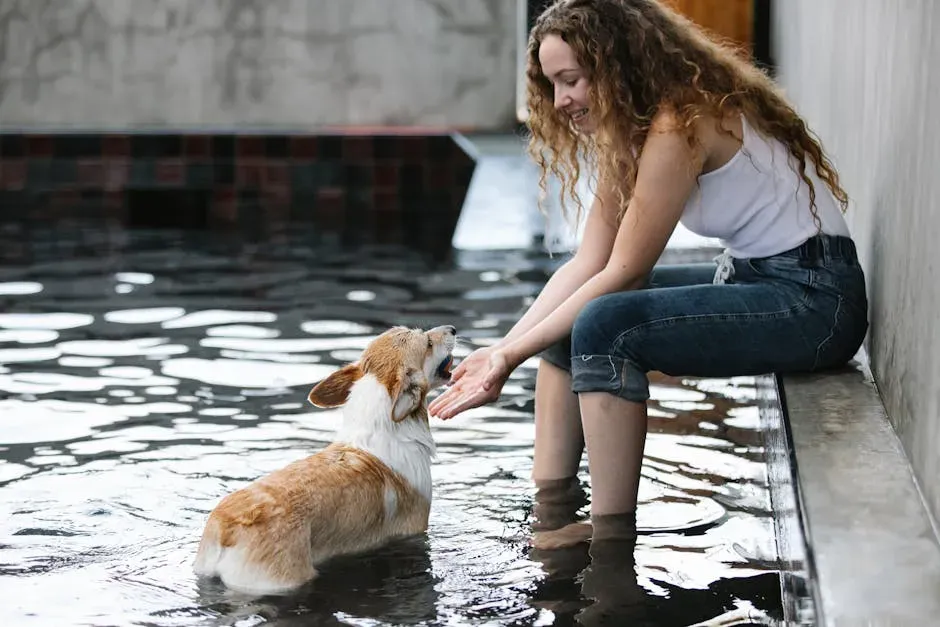
Understanding what goes on in your dog’s mind when you leave is one of the most powerful steps you can take toward being a more empathetic, effective dog owner. Research suggests that roughly eight out of ten dogs find it hard to cope when left alone. That is a significant number. Yet with the right knowledge, most of these situations are absolutely manageable.
The good news is that you don’t need to be a professional trainer to make a real difference. Consistent routines, enrichment toys, a comforting scent, some background noise, and a calm goodbye ritual can completely transform your dog’s experience while you’re away. The most successful treatment for canine separation-related problems may be behavior modification that focuses on systematic desensitization and counterconditioning. Start small, be patient, and if things feel serious, always consult your vet.
Your dog thinks about you far more than you probably realize. The least we can do is return the favor. So next time you reach for those keys, pause for just a moment. Give them a gentle pat, leave something that smells like you, and know that a very full heart is waiting on the other side of that door. What small change will you make for your pup starting tomorrow?


