


There’s something magical about the gentle bond between seniors and their loyal dogs. It’s more than just casual companionship—it’s a deep, healing partnership that grows richer with every year. If you’ve ever watched an older person share a quiet afternoon with their faithful pup, you’ve seen a kind of joy that words can hardly capture. Let’s explore how this unique relationship truly transforms lives, offering comfort, laughter, and purpose to both ends of the leash.
1. Daily Companionship Fights Loneliness
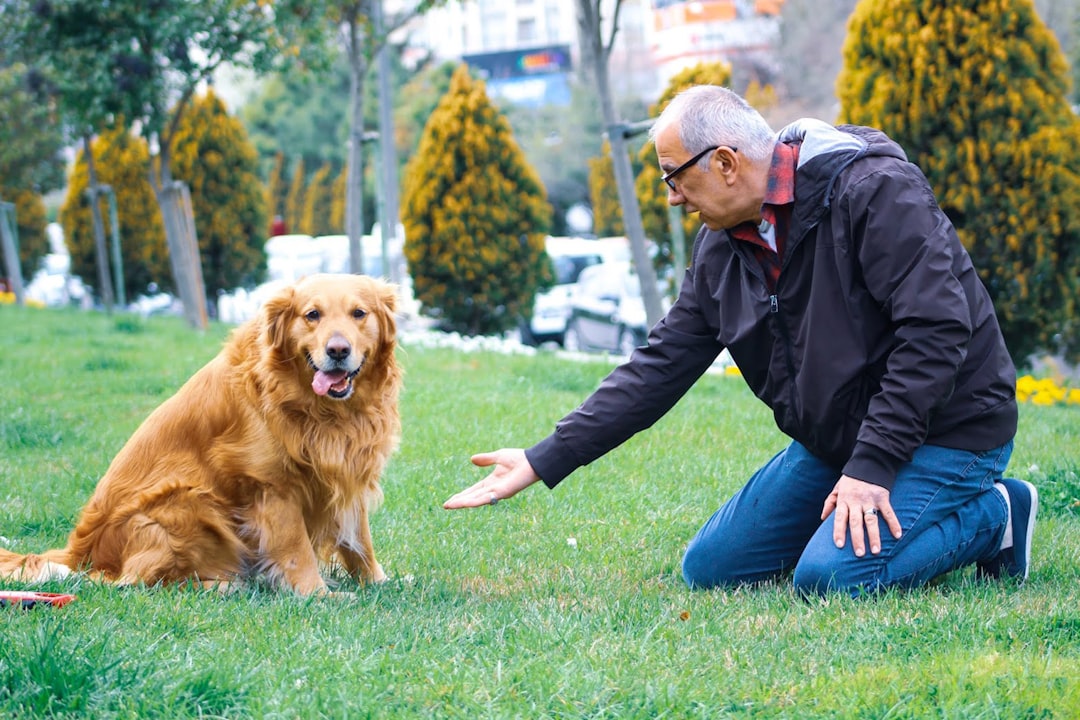
For seniors, the silence of an empty house can weigh heavy. A dog’s presence—whether curled up by your feet or waiting by the door—fills that silence with warmth and gentle company. Dogs don’t judge or interrupt; they simply exist with you, a steady heartbeat in the background of daily life.
Many seniors say their dogs make the world feel less lonely. Even on tough days, having a furry friend nearby eases feelings of isolation and brings a sense of togetherness. That tail wag or soft nuzzle reminds you: you’re not alone.
2. Shared Routines Bring Structure
A dog’s need for food, walks, and play creates a comforting rhythm to the day. For seniors, these routines offer structure and purpose, making each morning feel meaningful. It’s easier to get up and get moving when a wagging tail is waiting for you.
This routine isn’t just practical—it’s emotionally grounding. Predictable habits help reduce anxiety and provide stability. Dogs thrive on consistency, and so do people, especially as we grow older.
3. Emotional Support in Tough Times
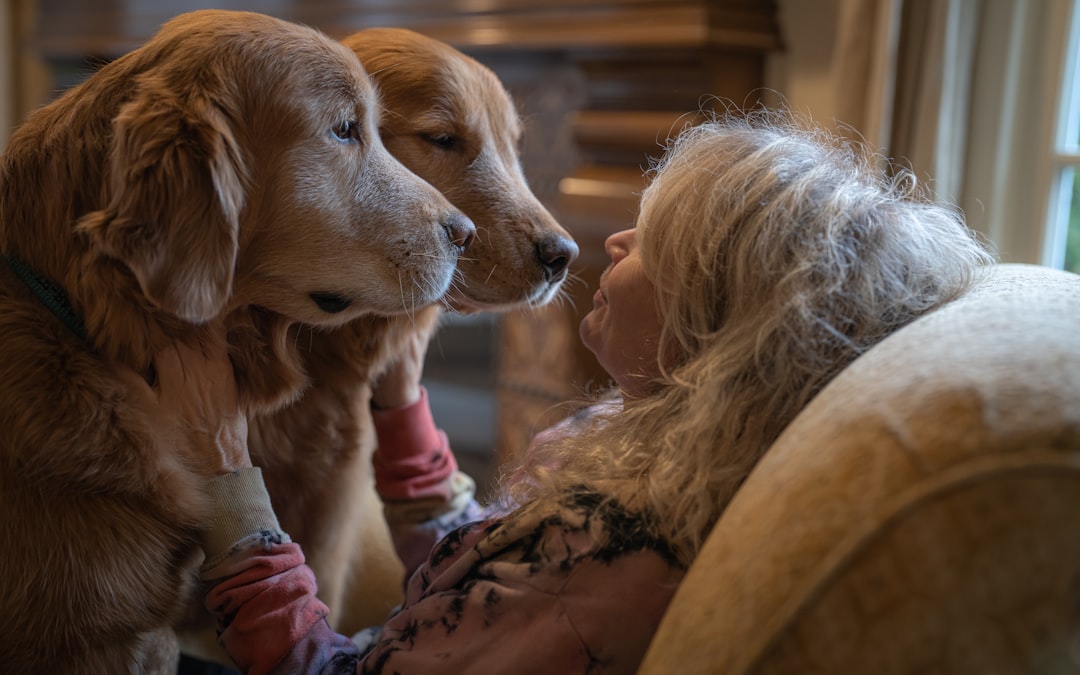
Dogs can sense when their humans are feeling low. Many seniors notice their dogs become extra gentle or attentive during difficult days. It’s almost like they know when you need a little extra love.
This emotional intuition helps seniors feel seen and supported. Whether it’s a soft head laid in your lap or a goofy attempt to make you smile, dogs have a way of lifting spirits without saying a word.
4. Encouragement for Physical Activity

Staying active can be tough as we age, but a dog’s energy is contagious. Daily walks, gentle games of fetch, or even just moving around the house together help seniors stay physically healthier and more mobile.
It’s not about running marathons. Simple movement keeps joints limber and spirits high. Plus, there’s nothing quite like the bond formed during a peaceful stroll at sunset with your best friend by your side.
5. Reducing Stress and Blood Pressure
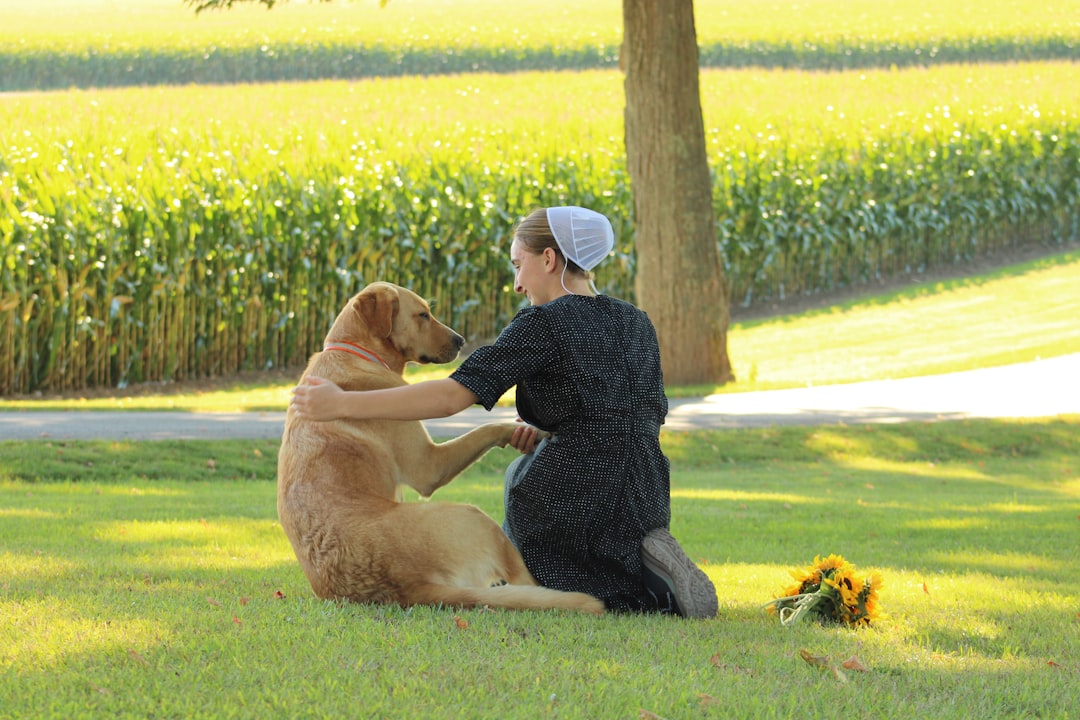
Did you know petting a dog can actually lower your blood pressure? The repetitive motion and soft fur work wonders for calming the mind and body. Many seniors report feeling more relaxed—sometimes instantly—after a cuddle session.
This isn’t just anecdotal; research backs it up. The “pet effect” is real, and it can be a powerful tool for managing stress, anxiety, and even some chronic health issues common in older adults.
6. Building a Sense of Purpose
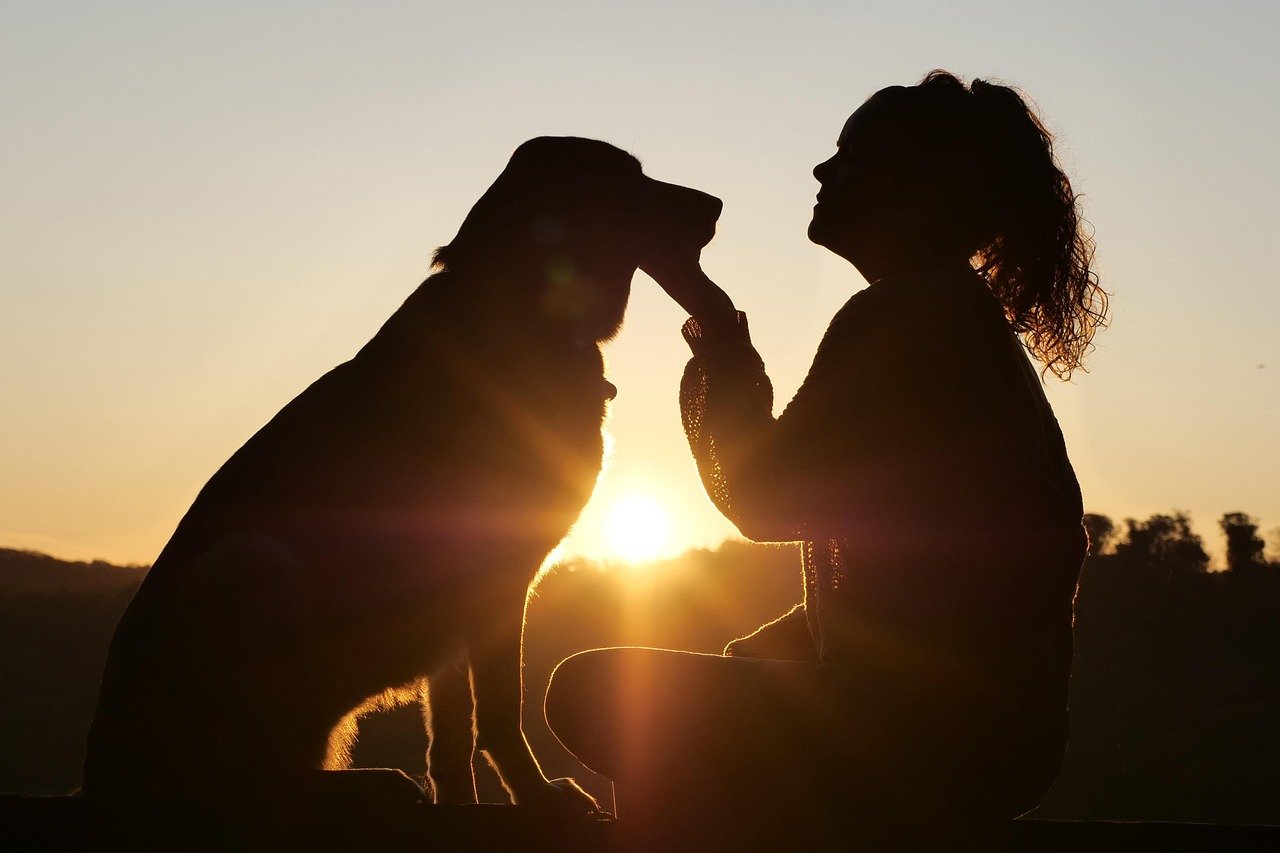
Taking care of a dog gives seniors a reason to get up and engage with the world. Feeding, grooming, and loving a pet makes daily life feel necessary and important.
This sense of purpose is vital for emotional well-being. When your dog depends on you, there’s a reason to keep going, even on days when motivation feels low. That responsibility is a lifeline.
7. Opportunities for Social Connection
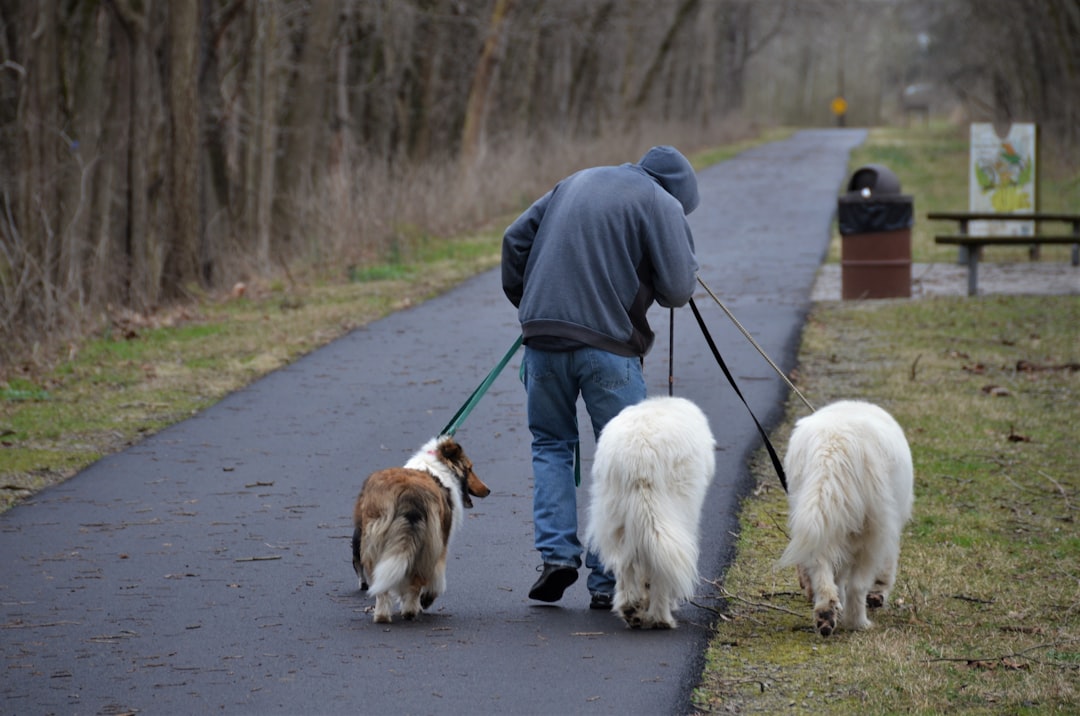
Dogs are natural icebreakers. A friendly dog on a walk often leads to spontaneous conversations with neighbors or fellow dog lovers. For seniors who may feel disconnected, these brief moments help build community.
These social interactions—however small—can brighten a day and foster new friendships. Over time, dogs help weave a network of support for their people, just by being themselves.
8. Boosting Self-Esteem and Confidence

Successfully caring for a pet can remind seniors of their abilities and strengths. Training, managing health routines, or simply meeting a dog’s needs build confidence and pride.
This boost in self-esteem is subtle but powerful. Even when other parts of life feel challenging, there’s deep satisfaction in being a good pet parent. Every wag or happy bark is a reminder of a job well done.
9. Learning and Growing Together

Dogs and people never stop learning from each other. Seniors often discover new things about their dogs—quirks, preferences, and even health cues—every year. Likewise, dogs adapt to their humans’ changing needs with age.
This ongoing journey keeps life interesting and the bond fresh. Whether it’s mastering a new trick or adjusting routines, both senior and dog grow in patience and understanding along the way.
10. Sensing Health Changes Early
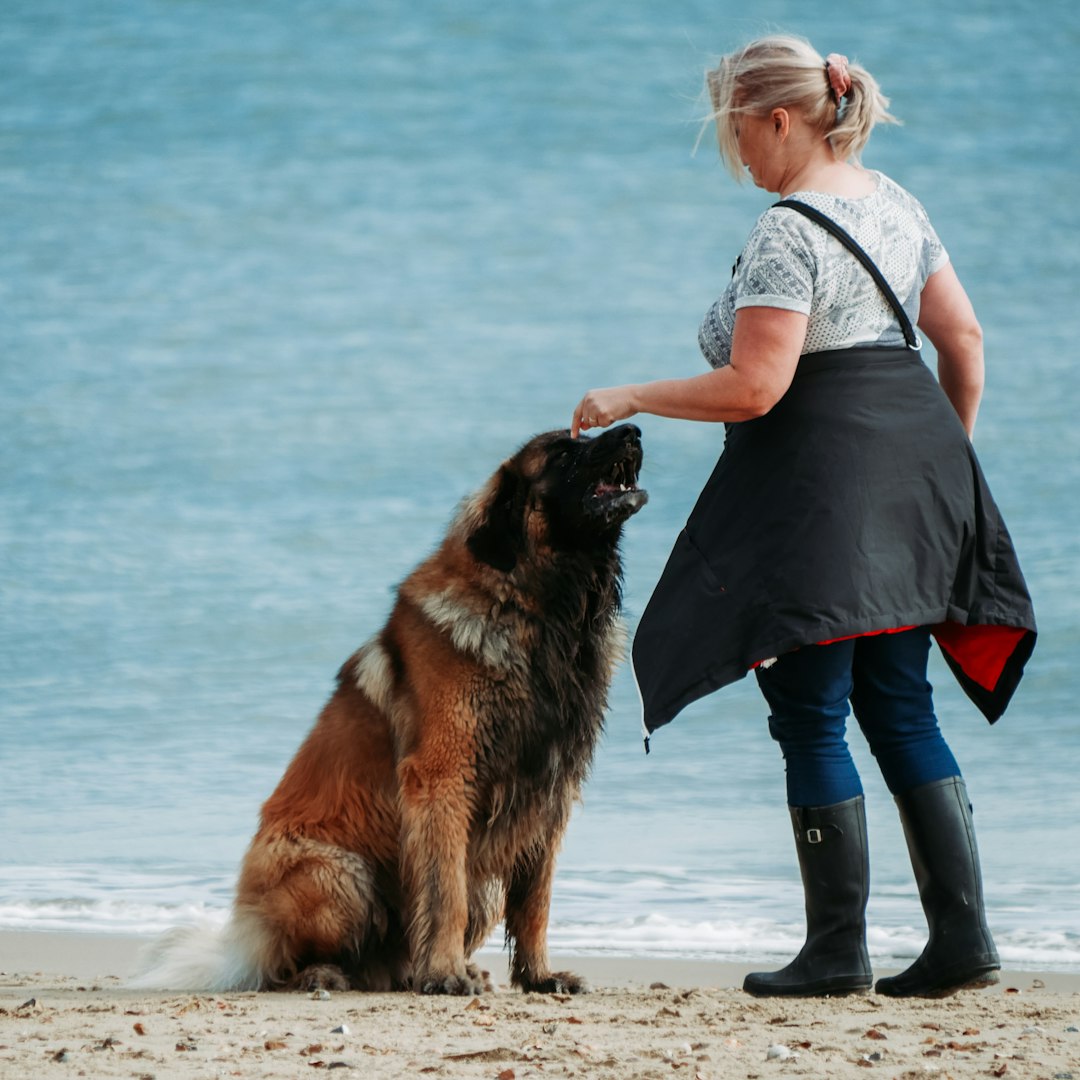
Many dogs are remarkably in tune with changes in their owners’ health. Some will alert their humans to issues like low blood sugar, oncoming illness, or even subtle mood shifts by acting anxious or attentive.
Seniors should pay attention to unusual dog behaviors, like excessive licking, restlessness, or staying unusually close. These cues can prompt timely check-ins with a doctor, sometimes helping to catch issues early.
11. Comfort Through Grief and Change
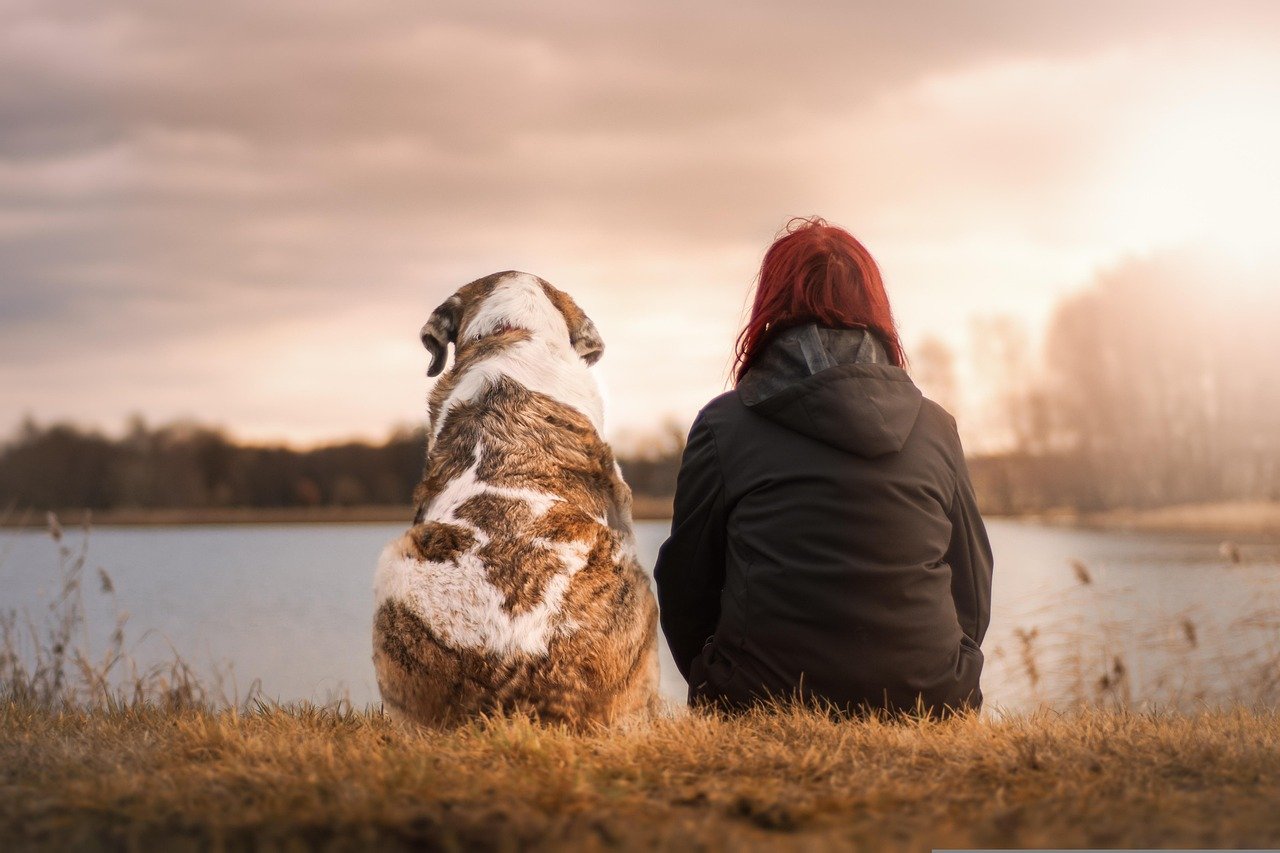
Life brings loss, especially in our later years. Dogs provide a nonjudgmental shoulder (or paw) to lean on during times of grief. Their consistency and affection help seniors process sadness at their own pace.
Many people find it easier to talk to their dogs about feelings they can’t share with others. A dog’s silent presence is often the greatest comfort of all when words fail.
12. Creating Joyful Moments, Every Day
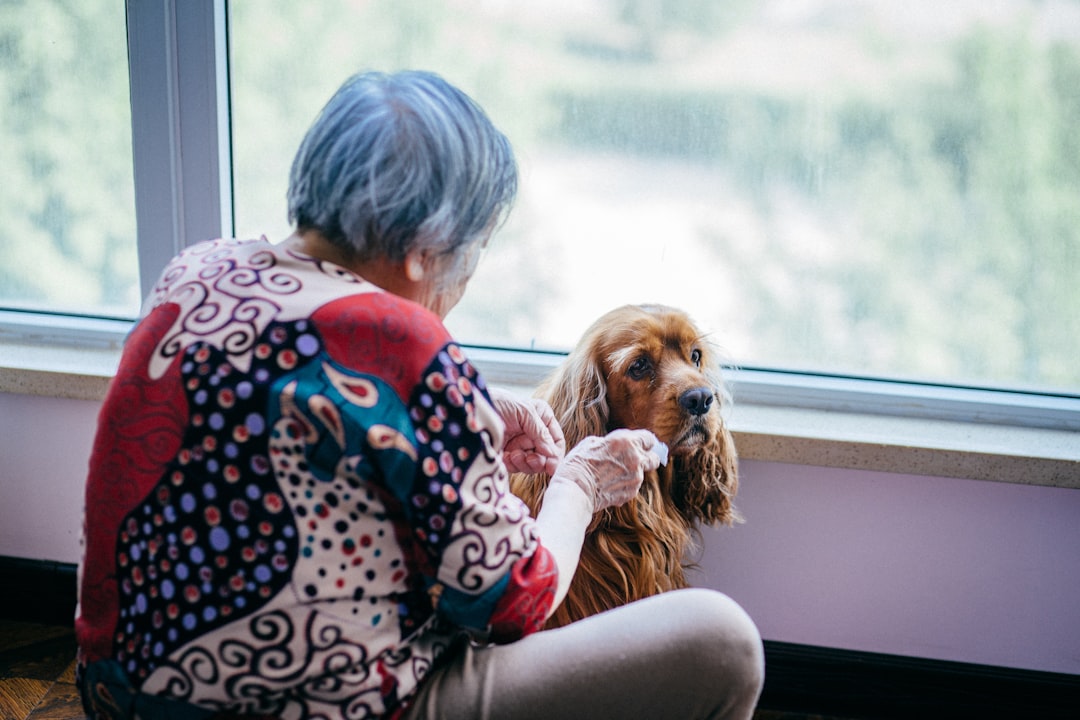
Laughter, play, and silly antics don’t have an age limit. Seniors and their dogs share countless moments of joy, from goofy zoomies to shared treats and snuggles on the couch.
These little bursts of happiness are the secret ingredient to a rich, meaningful life. Dogs remind us that no matter how many birthdays pass, there’s always room for playfulness and wonder.
Andrew Alpin from India is the Brand Manager of Doggo digest. Andrew is an experienced content specialist and social media manager with a passion for writing. His forte includes health and wellness, Travel, Animals, and Nature. A nature nomad, Andrew is obsessed with mountains and loves high-altitude trekking. He has been on several Himalayan treks in India including the Everest Base Camp in Nepal.


