

There is something deeply sacred about the bond between a dog and their person. It goes far beyond walks, belly rubs, and stolen bites of toast. Dogs pour their whole hearts into every single day they share with us. So when that time begins to slip away, they do not simply disappear. Honestly, I think many dogs find a quiet, wordless way of letting us know. They prepare us, gently and on their own terms.
Dogs often have their own ways of saying goodbye, and these moments are filled with emotion and grief. The trouble is, most of us are not watching closely enough to see the signs until we look back in heartbreak. This article is here to change that. Whether your dog is a healthy senior or a beloved companion facing illness, understanding these subtle signals can help you show up for them in ways that truly matter. Get ready, because some of these will surprise you.
They Begin Sleeping Far More Than Usual

As dogs age, they often sleep more, and this can be even more pronounced when they are near the end of life. Increased sleep helps them conserve energy and cope with discomfort. Think of it like a phone battery running low. The body starts powering down non-essential functions to preserve what matters most.
You might notice them choosing different spots to rest, seeking warmth or quiet. This behavior is a natural part of the aging process, indicating a need for peace and comfort. Do not panic every time your senior dog naps longer than usual. However, when the sleeping shifts from “extra cozy” to “barely waking for meals,” that is your cue to pay closer attention and loop in your vet.
They Lose Interest in Food They Once Loved
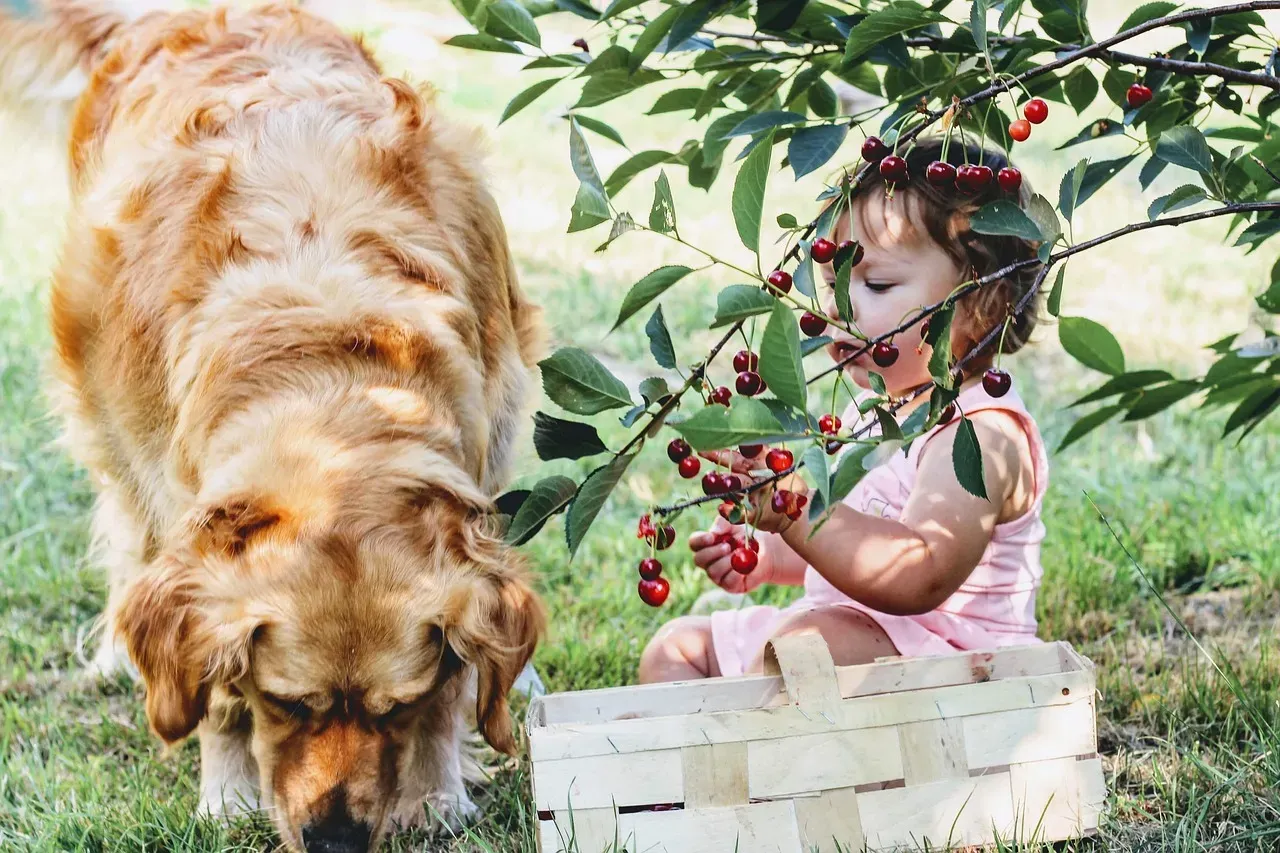
A loss of appetite is a major red flag in senior or terminally ill dogs. If your dog refuses food, even their favorite treats, it could mean their digestive system is shutting down. This one hits hard. Food is joy for most dogs. The moment a Labrador turns away from a piece of chicken, you know something significant is happening.
As dogs approach the end of their lives, they might lose interest in their favorite foods or treats. This change in eating habits can be a signal that they are preparing to say goodbye. Try offering softer, more aromatic options like warm broth or gentle senior-formula wet food. Consult your vet about appetite stimulants that may help, and always use this sign as a prompt for a health check rather than a judgment call on your own.
They Pull Away and Seek Solitude

Many dogs, even the most social ones, seek out quiet places when the end nears. You might find them lying under a bed, in a distant corner, or somewhere they never used to go. This retreat is not necessarily sadness. It is instinct.
Some dogs choose to spend time alone as they approach their final days. You might find them retreating to quiet corners or avoiding interaction. This behavior can be their way of processing changes, seeking solace in solitude. Respect their space but stay close. Leave a soft blanket nearby, sit quietly on the floor, and simply let them feel your presence without pressure. That kind of calm companionship means more than you know.
They Become Unusually Clingy or Affectionate
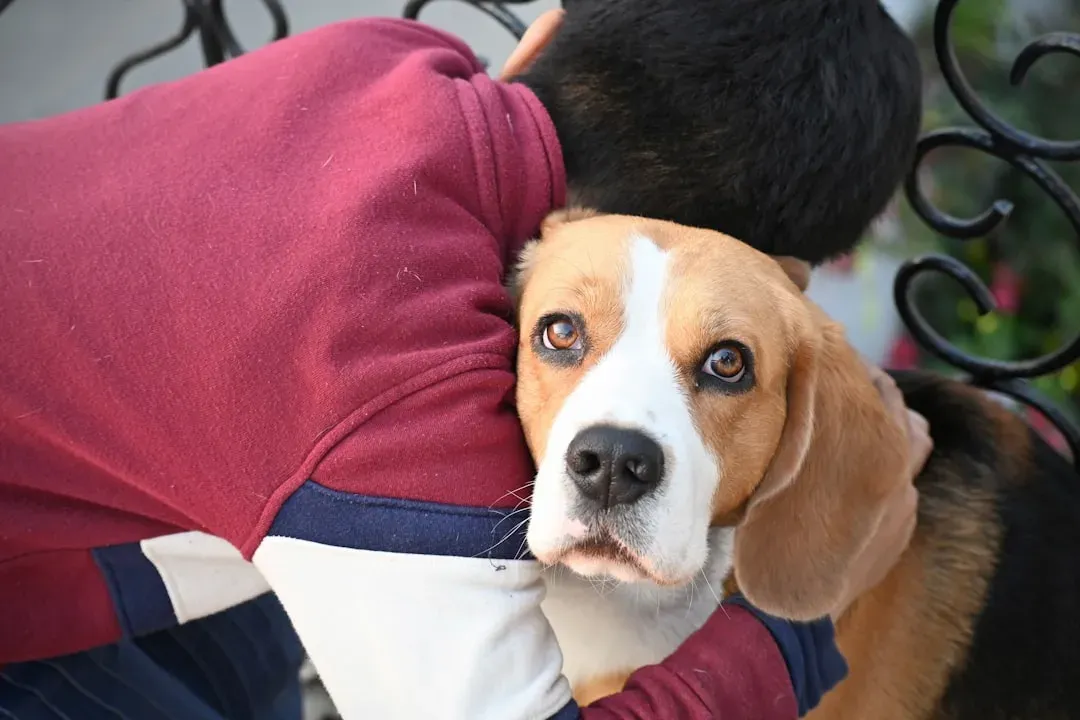
Here is where it gets interesting, because not every dog pulls away. Some do the complete opposite. Some dogs become unusually clingy, seeking constant companionship and reassurance from their owners. This end-of-life behavior can be interpreted as a way of seeking comfort and expressing their bond.
Becoming more affectionate and seeking constant proximity to their owners, as if seeking comfort and reassurance, is a deeply moving sign that your dog is leaning into the love they feel. If your normally independent dog suddenly wants to be pressed against your leg at all hours, do not shrug it off as quirky behavior. Let them stay close. Let them soak in every moment with you.
They Make Deep, Prolonged Eye Contact
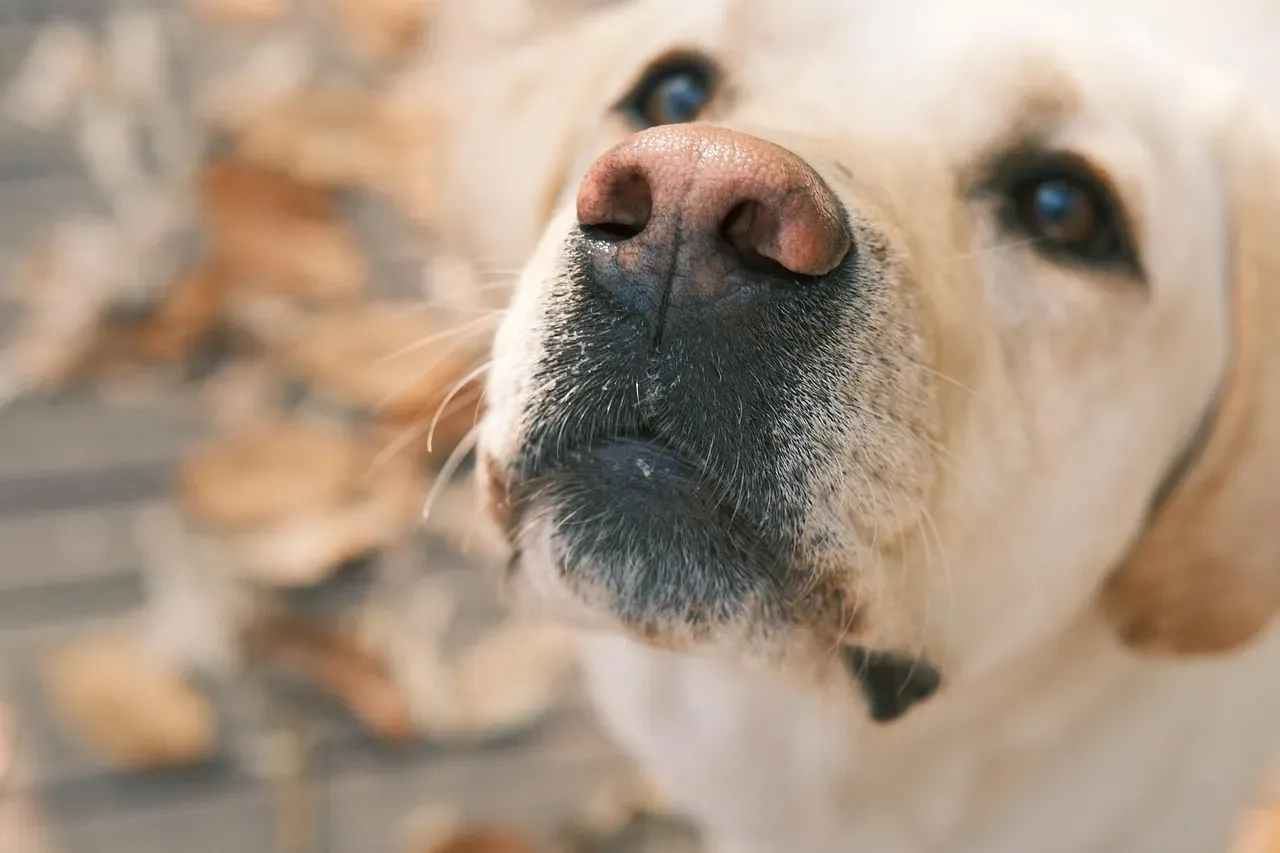
Many pet owners report that their dogs make prolonged eye contact as if trying to communicate something profound. This can be seen as a final connection or farewell. It is the kind of gaze that stops you mid-sentence. You look into their eyes and feel, without a single word, that they are speaking directly to your soul.
There is something about the gaze of a dog nearing the rainbow bridge that feels deeper, longer, and impossibly knowing. Do not look away. Hold that gaze. Talk to them. Tell them you love them, that they were the best thing that ever happened to you, and that it is okay. Dogs respond to the tone of your voice, and in those quiet moments of eye contact, your words carry enormous comfort.
They Show Changes in Movement and Mobility
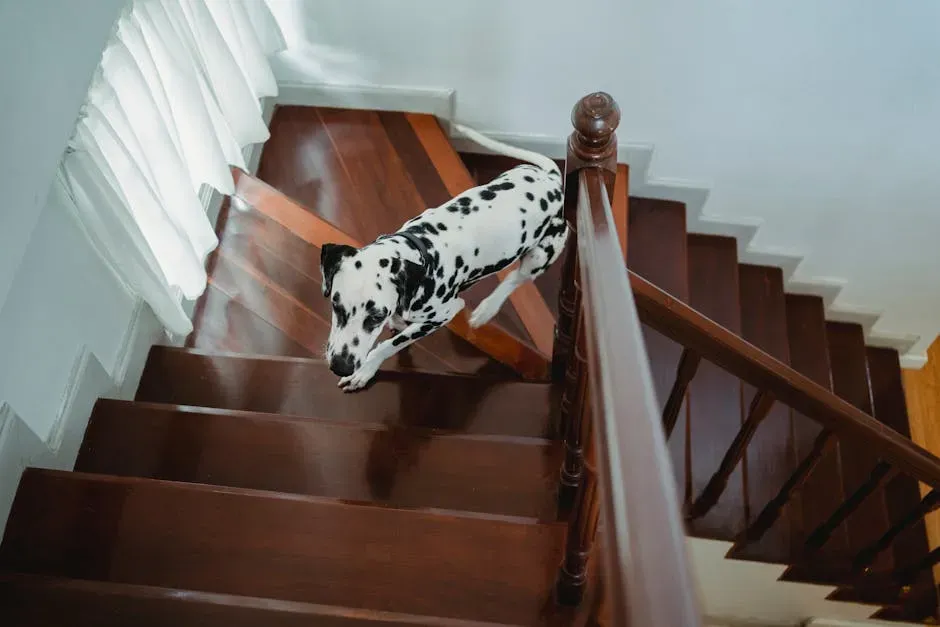
Reduced mobility is a visible sign that a dog’s health is declining. Stiffness or reluctance to move can become noticeable, especially in navigating stairs or getting up. These changes often indicate discomfort or pain.
As a dog’s body ages, their muscles and nerves stop functioning as well as they used to. Between the loss of muscle mass and the malfunction of proprioceptive nerves, coordination will decline. They may struggle with steps and navigating obstacles, or slip on non-carpeted surfaces. Place non-slip rugs on hard floors, set up ramps to favorite furniture, and ask your vet about pain management. Small environmental adjustments can make a world of difference for a dog who still wants to move but finds it harder each day.
They Experience Unexplained Weight Loss

Weight loss can be an unsettling sign as a dog’s life draws to a close. Despite reduced appetite, their body may continue to shed weight, highlighting physical decline. This change often accompanies other symptoms like fatigue and reduced mobility.
Weight loss is very common in senior dogs and will start well before the end of life. Part of this is a normal aspect of the aging process: as the dog gets older, their body becomes less efficient at digesting protein, which causes them to lose muscle mass. A diet higher in easily digestible protein can help slow muscle wasting in some cases. However, rapid, unexplained weight loss should never be brushed off as just “old age.” Get your vet involved early, because some causes are treatable.
Their Breathing Pattern Changes
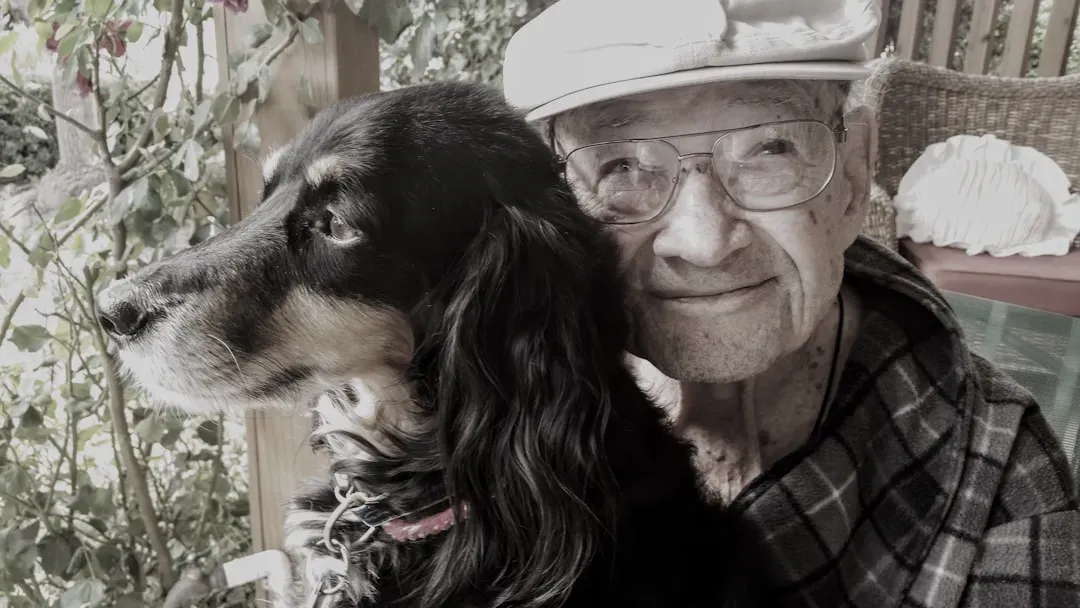
As the body slowly shuts down, it is common to observe changes in breathing patterns. This can begin weeks or days before the dog dies. Breathing may be labored and shallow, or light and irregular with long pauses between breaths.
Dogs nearing the end of life may exhibit labored breathing, which can be a symptom of heart disease, fluid buildup in the lungs, or other serious conditions. If you notice your dog panting at rest, struggling to catch their breath, or breathing in an irregular pattern, do not wait. Contact your vet immediately. Some respiratory conditions are manageable with the right intervention, and others signal that comfort care needs to become the priority.
They Revisit Old Favorites and Familiar Rituals
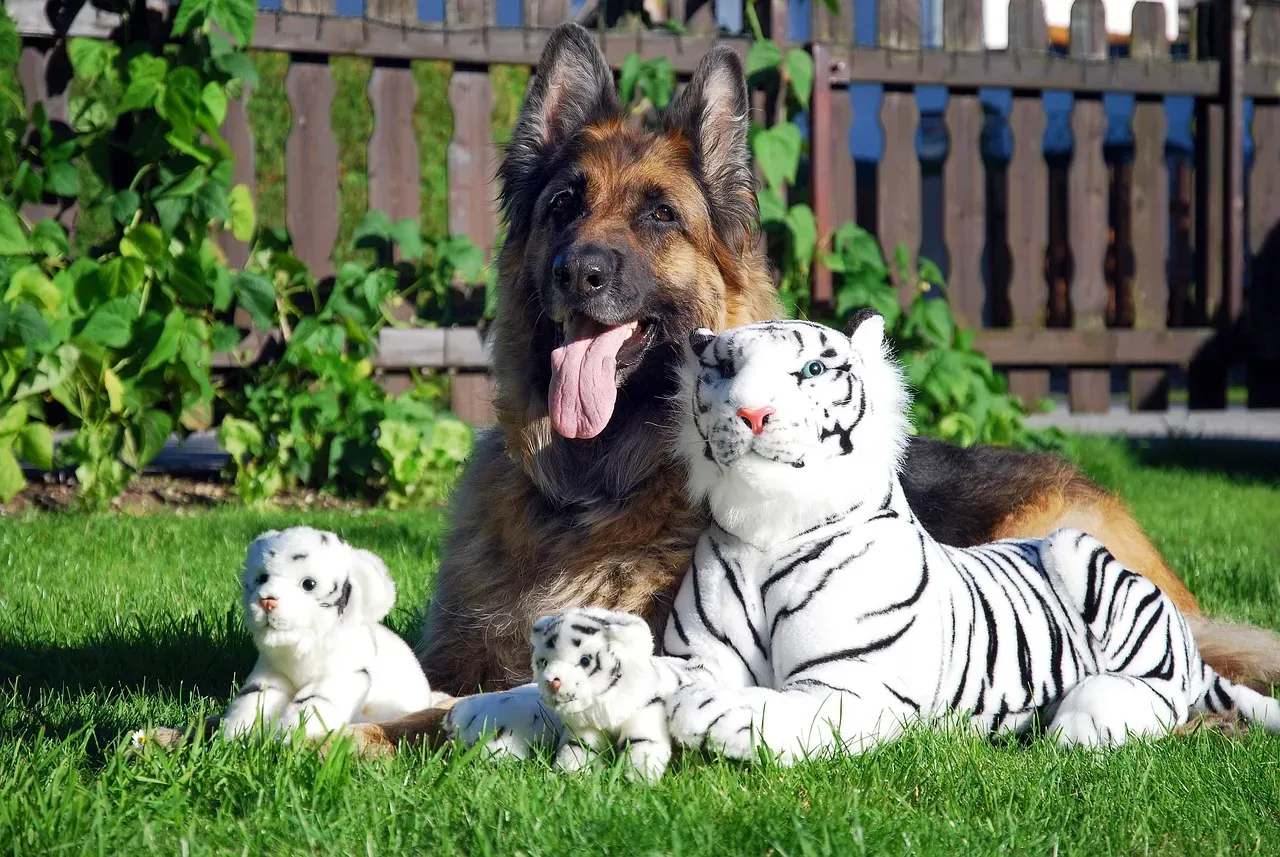
In their final days, some dogs return to toys or routines they have not touched in years. A dusty squeaky toy, a familiar blanket, or that spot by the window they used to love. Suddenly, they are back to it. It is like a final lap around memory lane, reconnecting with the joys that shaped their lives. These moments are quiet, often missed unless you are watching closely, but they speak volumes about a dog revisiting the heartbeats of their past.
This is one of the most tender signs, and honestly one that people least expect. Let them have those moments fully. Bring out the old toys. Sit with them in their favorite spot. Think of it as honoring their biography, the whole rich story of the life you built together.
They Show Cognitive Confusion or Disorientation
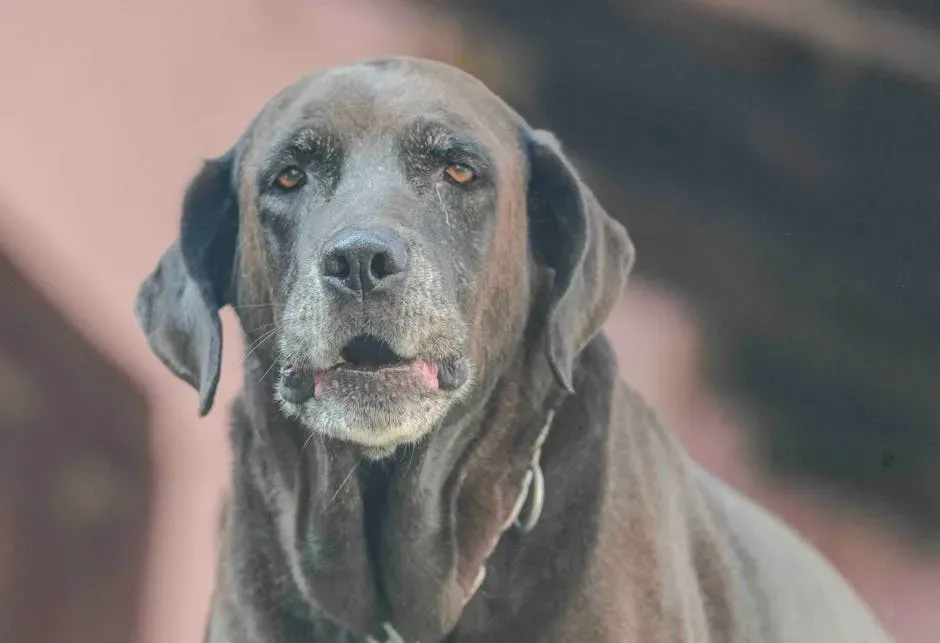
Particularly in senior dogs, cognitive decline can manifest as confusion or disorientation, impacting a dog’s awareness of their surroundings. You might notice your dog staring blankly at a wall, walking into furniture, or seeming unsure of where they are in a home they have lived in for years. It can be unsettling to witness.
Canine Cognitive Dysfunction is very similar to dementia in humans. Early signs include pacing at night, fussiness, and irritability. As it progresses, your dog may seem to get lost in the house and yard, or not know who you are. Keep nightlights on, maintain consistent routines, and speak gently and calmly. Sudden loud noises or changes in environment can amplify anxiety in a cognitively declining dog. Stability and softness are the gifts you can give them every single day.
They Experience a Surprising Burst of Energy (The Final Rally)

Perhaps the most unexpected and emotionally overwhelming sign is the sudden “good day.” A dog who has been tired, distant, or struggling might suddenly perk up, wag their tail, eat a full meal, or play with a toy. It is like they have given you one last beautiful memory before saying goodbye. It is not a recovery. It is a gift.
This phenomenon is observed in human hospice too and goes by several names, including terminal lucidity, end-of-life rally, or the swan song. This surge may take place any time ranging from minutes to hours prior to death. During this surge, your dog may appear more lively and may even develop some appetite. Do not let this surge trick you into thinking the worst is over. Instead, embrace it fully. Take photos, go for that slow little walk, let them sniff all the things. Cherish every single second of that gift.
They Settle Into Quiet Acceptance
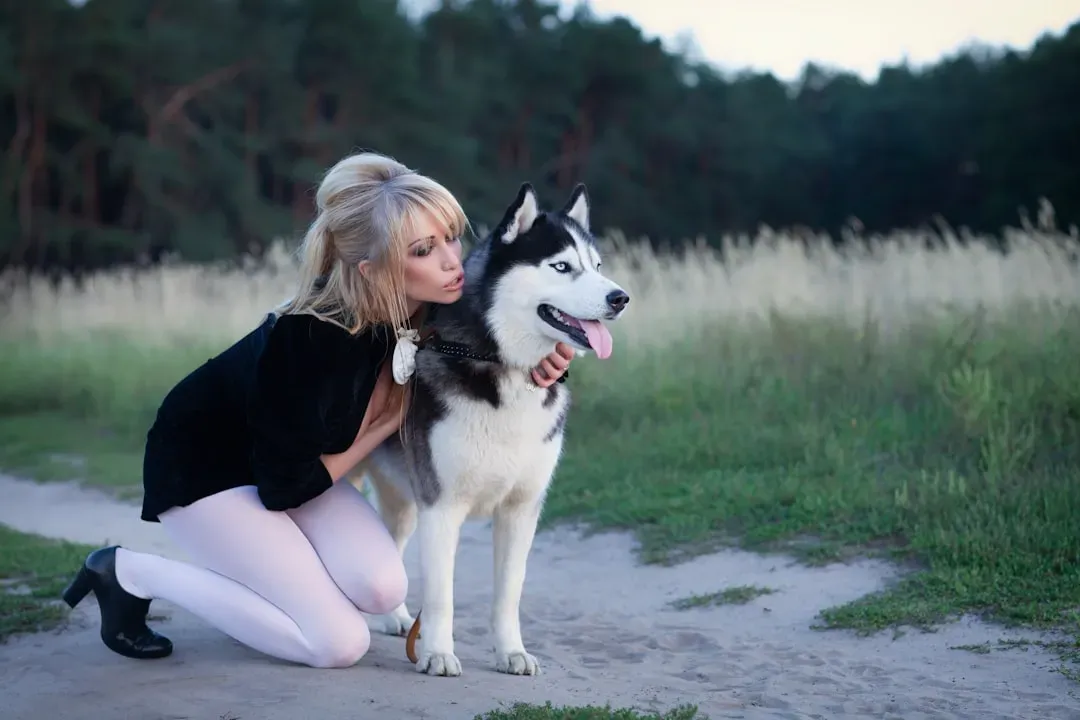
Perhaps the most heartbreaking way a dog says goodbye is through quiet acceptance. They might seem calm and serene, as if they have made peace with their journey ahead. This acceptance is their way of telling you they are ready. It is a bittersweet moment, filled with love and the knowledge that they have lived a full and happy life with you.
While dogs may not understand the concept of death as humans do, they experience an instinctual awareness of their declining health. Various behavioral changes, such as decreased activity levels and changes in regular habits, suggest they sense a shift in their well-being. When that quiet peace washes over your dog, honor it. Sit beside them. Breathe with them. You do not need to fix anything or say the perfect words. Your presence, your warmth, your love – that is everything.
Conclusion: Love Them Well, Right to the Very End

There is no easy way to walk this road. Watching a dog you love begin to fade is one of the most quietly devastating experiences a person can go through. As you spot these changes, you can create meaningful, peaceful final experiences filled with love and comfort rather than confusion and distress.
Knowing the signs that a dog may be dying can help you prepare in advance and help ensure that your dog’s last days are full of love and light. Your dog has spent their entire life reading you, showing up for you, and loving you without condition. These twelve signs are not just symptoms of decline. They are invitations, quiet nudges asking you to show up for them the same way.
How much time you have left is less important than how much closeness and love you give each other in whatever time you have left. So slow down. Sit on the floor with them. Let them lean into you. And when the time comes to say goodbye, know this with every part of your heart: you gave them the most extraordinary life. That, more than anything, is what they take with them across the Rainbow Bridge.
Have you noticed any of these quiet signs in your own dog? We would love to hear your story. Share it in the comments below.


