

Have you ever noticed your dog quietly sliding next to you before you even realized you were upset? Or caught them staring at you with those big, knowing eyes when something feels off? Dogs possess an almost supernatural ability to read us, sensing shifts in our emotional landscapes long before we’ve uttered a single syllable. It’s not magic or coincidence. Science has uncovered the remarkable ways our canine companions tune into the emotional frequencies we broadcast every day, decoding what we feel through a complex mix of senses and instincts. They’re watching, listening, and even smelling the invisible changes happening within us. Honestly, once you understand the depth of this connection, your relationship with your dog might never feel quite the same again. So let’s dive in and uncover exactly how they do it.
They Read Your Facial Expressions Like a Book

Dogs can recognize emotions in humans by combining information from different senses, an ability that has never previously been observed outside of humans. Your face is a roadmap your dog studies constantly. Dogs can recognize six basic emotions – anger, fear, happiness, sadness, surprise, and disgust – and process these in similar ways as humans, with changes to heart rate and gaze.
As most pet owners acknowledge, our dogs recognize our facial expressions. A frown tells a pup something is amiss and a smile makes his tail wag. They don’t just glance at your face. They actively search it for clues about what you’re feeling and what might happen next. Think about how your dog watches you when you’re about to open the treat jar versus when you’re stressed about work.
Your Scent Changes When You’re Stressed
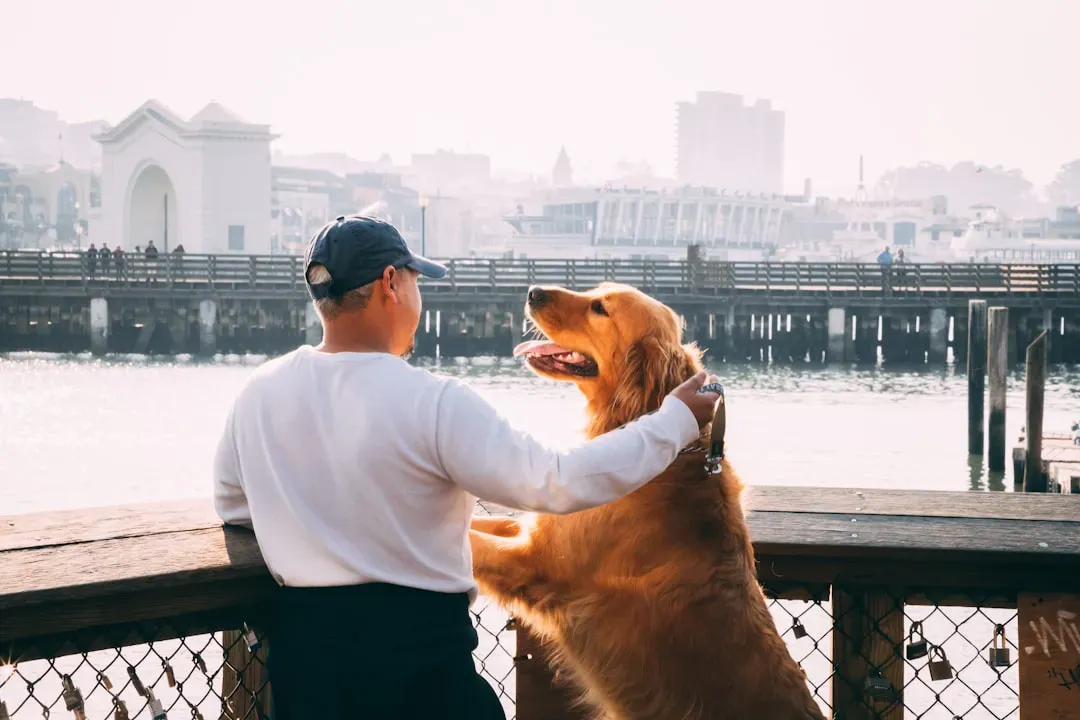
Here’s where things get fascinating. Dogs experience emotional contagion from the smell of human stress, leading them to make more ‘pessimistic’ choices. When you’re anxious or overwhelmed, your body releases cortisol, the stress hormone, and dogs can actually smell that chemical change in your sweat and breath.
Research published in PLOS One showed that dogs can detect stress from sweat and breath samples alone. For the study, human participants provided baseline sweat and breath samples. Then, the researchers administered a math test to the participants, with the intention of causing them stress, before collecting a second set of samples. Your dog doesn’t need you to tell them you’re stressed. They already know because your scent has shifted in ways humans can’t perceive but dogs absolutely can.
They Pick Up on Changes in Your Voice
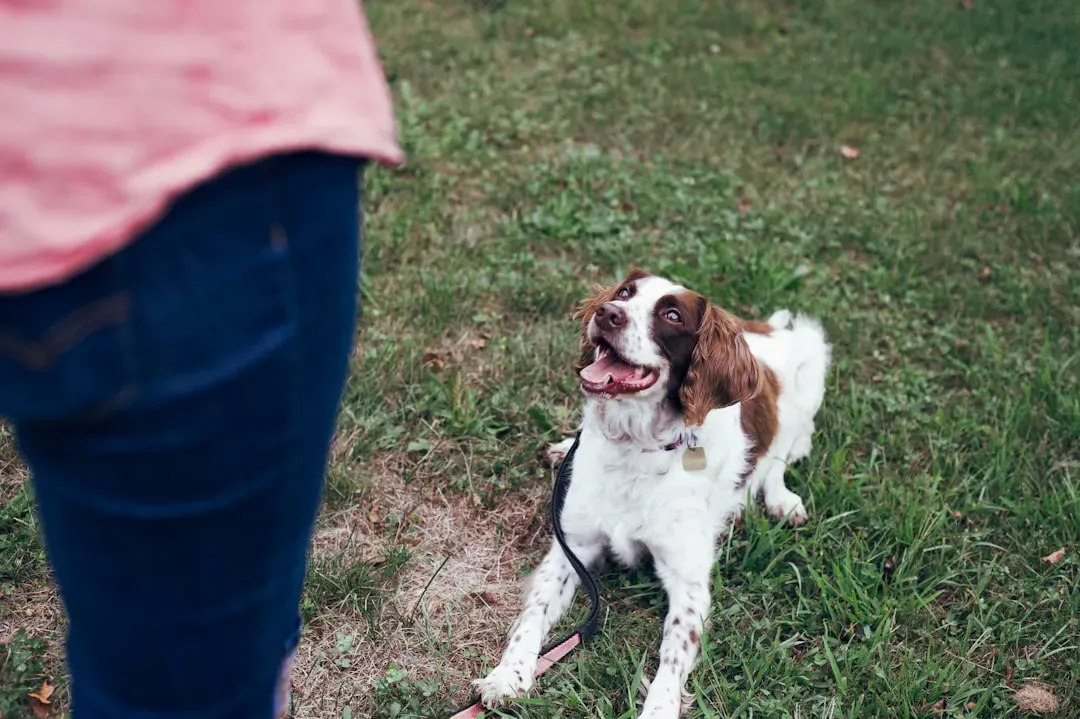
Numerous studies have found that dogs use three main senses – sight, smell, and hearing – to determine human emotions. The pitch, tone, and rhythm of your voice carry emotional weight that your dog decodes instantly. When your voice gets tight or higher pitched during stress, or drops and softens when you’re sad, your dog notices.
Even subtle vocal shifts register with them. You might think you’re speaking normally, but dogs are incredibly sensitive to the acoustic patterns that accompany different emotional states. They’ve spent thousands of years learning to read us this way, making them exceptional listeners in the truest sense.
Eye Contact Triggers an Emotional Bond

Nasally administered oxytocin increased gazing behavior in dogs, which in turn increased urinary oxytocin concentrations in owners. These findings support the existence of an interspecies oxytocin-mediated positive loop facilitated and modulated by gazing. When you lock eyes with your dog, something beautiful happens chemically. Both you and your pup experience a surge of oxytocin, often called the love hormone.
This is the same hormonal response that bonds mothers to their babies. New research shows that when our canine pals stare into our eyes, they activate the same hormonal response that bonds us to human infants. The study – the first to show this hormonal bonding effect between humans and another species – may help explain how dogs became our companions thousands of years ago. Your dog gazes at you not just out of curiosity but as a way to strengthen the emotional connection between you both.
They Monitor Your Body Language Constantly

Dogs do not have to understand every spoken word to get the gist of a conversation, especially since only 10% of what humans communicate is actually verbal. Non-verbal posture, gestures, body carriage, and facial expressions communicate 90% of what we have to say, so our dogs have learned to monitor these physical actions very closely. Your posture tells your dog volumes about your emotional state.
Slumped shoulders signal sadness or defeat. Tense, rigid movements broadcast anxiety or anger. Relaxed, open body language communicates safety and happiness. Dogs are masterful at reading these physical cues because, frankly, that’s how they primarily communicate with each other. They’ve simply extended that skill to understanding us.
They Sense When You’re About to Cry
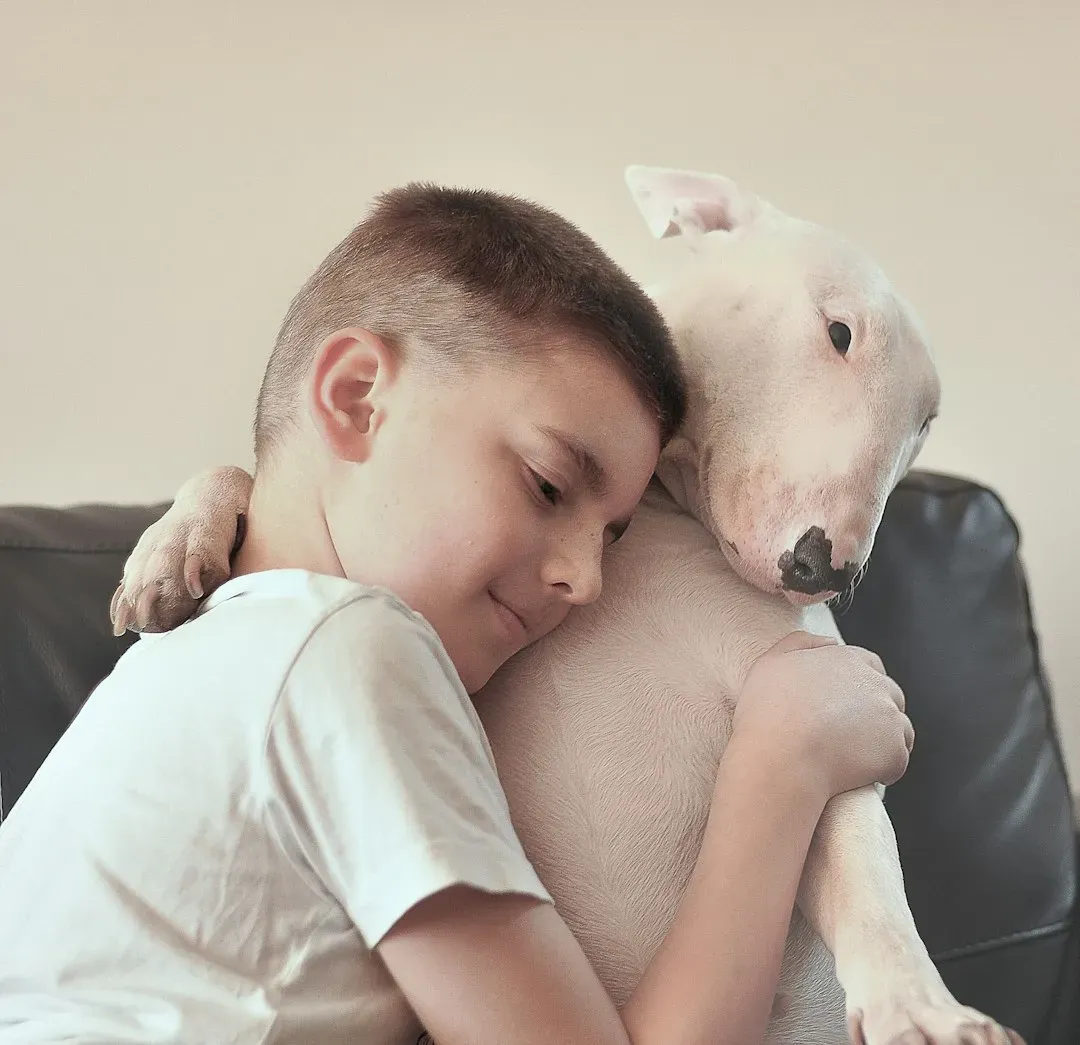
Ever noticed your dog approaching you with concern before tears actually fall? Dogs behaved differently depending on the owner’s emotional state: they gazed and jumped less at owners when they were sad, and their compliance with the ‘sit’ command was also diminished. They’re responding to the micro-expressions and physiological changes that precede crying.
Your breathing pattern changes, your facial muscles shift subtly, and your scent likely alters as well. Dogs pick up on these precursors. They don’t wait for visible tears to know something’s wrong. It’s like they have an early warning system tuned specifically to you.
Physical Touch Releases Bonding Hormones
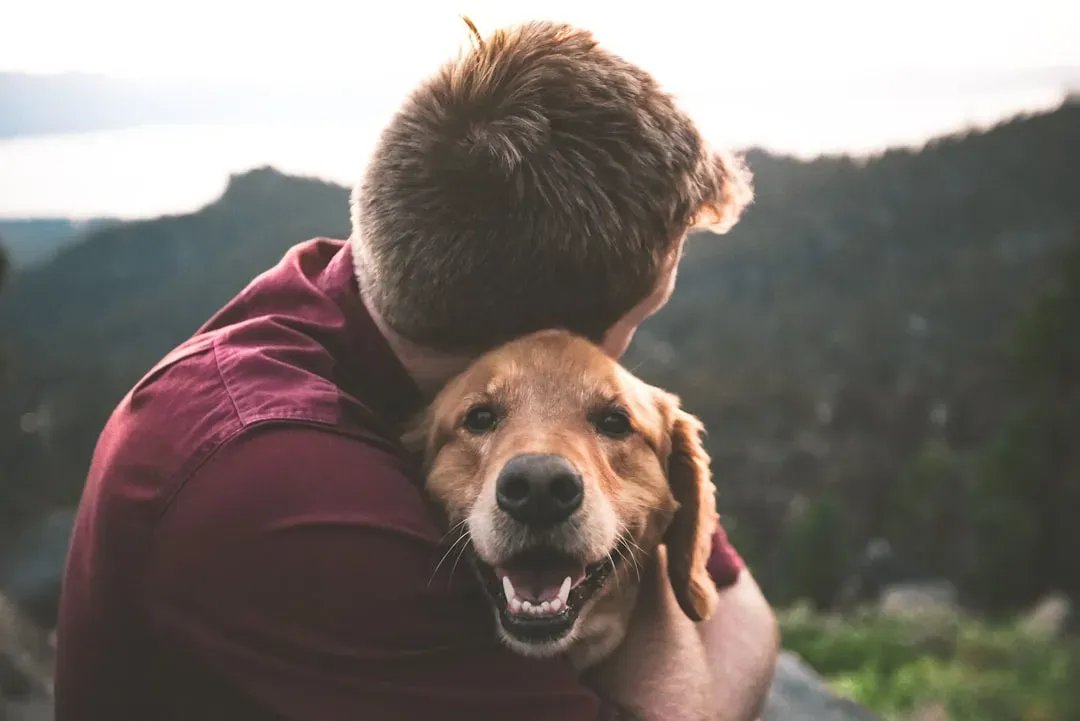
In the domestic dog oxytocin enhances social motivation to approach and affiliate with conspecifics and human partners, which constitutes the basis for the formation of any stable social bond. Furthermore, endogenous oxytocin levels increased after dogs engaged in affiliation with their dog partners. When you pet your dog, both of you get a dose of feel-good hormones.
This isn’t just pleasant. It’s neurochemically reinforcing the bond between you. When you start to experience feelings of anxiety, something as simple as petting your dog can be very soothing. Research has shown that petting a dog actually lowers the stress hormone cortisol! Your dog senses your emotions partly because the act of being close to you allows them to continuously monitor and respond to your emotional state through touch and proximity.
They Respond Differently to Happy Versus Angry Faces
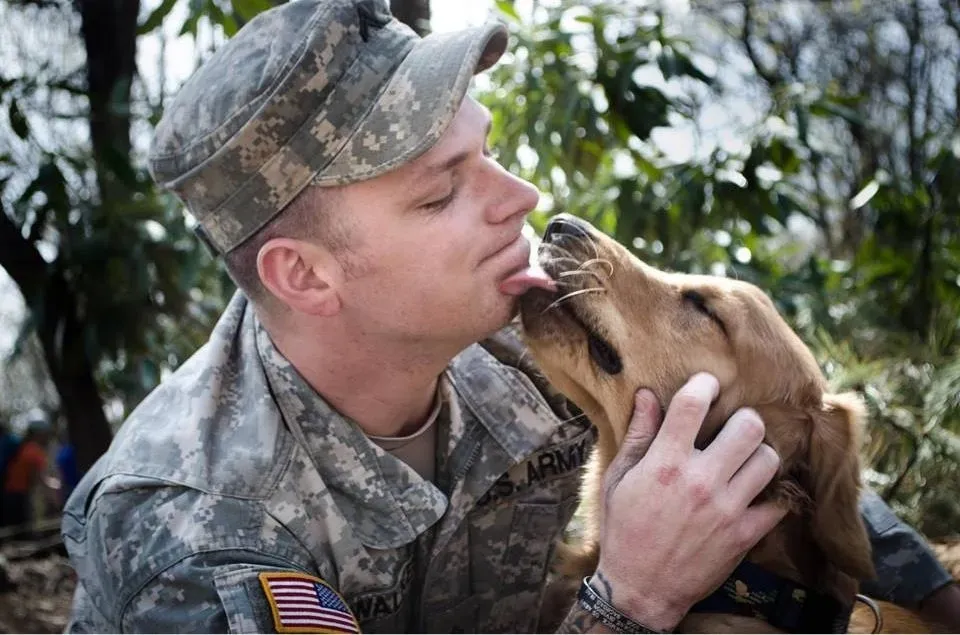
Dogs engaged in mouth-licking in response to angry expressions. Dogs mouth-licked when they saw images of angry human faces, but not when they heard angry voices, emphasizing the importance of the visual cues. This mouth-licking is an appeasement behavior, essentially your dog’s way of saying they recognize the negative emotion and want to defuse the situation.
Dogs engaged in mouth-licking more often when looking at images of humans than of other dogs, suggesting that dogs may have evolved their sensitivity to human facial expression to facilitate interactions with us. They’ve specifically adapted to read human faces, which is pretty remarkable considering wolves, their closest relatives, don’t show this same pattern of behavior with humans.
They Notice Your Heart Rate and Breathing Patterns
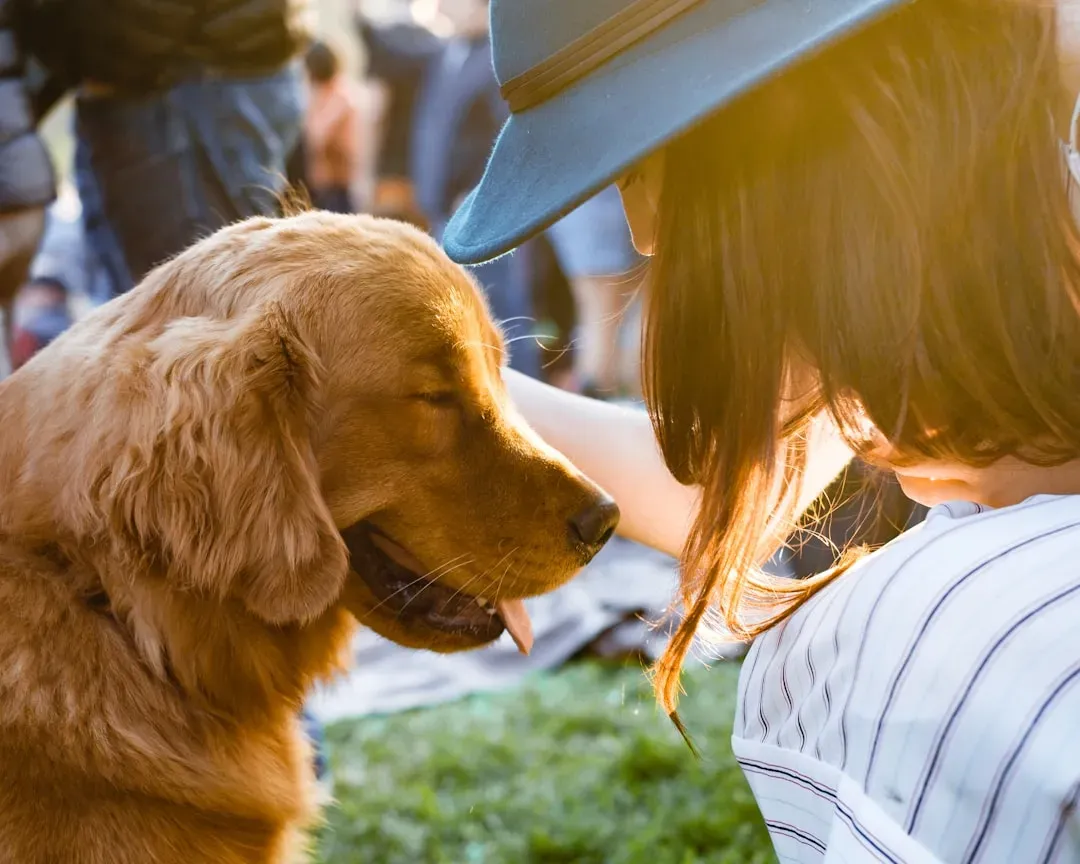
Dogs are incredibly attuned to the subtle sounds and rhythms your body makes. When you’re anxious, your breathing becomes shallow and rapid. When you’re calm, it’s slow and steady. Your heart rate accelerates during stress and fear. Though research on this specific ability continues to develop, many dog owners and trainers report that dogs seem aware of these physiological markers.
Service dogs, particularly those trained for anxiety or PTSD, are often taught to respond when they detect these changes. The dogs aren’t psychic. They’re picking up on real, measurable shifts in your breathing rate, heart rhythm, and the subtle sounds your body produces under different emotional conditions.
They Detect Your Mood Through Behavioral Patterns

Humans are the center of the canine world. They depend on us for the basics of life, food, and shelter, so they monitor our every move. They know when we are rushed or relaxed, happy, or mad, focused or available for play time. They are wise creatures that realize our moods affect them.
Your daily routines shift based on your emotional state. When you’re happy, you might move with more energy, talk more, initiate play. When you’re depressed, you move slower, speak less, and withdraw. Dogs notice these patterns because they’ve learned that your mood directly impacts their world. A happy you means more walks, more play, more attention. A stressed you means unpredictability.
Their Stress Response Mirrors Yours

“Being a species that we’ve lived and co-evolved with for thousands of years, it kind of makes sense that dogs would learn to read our emotions because it might be helpful to them to know if there’s something threatening in the environment or some stressor that they need to be aware of.” This phenomenon is called emotional contagion.
When dogs are around stressed individuals, they’re more pessimistic about uncertain situations. “For thousands of years, dogs have learned to live with us, and a lot of their evolution has been alongside us. Both humans and dogs are social animals, and there’s an emotional contagion between us.” Your stress becomes their stress. Your calm becomes their calm. This mirroring isn’t just behavioral. It’s physiological and emotional.
They Use All Their Senses Together

The team found the dogs spent significantly longer looking at the facial expressions which matched the emotional state of the vocalisation, for both human and canine subjects. The integration of different types of sensory information in this way indicates that dogs have mental representations of positive and negative emotional states of others. Dogs don’t rely on just one sense to read you.
They’re constantly integrating what they see on your face, what they hear in your voice, what they smell in your scent, and what they observe in your body language. “Our study shows that dogs have the ability to integrate two different sources of sensory information into a coherent perception of emotion in both humans and dogs.” It’s this multi-sensory approach that makes them such incredibly effective emotional detectives.
Conclusion: The Invisible Language Between You
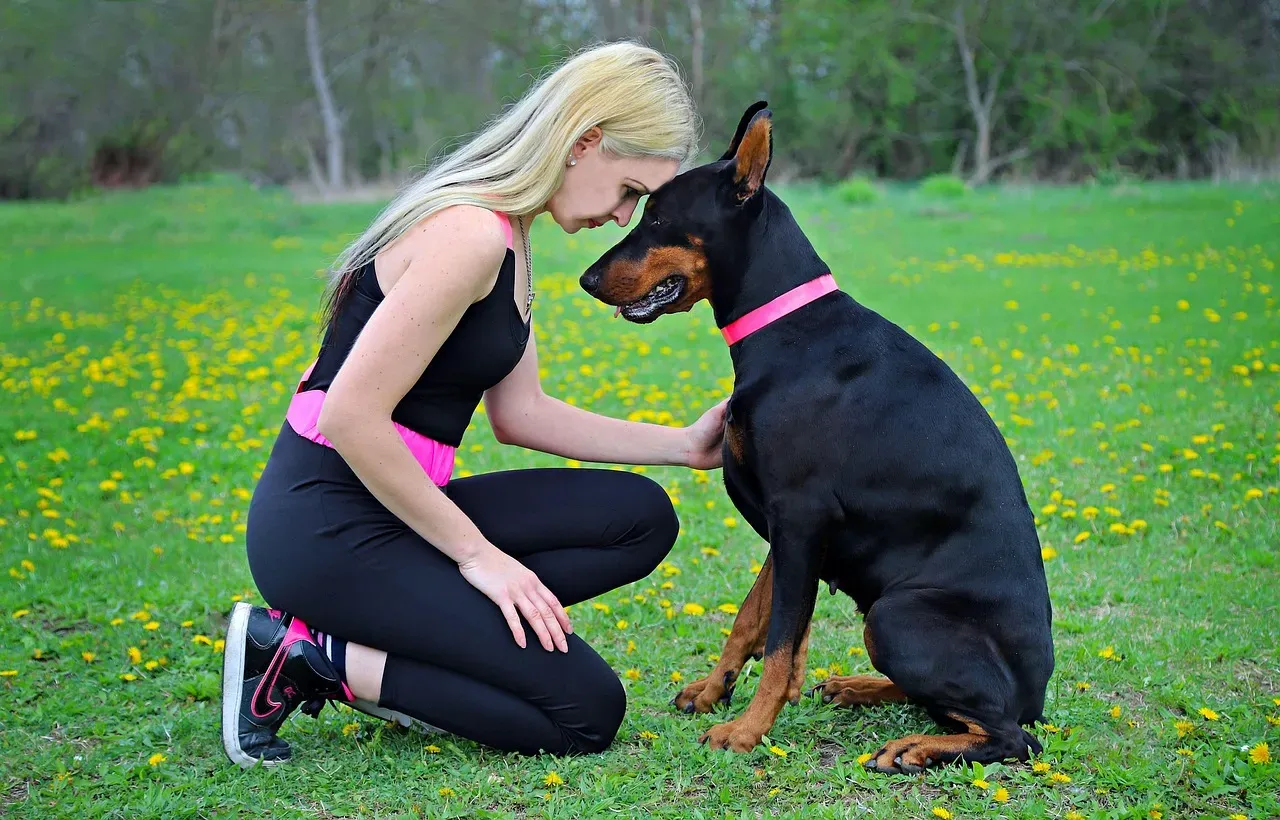
Understanding how deeply your dog reads your emotions transforms the way you see your relationship with them. They’re not just reacting to commands or seeking treats. They’re engaged in an intricate emotional dance with you, responding to signals you didn’t even know you were sending. This connection has been forged over thousands of years of coevolution, making dogs uniquely positioned to understand us in ways no other species can.
We already knew that positive training, heavy on the rewards, is a good thing for owner-dog relationships. But this study suggests that the reverse is also true: Approaching the process while stressed could have a negative effect on how a dog feels and learns. “Importantly, it highlights how in-tune dogs are at picking up on mood, so keeping your relationship with your dog based on positive reinforcement and happy, fun engagement is the best way to have a good relationship and a happy dog.”
So the next time you’re feeling overwhelmed or joyful, remember that your dog already knows. They’ve been reading your emotional story all along. What do you think about your dog’s ability to sense your feelings? Have you noticed them responding before you even realized what you were feeling yourself?


