
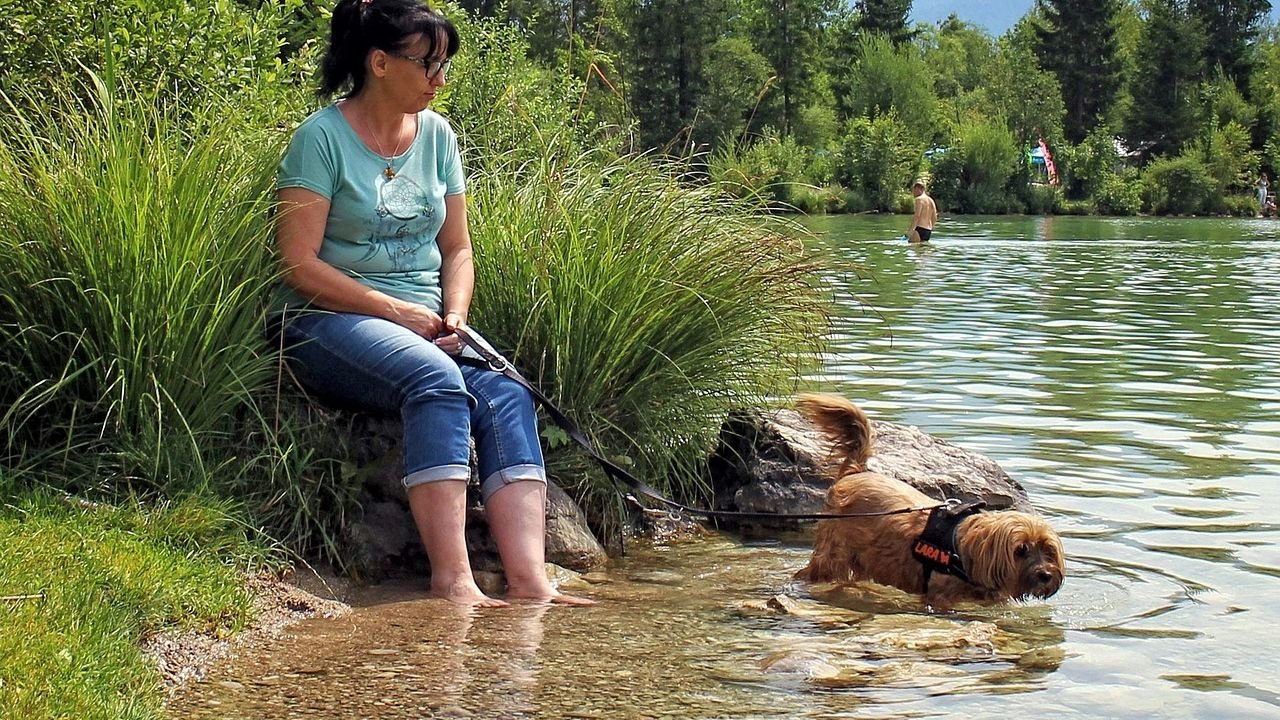
Think about that moment when a dog walks into a room full of people and heads straight for one specific person. Not the loudest one. Not the one waving treats. Just… that one person. There’s something almost magical about it. That dog has made a decision, and it wasn’t random.
The truth is, your dog’s trust isn’t given freely to just anyone. It’s earned, slowly, through tiny daily moments that most people never think twice about. A calm voice here. A respectful pause there. The way you move, the way you react when things go sideways. All of it is being quietly evaluated by the most honest creature in your home.
So if you want to be that person, the one your dog would choose over everyone else in the room, you’ve come to the right place. Let’s dive in.
1. Speak Their Language Before You Say a Word
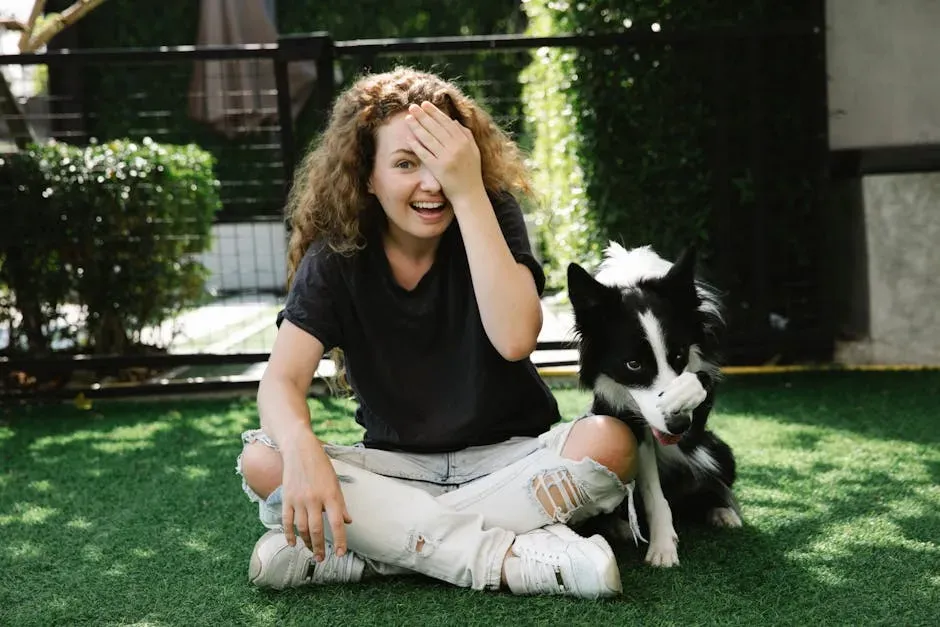
Here’s the thing most people don’t realize: your dog reads your body before they ever process your words. Understanding your dog’s body language is one of the most powerful ways to strengthen your bond, because dogs communicate how they feel through their posture, tail movements, ears, eyes, and overall behavior. When you start reading them back with equal care, something shifts in the relationship.
A dog that is happy and ready to greet you will have a relaxed body and face, hold their tail high, and wag their tail back and forth. A dog that is fearful and anxious will have a tense body, hold their tail low or tucked under them, and may avoid eye contact, pant, or pace. Learning to spot these signals before they escalate is genuinely one of the fastest trust-building moves you can make.
2. Ditch the Stare Down and Soften Your Gaze
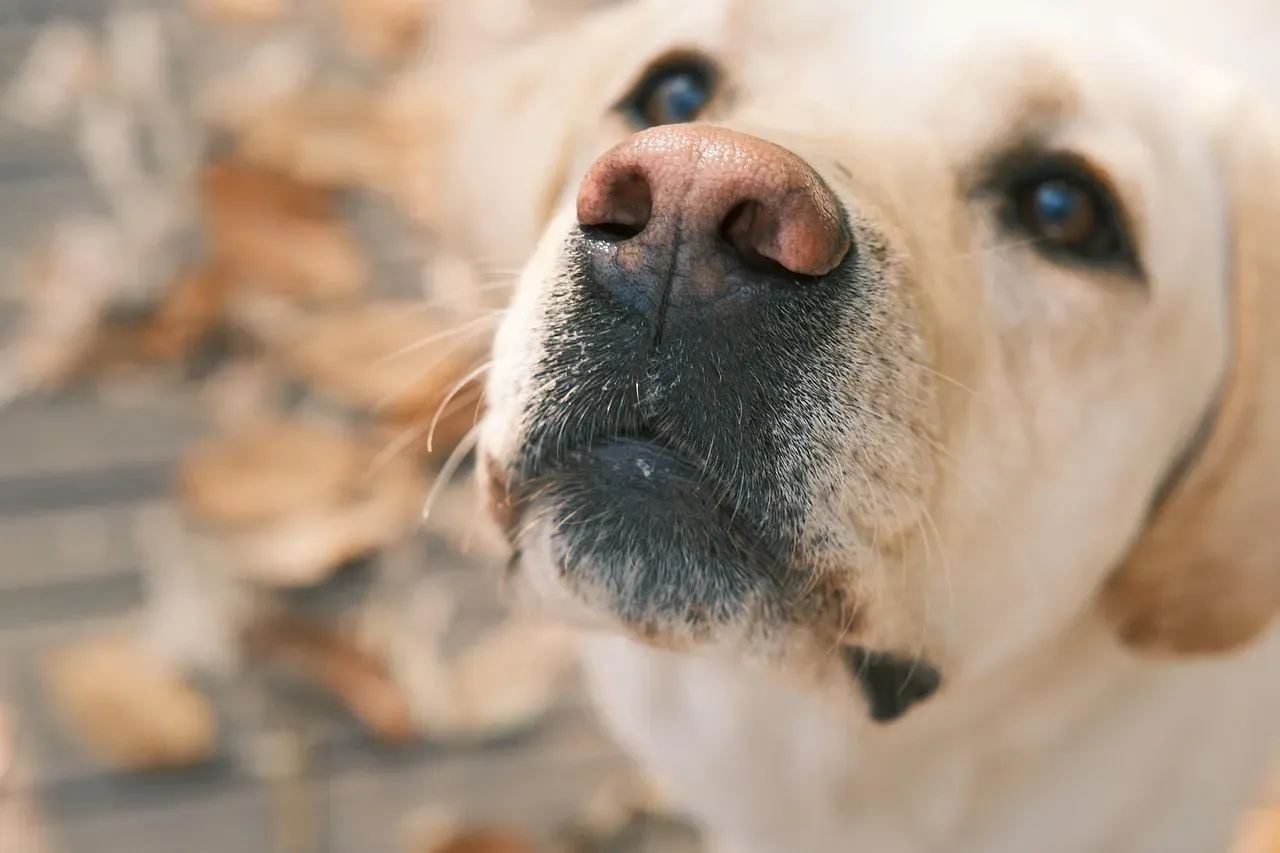
Humans instinctively make direct eye contact to show confidence or connection. With dogs, especially ones you’re still bonding with, it can read completely differently. Direct eye contact, particularly in the beginning, might seem frightening to many timid dogs. Try making gentle, subtle glances rather than staring or making eye contact. It is less scary and more consistent with dog body language if you blink slowly and glance at the ground or slightly to the side.
Research from Japanese scientists has revealed that sustained eye contact between dogs and their trusted humans triggers the release of oxytocin in both parties. The key word there is “trusted.” Get the trust first, and that warm shared gaze will follow naturally. Don’t rush it.
3. Be the Most Predictable Person in Their World
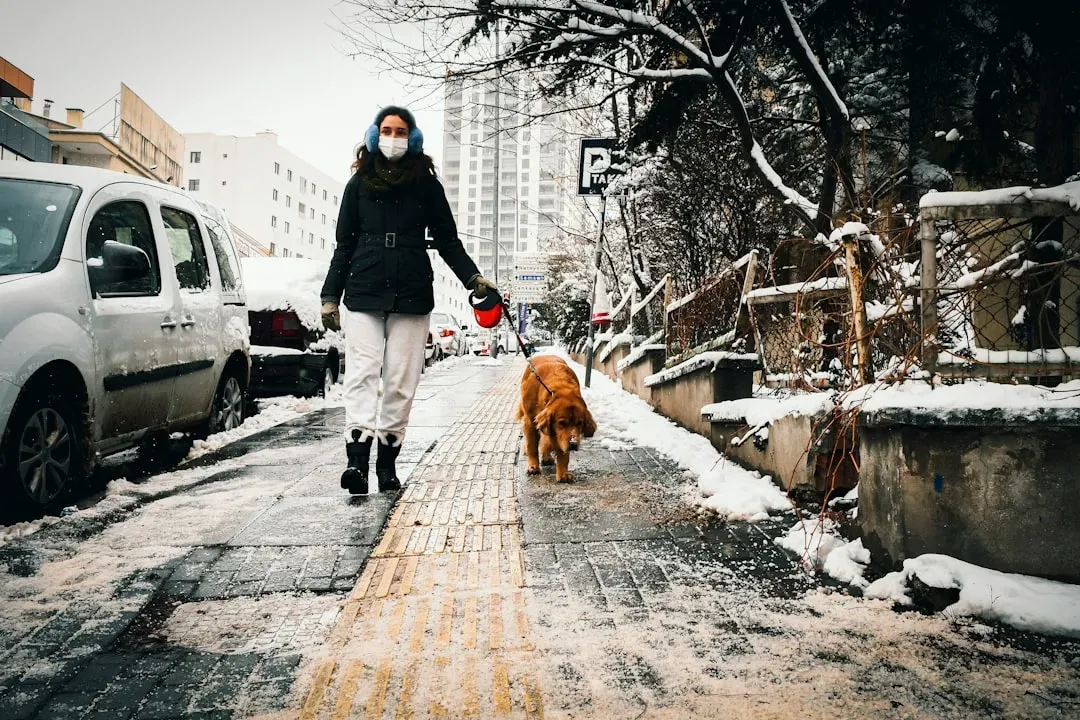
Consistency might sound boring, but to a dog, it’s everything. It’s the reason they know you’re safe. Maintain a consistent routine with things like feeding schedule, walk times, and play sessions. This allows your dog to have the same expectations throughout their day, building their confidence and reducing any unexpected changes that might upset their sense of well-being.
Since trust is founded on reliability, creating consistent routines can help your dog understand what to expect, and this builds trust. This doesn’t need to be a strict daily routine where everything is regimented, but mini routines around things you do regularly can help. For example, you can have a routine you follow for getting your dog ready for a walk, letting them out of the car, or for when guests come over. Think of it like always showing up. Dogs remember who shows up.
4. Move Slowly and Give Fear Zero Ammunition
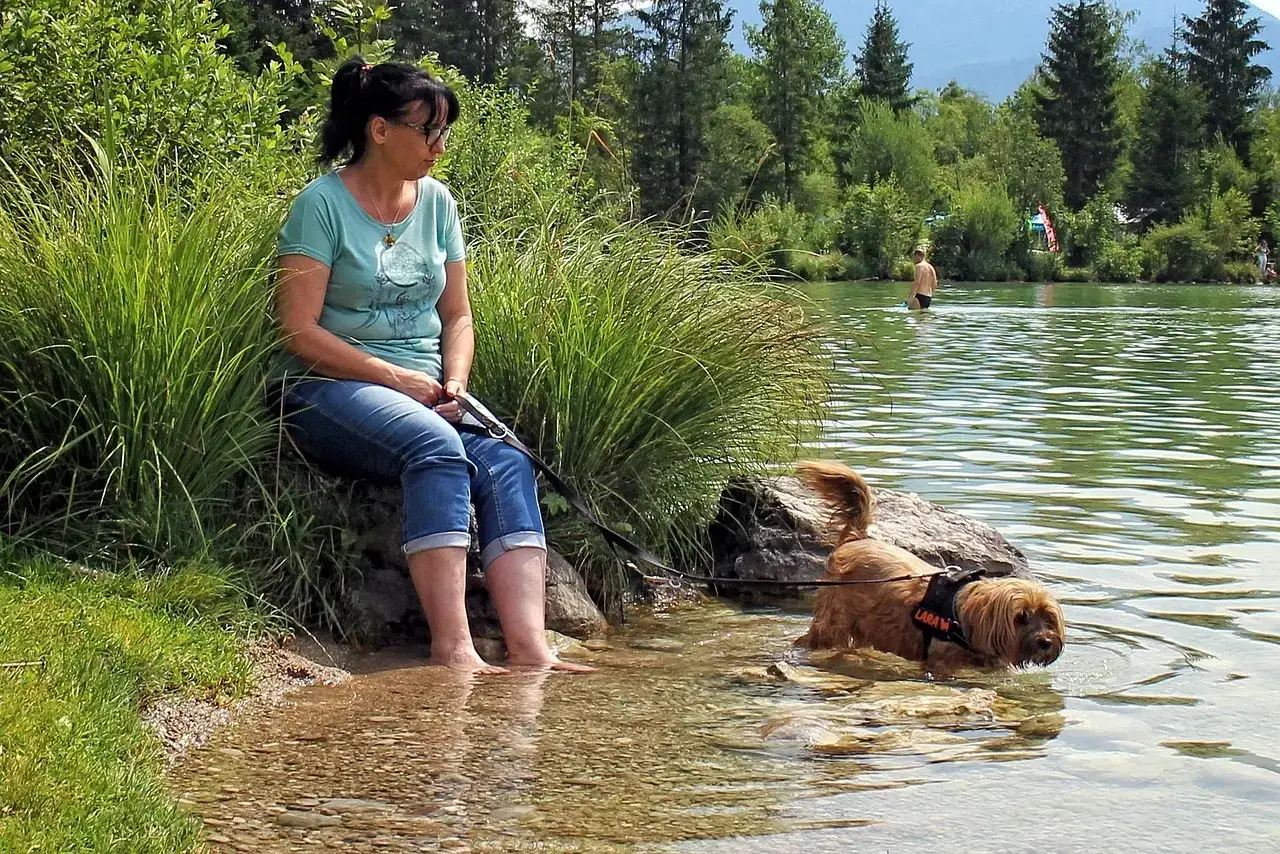
Fast, jerky movements can unravel weeks of progress with a nervous or rescue dog in seconds. A scared dog may be startled by sudden or erratic motions. If they approach, sit or kneel at their level, move fluidly and refrain from bending over them. Instead of reaching out, let them come to you. That last part is huge. Letting a dog choose contact is a radical act of respect in their world.
When dogs do approach, resist reaching or touching and let them set the pace and nature of physical contact. Avoid hovering over them or making rapid movements that might trigger startle responses. Think of yourself as the calm in the storm, not another unpredictable thing to navigate.
5. Train With Kindness, Not Control
Honestly, nothing damages a dog’s trust faster than harsh correction-based training. If you unnecessarily or harshly punish your dog, it will take a toll on the bond and trust they have with you. Although you will sometimes need to correct your dog’s behavior, harsh punishments should never be used. The goal is communication, not domination.
Training your dog using positive reinforcement is not only effective but also a relationship builder. Rewarding good behavior with treats, praise, or playtime reinforces your bond and creates a safe space for learning. Avoid punishment-based methods, which can damage trust and create confusion or fear. Instead, focus on consistency, patience, and celebrating progress. That last part, celebrating progress, is something most of us forget to actually do.
6. Become Their Safe Place During Scary Moments
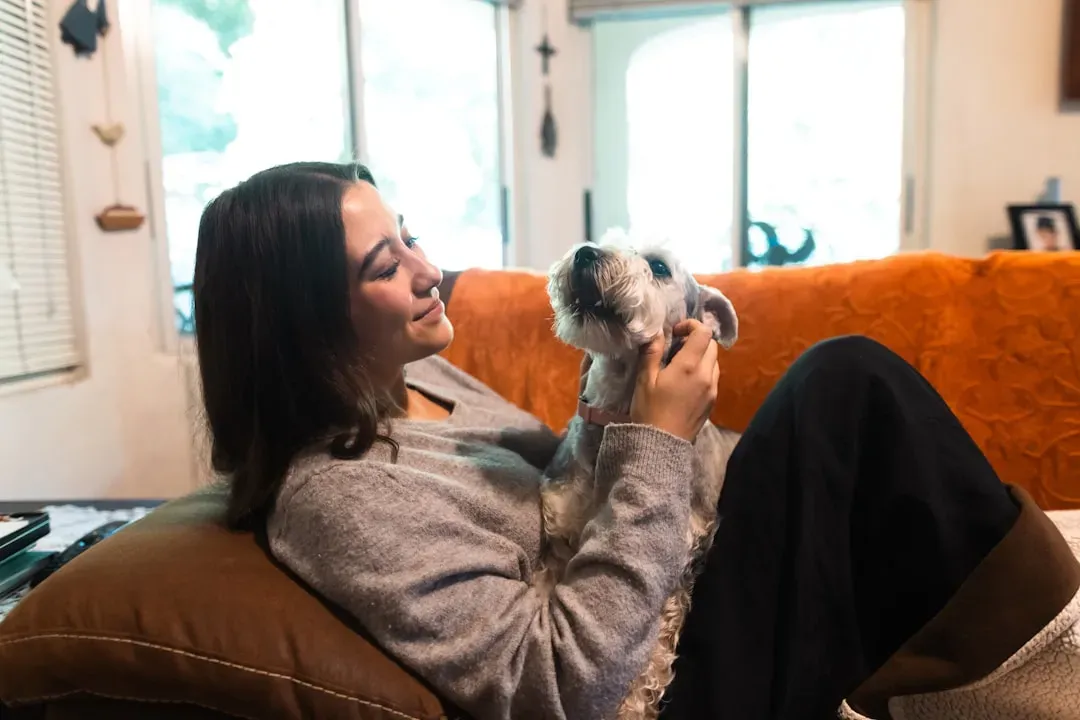
Thunderstorms. Fireworks. The dreaded vacuum cleaner. These are moments when your dog is deciding whether you’re a source of safety or just another unpredictable variable. Trust is more than just tail wagging; it’s the person your dog confides in when they are uneasy. When faced with uncertainty such as loud noises, strangers, or strange environments, a trusting dog will seek you out. They may see you as a safe base if they constantly position themselves close to you, not out of habit but rather for comfort.
If your dog can relax around you during times of stress, it’s a significant sign that they trust you deeply. Your ability to provide comfort and safety for them in frightening situations reinforces their trust and strengthens your bond. Stay calm yourself. Your nervous system is contagious, whether you like it or not.
7. Respect Their “No” Just as Much as Their “Yes”
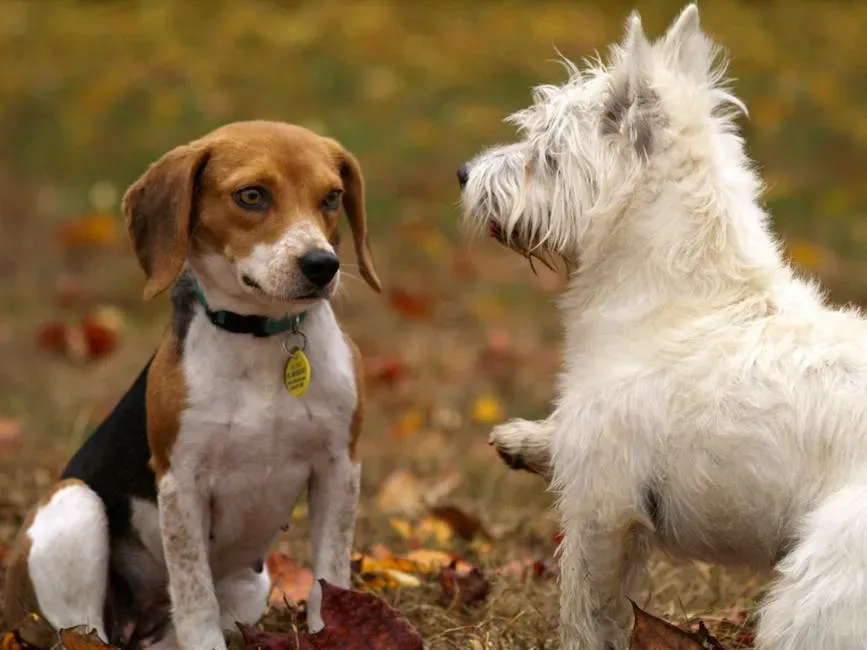
This one surprises a lot of dog owners. We’re taught that dogs are here to please us, so when they back away or stiffen up, we often push through it anyway. That’s a mistake. When your dog learns they have a say, they relax. When they know you’ll respect their communication, they trust you more. It really is that simple.
Observe your dog as you touch them and try using the “consent test” to see if your dog is comfortable with the interaction. Count to three while petting them. Then stop and see if they lean in for more petting or show you they’re enjoying the attention. If they choose to move away, growl, or adopt a stiff stance, let them end the interaction with verbal praise. That tiny act of listening speaks volumes.
8. Spend Time Just Being Together, No Agenda Needed
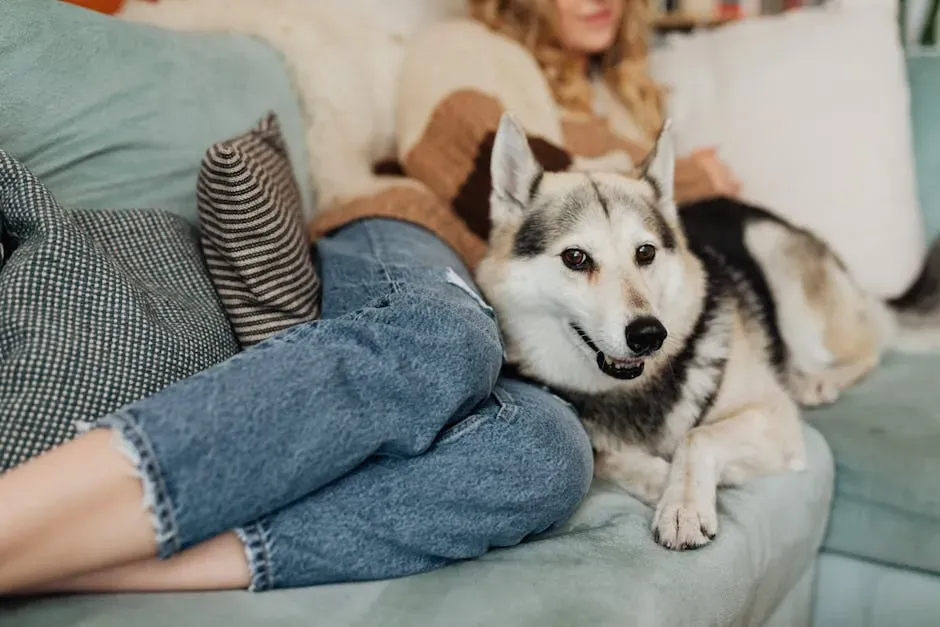
Let’s be real: we live in a productivity-obsessed world where even dog time can feel like a task to check off. But some of the deepest bonding happens when you’re simply present. Connection isn’t built only through training or play. A lot of it comes from just hanging out. Just being there. Sitting on the floor while your dog chews something. Watching TV with them asleep nearby.
Being present without asking for interaction teaches your dog that you’re safe to relax around. This is especially powerful for shy, shutdown, or overwhelmed dogs. Sometimes the best thing you can do is absolutely nothing. Just be in the same room, soft and unhurried.
9. Advocate for Them When the World Gets Too Much
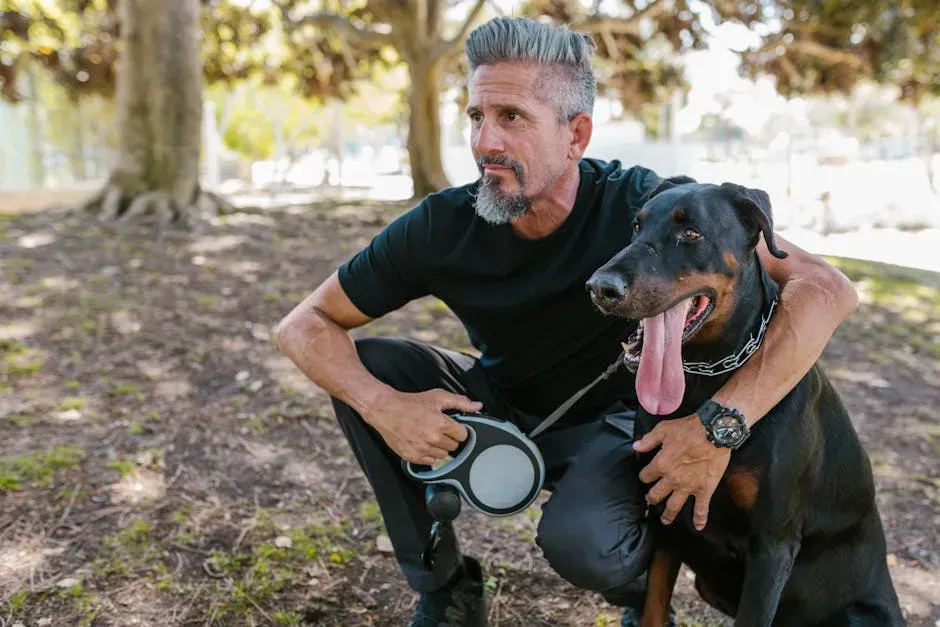
Your dog cannot tell the overly excited stranger to stop petting them. They cannot remove themselves from the overwhelming dog park. They rely entirely on you to read the room and step in. You are your dog’s only advocate and defender. Stand up for them. That means things like saying no thanks to strangers who want to pet your clearly uncomfortable dog, and moving away from situations your dog isn’t ready for.
I think this is one of the most underrated trust-builders there is. When a dog realizes you will physically intervene on their behalf, their entire demeanor around you changes. Understanding your dog and the very subtle nuances of dog body language makes a big difference. When you can see the signs your dog is becoming uncomfortable, scared, or unhappy, you can act quickly to advocate for them. This is the fastest way to build trust with your dog.
10. Touch Them in Ways They Actually Enjoy
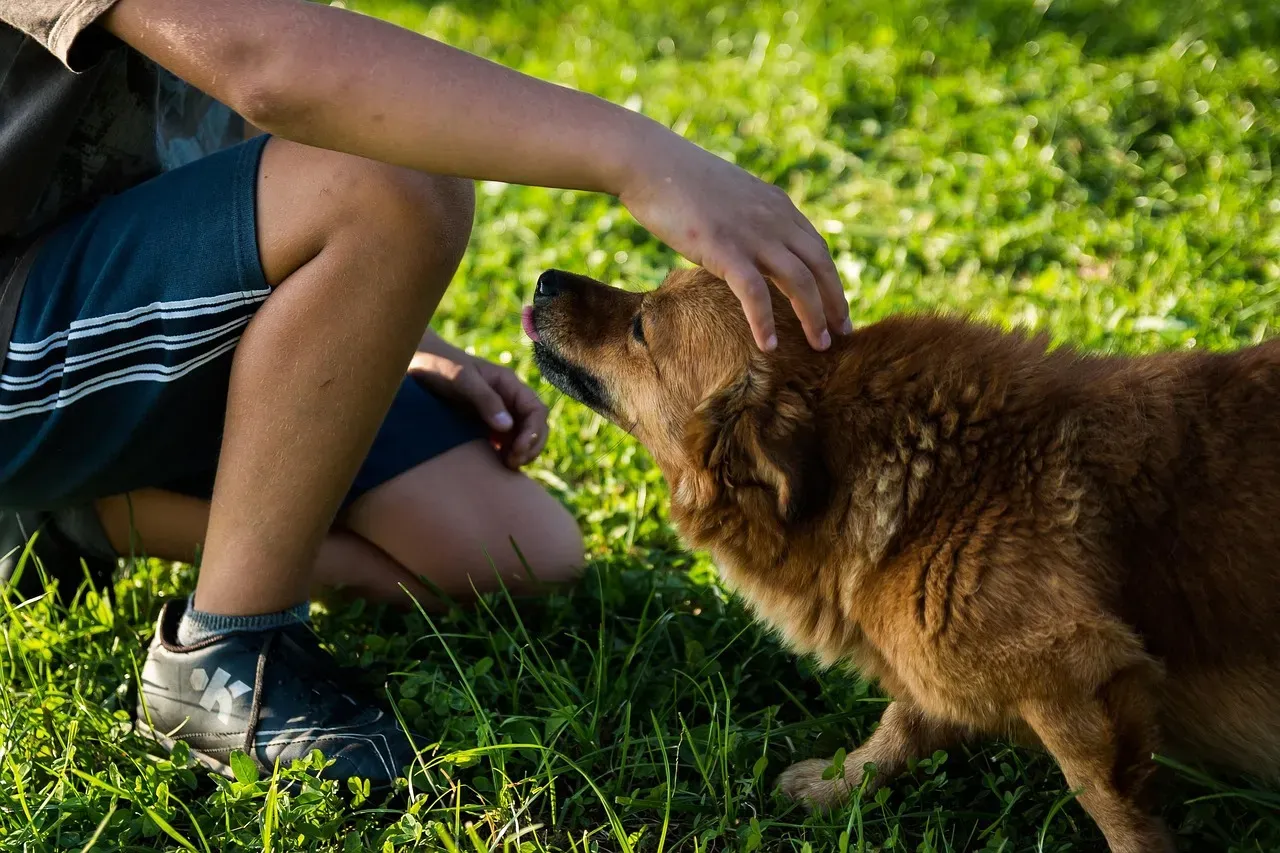
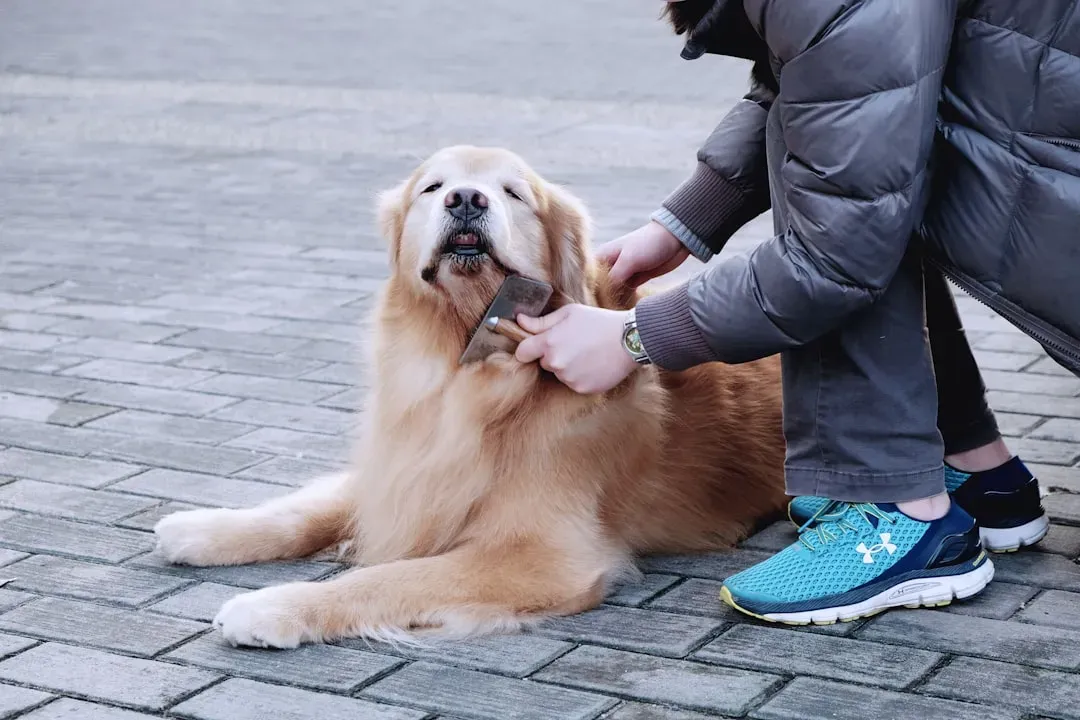
Not every dog wants a big bear hug. Not every dog loves the top-of-the-head pat. Getting this wrong, even with good intentions, tells your dog that you’re not actually paying attention. Regular brushing, gentle petting, or massage not only keeps your dog healthy but also reinforces your bond. Touch builds trust and comfort, especially when it’s paired with positive experiences. Take time to learn how your dog likes to be handled. Some love belly rubs, while others prefer ear scratches or just being near you.
Dogs respond strongly to stress, but when they fully relax around you, stretching out, letting their limbs dangle, or exposing their belly, it’s a sign they trust you completely. Watch for these relaxed cues. They’re your dog’s way of giving you a standing ovation.
11. Never Let Frustration Turn Into Something They Fear
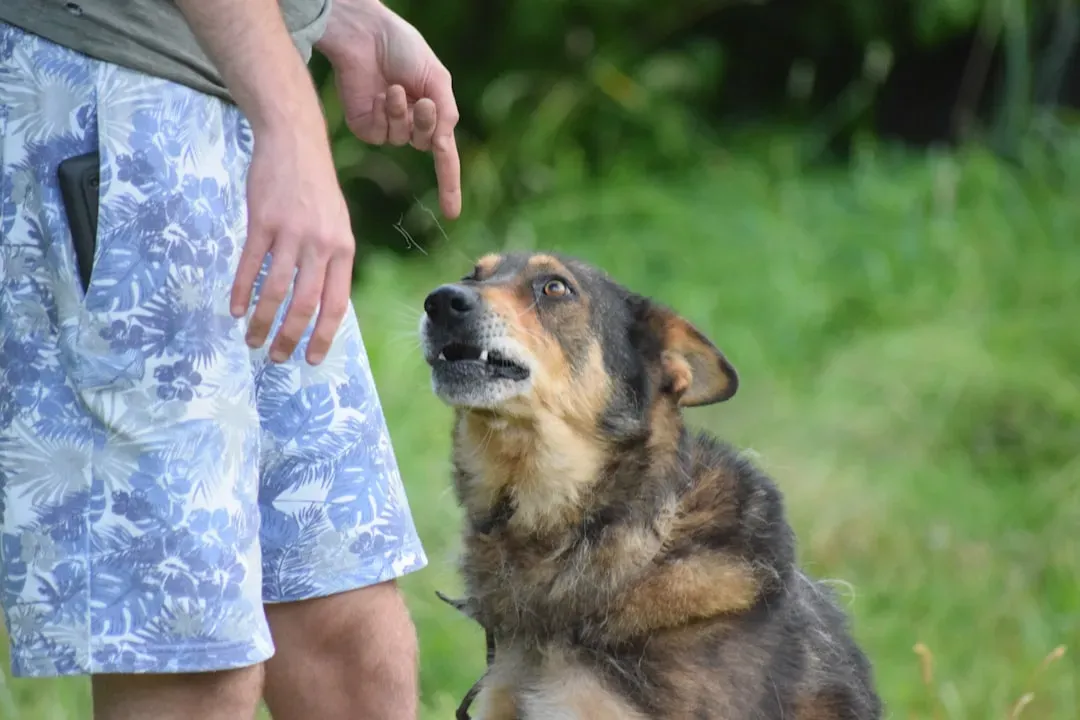
We all have bad days. You come home exhausted, your dog has destroyed something, and patience feels about a mile away. Sure, we all get frustrated now and then, but making a habit of yelling at your dog will chip away at the trust between you. If you find yourself frequently yelling at your dog, take a step back and determine why it keeps happening. Dog problems usually have a human component. That last sentence hits differently every single time.
It’s normal to get frustrated with your dog, but research from Brigham Young University suggests that your dog can read your emotions and is less likely to trust you when you’re in a bad mood. Researchers tracked how dogs reacted when they saw humans using positive or negative facial and vocal expressions. When dogs saw the negative behaviors, including frowning, a furrowed brow, and a harsh voice, they were less willing to engage. Your emotional state is literally data your dog is processing constantly.
12. Let Trust Grow at Their Pace, Not Yours
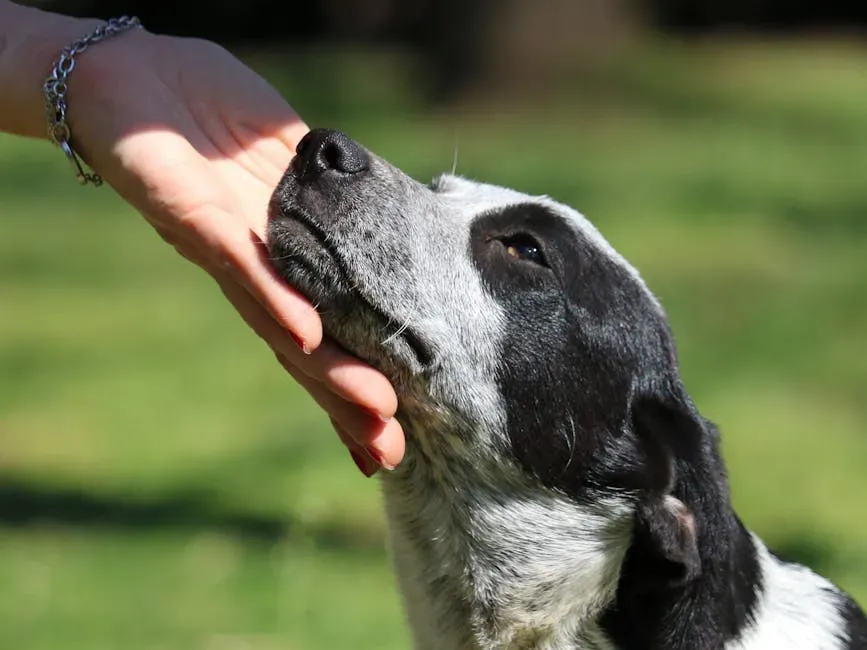
This might be the hardest one, especially if you’re a natural nurturer who wants to love your dog into trust immediately. But rushing it can actually push them further away. Dogs who have lost their homes especially need to be able to trust the people they live with. They have likely been traumatized in transport as well. It can take three to six months for a dog to settle into a new environment, and behavior may markedly change during that time.
The 90-10 rule alludes to the idea that unofficial training should account for ninety percent of the connection you have with your dog, whereas ten percent accounts for official training time. Trust and connection are more derived from everyday interactions, how you act during playtime, strolls, feeding time, and rest, than from commands. In other words, you build trust in the in-between moments, not just the big ones.
Conclusion: The Dog Who Chooses You
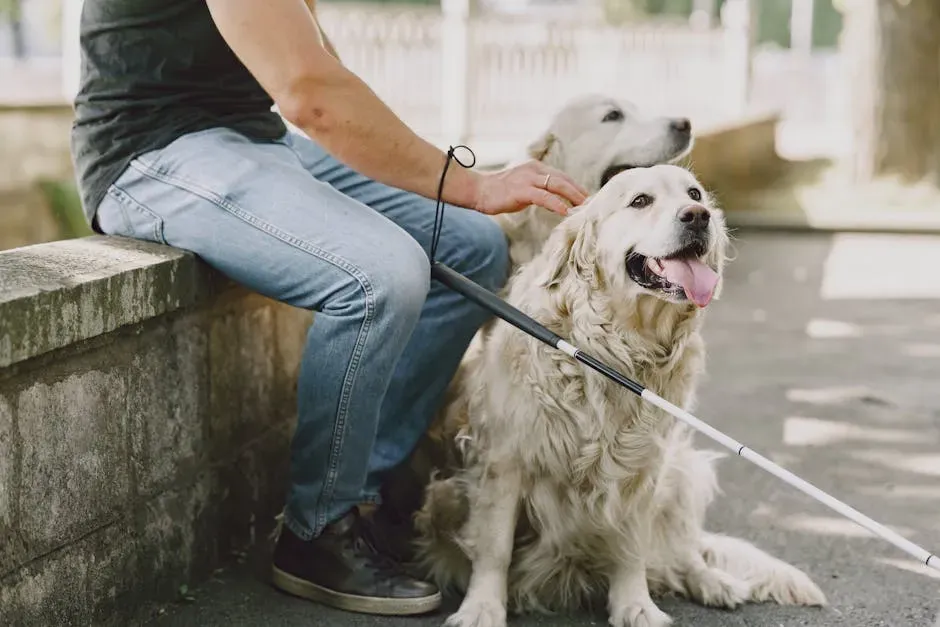
There’s a reason that dogs have spent thousands of years evolving alongside humans. Researchers explain that dogs evolved from wolves, and some suggest that canines displaying friendliness toward humans were rewarded with food and protection, fostering a genetic tendency toward trust. It’s in their DNA to want to trust someone. The question is simply whether that someone will be you.
The bond between you and your dog is built on trust, communication, and love. By understanding their language, training with kindness, and showing up every day as their advocate and friend, you’ll create a connection that lasts a lifetime. None of these twelve steps are complicated. They just require attention, patience, and a genuine willingness to see the world through four paws.
The dog who walks into a room full of people and heads straight for you, that’s not luck. That’s every small choice you made over time. So which of these will you start with today? We’d love to hear in the comments.


