
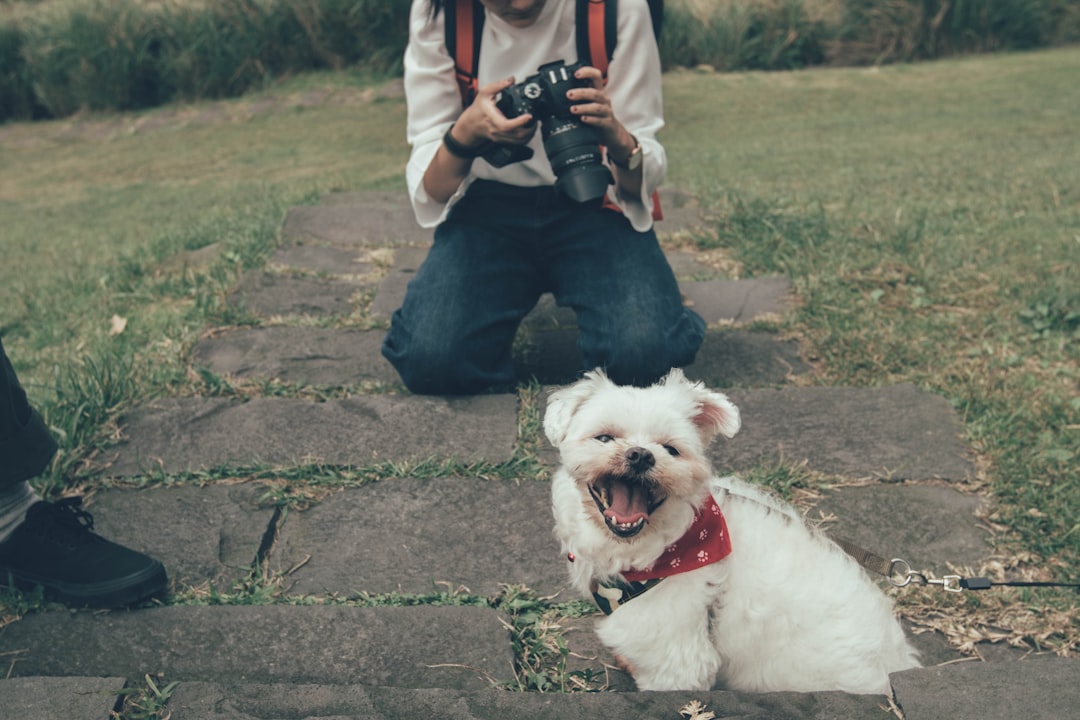
Have you ever walked out the door and glanced back to see those puppy eyes staring at you—wide, worried, and maybe a little bit heartbroken? If so, you’re definitely not alone! Every dog parent knows that leaving their furry best friend home alone can be a mission filled with guilt, worry, and maybe even a little drama (howling soundtrack included). But what if you could turn those anxious moments into peaceful naps and happy tail wags? Let’s dive into some surprisingly simple and fun ways you can help your pup feel safe, secure, and totally at ease when you’re not around.
Create a Cozy Safe Space
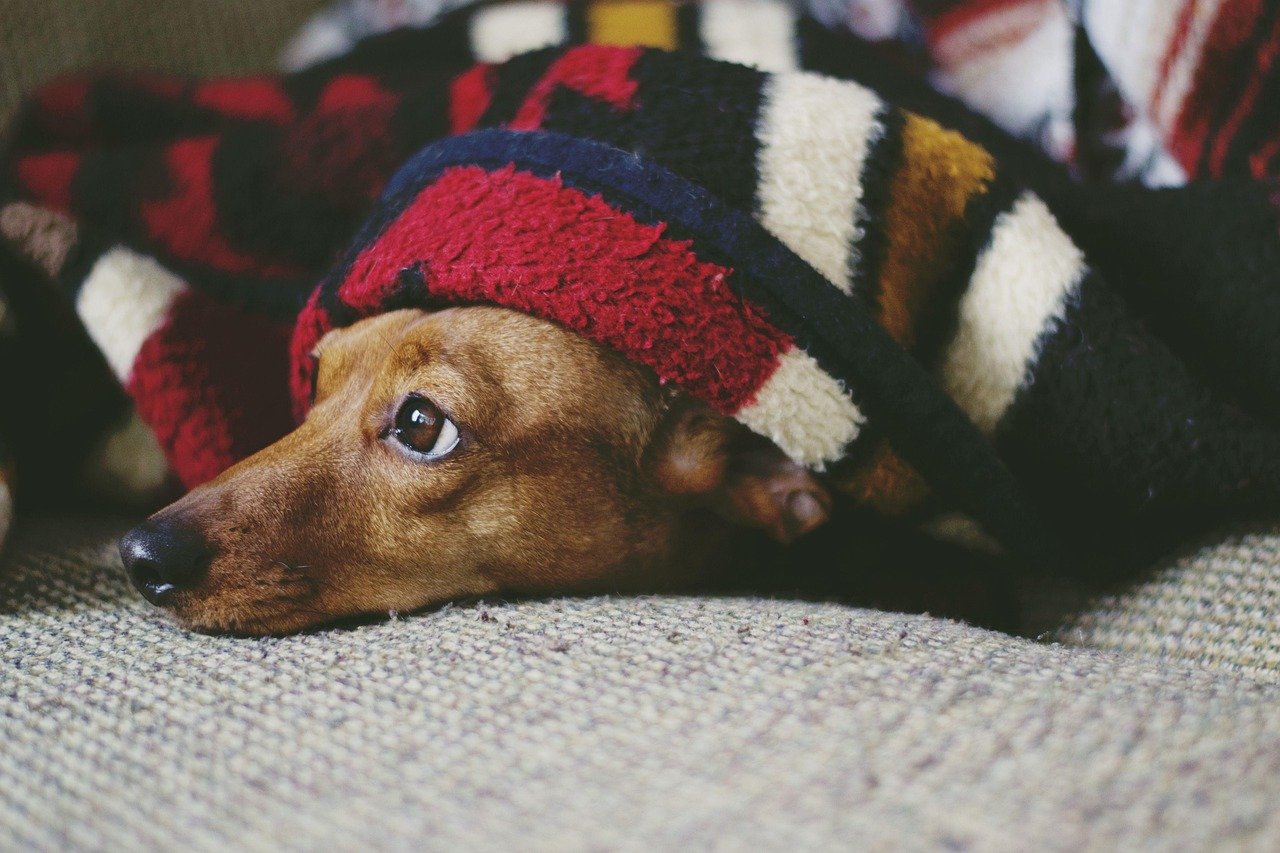
Dogs are den animals by nature, and nothing soothes their nerves quite like a special spot they can call their own. Think of it as their “doggy bedroom”—a cozy corner with a comfy bed, a soft blanket, and maybe even a favorite old t-shirt that smells like you. Whether it’s a crate, a nook under the stairs, or a sunbeam on the rug, this safe space can make all the difference. The key is to make it inviting, so your dog feels relaxed and protected. Add a beloved toy or two, and give gentle encouragement so they know this is their happy place. When you leave, your dog will have their sanctuary ready, and that alone can melt away a lot of anxiety.
Start with Short Absences
Imagine if someone you loved disappeared for hours without warning—scary, right? Dogs feel the same way! Begin by leaving your pup alone for just a few minutes, then gradually increase the time as they get more comfortable. This gentle approach is like dipping their paws in the water instead of tossing them into the deep end. Celebrate their bravery with treats and praise when you return, so they start associating your absence with positive things. Before long, they’ll be cool as cucumbers, knowing you always come back.
Keep Goodbyes Low Key
It’s tempting to smother your dog with cuddles and dramatic farewells, but that can actually make things worse. Dogs pick up on our emotions, so if you’re anxious or teary-eyed when you leave, they might think something bad is happening. Instead, keep departures calm and casual—like you’re just stepping out to check the mail. A simple “See you later!” and a pat on the head will help your pup understand that leaving is no big deal. Save the excitement for your return, and your dog will learn to take your comings and goings in stride.
Stick to a Predictable Routine
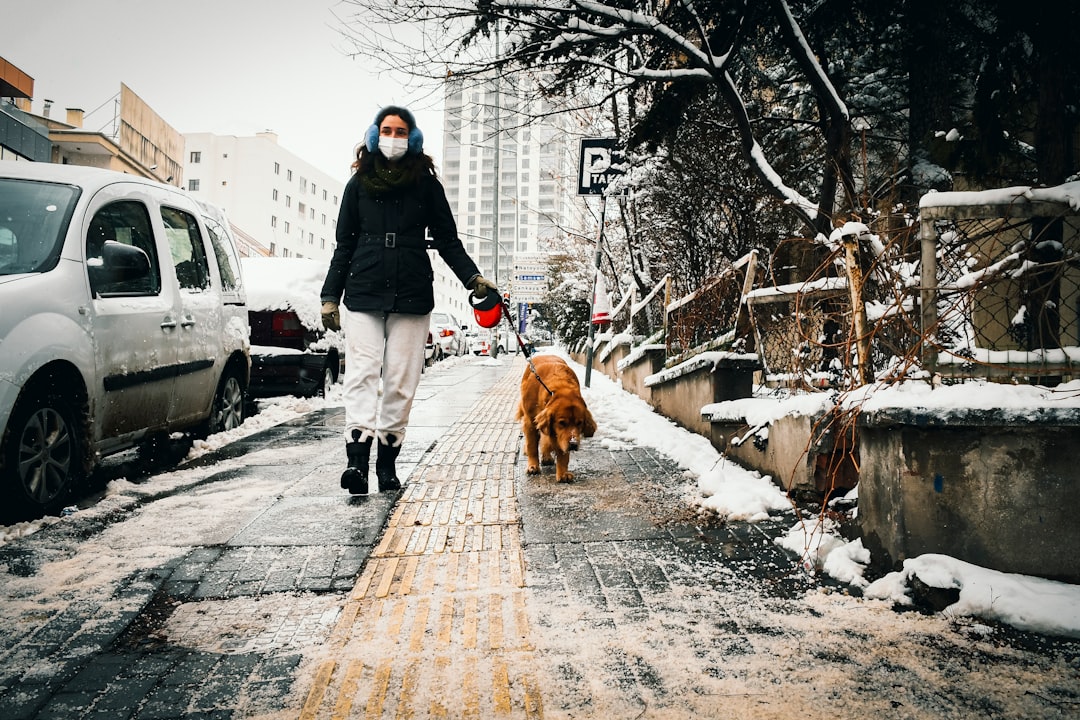
Dogs love routines. Knowing when to expect meals, walks, and even alone time helps them feel secure. If you leave at roughly the same time each day, your dog will adapt and come to expect it. Predictability means fewer surprises, which translates to less stress. Try feeding, walking, and playing at similar times each day. Even a simple ritual, like turning on a certain lamp or giving a special treat before you leave, can cue your dog that it’s time for solo relaxation. Routines are like invisible hugs that comfort your pup when you’re gone.
Leave Comforting Scents Behind
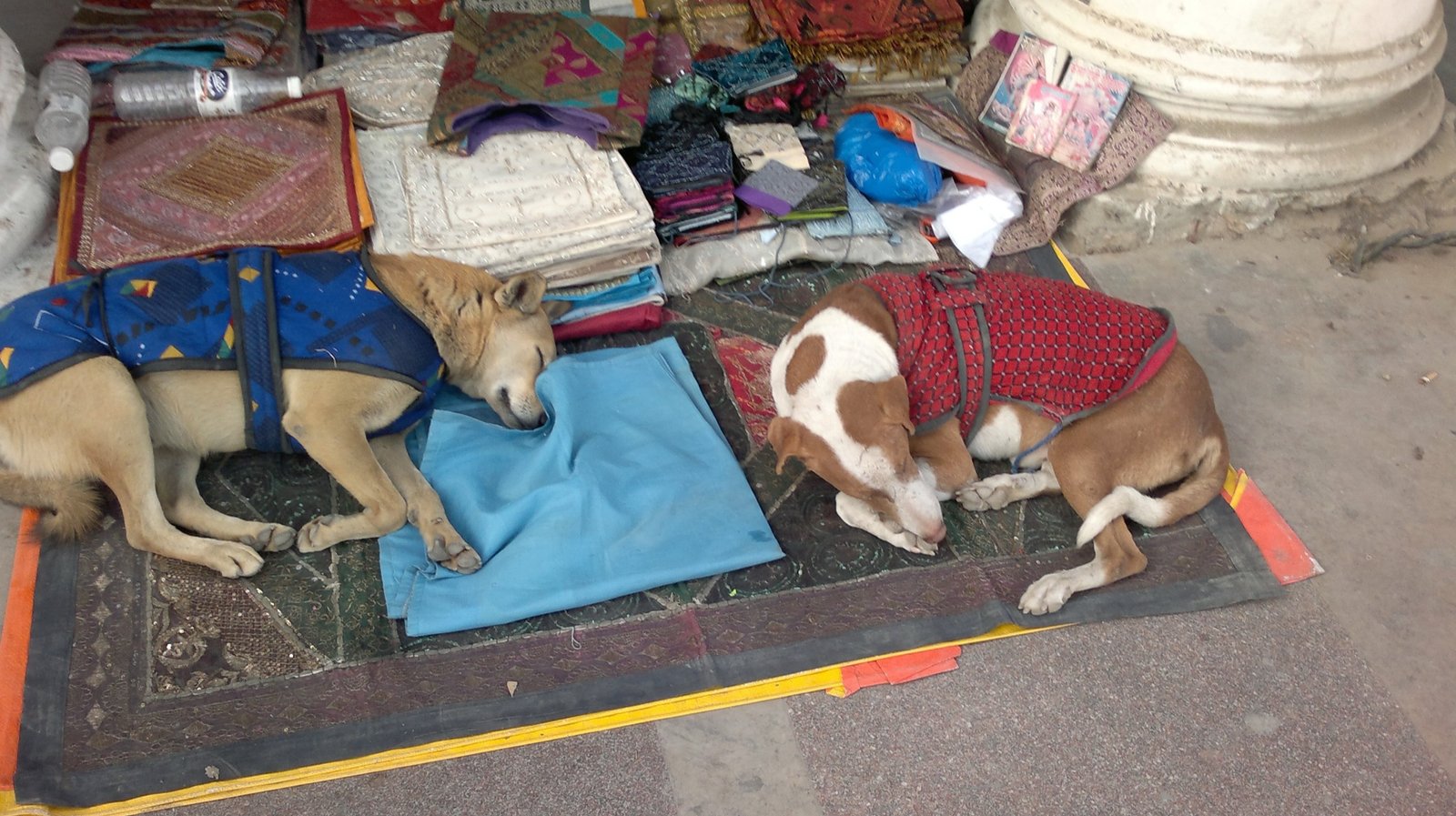
Your scent is your dog’s favorite perfume—no fancy cologne required! Leaving behind something that smells like you, such as a worn t-shirt or pillowcase, can be incredibly comforting. Dogs have an amazing sense of smell (up to 100,000 times better than ours!), so your scent is like a security blanket. Tuck it into their bed or safe spot, and it’ll help them feel close to you even when you’re miles away. It’s a small gesture, but it can work wonders for a worried pup.
Keep Them Busy with Toys and Puzzles
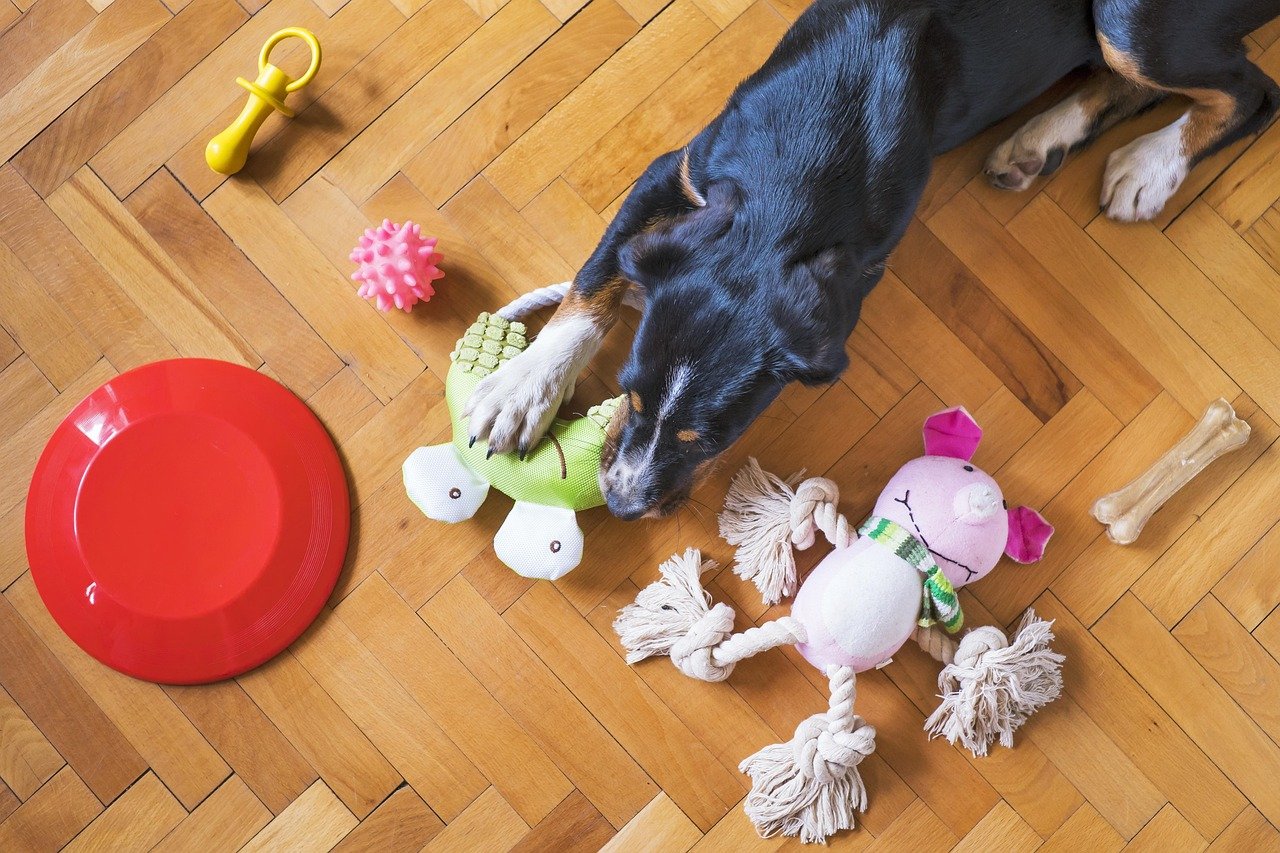
Boredom is the enemy of a happy, relaxed dog. When you leave, make sure your pup has plenty to do! Puzzle toys, treat-dispensing balls, and chew toys can turn alone time into playtime. These fun distractions not only keep your dog’s mind busy but also provide a healthy outlet for energy. Rotate toys regularly to keep things fresh and exciting. It’s like hiding Easter eggs for your dog—there’s always a new surprise waiting to be found, and that keeps tails wagging.
Play Calming Music or Leave the TV On
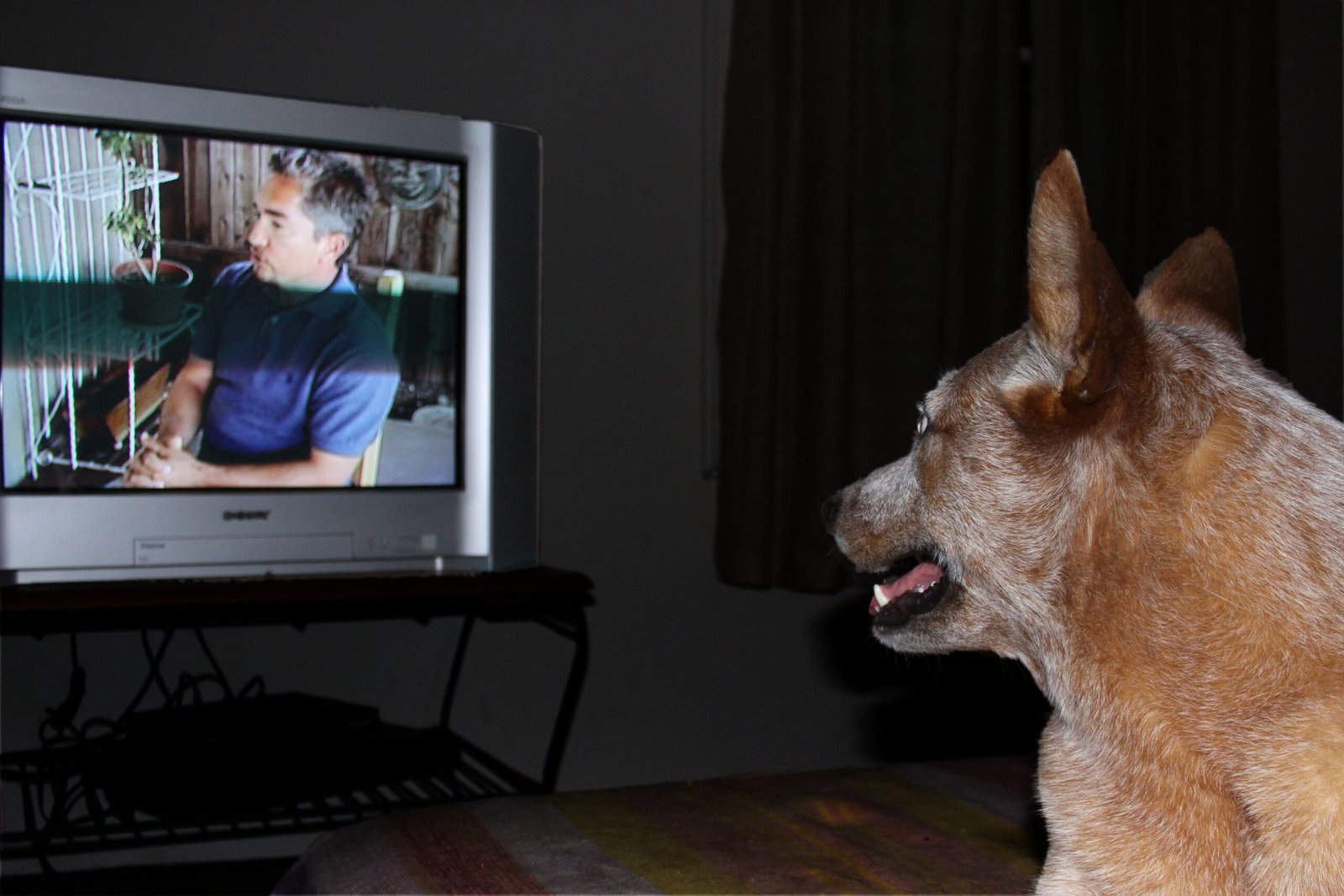
Silence can make a dog feel lonely and anxious, especially if they’re used to the hustle and bustle of a busy household. Leaving the TV on or playing some soothing music can create a comforting background noise. There are even playlists made especially for dogs, filled with calming melodies and gentle rhythms. The familiar sounds can help mask outdoor noises that might otherwise startle your pup. It’s like giving them a little company, even when you’re not there.
Get Exercise Before You Leave
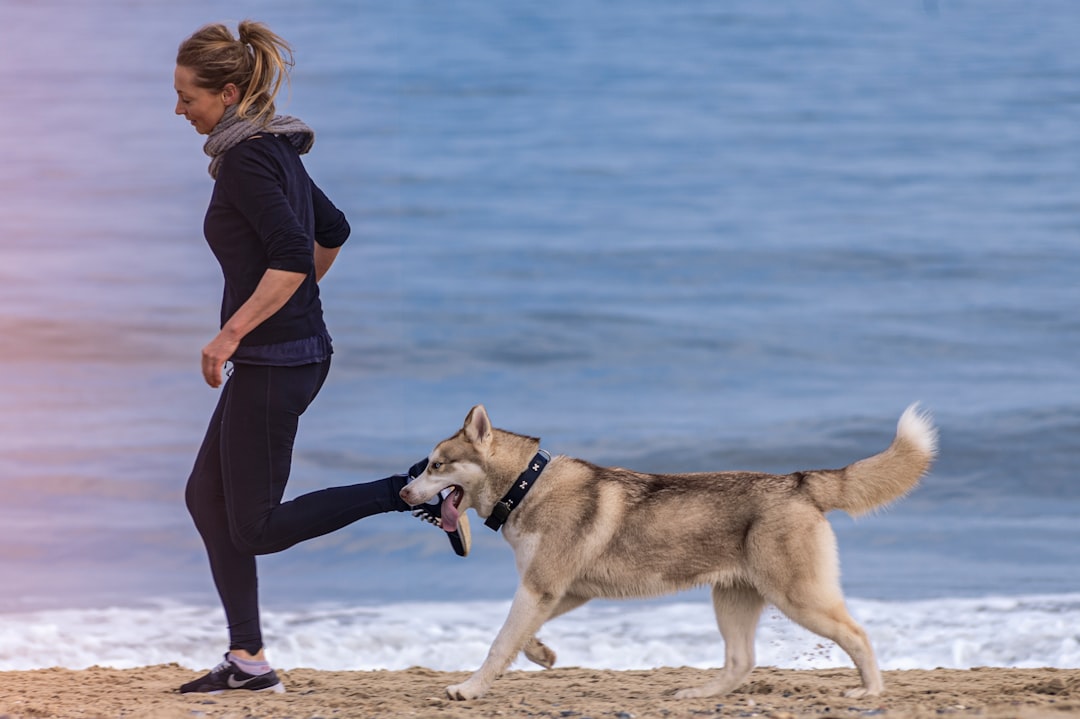
A tired dog is a happy dog! Before heading out, take your pup for a brisk walk or enjoy a lively game of fetch. Physical activity burns off nervous energy and helps your dog relax when you’re away. Think of it as setting the stage for a cozy nap. After a good workout, your dog is more likely to curl up and snooze instead of pacing or barking. Plus, exercise is great for their health and happiness, so it’s a win-win for both of you.
Use Positive Reinforcement
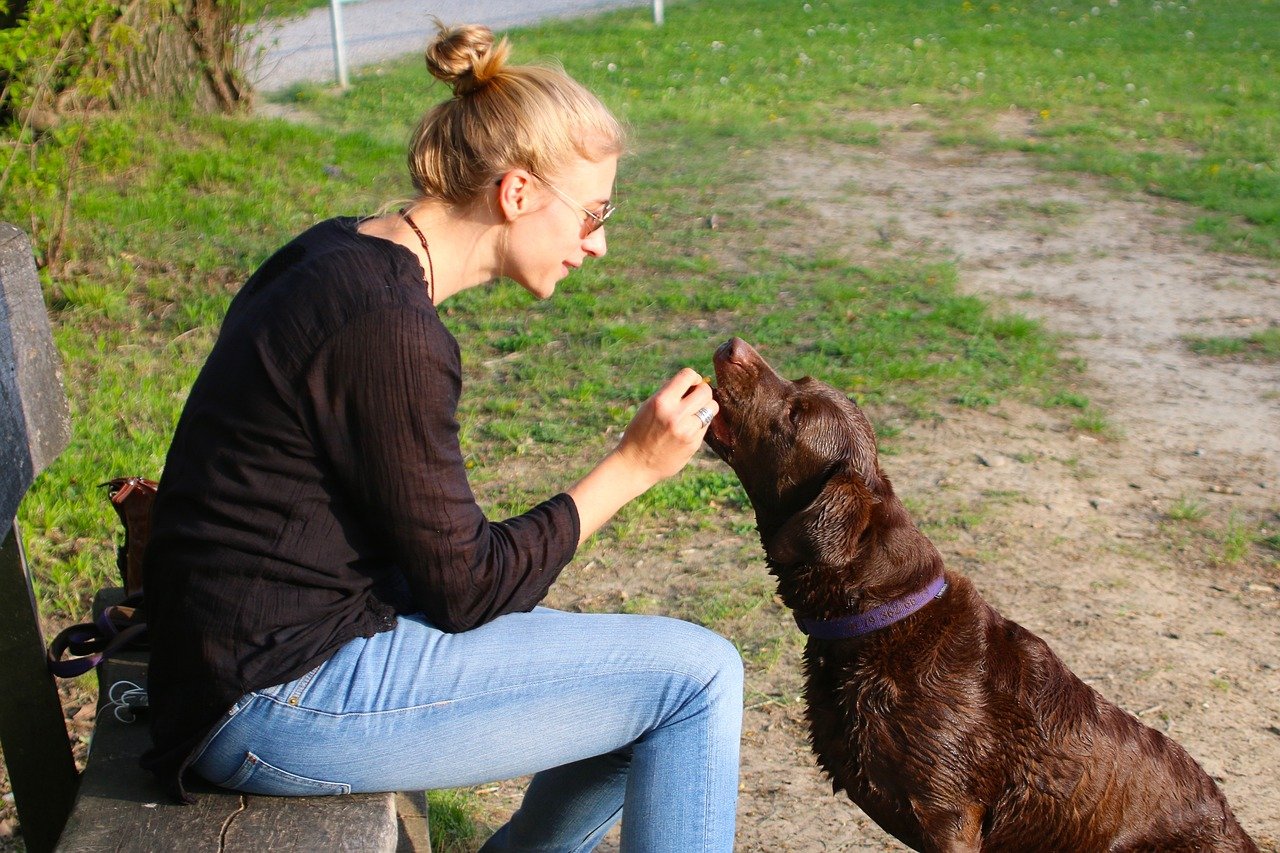
When your dog does well on their own—even just for a few minutes—let them know how proud you are! Positive reinforcement is all about rewarding good behavior with treats, praise, or affection. This helps your pup connect being alone with good things, rather than fear or sadness. Be patient and consistent, and remember that every dog learns at their own pace. Before you know it, your dog will look forward to their solo time, knowing it means love and rewards are on the way.
Consider a Pet Camera
Technology to the rescue! Pet cameras let you check in on your dog from anywhere, giving you peace of mind and sometimes even a good laugh. Some cameras offer two-way audio, so you can talk to your pup and hear their happy barks in return. Others dispense treats at the touch of a button—talk about a high-tech hug! Watching your dog relax or play while you’re out can be reassuring for both of you. And if your dog seems anxious, you can adjust your routine to help them feel better next time.
Arrange for a Midday Visit or Walk
If you’re gone for long stretches, a trusted friend, neighbor, or dog walker can break up your dog’s day. Even a short visit can make a world of difference—imagine how excited your pup will be to see a friendly face! This gives them a chance to stretch, play, and go potty, which helps prevent boredom and accidents. If you can’t be there, a little human interaction is the next best thing. It’s like sending your dog a cheerful postcard in the middle of a long day.
Try Calming Products or Natural Remedies
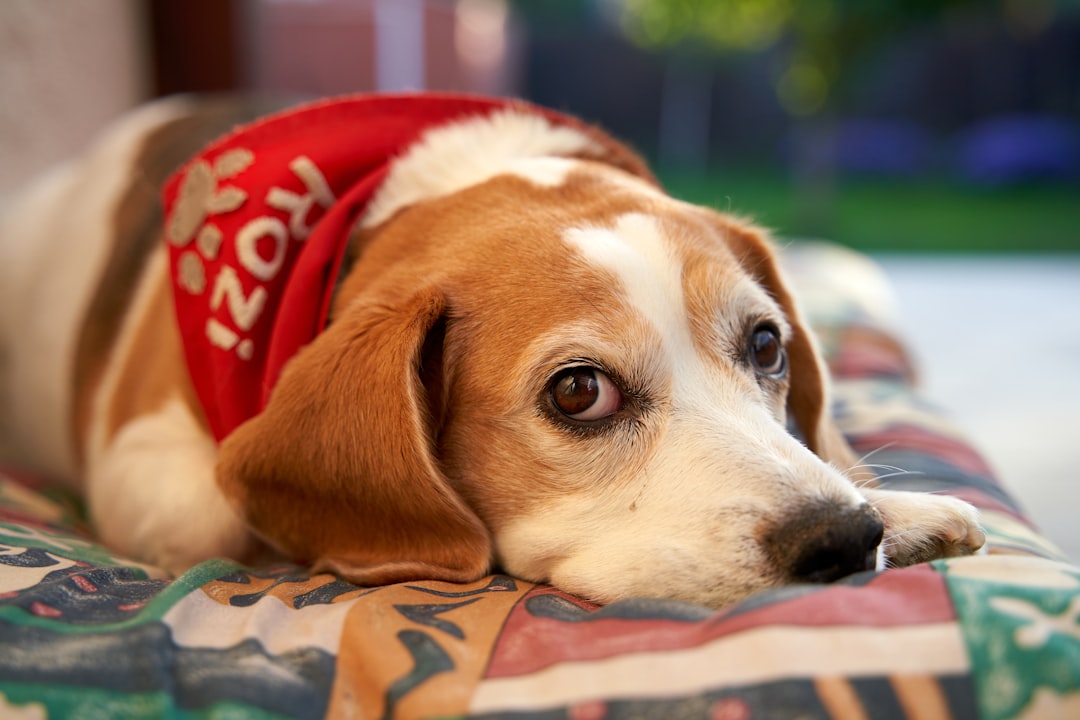
For especially anxious dogs, there are a variety of calming aids available. These include pheromone diffusers, anxiety wraps, and natural supplements like chamomile or CBD (always consult your vet first!). Some dogs respond well to these gentle helpers, which can take the edge off their nerves. It’s worth experimenting to see what works best for your pup. Combined with the other tips, these products can help create a peaceful, happy environment—even when you’re not home.
What small change will you try first to help your dog feel safer and more comfortable when you step out the door?


