
You watch your dog curl up in a sunny patch on the floor, let out a long sigh, and close their eyes. Your heart swells. But is that contentment you’re seeing, or are you just projecting? Most of us have asked ourselves this question at least once, and honestly, it’s one of the most important questions a dog owner can ever sit with.
Here’s the thing: reading your dog’s happiness is both a science and an art. Dogs can’t speak to us, but they certainly communicate in other ways, including body language, vocalization, and behaviour. The tricky part is that most of us were taught to look for one simple thing, a wagging tail, and call it a day. That’s a bit like judging a human’s mood purely by whether they’re smiling. It’s a start, but it is far from the whole story. Let’s dive into the 12 real, deeper signs that your dog is genuinely, deeply happy.
1. Their Body Looks Like It’s Made of Warm Butter
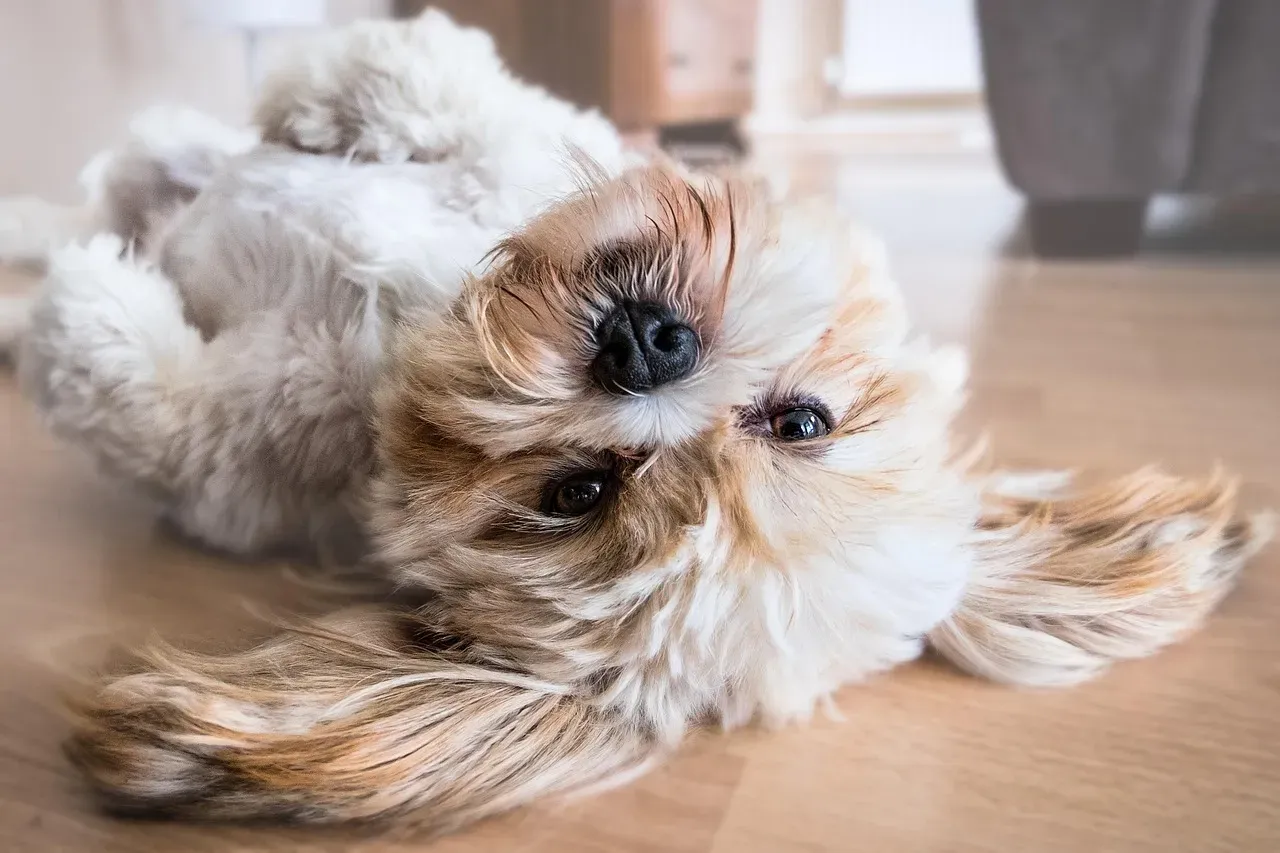
Relaxed body language is one of the most obvious indicators of a happy, content dog. Think loose muscles, a slightly droopy jaw, and a posture that says, “I have absolutely nothing to worry about right now.” It’s the opposite of that stiff, statue-like rigidity you see when a dog is on high alert.
Body tension is a big giveaway that a dog isn’t happy. If you pet a happy dog, their skin will actually move underneath your hand, rather than feeling rigid and tightly wound. When your dog melts into your touch like that, it means they feel completely safe with you. That’s not nothing. That’s everything.
2. Their Eyes Are Soft and Relaxed
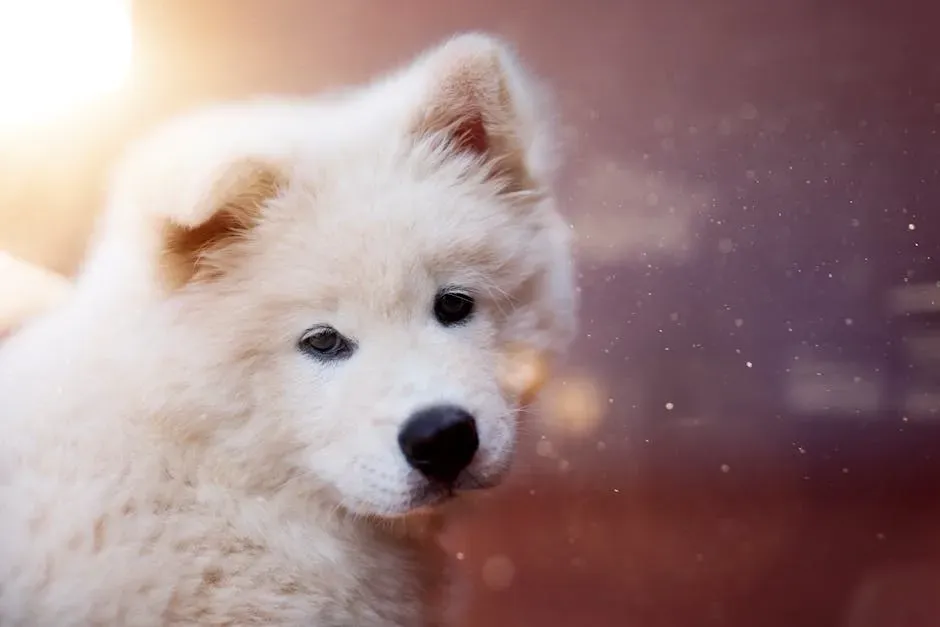
The eyes really are the window to a dog’s soul. Soft eye contact can be a sign of happiness and trust, especially when paired with calm body language. You’re looking for squinty, dreamy, half-lidded eyes rather than wide, hard stares or whites that are visible around the edges.
Research published in Science found that mutual gazing increased oxytocin levels in both dogs and their owners, and that gazing behavior from dogs increased urinary oxytocin concentrations in owners, which then facilitated owners’ affiliation and further increased oxytocin concentration in dogs. In other words, when your dog gazes softly at you, you’re both getting a biochemical hit of love. That’s a two-way happiness loop, and I think that’s one of the most beautiful things about the human-dog bond.
3. They Initiate Physical Contact With You
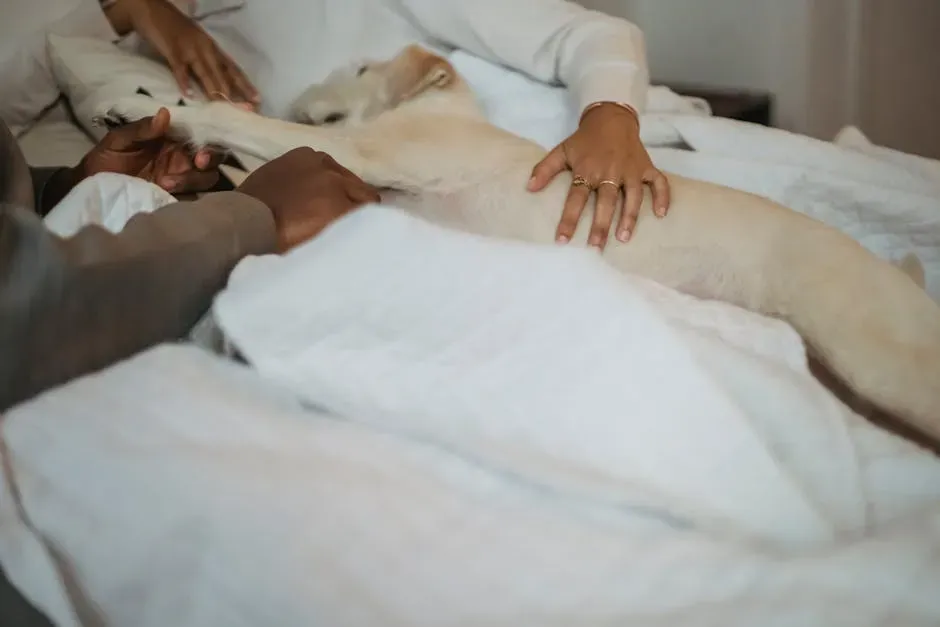
A happy dog wants to be near you. They lean into you, nudge your hand, rest their chin on your knee, or simply press their side against your leg on the sofa. Happy dogs seek physical contact with their owners, like snuggling up to you on the couch or nudging your hand for a pat on the head.
When your dog leans against you or presses their body close to yours, they’re saying they feel safe and trust you. This act of leaning is a subtle but powerful gesture. It’s your dog’s way of communicating that you’re their protector and that you provide them with a secure, loving environment. Next time your dog quietly leans on you, don’t brush it off as clinginess. Receive it as the love language it truly is.
4. They Bring You Their Favorite Things
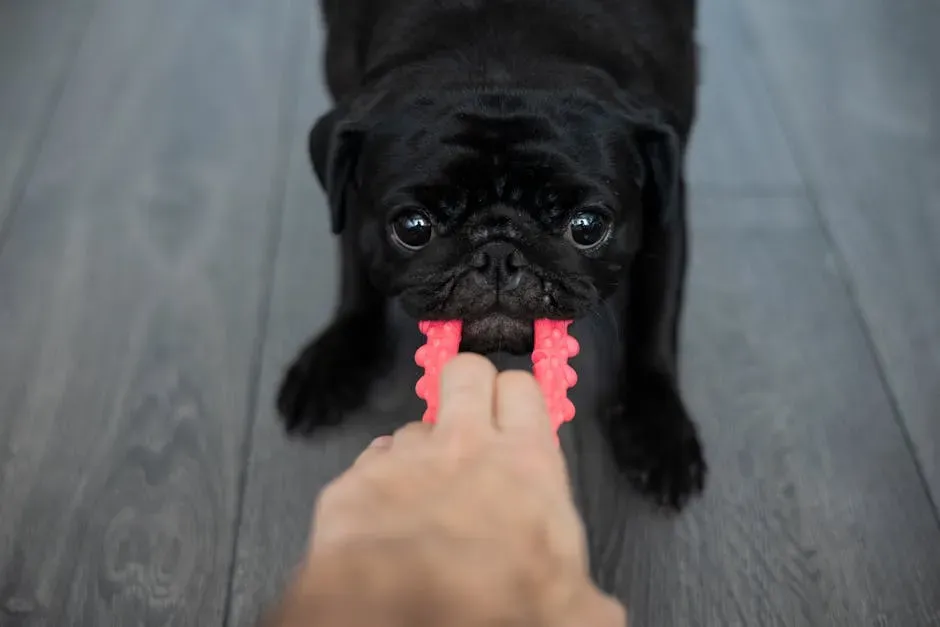
Does your dog drop a soggy tennis ball or a beloved squeaky toy at your feet, eyes wide with hope? That’s not just a play request. Your pup may even want to share with you. Dropping a favorite squeaky toy or chew at your feet is a small gesture of affection.
If your dog brings you their favorite toy, they’re not just asking to play. Dogs often share their prized possessions as a way to say they appreciate you. It’s a sign of trust, especially when they offer up something that’s valuable to them. By sharing their toy, your dog is reciprocating the love and kindness you’ve shown them. Think of it like a toddler proudly showing you a drawing. Pure, unfiltered joy in the sharing.
5. They Do the Full-Body Wiggle or “Happy Dance”
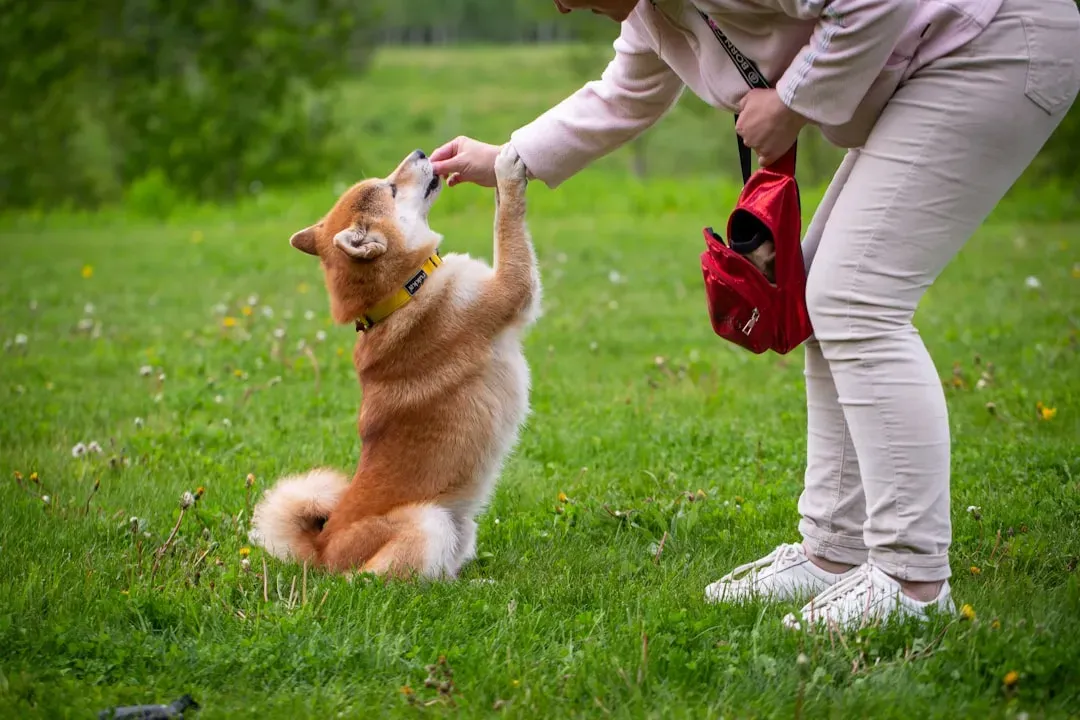
Let’s be real, there is absolutely nothing in this world quite like a dog that wiggles from nose to tail the moment you walk through the door. A happy dog has body language that is relaxed and loose, which might result in a full body wiggle, where they seem to be wagging their whole body. They may hop and squiggle back and forth, also known as the “Happy Dance.”
This happy dance is not specific to certain breeds. However, because dogs have individual personalities and temperaments, not all dogs that are feeling happy will do the happy dance. A more laid-back happy dog may be content with a tail wag or soft gaze to show how they’re feeling. So if your dog greets you with a full body shimmy, cherish it. If they simply look up and wag softly, that counts just as much.
6. They Sleep Soundly and Deeply

Healthy adult dogs sleep 12 to 16 hours per day. This might seem like a lot, but it’s completely normal. Happy dogs sleep deeply and peacefully. They find comfortable spots and settle in for long naps. A truly contented dog doesn’t pace, doesn’t whimper in their sleep, and doesn’t seem restless when they should be resting.
You might even catch your dog dreaming – those adorable paw twitches or quiet yips are signs they’re in REM sleep, which means they feel secure enough to fully relax. Watch for changes in sleep patterns. Dogs who suddenly sleep much more or much less than usual might be dealing with stress, illness, or emotional issues. Their sleep habits are a quiet but reliable health report card.
7. They Have a Healthy, Consistent Appetite
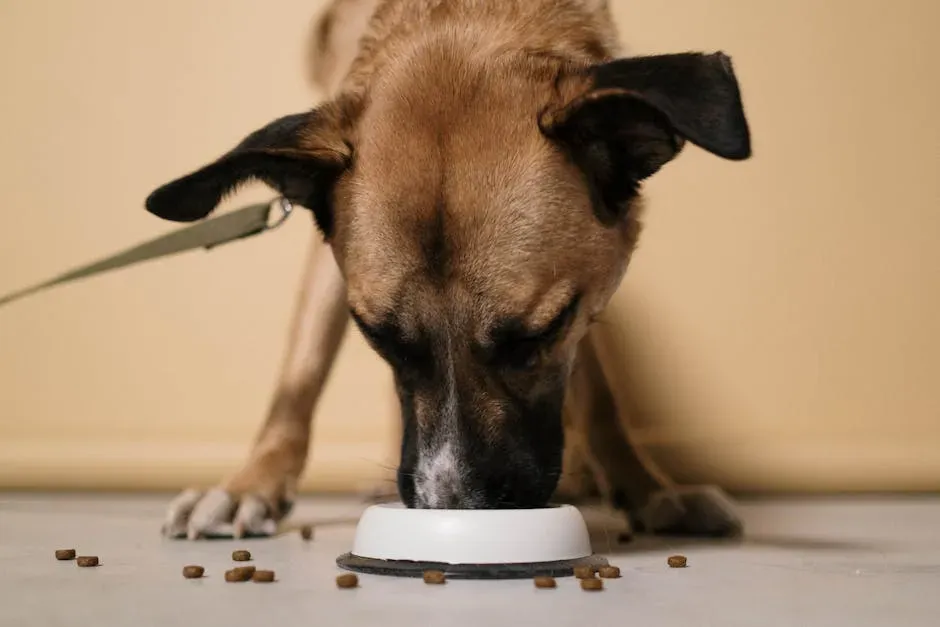
Content dogs eat well. They approach their food bowl with enthusiasm and finish their meals without much fuss. Every dog has their own eating style, some wolf down their food while others graze throughout the day. What matters is consistency.
A sudden change in appetite often signals underlying health issues or emotional distress. If your dog suddenly becomes a picky eater or shows unusual feeding behaviors, it’s worth investigating the cause. Think of a sudden drop in appetite the way you’d think of a person who has stopped enjoying their favorite meals. It usually means something is off, and it deserves your attention.
8. They Show You the Play Bow
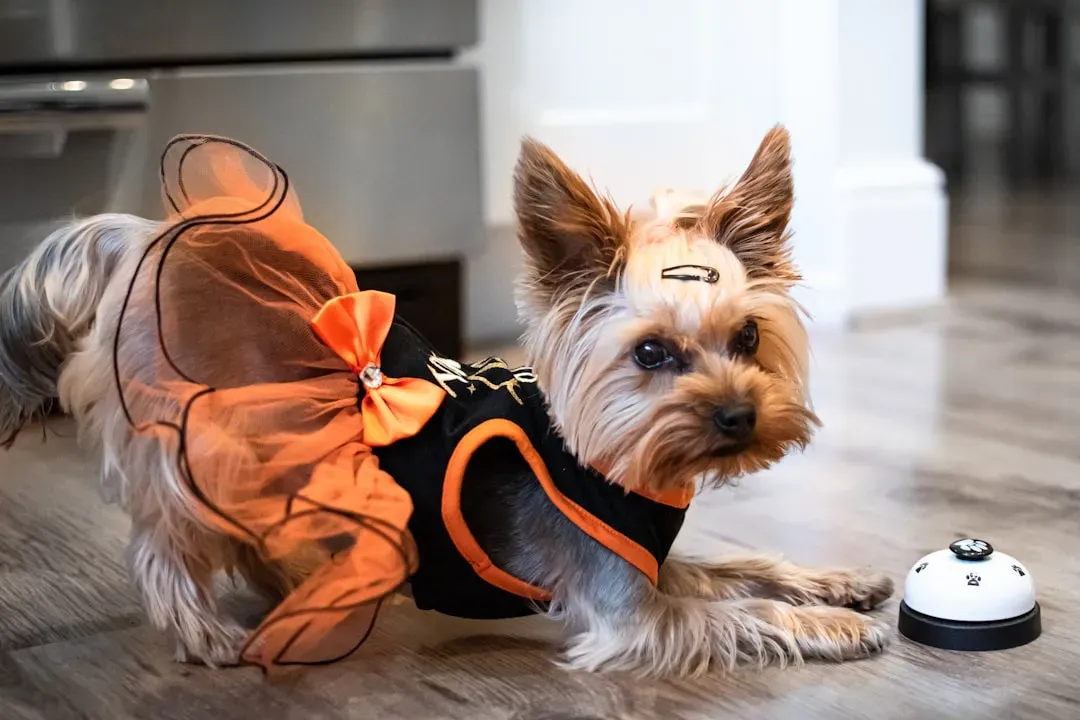
The “play bow” is a common move you’re probably familiar with: front legs and head down on the floor, butt and wagging tail up in the air. If you see this move every day or several times a day, you can rest assured that you have one happy dog! It’s their version of sending you a formal party invitation. Accept it whenever you can.
Joy is demonstrated by a dog’s wagging tail combined with play bows. Play is a form of emotional expression as well as physical activity. Playtime every day fosters trust and increases happiness. The play bow is one of the most honest signals in all of dog communication. There’s no hidden agenda in it. It is pure, joyful invitation.
9. They Get the Zoomies
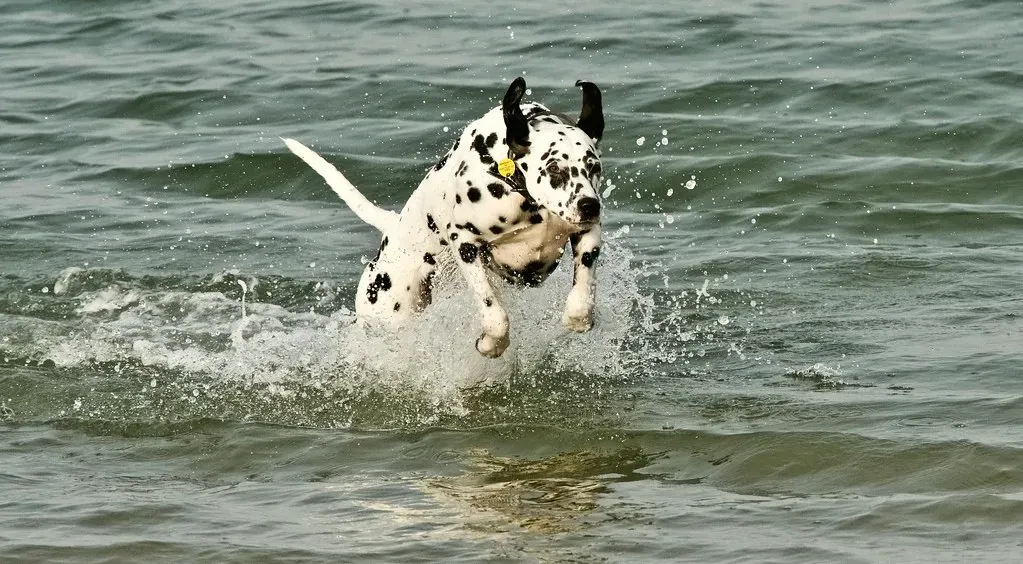
I know it sounds crazy, but those wild, chaotic laps around the living room or garden are actually a great sign. When a dog gets the zoomies (yes, that’s the technical term), they are experiencing random bursts of enthusiasm to release pent-up energy. This excess energy can come from excitement, such as seeing a favorite family member come home or when their bath is over.
When a dog experiences the zoomies, they may also display other signs of happiness, such as a wagging tail and playful expressions. These quick bursts of energy are a great sign of contentment. It’s like watching a kid who just found out school was cancelled for the day. Unbridled, spinning, breathless joy. If your dog gets them regularly, something is going very right in their world.
10. They’re Comfortable and Curious on Walks
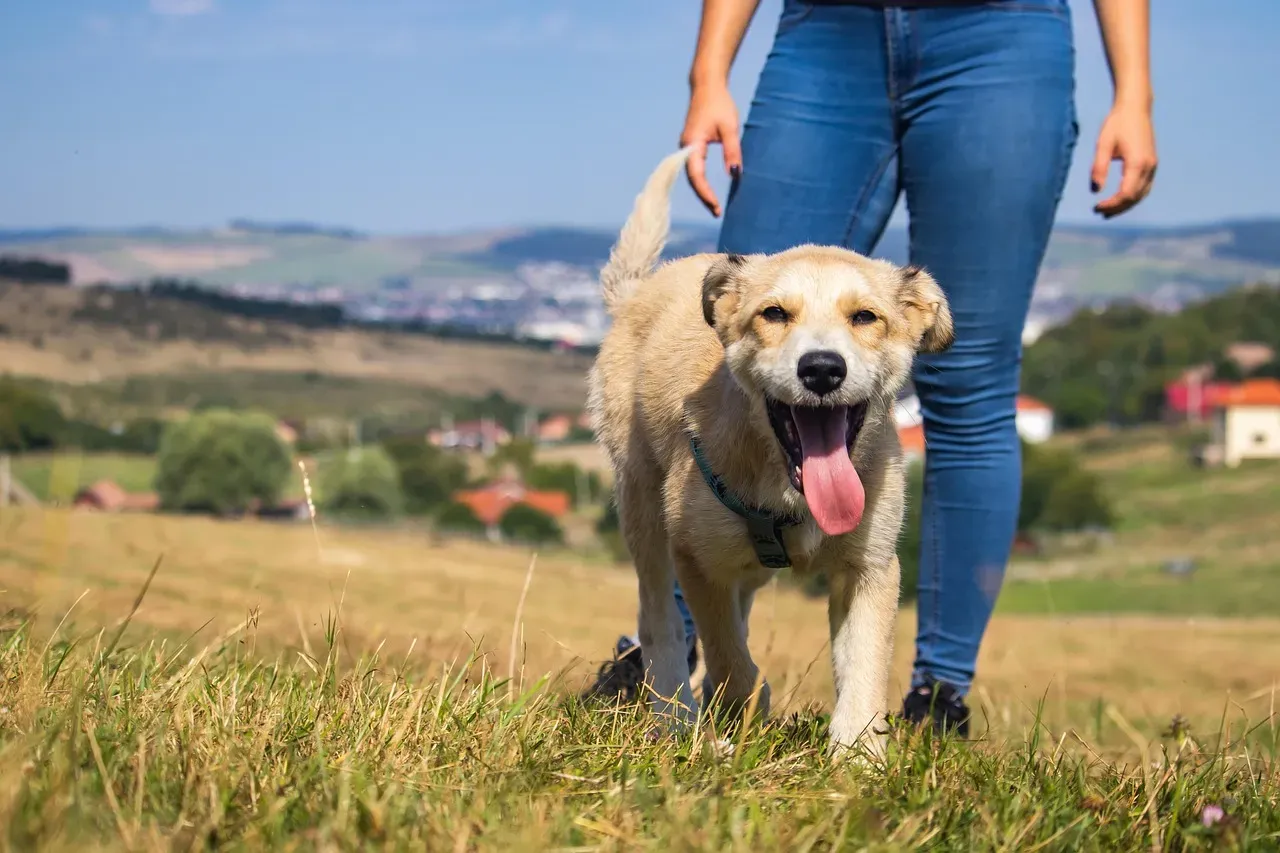
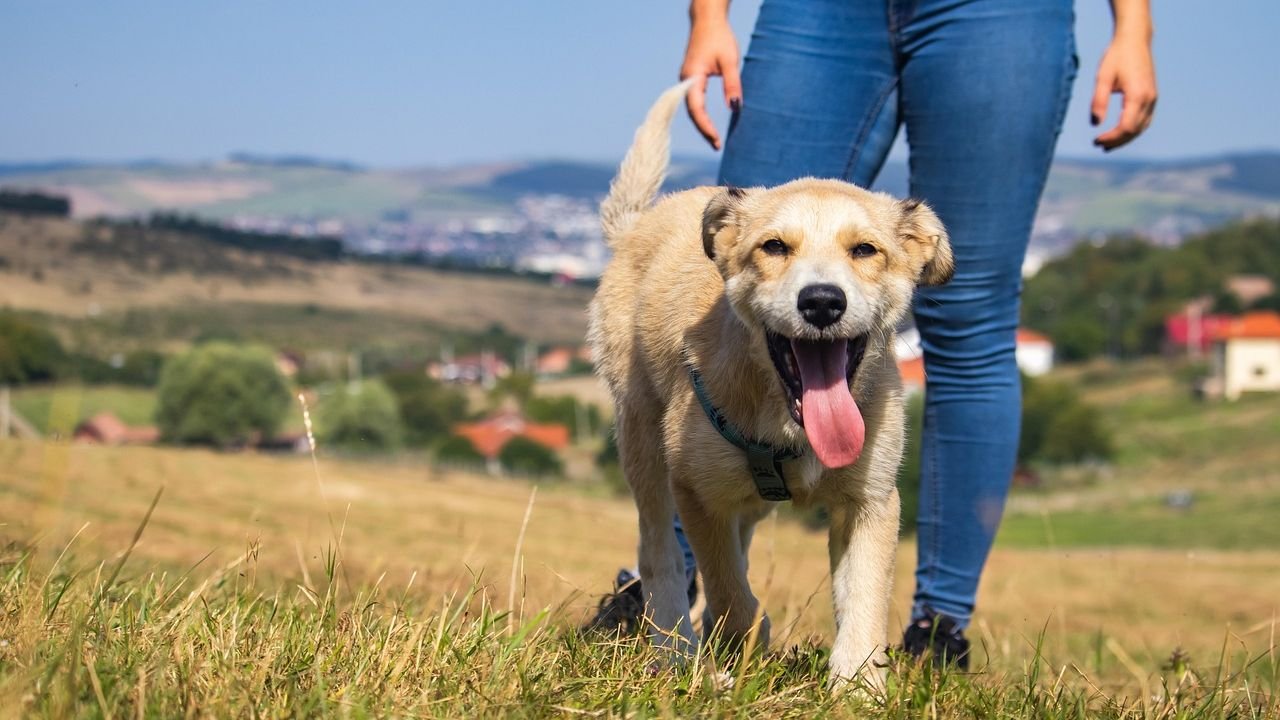
When out for a stroll, a happy dog is at complete ease with fully relaxed muscles. During a walk, a dog that’s feeling happy will have a loose, bouncy and smooth gait. They will also display normal dog behavior, such as sniffing at plants and flowers and engaging with other friendly dogs and passersby.
A happy dog will walk with enthusiasm, sniff everything like they’re reading the morning newspaper and stay curious and engaged with their surroundings. For a dog, walks are more than just potty breaks – they’re adventures! If your dog drags their feet, tucks their tail, or seems disengaged on walks, that’s worth paying attention to. A dog who sniffs with enthusiasm and bounces along the pavement is a dog who’s genuinely enjoying life.
11. They Respond Positively to Your Voice and Presence
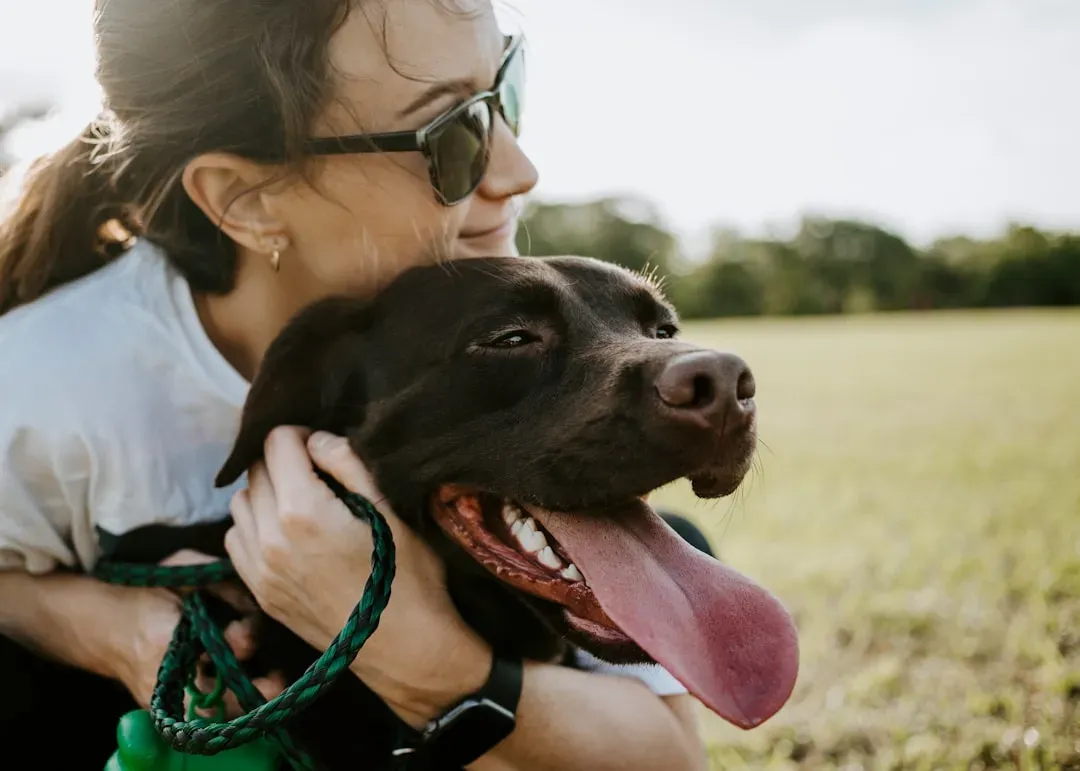
Dogs may not speak our language, but they’re remarkably good at understanding how we feel. Research shows they can read our facial expressions, pick up on subtle changes in tone of voice, and even detect shifts in our scent when we’re stressed or excited. A happy dog who feels safe around you will perk up when you speak to them, respond to their name with enthusiasm, and orient toward you naturally.
Studies have even found that, when petted, dogs’ levels of oxytocin (the “feel-good hormone”) rise, just like humans’ levels rise when petting their pup. That mutual biochemical exchange during simple moments of connection, a cuddle, a calm voice, a gentle stroke, is exactly why the bond between dogs and their humans is so genuinely profound. The more you respond appropriately to their cues, the more your dog learns that you’re tuned in to their needs, strengthening the bond you share.
12. They Thrive on Routine and Show Low Stress
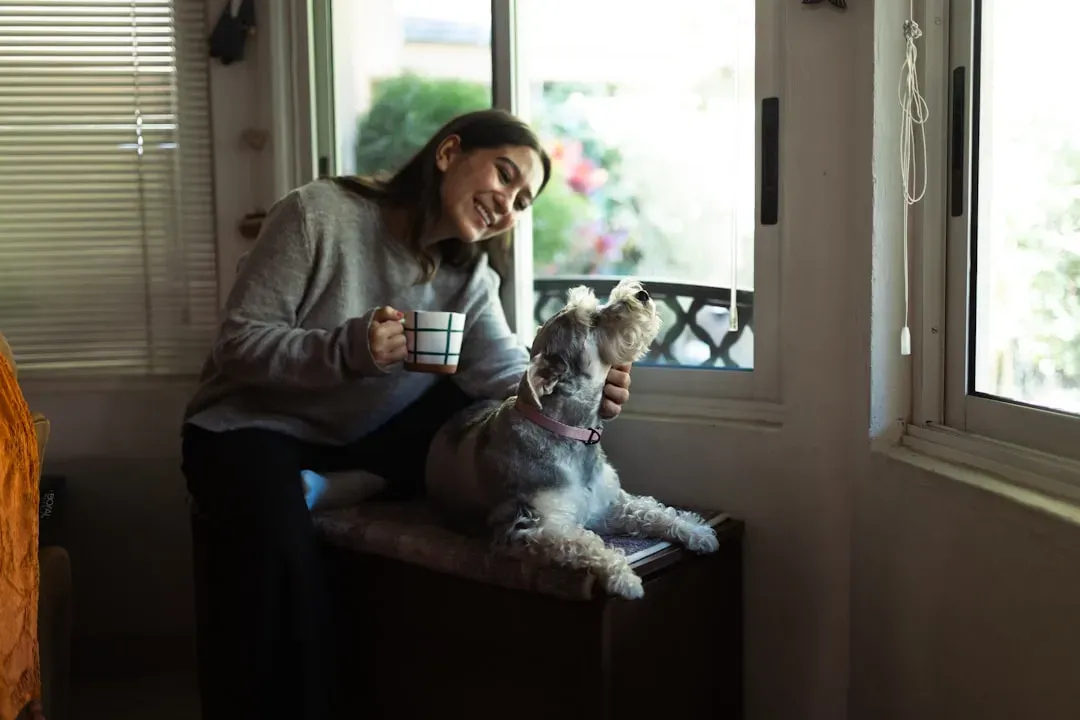
Just like toddlers and young children, dogs like things to be predictable. It’s not that they don’t want novelty and excitement, but they don’t want the whole world to be constantly different. A dog who greets each day with calm confidence, who isn’t constantly pacing, barking without reason, or hiding, is a dog whose emotional needs are being met.
Dogs feel more secure when they know what to expect throughout the day. A routine that includes regular sleep cycles, feeding times, and opportunities for play helps reduce stress, prevent behavioral issues, and promote healthy habits. This structure balances activity with rest and nourishment, supporting your dog’s physical and emotional health. Honestly, building a good daily routine for your dog might be the single most underrated act of love a pet owner can offer. Predictability, for a dog, is safety. Safety is happiness.
Conclusion: Your Dog Is Talking. Are You Listening?

Happiness in a dog is not one grand gesture. It’s a hundred quiet, honest moments stacked together. It’s the soft eyes, the easy sleep, the zoomies on a Tuesday evening, the toy dropped proudly at your feet. When you pay attention to all these signals together, the posture, the face, the movement, you’ll start to recognize how your dog feels in the moment. This skill not only helps you identify when they’re truly happy, but also lets you catch early signs of stress before it builds.
Reading your dog’s happiness signals becomes easier with time and attention. These signs work together to paint a picture of your dog’s emotional state. No single sign tells the whole story, but when you see multiple positive indicators consistently, you can feel confident your dog is thriving. You know your dog better than any expert ever will. Trust that. Lean into it. And the next time your dog leans back into you, take a slow breath and appreciate exactly what that moment means. Which of these signs does your dog show most? Share in the comments – we’d love to hear about your pup!


