
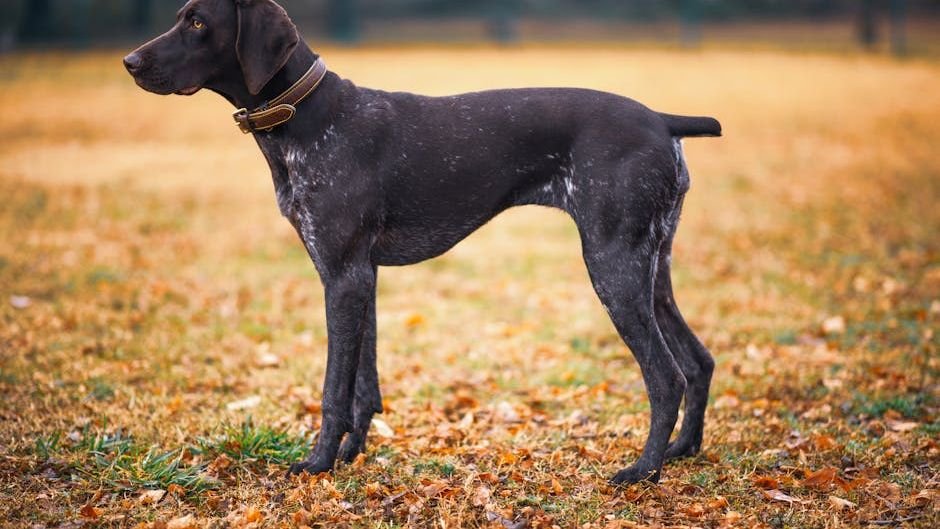
Your dog has been trying to talk to you. Not with words, obviously – but with a flick of the tongue, a sudden yawn in the middle of the afternoon, or a slow, stiff tail that you probably wrote off as nothing. The truth is, dogs are constantly broadcasting how they feel, and most of us are only catching about half the message.
Dogs communicate with us in a variety of ways, but often we humans miss their signals. It’s not because we don’t care. It’s because nobody handed us the decoder ring. Honestly, learning to truly hear your dog might be one of the most important things you ever do as a pet parent. So let’s dive in.
1. The Quick Lip Lick That Has Nothing to Do With Food
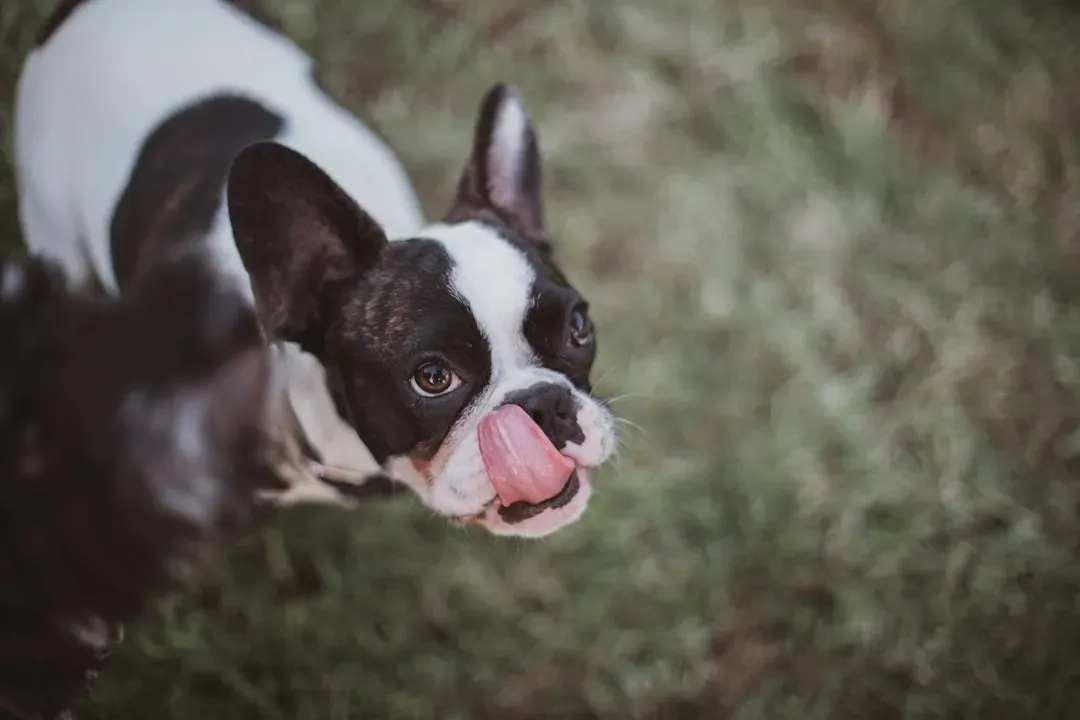
This one shows up as a quick tongue flick that licks the nose or lips, often so fast you might miss it if you’re not paying attention. It’s different from the slower, more deliberate licking after eating or drinking. Think of it less like “Mmm, dinner smells great” and more like a quiet, polite plea for breathing room.
Lip-licking is a bit of dog body language that people often misinterpret. Just like people, dogs will lick their lips after a delicious meal, but they’ll also do it when they feel anxious. Watch for it during vet visits, hugs from strangers, or even in the middle of a training session – it’s your dog saying “I’m not loving this right now.”
2. Yawning When They’re Clearly Not Tired
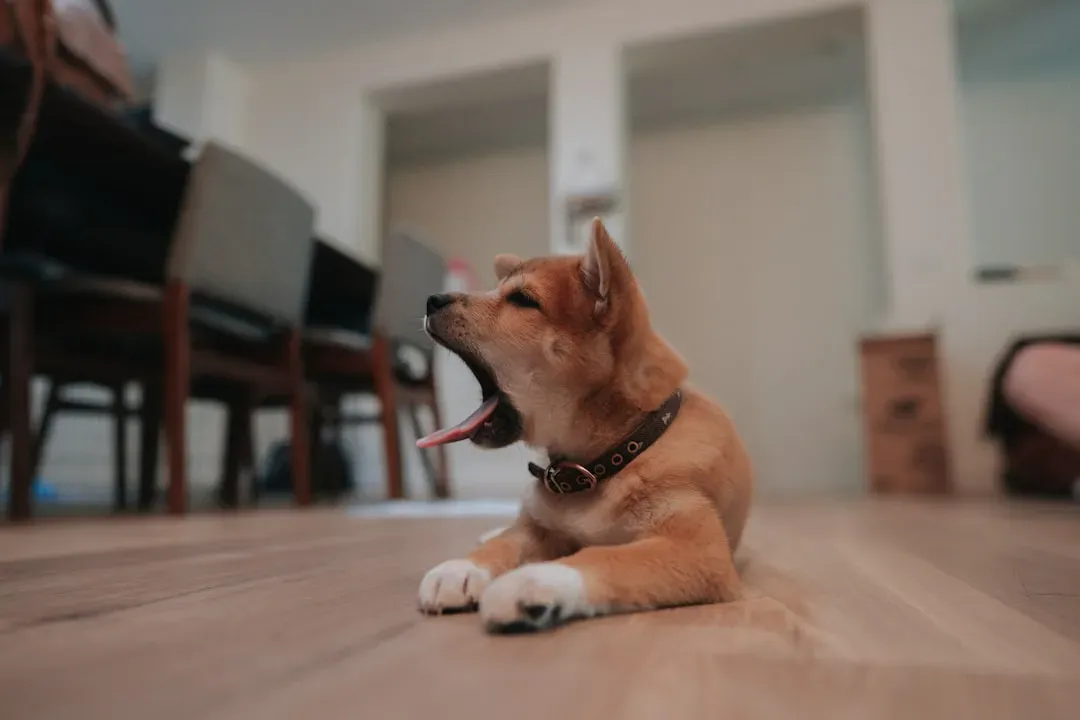
People yawn when they’re tired or bored, but dogs yawn when they’re stressed. Dogs use yawning to calm themselves in tense situations and to calm others, including their owners. So when your dog lets out a big yawn right as a stranger leans in for a greeting, that’s not rudeness. That’s a distress signal wrapped in a stretch.
Stress-induced yawning is different from tiredness yawning – it often occurs in situations where the dog is clearly not tired and serves as a displacement behavior to cope with tension. If you notice your dog yawning repeatedly during a walk in a busy neighborhood or at a family gathering, pause and reassess the environment. They’re telling you something important.
3. “Whale Eye” – When You See the White of Their Eyes
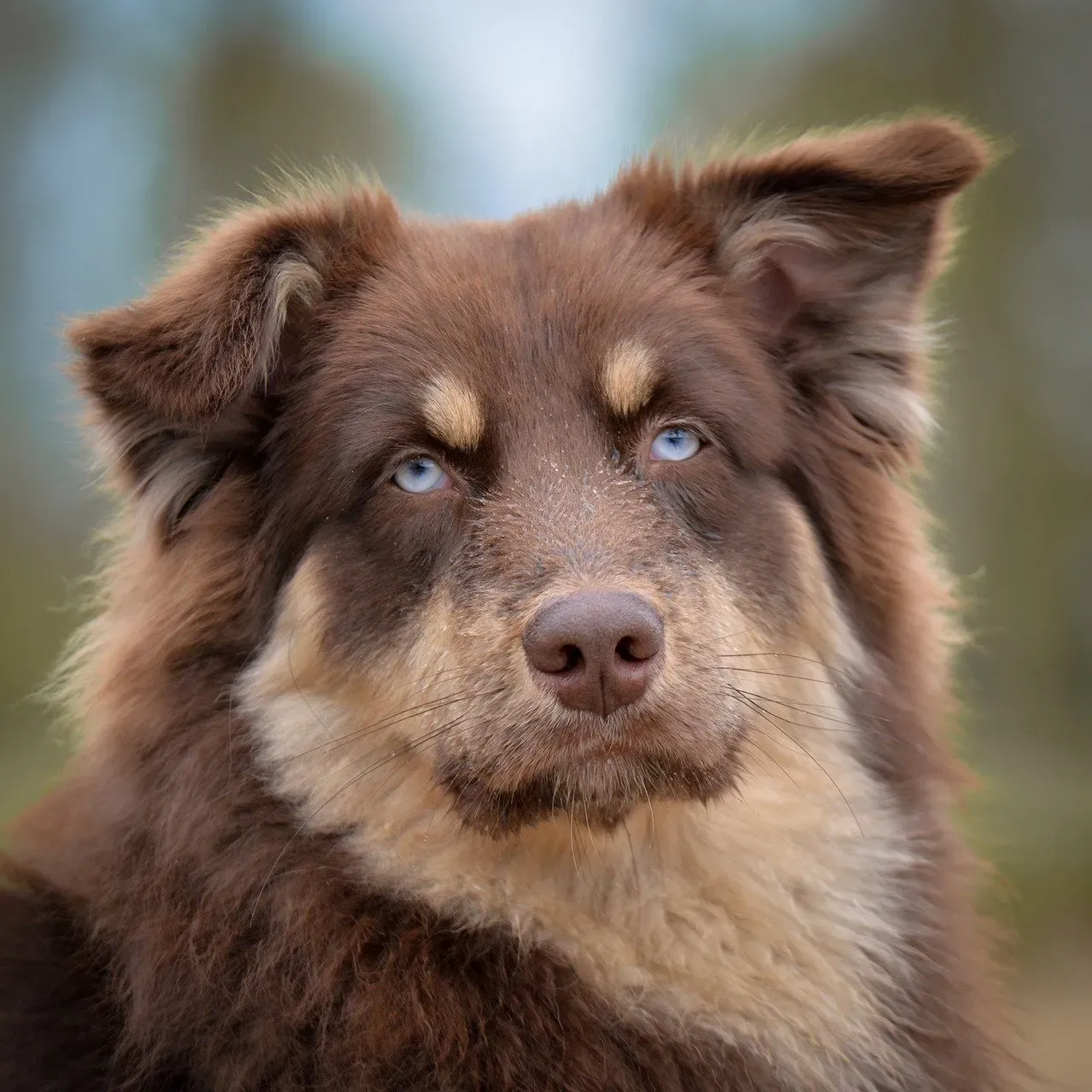
The whites of the eyes are a key indicator. Known as “whale eye,” when a dog shows the whites of the eyes, it’s a signal that they’re feeling anxious or stressed in a situation. It’s subtle enough that most people completely miss it, but once you know what to look for, you’ll spot it everywhere.
You might see it when you make your dog uncomfortable, like when you pat your dog on the head, or when they’re afraid someone will steal a bone or toy. If your dog goes whale eye during what seems like a calm moment, stop what you’re doing. Give them space. They’re communicating at the very edge of their comfort zone.
4. Avoiding Eye Contact or Turning Their Head Away
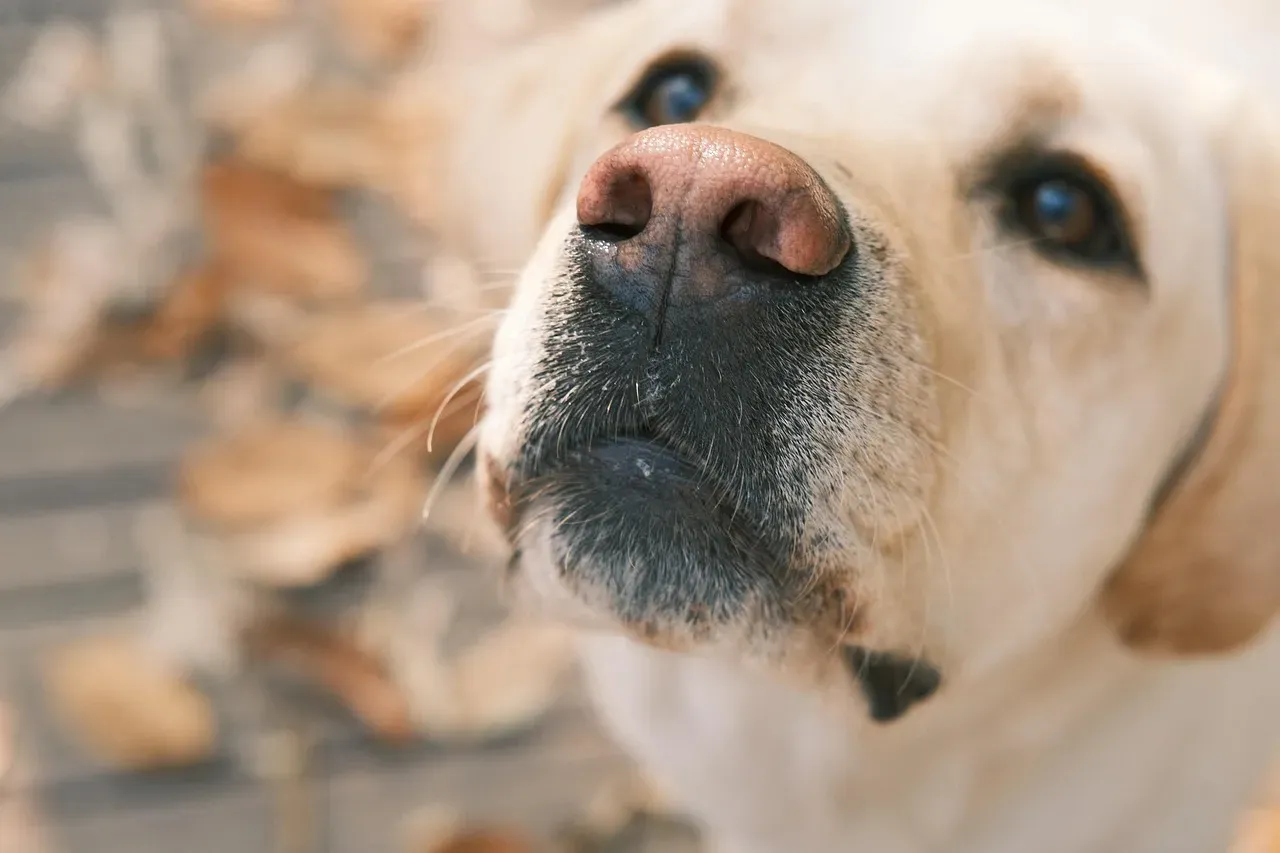
When dogs feel stressed, they’ll pointedly look away and avoid eye contact. People often interpret this as their dog ignoring them or being stubborn, but the dog is expressing discomfort. It’s one of the most misread signals out there – and honestly, it’s a little heartbreaking once you understand it.
The most subtle signal is the avoidance of direct eye contact. This is a very significant gesture since the opposite – a direct stare – communicates a threat. When your dog looks away from you during a scolding or an unfamiliar situation, they’re not being defiant. They’re trying to de-escalate. Respect that.
5. Scratching When There’s Nothing to Scratch
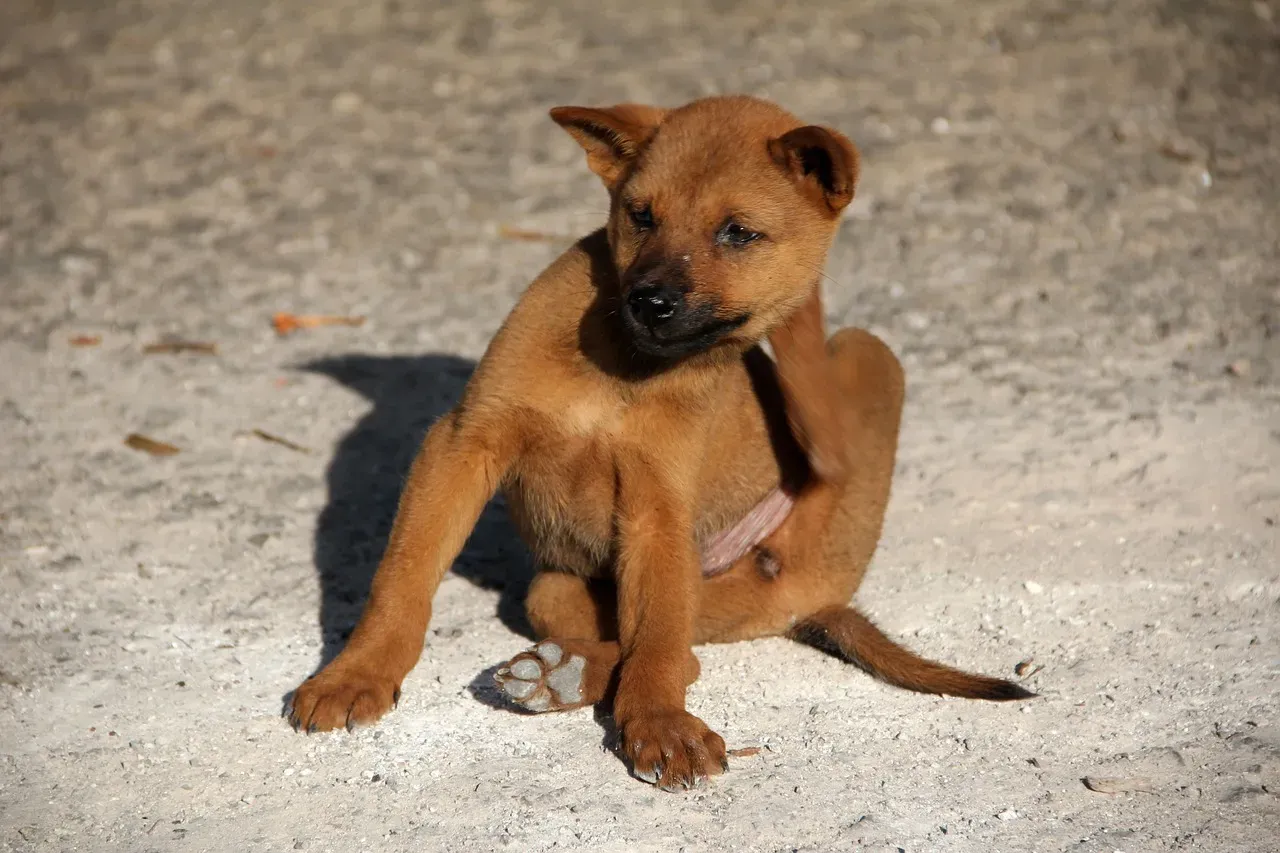
Some common signs of stress in dogs that we often miss are ones we pass off as normal behavior, including lip licking when there are no food or treats present. The same logic applies to sudden, out-of-nowhere scratching. Scratching when the dog has no skin issues or fleas is one of those classic displacement behaviors that slides right under the radar.
Sudden scratching, licking, or sniffing the ground when not engaged in actual grooming represents displacement activity indicating stress or uncertainty. Think of it like a person fidgeting with their hair when they’re nervous. It’s your dog buying time while trying to figure out what to do next. If you see it cropping up in specific situations, those situations are worth a second look.
6. The “Shake Off” That Isn’t About Being Wet
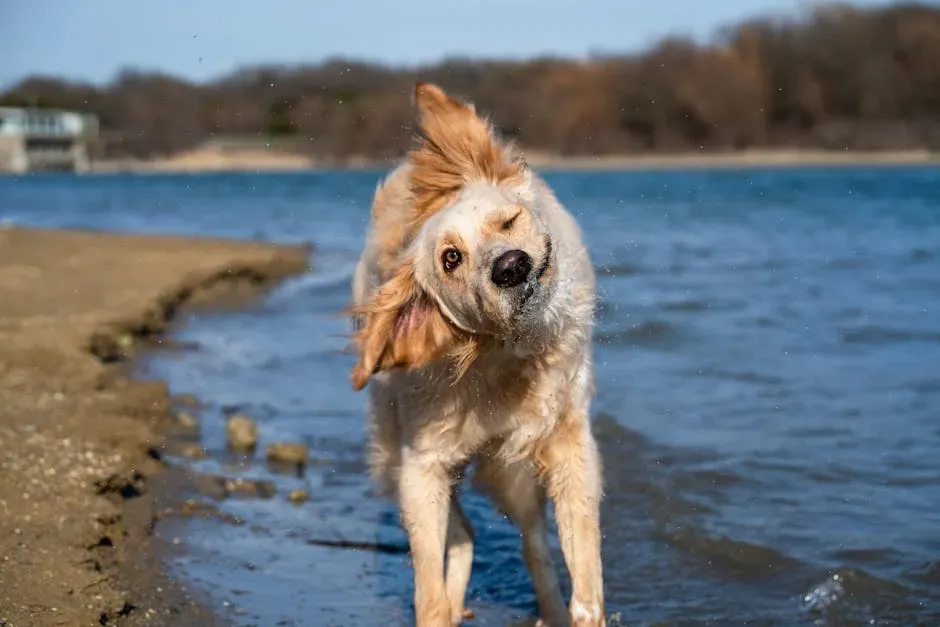
Picture this: you’ve just had a tense interaction with another dog on a walk, and your pup shakes from nose to tail like they just stepped out of a pool. That shake is not coincidence.
You’ve seen your dog shake after a bath or a roll in the grass. That whole-body shake can be amusing and is quite normal – unless it occurs as the result of a stressful situation. For example, the “shake off” that dogs often do after they descend from the veterinarian’s exam table is likely triggered by stress. It’s essentially a full-body reset button. When you see it happen outside of bath time, take note of what just preceded it.
7. A Tucked or Stiff Tail (Not Just the Obvious Tuck)
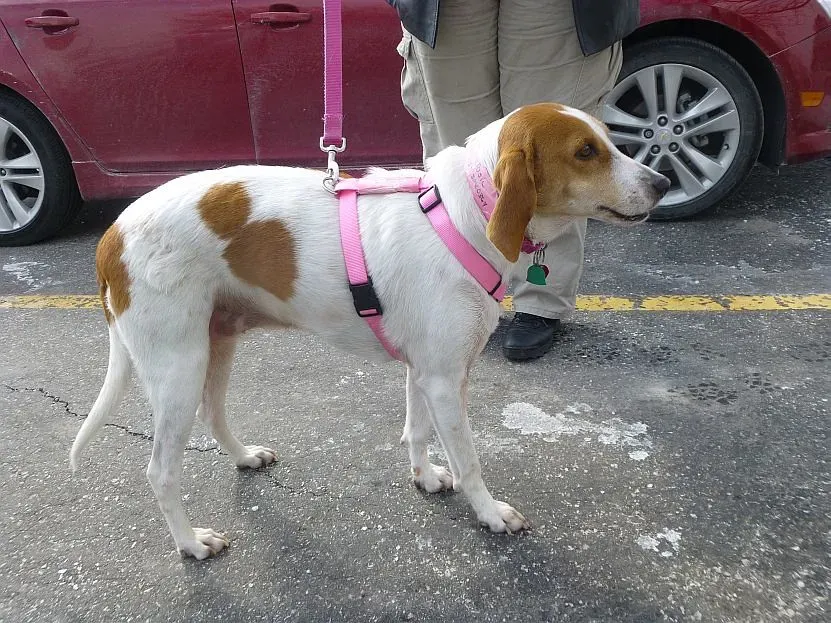
Most people know a tail fully tucked between the legs means fear. But the subtler versions? Those get missed all the time.
While a tucked tail is a more obvious stress signal, the degree and context of tail tucking provides important information about the level of stress your dog is experiencing. The tail is held low or tucked tightly between the hind legs, and some dogs tuck only slightly, while others press their tail firmly against their belly. Even a tail held lower than usual can be a quiet flag. A slow, stiff wag with minimal movement side-to-side may indicate negative emotions, like uncertainty or discomfort when encountering an unfamiliar dog or human. So a wagging tail doesn’t automatically mean everything is fine.
8. Panting When It Isn’t Hot or After Exercise
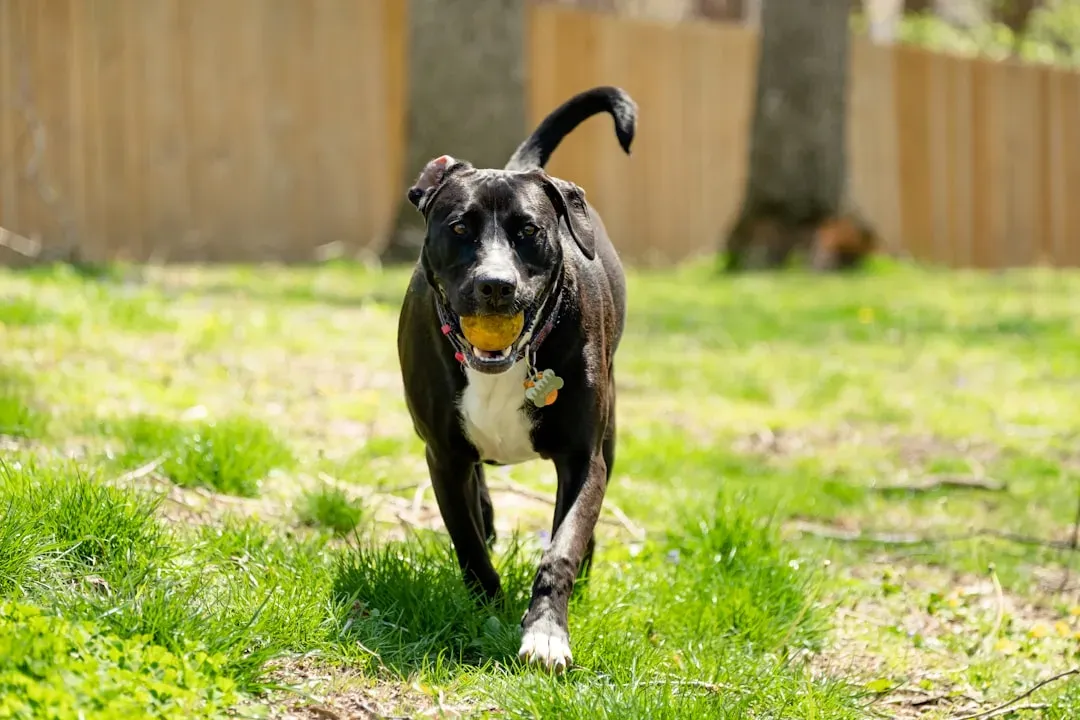
Dogs in chronic pain often pant when they shouldn’t be hot or tired. This catches so many dog owners off guard because panting feels so normal. It’s one of those things that blends into the background until you learn to read the context.
While often temperature-related, rapid or heavy panting can indicate stress, anxiety, or discomfort, especially when occurring in cool environments. If your dog is panting in an air-conditioned room, during a calm evening at home, or after very minimal activity, don’t ignore it. That panting may be their way of waving a flag and hoping you’ll finally notice.
9. Sudden Changes in Sleep Position or Sleep Patterns
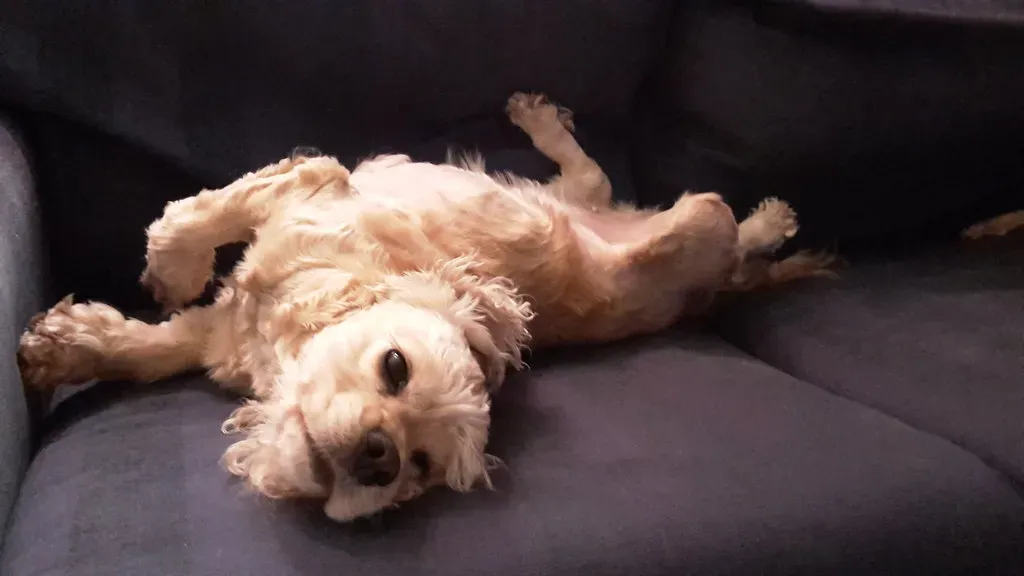
Here’s one that really surprises people. Your dog’s sleeping habits can be a window into their physical comfort, and shifts in how or where they sleep can signal something worth investigating.
Dogs in pain change how they lie down. A dog who always slept curled up but suddenly prefers stretched-out positions might have abdominal discomfort. Conversely, a dog who stops lying on their side and only sleeps sitting up could have chest or breathing issues. If your dog has shifted their preferred sleeping position over recent weeks and you can’t explain why, it’s worth mentioning to your vet. Senior dogs naturally sleep more, but pain causes restless sleep, frequent position changes, or difficulty settling.
10. Pacing, Hiding, or Suddenly Going Quiet
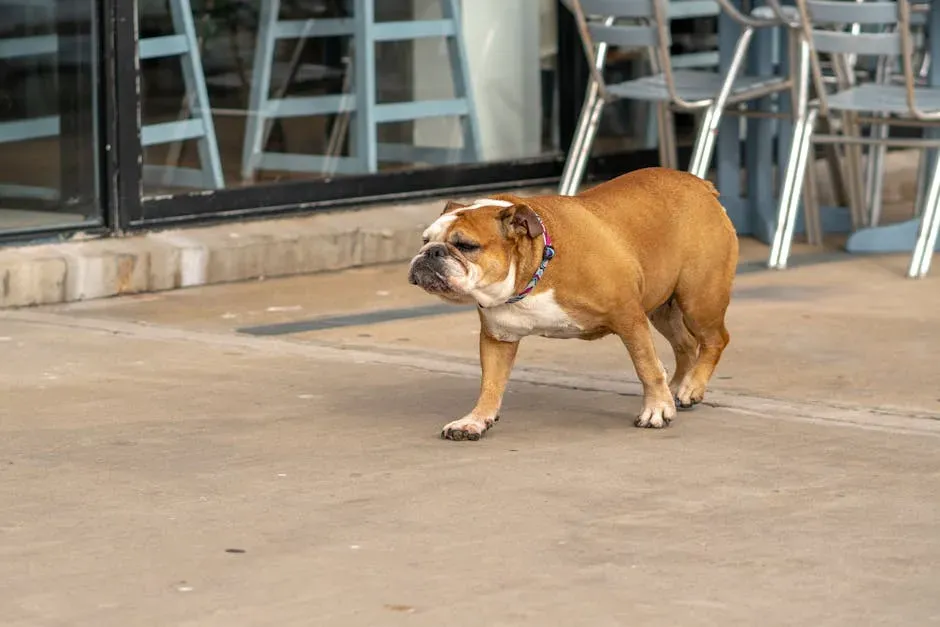
When dogs are pacing back and forth, it’s a sign they can’t settle down because something is stressing them. If this happens during mealtimes or for short periods, it might not be a big deal. But persistent pacing paired with no clear trigger? That’s a bigger conversation.
Your dog might move away or actively try to avoid whatever is worrying them. In some situations, it might be you they are worried about, or someone you are with, such as a veterinary surgeon. Some dogs will try to hide or withdraw from a situation. Hiding in a dog who is usually social is a particularly telling sign. Don’t take it personally. Instead, see it as an invitation to investigate what’s changed in their world.
11. Stiff Body Posture and Freezing
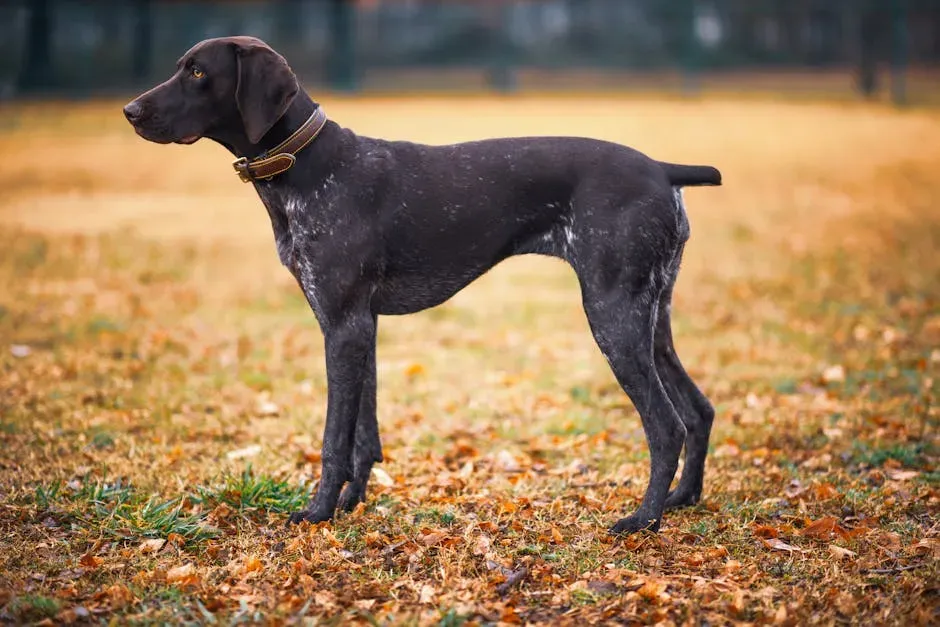
When your dog freezes or gets stiff, they’re often stressed about something they see. In a training context, this can sometimes be seen as “submission,” but modern dog training practices tell us that the dog is actually shutting down. This can be very dangerous for both you and your dog. It’s a warning sign that the dog is so stressed that they can’t handle the situation.
A rigid, tense stance suggests that the dog is on high alert and/or feeling threatened. Therefore, this posture often reflects heightened stress or discomfort. Think of it like a person going completely still in an argument right before something snaps. When you see this, the kindest and safest thing you can do is calmly remove your dog from whatever triggered it and give them room to breathe.
12. Growling – a Signal, Not a Personality Flaw
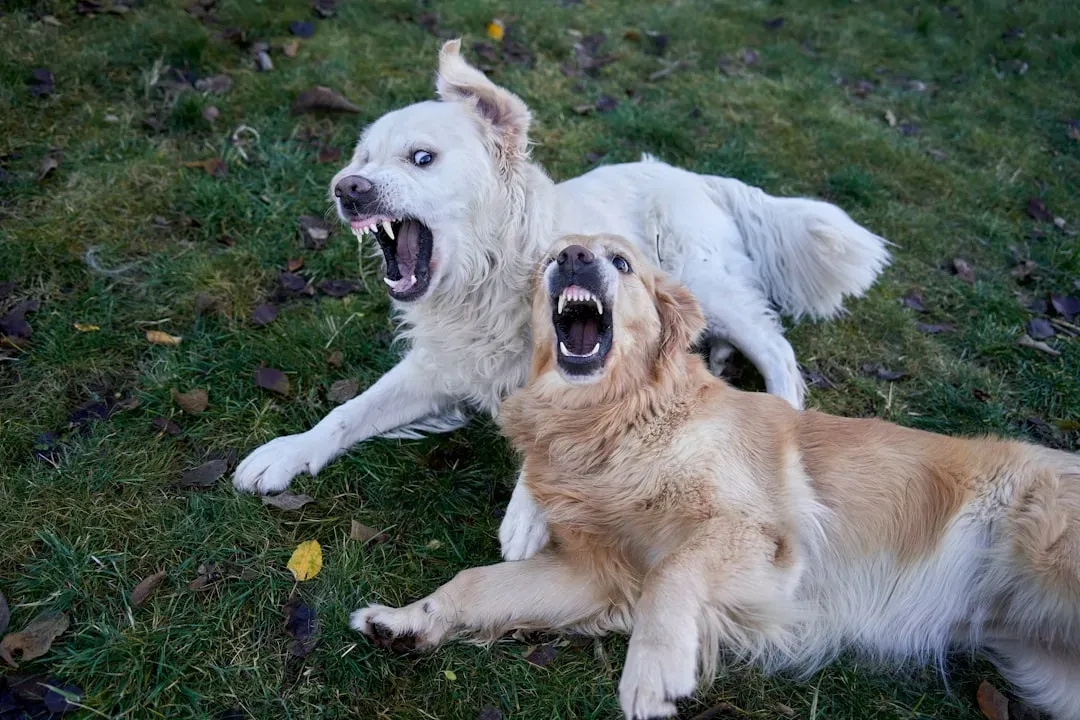
Let’s be real – a lot of well-meaning dog owners try to stop their dogs from growling. That instinct, though understandable, is actually counterproductive and even dangerous.
Growling is an obvious way to tell if your dog is uncomfortable. It could mean that someone is in their space, they feel threatened, or that something hurts. It’s not usually meant to be aggressive but is rather often a warning that your dog feels uncomfortable. It is important that you do not reprimand a growl – if you do, they have a higher chance of skipping this step next time and going straight to a snap or bite. A growl is your dog’s most vocal SOS. Honor it. Listen to it. Then work on what’s causing it.
Conclusion: Your Dog Is Always Talking – Start Listening
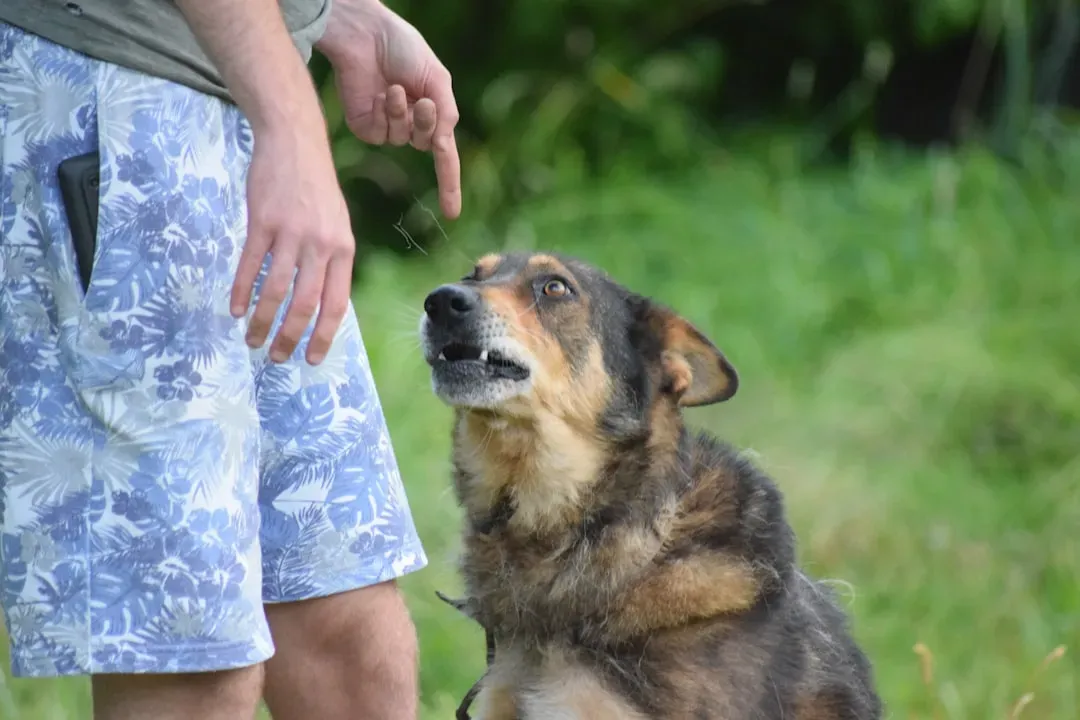
Dogs often try to communicate their discomfort long before resorting to displaying aggressive behaviors, but they may feel they have no other choice if their signals are ignored. That’s the part that stays with me. Every whale eye, every stress yawn, every quiet freeze is your dog doing their absolute best to reach you with the limited tools they have.
Becoming fluent in your dog’s body language takes time and practice, but the payoff is enormous. You’ll be able to prevent situations from escalating to aggression or panic, and studies show that owners who can accurately read their dogs’ body language report stronger bonds and fewer behavioral problems.
The good news? You don’t have to be a dog trainer or a behaviorist to get this right. You just have to slow down, observe, and genuinely believe what your dog is showing you. Start with one or two of these signals this week. Watch for them. Respond to them. Your dog notices when you finally get it – and that moment of recognition between you two is something truly special.
Which of these signs surprised you the most? Tell us in the comments – we’d love to hear your story.


