
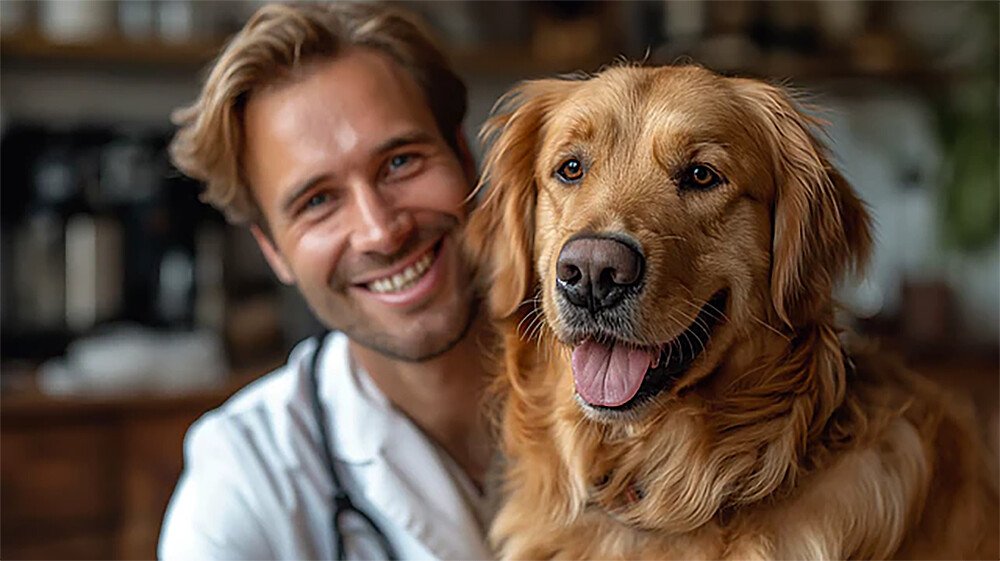
Ever look into your dog’s eyes and wonder what they’re feeling? It’s easy to assume our pups are always happy-go-lucky, but even the most loyal companions can struggle with insecurity—often from things we do without even realizing it. The truth is, dogs are incredibly sensitive to their environment and our behavior. Sometimes, small habits or overlooked moments can chip away at their confidence. If you’re like me, you want your furry friend to feel safe, loved, and secure every single day. Let’s talk about the surprising ways you might be making your dog feel uneasy, and—most importantly—how you can help them feel more secure, one wag at a time.
1. Inconsistent Routines Throw Them Off Balance

Dogs crave predictability. When meal times, walks, and play sessions happen at random, your dog doesn’t know what to expect next. This uncertainty can leave them feeling unsettled, even if you don’t notice it right away. Think of it like living in a world where the sun rises and sets at different times each day—confusing, right?
Behavioral cues such as pacing, whining, or extra clinginess often signal that your dog is anxious about what’s coming. Sticking to a loose but steady routine helps them feel grounded. Even if life gets hectic, try to keep the basics—food, walks, cuddles—on a reliable schedule. They’ll thank you with calmer behavior and happier eyes.
2. Scolding or Yelling When They’re Afraid
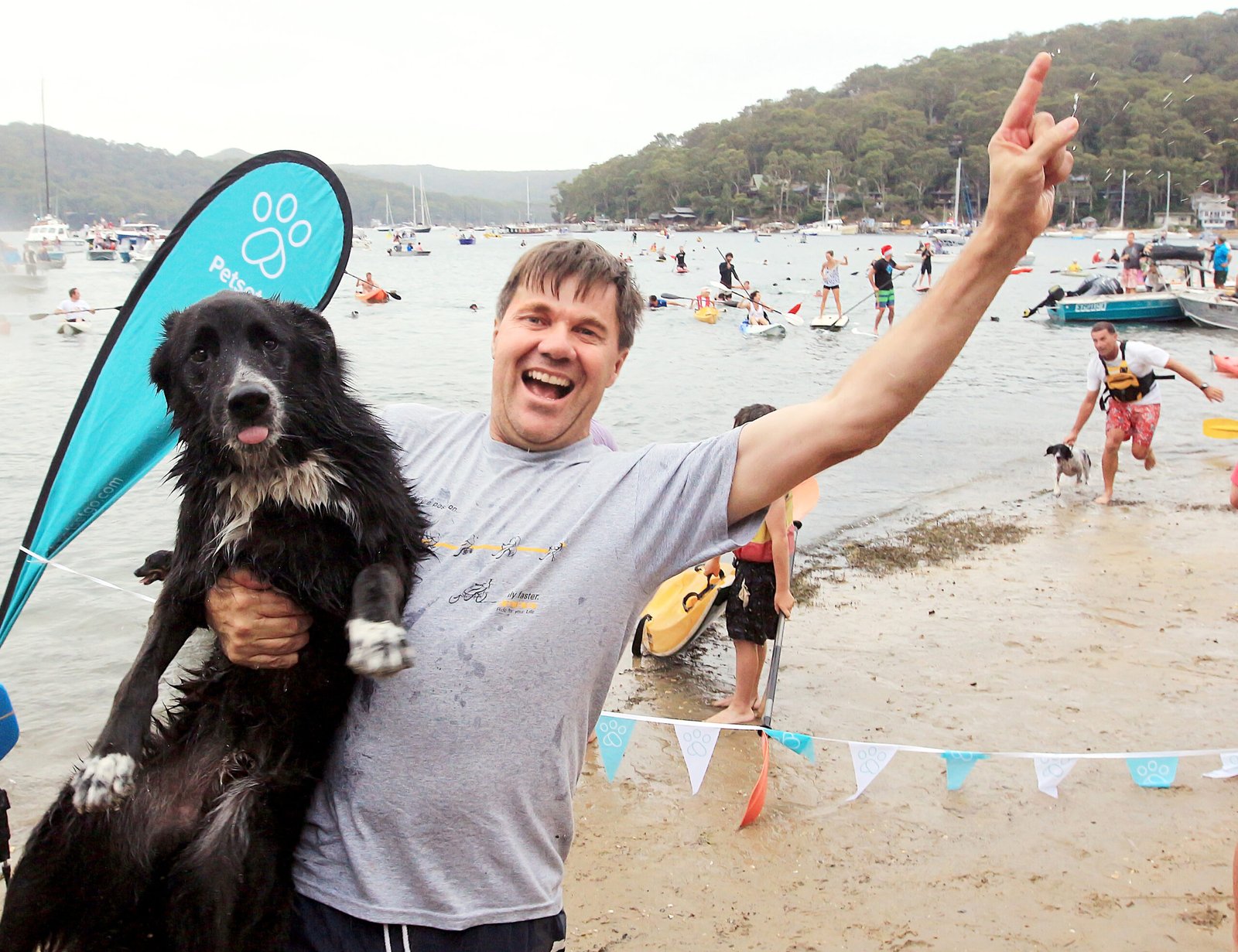
We’ve all lost our patience now and then, but raising your voice or scolding your dog when they’re already scared can double their stress. Imagine being yelled at for being nervous—it doesn’t help, right? Dogs can’t reason through fear the way we can; they just feel the panic.
Look for signs like trembling, tail tucking, or hiding. Instead of punishment, offer gentle reassurance and a safe space. Calm, soothing words and soft petting go much further than stern voices. Over time, your dog learns that you’re their safe harbor, not another source of fear.
3. Ignoring Their Body Language

Dogs speak volumes without saying a word. A lowered head, flattened ears, or lip licking are ways they show discomfort or anxiety. If these cues go unnoticed or are brushed aside, your dog may feel invisible or misunderstood.
Taking time to observe and respond to their signals builds trust. If you spot stress signs, give your dog space or redirect their attention positively. You don’t need to be a canine mind-reader, but a little attention goes a long way toward making them feel seen and secure.
4. Lack of Positive Reinforcement

Would you feel confident if no one ever told you you’re doing a good job? Dogs thrive on positive feedback, whether it’s a treat, a belly rub, or a happy “good dog!” Focusing only on mistakes or ignoring good behavior can make your pup doubt themselves.
Notice when your dog does something right, even small things like waiting patiently or coming when called. Rewarding those moments builds confidence, making your dog eager to connect and learn. Think of yourself as their personal cheerleader—they need your encouragement!
5. Leaving Them Alone for Too Long

Dogs are social creatures. Long hours alone can lead to separation anxiety and a deep sense of insecurity. They may start chewing furniture, barking excessively, or even having accidents indoors—classic signs they’re struggling.
If you work long days or travel often, consider dog walkers, pet sitters, or even doggy daycare. Leaving behind a worn T-shirt or a favorite toy can offer comfort, but nothing beats your presence. Even short quality time together can help your dog feel loved and secure.
6. Overwhelming Them with Too Much Attention
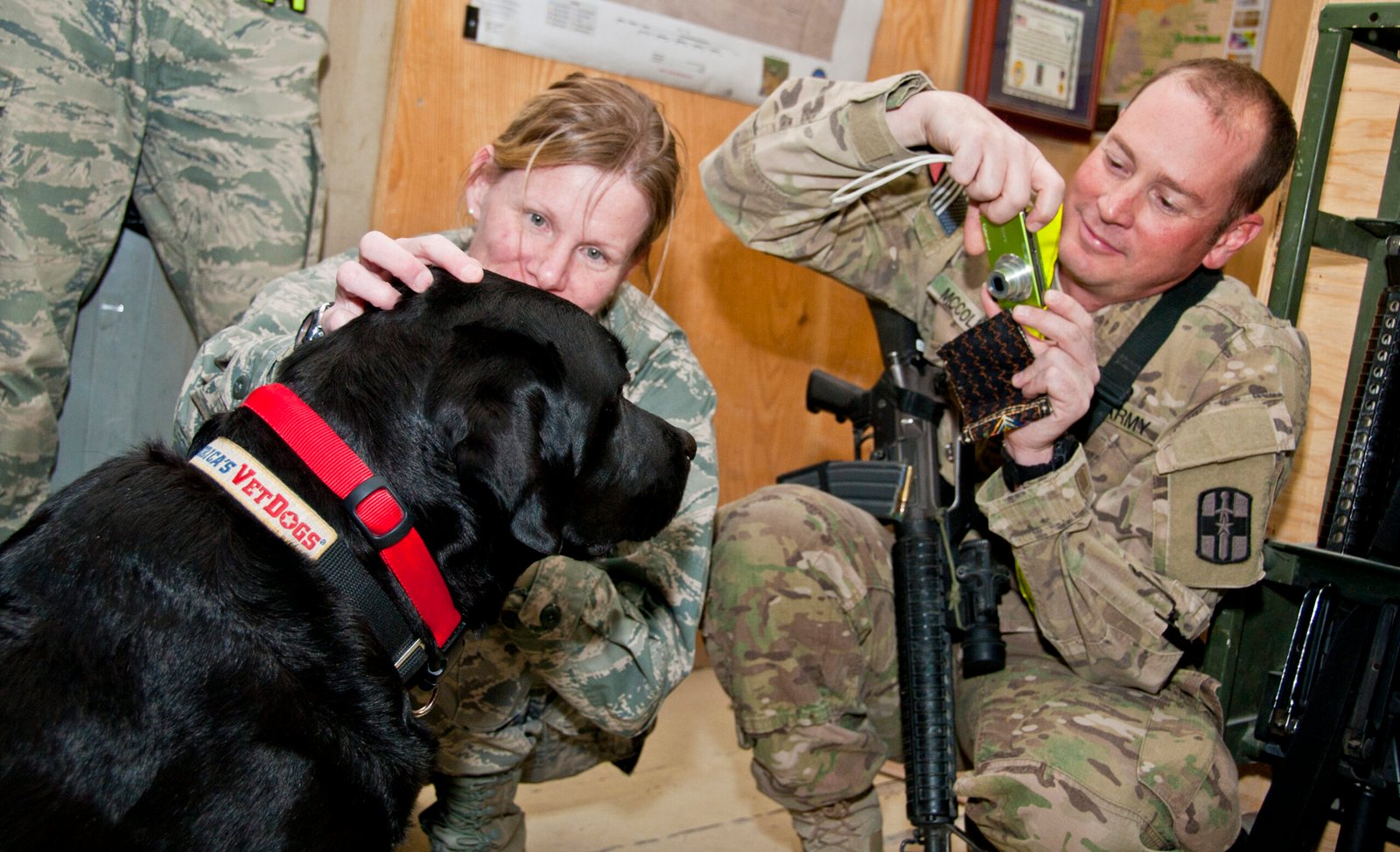
Believe it or not, too much of a good thing can be stressful. Some dogs need downtime and personal space, just like people. Constant hugging, petting, or noisy environments can make them feel overwhelmed and skittish.
Watch for avoidance behavior—turning away, moving to a quiet spot, or sighing. Respect their cues and allow them to retreat when needed. Creating a cozy spot where they can relax undisturbed can do wonders for their confidence and sense of safety.
7. Sudden Changes in Environment

New home, new baby, new pet—life changes can be exciting for us but scary for our dogs. They may show insecurity by hiding, losing appetite, or acting out. Even small changes, like moving furniture, can rattle sensitive pups.
Easing transitions can help. Introduce new things gradually, keep familiar items nearby, and stick to routines as much as possible. Let your dog explore at their own pace and offer extra comfort during big changes. Patience and understanding go a long way here.
8. Neglecting Socialization
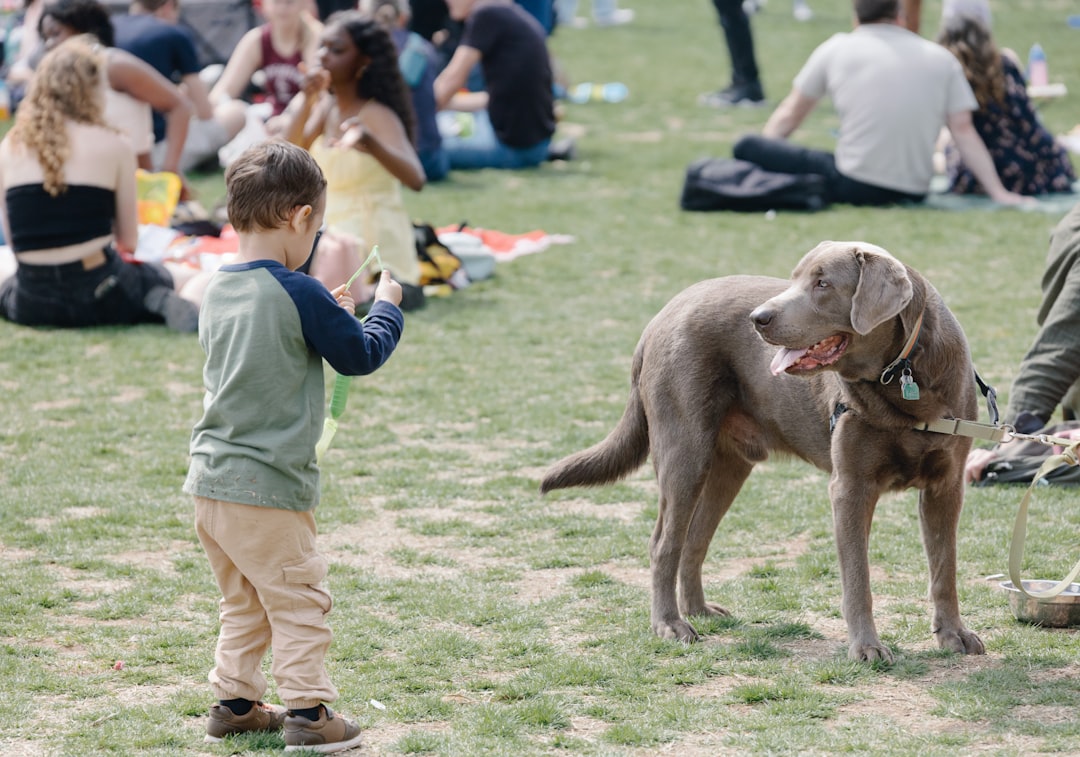
A dog that doesn’t get to meet new people, animals, or experience different places can become fearful and insecure. Without positive experiences, the world feels big and scary.
Start socialization early, but it’s never too late to help your dog make new friends. Take it slow—one new experience at a time—and always pair it with treats and praise. If your dog is nervous, don’t force interactions. Building confidence is a journey, not a race.
9. Using Harsh Training Methods
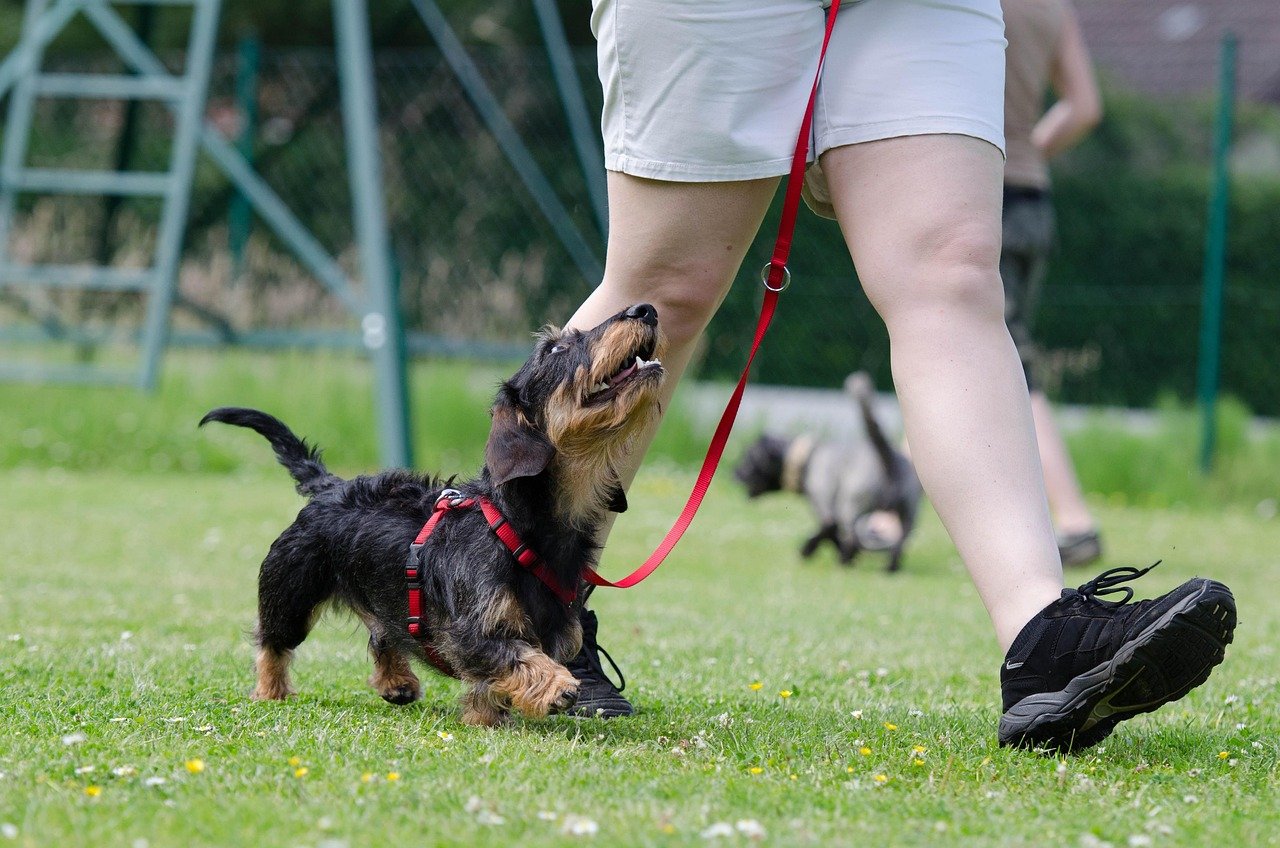
Choke collars, prong collars, or heavy-handed discipline can crush your dog’s spirit. Fear-based training might stop a behavior but leaves lasting insecurity. Your dog will become wary, not respectful.
Opt for reward-based training. This builds trust and makes learning fun. If you’re unsure, seek out a positive reinforcement trainer. It’s amazing how quickly dogs blossom when they’re taught with kindness.
10. Not Providing Enough Mental Stimulation

A bored dog is often an insecure dog. Without puzzles, training, or play, their minds can become restless. You might see destructive behaviors, excessive barking, or even depression.
Simple games, interactive toys, or teaching new tricks can light up your dog’s day. Mental stimulation is just as important as physical exercise—it keeps them sharp and gives them a sense of purpose. Happy, tired brains belong to confident dogs.
11. Comparing Them to Other Dogs
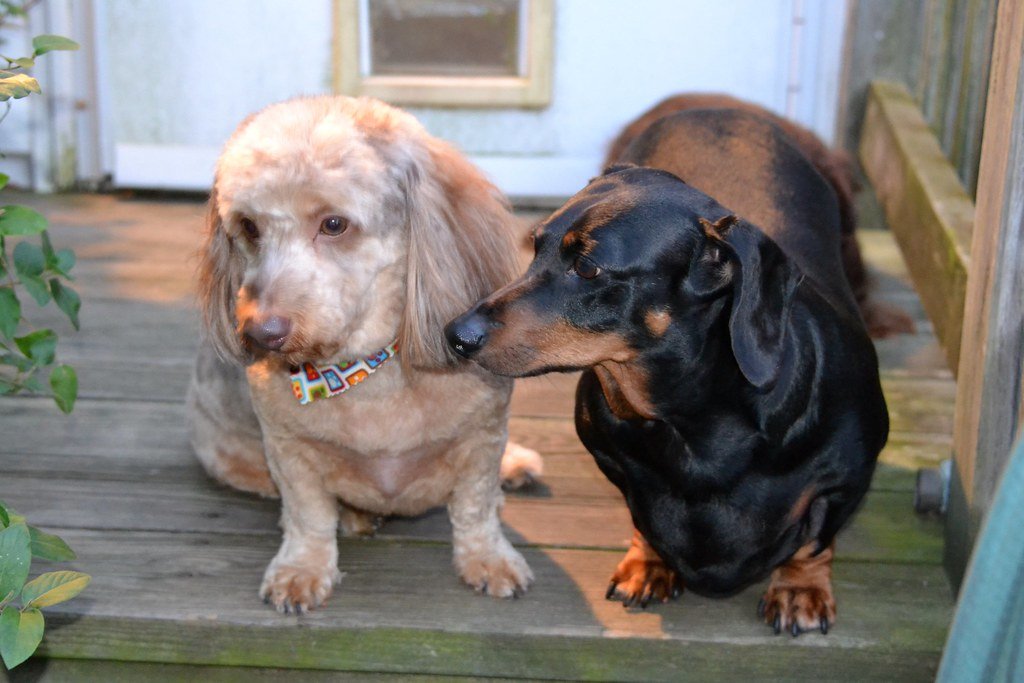
We’ve all done it—“Why does Max fetch better than Bella?” But just like people, every dog is unique. Comparing them to others can lead to frustration for you and confusion for your dog.
Celebrate your dog’s strengths and remember that progress looks different for everyone. Focus on building a strong bond, not on measuring up to someone else’s pup. Your dog wants to please you—they just need to know you love them for who they are.
12. Not Offering Safe Retreats

Every dog needs a place to feel safe—a cozy bed, a crate, or just a quiet corner. Without a retreat, your dog may feel exposed and vulnerable, especially during storms, parties, or loud noises.
Set up a comfortable spot where your dog can relax undisturbed. Encourage them to use it, especially when life gets hectic. This small sanctuary gives them control over their environment and a much-needed sense of security.


