You love your dog more than most people, honestly. You’d do anything for that four-legged companion who greets you at the door like you’ve been gone for years, not just a quick grocery run. Here’s the thing, though: even with the best intentions, you might be driving your dog a little bonkers. Maybe even a lot bonkers.
Dogs can’t exactly sit us down for a heart-to-heart about what bugs them. They don’t get to say, “Hey, can you please stop doing that one thing that makes me super uncomfortable?” Instead, they communicate through body language, subtle signals, and behaviors we often misinterpret or flat-out miss. Let’s be real, we’re not always the best at reading the room when it comes to our dogs. So let’s dive into the ways we’re probably annoying them without even knowing it.
Giving Too Many Tight Hugs
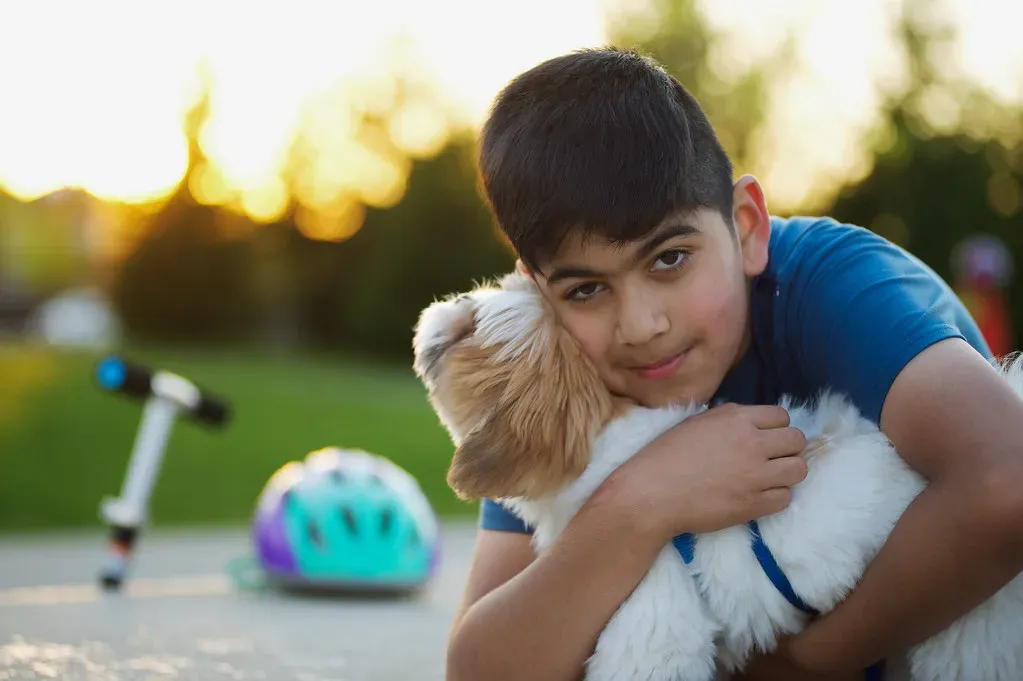
Most dogs don’t actually enjoy hugs, and while some will quietly tolerate the behavior, other dogs can become fearful or anxious when held. Think about it from their perspective. Canines have no history of grasping each other to show affection, and when a dog puts its paws or body onto another dog, it’s usually an attempt at domination or control.
Your dog might love you to pieces, but that squeeze around their neck? Not so much. Children hugging dogs is a particularly serious issue, as children are the victims of the most dog bites each year by far, often due to handling dogs in ways that make their canine friends uncomfortable. Instead of forcing hugs, let your dog come to you for affection on their own terms.
Patting Their Head From Above
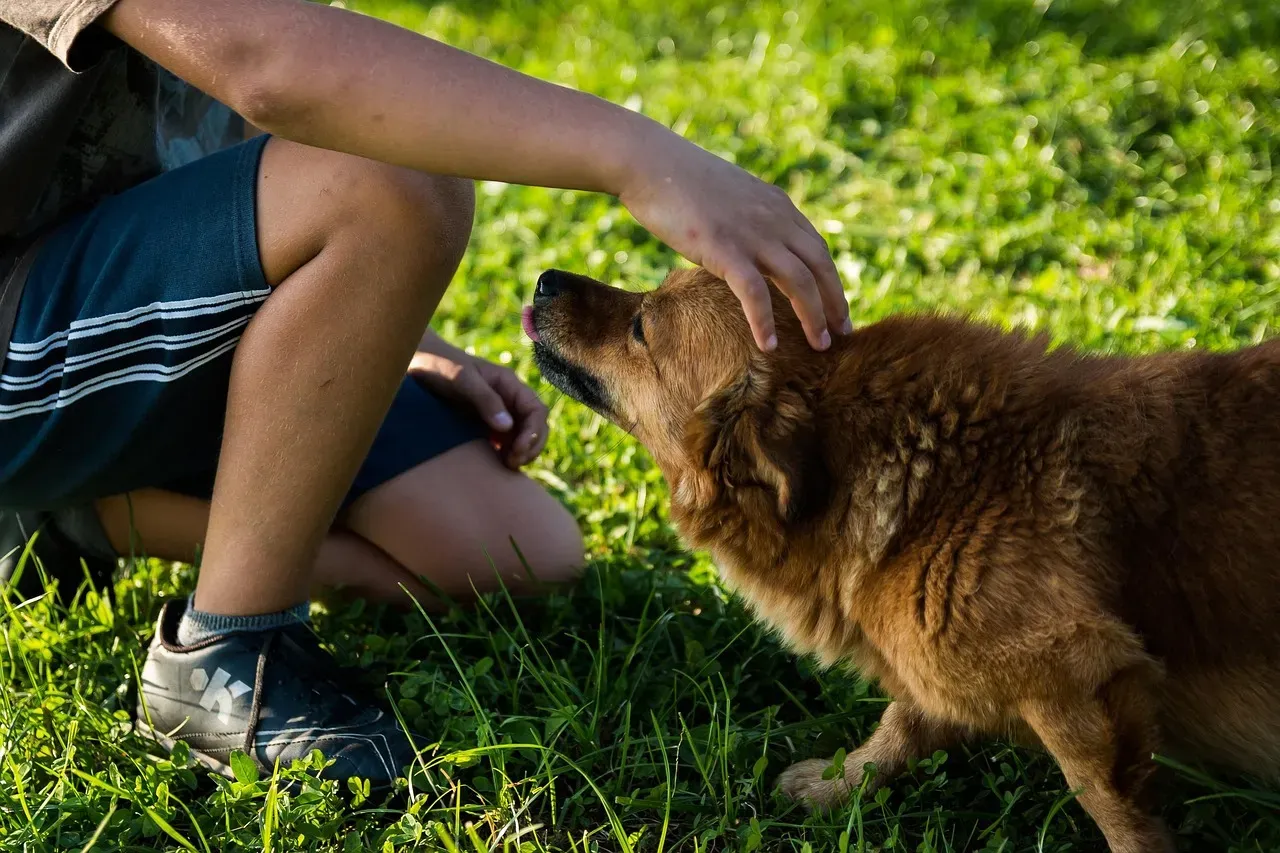
Having strangers and even familiar humans reaching their hands right into a dog’s face in an attempt to pet their head can feel very intimidating from a dog’s point of view. Picture someone towering over you and suddenly reaching toward your face. Creepy, right?
Being pat on the head is not popular among dogs, though it’s fair to say they tolerate it for our sake. Watch your dog’s reaction next time you go for that overhead pat. Are they ducking, turning away, or licking their lips? Those are polite ways of saying, “Please stop.” Try scratching under the chin or along the side of the face instead.
Staring Directly Into Their Eyes
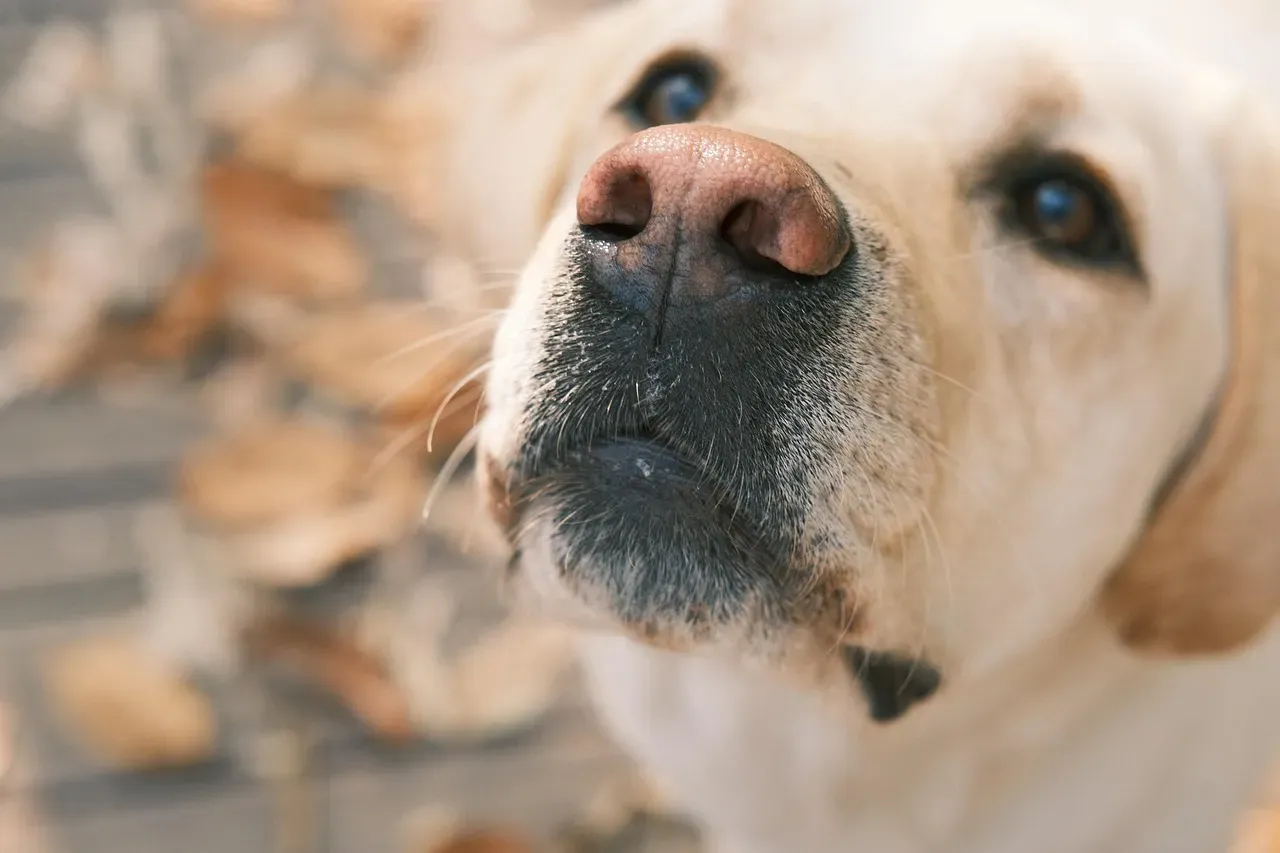
To a dog, stares often translate to challenge. In the dog world, direct eye contact is used to establish dominance or intimidation. That loving gaze you think you’re giving your dog might actually be making them uncomfortable.
Sure, you probably won’t have issues with your own dog who knows you well. With other dogs it might be interpreted as a challenge, especially if they’re unfamiliar with you. It’s hard to say for sure, but I think we often project our human communication styles onto dogs and expect them to understand. When meeting a new dog, try looking at them briefly and then glancing away to show you’re not a threat.
Yelling or Using Loud, Harsh Voices
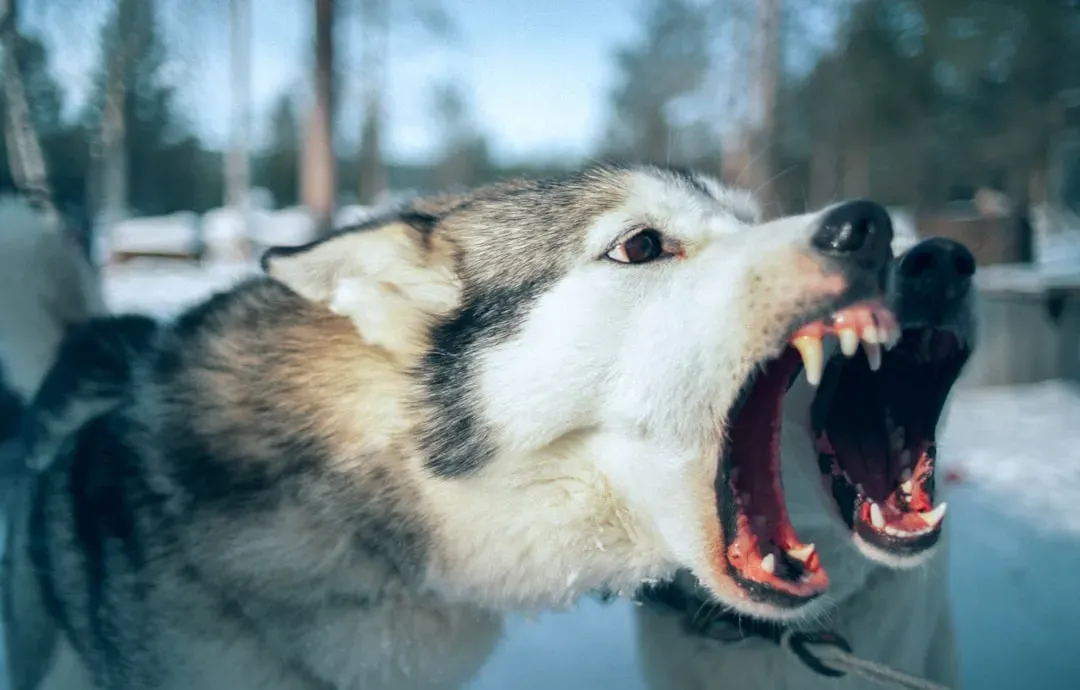
Yelling is interpreted by your dog as angry barking, which means trouble, and as a training technique, it works poorly to shut down bad behaviors and only serves to scare, confuse or agitate. Your dog doesn’t understand you’re frustrated about the chewed-up remote. They just hear aggression.
Instead of yelling, stay calm and think tone, using a deep tone to get attention and a lighthearted tone for praise or play. Honestly, I’ve seen so many people shouting at their dogs during walks, and the dog just looks more stressed and confused. Volume doesn’t equal understanding. Calm, consistent communication does.
Teasing Them With Food or Toys
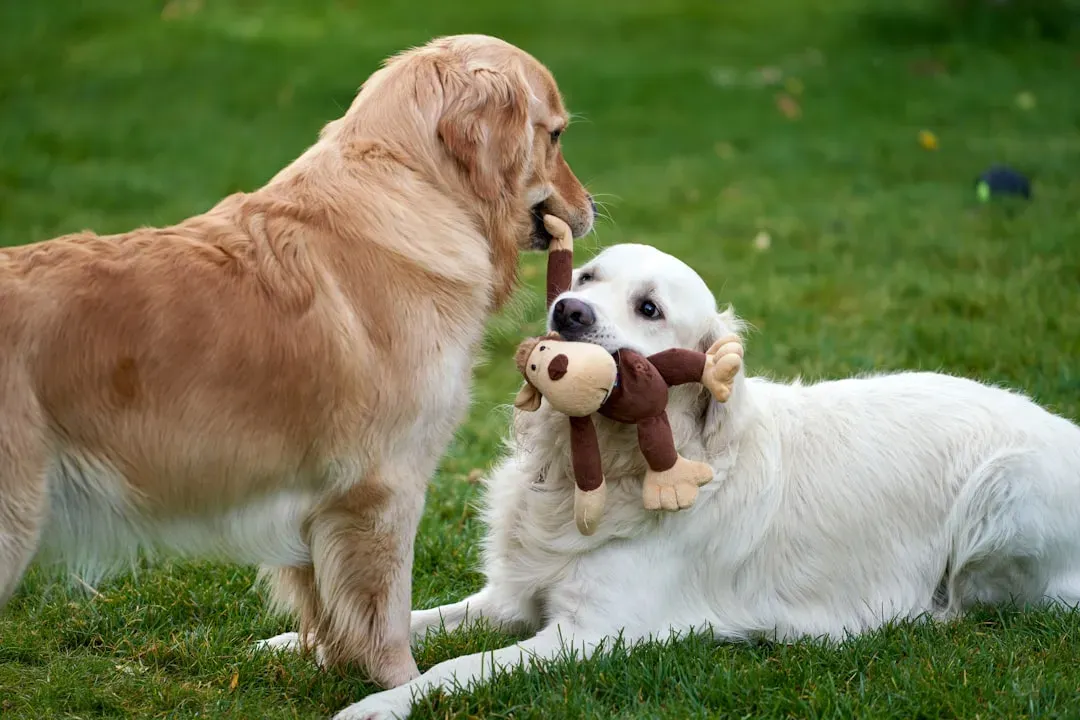
Moving a dog’s dish while he eats, playing keep-away without ever letting the dog have the toy, or even endless laser pointer sessions can drive a dog bonkers. You might think you’re playing, but to your dog, it’s just frustrating and anxiety-inducing.
Dogs only eat a couple times per day, and for many, this is a sacred moment, and behaviors like these can trigger an immediate response of displeasure. Let them eat in peace, and when you play, make sure they actually get to “win” sometimes. That satisfaction matters to them more than you might realize.
Leaving Them Alone for Extended Periods
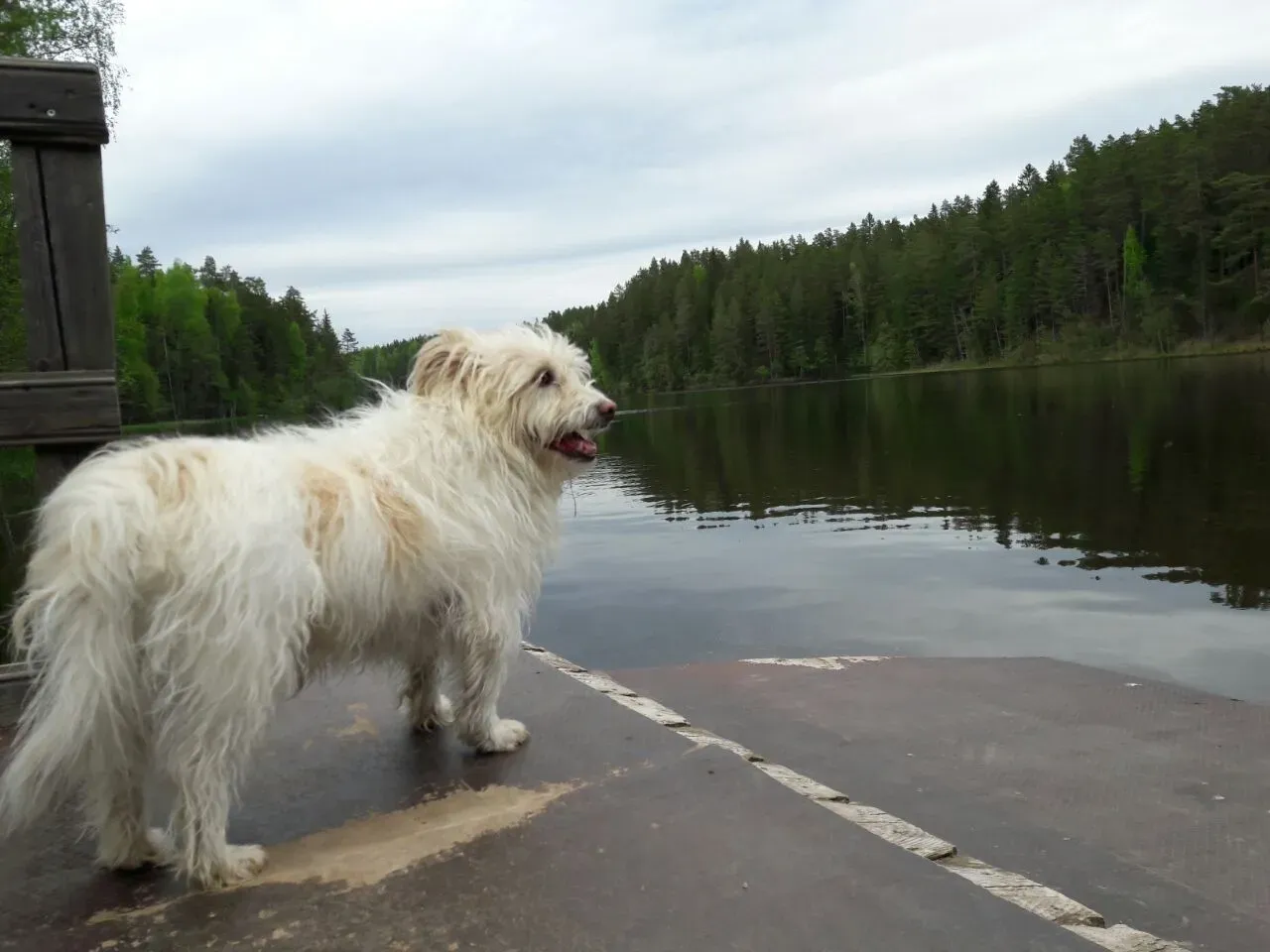
Dogs are social animals and your family comprises your dog’s pack, and dogs left alone in a home or yard for ten or more hours each day can develop behavioral and psychological issues, including separation anxiety, excessive barking or digging, destructive behavior, or escaping. Your dog doesn’t understand you have to work all day. They just know they’re lonely.
The fallout isn’t just emotional, either. They can even lose housetraining skills and trash your home. If you’re gone for long stretches regularly, consider a dog walker, doggie daycare, or even just breaking up the day with a midday visit. It makes a huge difference to them.
Forcing Them Into Overwhelming Social Situations

Many dogs get annoyed or defensive when thrown into a park filled with too many strange dogs, similar to being thrown into an elevator with twenty clowns. Not every dog is a social butterfly, and that’s perfectly okay.
Increase the numbers or reduce the space and you’ll almost certainly see stress like pinned back ears, low tail carriage, yawning, avoidance, and even the occasional fight. Know your dog’s personality. If she’s shy, opt for socializing her with a few dogs she knows or dogs who are gentle and laidback. Forcing interactions just creates more stress and can lead to negative associations with other dogs.
Talking at Them Nonstop Without Purpose
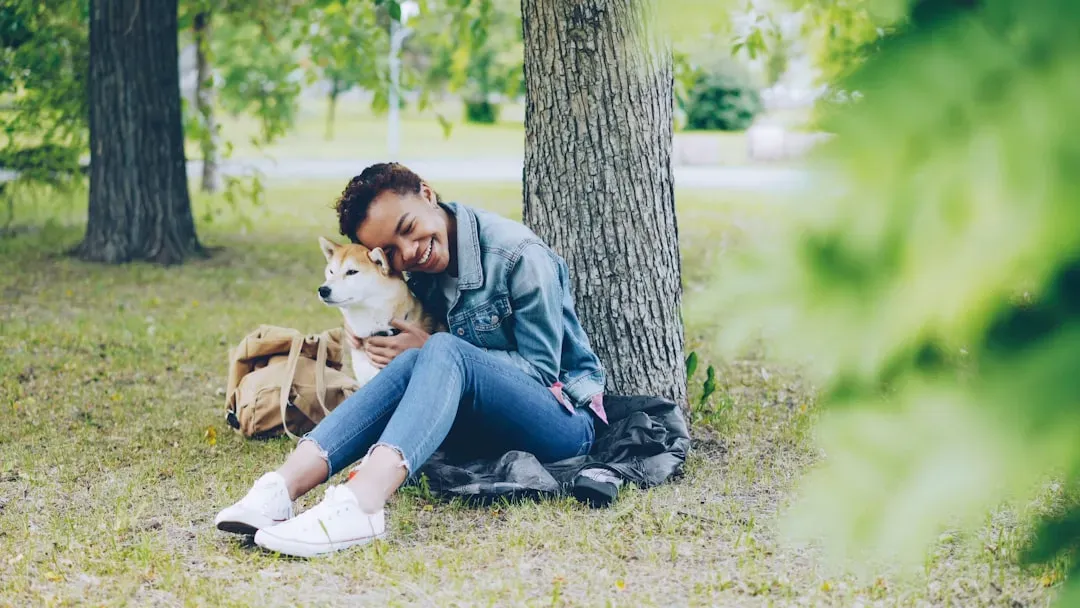
Dogs will pick up a few hundred words, but everything is action-based with association, and spending too much time spewing meaningless sounds might cause them to tune you out. We love chatting with our dogs, sure, but constant babbling with no meaning? They just start ignoring you.
Instead, use body language to communicate your excitement and displeasure, as dogs and animals will understand that a lot better. Save your words for commands, praise, and genuine connection. Otherwise, you’re just background noise.
Rushing Them During Walks
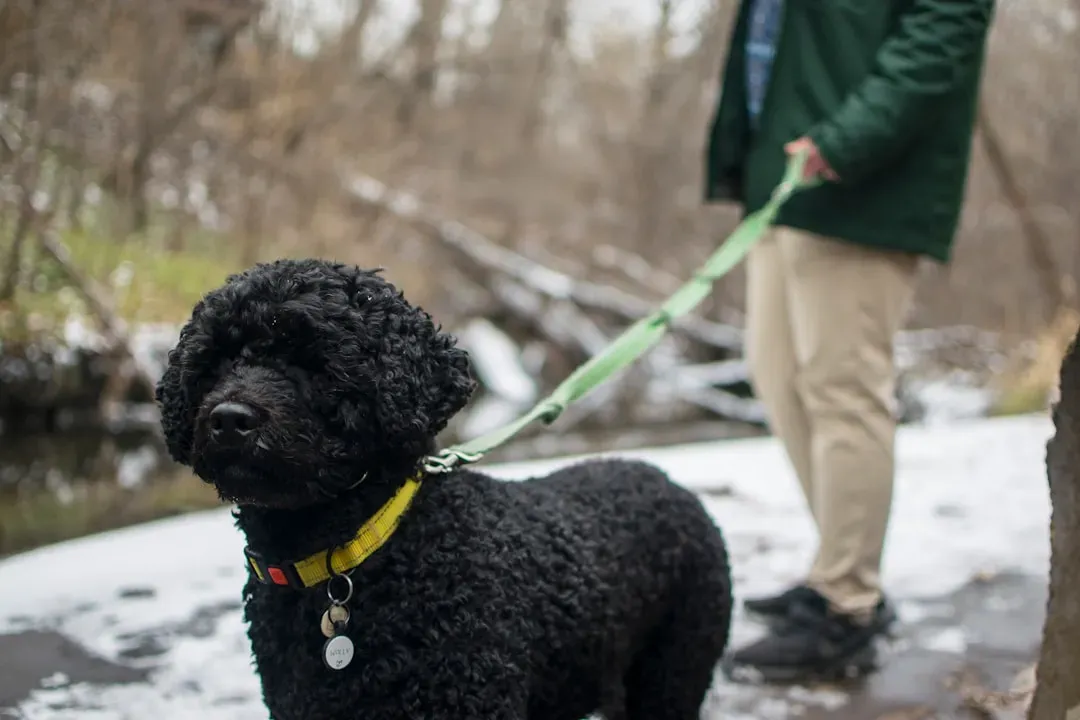
Dogs detest when we hurry them through their daily walks, yanking at their leashes each time they try to sniff out a new scent. For your dog, a walk isn’t just exercise. It’s their chance to explore the world, gather information, and engage their powerful sense of smell.
Imagine being dragged through a museum without getting to look at anything. Frustrating, right? Let them sniff. Let them investigate. That’s mental stimulation, and it’s just as important as the physical activity. Rushing them robs them of one of their greatest joys.
Being Inconsistent With Rules
Dogs have a hard time understanding what we want from them, and when a guardian or household is inconsistent, this makes it much harder for a dog to figure us out, so make sure anyone involved with the dog is on the same page about hand signals, voice cues and how the dog can live in your home. One day they’re allowed on the couch, the next day they’re scolded for it.
Honestly, that’s on us, not them. A lack of rules, routines, and boundaries can create more stress and confusion, while dogs thrive in environments that provide consistent boundaries because this creates a sense of order. Set clear rules and stick to them. Your dog will be so much happier when they know what’s expected.
Interrupting Them During Rest or Sleep
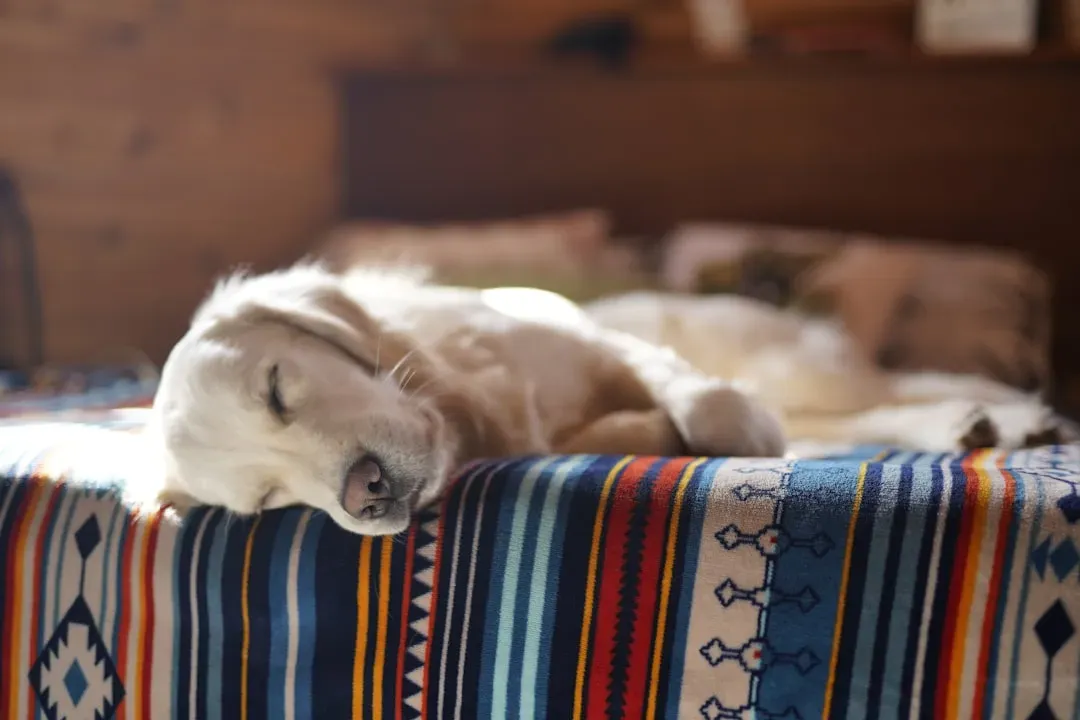
Dogs need their downtime just like we do. Constantly waking them up for pets, photos, or play when they’re trying to rest is genuinely annoying. Some dogs, like people, are more sensitive to stress than others, and there are many ways we can help our dogs experience less stress in their daily lives.
Respect their sleep and their need for quiet space. If they retreat to their bed or crate, that’s their signal they need a break. Let them have it. A well-rested dog is a happier, healthier dog. Interrupting that rest constantly just adds unnecessary stress to their day.
Neglecting Mental Stimulation and Exercise
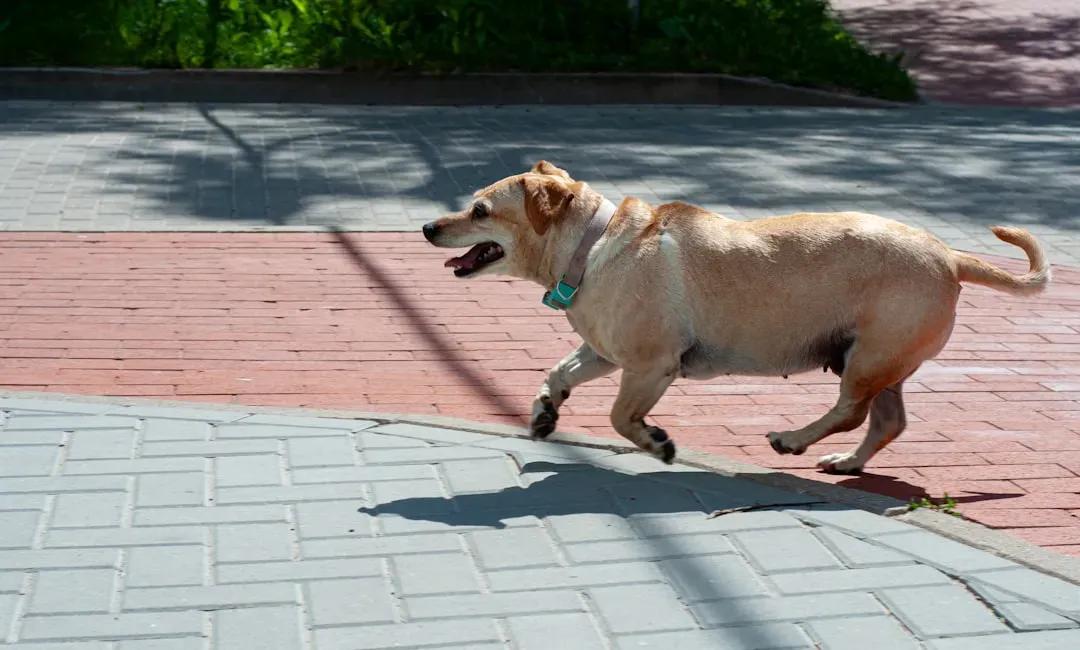
Dogs need physical exercise appropriate for their breed, like breeds created to run miles a day, and they also need mental stimulation through interactive toys, varied chew items, play with other dogs, and training, as dogs want to be fully engaged with life. A bored dog is an annoying situation waiting to happen.
Bad or destructive behavior can be caused by boredom, malnutrition, injury or illness. When dogs don’t get enough exercise or mental challenges, they’ll find their own entertainment, and you probably won’t like it. A tired dog, mentally and physically, is a content dog. Make sure you’re meeting their needs, not just your schedule.
Conclusion: Listen to What They’re Telling You
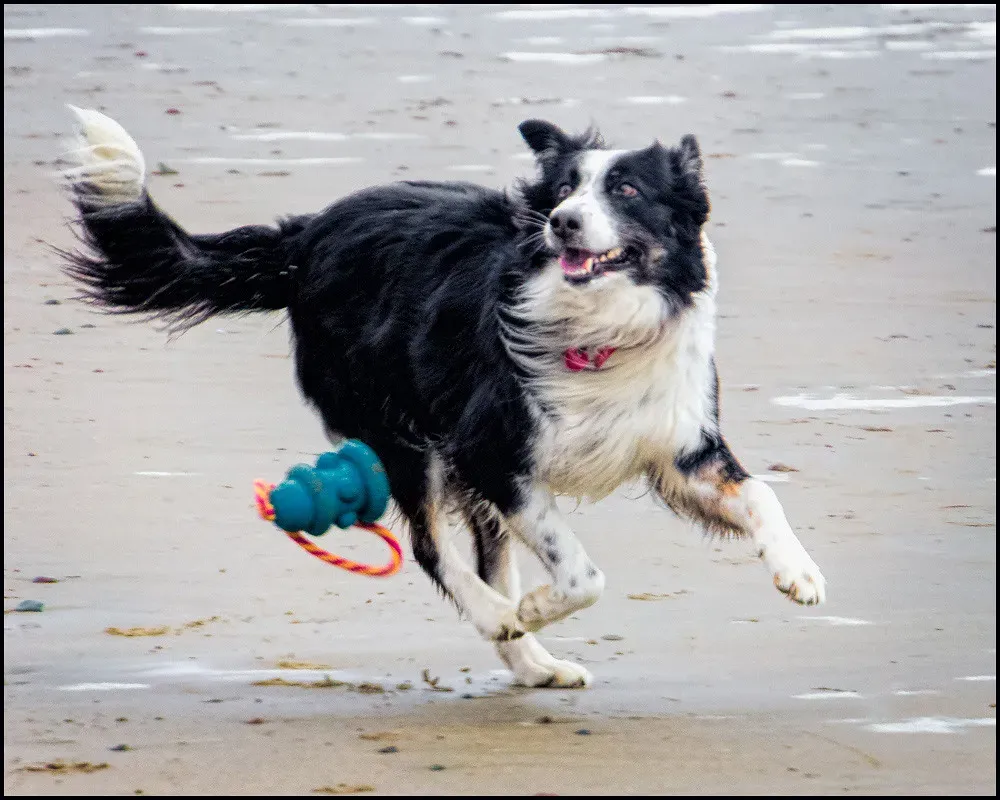
The beautiful thing about dogs is that they’re always communicating with us. Stress signs include whale eye, tucked ears or tail, raised hackles, lip-licking, yawning, and panting, and because dogs primarily communicate using body language, it’s important for humans to understand what they’re trying to tell us to reduce their anxiety and prevent potentially dangerous situations.
Learning to read those signals changes everything. It deepens your bond, reduces their stress, and makes life better for both of you. So next time you’re about to pat your dog on the head or pull them through that walk, pause and check in. Are they comfortable? Are they happy? Paying attention to those little things makes you the kind of dog owner every pup deserves. What’s one thing you’ve learned your dog really doesn’t like? Pay attention this week and see what you discover.