


Have you ever met a dog so polite that you almost expected it to shake your hand and offer you a cup of tea? Well-mannered dogs have a magical way of making everyone around them feel at ease. Whether you’re a new pet parent or a seasoned dog lover, it’s truly heartwarming to see a canine companion who just seems to “get it”—from gentle greetings to calm company. Let’s take a walk through twelve amazing breeds that are famous for their good behavior, and see just what makes them stars of the dog park and beloved members of the family.
Labrador Retriever
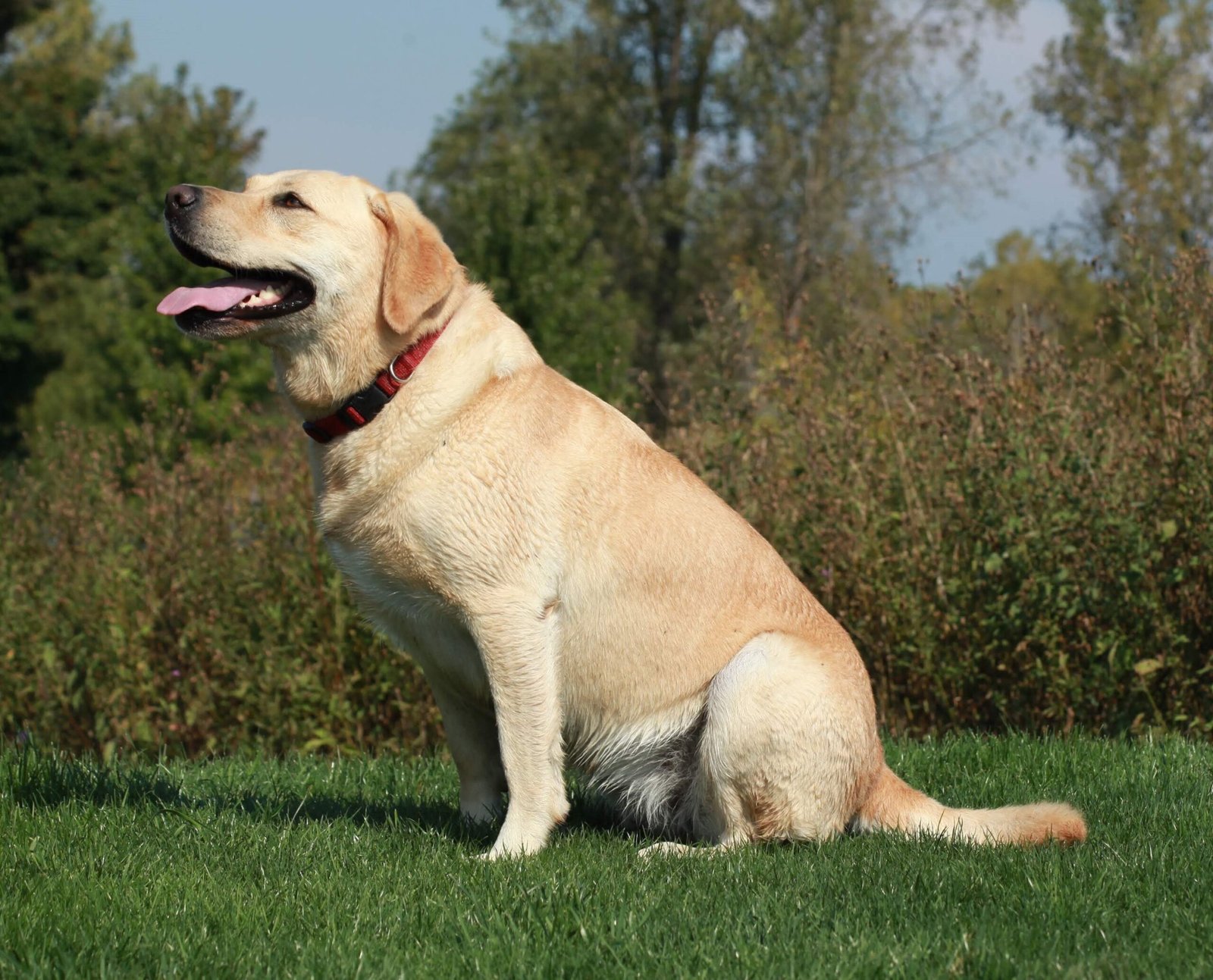
Labrador Retrievers are the gold standard for good behavior, and there’s a reason they’re so popular. Labs naturally want to please their people, making them eager to learn and super responsive to positive training. With their friendly, outgoing nature, they rarely show aggression or anxiety around strangers.
Their calm demeanor shines in busy households. Labs often welcome guests with gentle enthusiasm and are patient with children, making them great family dogs. To keep a Lab well-mannered, regular exercise and mental stimulation are key—nothing fancy, just a game of fetch or a walk to the park each day.
Golden Retriever
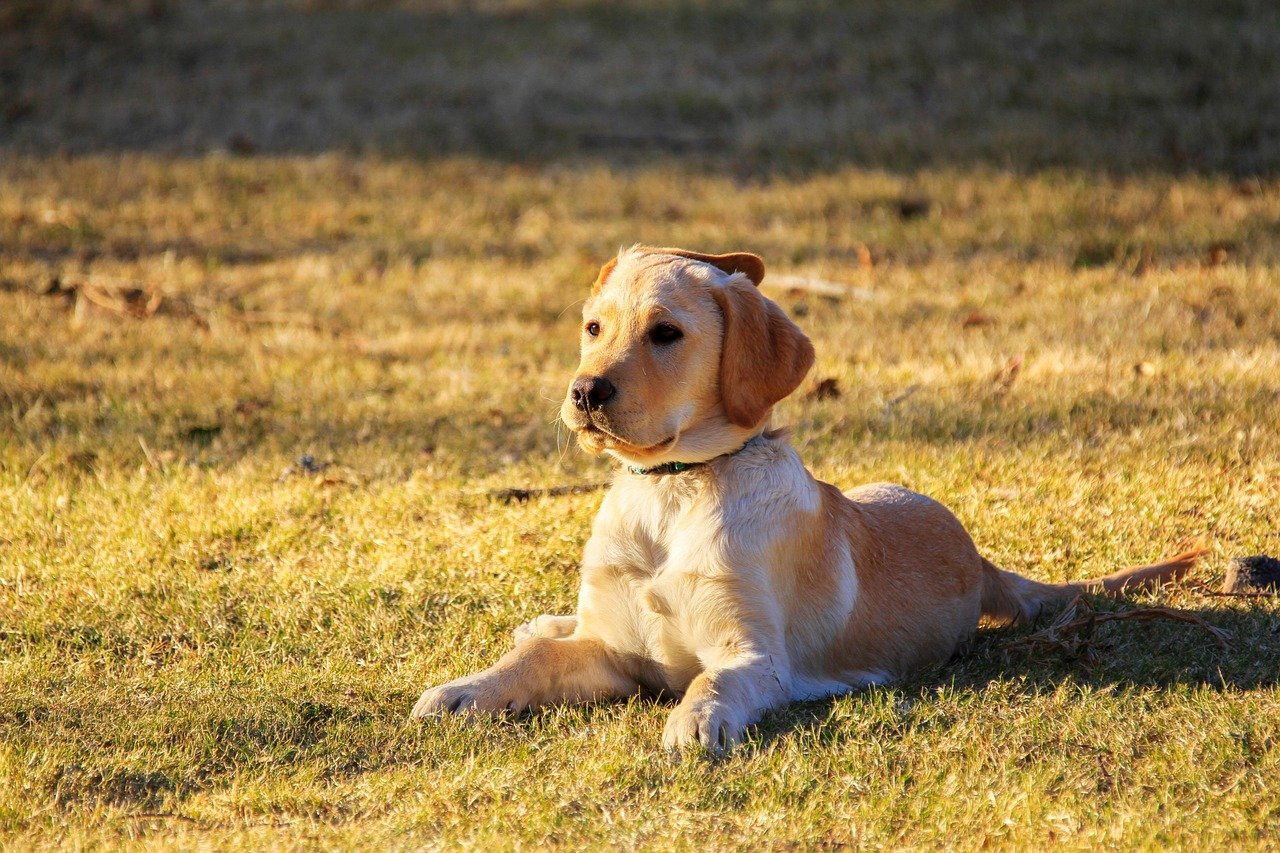
Golden Retrievers practically radiate kindness and composure. They have a mellow, affectionate personality that’s hard not to love. Goldens are known for their gentle mouths—a trait that makes them famous for carrying objects without a single tooth mark.
Daily routines help Goldens stay balanced and happy. A well-socialized Golden is rarely jumpy or overly excitable, greeting new friends with a soft tail wag and a calm gaze. Lots of praise and gentle correction keeps their behavior in tip-top shape.
Cavalier King Charles Spaniel
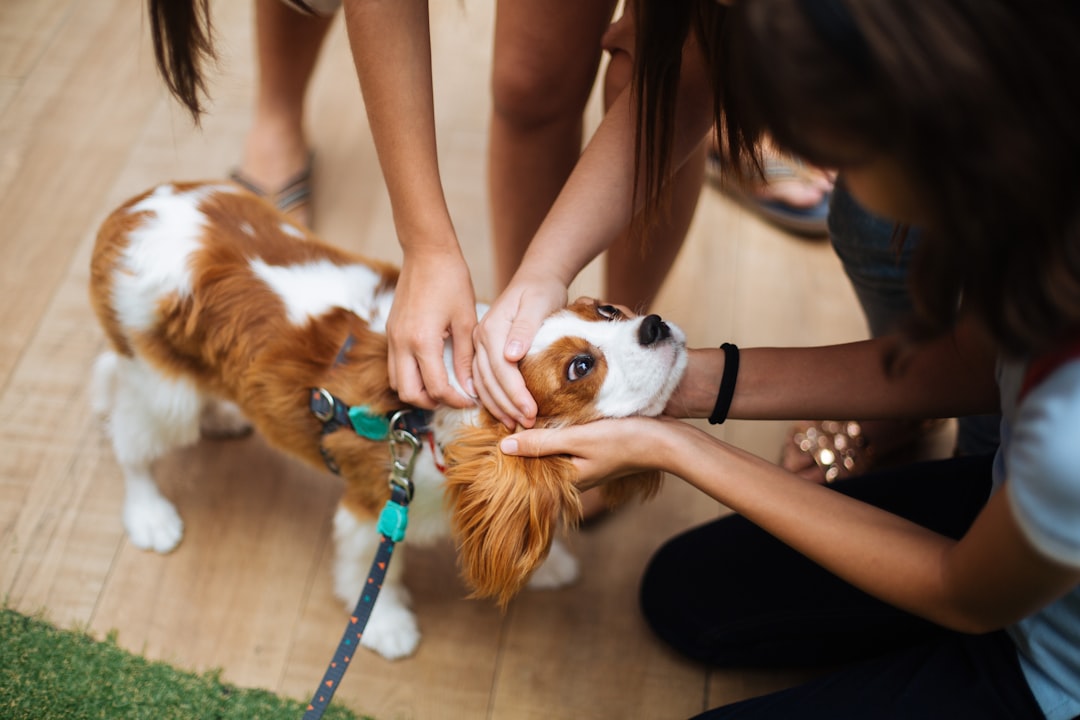
The Cavalier King Charles Spaniel is a small dog with a giant heart and flawless manners. These dogs thrive on human companionship and are happiest when curled up on your lap or quietly following you around the house. Their sweet, sensitive nature means they quickly pick up on cues and respond with gentle affection.
Because they’re so people-oriented, Cavaliers rarely bark excessively or act out. They do best with consistent routines and lots of cuddles. Watch for signs of stress, like hiding or whining, as these pups prefer calm, harmonious homes.
Standard Poodle
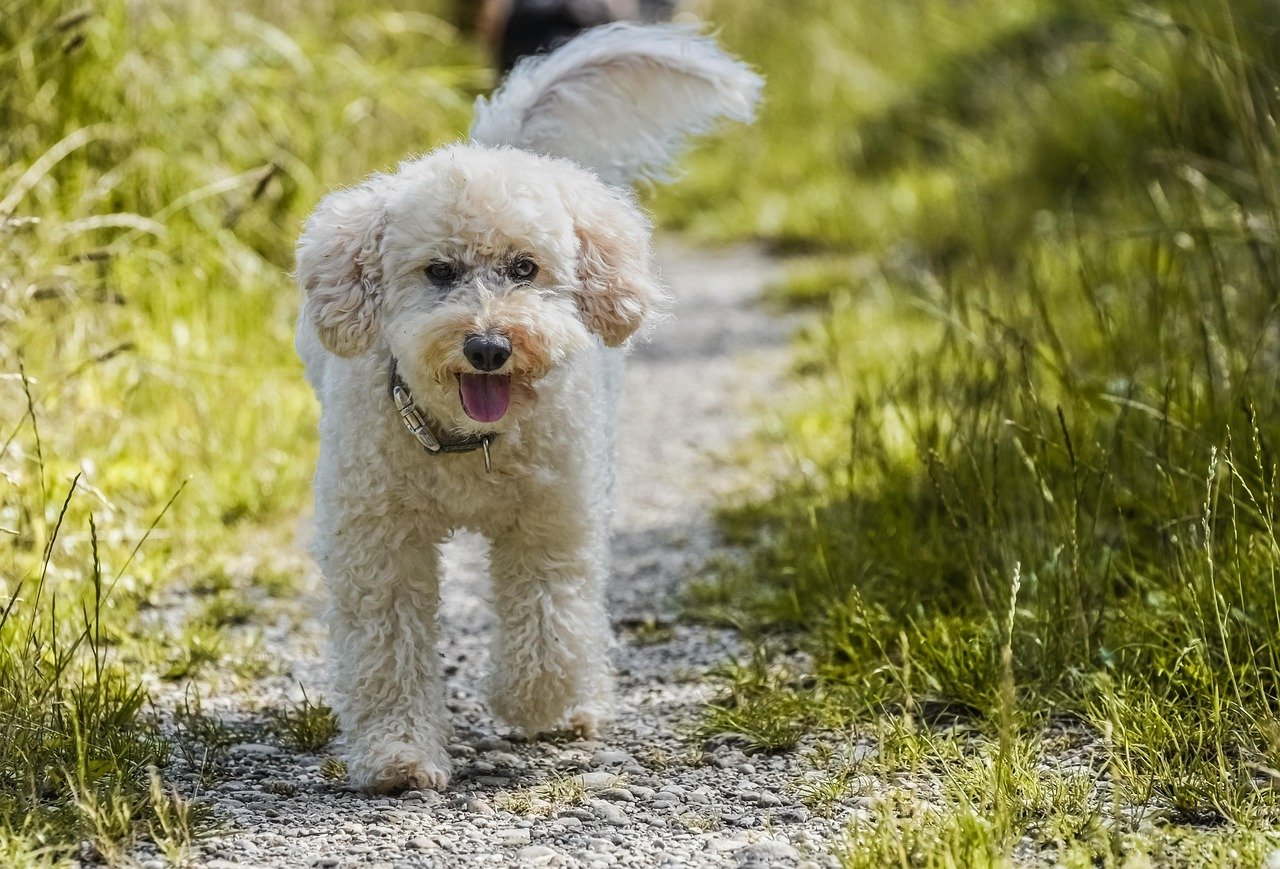
Standard Poodles are not just about fancy haircuts—they’re brainy, polite, and eager to learn. These dogs excel at obedience training and are often used as therapy dogs because of their keen intuition and calm presence. Poodles have a knack for reading the room and adjusting their energy to match yours.
Their intelligence means they need plenty of mental challenges. Puzzle toys and training sessions go a long way in keeping them content. Regular grooming is also important, not just for looks, but for their overall comfort and well-being.
Bernese Mountain Dog
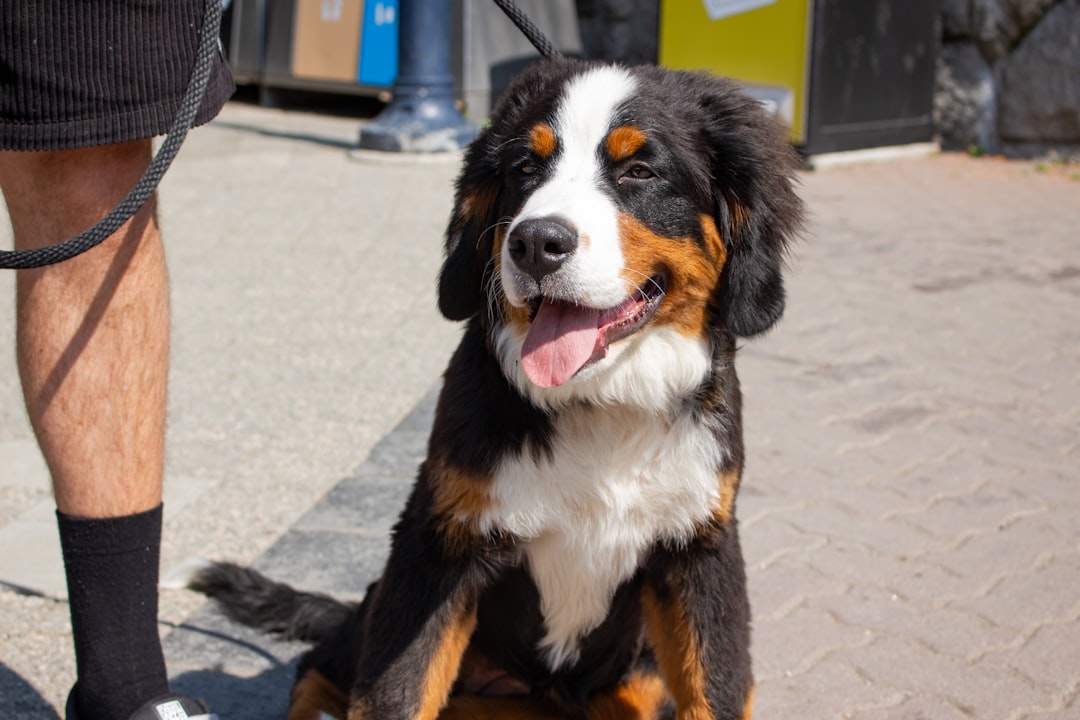
Bernese Mountain Dogs are gentle giants with a natural sense of calm. Their size might be intimidating, but their souls are as soft as their thick coats. Berners are known for their patient and tolerant behavior, especially around children.
Slow introductions to new experiences help Berners feel secure. They thrive on gentle reassurance and positive reinforcement. If you notice droopy eyes or slow movement, it’s just their way of saying they’re relaxed and happy in your company.
Collie
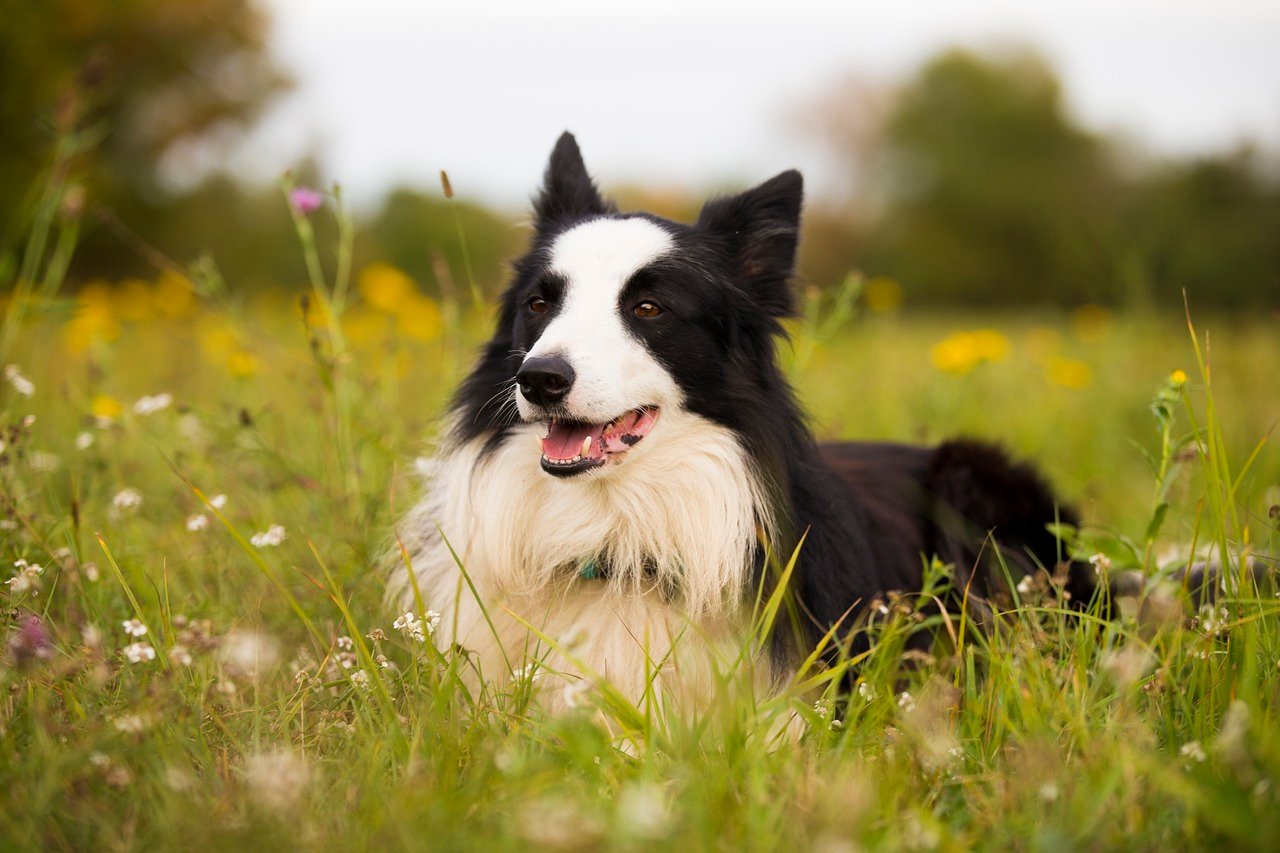
Collies are famous for their loyalty and well-mannered ways, thanks in part to their herding heritage. They often seem to anticipate your needs and aim to keep the family “herd” together. Collies are quick learners and respond well to clear, consistent commands.
A Collie rarely shows aggression and is usually reserved but friendly with strangers. Their expressive eyes and gentle nudges can tell you a lot—if they’re restless, a brisk walk or a new trick might be just what they need.
Irish Setter
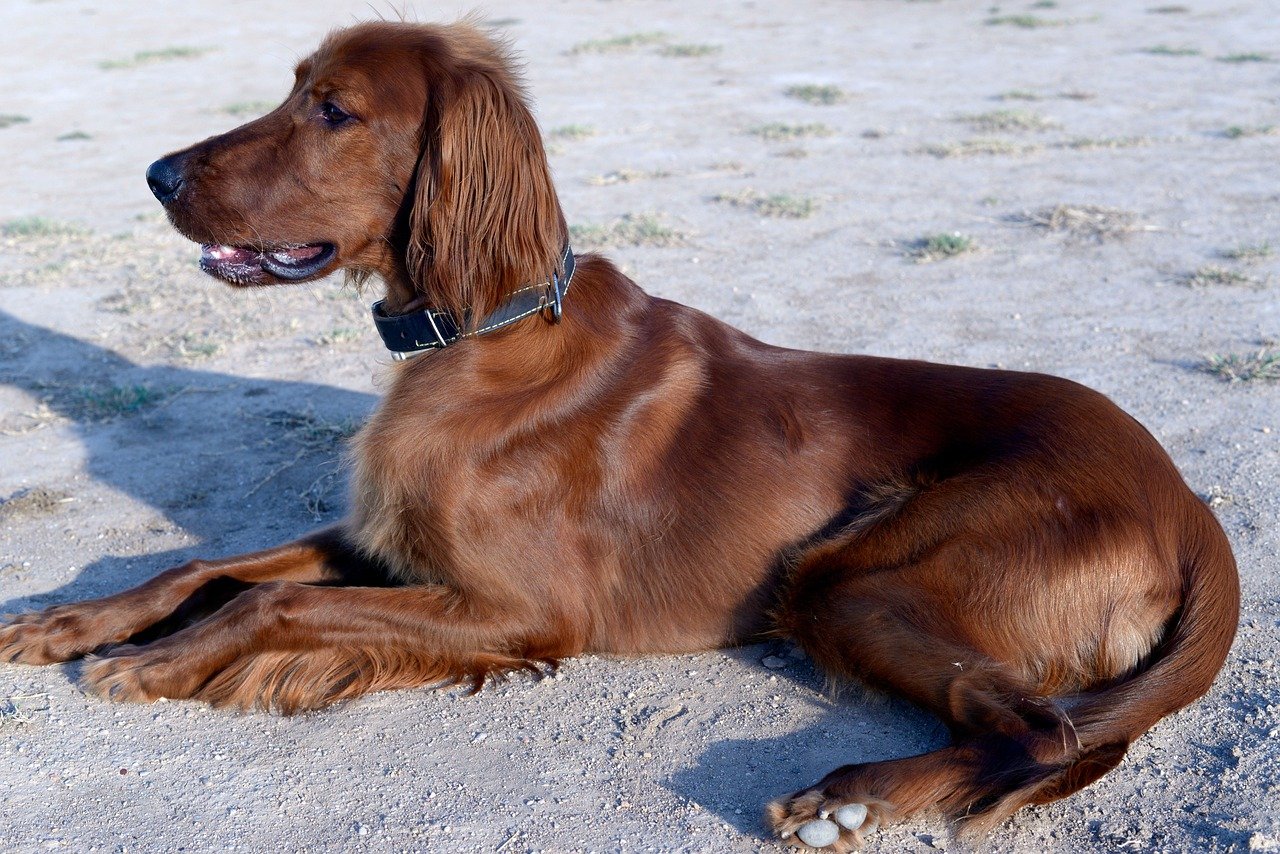
Irish Setters are the life of the party, but they do it with style. Their playful energy is balanced by a natural grace and a knack for polite greetings. Setters are rarely shy or aggressive; instead, they make friends easily and love being part of the action.
To keep their good manners sharp, regular exercise is a must. Setters can become bored and mischievous without enough play. Watch for signs of restlessness, like pacing or whining, and offer them a game or a run to reset their mood.
Shih Tzu
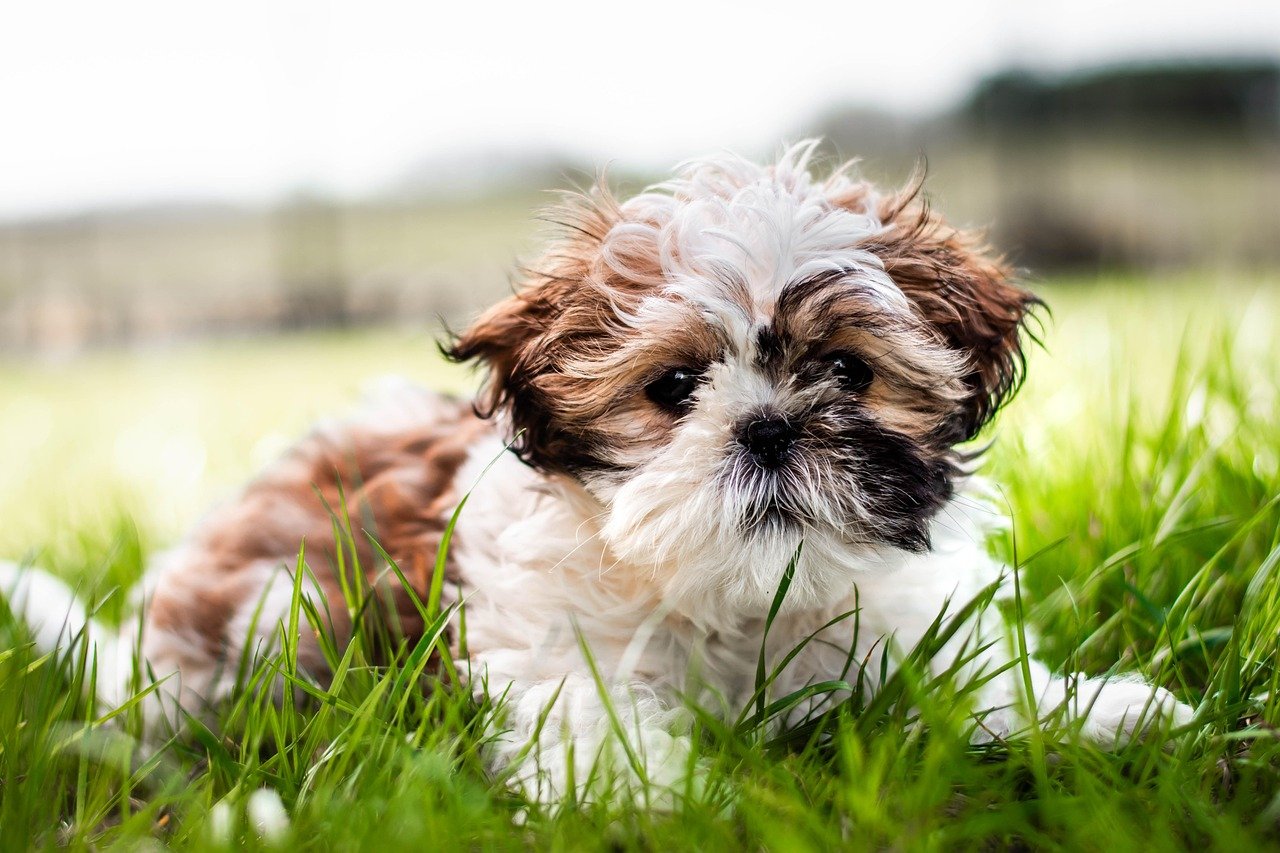
Shih Tzus might be small, but their manners are royally impressive. Bred as companion dogs for Chinese emperors, these pups have mastered the art of being polite and pleasant. They rarely bark without reason and tend to greet guests with gentle interest.
Routine grooming is essential for Shih Tzus—not just for looks, but to prevent any discomfort that could affect their mood. If you see them pawing at their face or looking uncomfortable, a quick brush or check-up can help keep them feeling their best.
Newfoundland
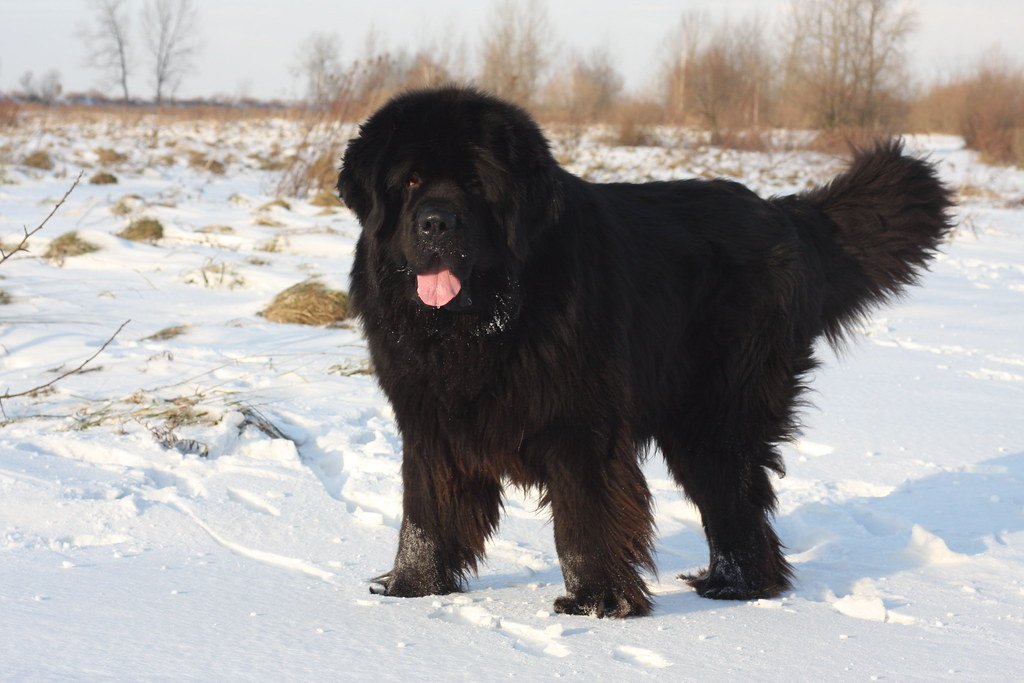
Newfoundlands are sometimes called “nanny dogs” for their legendary patience and protective instincts. These gentle giants are famously tolerant with children, calmly overseeing playtime and always ready with a reassuring nuzzle.
Because of their size, early training is crucial—but Newfoundlands love to please and respond beautifully to gentle guidance. If you notice drooling or heavy panting, it’s usually just their way of cooling down, not a sign of stress.
Whippet
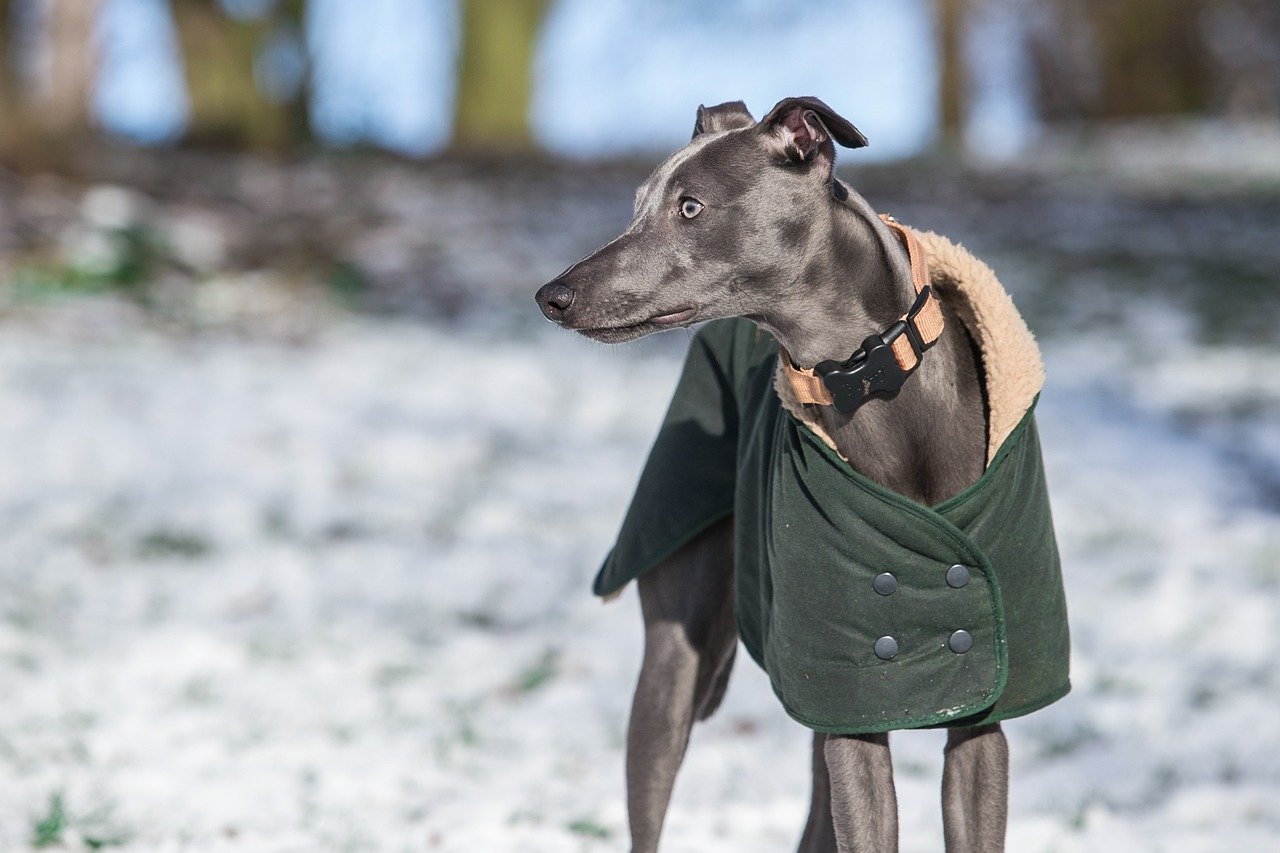
Whippets are the introverts of the dog world—elegant, quiet, and surprisingly cuddly. These dogs are known for their polite behavior, rarely barking or causing a fuss. They enjoy a good sprint, but indoors they’re happy to snuggle and relax.
Whippets are sensitive to harsh tones, so positive reinforcement works best. If a Whippet seems withdrawn, a little extra affection and reassurance can bring back their confidence. Their sleek coat also means they feel cold easily, so a cozy blanket is always appreciated.
Australian Shepherd
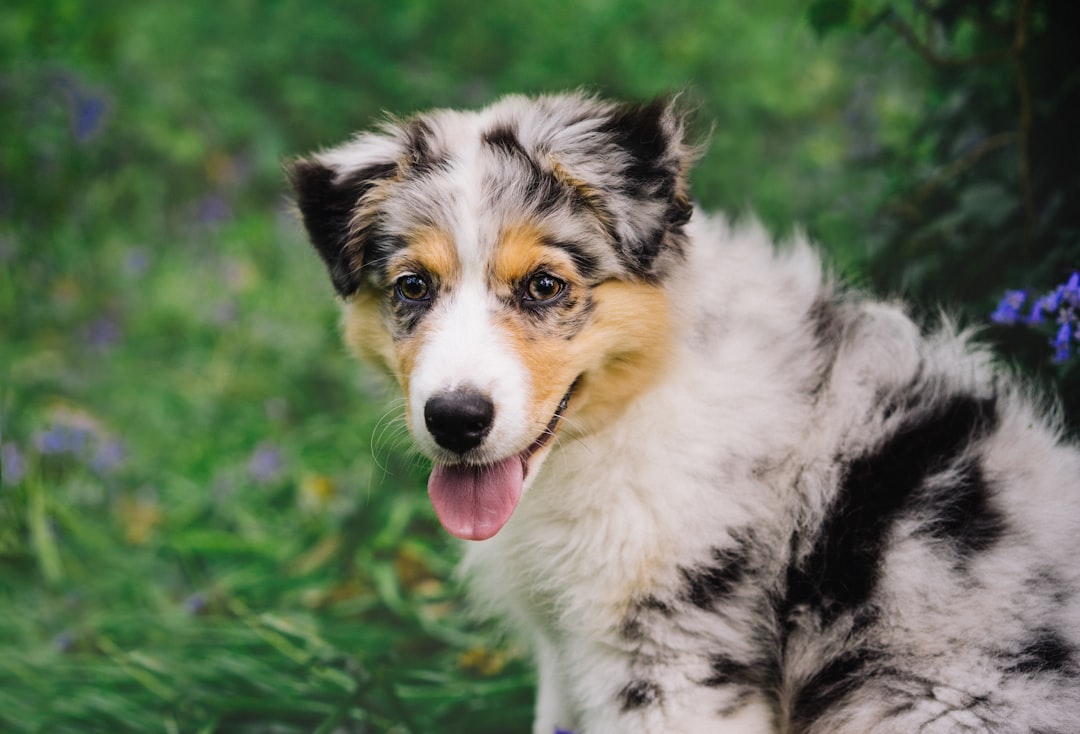
Australian Shepherds are the brains of the bunch, combining sharp intelligence with a loyal, even temperament. Aussies love having a job to do, and when mentally engaged, they’re remarkably well-behaved. Their alertness makes them excellent watchdogs without being overly aggressive.
To prevent boredom-related mischief, Aussies need both physical and mental stimulation. Agility training, fetch, or even hide-and-seek help keep them happy. You’ll notice their good manners most when they’re tired, content, and feeling useful.
Boxer
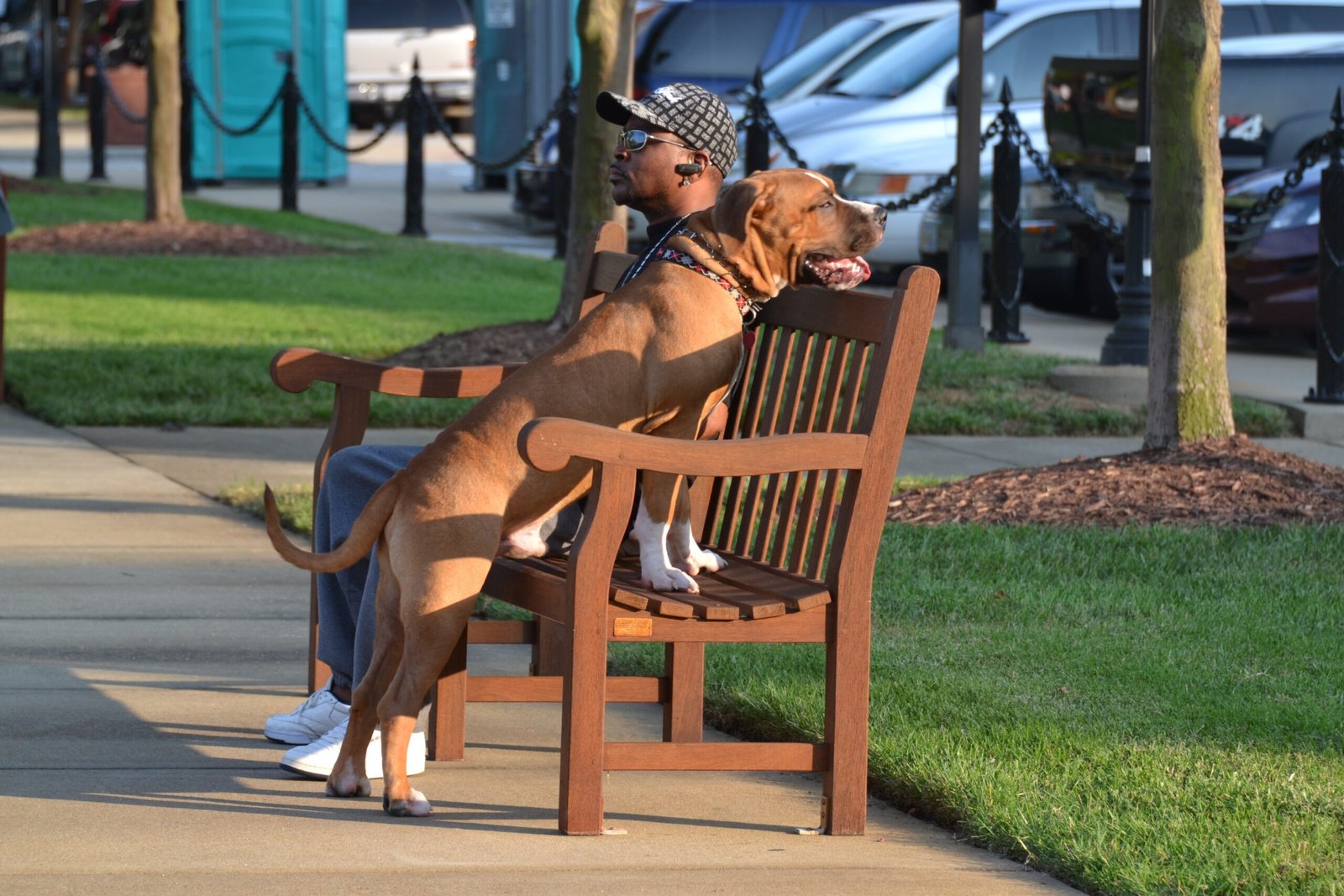
Boxers are bundles of energy, but underneath that bouncy exterior is a heart of gold. Known for their playful yet gentle approach, Boxers are affectionate with family members and surprisingly patient with children. Their goofy antics often bring laughter, but they know when it’s time to settle down.
Early socialization is key to a Boxer’s good behavior. With guidance, they learn to greet people calmly and respect boundaries. If you see a Boxer zooming around the house, it’s just their way of blowing off steam—afterward, they’ll happily curl up for a nap.
Pembroke Welsh Corgi
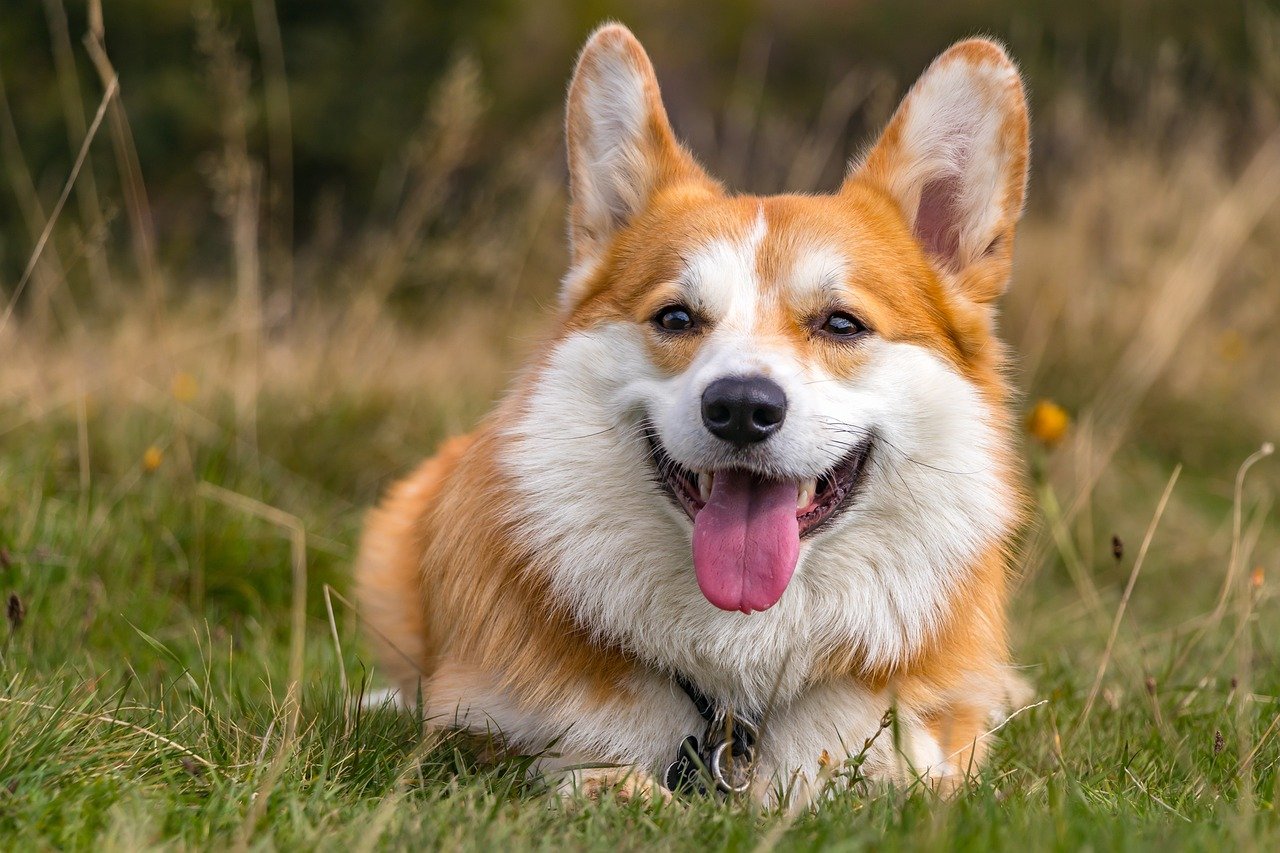
Pembroke Welsh Corgis may be small in stature, but their manners are mighty. These clever, cheerful dogs are eager to please and quick to learn. Their herding background gives them a natural sense of order, which often translates to polite behavior at home and in public.
Corgis thrive on routine and clear communication. If they start herding children or other pets, it’s a sign they need a new challenge or a bit more exercise. Their expressive faces and wagging tails make it easy to know how they’re feeling—and when they’re content, you’ll feel it too.

Jen is a passionate nature lover and ocean conservationist. She has dedicated her life to protecting the environment and preserving the beauty of the natural world. Growing up in a small coastal town, Jen sincerely appreciated the ocean and its inhabitants. She has spent countless hours exploring the shoreline, learning about the creatures that inhabit the waters, and advocating for their protection. Jen is an active member of ocean conservation organizations, and she is committed to educating the public about the importance of conserving wildlife and the natural environment.


