
Have you ever caught your dog spinning in circles before bedtime, or fiercely guarding a toy as if it were treasure? If you’ve wondered why your pup acts like a quirky little weirdo, you’re not alone! The truth is, what seems random or even silly to us is often your dog’s ancient instincts shining through. These curious habits connect our pets to their wild ancestors, offering clues about their needs, their health, and their big doggy hearts. Let’s dig in and explore 13 of these instinctual dog behaviors—because understanding them means loving your dog even better.
Circling Before Lying Down
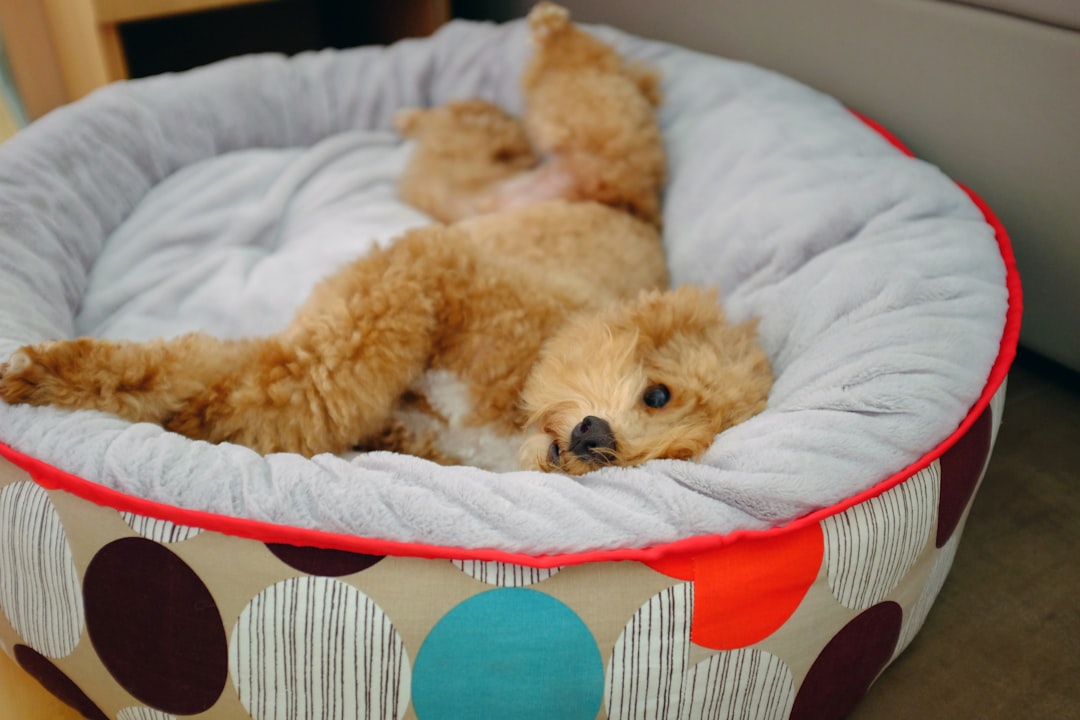
You might giggle when your dog turns in tight circles before flopping down, but this ritual goes way back. Wolves circle to pat down grass, leaves, or snow, making a cozy, safe spot for sleep and keeping an eye out for lurking danger. Even on a soft couch, your pup’s brain says, “Better make sure this nest is perfect!”
If your dog circles excessively or seems uncomfortable, it can sometimes signal joint pain or anxiety. Most of the time, though, it’s just their built-in bedtime routine. Offer a comfy bed and let them spin to their heart’s content—think of it as their way of fluffing the pillows.
Digging at Blankets or the Yard

It can be exasperating to watch your dog dig up your favorite flowerbed or scratch endlessly at their bedding. But for dogs, digging is all about creating safety or uncovering hidden treasures, just as their ancestors did for warmth or food.
If your dog’s digging gets destructive, provide a designated digging spot or sturdy toys to redirect the urge. Remember, sometimes a little digging is just a sign they’re happy, playful, or trying to stash away a prized possession—like that squeaky toy they think is gold.
Sniffing Everything—And Everyone
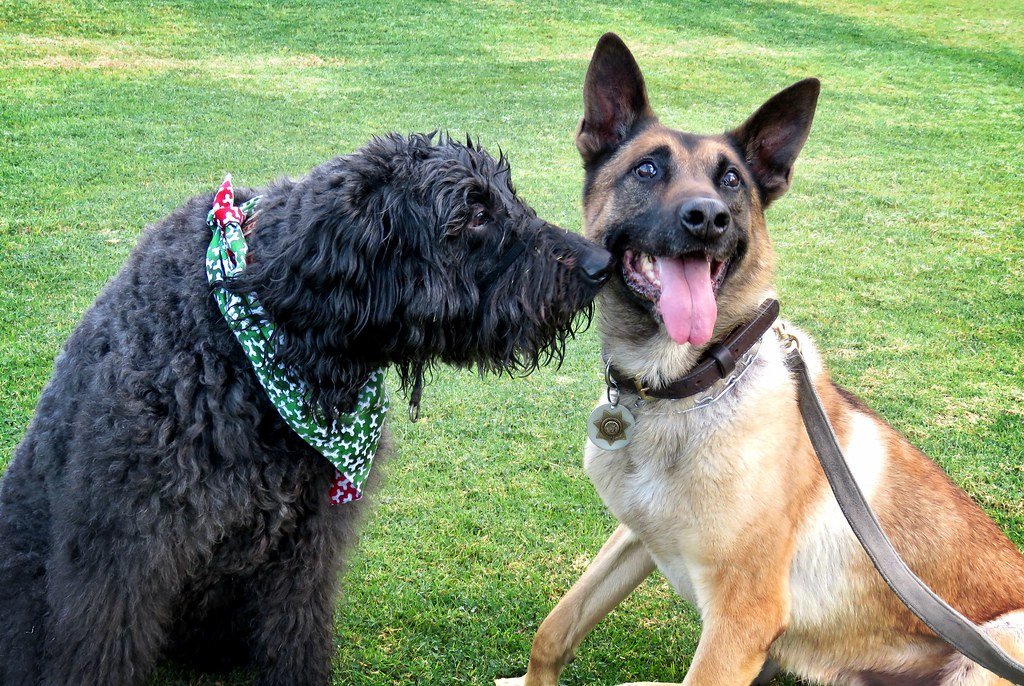
Sniffing may look random, but it’s your dog’s superpower in action. With up to 300 million scent receptors (compared to our measly 6 million), dogs “see” the world through their noses. Each sniff tells them who’s been around, what’s new, and even how you’re feeling.
If your dog spends ages sniffing on walks, let them enjoy it—it’s mental exercise and stress relief. However, if they fixate on one spot or seem obsessed, check for hidden food or potential irritants. Their nose knows more than we realize!
Leaning or Pressing Against You

There’s nothing quite like the warm, reassuring weight of a dog leaning into your leg or snuggling up close. Far from being random, this is your dog’s way of showing trust and seeking security, just as pack animals huddle for comfort.
If your dog suddenly starts leaning more or seems clingy, watch for signs of anxiety or illness. Most of the time, though, it’s just their sweet way of saying, “You’re my safe place.” Lean back, give them a scratch, and soak up the love.
Barking at the Mail Carrier or Delivery Truck
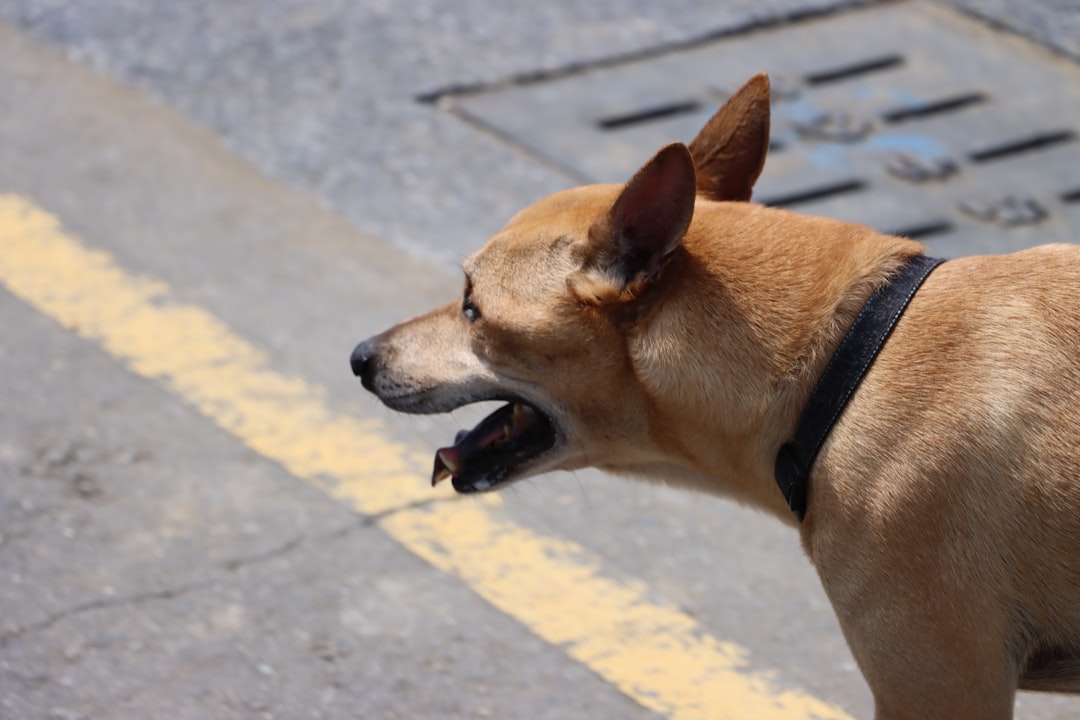
That daily barking frenzy when the mail arrives might seem like canine chaos, but it’s deeply instinctual. Dogs are natural protectors, and strangers approaching the territory trigger their guard-dog instincts—even if the “stranger” is just the same delivery person every day.
Training your dog to settle or redirect their energy can help if the barking gets too much. Remember, their noisy welcome isn’t about aggression—it’s about keeping the pack safe. A little reassurance (and maybe a treat for calm behavior) goes a long way.
Rolling in Smelly Things
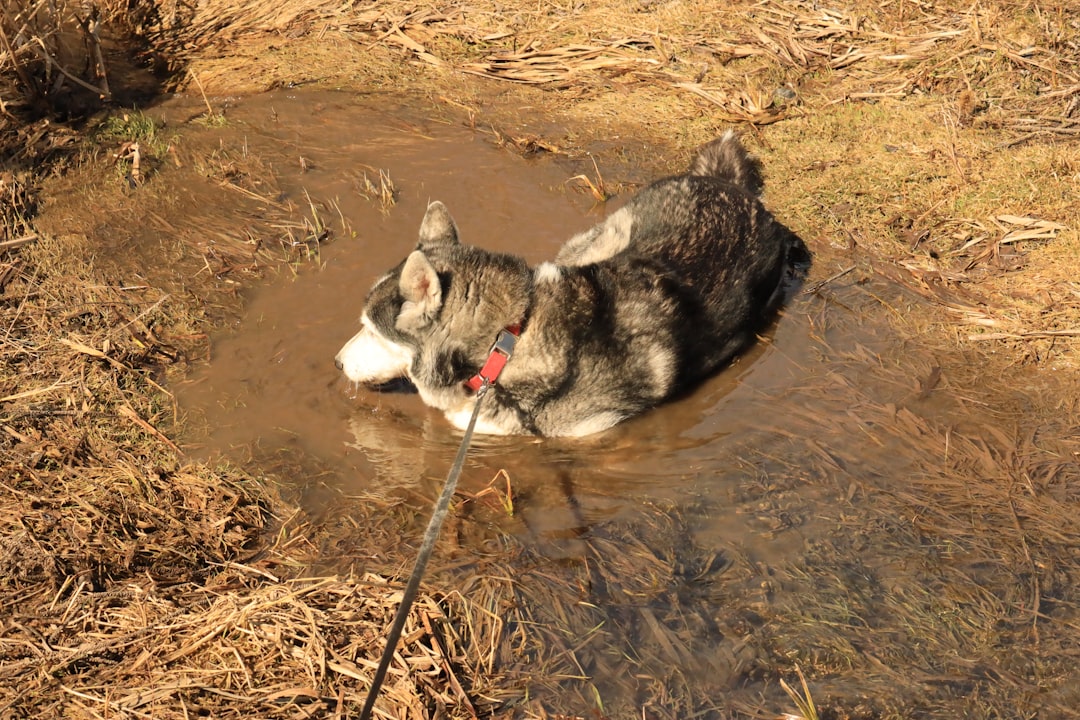
It’s one of the great canine mysteries: why do dogs love to roll in the stinkiest things they can find? This “perfume” habit is all about masking their scent. In the wild, wolves roll in strong odors to disguise themselves from prey or rivals.
If you catch your dog mid-roll, try not to scold—redirect with a favorite toy or treat. Frequent rolling could mean they need more baths or are bored. And yes, always keep some doggy shampoo handy for those surprise stench sessions!
Chasing Moving Objects
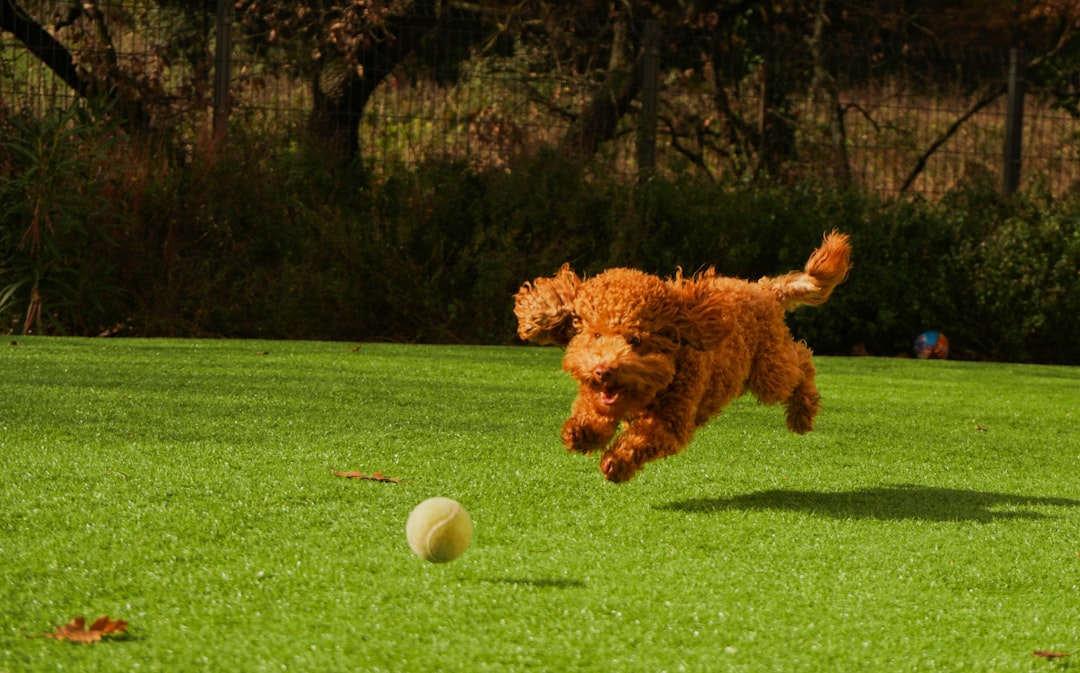
Whether it’s a squirrel, a ball, or even shadows, chasing is hardwired into your dog’s brain. This is pure prey drive—an instinct that helped their ancestors hunt and survive. For many breeds, the urge to chase is irresistible.
Channel this energy safely with games like fetch or agility training. If your dog tends to dash after cars or cyclists, practice recall and leash safety. Remember, chasing is fun for them—it’s like their version of video games.
Guarding Food or Toys
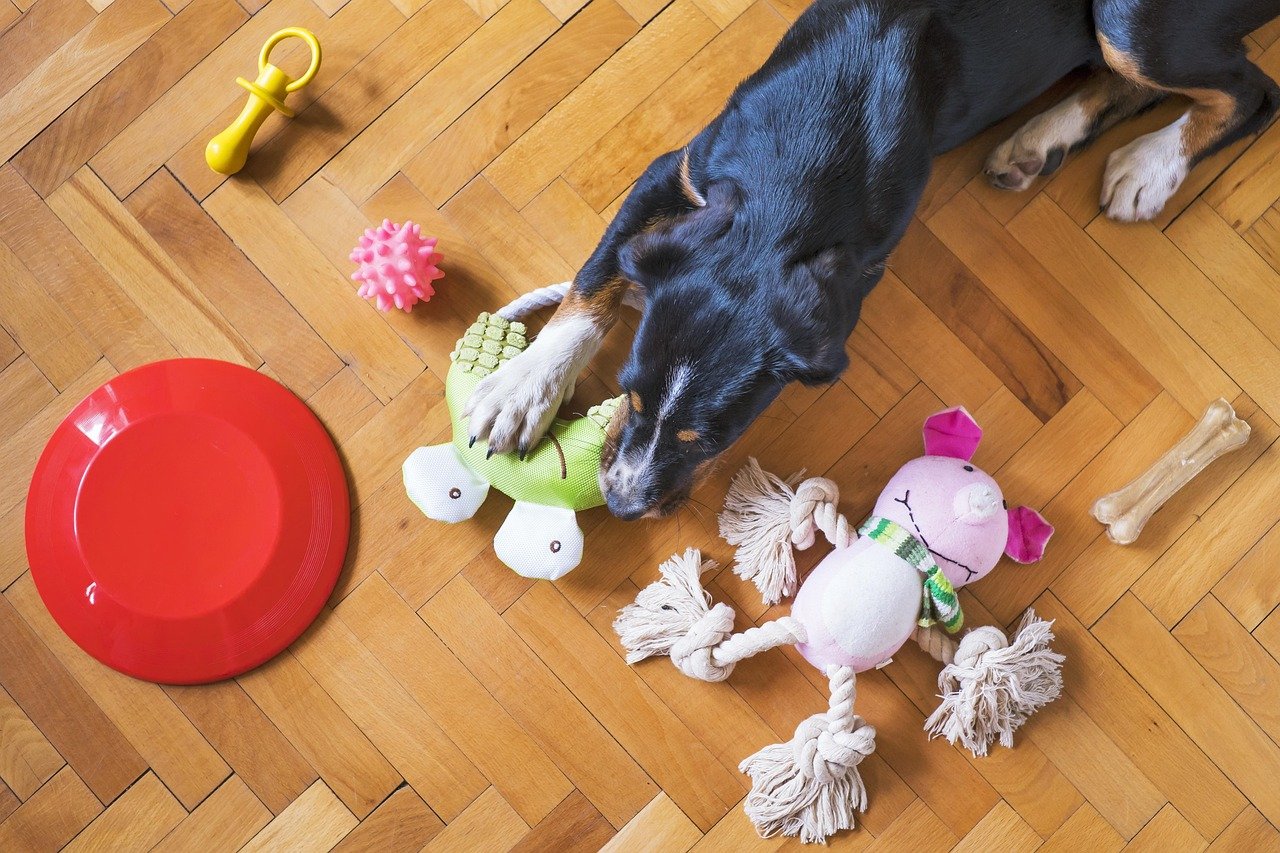
Resource guarding—growling or stiffening over food, toys, or even a favorite spot—may look like bad manners, but it’s survival instinct. In the wild, resources are precious, and dogs protect what’s theirs.
If your dog guards too fiercely, consult a trainer for help. Practice “trade-up” games by swapping treats for toys, teaching your dog that sharing pays off. With patience, you can ease their worries while respecting their ancient instincts.
Howling at Sirens or Music

When your dog throws back their head and howls with a passing siren, it’s more than just noise—it’s a call to the pack. Wolves communicate with long, melodic howls, and domestic dogs still carry that urge to “join the chorus.”
If your dog’s howling seems excessive, check for signs of distress or separation anxiety. Most of the time, though, it’s just them singing along. Sometimes, I howl back for fun—and honestly, it feels like we’re sharing a secret language.
Licking Your Face or Hands
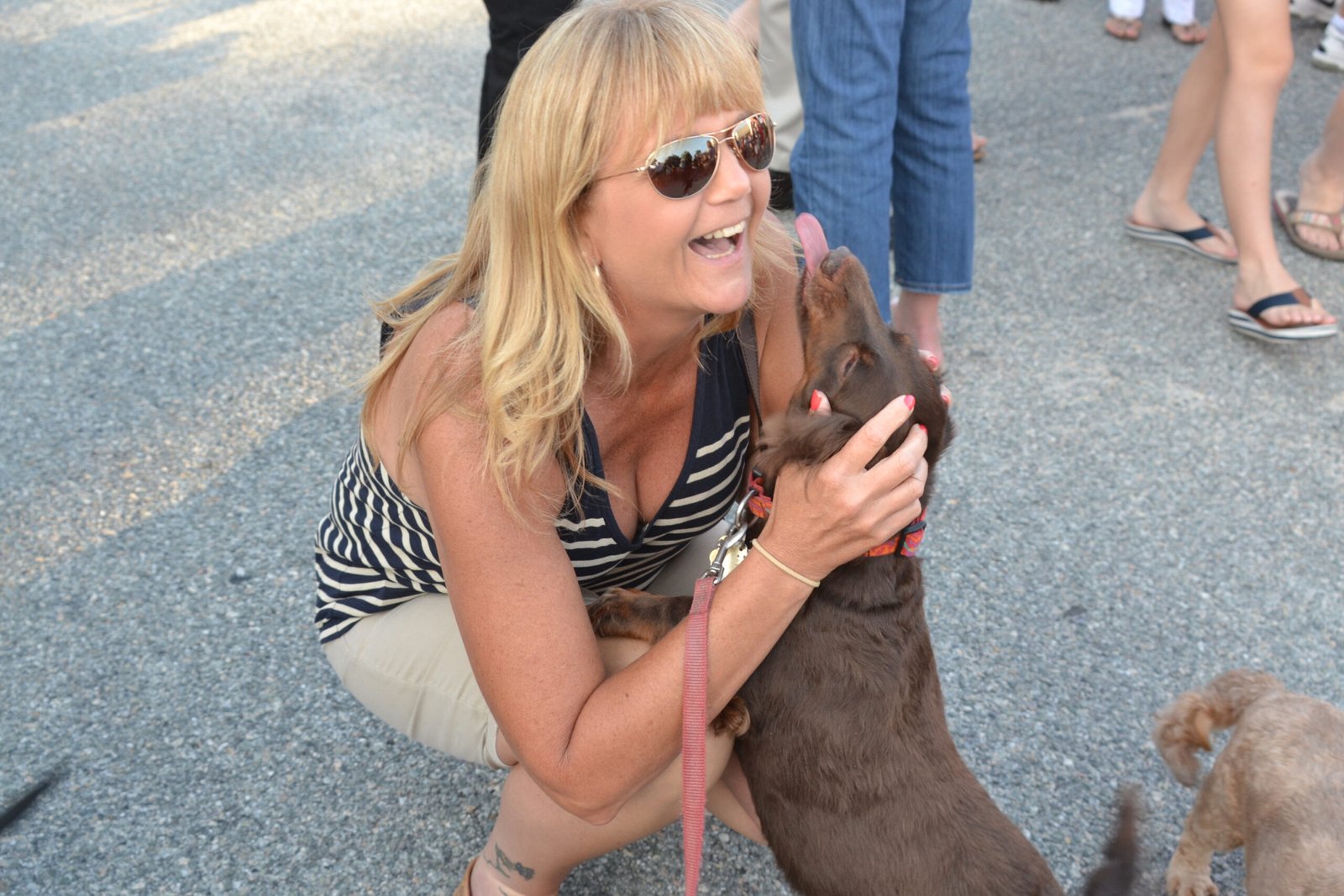
Licking isn’t just for cleaning—it’s an all-purpose tool for dogs. Puppies lick their mothers for comfort and attention, and adult dogs lick to bond, show deference, or even calm themselves down.
If licking gets out of hand, gently redirect to a toy or offer a “sit” for praise. Occasional licking is a sweet sign of affection, but sudden, obsessive licking can sometimes signal stress or allergies. Trust your gut and watch for changes.
Sleeping in Unusual Positions
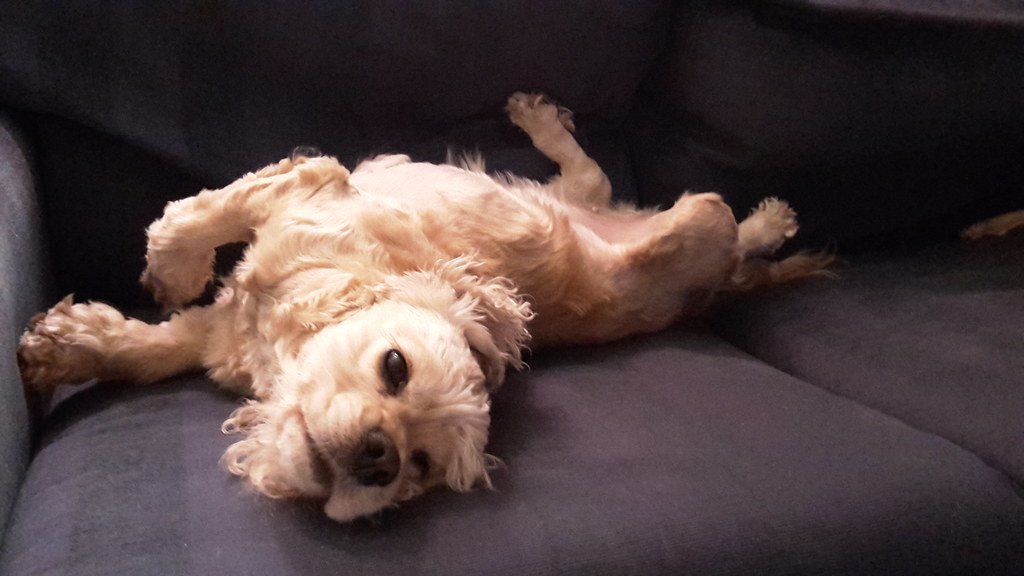
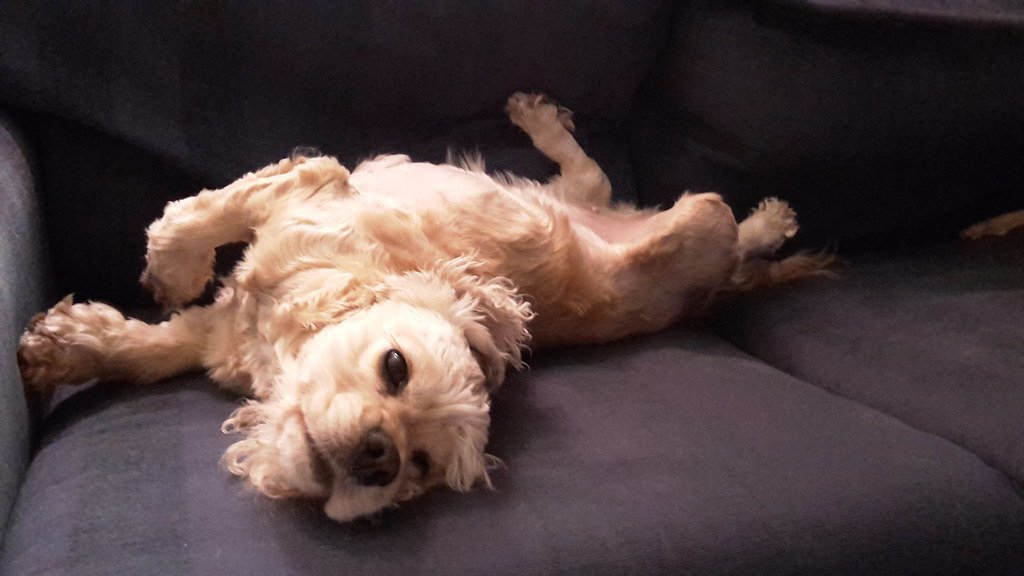
Ever found your dog belly-up, paws in the air, or curled into a tight donut? These wacky sleeping positions are more than cute—they’re rooted in security and temperature control. A dog sprawled out is relaxed and trusts their environment, while a curled-up pup is conserving warmth or feeling cautious.
If your dog’s sleep style changes suddenly, monitor for discomfort or injury. Most of the time, though, it’s just a window into their mood. I love seeing my dog snore away, legs twitching, as if chasing dream rabbits.
Eating Grass
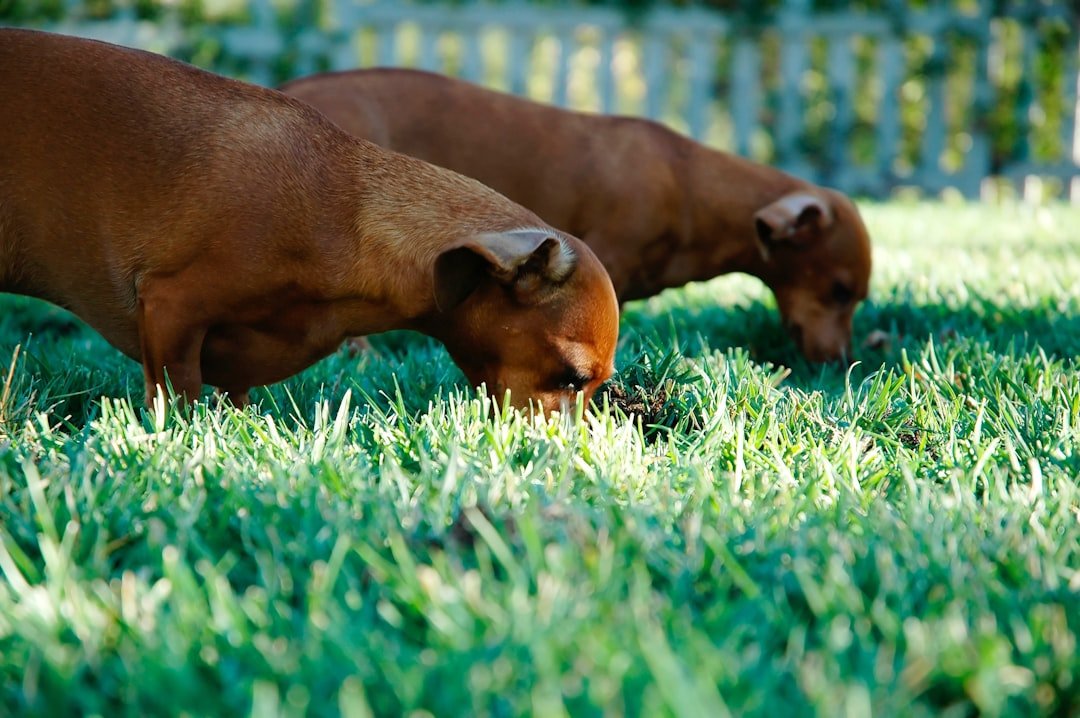
It’s an age-old question: why do dogs eat grass? While it might look odd, most experts agree it’s a leftover instinct. Wild canines eat plants for fiber, to help digestion, or sometimes to make themselves vomit if they feel unwell.
If your dog munches grass occasionally and seems healthy, there’s no need to worry. Watch out for chemicals on lawns, and see your vet if eating grass becomes frantic or is paired with vomiting. Sometimes, it’s just a crunchy snack!
Tilting Their Head When You Talk

Few things melt a dog lover’s heart like that curious head tilt. Scientists believe dogs tilt their heads to better hear or see us, especially when we use words they know. It’s a sign they’re tuned in, trying to catch every sound and read our faces.
If your dog tilts their head a lot, it’s usually adorable and harmless. Sudden, frequent tilting with signs of disorientation, though, may need a vet check. Most of the time, it just means your best friend is all ears, hanging on your every word.
Dragging Their Bottom on the Floor (Scooting)
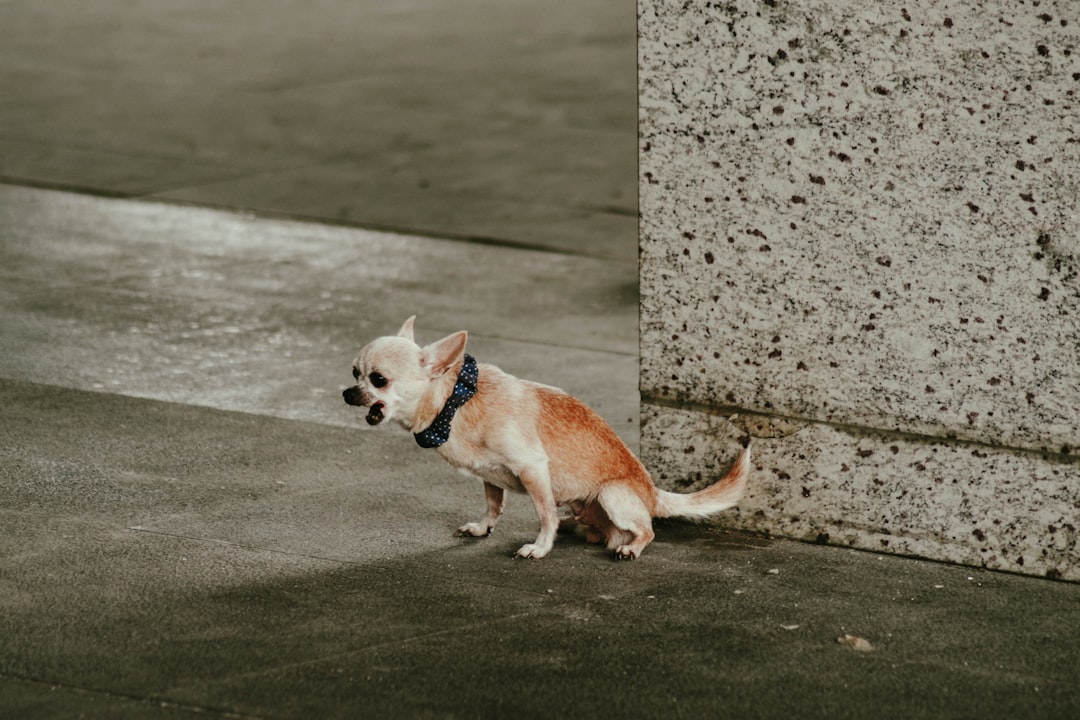
Scooting might make you laugh (or cringe), but it’s a meaningful signal. Most often, dogs drag their bottoms to relieve itching from full anal glands, worms, or allergies. It’s not random—it’s their way of saying, “Hey, something’s up back here!”
If scooting becomes frequent, check for swelling, redness, or a strange smell, and ask your vet for advice. Keeping your dog’s rear end healthy prevents discomfort and more embarrassing moments at the next family gathering.


