
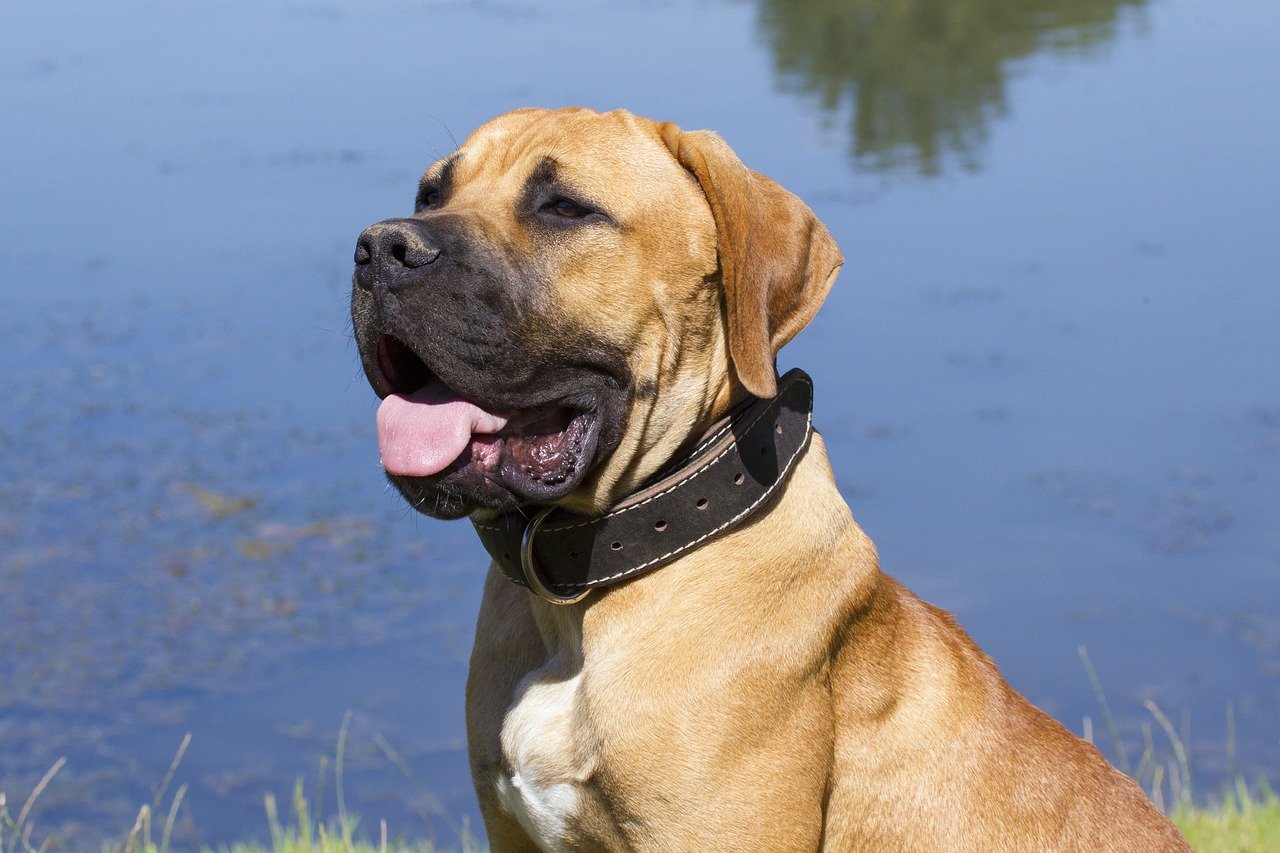

The idea of owning a large dog can be as enchanting as a fairy tale for some. These majestic creatures often embody strength, loyalty, and companionship. Yet, not every dog lover is equipped to handle the challenges that come with larger breeds. From increased space requirements to specific health concerns, large dog breeds demand a level of commitment and understanding that not every owner is prepared for. This article explores 13 large dog breeds that, while lovable, may not be suitable for every household. Whether you’re a seasoned dog owner or a first-time pet parent, understanding these breeds’ unique needs will help you make an informed decision.
Saint Bernard
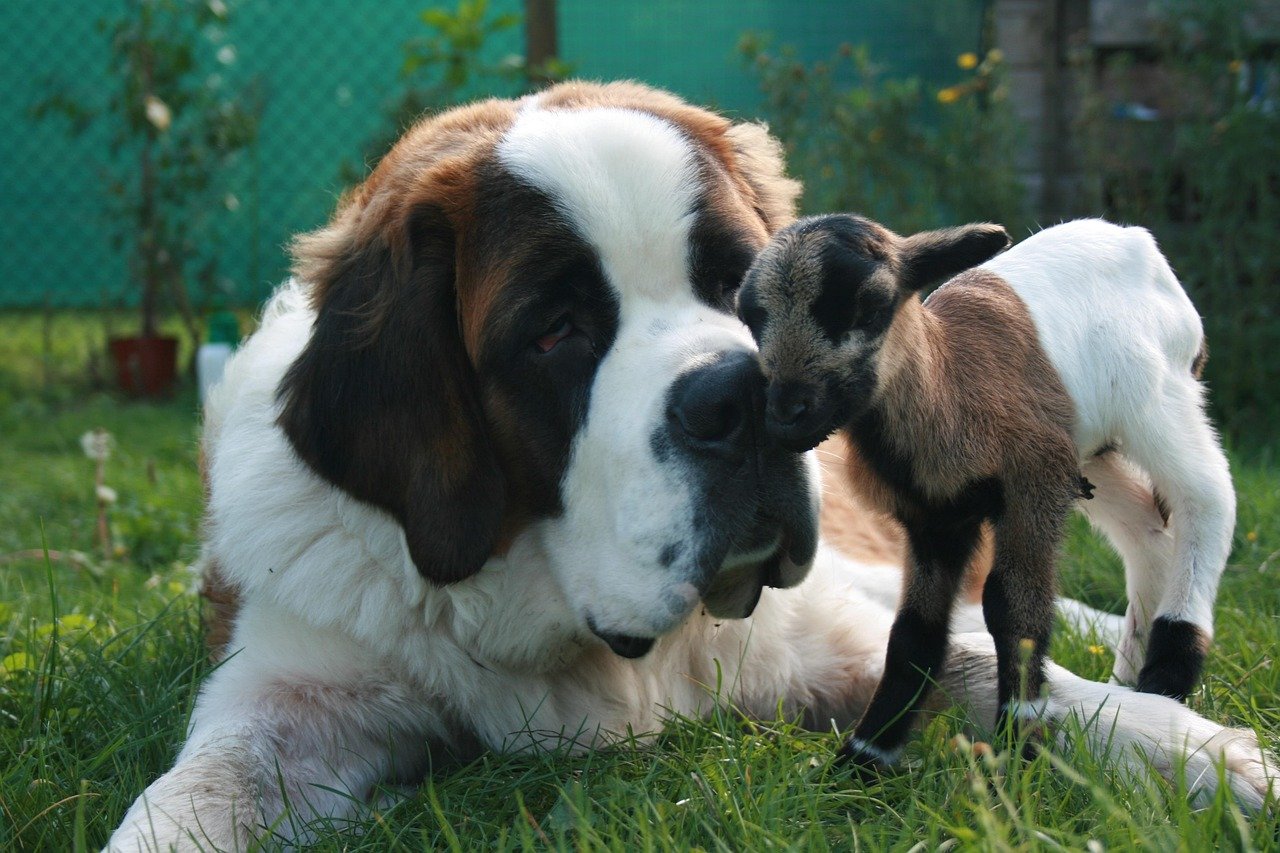
Saint Bernards are gentle giants known for their calm demeanor and affectionate nature. Despite their lovable reputation, these dogs can be a handful. Weighing anywhere from 140 to 180 pounds, they require ample space to move around comfortably. An apartment setting is rarely suitable for a Saint Bernard as they thrive in more expansive environments.
Moreover, their thick fur requires regular grooming to avoid matting and excessive shedding. Saint Bernards are also prone to health issues like hip dysplasia and heart problems, which can lead to expensive vet bills. Their drooling is legendary, meaning owners must be prepared for constant cleanup. While their sweet disposition makes them great family pets, potential owners must be prepared for the financial and physical responsibilities that come with caring for such a large breed.
Great Dane
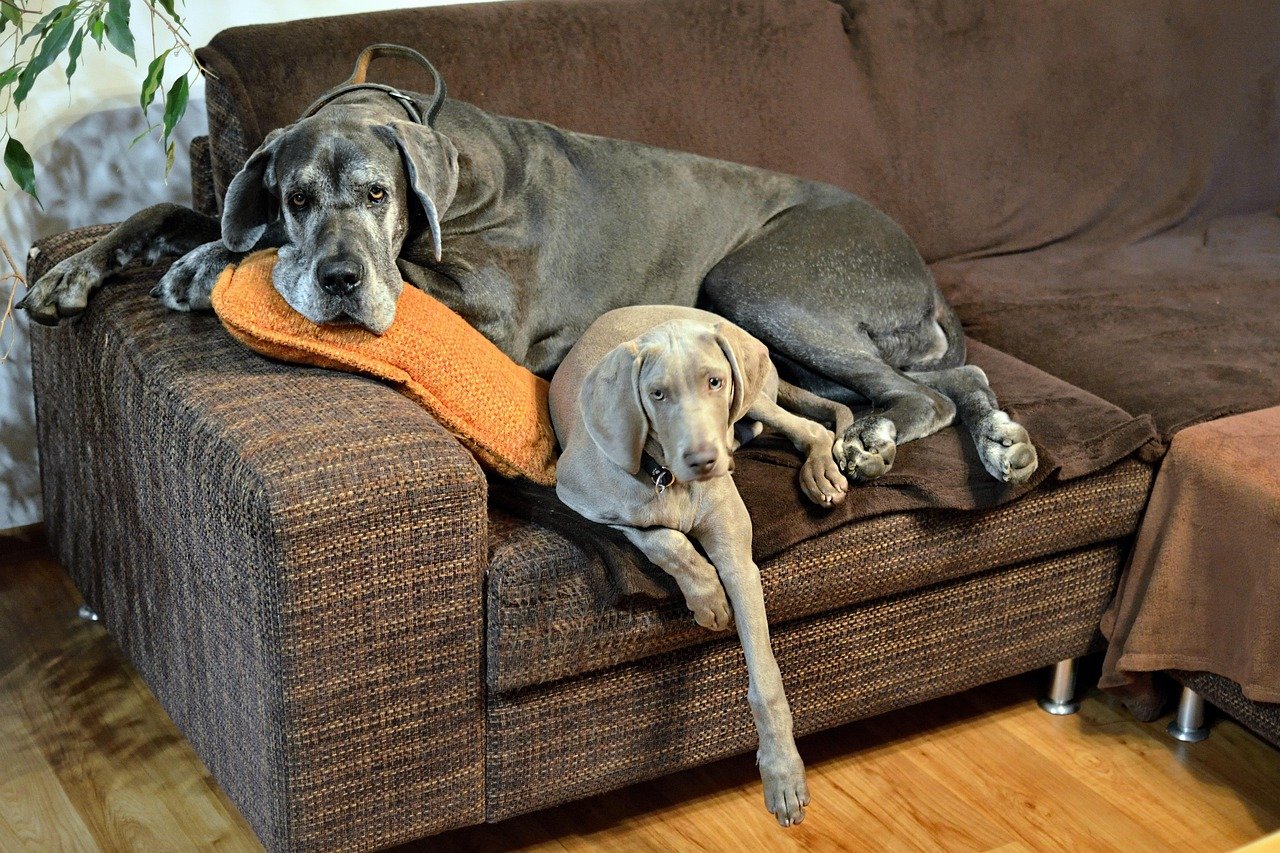
The Great Dane, often dubbed the “Apollo of Dogs,” is one of the tallest dog breeds. While their towering stature can be awe-inspiring, it also poses challenges. Great Danes require a lot of room to stretch out and move, and their size can make travel and accommodation tricky. A simple wag of their tail can clear a coffee table, so small living spaces are not ideal.
These dogs are also known for their short lifespan, often living only 7 to 10 years. They are prone to conditions like bloat, a potentially fatal stomach issue. Despite these concerns, Great Danes are affectionate and loyal, making them wonderful companions. However, their size and health considerations require a dedicated owner who can meet their specific needs.
Newfoundland
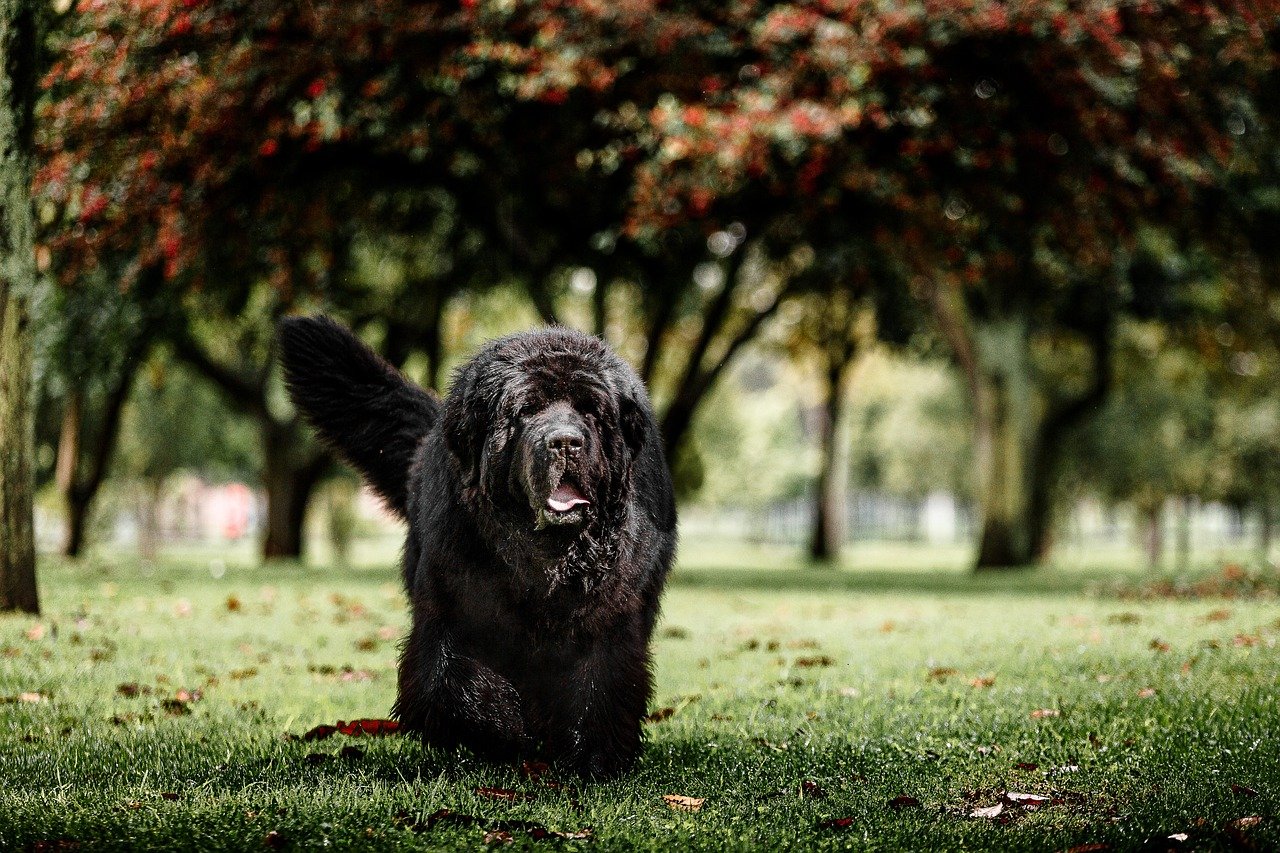
Newfoundlands are often described as “gentle giants” with a sweet disposition and a love for water. However, their size can be a significant drawback for those unprepared. Weighing up to 150 pounds, they are not suited for small homes or apartments. Their double coat requires regular grooming, and they shed heavily, especially during seasonal changes.
Additionally, Newfoundlands are prone to several health issues, including hip dysplasia and heart conditions. Their need for exercise is moderate, but they require a lot of mental stimulation to prevent boredom. While they are great with children and can be excellent family dogs, their size, grooming needs, and health concerns make them a challenging choice for the unprepared owner.
Bernese Mountain Dog
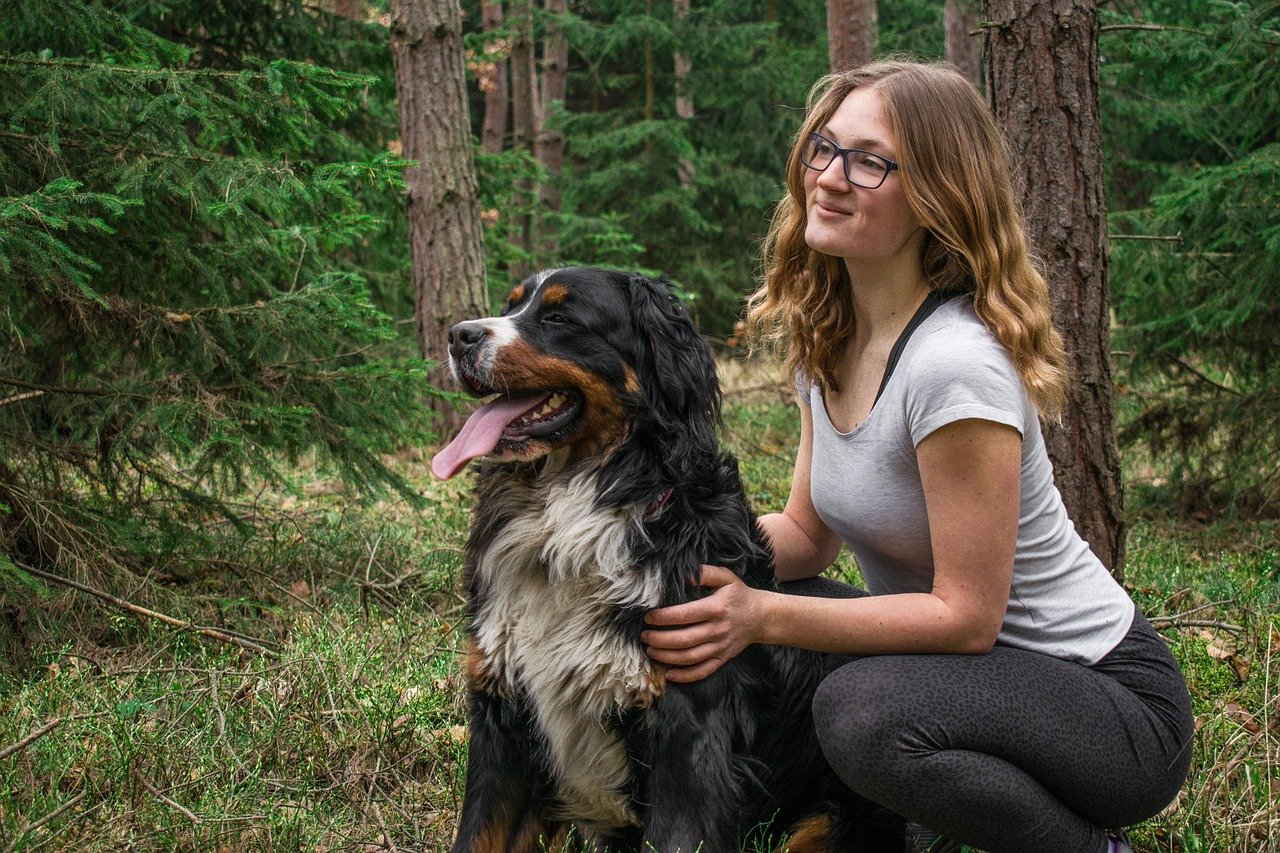
Bernese Mountain Dogs are known for their striking tricolor coats and friendly personalities. However, their large size and specific needs make them unsuitable for every owner. They thrive in cooler climates and require a significant amount of grooming due to their thick, long fur.
Moreover, Bernese Mountain Dogs are prone to various health problems, including cancer, which can lead to a short lifespan of about 7 to 10 years. They are also highly active and need considerable exercise, making them unsuitable for owners who cannot commit to regular outdoor activities. While they are affectionate and loyal, their health and exercise requirements can be daunting for those not ready for the commitment.
Irish Wolfhound
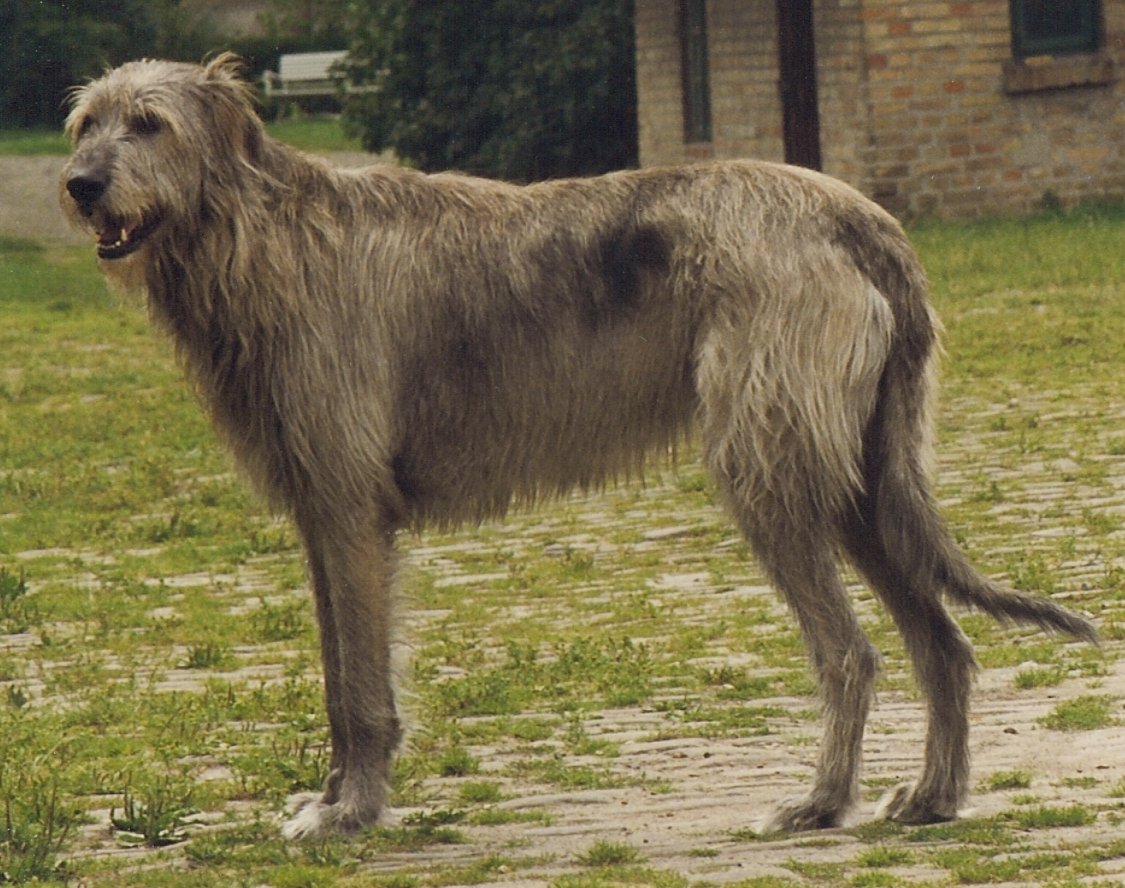
The Irish Wolfhound is a breed that combines elegance with immense size. Known for their gentle and friendly nature, they can be wonderful companions. However, their towering height and weight make them a challenging breed for many. Space is a primary concern; these dogs need room to stretch and exercise.
Their lifespan is relatively short, often around 6 to 8 years, and they are susceptible to various health issues, including heart disease and bone cancer. Additionally, their size can make travel and accommodation difficult. While they are loving and loyal, the commitment to their health and spatial needs is significant, making them unsuitable for every dog owner.
Leonberger
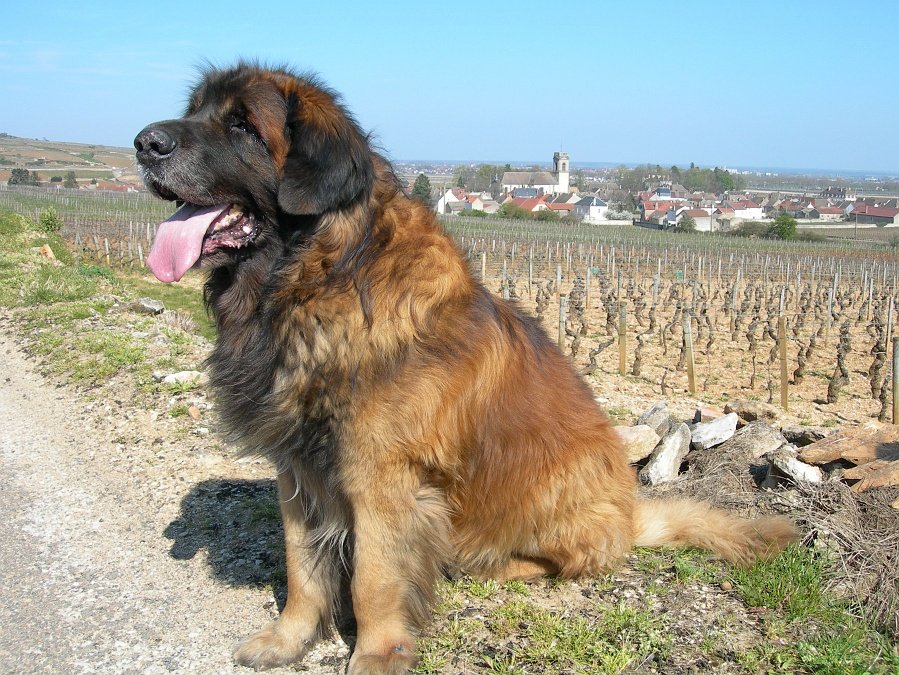
Leonbergers are majestic dogs known for their lion-like appearance and gentle temperament. Weighing between 90 and 150 pounds, they require ample space to live comfortably. Their thick double coat needs frequent grooming to prevent tangles and matting, and they shed heavily, especially during the shedding season.
Health concerns include hip dysplasia and heart issues, requiring regular vet visits. Leonbergers also need regular exercise and mental stimulation to prevent boredom. While they are affectionate and great with families, their grooming needs, health concerns, and size make them a challenging breed for the unprepared owner.
Mastiff
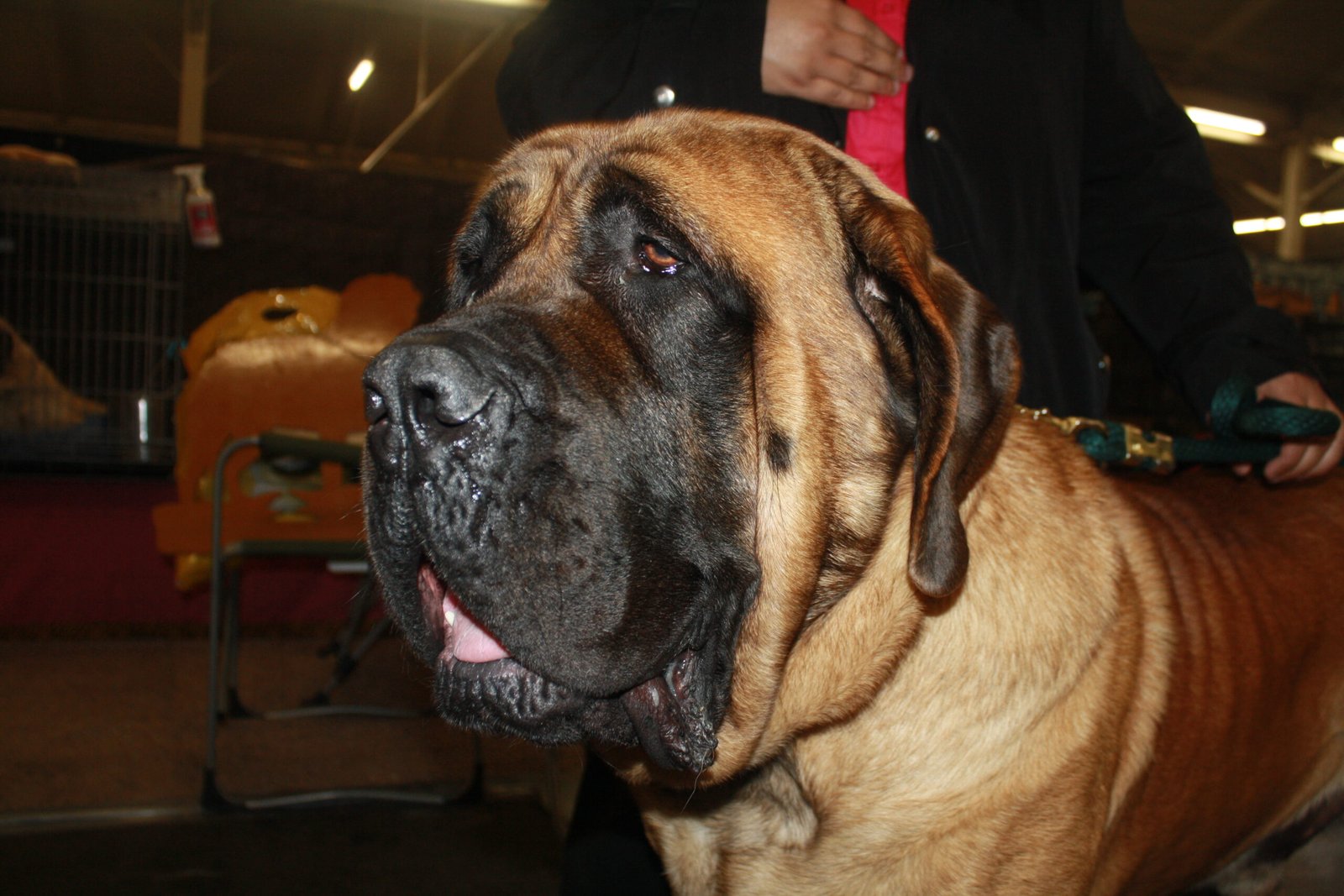
Mastiffs are known for their massive size and gentle demeanor. While they can be incredibly loyal and protective, their size poses unique challenges. Weighing up to 230 pounds, they require a lot of space to move around comfortably. Their drool is prolific, requiring constant cleanup, and their short coat, while easy to groom, sheds heavily.
Mastiffs are prone to several health issues, including joint problems and heart conditions, necessitating regular vet care. They are also less active than other breeds, requiring moderate exercise to maintain their health. While their calm and loving nature makes them excellent companions, their size and health needs can be overwhelming for some owners.
Rottweiler
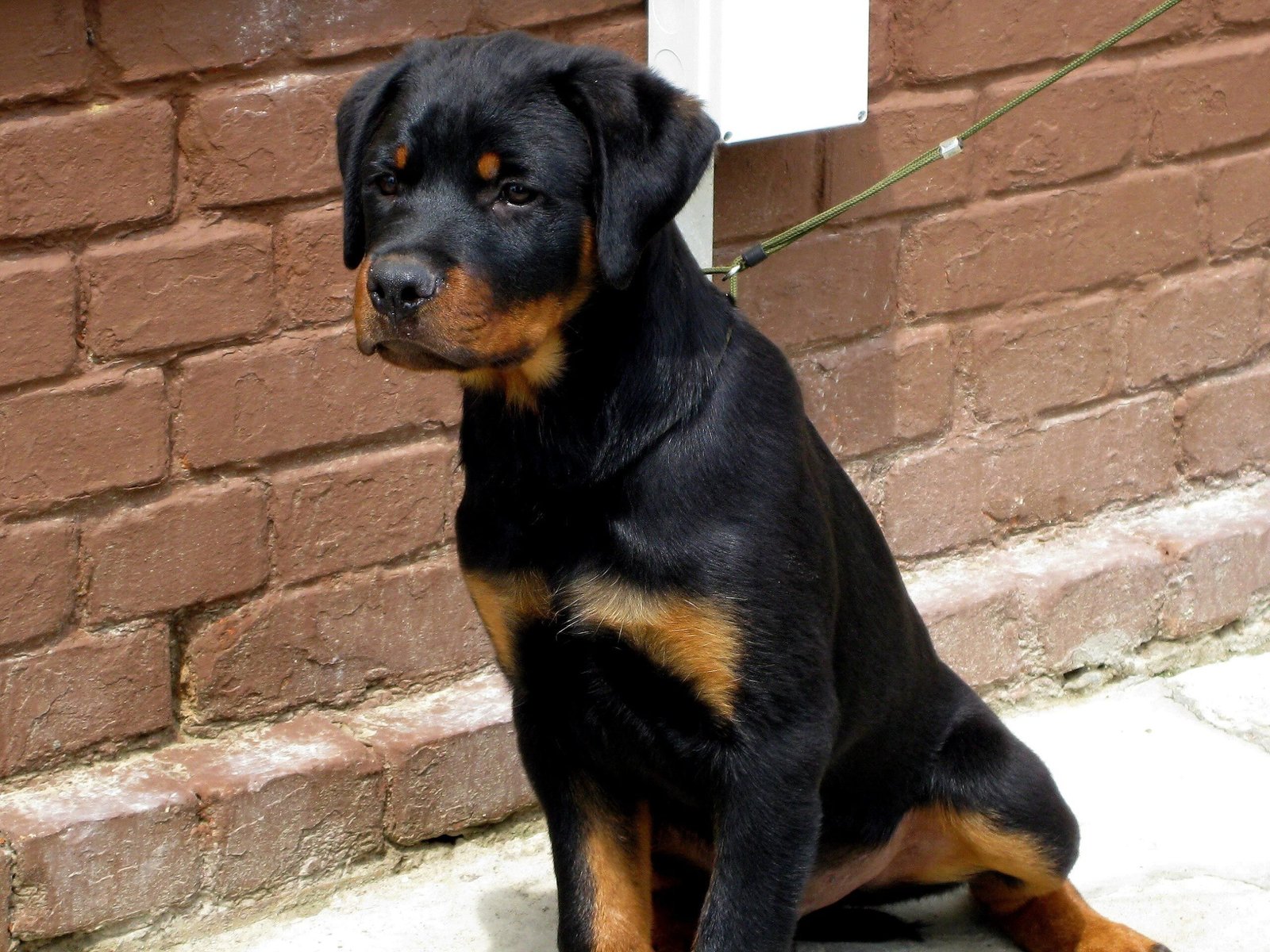
Rottweilers are powerful dogs known for their protective nature and loyalty. While they can be wonderful companions, they are not suitable for every owner. Rottweilers require consistent training and socialization from an early age to prevent aggressive behavior.
Their size and strength mean they need an owner who can handle them confidently. Rottweilers are also prone to health issues like hip dysplasia and heart problems, requiring regular veterinary care. Moreover, their high energy levels necessitate regular exercise and mental stimulation. While they are protective and loyal, their training, exercise, and health needs make them a demanding breed for many.
Great Pyrenees
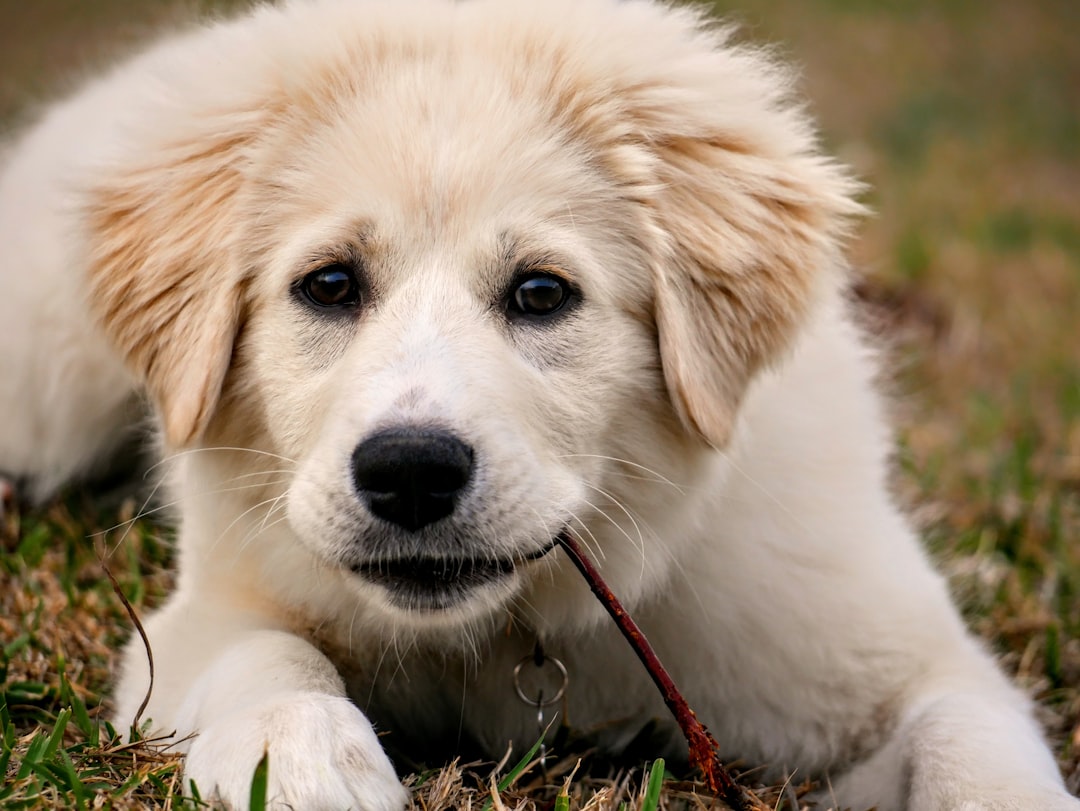
The Great Pyrenees is a majestic breed known for its calm and protective nature. However, their large size and specific needs can be daunting for some owners. Weighing between 85 and 115 pounds, they require ample space to roam and exercise. Their thick double coat needs regular grooming to prevent matting and shedding.
Health concerns include hip dysplasia and joint issues, necessitating consistent veterinary care. The Great Pyrenees also has a strong instinct to protect, which can lead to excessive barking if not properly trained. While they are affectionate and protective, their size, grooming, and health needs require a committed owner.
Alaskan Malamute
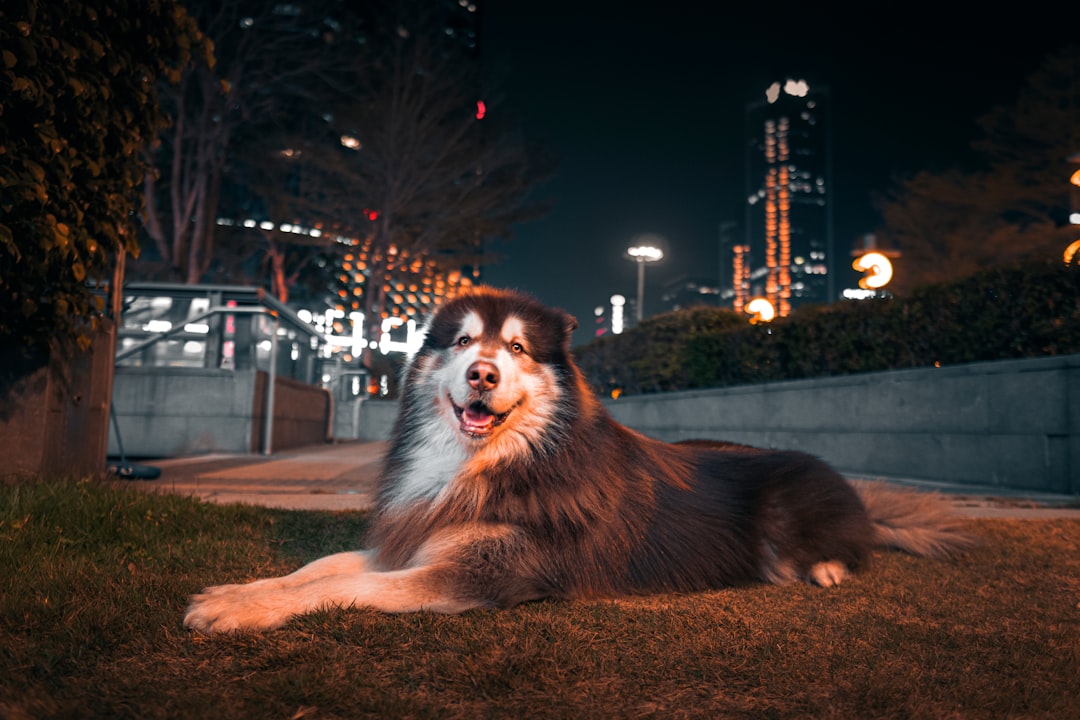
Alaskan Malamutes are powerful dogs known for their endurance and strength. While they can be loyal companions, they require an owner who understands their needs. Malamutes are highly active and require significant exercise and mental stimulation to prevent boredom.
Their thick double coat requires regular grooming, and they shed heavily, especially during seasonal changes. Health concerns include hip dysplasia and joint issues, requiring regular vet care. While they are friendly and affectionate, their exercise, grooming, and health needs can be overwhelming for some owners.
Boerboel
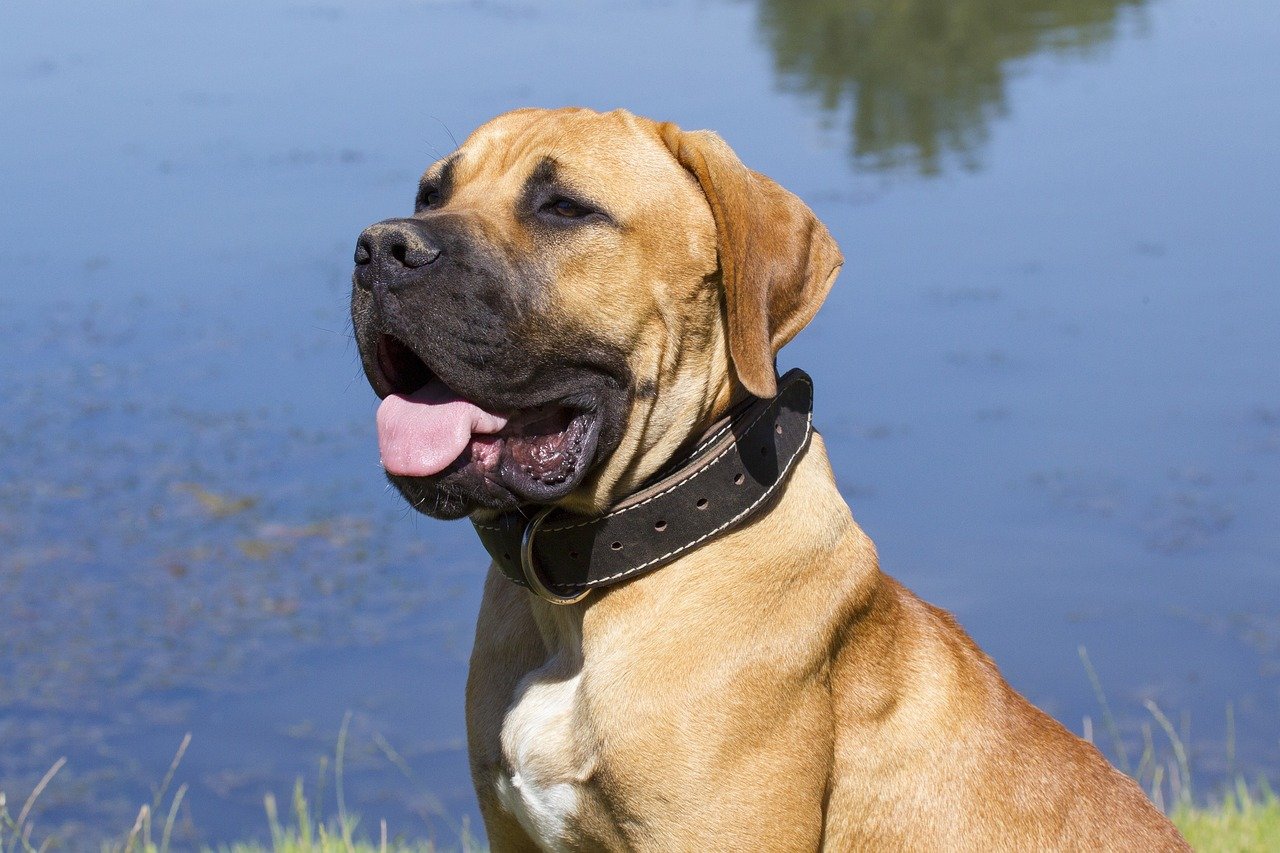
Boerboels are powerful dogs known for their protective nature and loyalty. While they can be excellent guard dogs, they require an experienced owner who can handle their strength and assertiveness. Boerboels need consistent training and socialization from an early age to prevent aggressive behavior.
Their short coat is low-maintenance, but they shed moderately. Health concerns include joint problems and heart issues, necessitating regular veterinary care. While they are protective and loyal, their training, exercise, and health needs make them a demanding breed for many.
Kuvasz
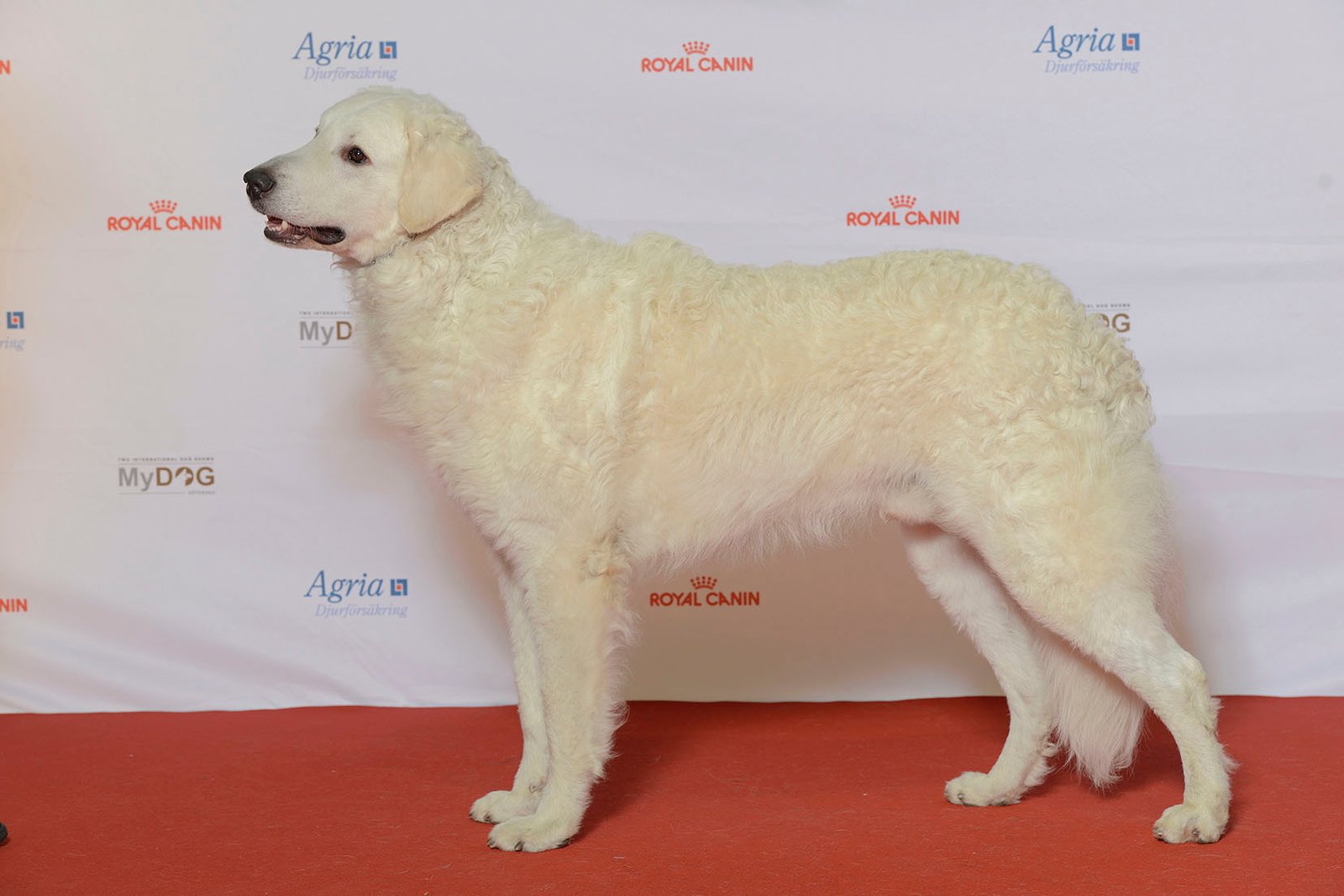
Kuvasz dogs are known for their protective instincts and independence. While they can be loyal companions, their size and temperament require an experienced owner. Kuvasz dogs need consistent training and socialization to prevent aggressive behavior.
Their thick double coat requires regular grooming to prevent matting and shedding. Health concerns include hip dysplasia and joint issues, necessitating regular vet care. While they are protective and loyal, their training, grooming, and health needs make them a challenging breed for many.
Tibetan Mastiff
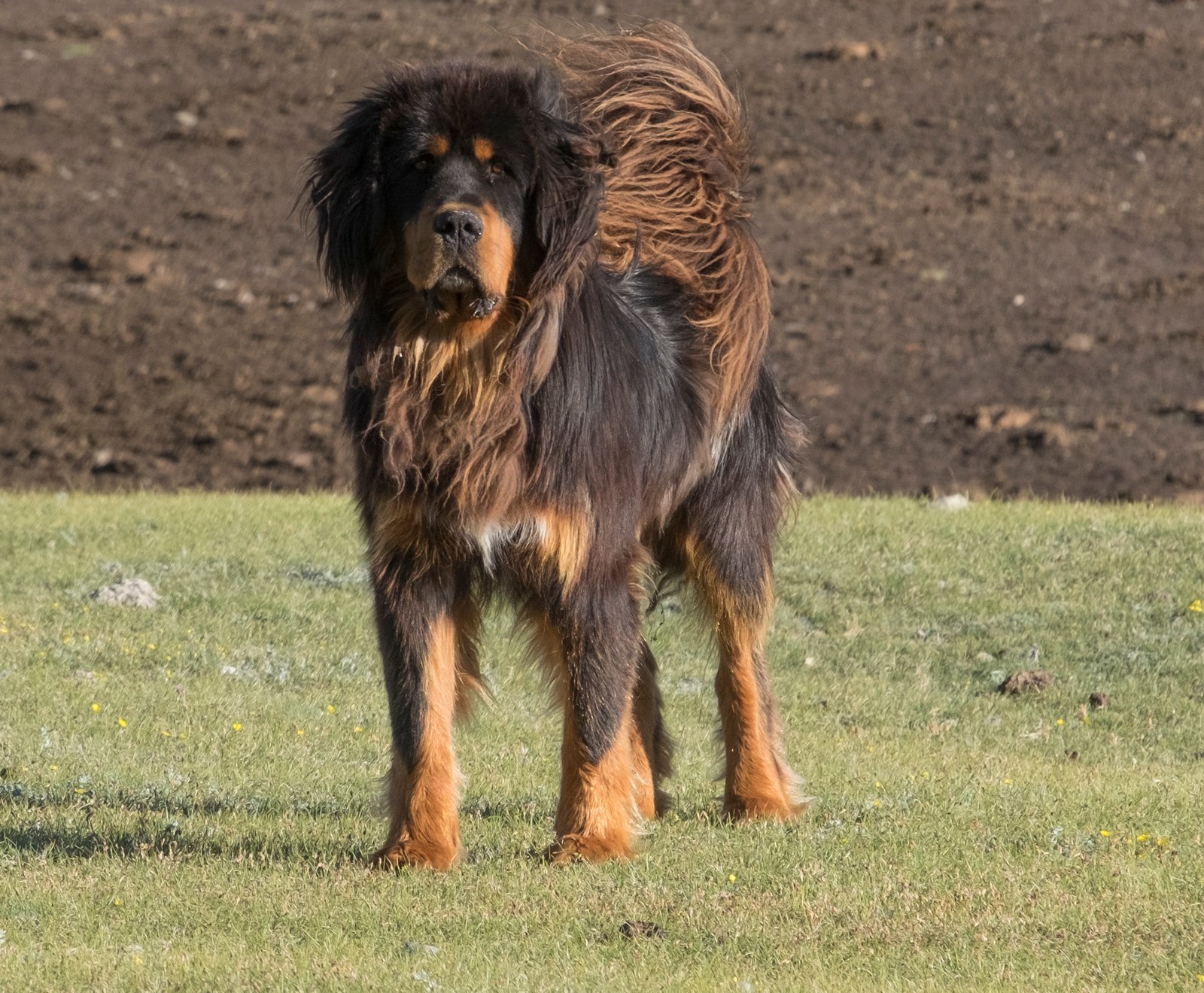
Tibetan Mastiffs are known for their impressive size and protective nature. While they can be loyal companions, they require an owner who understands their needs. Tibetan Mastiffs need consistent training and socialization to prevent aggressive behavior.
Their thick double coat requires regular grooming, and they shed heavily, especially during seasonal changes. Health concerns include hip dysplasia and joint issues, requiring regular vet care. While they are protective and loyal, their training, grooming, and health needs can be overwhelming for some owners.
In summary, while large dog breeds can be incredibly rewarding to own, they come with specific challenges that not every pet owner is prepared to handle. From health issues to spatial requirements, these dogs demand a level of commitment that goes beyond the average. Understanding these needs can help ensure that both the dog and the owner live happy, fulfilling lives together.
Linnea is a born and bred Swede but spends as much time as possible in Cape Town, South Africa. This is mainly due to Cape Town’s extraordinary scenery, wildlife, and atmosphere (in other words, because Cape Town is heaven on earth.) That being said, Sweden’s majestic forests forever hold a special place in her heart. Linnea spends as much time as she can close to the ocean collecting sea shells or in the park admiring puppies.


