
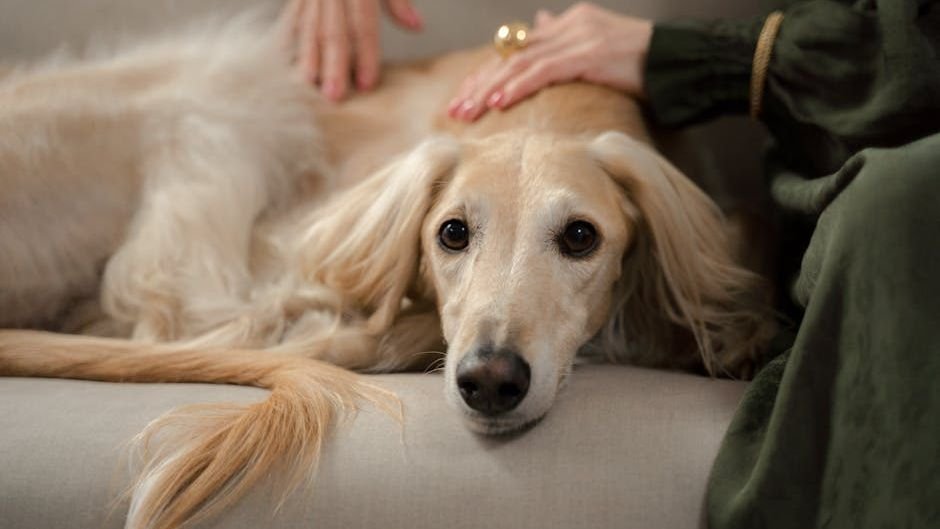
You think you’re just making coffee. Maybe scrolling your phone, or grabbing your keys on your way out the door. Nothing special, right? Well, your dog disagrees. Completely.
Here’s something that stopped me in my tracks when I first learned it: your dog isn’t just watching you out of adoration or boredom. They are actively, methodically, almost scientifically collecting data on you every single day. Your habits, your moods, your routines, your micro-expressions. All of it. Think of your dog as the world’s most devoted researcher, and you are the subject of their life’s work.
The science behind this is genuinely fascinating and, honestly, a little humbling. Over the long history of their domestication, dogs have evolved special skills to read and react appropriately to human behavior. They didn’t get those skills by accident. They earned them, one carefully observed moment at a time. So let’s explore the 13 moments your dog is quietly, brilliantly studying you, and what it all really means for your relationship. Let’s dive in.
1. When You Reach for Your Keys
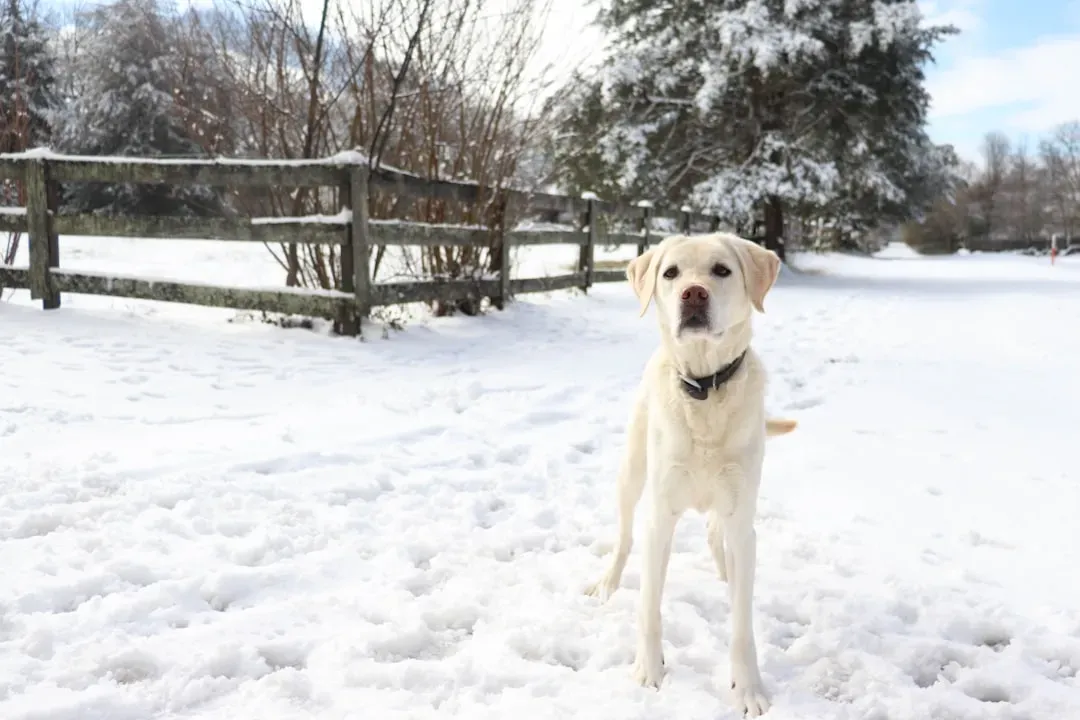
This one is almost comically precise. Before you’ve even said a word, your dog knows you’re leaving. Not because they’re psychic, but because they’ve memorized the exact sequence of your departure ritual down to the smallest detail.
Whether it’s the jingle of keys, the sound of footsteps, or the sight of a leash being picked up, dogs pick up on these signals and eagerly gather by the door, ready to jump in for their daily adventure. That same ability to decode your pre-departure cues can also trigger anxiety in some dogs, so it’s worth occasionally picking up your keys without leaving, just to gently desensitize them to the trigger.
2. When You First Wake Up in the Morning
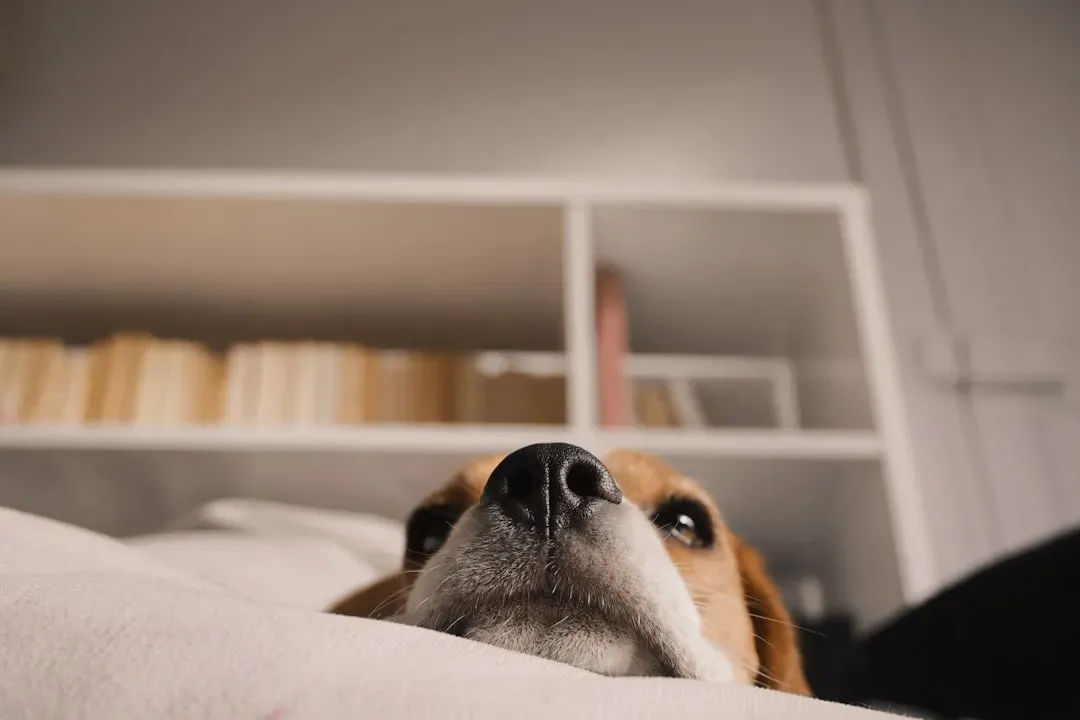
Your dog is already watching you before your alarm goes off. I know it sounds creepy, but it’s actually kind of sweet. Unlike humans, dogs don’t tell time by the clock. They observe daily cues like daylight changes, your body language, and household activity patterns to anticipate what’s coming next.
Dogs thrive on operant conditioning, so if their owners consistently wake up early, dogs will follow suit, anticipating the day’s activities. Additionally, dogs associate waking up early with engaging in enjoyable activities like morning walks or playtime. So if your mornings are rushed and chaotic, your dog feels it. A calmer morning ritual is one of the kindest gifts you can give them.
3. When You’re Reading Your Dog’s Face

Here’s a moment that surprises most people. While you think you’re watching your dog, your dog is also watching your face right back, and they’re frankly better at this game than you are. Dogs can recognize six basic emotions including anger, fear, happiness, sadness, surprise, and disgust and process these in similar ways as humans, with changes to heart rate and gaze.
Dogs look much longer at a face when the expression matches the tone of the voice, a measure that’s also been used to assess various cognitive abilities of other mammals. In other words, your dog cross-references your face with your voice simultaneously, like a living lie detector. It’s hard to say for sure, but I think many dogs can tell when we’re pretending to be fine when we’re clearly not.
4. When You’re Stressed Without Saying a Word
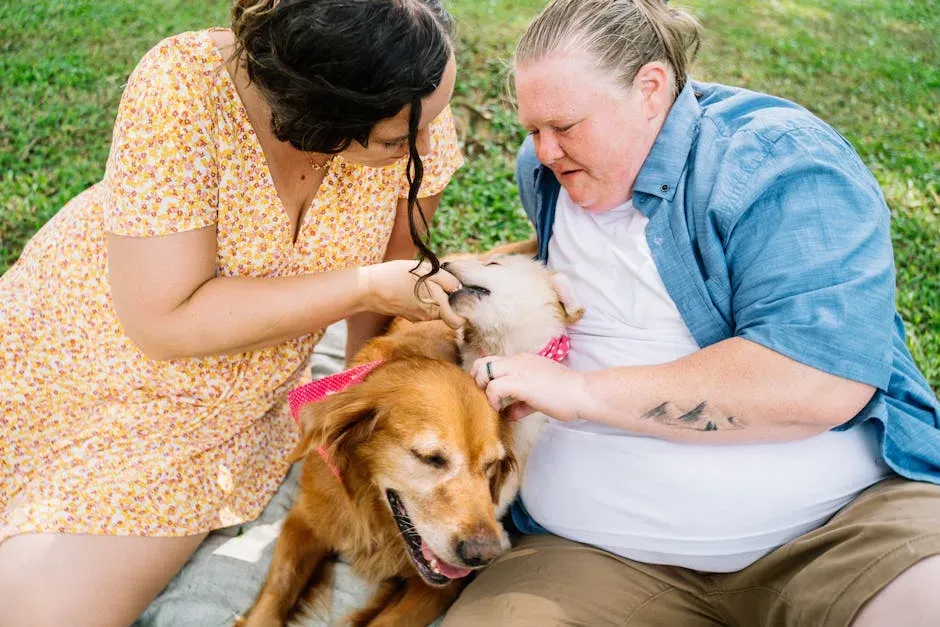
You don’t need to announce that you’ve had a terrible day. Your dog already knows. The slightest increase in blood pressure alerts them when our stress level is rising, while a quick glance at our facial expression lets them know whether we are happy or angry. That’s an extraordinary level of biological surveillance, when you think about it.
One study showed that dogs had higher cortisol levels when their owners were stressed, suggesting that dog’s stress levels mirror their owner’s. This means your anxiety isn’t just your problem. It genuinely becomes your dog’s problem too. Taking a few deep breaths before interacting with your dog after a hard day isn’t just good for you. It’s good medicine for them.
5. When You’re Getting Ready for a Walk
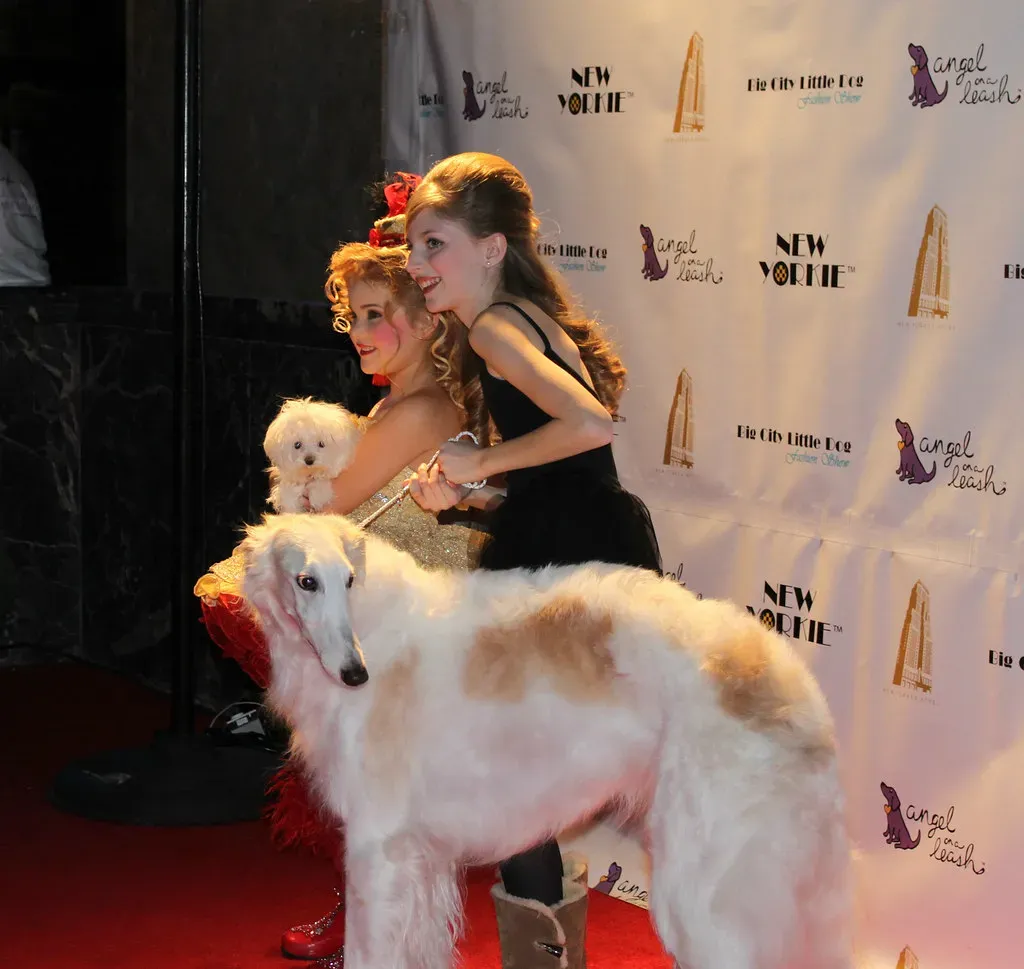
The moment you lace up those particular shoes or reach for the leash hook, your dog transforms into a four-legged firework. This isn’t random excitement. It’s recognition. Dogs are incredibly perceptive to human emotions, and they respond to your energy more than your words. They’ve catalogued every pre-walk cue you’ve ever performed.
As creatures of habit, dogs quickly learn to anticipate the start of their morning walk based on the actions of their owners. Whether it’s the jingle of keys, the sound of footsteps, or the sight of a leash being picked up, dogs pick up on these signals and eagerly gather by the door, ready to jump in for their daily adventure. This learned behavior highlights their ability to synchronize their actions with their owners, creating a sense of shared excitement and anticipation.
6. When You Sit Down to Eat

Let’s be real. Every dog owner knows this stare. The one from across the room, those big liquid eyes drilling straight into your soul while you eat. But there’s more going on than pure begging. Over time, your dog learns to associate mealtime with the opportunity for a reward, and this learned behavior is not merely a result of hunger. It also showcases their cognitive skill to pick up on small, subtle cues and adapt their actions to maximize rewards.
Research has brought forward that dogs’ keen sense of smell plays a significant role in their behavior around mealtime. They can smell the aroma of food from a distance and may be drawn to the dining area in anticipation of a potential treat. The practical tip here? Avoid feeding your dog scraps from the table, because once you do it once, your dog’s internal research notes are permanently updated.
7. When You’re Having a Conversation With Someone Else
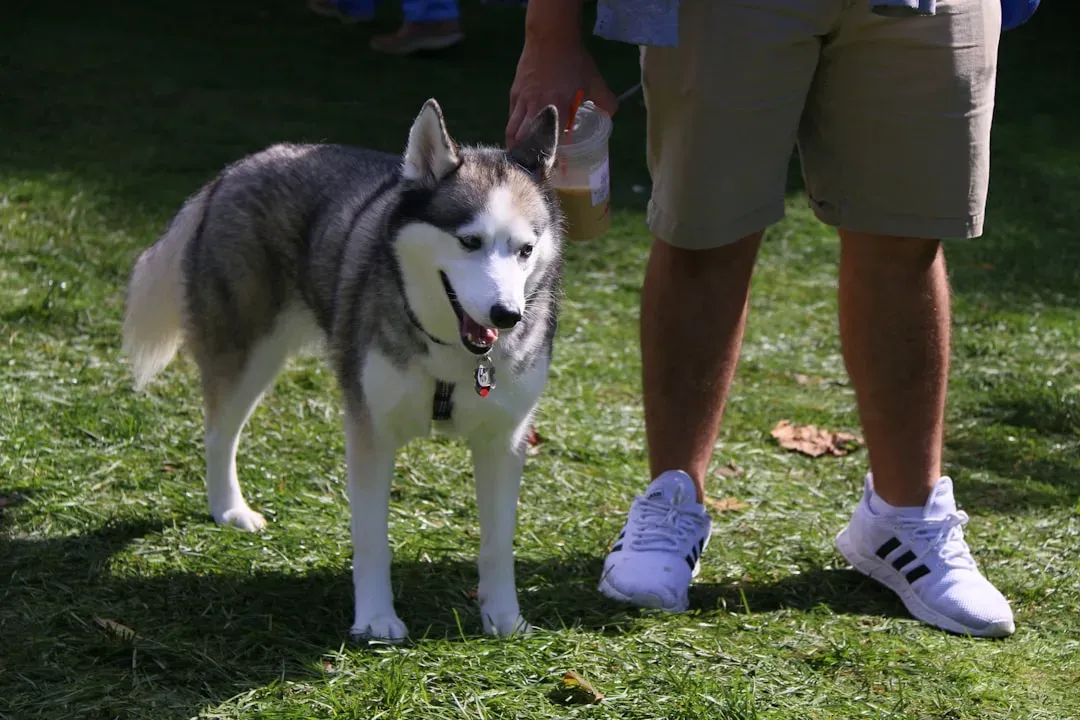
This one is subtle and genuinely remarkable. Your dog isn’t just lounging while you chat with a friend or partner. They’re listening and watching both of you, picking up on the social dynamics of the room. Research has identified a remarkable range of human-like social behaviors in the domestic dog, including their ability to respond to human body language, verbal commands, and to attentional states.
You may have noticed that your dog has a bit of a “sixth sense” for people you dislike. Dogs can easily pick up on our emotions, from happy and excited to scared and upset. If we get excited every time someone in particular comes over, our pets will soon pick up this same habit of being excited for this new company. The same works in reverse, so if you tense up around a certain person, your dog files that away too.
8. When You’re Trying to Sneak Something Past Them
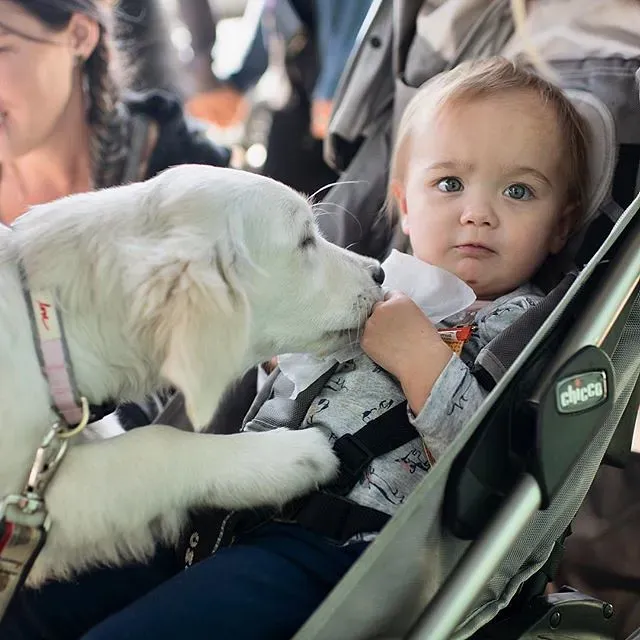
Think you can quietly get a treat from a bag without your dog noticing? Think again. Dogs register a human’s attentive state when they decide whether to steal food, to beg for food, or to obey commands. They are paying attention to whether you are paying attention, which is a level of social intelligence that honestly rivals a toddler’s.
A previous study indicated that dogs stole more food when they were hidden from a human’s view by a large barrier compared to a small one or when the barrier featured a small window. Translation? Your dog is strategically using your blind spots. They aren’t just opportunists. They’re calculated opportunists. And that’s equal parts hilarious and impressive.
9. When You’re Sad or Crying
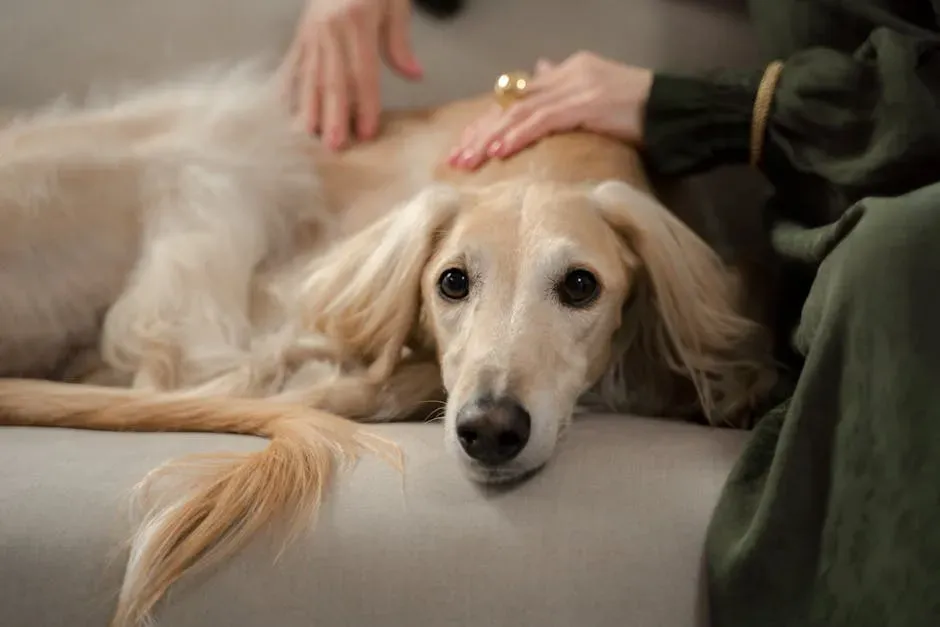
Of all the moments on this list, this might be the most emotionally powerful. When you cry, something shifts in your dog. They don’t just notice. They respond with what can only be described as compassion. Your emotional state may be contagious to your dog. If you are sad, they are affected by it and come close to nuzzle you. Your dog is comforting you while seeking comfort themselves.
Dogs may instinctively offer comfort and support when they see their humans experiencing distress or sadness. This can manifest in various ways, such as cuddling up beside their owner, licking away tears, or simply providing a reassuring presence. If your dog presses against you when you cry, that’s not a coincidence. That’s thousands of years of emotional attunement in action.
10. When You Change Your Daily Routine

Miss a walk. Come home an hour late. Skip the usual afternoon cuddle session. Your dog notices every deviation, and their behavior will tell you so. When cues follow a consistent pattern, your dog learns to expect what happens when, which provides emotional stability and reduces reactivity. Disrupt that pattern, and you disrupt their sense of safety.
Your daily habits create patterns that either calm or stress your dog. Inconsistent feeding times, chaotic mornings, unpredictable schedules, and emotional reactions all teach your dog how to behave in your home. Think of your routine like a contract with your dog. They’ve read every clause. Stick to it as much as possible, especially during stressful seasons of life.
11. When You Make Eye Contact With Them

That moment when you look into your dog’s eyes and they look right back, holding your gaze with what feels like pure, unfiltered love? That’s not just a cute moment. That’s biochemistry. Making eye contact with your dog can stimulate the release of oxytocin, the love hormone. For both of you, simultaneously.
A study of the morphological differences between wolf and dog eye muscles demonstrated that dogs, unlike wolves, can use their eyes to communicate social messages that trigger increased oxytocin concentrations in humans. Wolves, by the way, cannot do this. Dogs evolved this ability specifically because of us, as a bridge between species. Honestly, that’s one of the most beautiful things I’ve ever learned about dogs.
12. When You’re Unwell or Physically Off
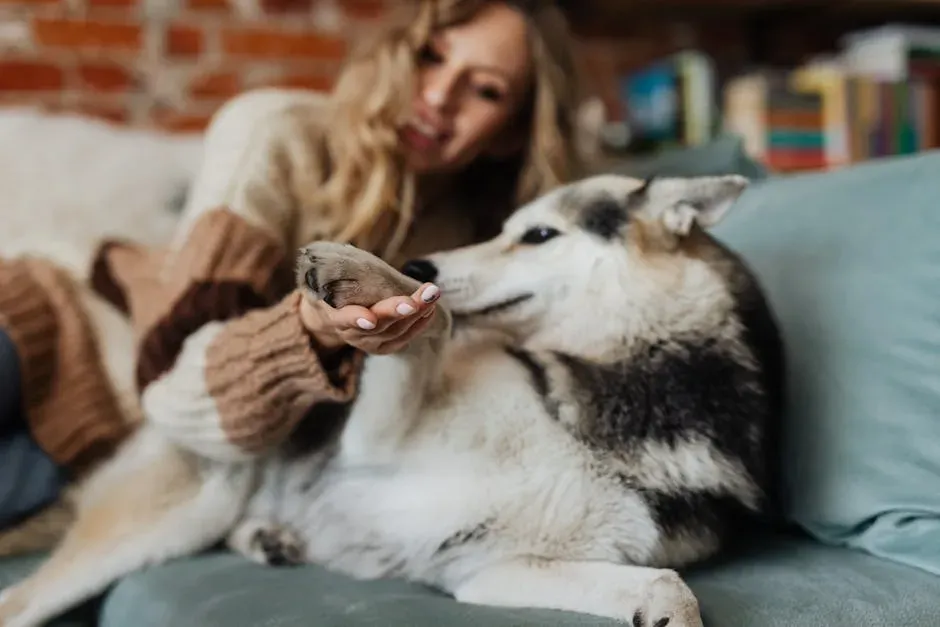
Dogs have a truly extraordinary nose, and it works in ways that border on the supernatural. Dogs can smell changes in blood sugar levels, hormones, and brain chemicals. This means that when your body is out of balance, your dog is often the first to know, long before you do.
With those incredible smelling skills, it makes sense that so many dogs are trained as service animals or emotional support pets to sniff out any signs of concern and pick up on moments when their owner may need some extra support, affection, or assistance. If your dog has been sniffing you persistently or sticking unusually close to you, take it seriously. Their nose may be picking up on something worth checking with a doctor.
13. When You’re Watching Them Without Knowing They’re Watching You
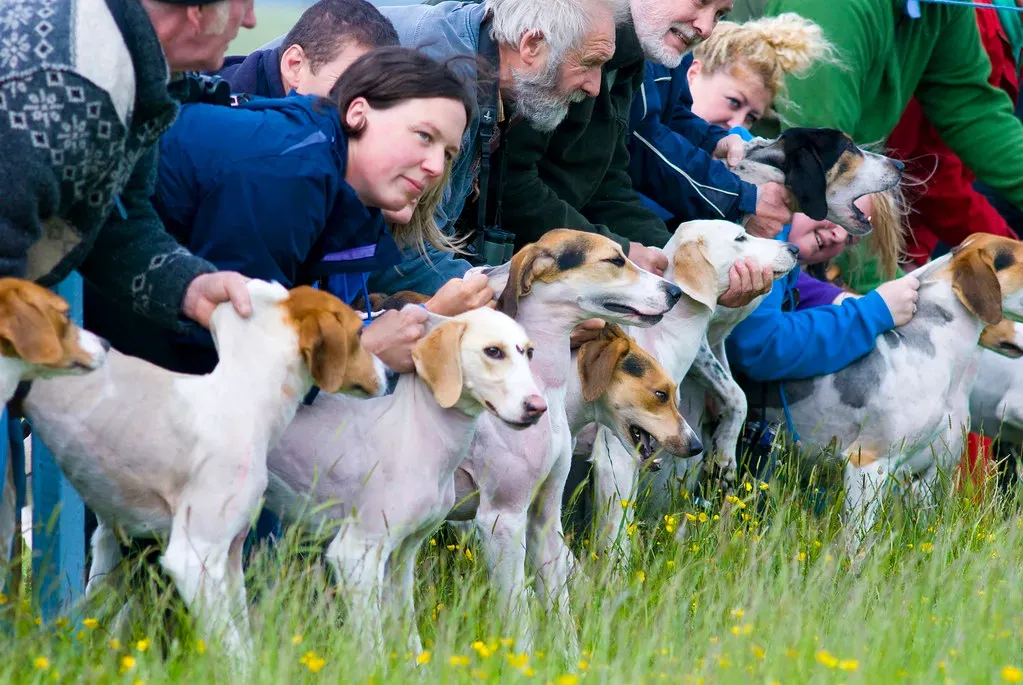
This is my personal favourite. You think you’re the observer. You’re not. You never were. There is a lot of evidence to show that dogs watch the deliberate or casual actions of human beings or other dogs and use the information that they gather from these observations to guide their own behaviors. Every quiet moment you exist in the same room, your dog is taking mental notes.
Dogs are very observant and will witness and take in more visual and auditory stimuli than their humans may notice. Because of their vigilant nature, they are likely to pick up some habits they are witnessing regularly from their human. So the relationship is deeply mutual. While you’ve been trying to understand your dog, your dog has been building a comprehensive portrait of you, one careful glance at a time.
Conclusion: You Are More Than You Think You Are to Your Dog
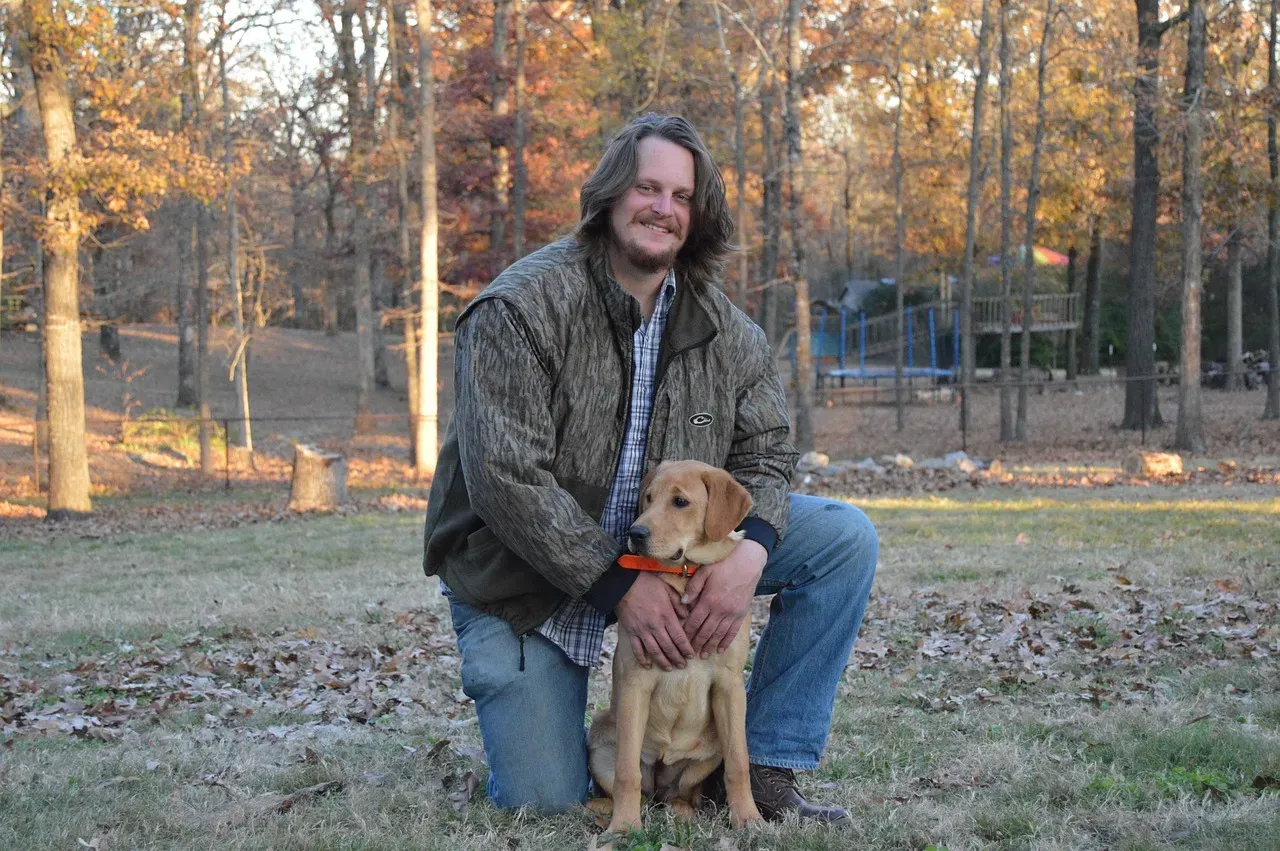
When you put all 13 of these moments together, something beautiful emerges. Your dog isn’t just a loving companion who happens to live in your home. They are an active, attentive, emotionally intelligent being who has made you their life’s study. The companionship of dogs has added meaning to human lives for thousands of years. Amid declining birth rates and a weakening of traditional support systems, that bond may now be more important than ever.
Understanding that your dog is always watching, always learning, always feeling what you feel should change the way you show up for them. Keep your routines steady. Manage your stress. Make eye contact often. And remember that the small, ordinary moments you barely notice? Your dog is living for them.
You are your dog’s whole world, their greatest teacher, and their most fascinating subject. The question worth sitting with is simply this: what kind of world are you giving them to study? Share your thoughts in the comments. We’d love to hear about the moments your dog caught you off guard.


