
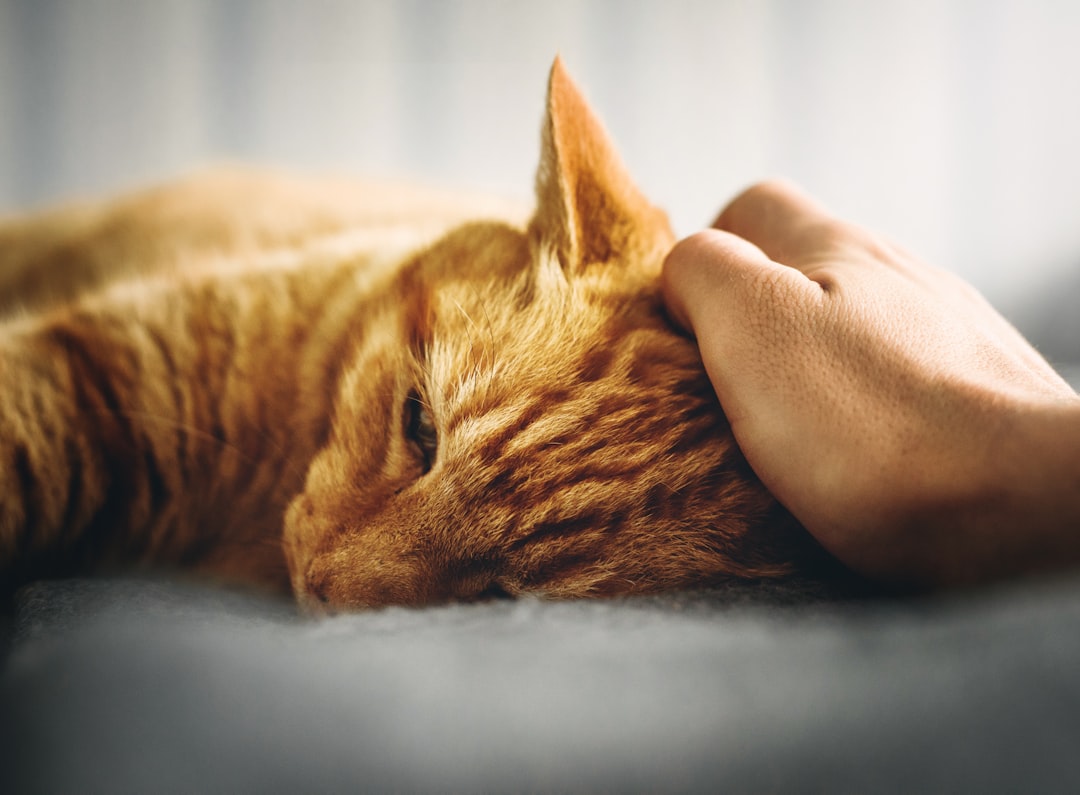

Ever notice your cat staring off into space a little longer than usual? Or maybe she’s suddenly hiding under the bed all day, instead of sunbathing on your windowsill. As a fellow cat devotee, I know how easy it is to chalk these quirky behaviors up to feline mystery. But sometimes, those odd little changes are your cat’s way of waving a tiny red flag. Our whiskered friends are masters of disguise when it comes to pain or illness, which is why catching these warning signs early can make all the difference. Let’s cozy up together and explore the signals you simply shouldn’t ignore—because loving a cat means listening, even to the whispers.
Sudden Hiding or Withdrawal
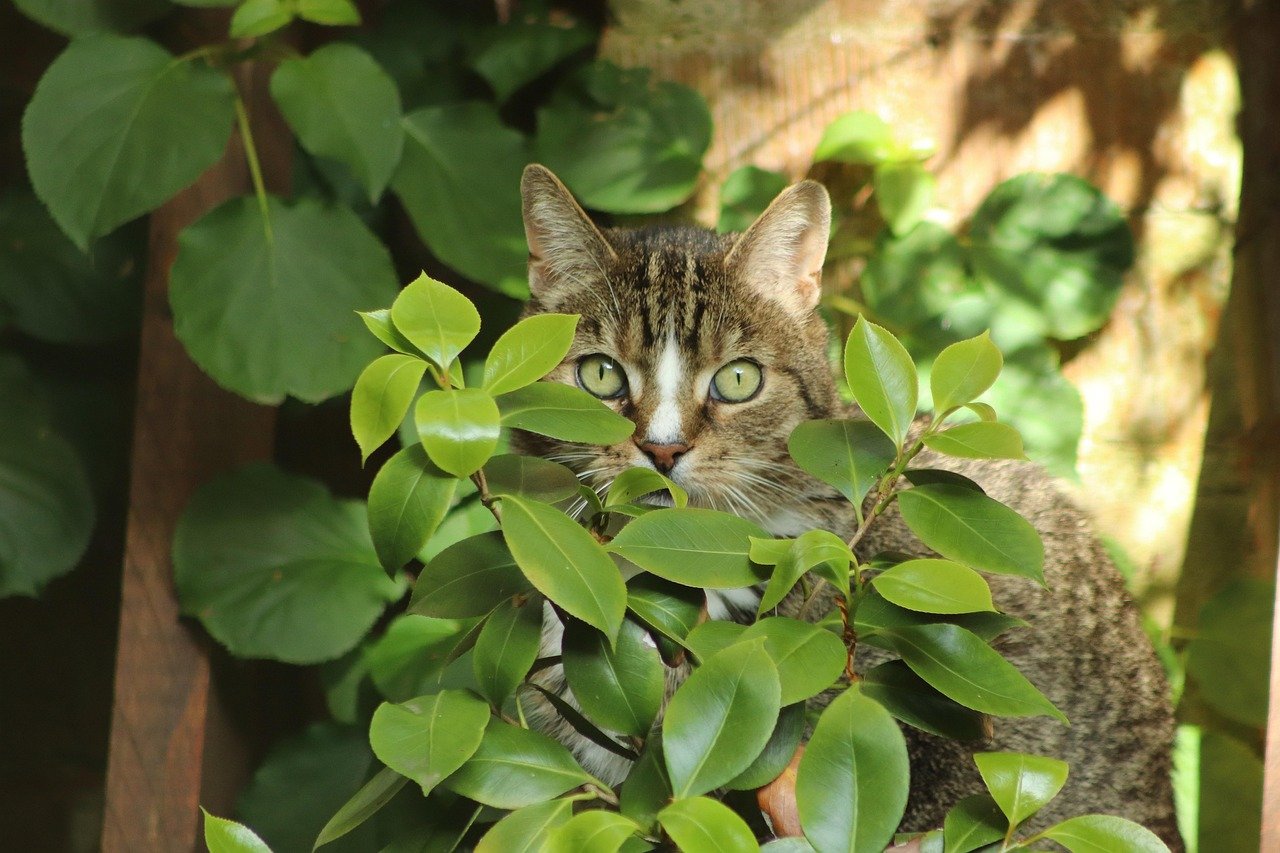
If your usually sociable kitty starts vanishing for hours on end, don’t brush it off. Cats often retreat to dark, quiet places when they’re stressed, scared, or feeling unwell. It’s their instinct to hide vulnerability, so a change in their social habits is worth attention.
Maybe your lap cat suddenly prefers the closet or under the couch. This can signal pain, anxiety, or something more serious, like an infection. Try to coax her out gently, but if she stays hidden for more than a day, it’s time to check in with your vet.
Loss of Appetite or Sudden Weight Changes
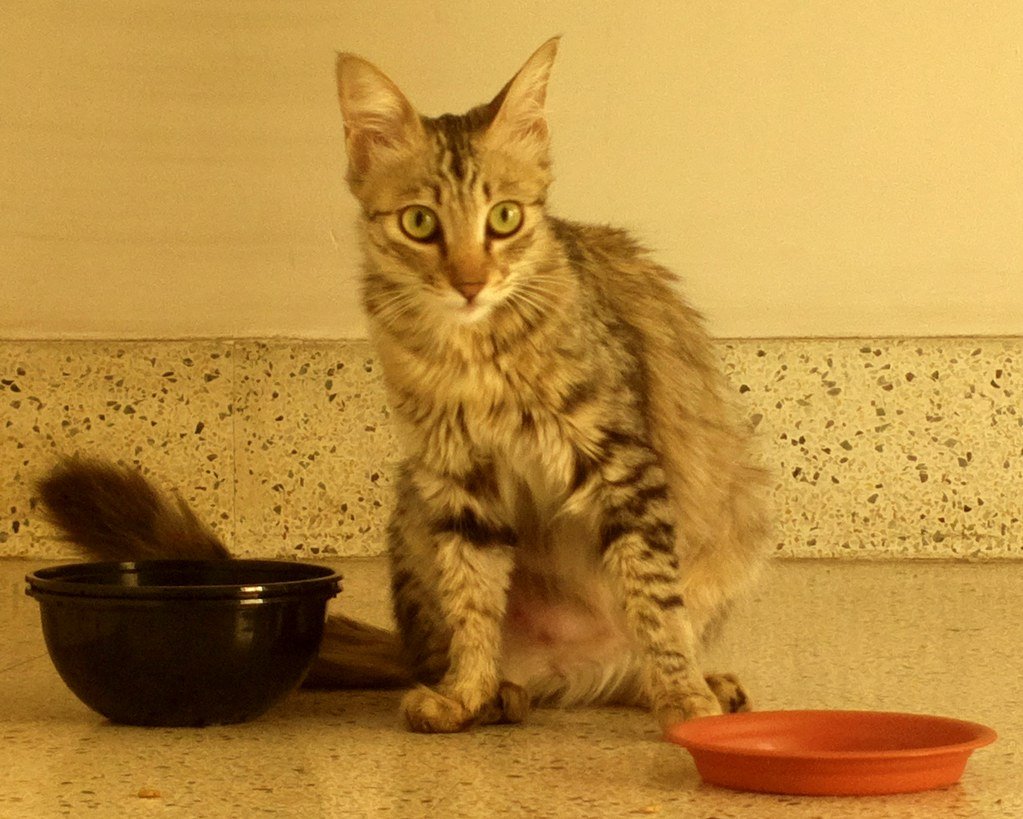
Cats are notorious for being picky eaters, but a sudden refusal to eat or drink is a red flag. Skipping meals for more than 24 hours can quickly become dangerous, especially for overweight cats who are at risk of liver problems.
On the flip side, if your cat starts eating voraciously or losing weight despite eating well, there could be an underlying issue like thyroid disease or diabetes. Keep an eye on feeding habits and don’t hesitate to consult your vet if something feels off.
Excessive Vocalization
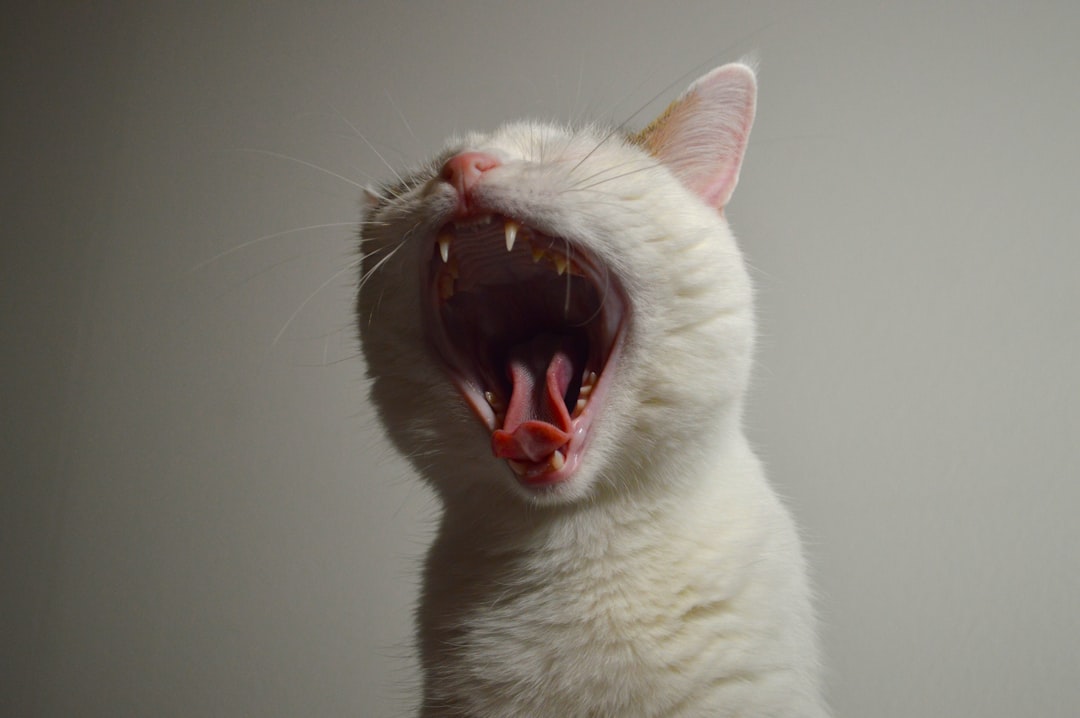
Has your quiet cat turned into a midnight opera singer? An uptick in meowing, yowling, or crying—especially if it’s new for your cat—can be a sign of discomfort, confusion, or even pain.
Older cats might vocalize more if they’re developing cognitive issues, while younger cats could be trying to tell you about an injury or illness. Listen to their voice: it’s often their first language when something isn’t right.
Changes in Litter Box Habits
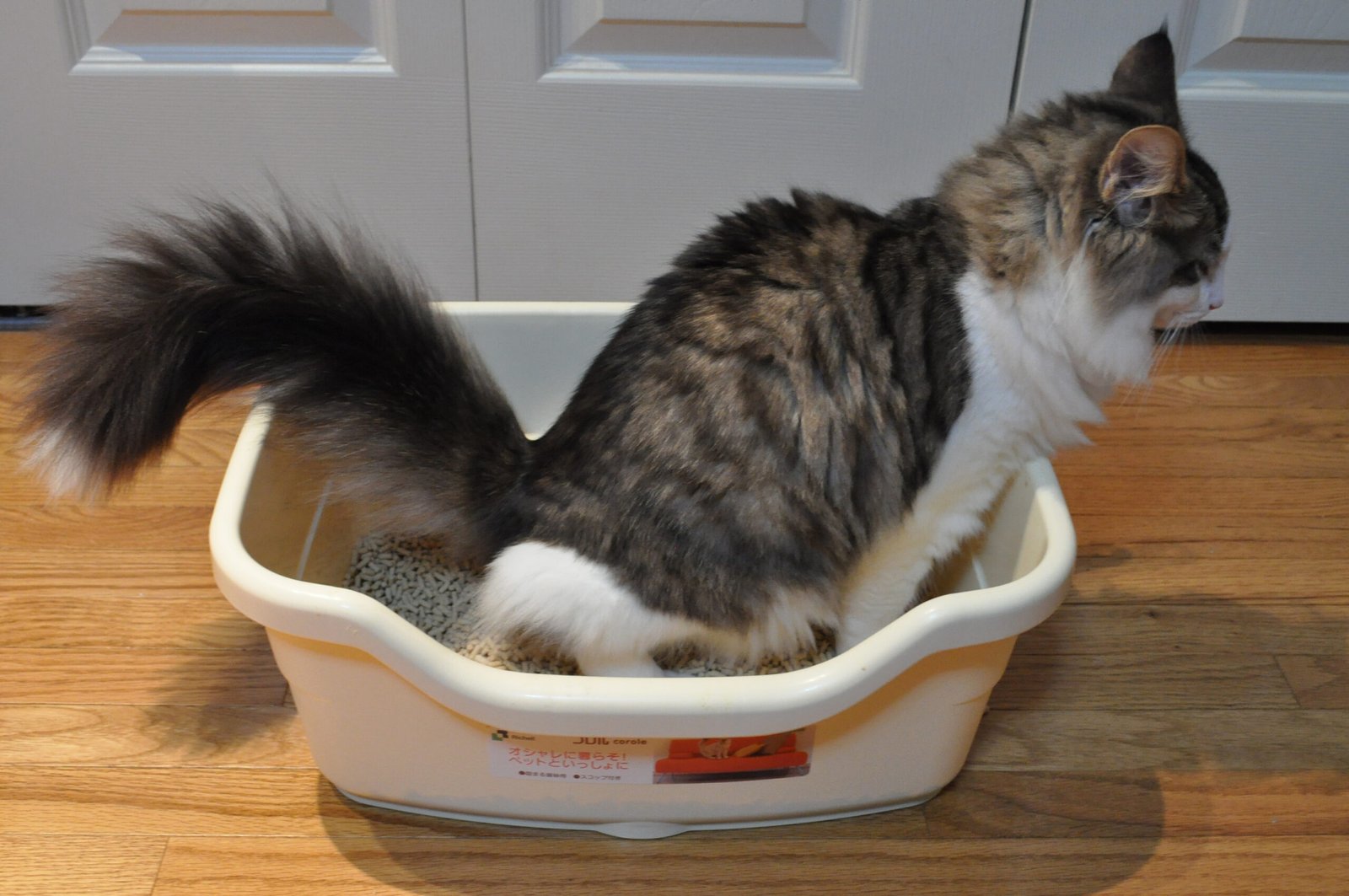
Nothing ruins a day like finding a “gift” outside the litter box. But before getting frustrated, consider this: sudden accidents or changes in urination or defecation can signal urinary tract infections, kidney disease, or stress.
If your cat is straining, making frequent trips, or avoiding the litter box altogether, pay close attention. Blood in urine or stool, or persistent diarrhea, always demands prompt veterinary care.
Lethargy or Unusual Sleep Patterns
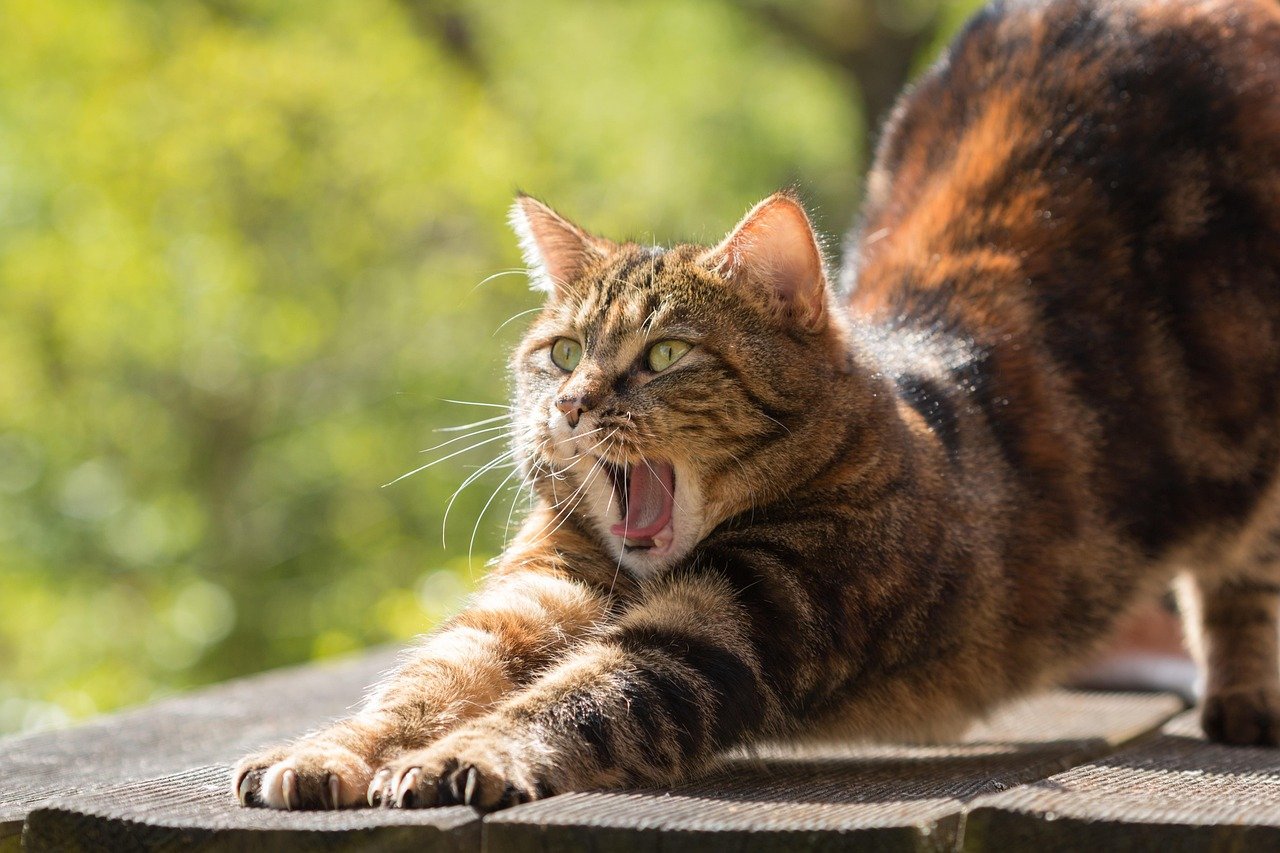
Sure, cats sleep a lot (who wouldn’t, in a sunbeam?), but if your feline seems unusually sluggish or uninterested in play, it’s worth a second look. Lethargy can signal anything from fever to heart issues.
Watch for subtle changes: Does she still chase her favorite toy? Is she skipping her usual afternoon zoomies? If her energy stays low for more than a day, make a note and talk to your vet.
Aggression or Sudden Mood Swings
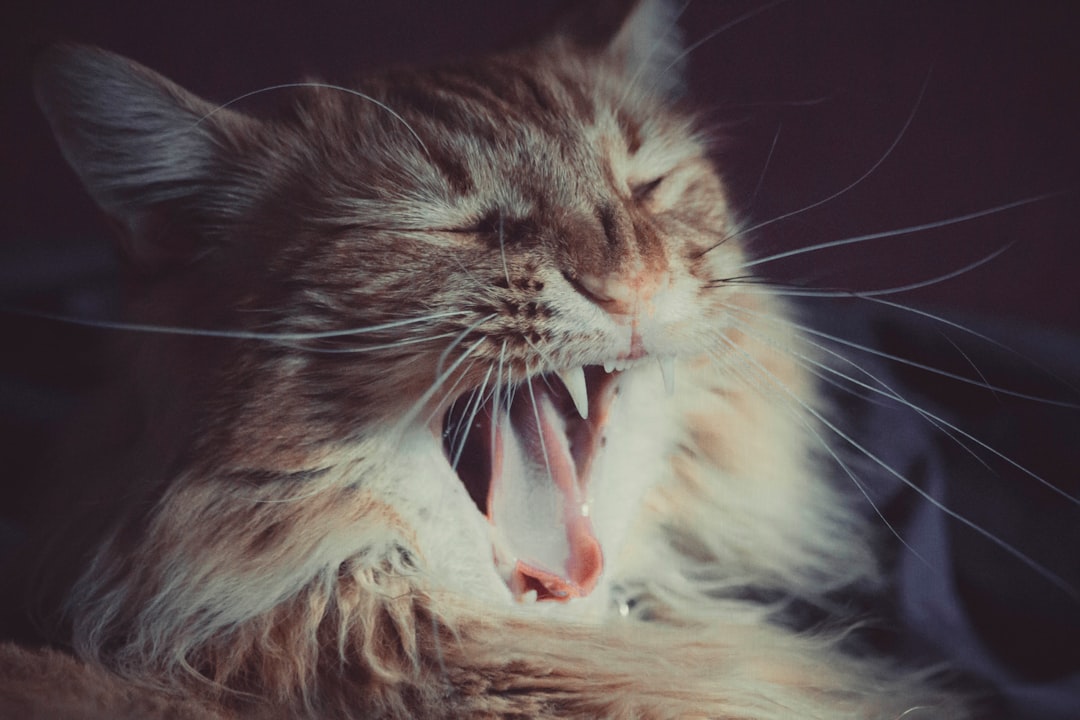
A loving cat who suddenly hisses, scratches, or bites isn’t just being moody. Aggression can mean your cat is in pain, anxious, or even developing neurological issues.
Maybe your gentle giant swats at you when you touch his back, or a previously tolerant kitty now growls when approached. Don’t take it personally—he might be asking for help in the only way he knows how.
Changes in Grooming Habits
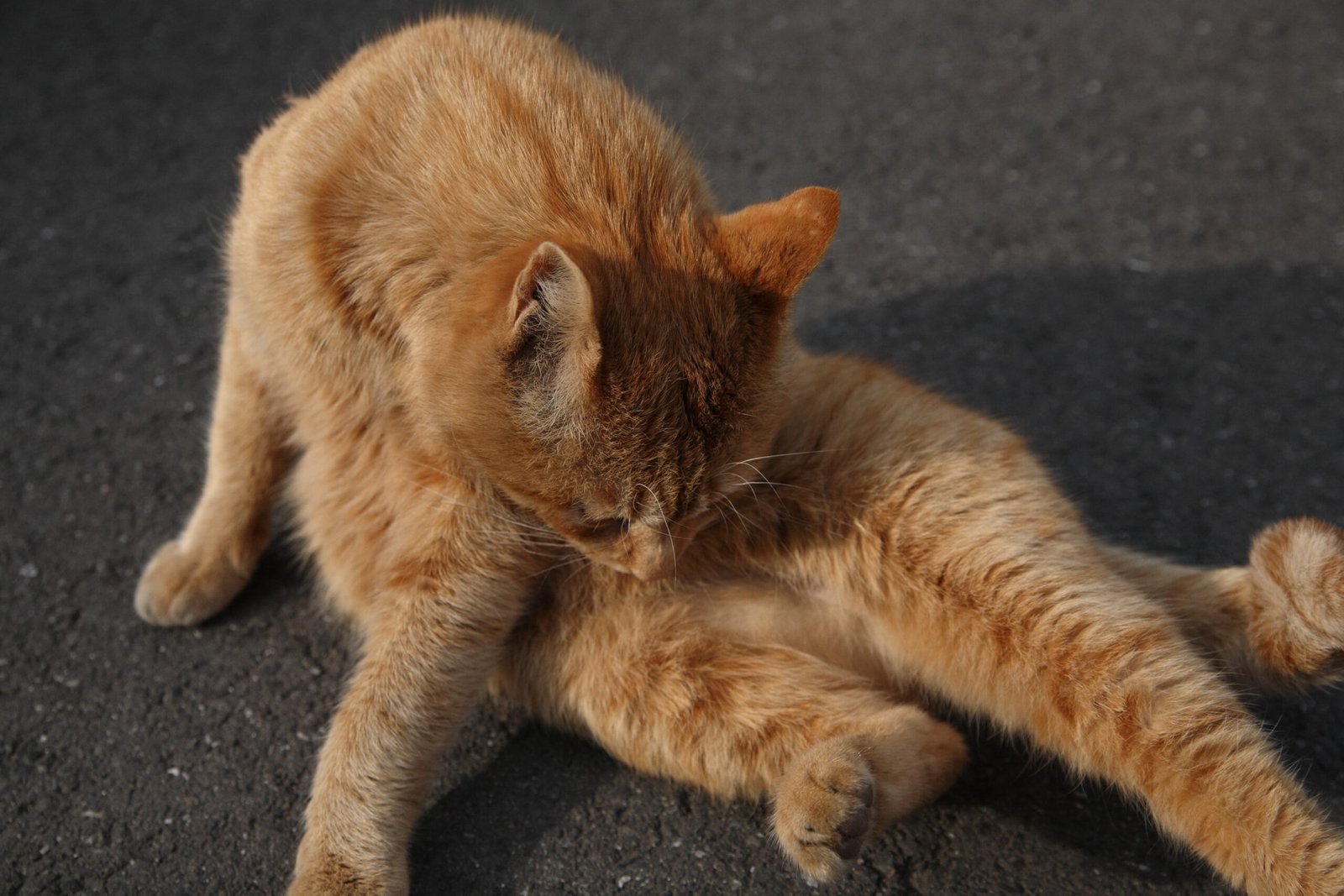
Cats pride themselves on their glossy coats, so a messy, greasy, or matted coat is a big clue. Over-grooming, especially to the point of bald spots, can also signal stress, allergies, or parasites.
If you notice your cat licking excessively or not grooming at all, inspect her skin for sores, redness, or fleas. Sometimes arthritis or obesity makes grooming painful or impossible, and your cat will need your support.
Breathing Changes or Coughing
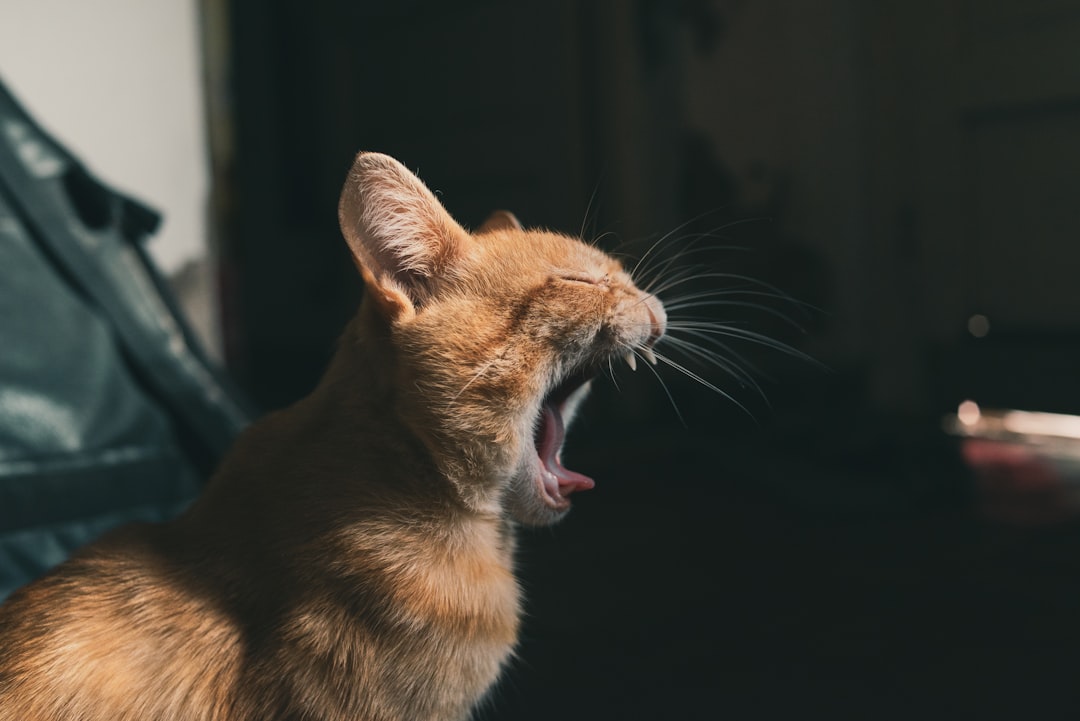
Breathing should be smooth and quiet. Rapid breathing, wheezing, persistent coughing, or open-mouth breathing are emergencies for cats. Unlike dogs, cats don’t pant unless they’re seriously stressed or overheated.
If you notice your cat struggling to breathe, or he’s crouched with his mouth open, seek immediate veterinary help. Asthma, heart disease, or lung infections can all cause these symptoms.
Vomiting or Diarrhea
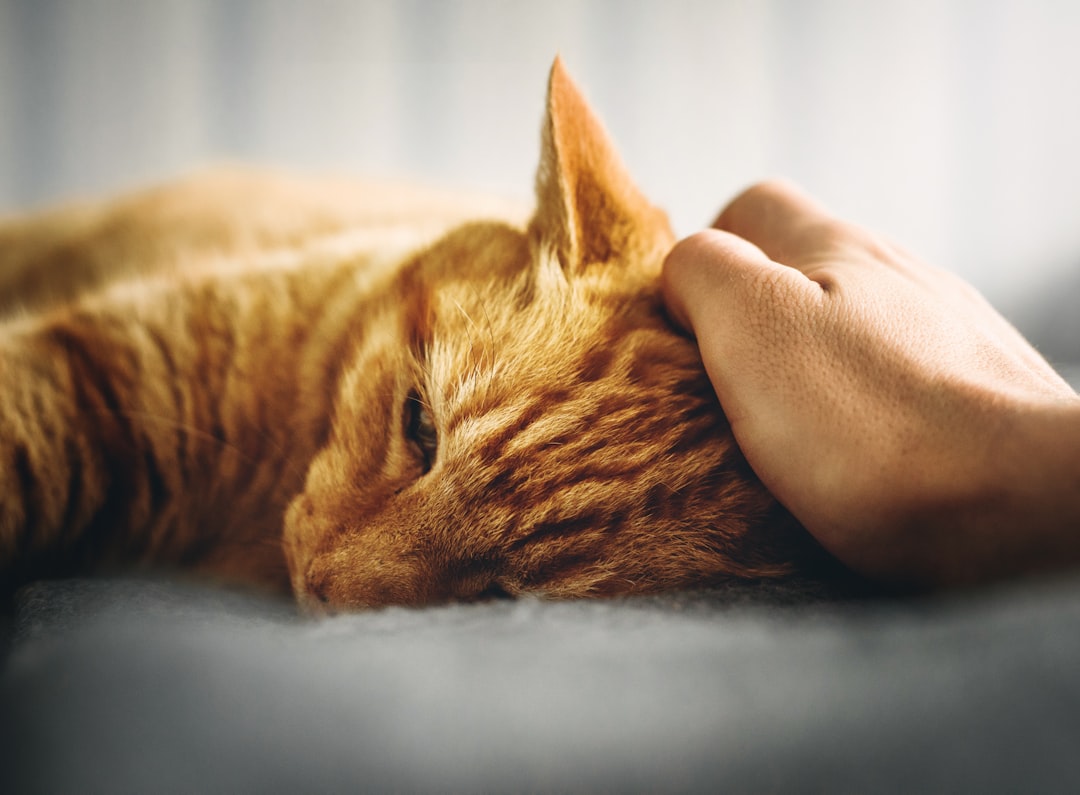
The occasional hairball is normal, but frequent vomiting or diarrhea isn’t. Persistent tummy troubles can point to food intolerance, infections, parasites, or more serious digestive issues.
Keep an eye on the litter box and your cat’s appetite. If vomiting or diarrhea lasts more than a day, or if you see blood, it’s time to call your vet. Dehydration can develop quickly in cats.
Unusual Lumps or Swellings

While petting your cat, if you discover any lumps, bumps, or swellings that weren’t there before, take note. These could be harmless cysts or something more concerning like an abscess or tumor.
Monitor for changes in size, color, or tenderness. Any lump that grows or causes discomfort deserves a professional check-up sooner rather than later.
Bad Breath or Drooling
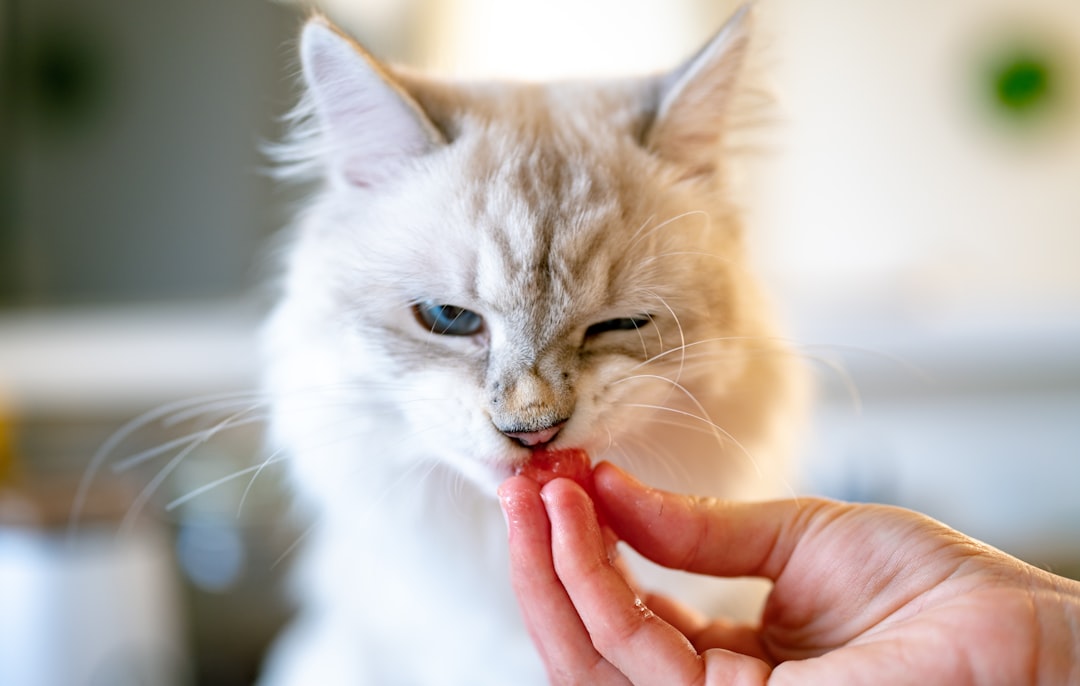
A whiff of fishy breath might seem normal, but foul-smelling breath or excessive drooling can indicate dental disease, oral infections, or even kidney issues. Cats are stoic, so by the time you notice drooling, the problem may be advanced.
Watch for difficulty eating, pawing at the mouth, or bleeding gums. Regular dental care and prompt attention to oral changes can add years to your cat’s life.
Disorientation or Balance Problems
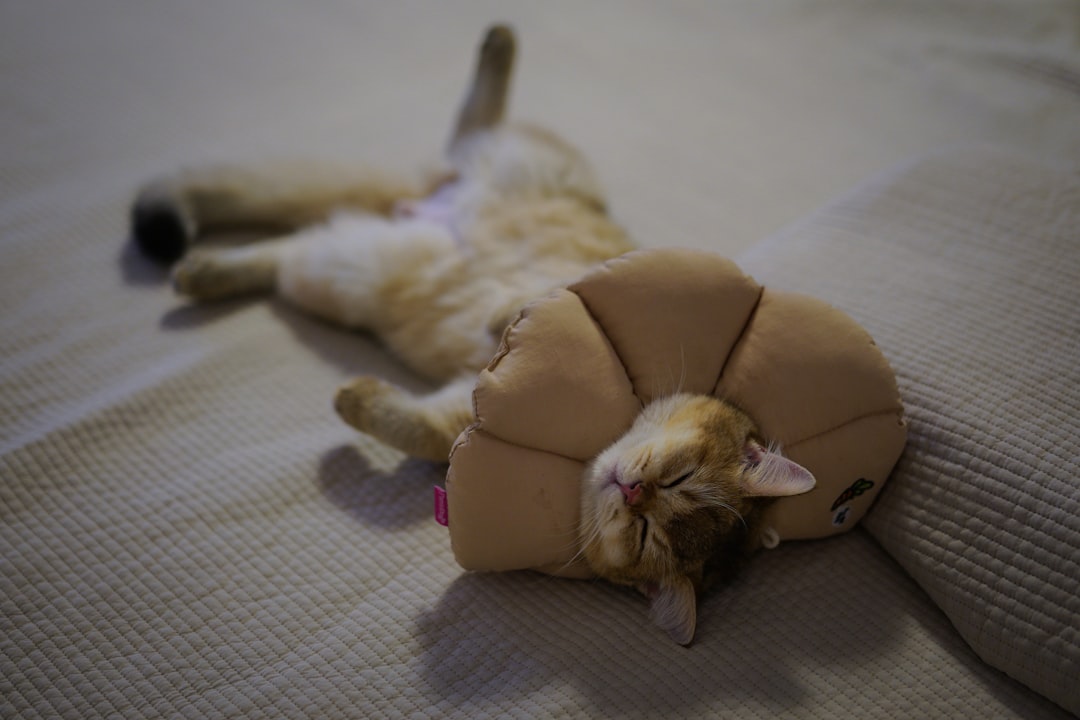
If your cat starts stumbling, circling, or seems confused about familiar spaces, don’t ignore it. Loss of balance, head tilts, or repeated bumping into things can signal neurological problems, ear infections, or even poisoning.
Disorientation is always a sign to act fast. Cats rely on their keen senses, so any change here can be deeply distressing and dangerous for them.
Persistent Scratching or Ear Shaking
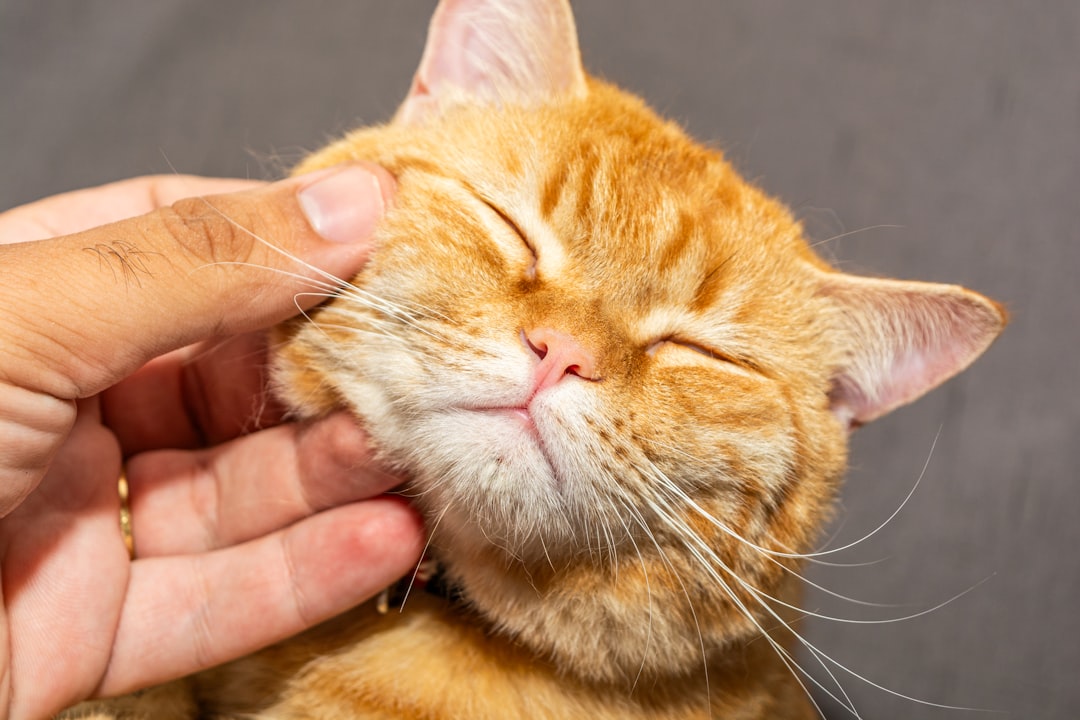
A little ear scratch here and there is fine, but if your cat is constantly scratching her ears, shaking her head, or you notice a funky smell from the ears, something’s wrong. Ear mites, infections, or allergies can make your cat miserable.
Look for redness, swelling, or discharge. Treating ear issues early prevents bigger problems and helps your cat feel comfortable again.

Jen is a passionate nature lover and ocean conservationist. She has dedicated her life to protecting the environment and preserving the beauty of the natural world. Growing up in a small coastal town, Jen sincerely appreciated the ocean and its inhabitants. She has spent countless hours exploring the shoreline, learning about the creatures that inhabit the waters, and advocating for their protection. Jen is an active member of ocean conservation organizations, and she is committed to educating the public about the importance of conserving wildlife and the natural environment.


