
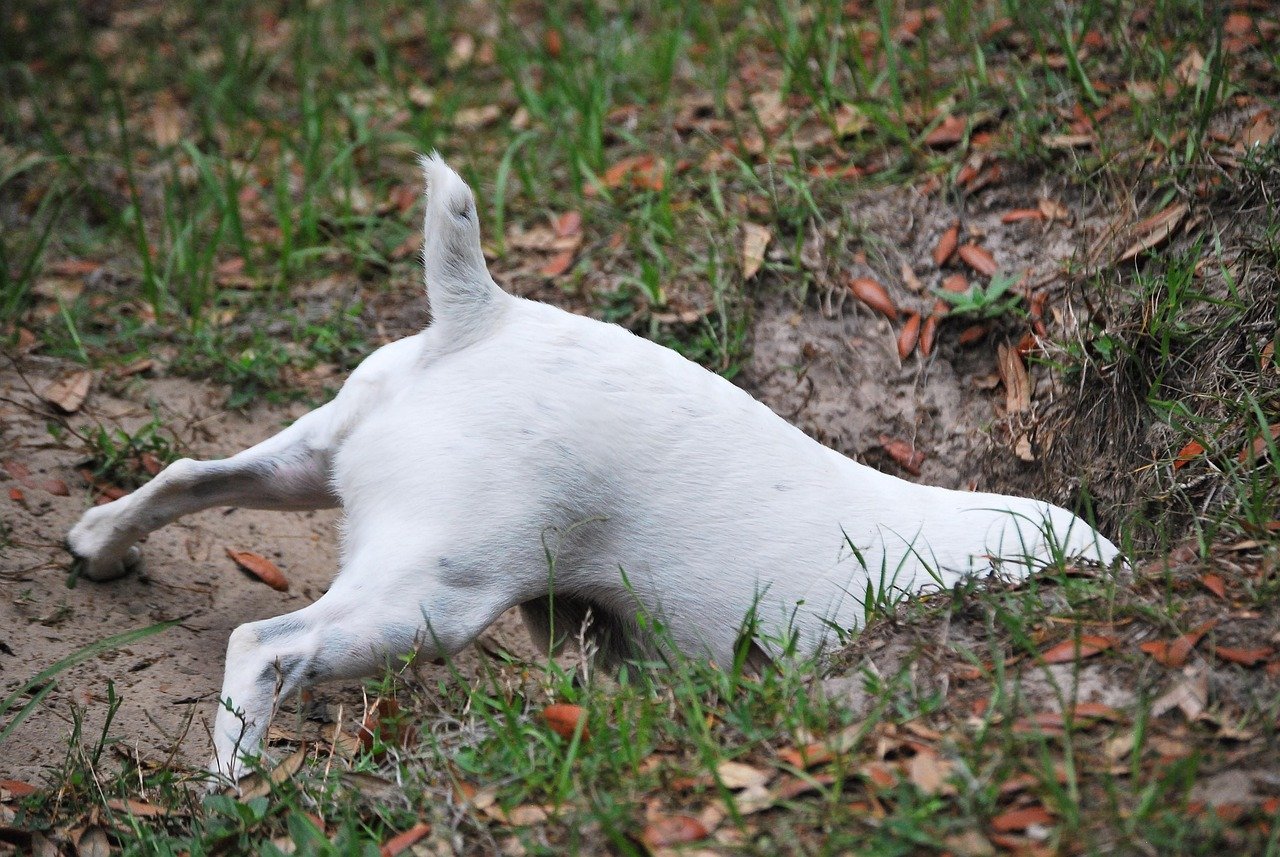
Have you ever looked into your dog’s eyes and wondered if they secretly enjoy pushing your buttons? You’re not alone. As much as we adore our canine companions, certain breeds have quirks that can test even the most patient dog lover. From relentless barking to Houdini-level escapes, dogs have a knack for keeping us on our toes—and sometimes, climbing the walls! Let’s dive into 13 behaviors that make some dog breeds both hilariously lovable and, well… a little exasperating.
Relentless Barking Machines
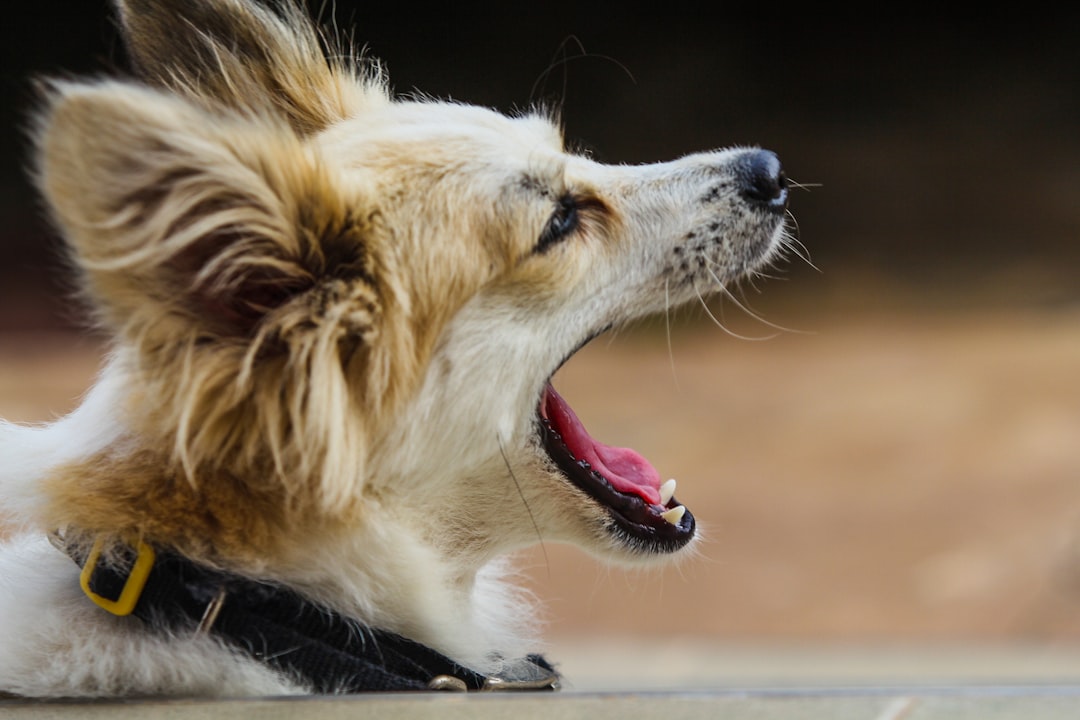
Some breeds, like Beagles and Shelties, just don’t know when to quit barking. Whether it’s a passing squirrel or the wind blowing the wrong way, these pups feel it’s their duty to keep you informed—loudly and often. This can turn peaceful evenings into a chorus of “hush!” and “quiet, please!”
You might notice your dog barking at the same imaginary spot every day. Sometimes, it’s boredom or anxiety, but other times, it’s just their personality. Try puzzle toys, extra walks, or calming music as gentle ways to dial down the noise without making your dog feel ignored.
The Great Escape Artists

Huskies and Jack Russell Terriers are canine escape artists. Turn your back for a second, and they’re scaling fences or digging tunnels like seasoned pros. These breeds crave adventure and stimulation, and a boring backyard just won’t cut it.
If your dog’s nose is always pressed against the fence, double-check your yard for weak spots. Add extra play sessions, or consider agility training to keep their minds and bodies busy. It’s amazing how a little challenge can keep those paws on the right side of the fence.
Stubborn Beyond Belief

Some breeds, like Bulldogs and Dachshunds, seem to have selective hearing. You call them, and they look at you like you’ve just suggested running a marathon. It’s not that they don’t love you—they just have their own ideas.
Patience is your best friend here. Use positive reinforcement and keep training sessions short and fun. If your dog ignores you for the tenth time, remember: stubbornness is a sign of intelligence. Mix things up with new games or treats and watch their interest spark.
Energizer Bunnies
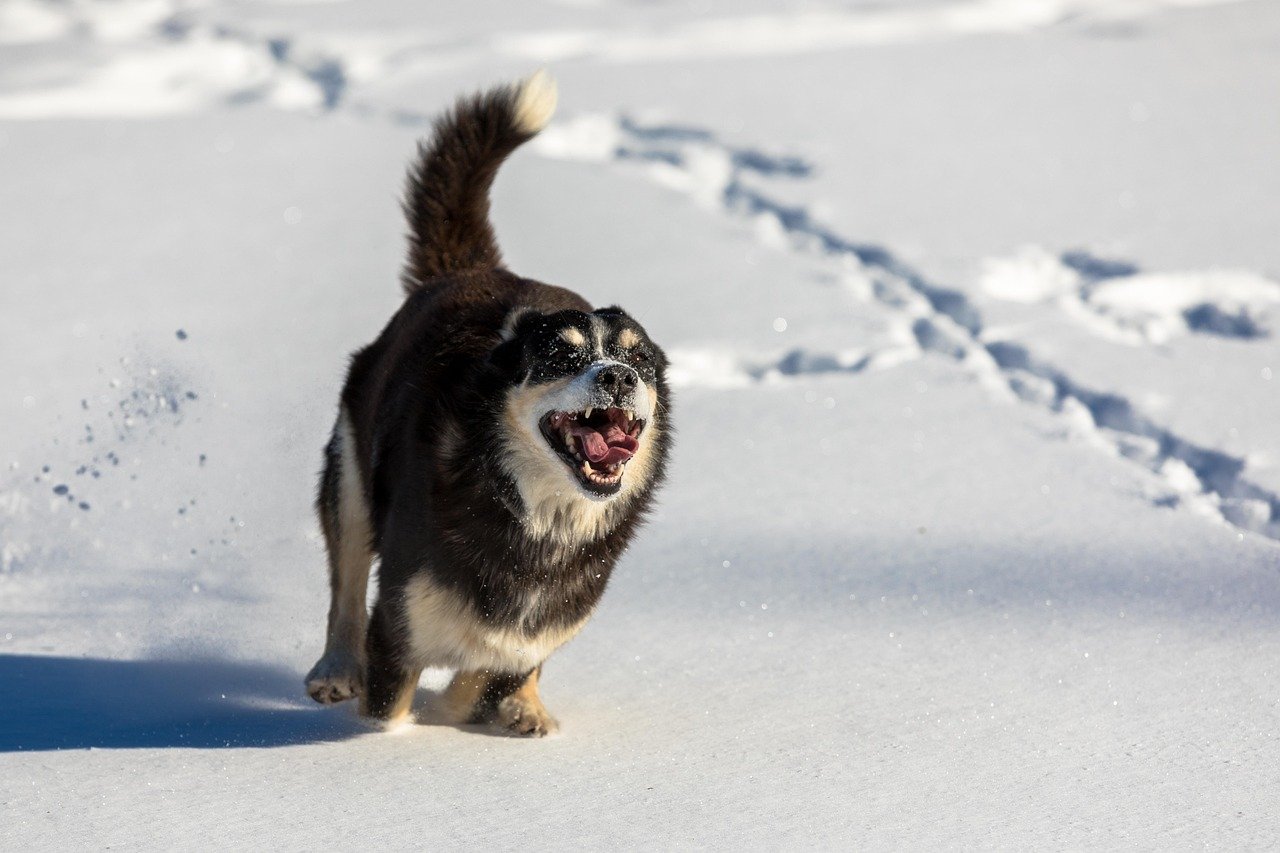
Border Collies and Australian Shepherds never seem to run out of fuel. It’s like they have a secret energy reserve just for zoomies, fetch, and herding anything that moves—including your kids or the vacuum cleaner.
A tired dog is a happy dog. Long walks, dog sports, and interactive toys can help burn off that endless energy. If you skip the daily exercise, expect some creative redecorating—like chewed shoes or shredded cushions.
Canine Velcro: The Clingy Companions
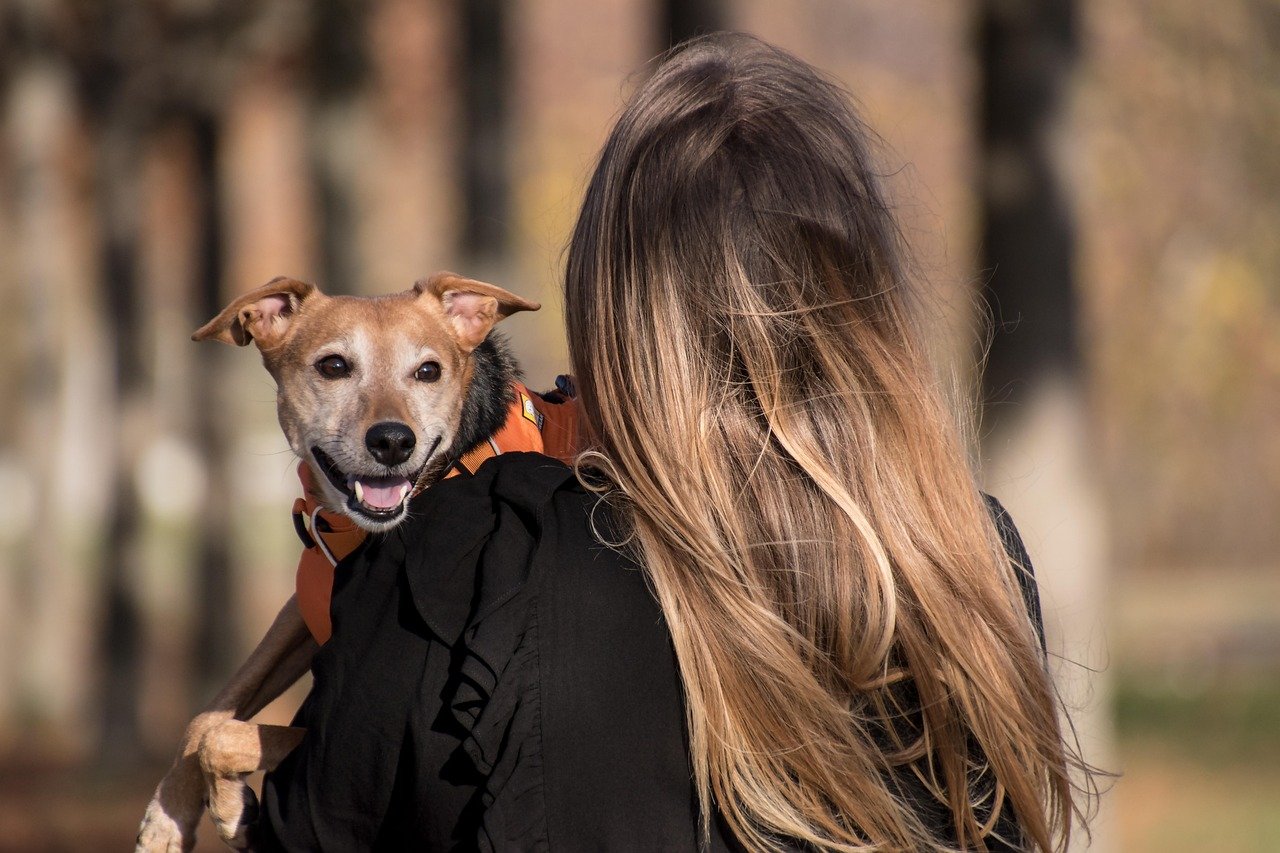
If you’ve ever tripped over your Golden Retriever or Cocker Spaniel, you know the pain of living with a “Velcro dog.” These breeds love their humans so much, they want to be everywhere you are—even the bathroom.
Separation anxiety can sneak in if your dog is never left alone. Start with short absences and reward calm behavior. Puzzle feeders and cozy beds can help them feel secure when you’re not around. Remember, their devotion is sweet—until you can’t move without stepping on a tail.
Professional Drool Factories

Saint Bernards, Mastiffs, and Bloodhounds can produce enough drool to rival a leaky faucet. It’s not just during mealtime—one whiff of food, and suddenly you’re mopping floors and wiping furniture.
Keep a towel handy, and don’t be shy about using bibs for your bigger, slobbery friends. Regular dental care and plenty of fresh water can help manage the mess. If drooling suddenly worsens, check for dental issues or talk to your vet.
Selective Eating Habits
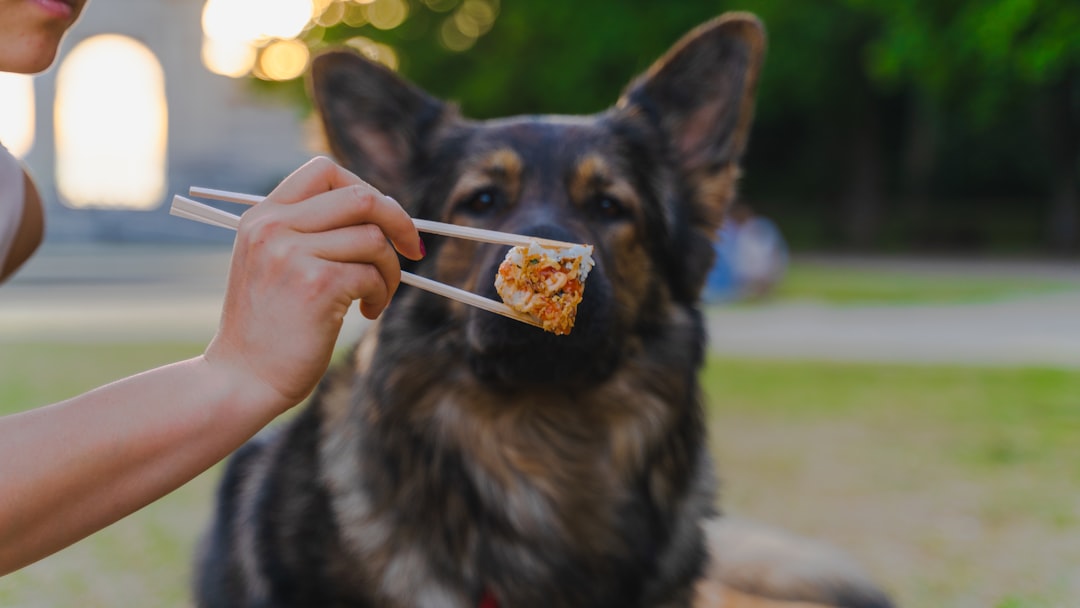
Some dogs, like Shih Tzus or Maltese, can be as picky as toddlers. One day, they love chicken. The next, they turn their nose up at anything that’s not gourmet. Mealtime can quickly turn into a standoff.
Try rotating a few healthy options and avoid giving too many table scraps. If your dog’s appetite suddenly drops or they refuse food consistently, it’s smart to check for dental issues or stress. Remember, patience and persistence are key in finding what works.
The Olympic Jumpers
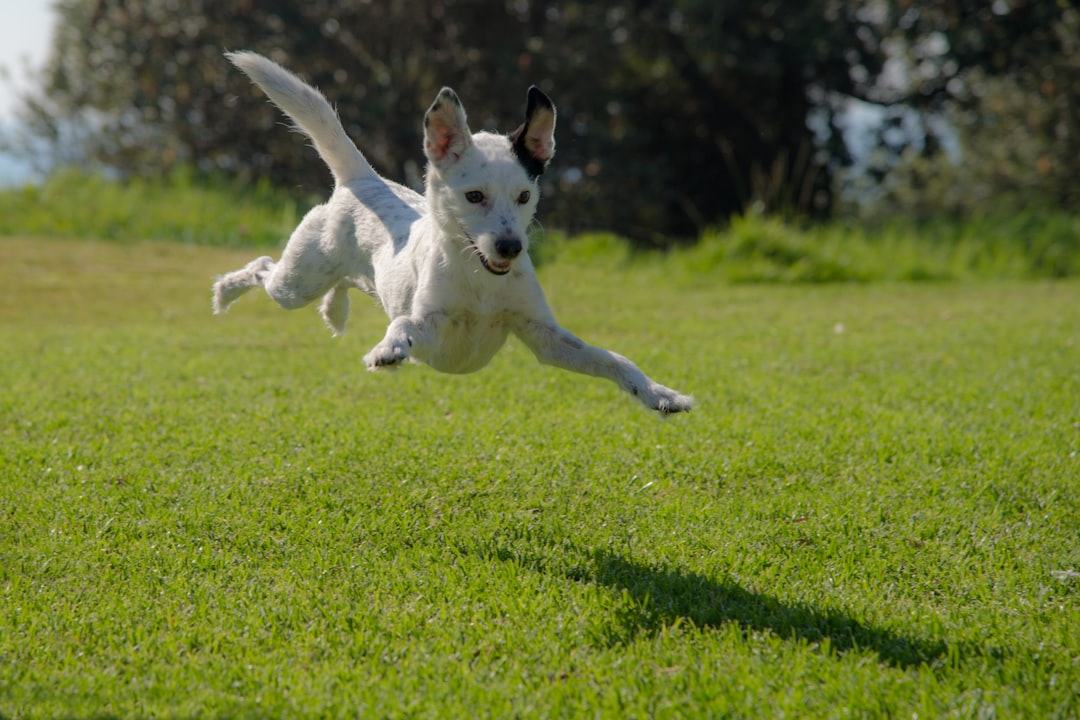
Certain breeds, like Belgian Malinois and Boxers, seem to have springs in their legs. Nothing is out of reach—kitchen counters, backyard fences, or even your lap during a Zoom call.
Keep valuables and food out of reach, and teach “off” commands early. Give them a safe space, like a sturdy dog bed, and reward calm, four-paws-on-the-floor behavior. Sometimes, a few extra rounds of fetch will help drain that jumping energy.
Determined Diggers
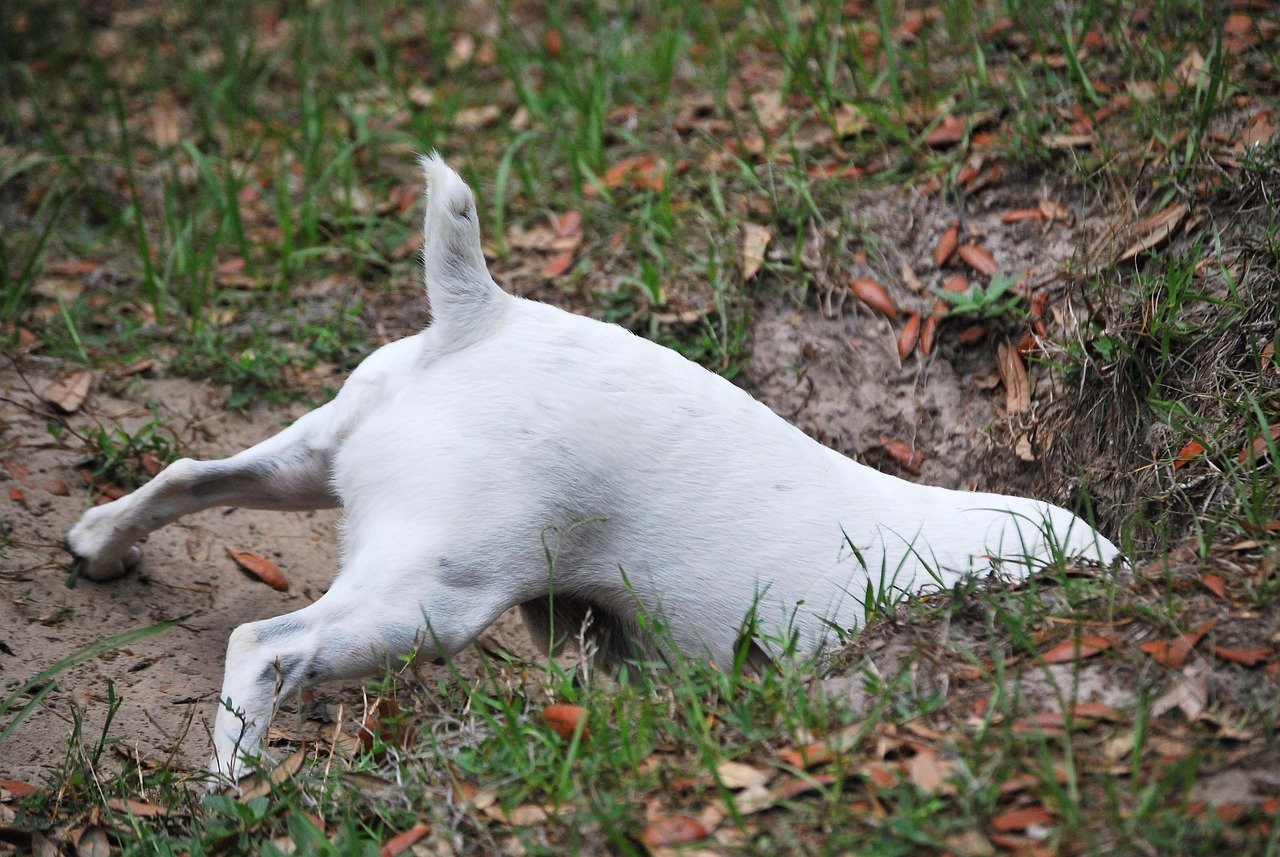
Terriers and Dachshunds were bred to dig, and they take their job seriously. If your garden looks like a construction site, your dog might be satisfying an ancient urge—or just looking for a cool spot to nap.
Designate a digging zone in your yard, and bury toys for them to find. Redirect digging indoors with treat-stuffed puzzle toys. If your dog suddenly digs more than usual, look for boredom, anxiety, or even critters in the yard.
Independent Thinkers

Afghan Hounds and Basenjis are known for their independent streak. They love to march to their own beat, making training feel more like a negotiation. Sometimes, it feels like you’re living with a cat in a dog’s body.
Give these breeds choices and celebrate their wins, no matter how small. Keep sessions upbeat and let them figure things out. Independence can be rewarding—if you work with it, not against it.
Herding Everything That Moves

Collies, Corgis, and Australian Cattle Dogs have herding in their DNA. It’s adorable—until your kids, cats, or even vacuum cleaner become part of their flock. Nipping at heels and circling can confuse and annoy anyone not in on the game.
Redirect herding instincts with structured games like fetch, frisbee, or basic obedience drills. Set clear boundaries with family members, and always reward calm, gentle behavior. Herding breeds thrive on jobs, so give them something constructive to do.
The Shadow Shedders
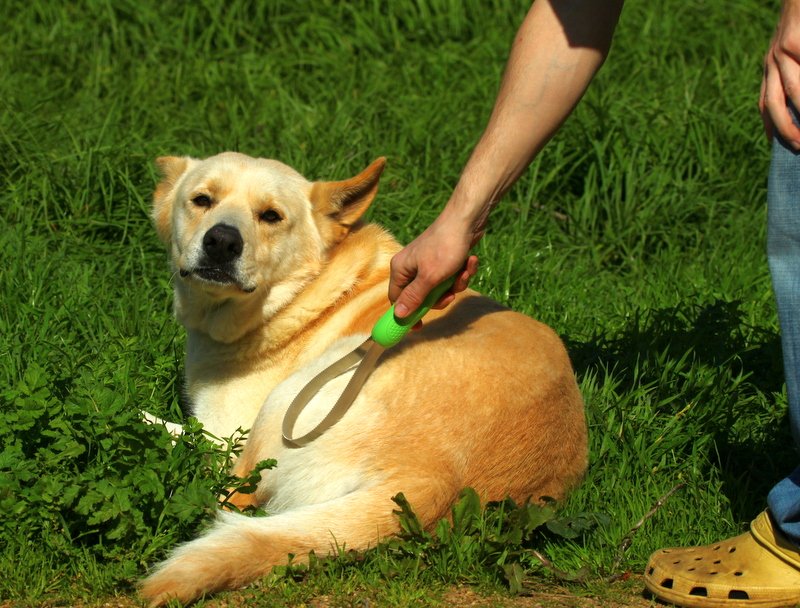
If you live with a German Shepherd or Labrador, you know fur is a condiment—on food, clothes, and every surface. Seasonal blowouts can turn your home into a snow globe of dog hair.
Brush your dog regularly, especially during shedding season. Invest in a good vacuum and lint rollers. If sudden or patchy shedding happens, check for allergies, fleas, or skin issues. A healthy coat starts with good nutrition and regular grooming.
Loveable Couch Potatoes

Basset Hounds and Bulldogs master the art of lounging. While their easy-going nature is charming, it can lead to weight gain and a lack of motivation. Convincing them to go for a walk can be like moving a stubborn mountain.
Keep exercise sessions fun and short, with lots of praise and treats. Watch for breathing issues or joint pain—common in heavier breeds. Even couch potatoes need daily movement to stay healthy and happy.
Guardians With a Bark (and a Bite!)

Dobermans, Rottweilers, and German Shepherds are natural protectors. Their loyalty is unmatched—but sometimes, their protective instincts go into overdrive, leading to excessive barking or suspicion of visitors.
Socialize your dog early and often, rewarding calm interactions. Teach them to greet guests politely, and provide a safe retreat when they feel overwhelmed. With gentle guidance, you can channel their loyalty into confidence, not fear.
What quirky trait does your dog have that keeps you guessing?


