
Understanding your dog’s core personality type can be like opening a window into their soul. Just like humans, dogs have unique personalities that influence their behavior and interactions with the world. Whether your four-legged friend is a boisterous extrovert or a shy introvert, recognizing their personality can help you nurture their strengths and address their weaknesses. This guide will walk you through 13 insightful ways to identify your dog’s core personality type, providing you with the tools to better connect with your furry companion.
Observe Their Social Interactions

The way your dog interacts with other dogs and humans is a significant indicator of their personality. Does your dog run up to strangers with a wagging tail, eager to make new friends? Or do they hang back, watching cautiously before deciding to approach? An outgoing dog is likely to seek social interactions, much like a social butterfly at a party. Meanwhile, a more reserved dog may prefer the company of those they know well, reflecting an introverted nature. Observing these interactions offers a glimpse into whether your dog is an extrovert or an introvert.
Notice Their Energy Levels
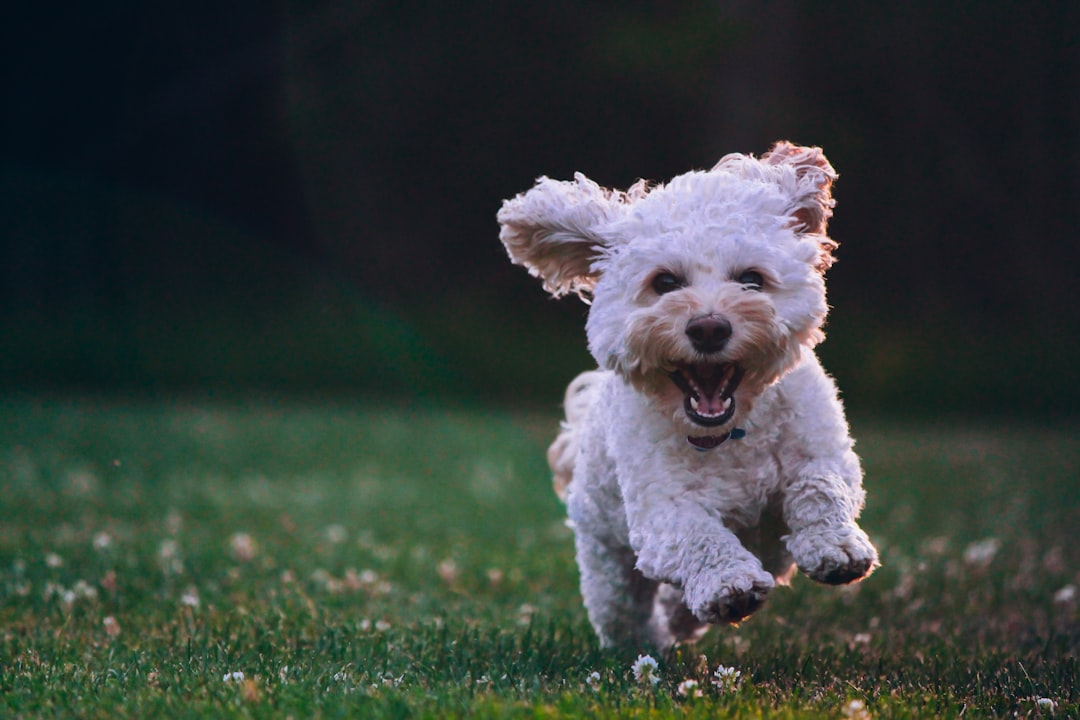
Energy levels in dogs can range from the hyperactive to the laid-back. A dog that constantly wants to play, run, or chase may have a more energetic personality. These dogs are the equivalent of a person who can’t sit still and loves adventure. On the other hand, some dogs are content to nap and enjoy quiet time, showcasing a more relaxed demeanor. Understanding your dog’s energy level can help tailor your activities to ensure they are both happy and healthy.
Pay Attention to Their Reactions to New Environments
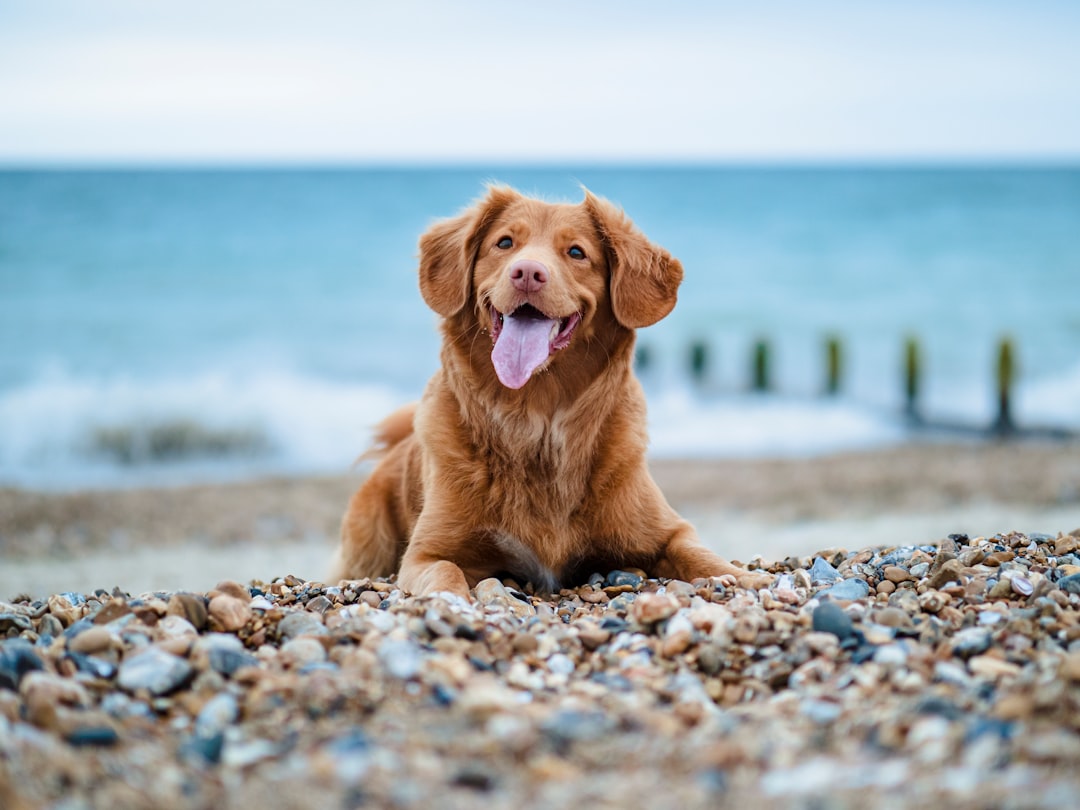
How your dog reacts to new environments can be telling of their personality type. Some dogs thrive in new surroundings, their curiosity leading them to explore every nook and cranny. These dogs resemble explorers eager to discover unknown territories. Conversely, other dogs may feel anxious or overwhelmed in unfamiliar places, sticking close to their owners for reassurance. This cautious approach can reflect a more sensitive personality, where familiarity and routine provide comfort.
Assess Their Response to Training
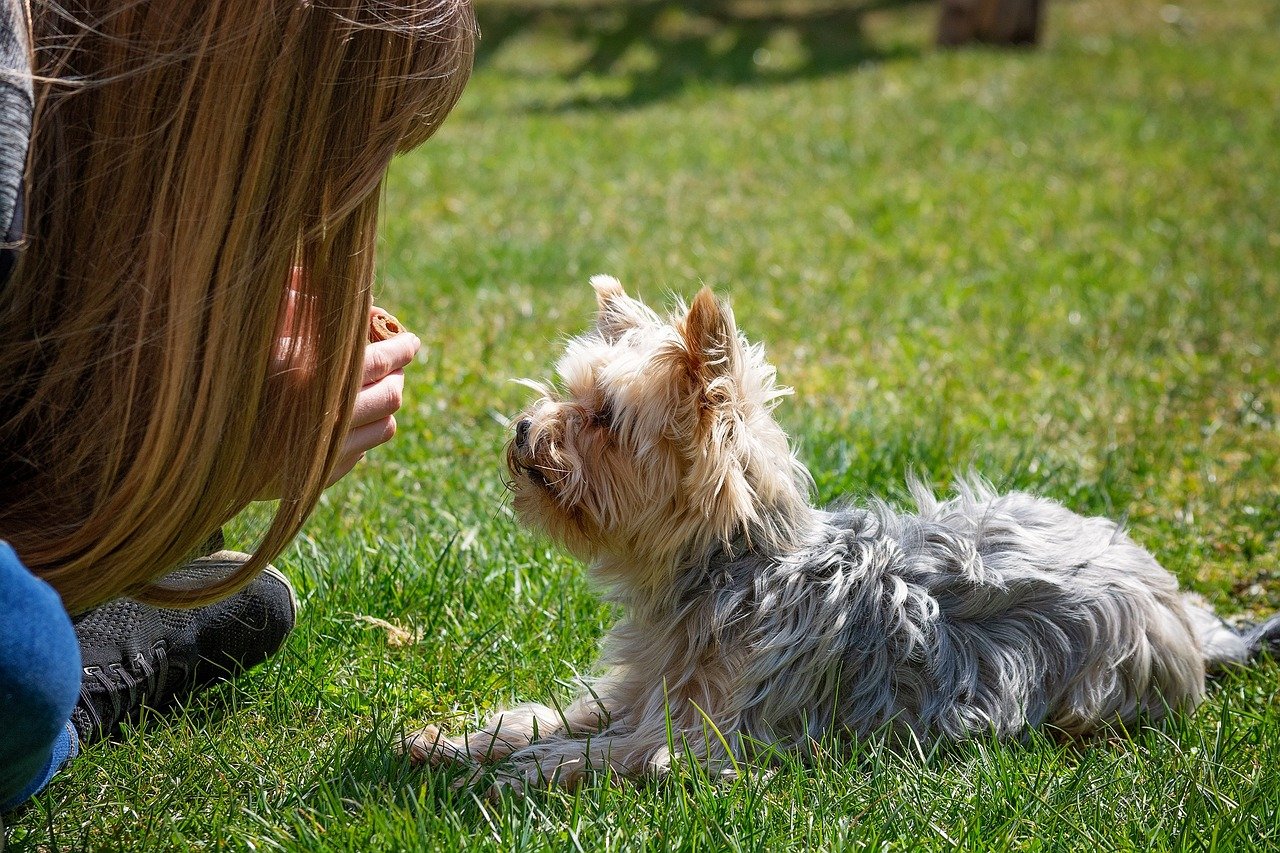
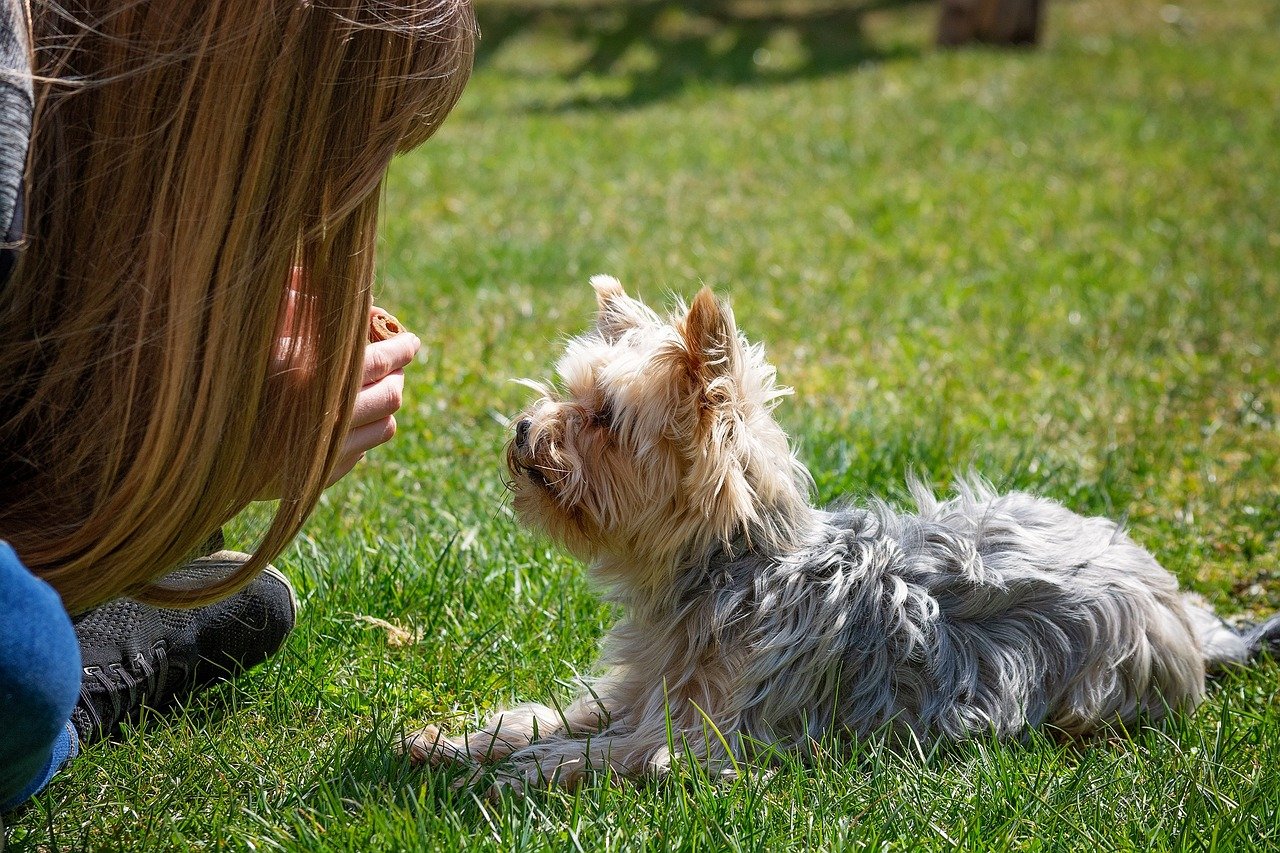
The ease with which your dog responds to training can provide insights into their personality. Dogs that quickly pick up new commands and tricks may be more adaptable and eager to please. These dogs enjoy mental challenges and thrive on learning new things. However, some dogs might be more stubborn or uninterested in training, preferring to march to the beat of their own drum. This independence can indicate a strong-willed personality, where the dog values its autonomy.
Evaluate Their Play Style

Playtime is not just fun for your dog; it’s a window into their personality. Dogs that play aggressively with lots of roughhousing may have a bold and assertive nature. They are like the playground leaders, full of confidence and spirit. Alternatively, dogs that prefer gentle play or solitary activities might be more timid or introspective, akin to a child who enjoys quiet time reading. Observing how your dog plays can reveal whether they are more dominant or submissive.
Consider Their Reaction to Strangers
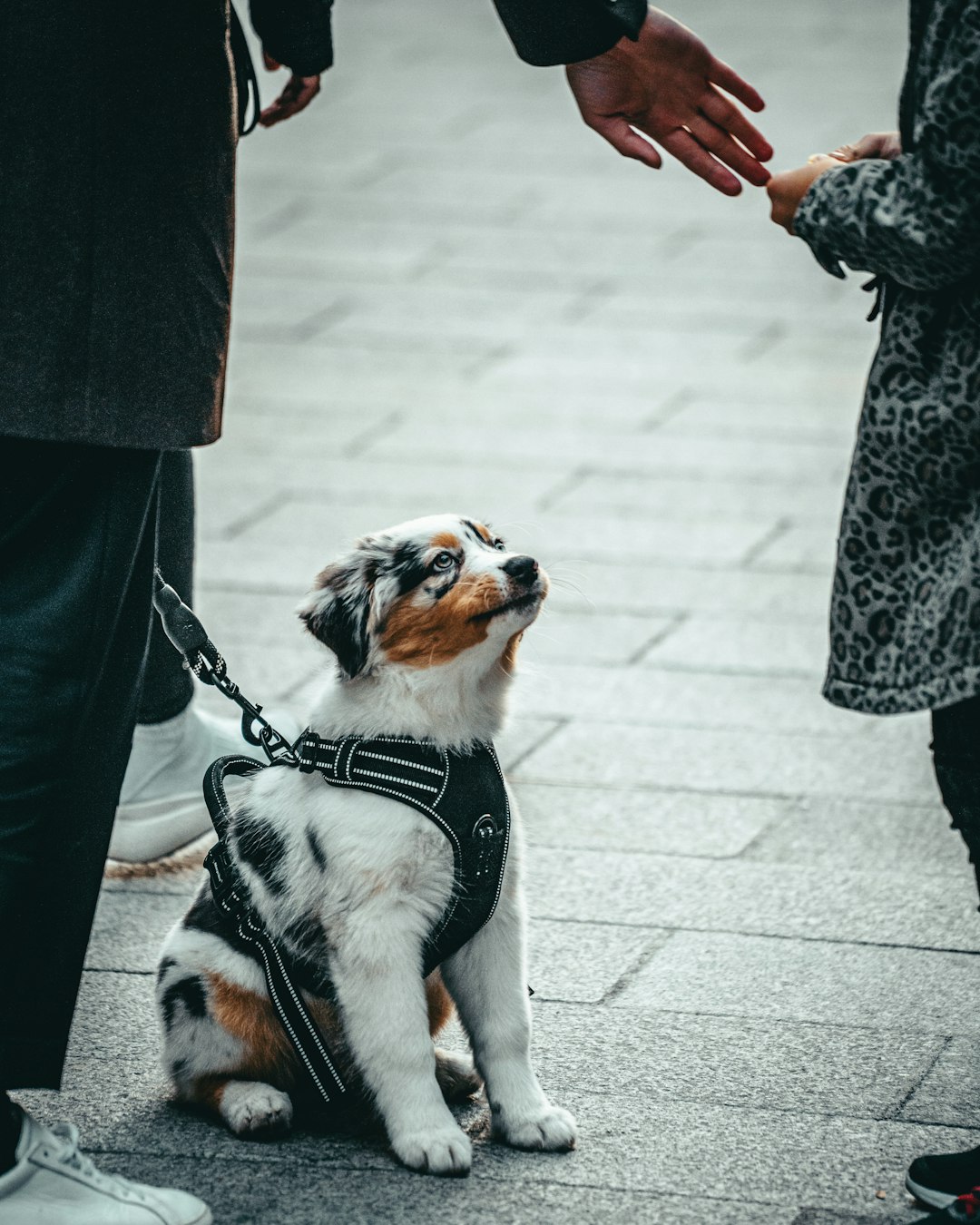
A dog’s response to strangers can speak volumes about their personality. Friendly dogs that approach new people with enthusiasm and trust are often more gregarious and open-hearted. They are like the social hosts at a gathering, welcoming everyone with a smile. In contrast, dogs that bark or retreat when meeting strangers may have a more protective or wary nature, needing time to warm up to new faces. This behavior reflects a cautious personality that values security.
Check Their Body Language
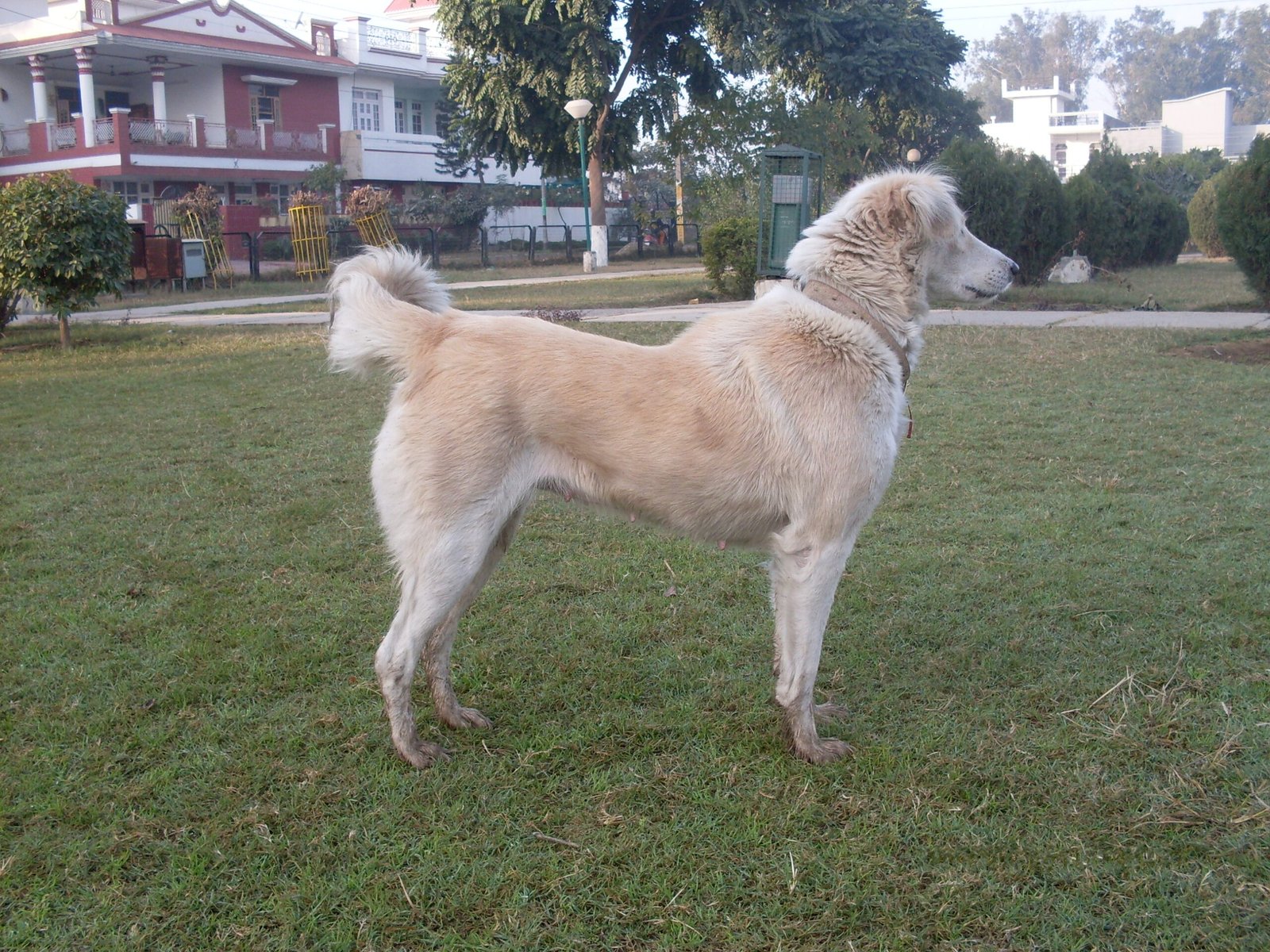
Your dog’s body language is a silent communicator of their emotions and personality. A dog that holds its tail high, ears perked, and eyes bright is often confident and assertive. They carry themselves with the assurance of someone who feels at ease in their environment. Meanwhile, a dog with a tucked tail or lowered head may be more submissive or anxious, similar to a person who feels out of place. Paying attention to these cues can help you understand your dog’s emotional state.
Listen to Their Vocalizations

Dogs communicate a lot through their vocalizations, offering clues to their personality. A dog that barks frequently may be more vocal and expressive, akin to someone who loves to chat. These dogs often have a lot to say and are unafraid to voice their opinions. On the other hand, a quieter dog might be more reserved or contemplative, content to observe rather than participate. Understanding these vocal patterns can help you better interpret their needs and feelings.
Observe Their Reaction to Routine Changes
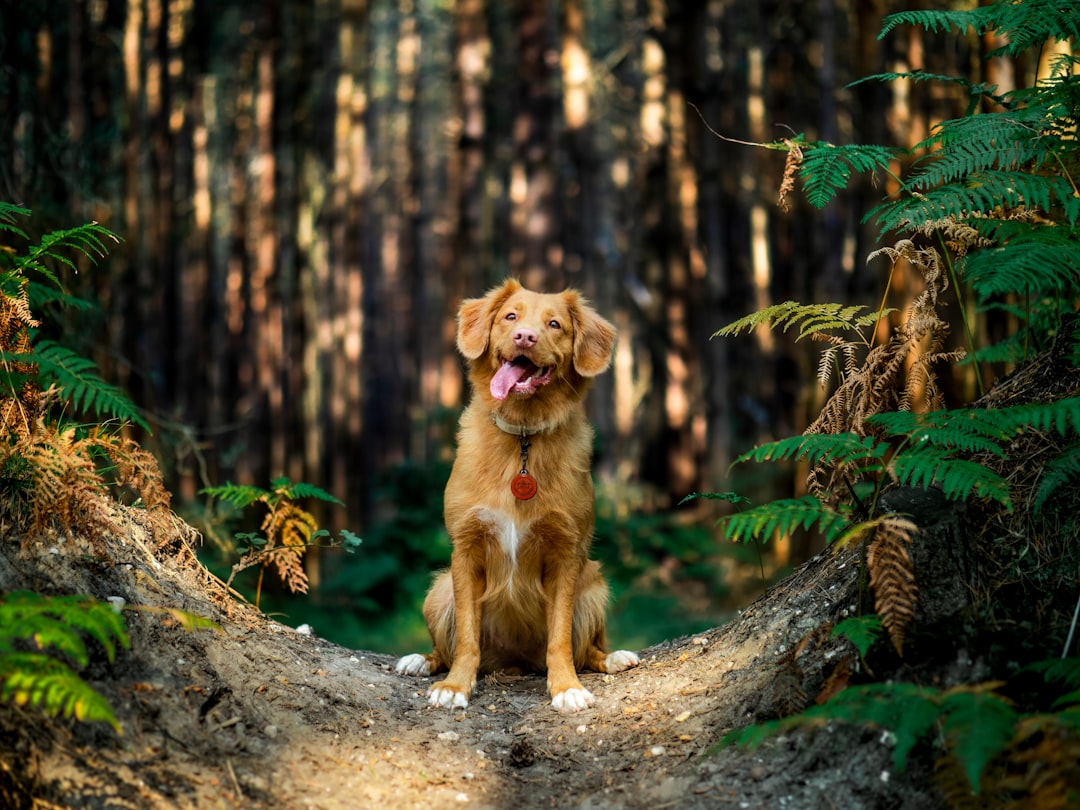
Changes in routine can reveal a lot about your dog’s adaptability and comfort with change. Dogs that easily adjust to new schedules or environments may have a flexible and resilient personality. They take life’s changes in stride, much like someone who thrives on spontaneity. Conversely, dogs that struggle with routine changes, showing signs of stress or anxiety, may prefer stability and predictability. These dogs value routine and find comfort in the familiar.
Identify Their Favorite Activities
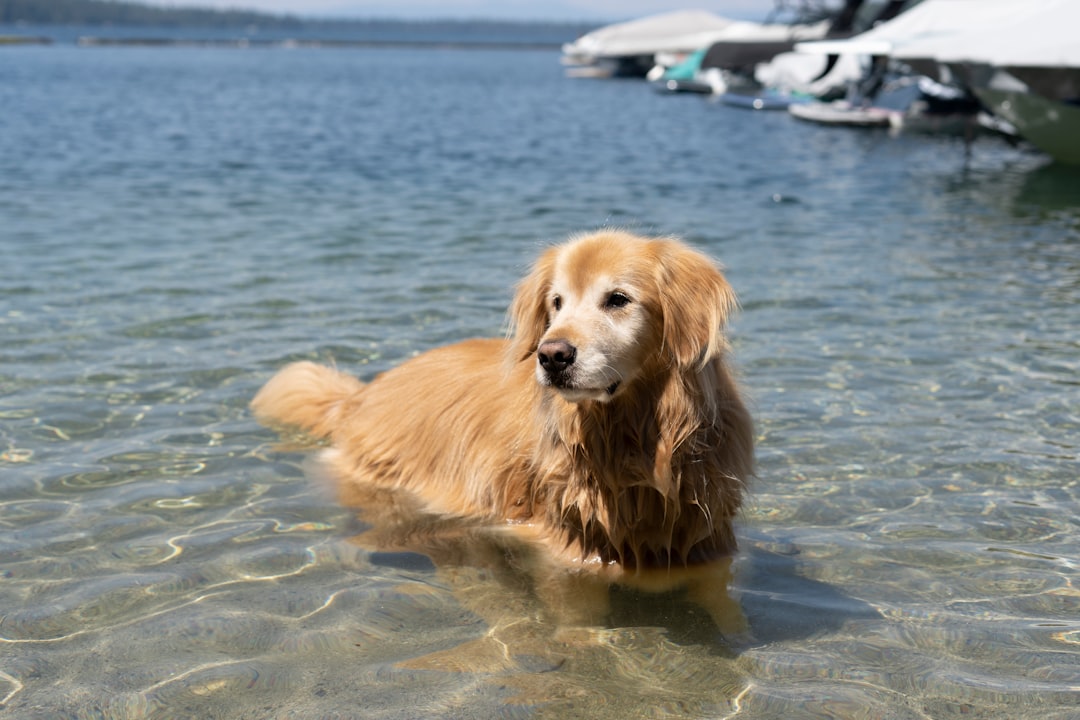
Your dog’s favorite activities can highlight their interests and personality traits. Dogs that love fetch, running, or agility courses are likely more active and adventurous, always ready for the next thrill. They are the athletes, driven by a desire to move and explore. In contrast, dogs that prefer lounging, snuggling, or gentle walks might have a more relaxed and easygoing personality. Identifying these preferences can help you engage your dog in activities that bring them joy.
Take Note of Their Eating Habits
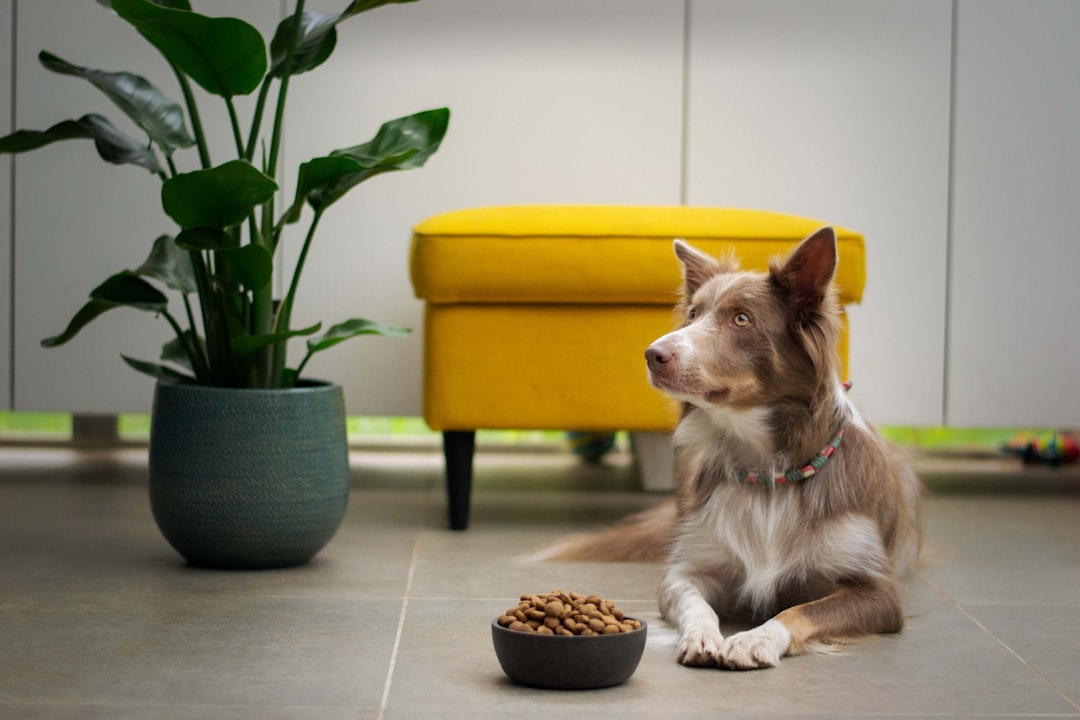
A dog’s eating habits can also provide insight into their personality. Dogs that eat quickly and enthusiastically may have a more impulsive and eager personality, always ready for the next meal. They are like food lovers who savor every bite. On the other hand, dogs that eat slowly or are picky about their food may be more selective or cautious, reflecting a careful and thoughtful demeanor. Observing these habits can help you cater to their dietary preferences.
Examine Their Reaction to Noise
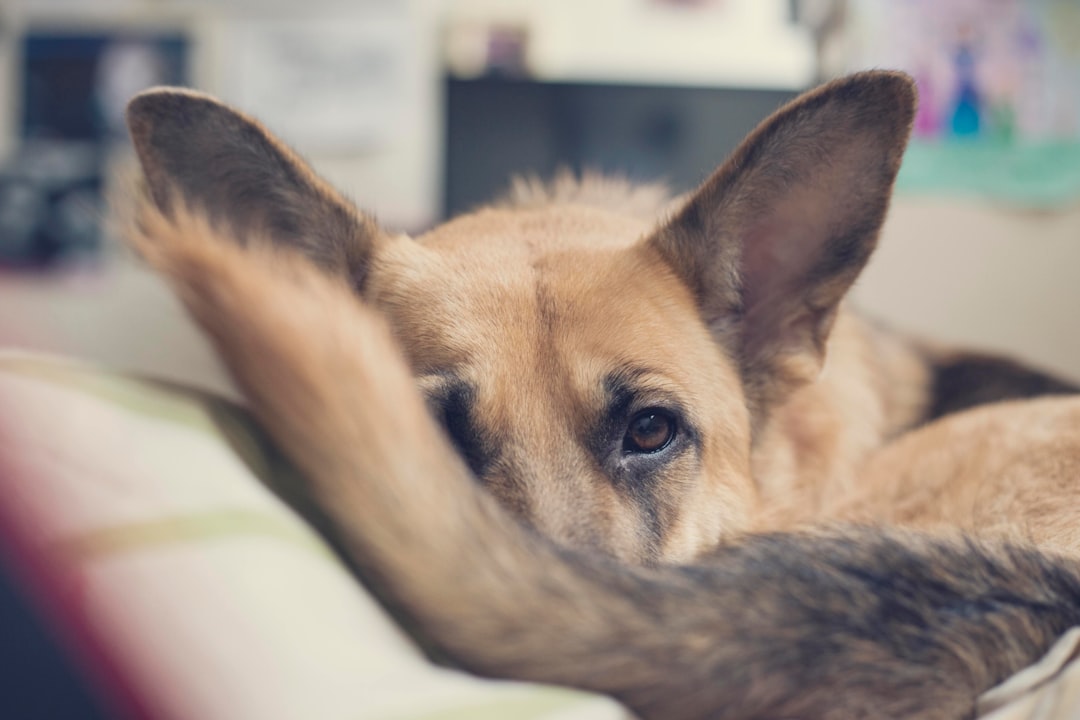
Noise sensitivity is another clue to your dog’s personality. Some dogs are unfazed by loud sounds, remaining calm and composed, much like someone who enjoys the hustle and bustle of a lively city. These dogs have a resilient nature that allows them to remain unaffected by external stimuli. In contrast, dogs that react to noise with anxiety or fear may have a more sensitive personality, preferring quieter and calmer environments. Understanding this sensitivity can help you create a comforting space for your dog.
Reflect on Their Bond with You
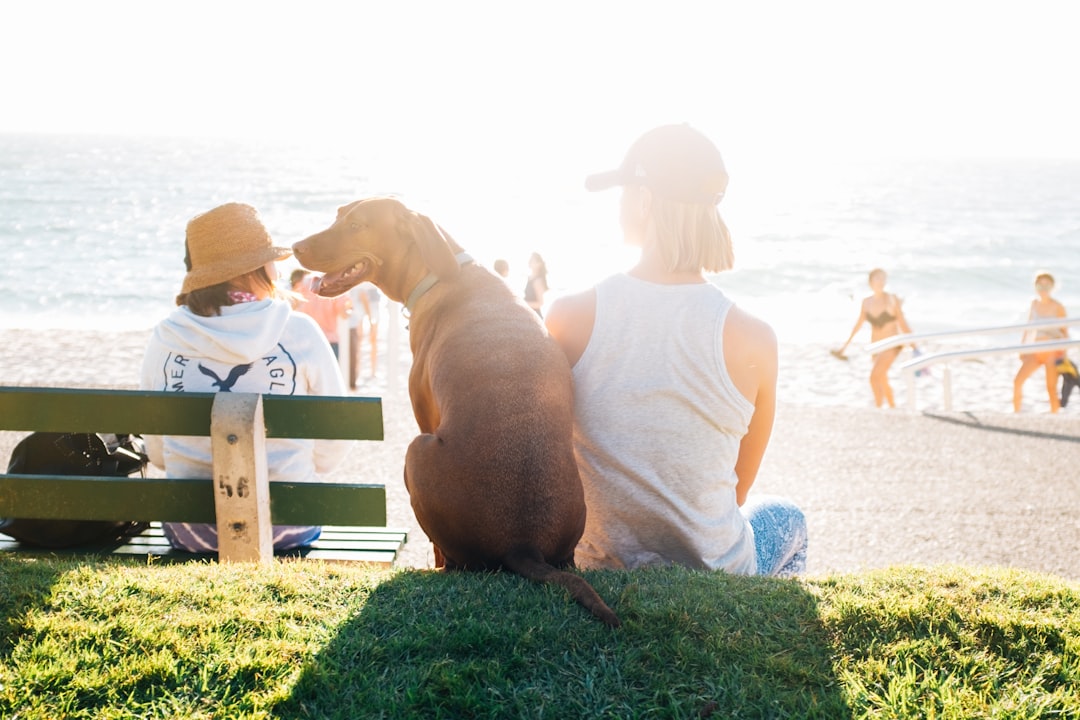
The bond between you and your dog is one of the most telling aspects of their personality. Dogs that are constantly by your side, seeking your attention and affection, may have a more affectionate and loyal nature. They are like devoted friends who treasure your company. Conversely, dogs that enjoy their independence, spending time alone or exploring without you, may have a more independent or self-reliant personality. Recognizing this bond can help you strengthen your relationship with your furry friend.
Understanding your dog’s core personality type is a journey of discovery that enriches your relationship with them. By observing their behaviors and preferences, you gain valuable insights into their unique character. Each dog is a distinct individual, and recognizing their personality type allows you to tailor your care and interactions to suit their needs. Embrace this journey with an open heart and enjoy the special bond you share with your beloved pet.


