
When you picture a hero, you might imagine a caped figure swooping in to save the day. Yet some of the most courageous rescuers walk on four legs instead of two. Dogs have been standing guard beside humans for thousands of years, risking their own safety to protect those they love.
It’s hard to say for sure, but we know certain breeds possess an almost supernatural ability to sense danger and respond when it counts. Their bravery is matched only by their loyalty, and the bond they form with their human families often becomes the difference between life and death. Whether it’s pulling someone from icy water, tracking a lost hiker through dense wilderness, or standing firm against an intruder, these remarkable animals answer the call when everything is on the line. So let’s dive into the breeds that truly embody what it means to be a lifesaver.
German Shepherd
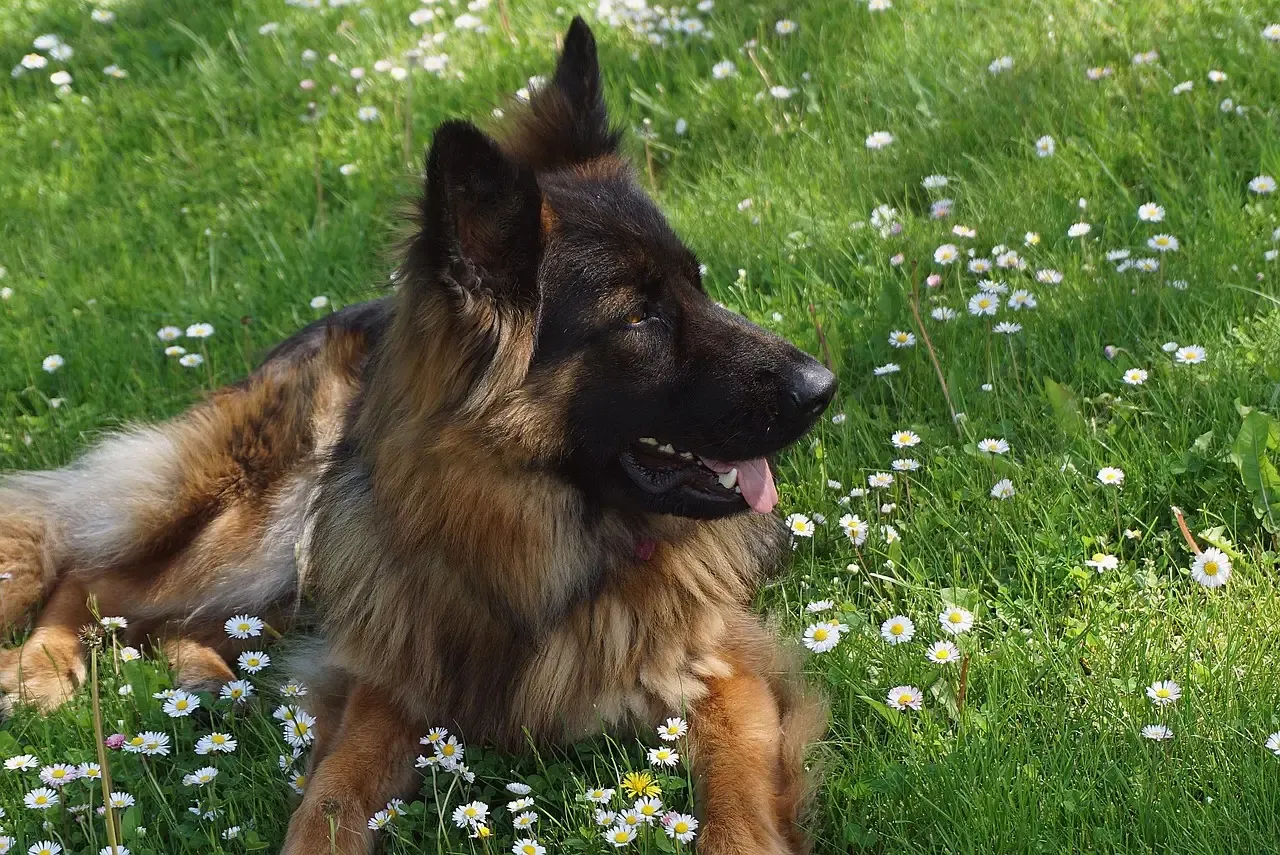
The German Shepherd is a versatile and highly intelligent breed, commonly seen in various working roles, including search and rescue, with a strong work ethic and loyalty that make them ideal for SAR missions. These dogs have been trusted partners in military and police work for decades, and their ability to assess danger is remarkable. German Shepherds form deep bonds with their handlers and won’t hesitate to put themselves in harm’s way.
German Shepherds are renowned for their composure when things go wrong, with an ability to stay alert yet focused that allows them to read tense situations and act quickly without panic. Their sharp intelligence means they can be trained to perform complex rescue tasks, from guiding children to safety during a fire to securing perimeters in disaster zones. Honestly, when you need a dog who can think on their feet and lead you out of danger, few breeds match the German Shepherd.
Newfoundland
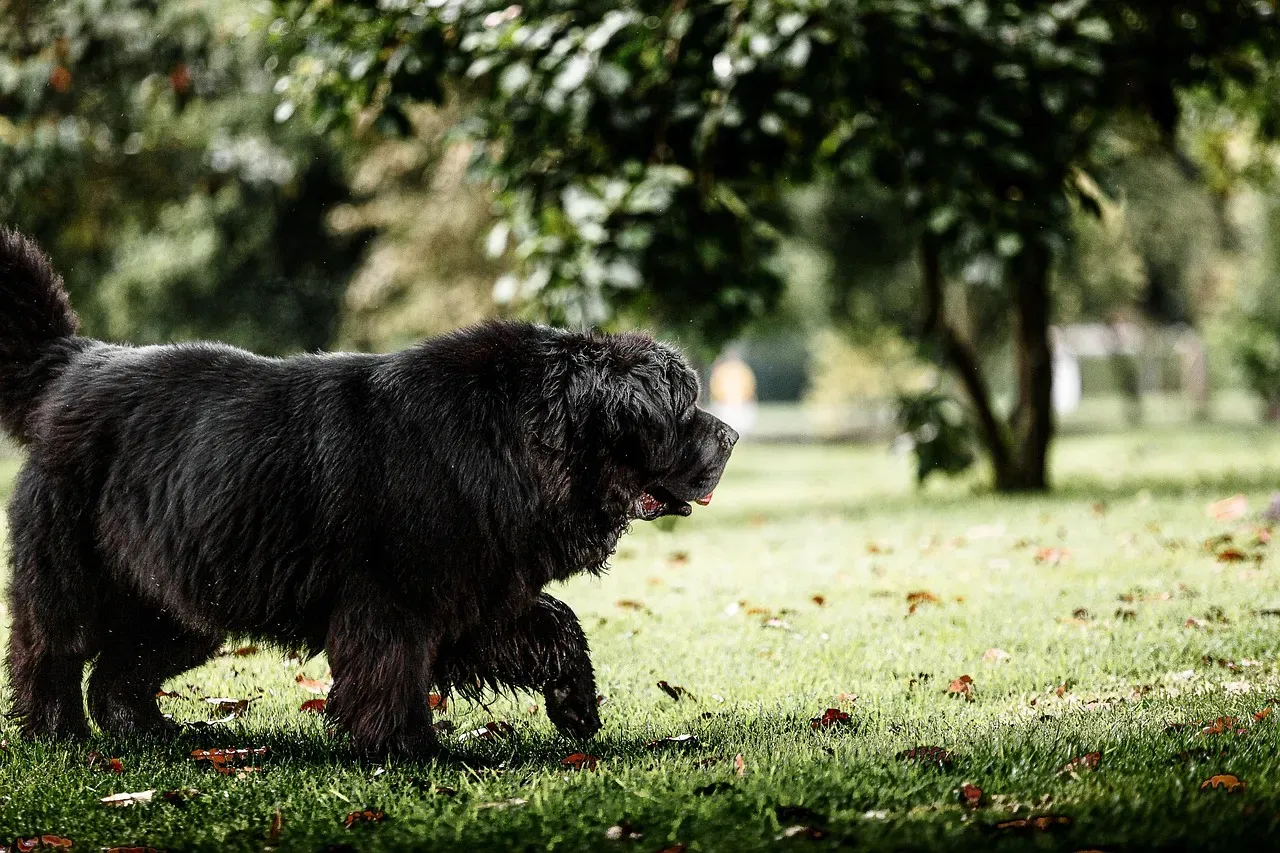
Water rescues demand strength, stamina, and natural swimming ability. Newfoundlands have all three in spades. Newfoundlands are strong, brave, and gentle dogs with webbed feet for stronger paddling, and their thick double coat repels water, keeping them warm in freezing conditions.
A true hero was Whizz, a Newfoundland who’s the reason nine people survived drowning incidents. These gentle giants can tow boats to shore and pull struggling swimmers from rough currents. Their instinct to help is so deeply ingrained that they often act without commands, sensing when someone is in distress. It’s no wonder coast guards in multiple countries still rely on these incredible dogs today.
Saint Bernard
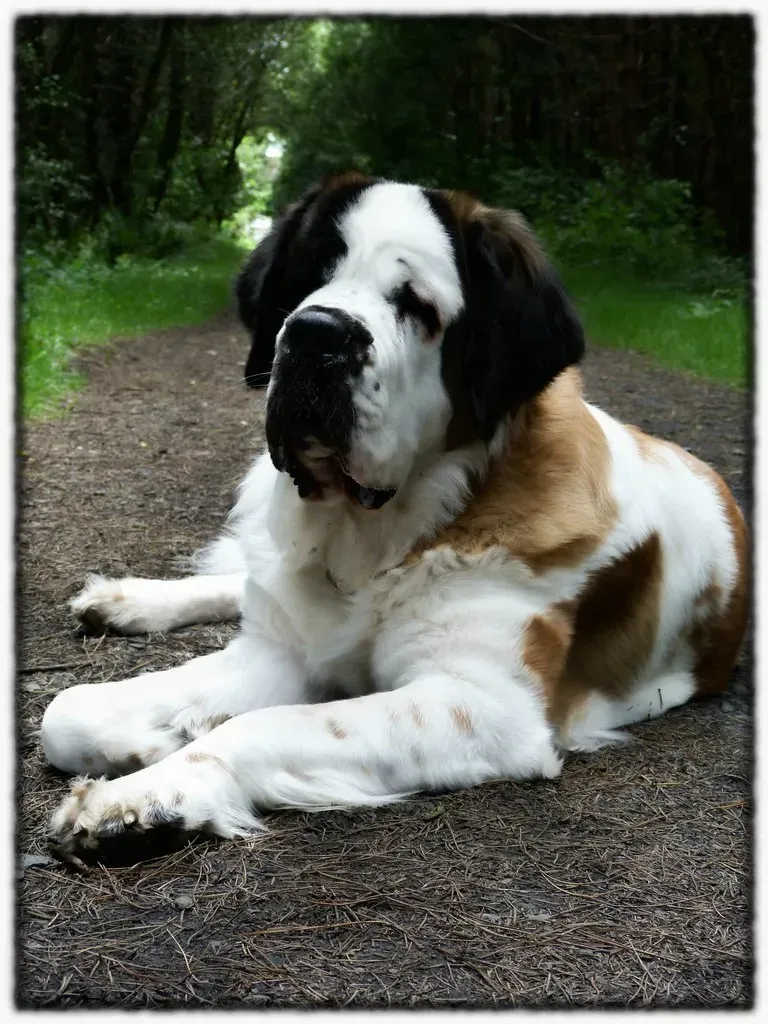
Saint Bernards were bred for the snow to help monks with rescue missions, and their large bodies and undercoats keep them warm for long periods of time. These mountain dogs became legendary in the Swiss Alps, where monks used them to locate travelers trapped in avalanches. Barry, a Saint Bernard who lived at the Hospice of St. Bernard in the Swiss Alps, saved the lives of 40 travelers throughout his 14 years of service, not only leading people through the tough terrain but also locating lost travelers and warming them with his body.
Their remarkable sense of smell allows them to detect humans buried under deep snow, and their massive size helps them navigate treacherous terrain. Saint Bernards are gentle with people yet powerful enough to break through snowdrifts. Even today, the breed’s natural rescue instincts remain as strong as ever.
Labrador Retriever
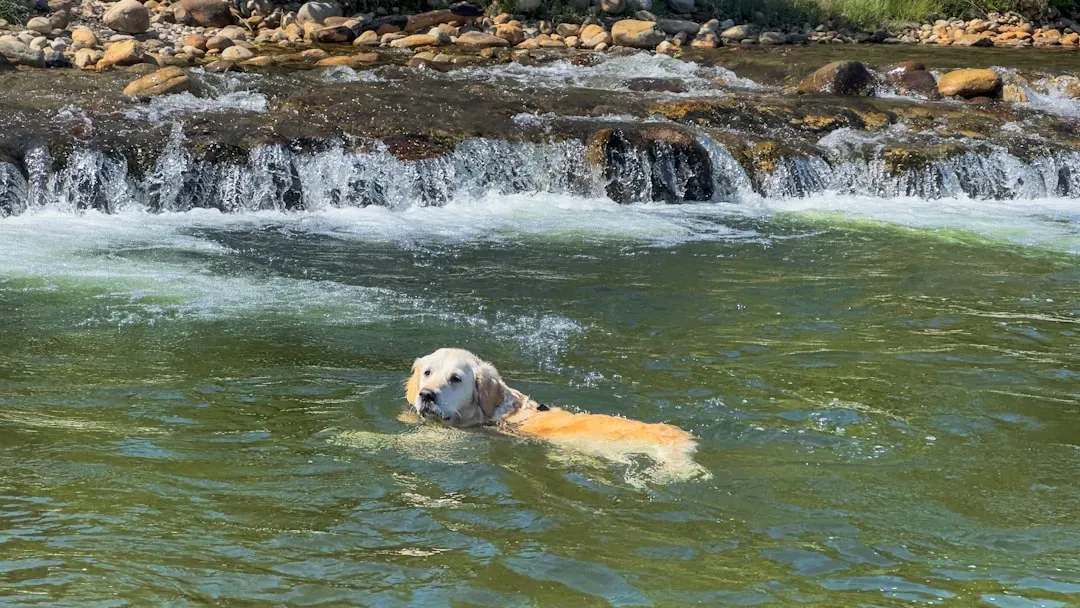
Labrador Retrievers are more than just friendly faces; they are absolute pros in saving people when it comes to flood rescue, with their strong build and powerful legs making them awesome swimmers who can swim long distances. Labs are used extensively in search and rescue operations around the world. Their friendly temperament makes survivors feel at ease, which can be critical in traumatic situations.
Originally bred to help fishermen retrieve nets and waterfowl, these dogs have an almost instinctive connection to water. These athletic dogs can swim through strong currents, follow commands, and even find missing persons using their strong sense of smell. Whether it’s a natural disaster or a missing person case, Labradors show up ready to work, and they do it with wagging tails and unwavering determination.
Bloodhound
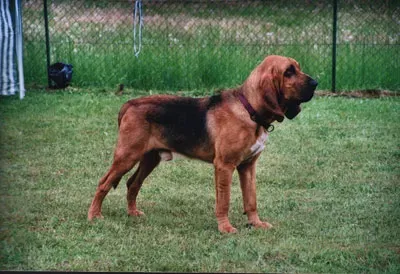
The Bloodhound is considered the ultimate scent-tracking dog, with more than 230 million scent receptors that allow them to follow a trail that is days old and cover incredible distances. Their long ears and droopy skin help funnel scents toward their nose, making them living scent machines. When someone goes missing, Bloodhounds are often the first breed called in.
Their persistence is legendary. These dogs won’t quit until they’ve found what they’re looking for, even if it takes hours or days. What’s even more impressive is that evidence uncovered by Bloodhounds can be used in court, which speaks to just how reliable their tracking abilities are. Let’s be real, if you’re lost in the wilderness, you’d want a Bloodhound on your trail.
Belgian Malinois
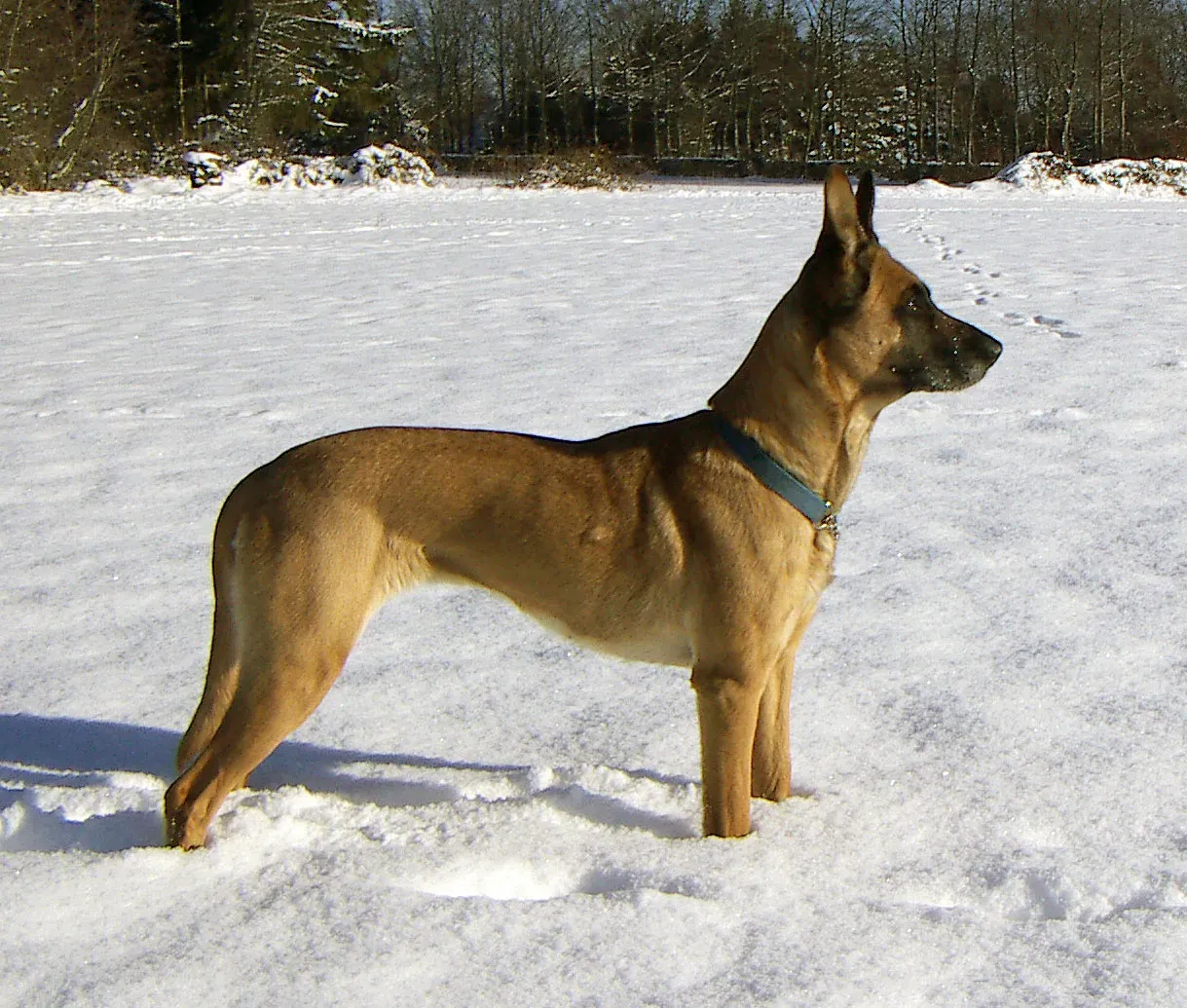
The Belgian Malinois reacts instantly to potential danger, scanning its surroundings with alert precision, and its herding roots give it an uncanny ability to anticipate movement and assess threats quickly. These dogs are lighter and more agile than German Shepherds, though just as hardworking. They thrive in high-pressure situations, whether it’s disaster recovery or military operations.
Belgian Malinois are used extensively in police and military work because of their speed and endurance. They can scale walls, navigate rubble, and perform physically demanding tasks that would exhaust other breeds. Their focus is unshakable, and they form incredibly strong bonds with their handlers. This breed doesn’t just work for praise or treats – they work because it’s in their DNA.
Border Collie
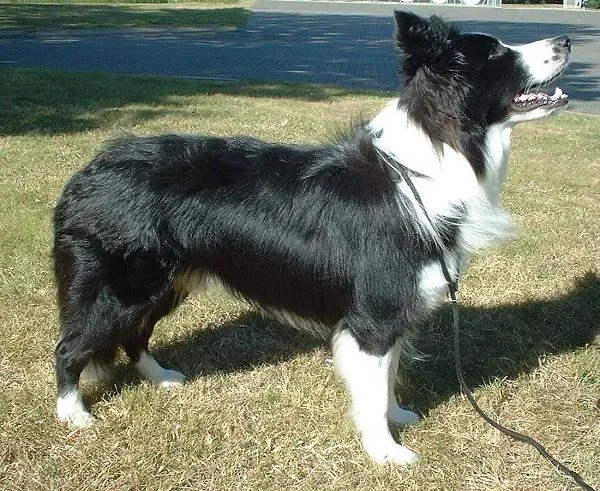
The border collie is one of the most clever dogs around and is highly energetic, and because they’re fast responders and quick thinkers, few breeds do the job as well as them, making them such prominent search-and-rescue dogs. Their herding instincts translate beautifully into rescue work, as they can manage chaotic situations and keep their focus on the task.
Due to border collies’ incredible alertness and problem-solving skills, they often spring into action to help their owners by waking people up or alerting them to help when something is wrong. These dogs need mental stimulation and physical activity, but when an emergency strikes, their energy and intelligence become invaluable assets. A bored Border Collie might chew your furniture, but a trained one might just save your life.
Doberman Pinscher
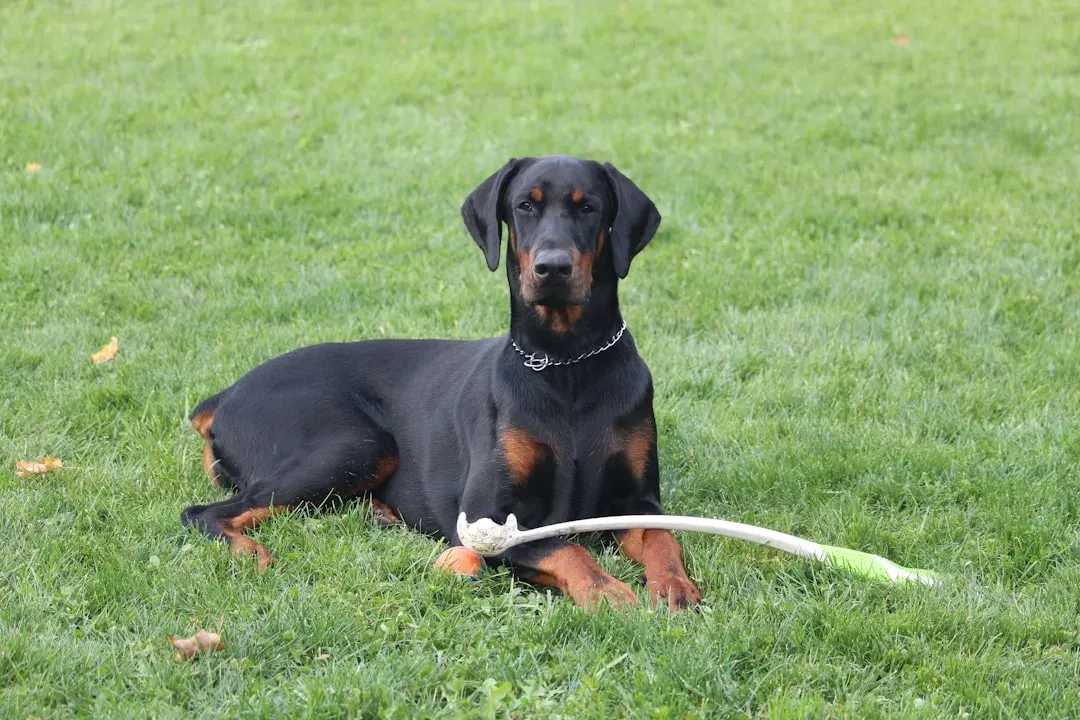
Although many people think there are different types of Doberman pinschers, only one is recognized by the American Kennel Club, and their intimidating appearance and alertness are useful for the work they do, which includes security and police work, as well as search and rescue. Dobermans are sleek, powerful, and fearless. Their reputation for toughness often overshadows how affectionate they can be with their families.
A Doberman scans human tension, moving to shield its family before a command is spoken, and that rapid awareness allows it to defuse threats or signal danger when every second counts. These dogs are natural protectors, and they act with precision rather than panic. During World War II, a Doberman named Kurt saved U.S. Marines in Guam by warning them of approaching enemy soldiers – earning the title “The Devil Dog of the Marines”.
Rottweiler
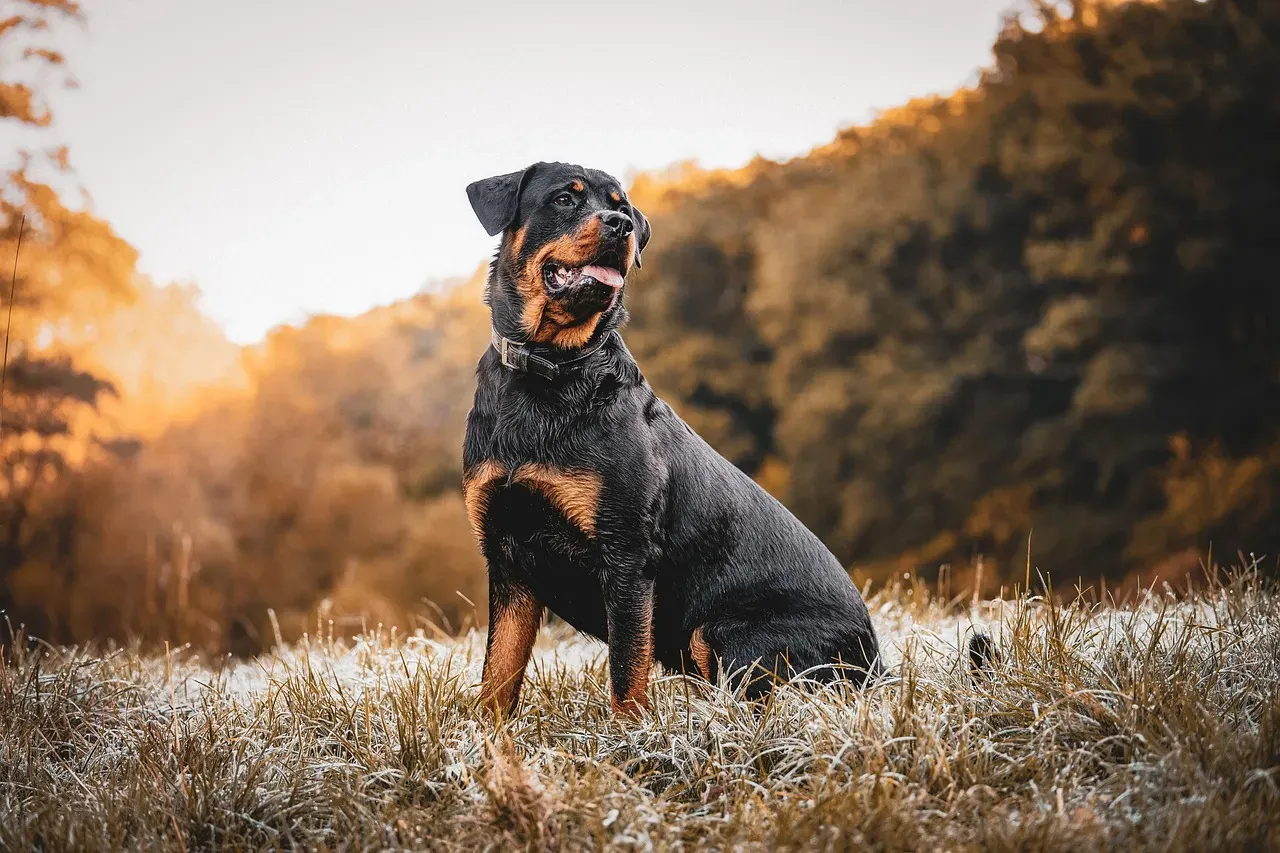
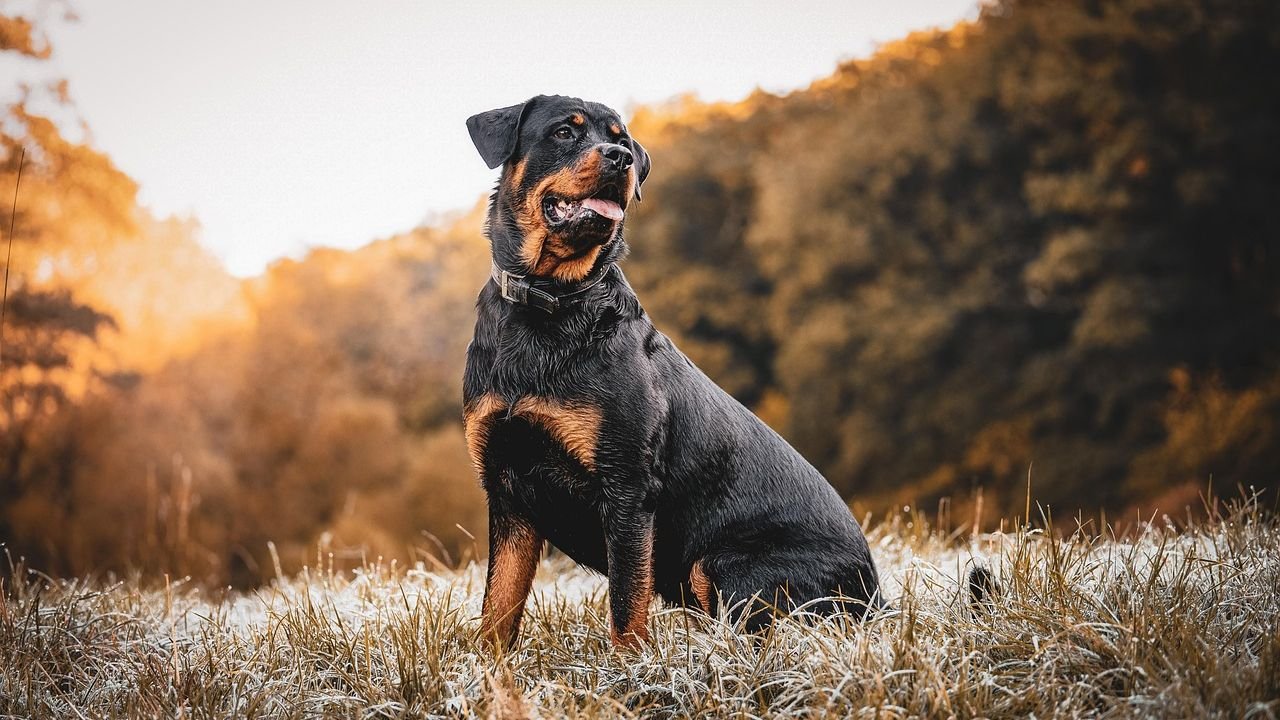
Rottweilers have earned a reputation that can be intimidating, but those who know the breed understand how deeply loyal and protective they are. Rottweilers are often recognized for their strength and protective instincts, and they have served as rescue dogs in various scenarios due to their reliability and training capacity, with their courageous demeanor and sense of loyalty to their handlers making them effective partners in life-saving missions.
These dogs remain calm in most situations, but they’re quick to act if danger arises. Their physical strength and endurance make them well-suited for demanding rescue work. With proper training and socialization, Rottweilers become gentle family companions who also happen to be formidable protectors. They balance a playful attitude with serious awareness, which is exactly what you want in an emergency.
Boxer
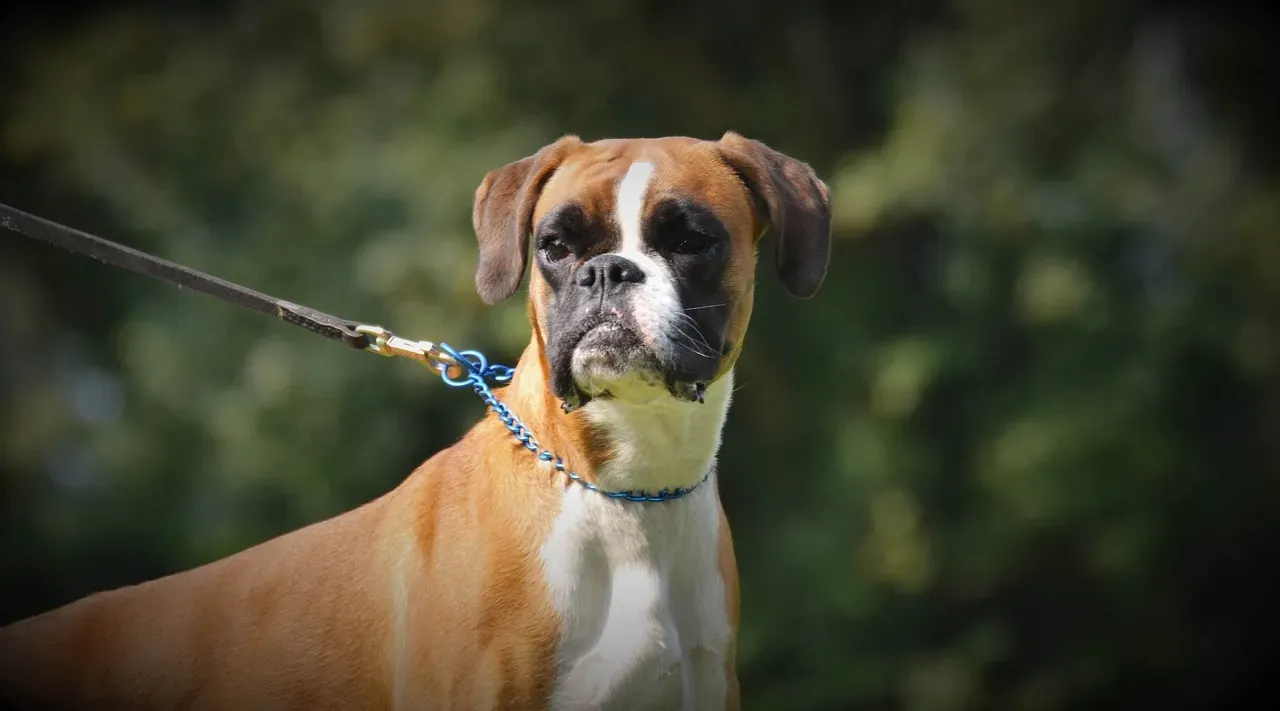
Boxers have long been recognized for their calm reaction in emergencies and quick physical response, and they understand the tone and urgency of human voices, making them dependable when a situation demands immediate attention. Their muscular build and confident energy make people feel safe, yet Boxers rely on judgment rather than aggression.
This breed forms deep emotional connections that turn into protective behavior without formal training, and they’re often found keeping close watch on children, sensing unease before it becomes a problem. Boxers served as messenger and rescue dogs during World War II, proving their bravery under pressure. Their combination of warmth and vigilance makes them ideal family guardians.
Golden Retriever
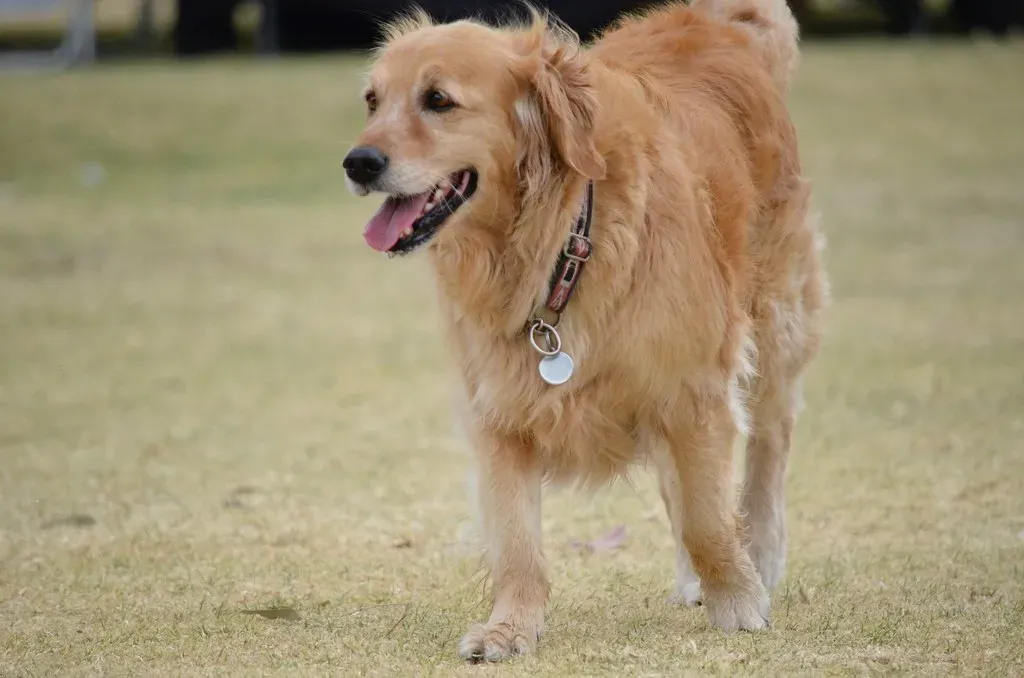
Golden Retrievers combine intelligence, stamina, and a calm temperament, making them excellent search and rescue dogs, with their long noses and strong tracking instincts enabling them to locate people in diverse settings, including dense forests or avalanche sites, and they are especially valued for their gentle nature, which can provide comfort to survivors in distress. Their friendly demeanor helps ease the trauma of disaster victims, and their willingness to work for hours makes them reliable partners in rescue missions.
Golden Retrievers are versatile enough to handle everything from wilderness searches to water rescues. They’re patient, highly trainable, and eager to please, which means they respond quickly to commands even in chaotic environments. You can see why they’re consistently chosen for some of the most challenging rescue operations worldwide.
Alaskan Malamute
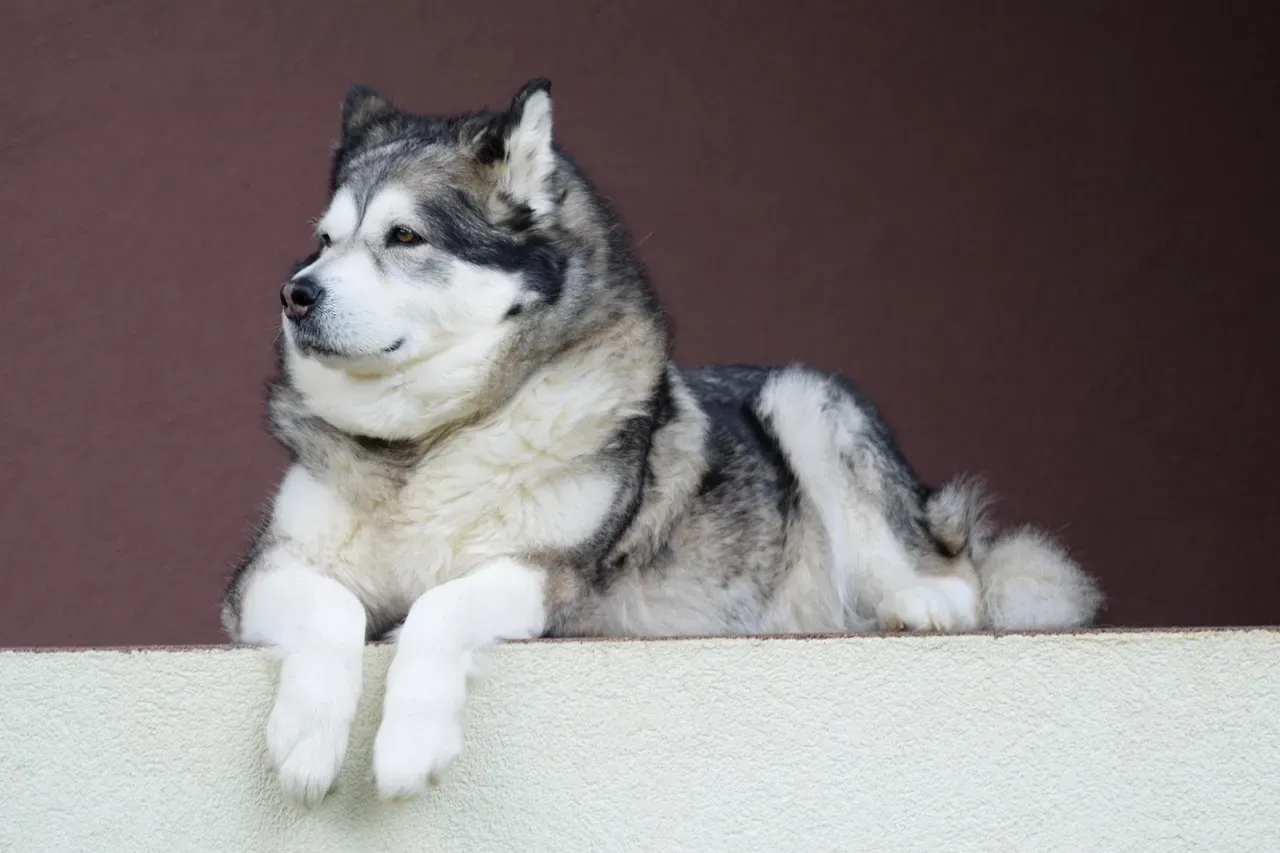
Alaskan Malamutes are known for their endurance, strength, and ability to cover long distances in harsh environments, and they are often used in cold-weather search and rescue missions, particularly in snow-covered areas, with their powerful build and keen instincts making them ideal companions for rescuers working in the Arctic regions. These dogs were originally bred for sledding and hauling heavy loads, so they have the stamina to work for hours in freezing temperatures.
Their thick coat and sturdy frame allow them to navigate through deep snow and icy winds that would stop most other breeds. Malamutes are independent thinkers, which can be both a challenge and an asset during rescue missions. When conditions are brutal and human rescuers are struggling, these dogs push forward with determination that seems almost superhuman.
Bernese Mountain Dog
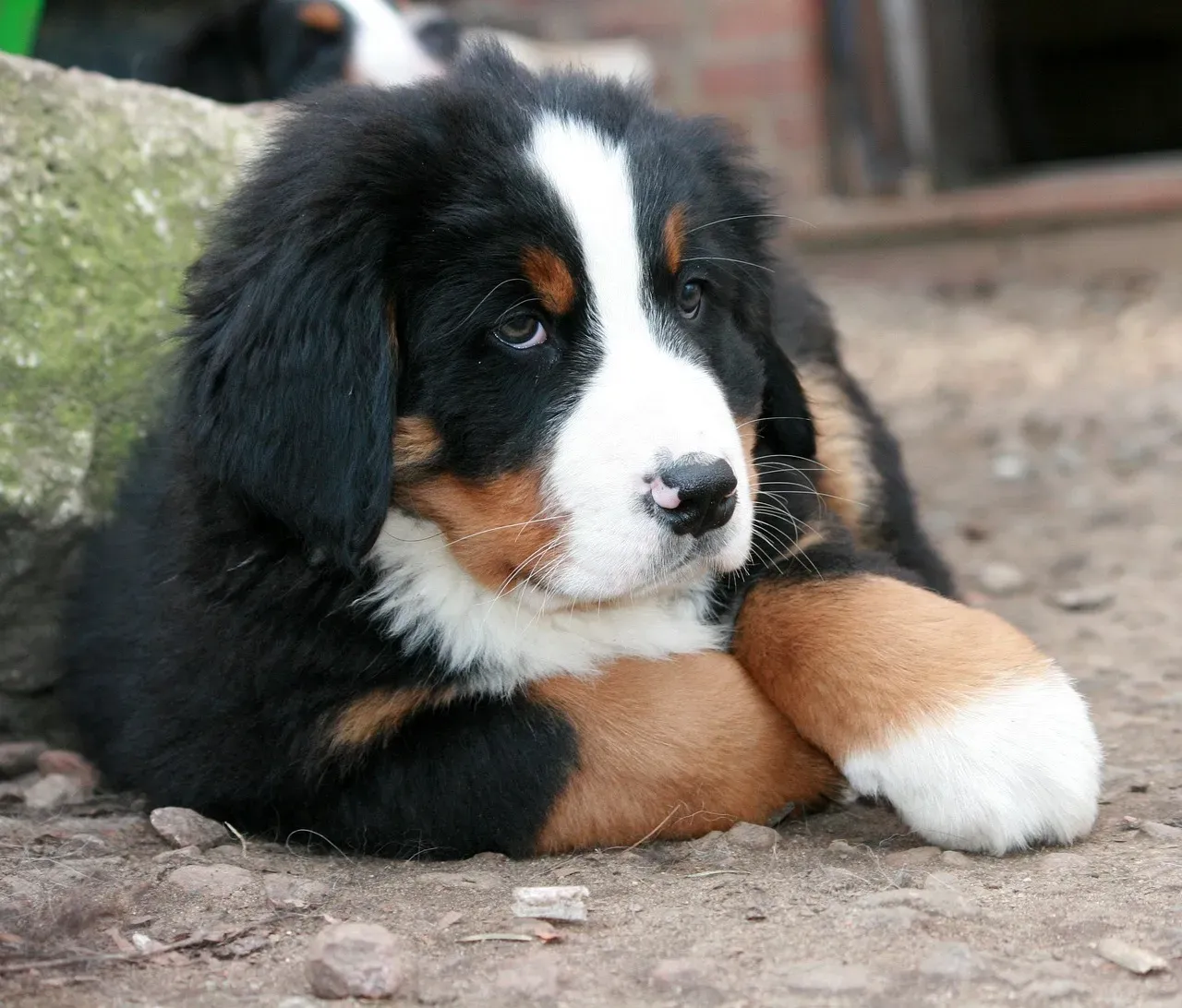
Bernese Mountain Dogs have a calm, good-natured temperament and may be clumsy until they outgrow puppyhood, but they also have a guardian-like instinct to protect their family, and while not as intense as other protection dogs, they make a great family dog and can serve as a gentle deterrent. Their large size alone can discourage threats, but it’s their affectionate nature that makes them beloved family members.
These dogs have a natural desire to work, which historically included pulling carts and guarding farms. That same work ethic translates into protective behavior when their family is threatened. Bernese Mountain Dogs are especially strong fits in family environments where companionship is just as important as protection. They might not be the most intense guard dogs, but their loyalty runs deep.
Australian Shepherd
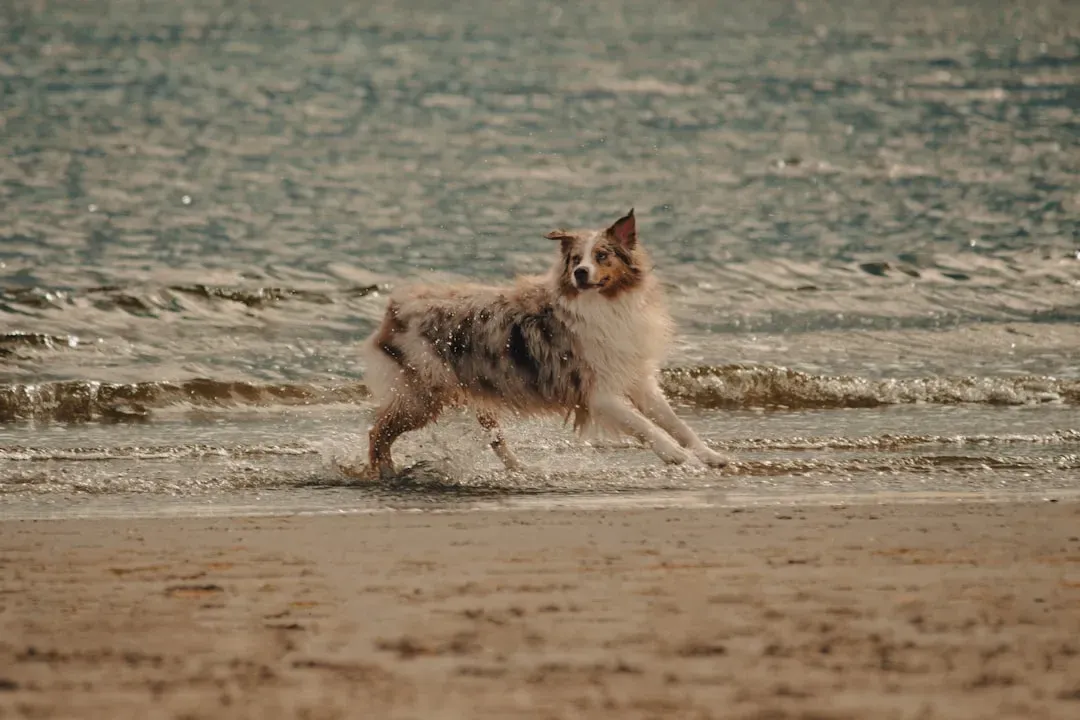
Don’t let the name fool you – Australian Shepherds were actually bred in the United States. Australian shepherds are not only beautiful in appearance with their different colors and patterns, but their loyal personality means they will protect their owner at all costs, and one Indiana County Australian shepherd even saved her owner from an attack from a 300-pound bear in 2013. These dogs have strong herding instincts, which give them a natural ability to read situations and respond to danger.
Australian Shepherds are highly energetic and need regular mental stimulation, but when an emergency arises, that energy becomes a lifesaving asset. They’re quick on their feet, intelligent, and fiercely protective. Their alertness means they often detect problems before their owners even realize something is wrong.
Conclusion
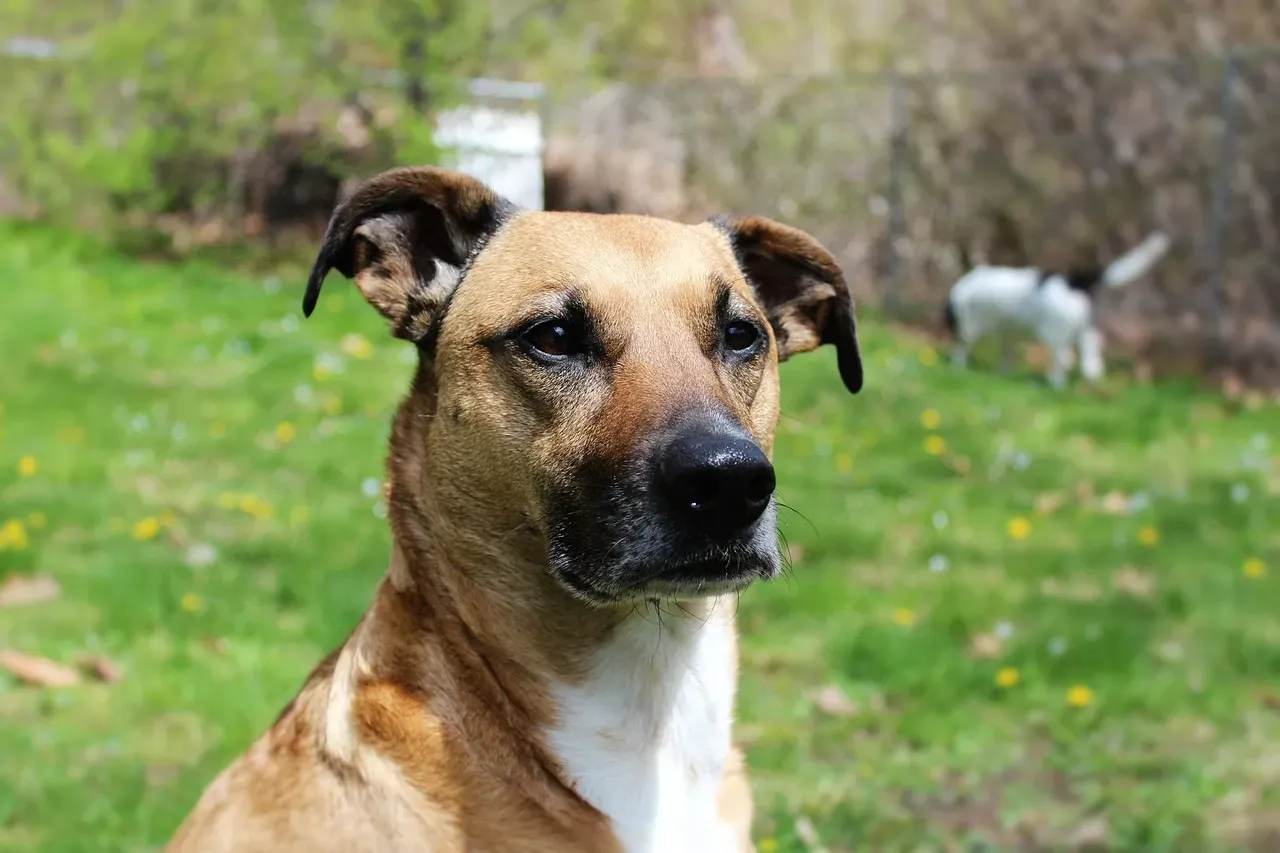
The courage these breeds display isn’t just impressive – it’s humbling. Whether they’re diving into icy water, tracking scents through dense wilderness, or standing guard against danger, these dogs give everything they have to protect us. Their instincts, loyalty, and bravery go far beyond simple training. It’s something wired into their very nature.
Choosing a dog with lifesaving potential means committing to proper training, socialization, and care. These breeds aren’t just protectors; they’re companions who will form unbreakable bonds with their families. Did you expect so many different types of heroes on four legs? What do you think about it? Tell us in the comments.


