

Every dog lover has had that moment. You’re at the park, everything is sunshine and tennis balls, and then – out of nowhere – a dog snaps, lunges, or stiffens into something unrecognizable from the fluffy photo on the rescue website. It’s jarring. It’s confusing. Sometimes, honestly, it’s a little heartbreaking.
Here’s the thing about dog temperament: it’s complicated. It’s layered. Aggression is the culmination of genetic background, including breed and lineage, early obedience training and socialization, life experience, diet, exercise, and situation. In other words, no dog is simply “born bad.” Yet some breeds do come wired with traits that demand far more patience, experience, and understanding from their humans. Ignoring that reality doesn’t help anyone, least of all the dogs themselves.
This article digs into 14 breeds that frequently show up on temperament watch lists, explores the real reasons behind their behavior, and contrasts them with some of the most wonderfully patient pups on the planet. Let’s dive in.
1. Chihuahua: Small Dog, Massive Attitude
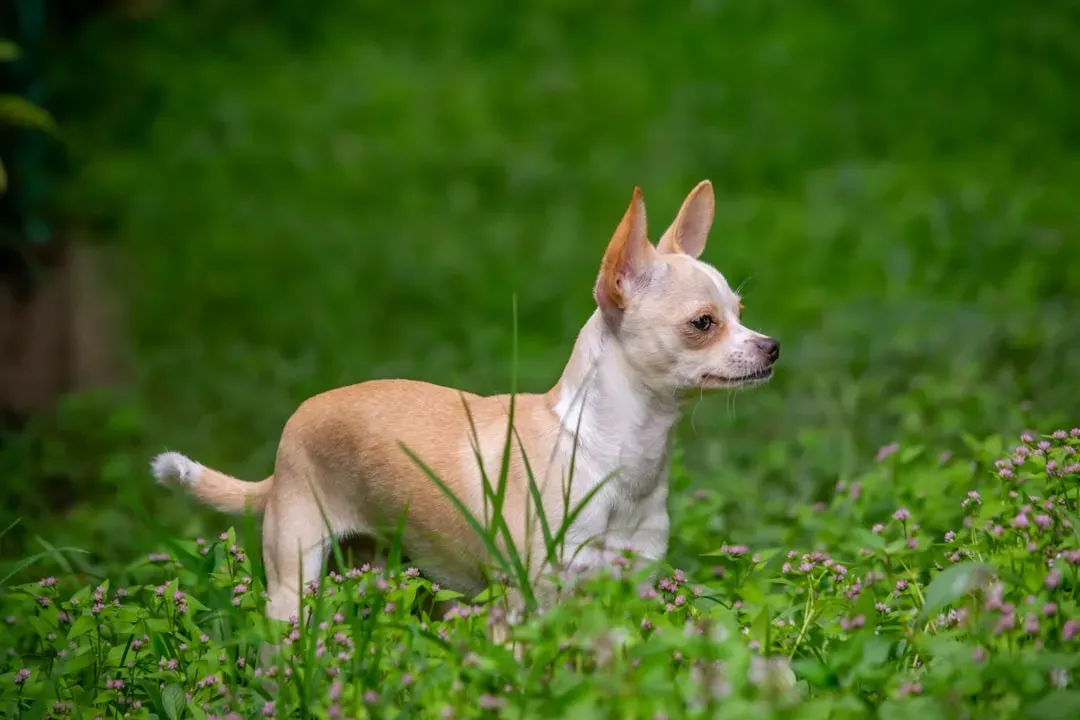
Don’t let the teacup size fool you. Sometimes affectionately nicknamed “land sharks,” these itty-bitty dogs do not like to be underestimated, and being the smallest of dog breeds, many Chihuahuas seem to feel the need to overcompensate for what they lack in physical stature by greeting the world teeth first. It’s almost admirable, in a terrifying sort of way.
They often form a strong attachment to one family member and can be fiercely protective of their chosen person. Although Chihuahuas are not as big as other breeds, they can land a nasty bite if they decide a stranger is a threat to their beloved owner. Chihuahuas tend to be intolerant of boisterous children and are often nippy. Prevention tip: socialize them early, consistently, and without exception.
2. Dachshund: The Stubborn Little Badger Hound

Another breed that scores surprisingly low on temperament studies is the adorable Dachshund. This breed, more often known as a “wiener dog,” presents the same issues as the Chihuahua. While they’re small and won’t pack much of a bite, they’re often aggressive toward strangers. That sausage-shaped body hides a fiercely independent spirit.
The Dachshund can sometimes have an attitude where they try to make up for their small size, which can result in behavioral problems. Research from the University of Pennsylvania even ranked Dachshunds among the most frequently aggressive breeds overall. While it’s tempting to treat your Dachshund like a spoiled lap dog, routine training and socialization are crucial. Don’t underestimate the effectiveness of professional training if your Dachshund shows signs of aggression.
3. Chow Chow: The Ancient Lion With a Short Fuse
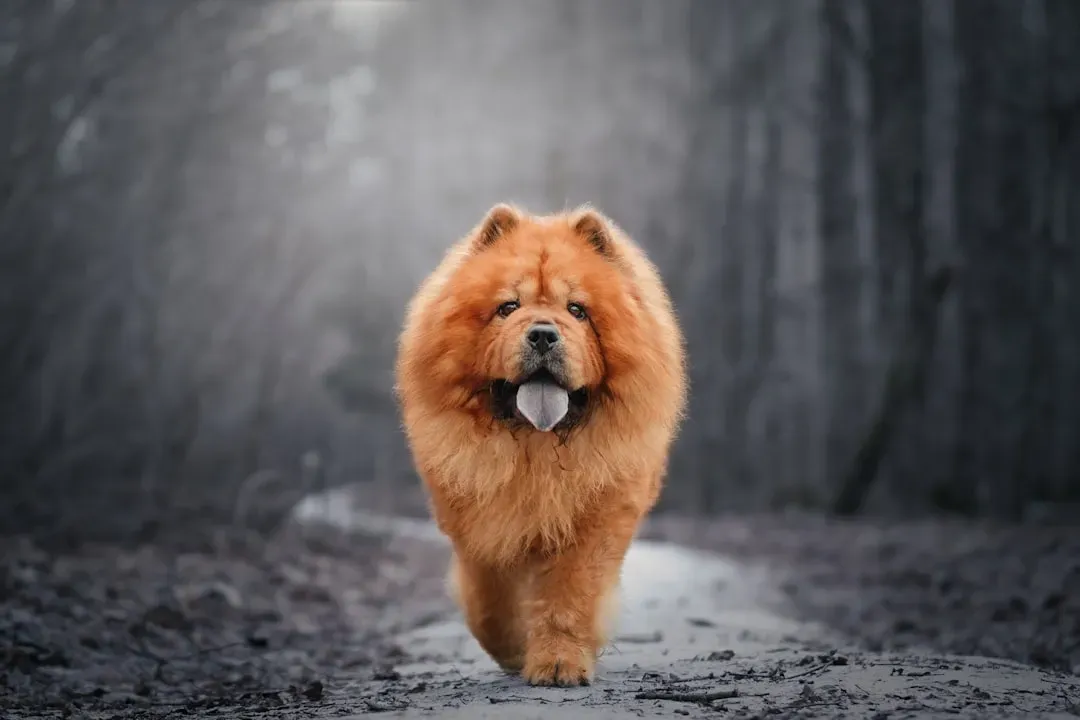
Don’t let this breed’s teddy bear appearance fool you. Most Chow Chows are highly territorial and will act aggressively in response to other dogs or strangers who venture onto their property. Originally bred in China as an all-purpose dog for hunting, herding, and guarding, the Chow also tends to bond with one particular family member. They are not built for casual hellos with strangers.
Chow Chows due to their facial, coat, and overall body structure emit body language that is often difficult to interpret. They appear to more often act impulsively without discernible warning signals, and are often very aloof one-person or one-family dogs. This unpredictability is what makes them particularly challenging, even for experienced owners.
4. Akita: Dignified, Devoted, and Dangerously Territorial
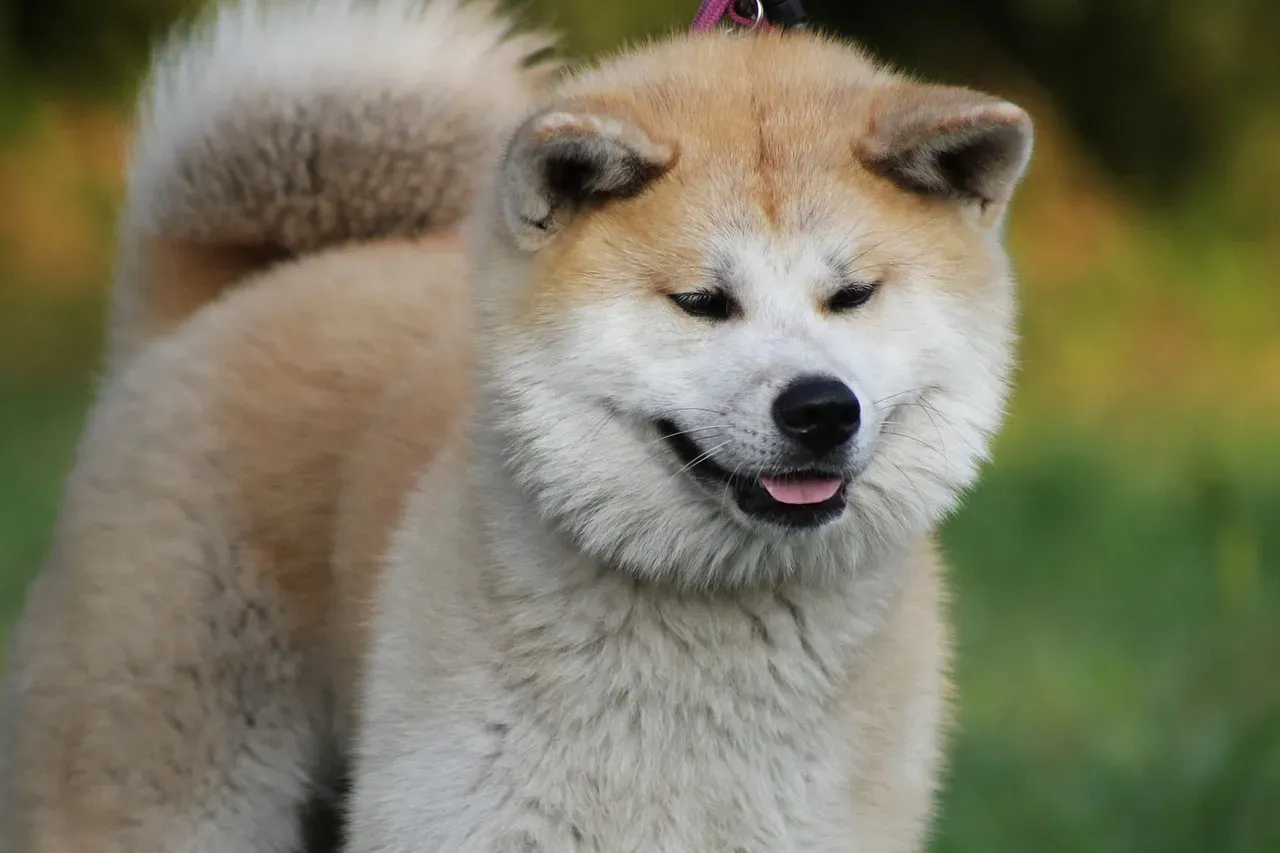
This large Japanese breed is often used as a police or guard dog in its homeland due to its protective nature. As pets, Akitas are often wary of strangers and can make overly vigilant watchdogs. They can be aggressive toward other dogs and may attack if not well-socialized at a young age. Think of them as deeply loyal, but loyalty that comes with a fierce gate policy.
They are a dominant and powerful breed that needs a skilled and experienced owner to guide them. Without proper structure, an Akita is likely to lash out, sometimes aggressively. Due to their dominant personalities, Akitas are known to pick fights with other dogs of the same sex. It is not recommended that owners keep two Akitas of the same sex. A firm, consistent training routine started in puppyhood is non-negotiable with this breed.
5. Rottweiler: Misunderstood Protector or Genuine Risk?
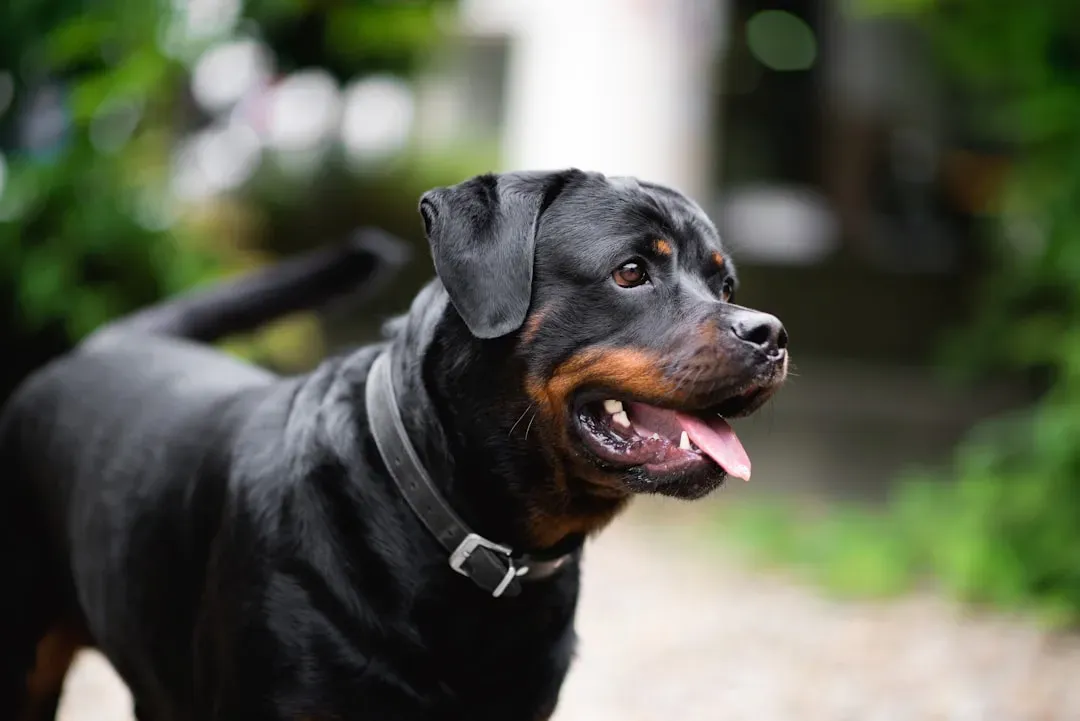
After the pit bull breeds, the Rottweiler probably has the worst reputation in popular culture. While it’s true that Rottweilers rank high on the list of aggressive breeds, most are well-adjusted, loving companion animals. Since Rottweilers tend to struggle with being territorial, other dogs are their most common trigger. Honestly, they get an unfair rap far more than people realize.
Their instinctive protective and guarding instinct made them a good choice as police dogs and guard dogs. The Rottweiler is responsible for the second-highest number of fatalities due to dog mauling, and this coupled with their size and strength makes it essential that they are trained and socialized, for the safety of all around them. Early structure is the key to unlocking the gentle giant inside.
6. Siberian Husky: Wild Spirit in a Beautiful Coat
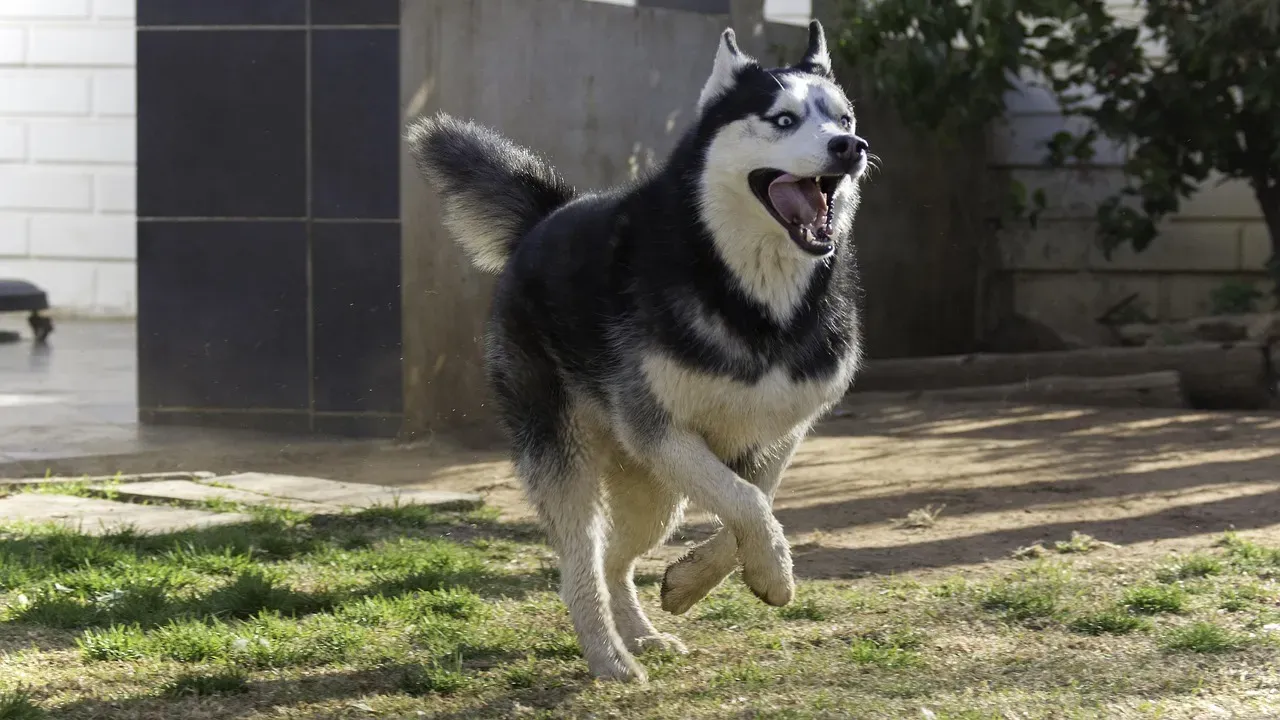
Unlike many other dogs on this list, the Siberian Husky isn’t normally aggressive because it’s protective or anxious. Instead, this breed’s aggression is often a result of poor training and socialization. Because Huskies are extremely headstrong, they’re a difficult challenge for even the most experienced dog owners. They are equal parts stunning and stubbornly independent.
The temperament of a Husky is very close to that of the wolf, which can make them unpredictable. Stubborn and dominant are two other characteristics this breed is known for. This is a very difficult dog to control and keep from getting bored. Boredom in a Husky is basically a ticket to chaos, so daily exercise and mental stimulation are absolute essentials.
7. German Shepherd: Loyalty With an Edge
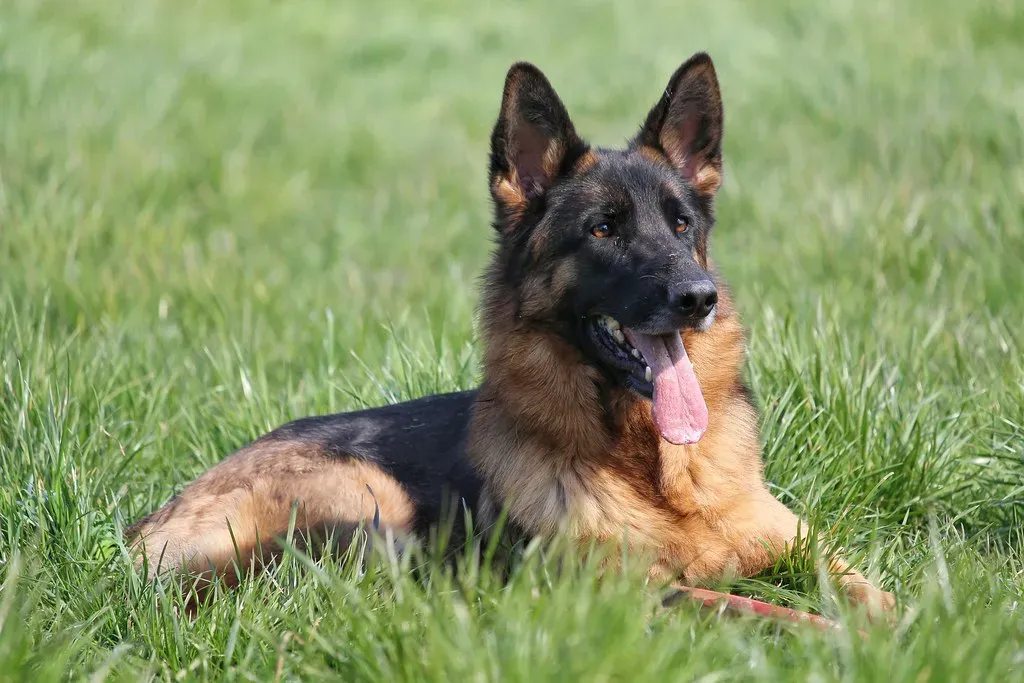
German Shepherds are highly intelligent working dogs, and they have fulfilled a variety of roles as police, guide, and search-and-rescue dogs. Their regal stature and intensity can make them appear intimidating at a glance. However, some of the aggressive behavior these dogs are known for can result from a natural wariness of strangers and people they have not built up trust with.
German Shepherds are naturally protective, but can make safe, loving family pets if they are exposed to different people and animals at a young age. This is a breed that reflects its owner. Give a German Shepherd structure, love, and proper socialization, and you’ll have one of the most devoted companions alive. Neglect those things, and you’ll have a very different dog on your hands.
8. Doberman Pinscher: Fearless Intelligence Demands Respect
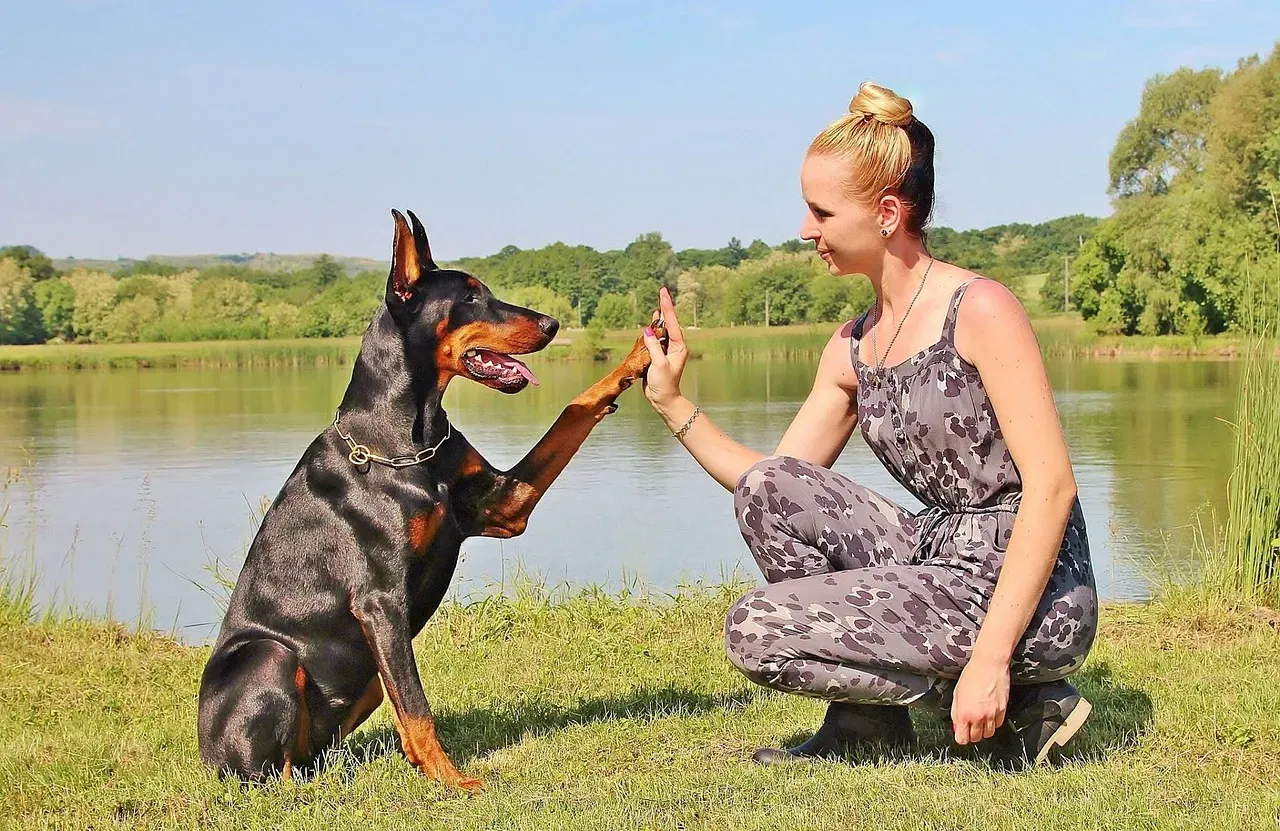
Originally intended to be a guard dog, this highly intelligent breed is often stereotyped as an aggressive and ferocious dog. While it was bred to be fearless and intimidating, as well as willing to defend its owners against attacks, its aggression has been toned down which lends to its now good-natured temperament. They are extremely loyal, energetic, and obedient, and need proper training and socialization, although they are more likely than most breeds to show aggression toward other dogs and strangers.
Protective dog breeds like the Doberman tend to guard their families with high intensity. Training these breeds is essential to manage their instinctual guarding behaviors. Without proper training, these dogs may become overly defensive, posing risks to other people or pets. Think of a Doberman like a sports car: incredible when maintained properly, genuinely dangerous when neglected.
9. Cane Corso: Big Dog, Bigger Responsibility
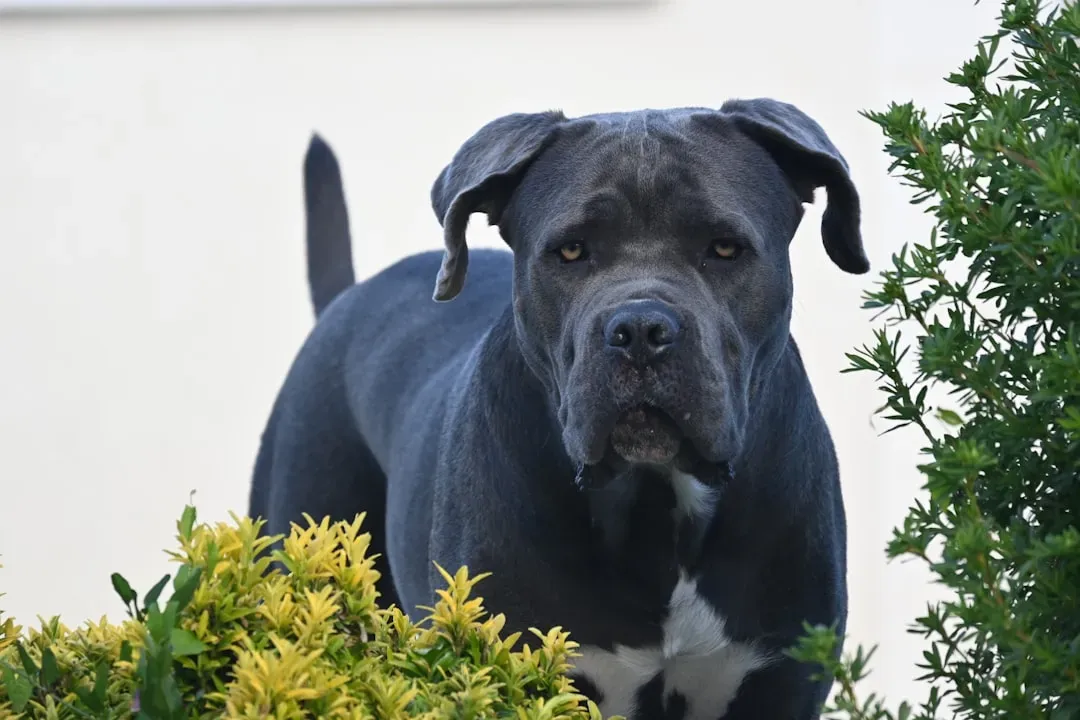
The Cane Corso is a giant mastiff breed that was originally bred in Italy to hunt big game and guard property. It takes its role as a devoted guard dog to the extreme, and even well-socialized puppies are unlikely to become comfortable with strangers. Cane Corsos have a high prey drive and must be strictly confined to prevent them from harming smaller neighborhood pets.
This well-muscled breed has a natural guarding instinct and although the breed isn’t thought of as aggressive, this temperament can result from a lack of socialization and training. It is generally reserved and wary of strangers, often times unfriendly to them as well, but while it may not act aggressively without a good reason, its strong guarding instinct can at times lead it to protect its family a bit too much. First-time dog owners should genuinely think twice before choosing this breed.
10. Alaskan Malamute: Power Without the Off Switch
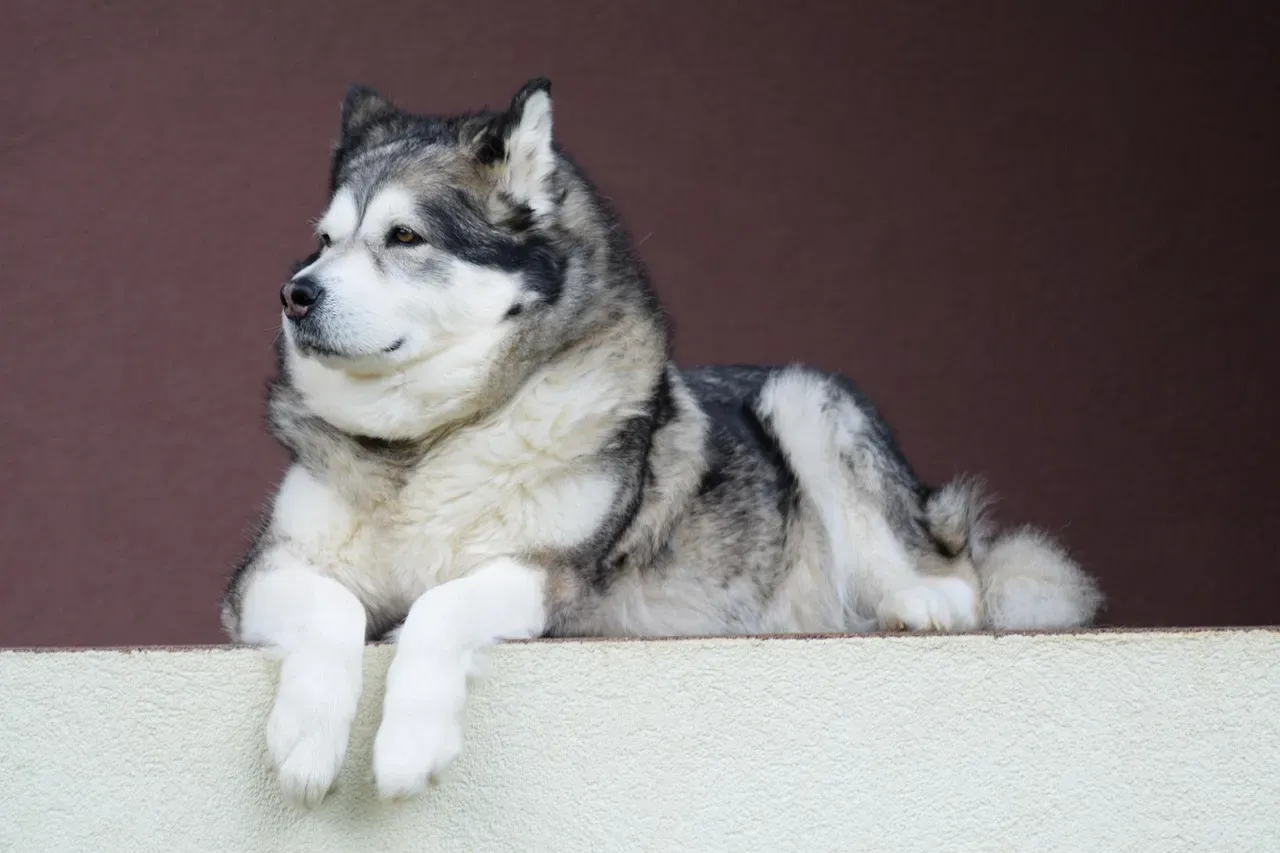
The Malamute is breathtaking to look at and formidable to live with. The causes of these behaviors can range from territorial defensiveness and protectiveness to fear and social anxiety. For Malamutes specifically, it often comes down to size, prey drive, and an intensely pack-oriented nature that needs a confident leader at the helm. Without one, they’ll happily appoint themselves.
They need early training and socialization by very knowledgeable and experienced handlers. They tend to take well to family but are wary of strangers and some are not recommended around small children. Regular vigorous exercise isn’t optional with a Malamute. It’s survival. A bored, pent-up Malamute is a force of destruction that no couch can withstand.
11. Jack Russell Terrier: Tiny Tornado With a Temper
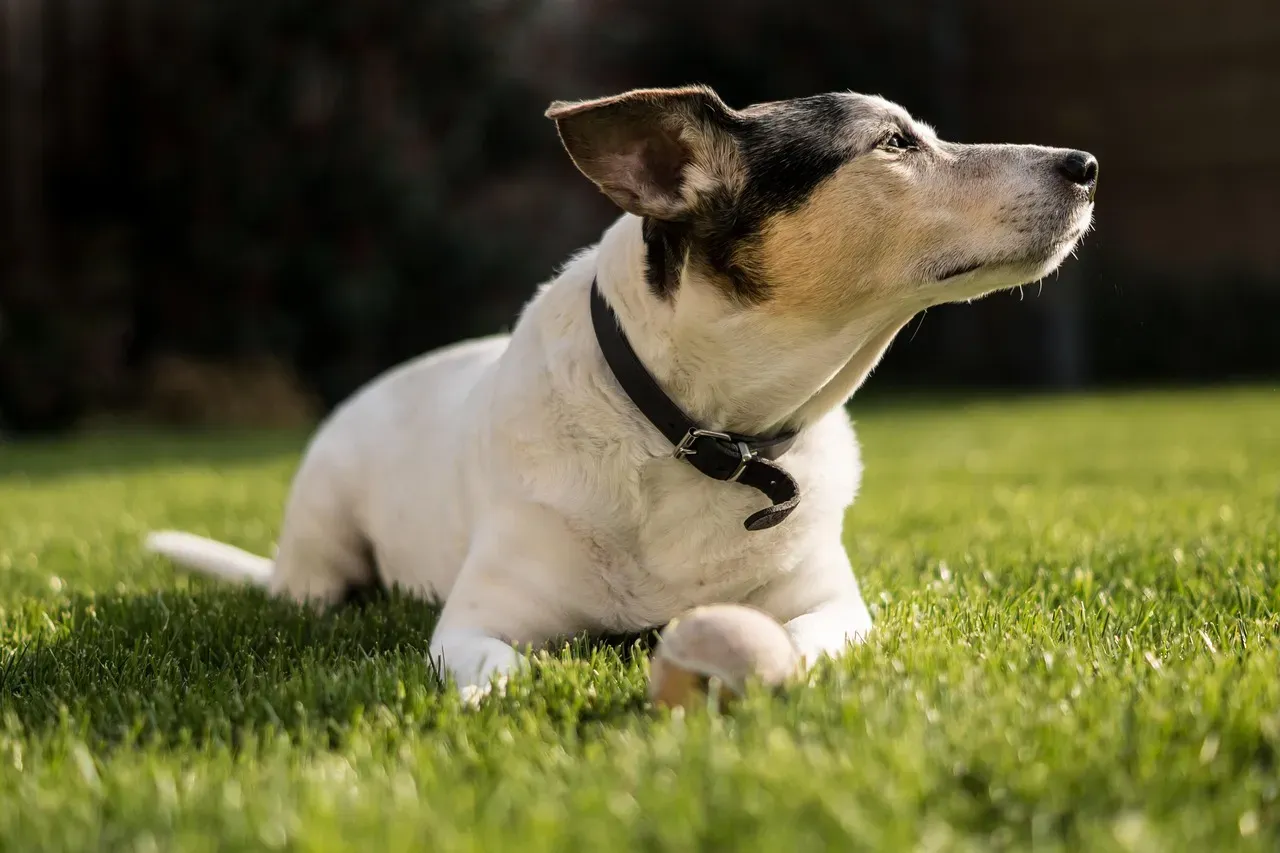
Let’s be real. Nobody expects this compact, bouncy little dog to make a list like this. According to research conducted by the University of Pennsylvania’s School of Veterinary Medicine, the most aggressive breeds overall include the Jack Russell Terrier alongside the Dachshund and Chihuahua. That cheerful, energetic package hides a deeply tenacious soul.
Certain dogs have a shorter fuse or a higher prey drive. People think they are dangerous, but the truth is, they just need the most training. Jack Russells were bred to hunt foxes underground, which means fearlessness is literally in their DNA. Channel that relentless energy into agility, games, and training, and you’ll have a brilliant little companion. Ignore it, and prepare for furniture casualties.
12. Dalmatian: More Than Just Spots
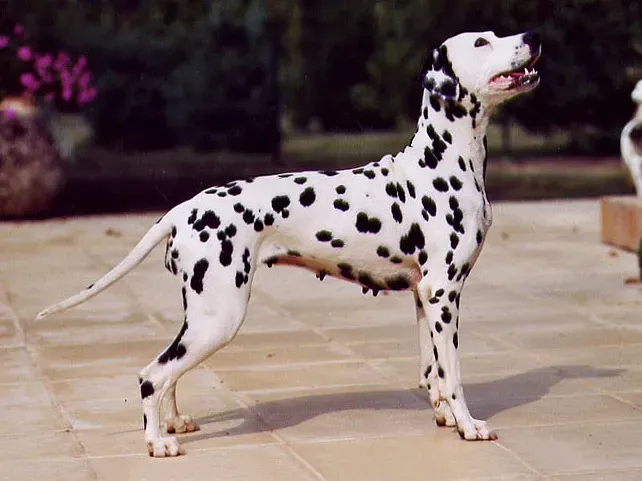
Most people associate Dalmatians with fire trucks and a certain animated movie. The reality of their temperament is often a surprise. According to ATTS testing, the wholesome Dalmatian is actually at risk for aggressive behavior. Many experts believe this is because of the breed’s history as a guard dog, which required them to treat all strangers as threats.
You shouldn’t bring home a Dalmatian just because you’re a fan of the iconic spots. Remember that these dogs require thorough training and socialization to live happy, safe lives. Dalmatians are energetic, proud, and incredibly sensitive. They respond beautifully to patient, positive reinforcement training. Push them harshly or isolate them, and their historic guard instincts can resurface in ways that surprise even their owners.
13. Basenji: The Barkless Dog With a Big Bite Potential
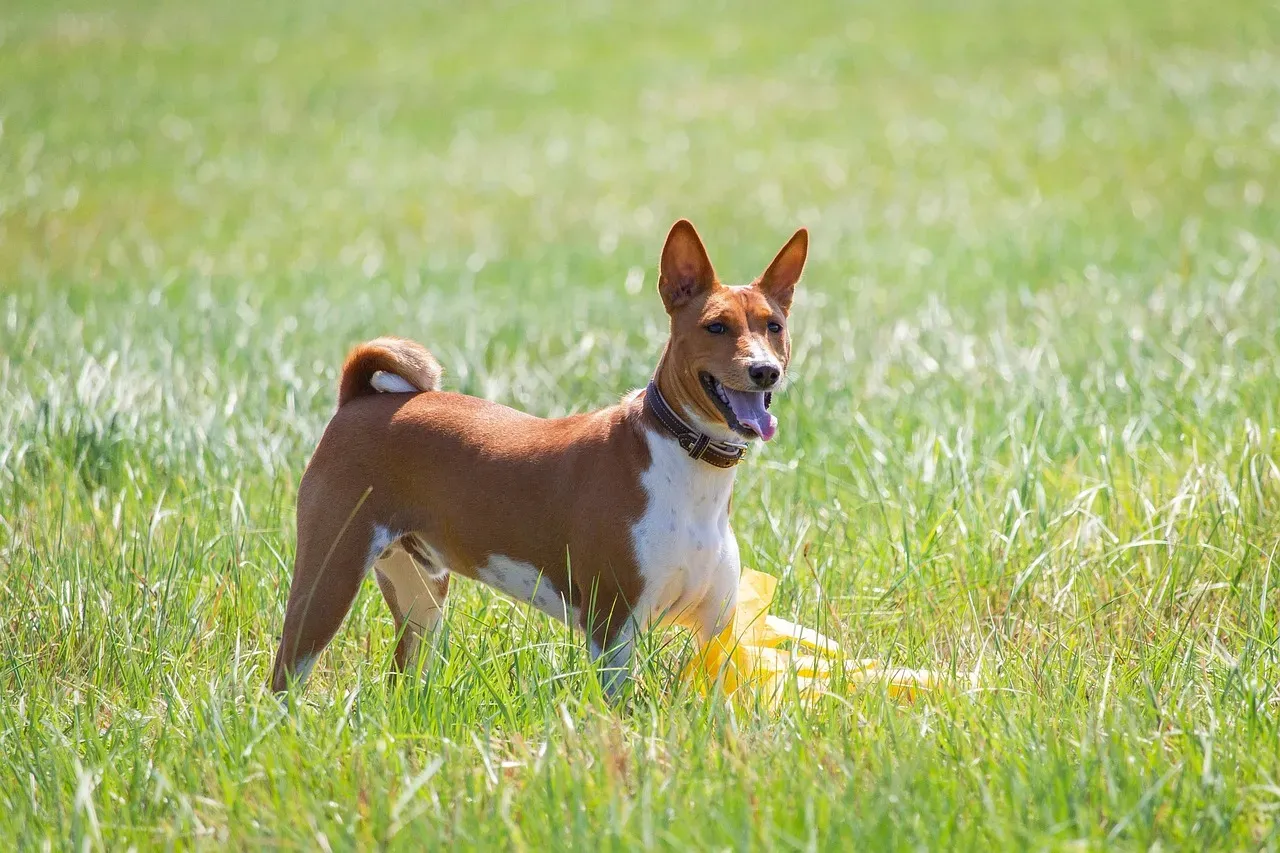
The Basenji has a very high prey instinct, and owners should watch their dog especially around children as the breed doesn’t particularly like being grabbed and they are skittish if someone sneaks up behind them. It’s worth mentioning that this breed’s silence is not the same as calm. They feel everything deeply, they just don’t bark about it.
Research has found that medium and small breeds are often most aggressive. The Basenji fits this profile perfectly. They are independent thinkers with an ancient, primitive temperament that resists typical obedience training. Patience, consistency, and motivational training (think high-value treats, not harsh corrections) are the only tools that reliably work with this fascinating, challenging breed.
14. Presa Canario: Raw Power That Demands an Expert
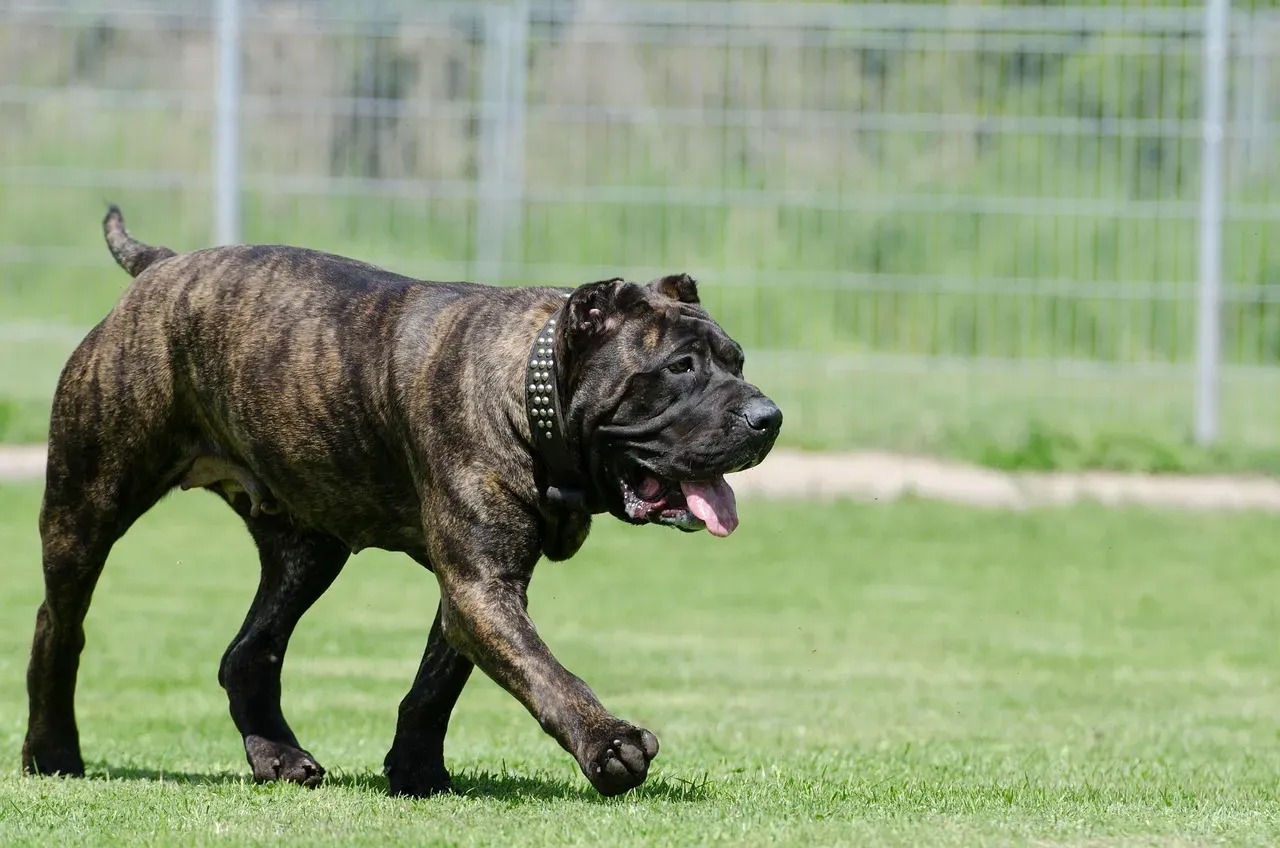
The Presa Canario looks like they could break through a wall, and honestly, they probably could. Originally bred in the Canary Islands to guard livestock and property, this muscular mastiff is all power, presence, and protective instinct. This is not a casual pet. This is a serious working dog wearing the skin of a companion.
This giant mastiff breed was bred in the Canary Islands as a herding dog for cattle and pigs, and as a herd protector to drive away threatening animals. The Presa Canario should be owned by a firm, experienced dog owner only. Although the Presa Canario does vary in size, it is typically a muscular breed that can overpower humans if desired. In the right experienced hands with early socialization, they can be devoted and stable. In the wrong ones, the consequences are severe.
The Other Side of the Coin: The Most Patient Breeds

Now for a deep breath. Because for every high-strung breed above, the dog world offers its polar opposite. The giant Great Dane is one of the calmest dog breeds. Their gentle, quiet nature makes them good family dogs, but they do need plenty of space to live and play. Saint Bernards are one of the very calmest dog breeds, and these chill dogs are often called “nanny dogs” because of their affinity for children.
Research confirms that the least aggressive breeds include the Labrador Retriever, Greyhound, and Whippet. The Cavalier King Charles Spaniel has been a favorite lap dog of British royalty for generations, and their sweet, gentle temperament makes these calm, small dogs great for families with kids and other pets, and they are easy to train. These breeds don’t just tolerate chaos – they absorb it and turn it into wagging tails.
Conclusion: Every Dog Deserves a Fair Chance
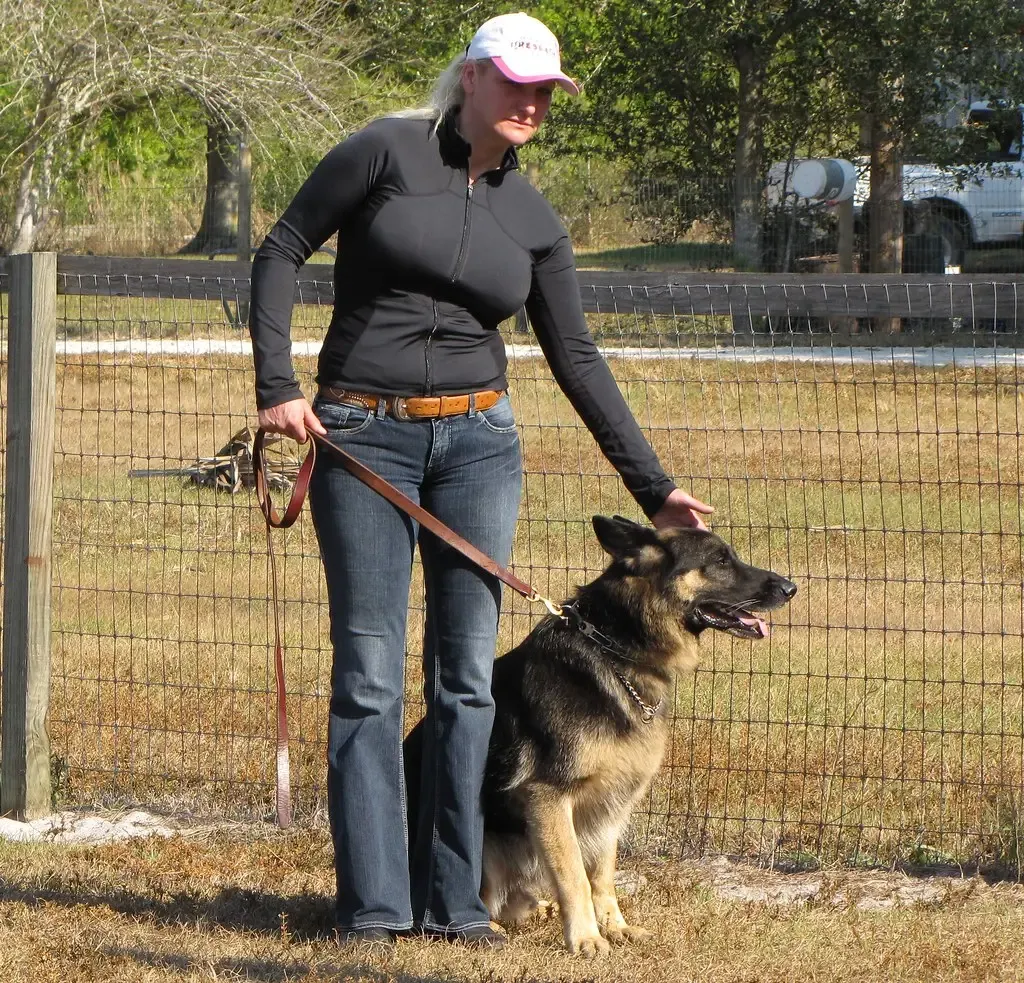
Here’s what I keep coming back to after years of loving and studying dogs: temperament is never the whole story. Dogs do not just wake up grumpy. Aggression in dogs often comes from things they feel, fear, or remember. The breeds on this list are not villains. Many of them are deeply sensitive, brilliantly intelligent, and fiercely loyal.
What they are is demanding. Behavior issues can often be headed off at the pass with owners who know how to handle their specific breed and by socializing their pup at an early age. The moment you understand your dog’s breed history, you start seeing their behavior through a completely different lens. That snapping isn’t meanness. That territorial bark isn’t hatred. It’s instinct, longing for direction.
If you’re already sharing your life with one of these incredible, complex breeds, know this: you are not failing. You’re learning, and so is your dog. The patience you pour in today is the trust you’ll receive for years to come. What has your experience been with a high-spirited breed? We’d love to hear your story in the comments.


