
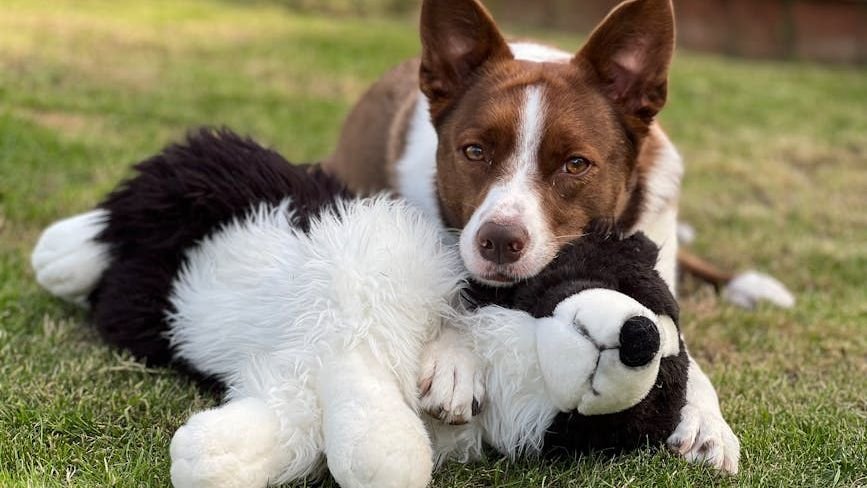
There’s something almost impossibly tender about a dog choosing you. Not just tolerating you, not just putting up with you for the treats. Actually choosing you, day after day, in a thousand small, silent ways. Most dog owners sense it without fully understanding it. You feel it when your dog shifts just slightly closer on the couch, or when they plant themselves outside the bathroom door while you shower like you might disappear if they look away.
The truth is, dogs are constantly doing something extraordinary. They are quietly, methodically weaving their entire world around you. The science behind this is as fascinating as it is deeply moving. So if you’ve ever wondered what all those little everyday dog behaviors actually mean, prepare to be surprised by what’s really going on. Let’s dive in.
They Follow You From Room to Room
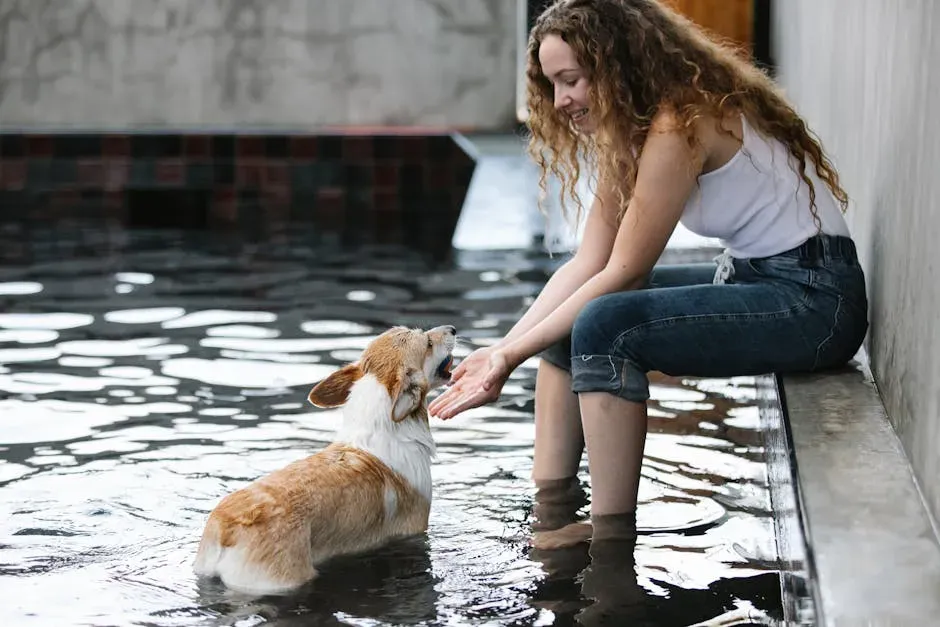
You walk to the kitchen. Four paws follow. You head to the bedroom. Four paws follow again. It can feel like a minor inconvenience, especially when you nearly trip over them in the hallway. Here’s the thing though – this is one of the most sincere expressions of love a dog can offer.
Dogs are pack animals with a strong instinct for social bonding, and when your dog follows you from room to room, it’s a display of loyalty and a desire to be close to their pack leader, which is you. An emotionally attached dog will follow their human around the house from the moment they wake up, making sure they are always within sight – whether you’re brushing your teeth, washing the dishes, or doing a workout. That’s not clinginess. That’s devotion, pure and simple.
They Lock Eyes With You in Soft, Gentle Gazes

Ever catch your dog just… looking at you? Not asking for anything, not eyeing your sandwich. Just looking. That quiet, warm gaze is one of the most chemically powerful things your dog does for your relationship.
Studies indicate that when dogs make direct eye contact with their owners, it triggers the release of oxytocin in both the dog and human – the same “love hormone” that bonds mothers to their infants. When your dog looks at you with soft eyes, it’s a sign of their trust and emotional connection, showing that they feel safe and secure in your presence. Honestly, it’s the canine version of a warm hug. Accept it.
They Lean Their Whole Body Into You

Your dog presses their shoulder into your leg while you stand at the counter. Or drops their full weight onto your feet while you sit at your desk. It might seem random, but it’s anything but.
When your dog leans their whole body into you, it’s not clumsiness – it’s one of the sweetest ways dogs show love and bond with their owners, helping them feel safe, calm, and emotionally connected to the humans they trust most. When a dog leans on you, it shows trust and the desire for closeness. Dogs lean on people for comfort and to feel secure, and this act indicates they feel safe around you. Think of it as a full-body sigh of contentment.
They Bring You Their Favorite Toys
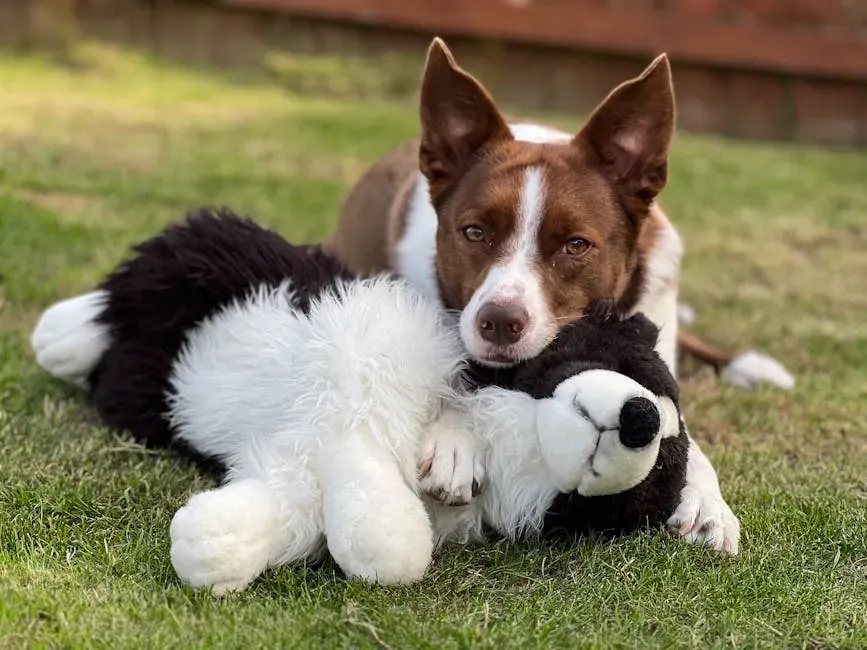
Your dog trots over proudly with their slobbery tennis ball or beloved squeaky toy and drops it at your feet. It’s adorable, obviously. However, there’s a deeper meaning here that most people miss entirely.
Dogs may express affection by bringing you items, a behavior rooted in their natural instincts. In the wild, wolves and wild dogs share food with their pack as a way of reinforcing social bonds, and when your dog presents you with a cherished item, it’s their way of sharing, bonding, and including you in their pack. Dogs don’t share their beloved items with just anyone – by offering their toy, they are sharing something valuable with you. Receive that gift with the gratitude it deserves.
They Synchronize With Your Movements
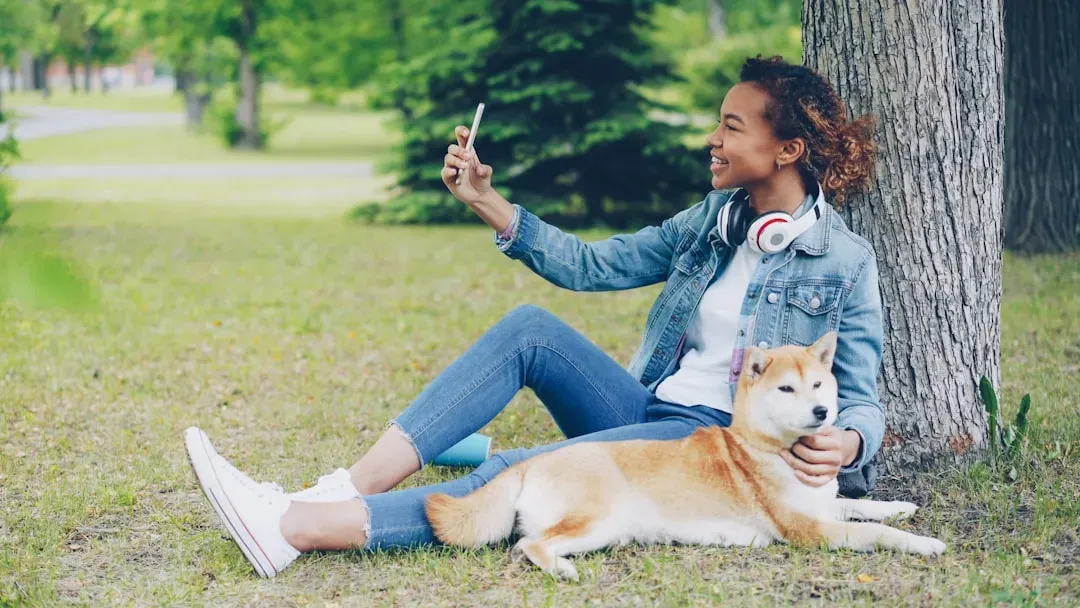
You settle onto the couch and your dog relaxes. You get up with energy and suddenly they’re bouncing around ready to go. It seems coincidental at first, but researchers have noticed this pattern goes much deeper than simple observation.
Research has shown that dogs often mimic our emotions, a phenomenon known as emotional contagion, which is another way they show love. When your dog starts copying your movements, like sitting when you sit or relaxing when you do, it’s a sweet sign your dog is bonding with you – dogs naturally sync with people they feel connected to. It’s like having a tiny, furry mirror that runs on love and kibble.
They Sleep Close to You, or in Your Space
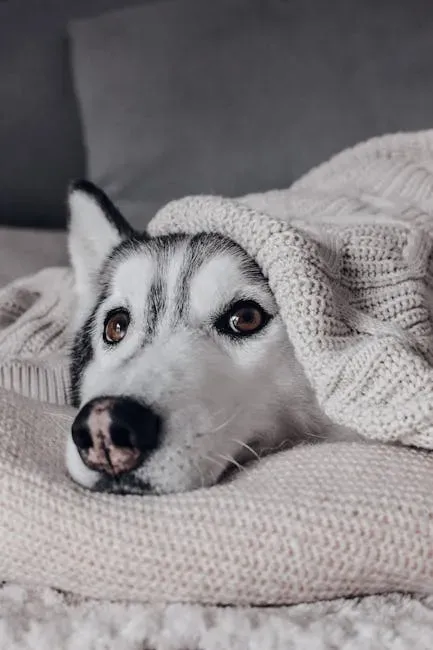
Whether your dog curls up beside your bed, sneaks onto the mattress in the middle of the night, or just parks themselves right outside your bedroom door, that choice of sleeping location is deeply intentional.
When your dog chooses to sleep next to you or in your room, it’s a significant sign of their attachment – this behavior shows they feel safe and secure around you. Sharing a sleeping space indicates trust. Your dog feels comfortable enough to be vulnerable around you, and this behavior reflects a deep connection. Sleep, for a dog, is a vulnerable state. Being near you during that time says everything.
They Check in With You During Play and Exploration
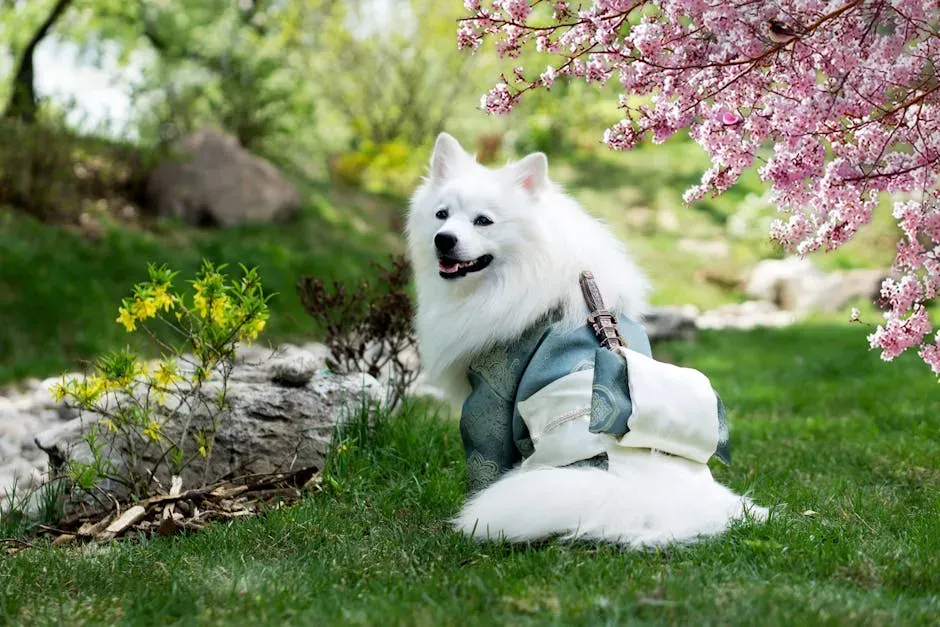
Take your dog to an open park and watch what happens. They dash off, nose to the ground, full of wild curiosity. Then, every so often, they glance back to find you. That little look is easy to miss, but it matters enormously.
One key attachment behavior is proximity seeking, where the animal will seek out the attachment figure as a means of coping with stress. In dogs, secure attachment enhances independence in novel and challenging situations, which appears, for example, as enhanced exploration of a novel environment. You are their anchor point. Every glance back is your dog essentially saying, “Just making sure you’re still there.” It’s quietly beautiful when you notice it.
They Nudge You With Their Nose
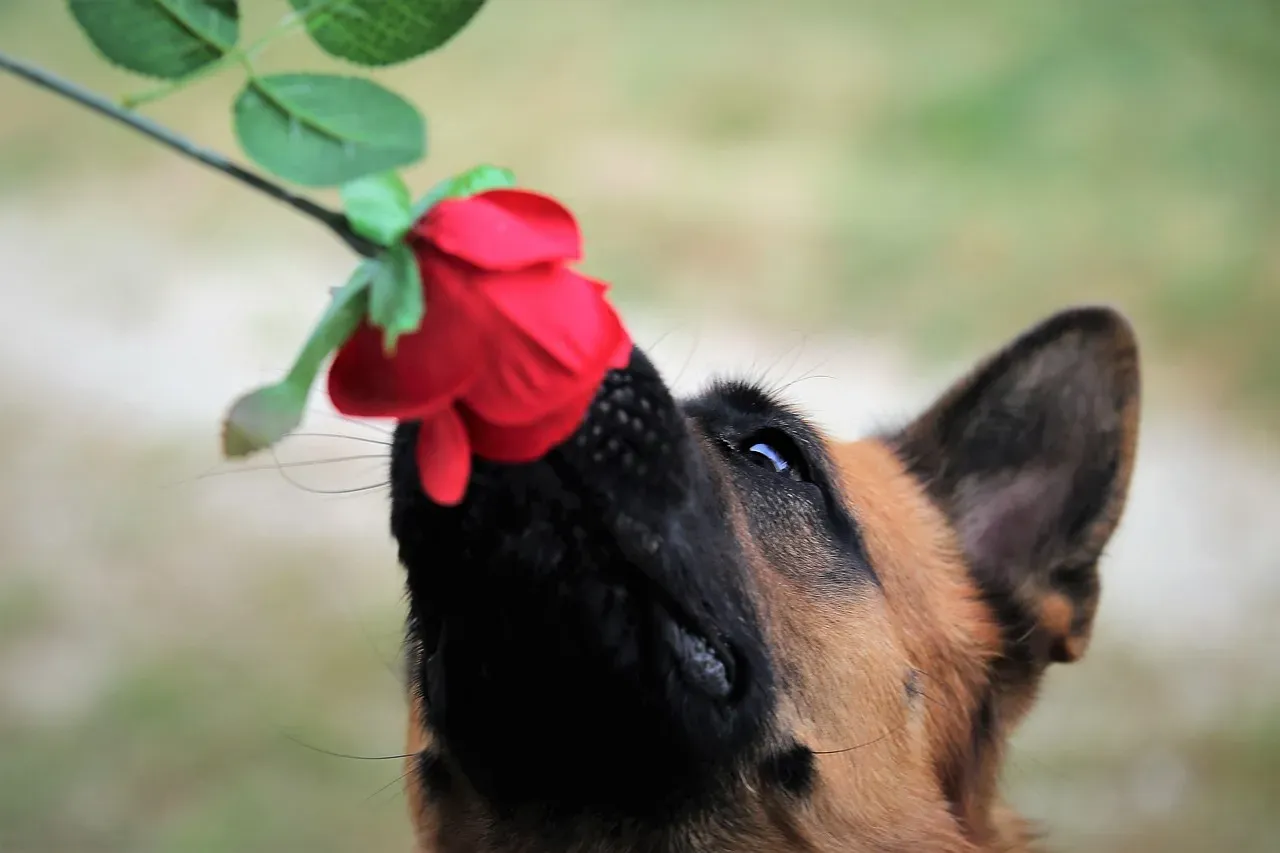
A cold, wet nose pressed against your hand or your knee. No barking, no whining. Just a gentle, almost polite little nudge. This is one of the most underrated gestures in the whole canine vocabulary.
When your dog nudges you with their nose, it’s a sign of affection. This gentle touch is their way of seeking your attention and showing that they care, and it’s often accompanied by other signs of relaxation and comfort. Dogs show similar behaviors of attachment to what we see in human infant bonding, such as approaching, following, clinging, or vocalizing towards their owners. A nose nudge is a quiet, gentle version of saying “Hey, I love you. Are you okay?”
They React to Your Emotional State
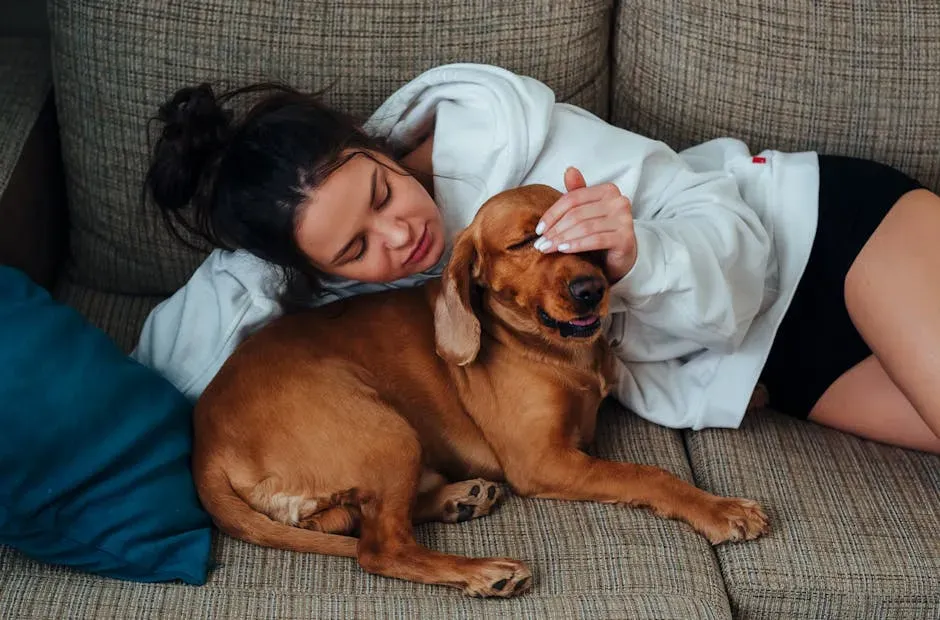
You’ve had a rough day. You sit down, maybe let out one long sigh, and before you know it your dog is right there. Head on your lap, eyes searching yours. You didn’t say a word. They just knew.
Dogs can pick up on subtle cues in our tone of voice, facial expressions, and behavior, and this emotional sensitivity allows them to empathize with us – whether it’s comforting us during tough times or sharing in our joy. A close emotional bond with the owner appears to decrease the arousal of the dogs, meaning the bond you share literally calms them down, even as they work to calm you. It’s a two-way emotional highway, and that’s just remarkable.
They Greet You Like You’ve Been Gone for Years
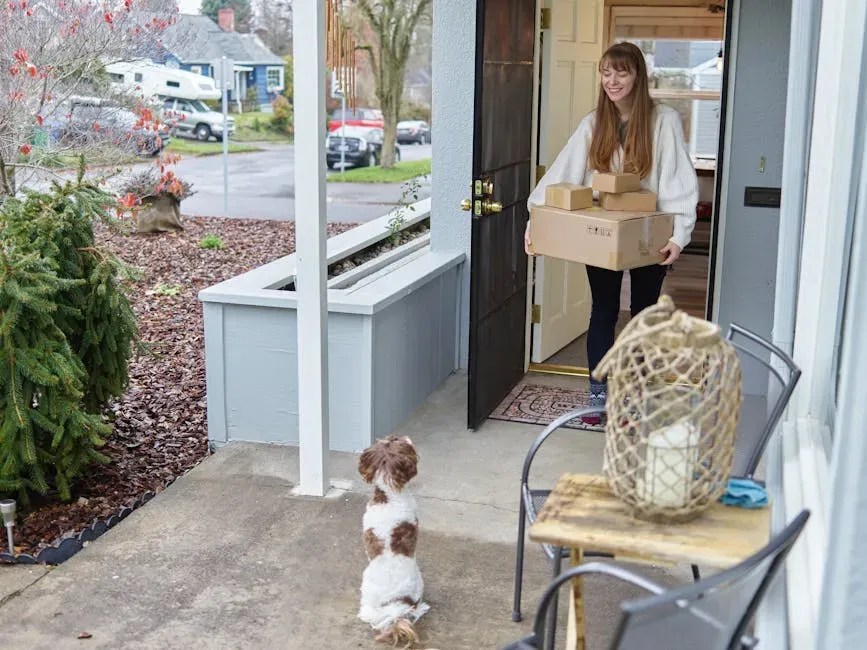
It’s been four minutes. You walked to check the mailbox. Yet your dog is at the door, tail a blur, wiggling like the reunion of a lifetime. Let’s be real – that never gets old, no matter how many times it happens.
The reunion between the dog and their owner helps to strengthen the bond, and because of this, greeting behaviors after separation helps to maintain and promote the quality of the owner-dog relationship. When your dog wags its tail energetically upon seeing you, it indicates happiness and excitement, showing that your dog associates you with positive emotions. Every single greeting is your dog actively investing in your relationship. It’s not performance. It’s pure joy.
They Yawn When You Yawn
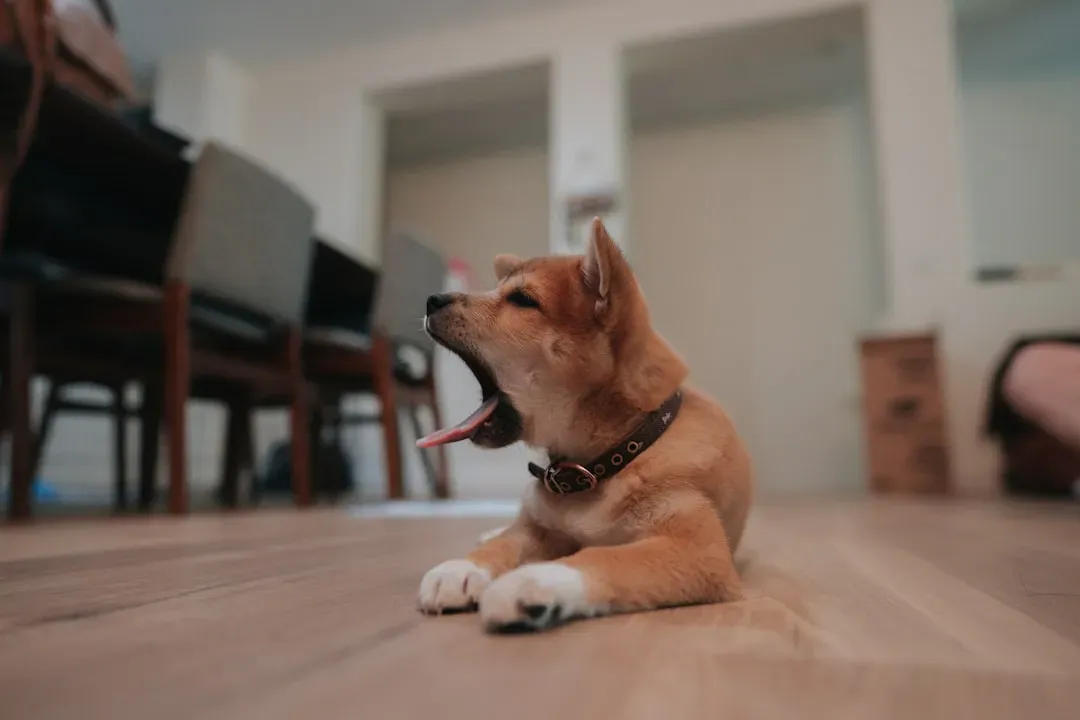
This one sounds strange, I know. You yawn and your dog yawns back moments later. It seems funny, almost comical. However, science suggests this tiny moment is actually a window into your dog’s emotional intelligence.
A curious aspect of canine behavior is contagious yawning. Research suggests that dogs may yawn in response to their owners’ yawns, indicating a form of social bonding, and this mirroring behavior is thought to reflect empathy and the ability to share emotional states. It’s hard to say for sure how deep this goes, but even the possibility that your dog is empathetically sharing a moment with you is worth paying attention to. Dogs notice far more than we give them credit for.
They Position Themselves as Your Protector
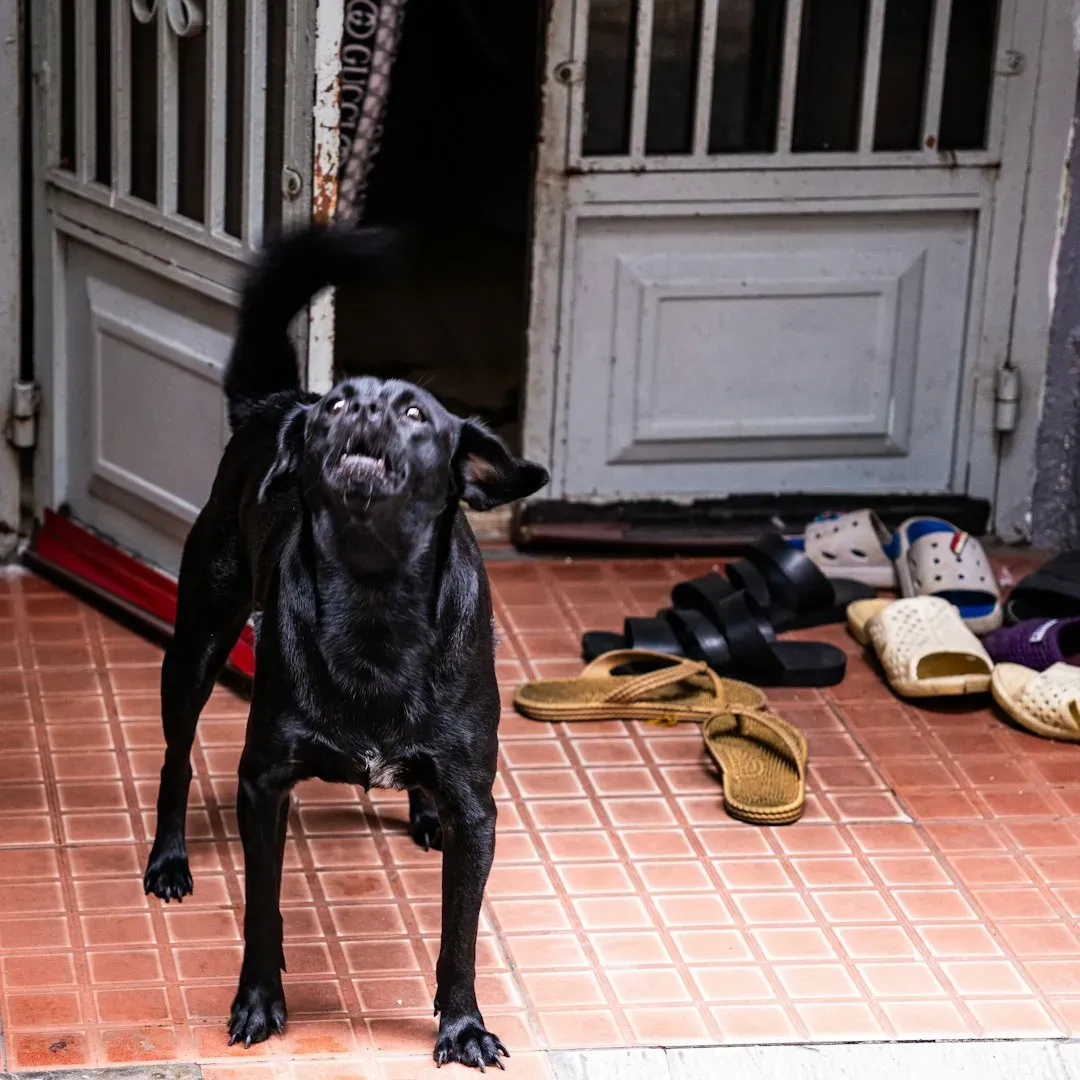
Your dog sits at the front window. They place themselves between you and a stranger at the door. They stay alert when you’re sleeping and settle only once they’re confident the environment is safe. This isn’t random restlessness.
Certain breeds typically express love through vigilance – they may rest a short distance away so they can keep watch, check the perimeter, or place themselves between you and something that seems unusual, and their protectiveness comes from deep attachment, not aloofness. Dogs often stay close to their loved ones to guard them, and by sleeping next to you, they’re watching over you – an instinctive behavior that highlights their protective nature. Love, for a dog, often looks a lot like guardianship.
They Initiate Cuddles Without Prompting
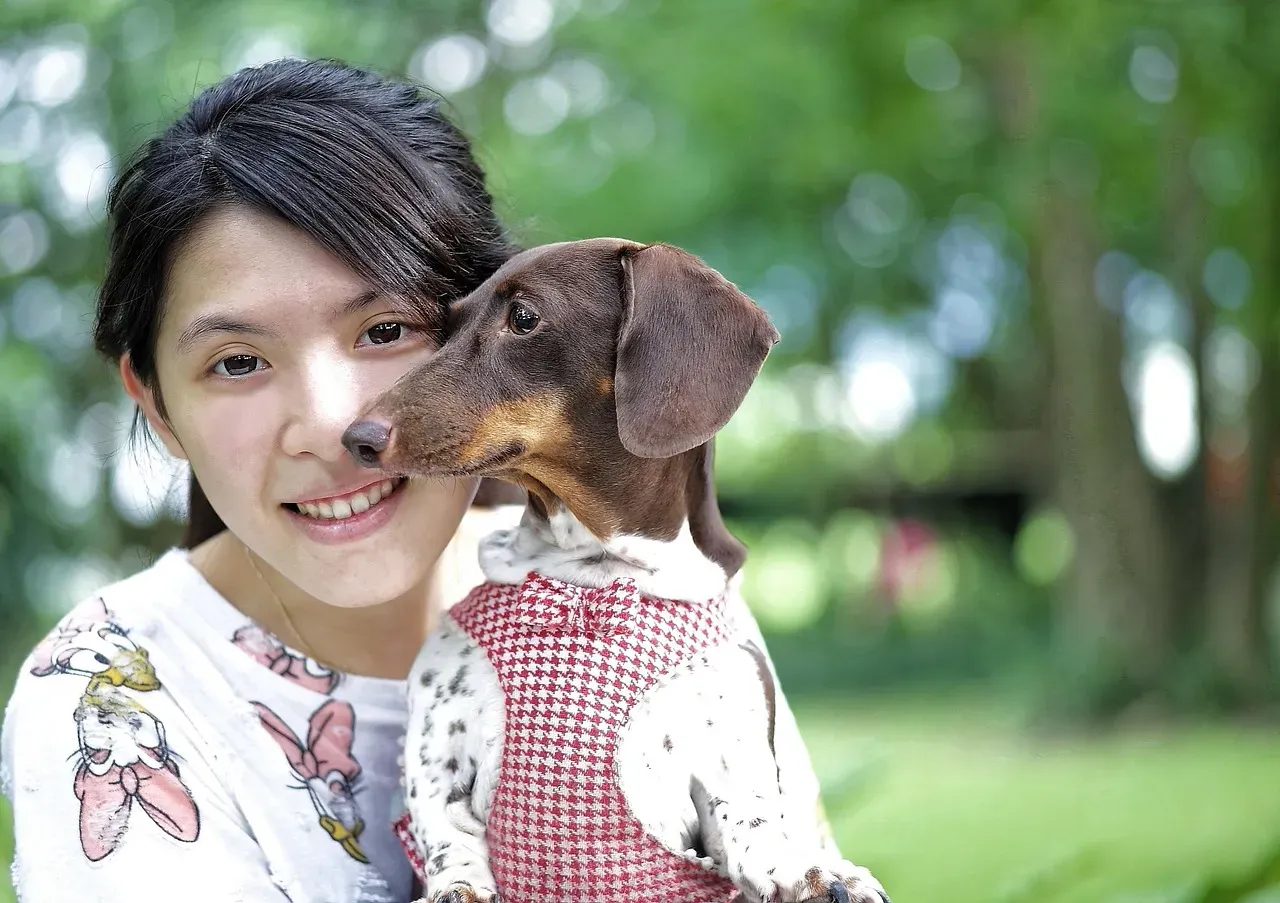
You didn’t call your dog over. You didn’t pat the seat next to you. They just climbed up, circled twice, and settled in against you like that was always the plan. That spontaneous move speaks volumes.
Dogs often show their love through physical affection, especially cuddling – an emotionally attached dog will be the first to initiate a cuddle session, snuggling with you on the couch or curling up at your feet while you work. Physical touch, such as petting and cuddling, releases oxytocin in both dogs and humans, and this hormone plays a crucial role in bonding and social attachment. When your dog chooses you without being asked, that is the fullest expression of trust there is.
They Build Their Daily Routine Around Yours
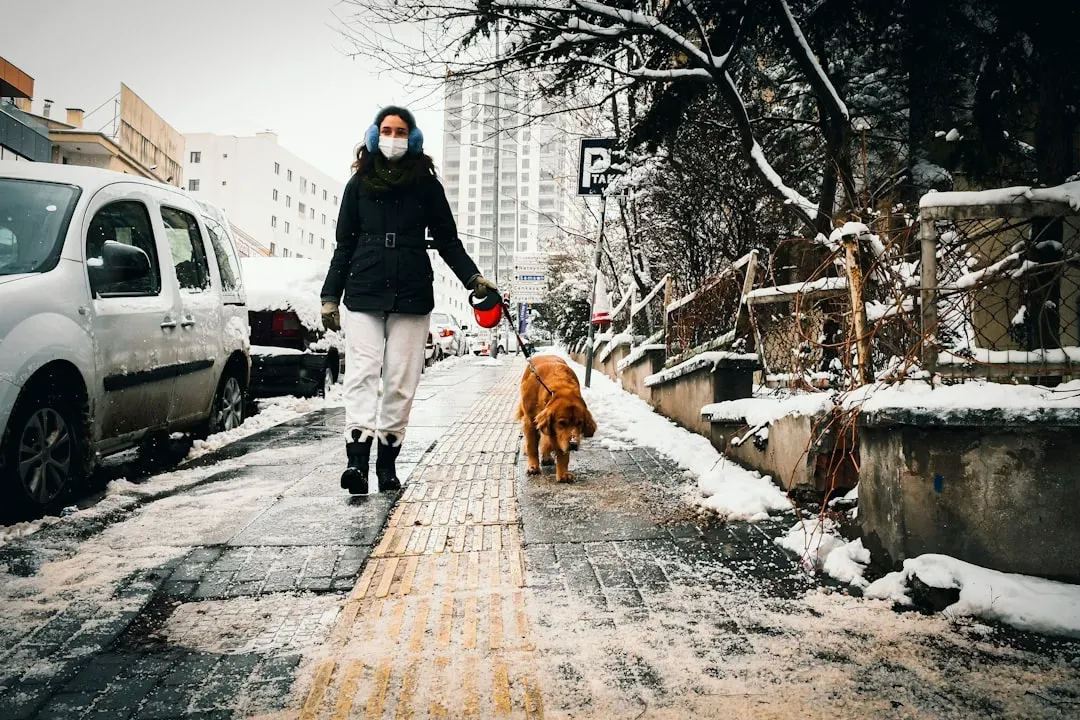
Most dogs know your schedule better than your own calendar does. They’re waiting by the door before your alarm even goes off. They head to their spot at the same time every evening because they know that’s when you wind down. Their entire internal clock is calibrated to you.
Dogs often gravitate toward the person who reliably meets their daily needs – the person who consistently walks them, feeds them, trains them, or plays with them – and over time, routine and predictability build trust and familiarity, which naturally deepens the relationship. The human-canine bond is strengthened depending on the quantity and quality of the time spent with the canine and through activities such as routine walking, feeding, grooming, and play. Your dog isn’t just adapting to your schedule. They are making your rhythm the center of their universe.
The Quiet Love That Changes Everything

Here’s what strikes me most about all of this. Your dog isn’t making grand gestures. There are no speeches, no love letters, no bouquets. It’s all just quiet, steady, unwavering presence. A lean. A glance. A yawn echoed back. A nose nudge in the dark.
Dogs develop attachment bonds with humans that allow them to interact securely with their environment in the presence of the owner and show less distress in response to threatening events. In other words, you make their world safer simply by existing in it. That’s not a small thing. That’s everything.
The next time your dog follows you to the bathroom, drops a soggy toy at your feet, or leans against your leg for no apparent reason, pause for a second. What you’re witnessing isn’t neediness or habit. It’s a life being built, day by day, quietly and completely around you. Does your dog do any of these things that you never quite understood before? Tell us in the comments – we’d love to hear which one surprised you most.


