
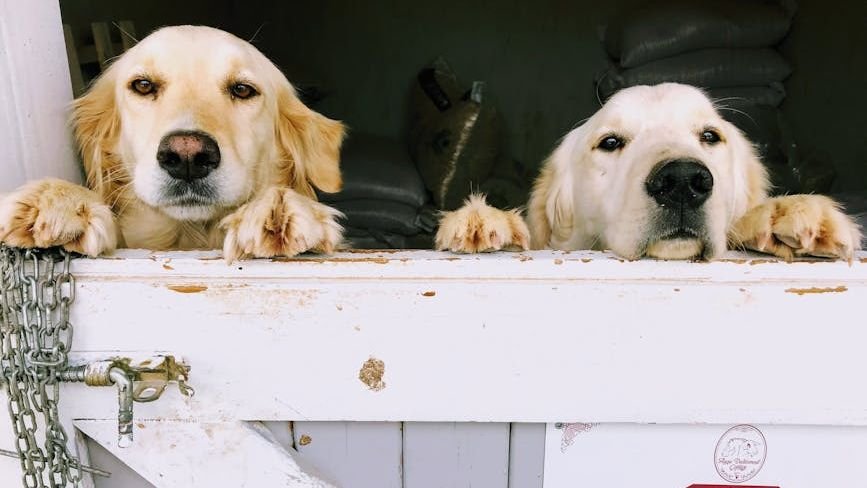
Picture this: you grab your car keys, slide on your shoes, and the moment your dog hears that familiar jingle, their whole world starts to fall apart. Eyes wide, tail tucked, maybe a soft whine beginning to build. You haven’t even opened the front door yet.
One of the most common complaints from dog parents is that their dogs become disruptive or destructive when left alone. They might urinate, defecate, bark, howl, chew, dig, or even try to escape. It’s heartbreaking to witness. Research suggests that roughly eight out of ten dogs find it hard to cope when left alone, yet nearly half won’t show any obvious signs, making it easy for owners to miss entirely.
Here’s the thing though: this isn’t a character flaw in your dog, and it’s definitely not your fault as an owner. Separation anxiety isn’t the result of disobedience or a lack of training. It’s real, it’s emotional, and the good news? It’s also very treatable. Let’s dive in.
1. Learn to Recognize the Real Signs First
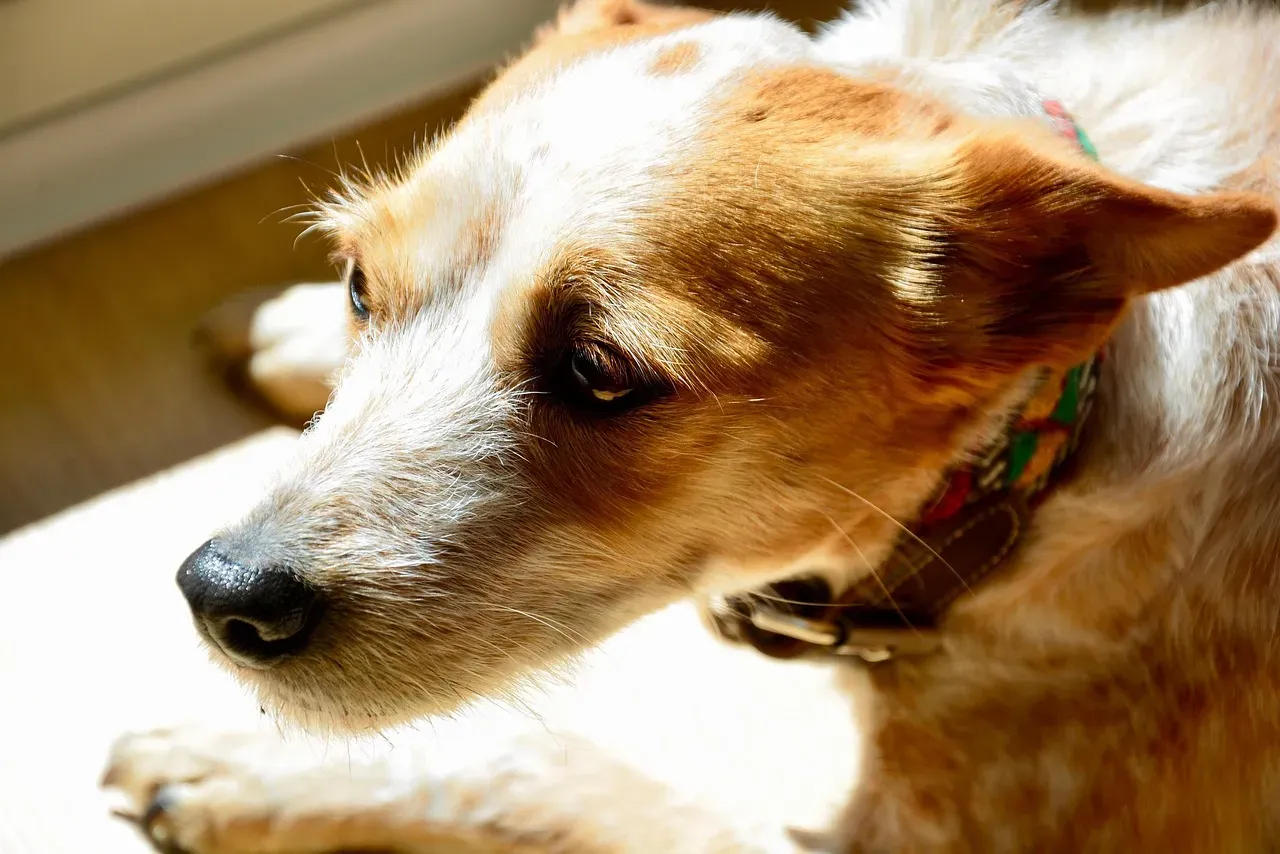
Before you can help your dog, you need to know exactly what you’re dealing with. Separation anxiety is a stress reaction that occurs when a dog is apart from their bonded person or people. Signs include excessive barking, whining or howling, destructive behavior, pacing, trembling, indoor accidents, and attempts to escape.
Dogs with separation-related problems will often show signs of excessive attachment to their owners, following them around when they’re home and even as their owners prepare to leave. Some dogs will begin to whine, pace, pant, or freeze as their owner’s departure becomes imminent. Think of it like a panic attack, which honestly is the best way to understand what your dog is going through.
Signs of separation anxiety can also be symptoms of a medical problem, such as seizures, diabetes, Cushing’s disease, renal disease, cystitis, or gastrointestinal distress. So if your dog’s behavior changed suddenly, a vet visit should always be your first stop.
2. Defuse the Pre-Departure Triggers
Some dogs begin feeling anxious while their guardians get ready to leave. A dog might start to pace, pant, and whine when he notices his guardian applying makeup, putting on shoes and a coat, and then picking up a bag or car keys. Your morning routine has essentially become a horror film trailer for your dog.
One treatment approach to this “predeparture anxiety” is to teach your dog that when you pick up your keys or put on your coat, it doesn’t always mean that you’re leaving. Put on your boots and coat, and then just watch TV instead of leaving. Or pick up your keys, and then sit down at the kitchen table for a while. This will reduce your dog’s anxiety because these cues won’t always lead to your departure. Simple, right? Surprisingly effective too.
3. Start With Tiny, Manageable Absences
Start with the maximum duration where your dog remains relaxed throughout, even if that is only one to two minutes initially. Over weeks or months, you can gradually increase to common daily needs, moving from thirty minutes, then one hour, then two hours. Slow and steady genuinely wins this race.
Deciding when to increase the time that your dog is alone can be very difficult, and many pet parents make errors. They want treatment to progress quickly, so they expose their dogs to durations that are too long, which provokes anxiety and worsens the problem. I think patience here is not just a virtue. It’s the whole strategy.
4. Watch for Stress Signals During Training

Your dog is constantly communicating with you, even when they can’t use words. To prevent setbacks, watch for signs of stress in your dog. These signs might include dilated pupils, panting, yawning, salivating, trembling, pacing, and exuberant greeting. These are your dog waving a white flag.
If you detect stress, you should back up and shorten the length of your departures to a point where your dog can relax again. Then start again at that level and progress more slowly. Think of it less like training and more like a gentle negotiation between you and your dog’s nervous system.
5. Tire Them Out Before You Leave
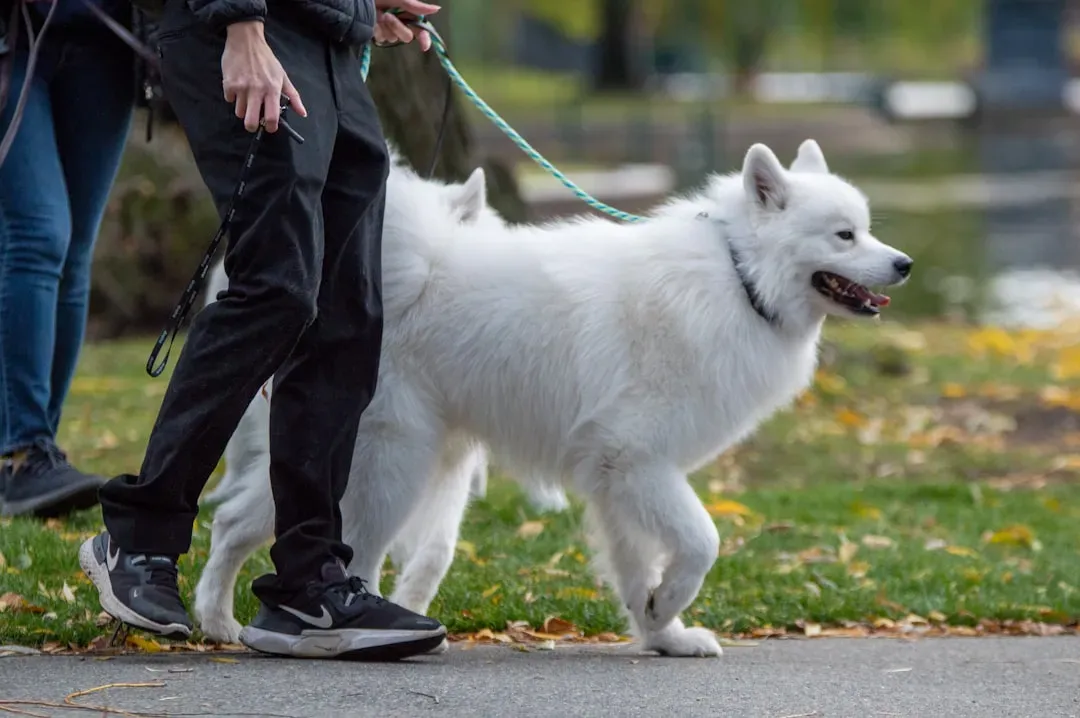
Tiring out your dog physically and mentally is one of the best tools you have for treating separation anxiety. Take your dog on a long walk, try out new routes, allow lots of sniffing, and then bring out puzzle toys or long-lasting treats before you leave. A mentally exhausted dog is a calm dog.
Encouraging your pet to exercise and release some energy prior to leaving for your day at school or work is another great method. A long walk, run, or game of fetch may do the trick. Through exercise, a dog trades morning stress-filled yelps with a morning nap instead. Honestly, that image alone is worth the effort of an early walk.
6. Create a Safe and Comforting Space

Confine your dog to a safe room with windows, toys, and objects with your scent on them, such as dirty laundry. Yes, leaving an old worn t-shirt behind actually works. Your scent is profoundly reassuring to a dog, almost like leaving a piece of yourself behind.
You can prevent disturbances and extra barking by closing the curtains to reduce what your dog can see, leaving them in a quiet room, and leaving the radio on to muffle outside sounds. Small environmental tweaks can make a surprisingly big difference in how settled your dog feels while you’re away.
7. Use Puzzle Toys and Food Enrichment Wisely
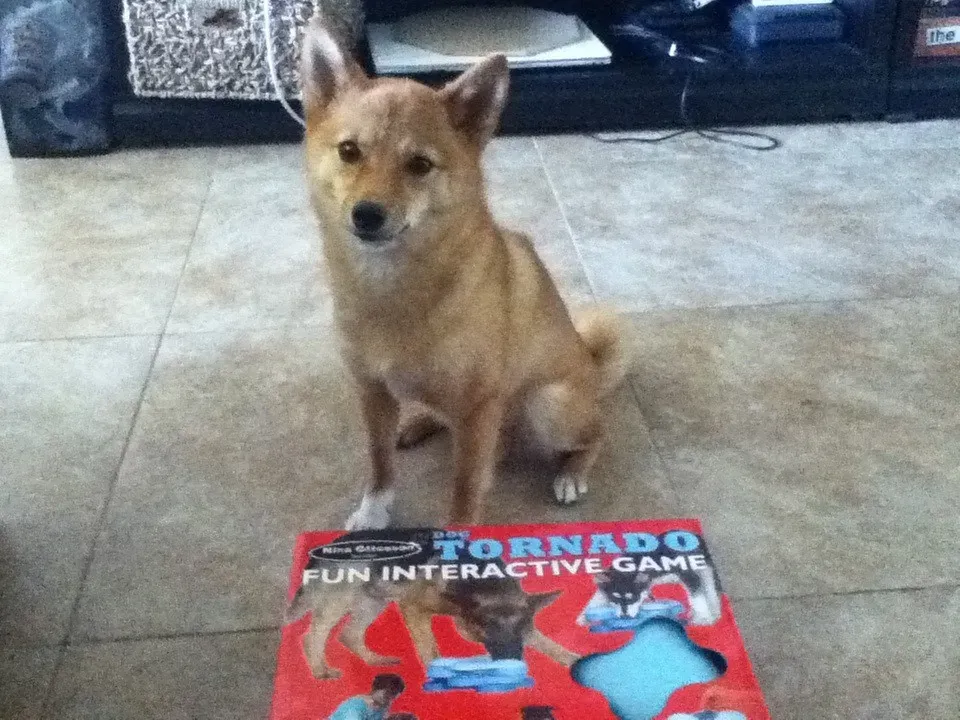
Food dispensing and puzzle toys such as snuffle mats, Kongs, and West Paw puzzle toys can help reduce your dog’s overall stress level. They encourage the dog to play and solve problems without help from people, which can help the dog become more independent. Think of it like giving your dog a job to do while you’re gone.
For dogs with mild separation intolerance, giving them a treat-stuffed toy as part of your departure ritual can be helpful. However, you’ll need to be cautious with interactive food toys for dogs experiencing severe separation anxiety, since repeatedly giving them the toys before you leave can inadvertently signal that something negative is imminent. So read your dog’s individual response carefully before committing to this as a daily ritual.
8. Keep Your Arrivals and Departures Low-Key
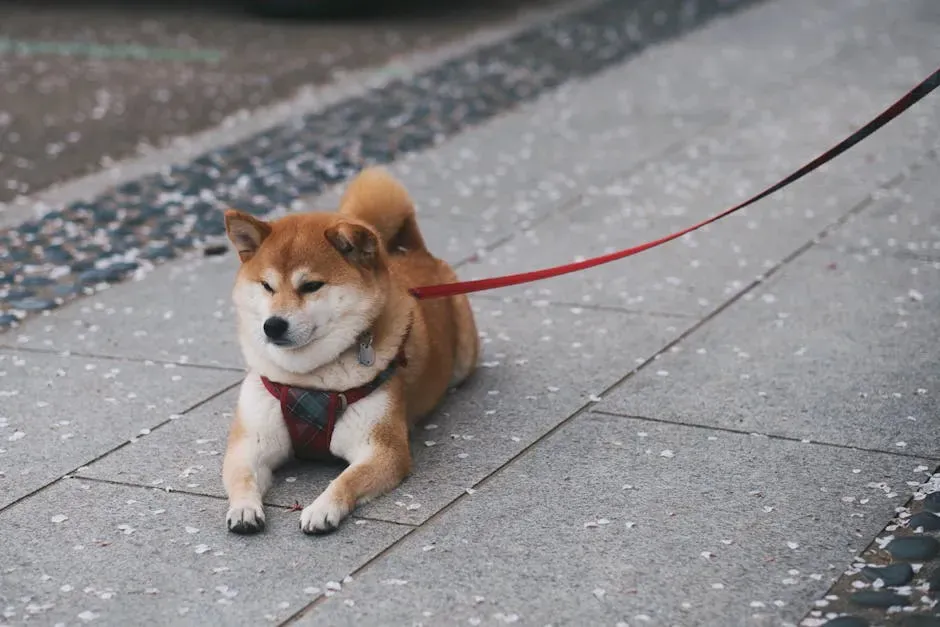
If saying your goodbyes immediately spikes your dog’s anxious behavior, you might want to rework your departures from the home. Ignoring your dog fifteen minutes before leaving the house, and ignoring your dog for a few minutes upon return, can help significantly. It sounds counterintuitive, but it truly helps your dog treat your comings and goings as no big deal.
While it’s not recommended to ignore your pet entirely, keeping your departures and your return home as calm as possible helps avoid reinforcing your pet’s anxiety with your own energy. Your dog picks up on everything, including your guilt and your giddy excitement to reunite. Keep it casual, and they will follow your lead.
9. Build Independence Through “Stay” Training

To combat separation anxiety, your dog must first feel comfortable being away from you even while you are in the house together. Practice “stay” commands and gradually increase the amount of time your dog is meant to hold the stay. Then say “stay” and go to another room, out of sight. Build up to having your dog stay for at least five minutes with you in a different room.
Teaching your dog calming behaviors, such as “settle,” by rewarding them for relaxing in a specific location like a mat, and gradually increasing the amount of time they spend there, is incredibly effective. Training should focus not only on the behavioral response but also on your dog’s emotional state, emphasizing calm and relaxed behavior. This kind of inner-peace training is the real gold.
10. Try Crate Training the Right Way
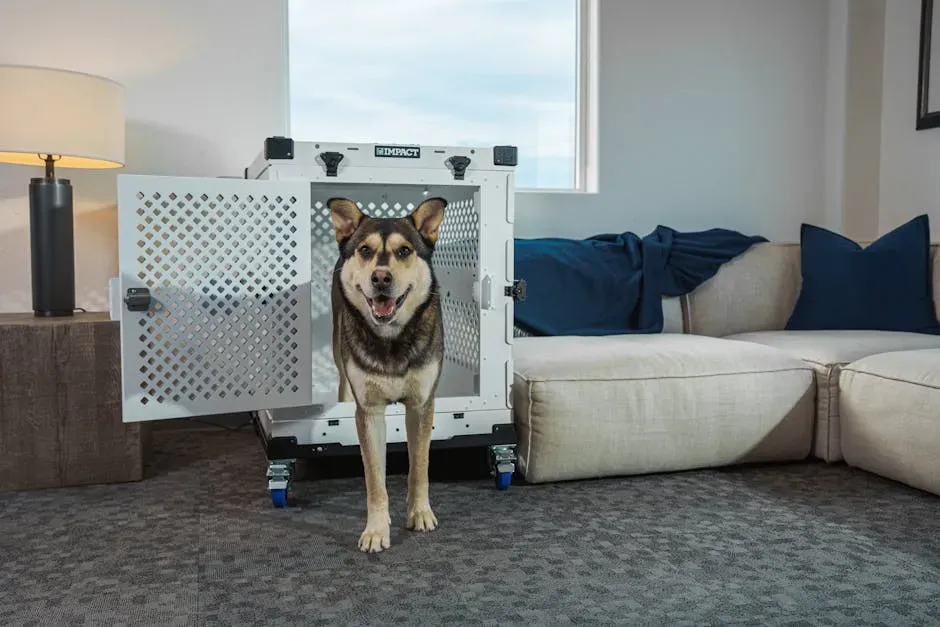
A crate can provide your pup with a safe, quiet place to relax. The trick is to teach them to associate their crate with wonderful things like chew toys and food-releasing puzzle toys so they are happy to spend time inside. Some dogs feel safer and more comfortable in their crate when left alone.
However, other dogs can panic inside a crate. Watch your puppy’s behavior to see if they settle right down or if the anxiety symptoms ramp up. Crating is not a universal solution, and it’s important to be honest about whether the crate is helping your specific dog feel safe or simply trapping their anxiety inside a smaller space.
11. Explore Pheromone Products and Calming Aids
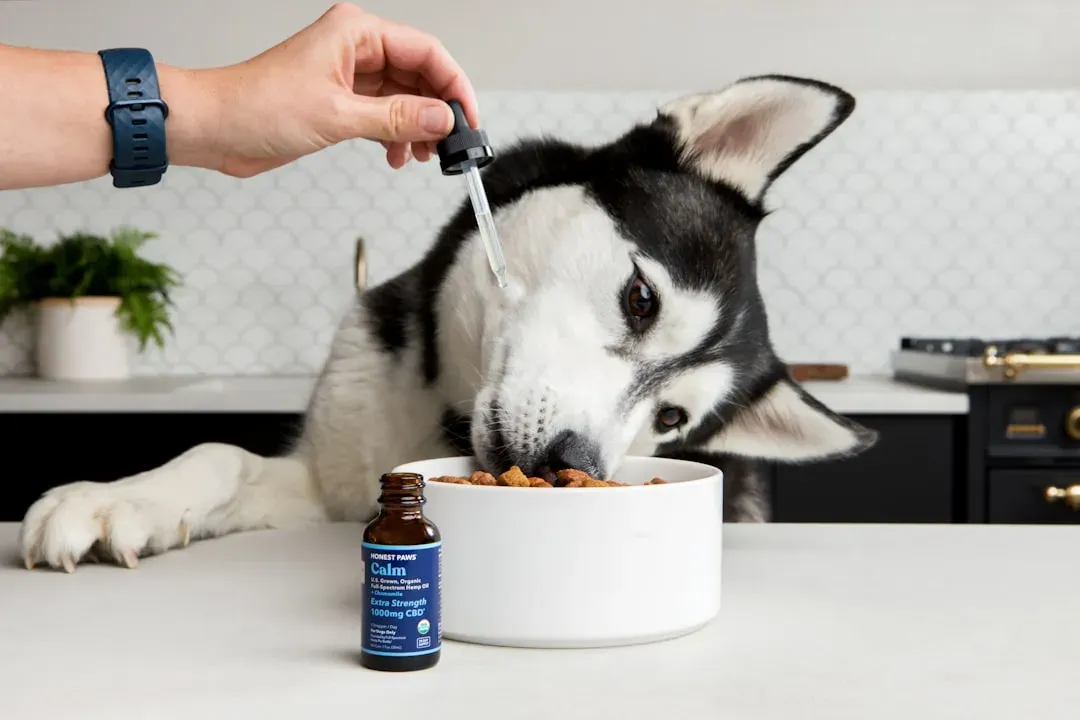
Pheromone therapy can be useful for diminishing anxiety both while you are home and when you are away. Products like Adaptil use synthetic versions of the calming pheromones that mother dogs naturally produce, and many pet parents find them genuinely helpful as part of a broader plan.
Over-the-counter calming products like L-tryptophan or Zylkene may take the edge off mild stress but are unlikely to resolve clinical separation anxiety alone. Studies show roughly a mild improvement at best with these supplements. The foundation of treatment remains behavior modification and careful management, with supplements and pheromones serving as supportive tools rather than standalone solutions.
12. Establish Predictable Daily Routines
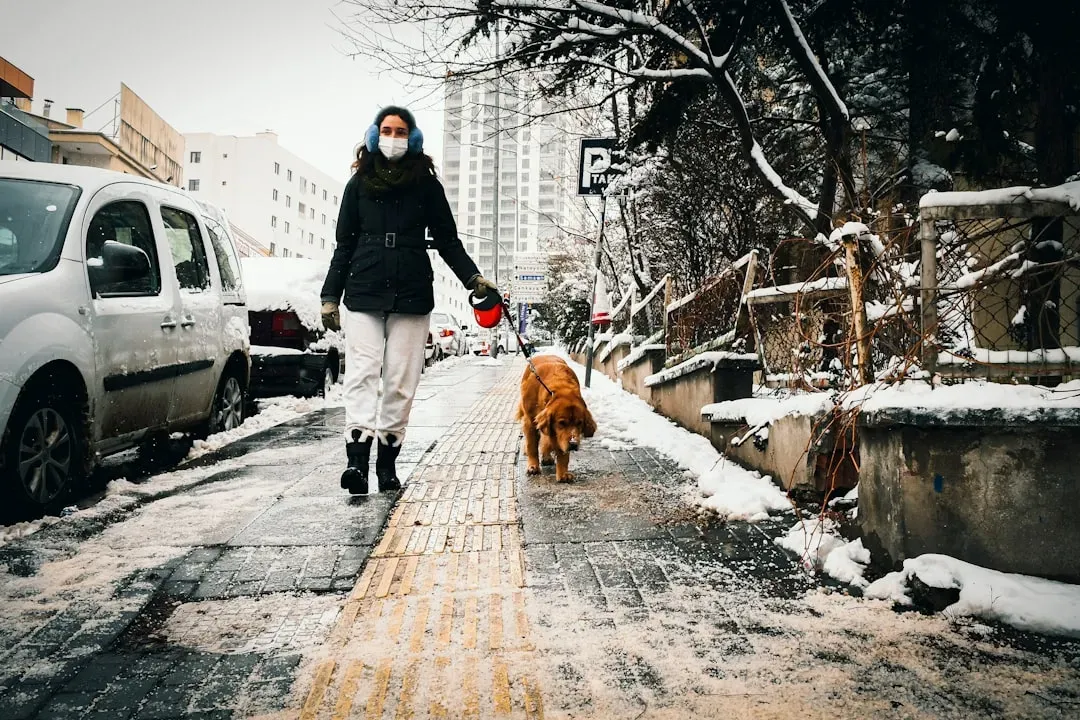
Protective factors include ensuring a wide range of experiences outside the home and with other people between the ages of five to ten months, stable household routines and absences from the dog, and the avoidance of punishment. Routines are like a promise you make to your dog every single day.
A consistent daily routine can help your dog establish expectations for when they will receive attention and when they will be alone. If you leave at the same time and come home at the same time, eventually your dog develops a level of comfort with the idea that you’ve come back before, and so you’re going to come back again. Predictability is one of the most underrated tools in an anxious dog’s recovery.
13. Consider Doggy Daycare or a Dog Walker
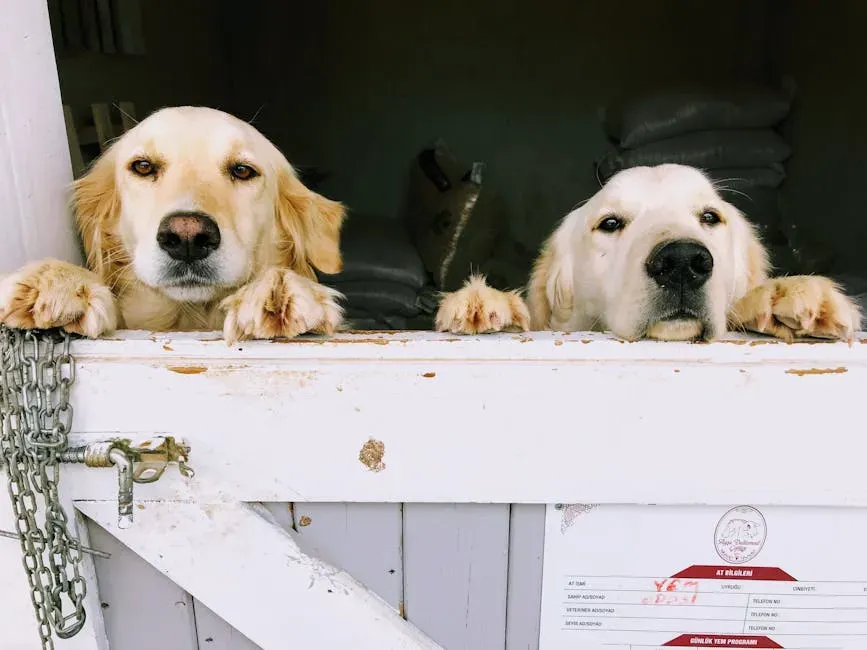
Doggy daycare is fantastic for dogs with separation anxiety, but a dog walker, pet sitter, or even a neighbor checking in midday can also help significantly. Though it might be tempting, adopting another pet isn’t necessarily a silver bullet and can make the situation more complicated.
During initial retraining it may be best to hire a dog sitter, take your dog to work, find a friend to care for your dog for the day, board them for the day, or arrange to take some time off from work during the retraining period. It’s hard to say for sure which option will work best for your situation, but having any midday social contact can be genuinely transformative for an anxious dog.
14. Know When to Ask for Professional Help
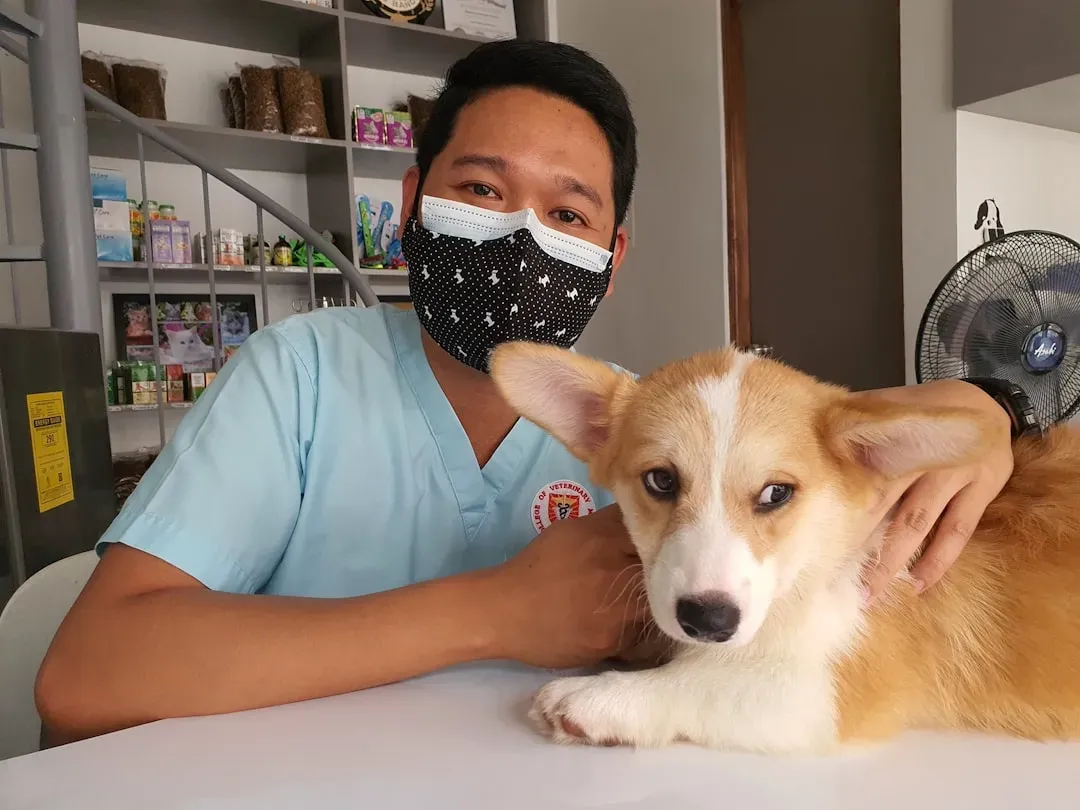
The most successful treatment for canine separation-related problems may be behavior modification that focuses on systematic desensitization and counterconditioning, which can be supplemented with medication in the initial stages. Sometimes the most loving thing you can do is admit this is bigger than a DIY project.
Anxiety interferes with learning, and sometimes a veterinarian or veterinary behaviorist may suggest that prescription medications will be useful in conjunction with a behavioral therapy program. Research shows the vast majority of dogs, roughly seventy to eighty-five percent, can achieve functional alone time of four to eight hours through sustained treatment protocols. That’s an encouraging number worth holding onto.
A Final Word: Your Dog Is Not Broken
Separation anxiety can feel overwhelming, both for you and your dog. There will be messy days, setbacks, and moments where you wonder if any of this is working. That’s completely normal. Progress with separation anxiety is rarely a straight line, it’s more like a winding trail with some beautiful views along the way.
Early, consistent intervention with positive methods leads to better outcomes. Celebrate small wins: a calm five-minute absence is genuine progress. Track improvements over months rather than days. Your patience is the single most powerful tool in your toolkit.
Every dog deserves to feel safe, even when their favorite human isn’t in the room. With consistency, empathy, and a few of these practical tricks, you really can help your dog find their calm. So here’s a question to sit with: if your dog could tell you exactly how they feel when you walk out that door, would you be surprised by what they’d say?


