

Have you ever looked into a dog’s big, soulful eyes and thought you knew exactly what kind of companion they’d be? You’re not alone. Every day, millions of dog lovers form opinions about different breeds based on what they’ve heard or seen online. But what if many of these “facts” are nothing more than myths? Prepare to be surprised, maybe even a little shocked, as we reveal the truth behind some of the most persistent misconceptions about our favorite furry friends. Whether you’re a lifelong dog owner or just love watching cute puppy videos, these debunked myths might just change the way you look at man’s best friend forever.
Pit Bulls Are Naturally Aggressive

From loyal Labradors to feisty Chihuahuas, every dog breed comes with its own set of stereotypes—but not all of them are true. Over time, myths and misconceptions about popular breeds have shaped how people view their personalities, behavior, and care needs. Unfortunately, these assumptions can lead to unrealistic expectations and missed opportunities to truly understand and appreciate a dog’s unique nature.
Pit Bulls have long been misunderstood and unfairly labeled as inherently dangerous. The truth is, aggression is not hardwired into the breed. Many studies have shown that a Pit Bull’s temperament is largely shaped by its upbringing, socialization, and treatment. Owners who provide love, structure, and positive training often have gentle, loyal companions. Sadly, media stories tend to focus on negative incidents, fueling fear and stereotypes. In reality, countless Pit Bulls serve as therapy dogs, family pets, and even emotional support animals. Blaming an entire breed for the actions of a few is not only unfair but also deeply misleading. Like any dog, a Pit Bull’s behavior is a reflection of its environment and care.
Chihuahuas Are Always Yappy

Chihuahuas often get a bad rap for being noisy and feisty. Some believe these tiny dogs are naturally loud and prone to snapping at strangers. However, this stereotype doesn’t tell the whole story. Chihuahuas are fiercely loyal and protective of their people, which can sometimes be mistaken for aggression. When properly socialized and trained, Chihuahuas can be calm, loving lap dogs. Their small size makes them more likely to act defensively, but this doesn’t mean they’re mean by nature. With patient guidance and lots of affection, Chihuahuas can be delightful companions who love cuddling as much as they love barking.
German Shepherds Are Only Good as Police Dogs
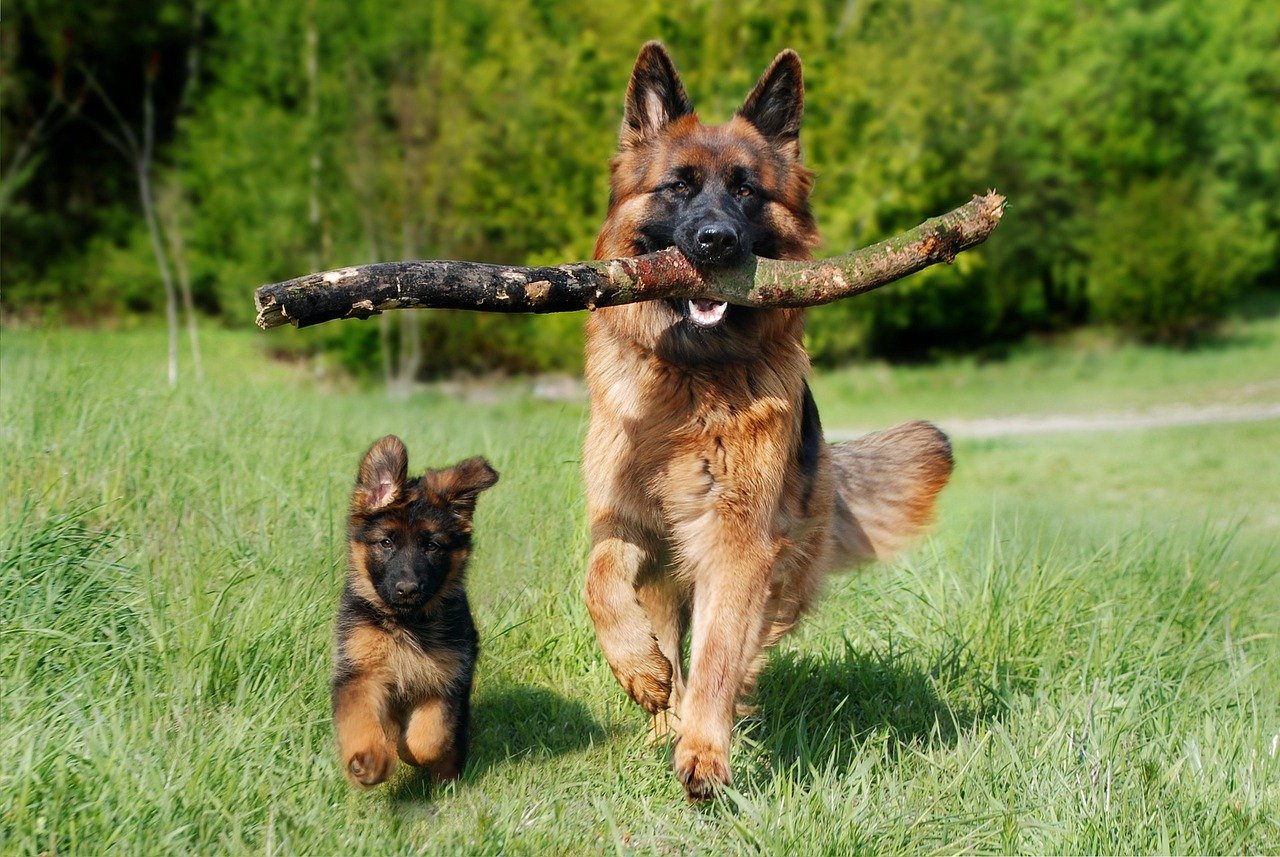
It’s easy to picture a German Shepherd in a police K9 unit, but assuming this is their only role is simply wrong. German Shepherds are incredibly versatile. They excel as guide dogs for the visually impaired, therapy animals, and loyal family pets. Their intelligence and eagerness to please make them suitable for many kinds of work and play. While their protective nature is why they’re often chosen for security roles, it also means they form deep bonds with their families. These dogs thrive on companionship and can be gentle, playful, and affectionate when raised in a loving environment.
Dachshunds Always Have Back Problems
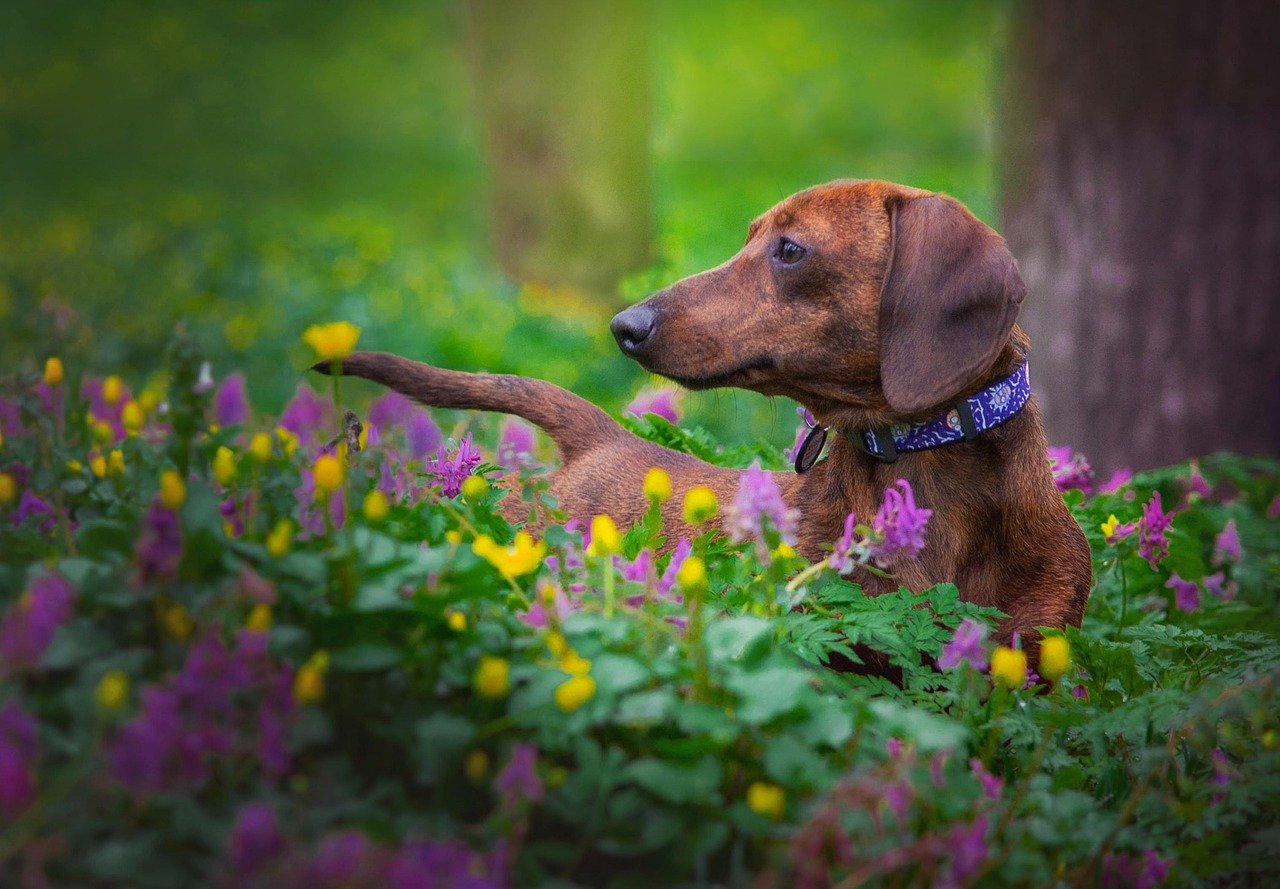
Many people believe that owning a Dachshund means inevitable back trouble due to their long bodies. While Dachshunds are indeed prone to spinal issues, not every Dachshund develops these problems. Genetics, weight management, and lifestyle play huge roles. Keeping these dogs at a healthy weight and avoiding high-impact activities, like jumping from tall furniture, can greatly reduce risks. Regular exercise and proper support can help them lead long, happy lives. It’s important not to assume a Dachshund is doomed to illness—many live without any serious back issues at all.
Bulldogs Can’t Exercise or Breathe Properly

Bulldogs’ squished faces often make people think they can’t run, play, or even breathe well. While it’s true that Bulldogs are prone to certain respiratory challenges, many lead active, joyful lives. Responsible breeders are working to address health concerns, and with proper care, Bulldogs can enjoy moderate exercise. Walks, gentle play, and a healthy diet help keep them fit and happy. It’s unfair to dismiss Bulldogs as lazy or unhealthy by default. Many owners will tell you their Bulldogs are full of personality and surprisingly energetic bursts.
Border Collies Are Only Happy on Farms
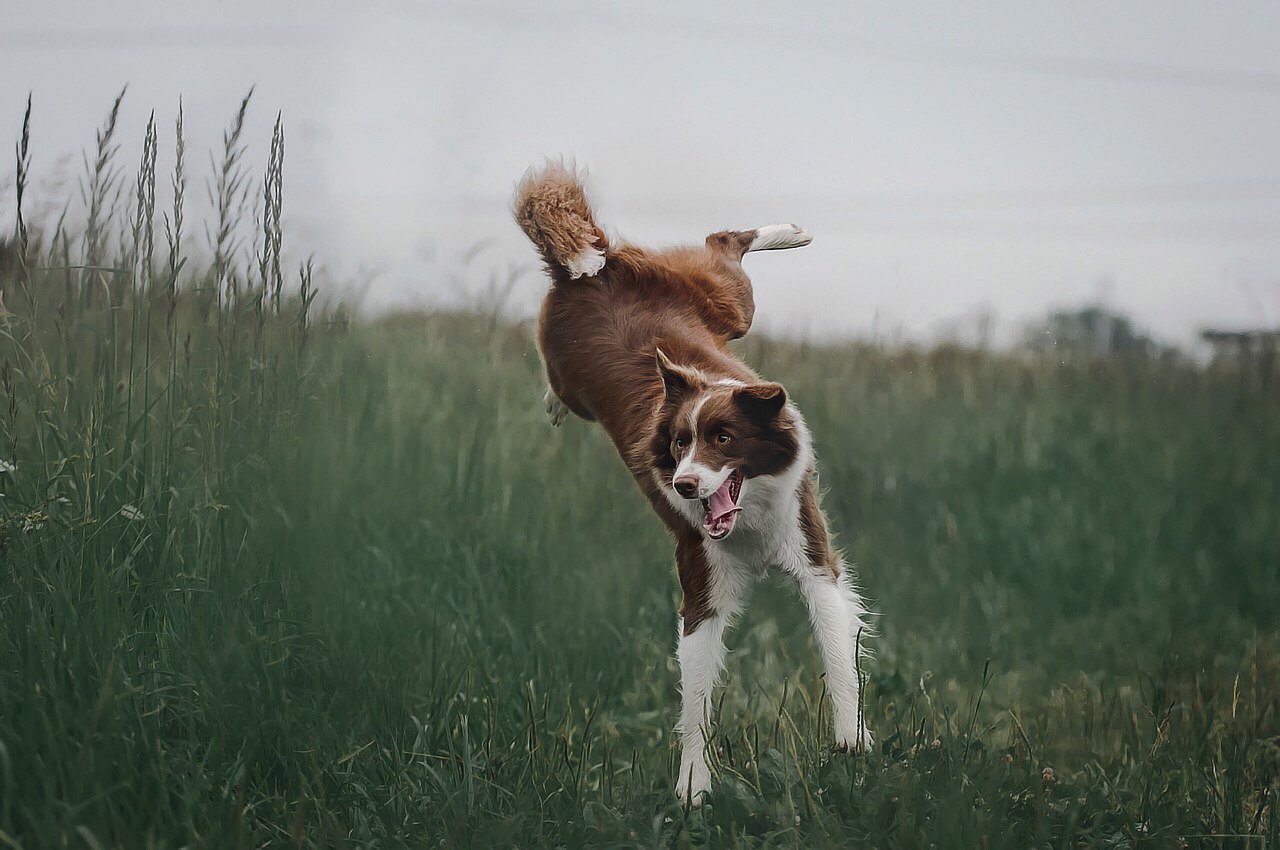
Border Collies have a reputation as tireless sheepdogs who need acres of land to be content. While they do have high energy levels and love having a job to do, they can thrive in urban or suburban homes with the right stimulation. Engaging toys, agility training, and regular walks can satisfy their active minds and bodies. What matters most is mental engagement and bonding time, not just wide-open spaces. Many Border Collies make wonderful family pets in all kinds of settings, proving they’re far more adaptable than people think.
Rottweilers Are Naturally Vicious
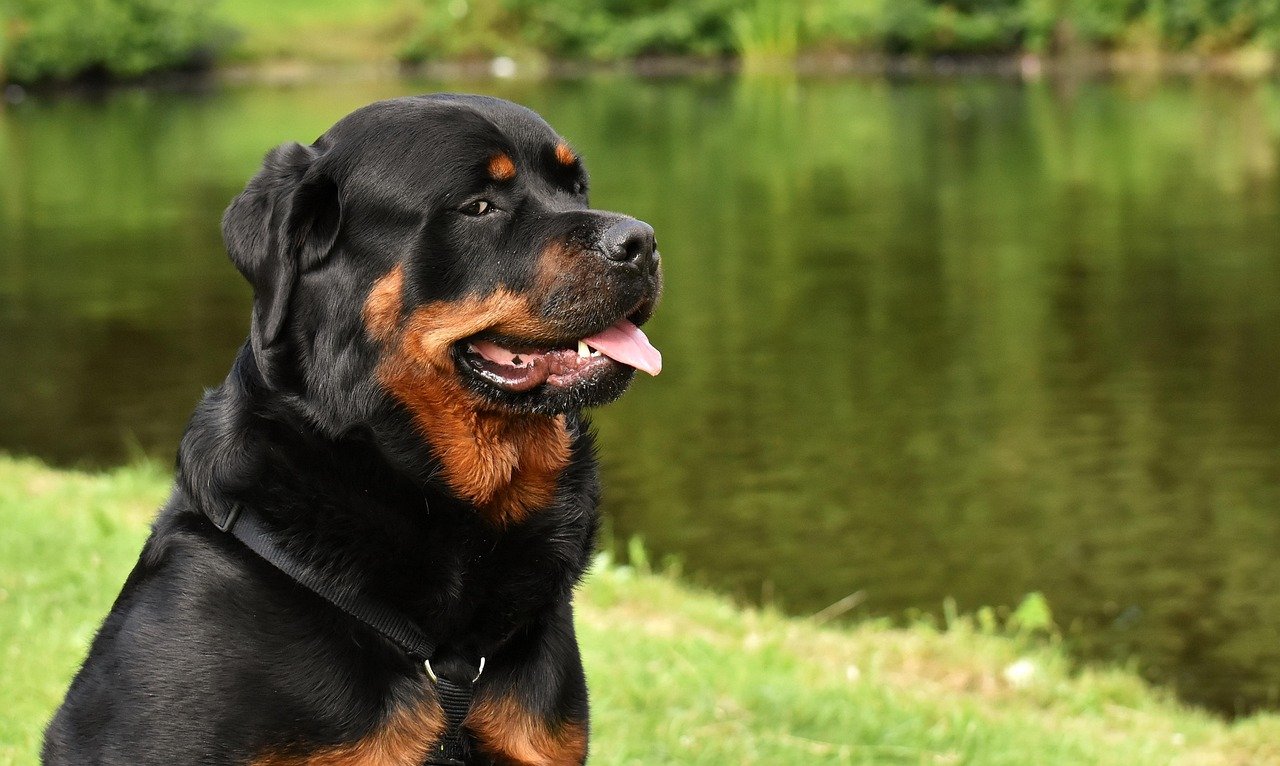
The image of the snarling Rottweiler is burned into the public imagination, but it’s far from the truth. Rottweilers are loyal, intelligent, and deeply affectionate toward their families. Their protective instincts are strong, but that doesn’t mean they’re aggressive by nature. Early socialization and consistent training are key for any large breed, and Rottweilers are no exception. With the right guidance, they can be playful, gentle, and loving companions. Calling them vicious overlooks the many Rottweilers who serve as therapy animals, search-and-rescue dogs, and beloved pets.
Poodles Are High-Maintenance and Prissy

Poodles might conjure images of fancy haircuts and pampered lifestyles, but beneath the curls lies an incredibly smart, athletic, and friendly dog. While their coats do require regular grooming, Poodles are eager to please, highly trainable, and love to play. They’re often used in service roles and excel in dog sports. Their intelligence means they need mental stimulation, but it doesn’t make them high-maintenance in temperament. Poodles come in all sizes—Toy, Miniature, and Standard—offering options for many kinds of families.
Golden Retrievers Don’t Have a Mean Bone in Their Body

Golden Retrievers are famous for their sweet, gentle nature. But believing they’re incapable of aggression or behavioral issues is a mistake. Any dog, regardless of breed, can develop problems if not properly trained or socialized. Golden Retrievers are generally friendly, but they still need boundaries and guidance. Assuming a dog is always safe just because it’s a Golden can lead to misunderstandings or unsafe situations, especially with children. Responsible ownership is important for every breed, even those with the best reputations.
Dobermans Are Dangerous Guard Dogs Only
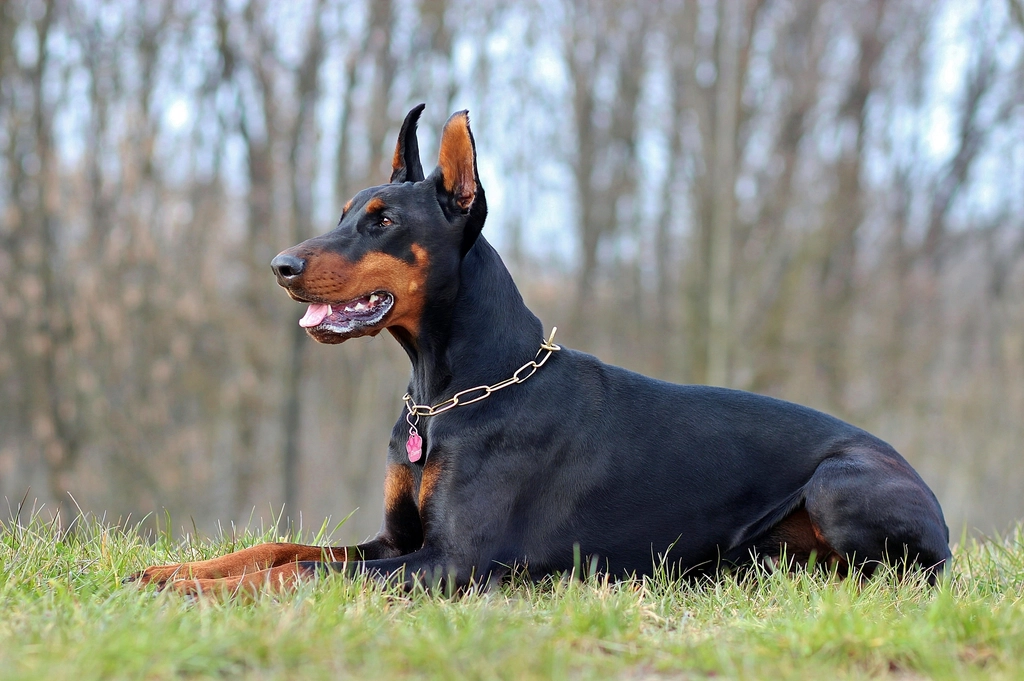
Dobermans have a fierce appearance that often scares people, but underneath their sleek exterior is a loving family dog. They were originally bred to be guardians, but that doesn’t mean they’re aggressive by default. Dobermans are loyal, affectionate, and deeply attached to their people. With early socialization and training, they make gentle pets and often form strong bonds with children. The stereotype of the “vicious Doberman” ignores the reality that many are therapy animals and devoted companions.
Shih Tzus Are Lazy Lap Dogs

Shih Tzus are often seen as pampered, lazy dogs content to spend their lives on a cushion. While they do enjoy relaxing, Shih Tzus are playful, curious, and love to explore their surroundings. They delight in short walks, games, and spending time with their families. This breed’s cheerful disposition makes them adaptable to many lifestyles. Calling them lazy misses their joyful, spirited side. Like people, every Shih Tzu has a unique personality—some are more active, while others truly love a long nap in the sun.
Dalmatians Are Hyper and Unpredictable

Dalmatians shot to fame thanks to movies, but Hollywood didn’t do them many favors. The breed is sometimes described as wild or unpredictable, but that’s not the full story. Dalmatians are energetic and need regular exercise, but with proper outlets, they are loyal, affectionate companions. They bond closely with their families and can be sensitive to harsh treatment. Early training and socialization help ensure they grow into well-mannered adults. The idea that all Dalmatians are hyper is just another myth.
Boxers Are Not Good With Kids

Boxers’ muscular builds can be intimidating, leading some to believe they’re not suitable for families with children. The opposite is true—Boxers are famously gentle and patient with kids. They’re known for their playful, clownish personalities and protective instincts. Supervision is always important with young children and any large dog, but Boxers often become beloved playmates and guardians for their family’s youngest members. Their affectionate nature makes them one of the best breeds for families who want an energetic and loving companion.
Small Dogs Are Easier to Care For Than Big Dogs

A lot of people assume small dogs are less work than large breeds. While small dogs often eat less and take up less space, they still need exercise, mental stimulation, and training. Some small breeds are even more energetic and demanding than their larger counterparts. It’s a mistake to think a tiny dog will automatically fit into any lifestyle with no effort. Every dog, regardless of size, needs love, attention, and responsible care to thrive. Choosing a dog based solely on size often leads to disappointment for both the pet and the owner.
Rescue Dogs Have More Behavior Problems Than Purebreds
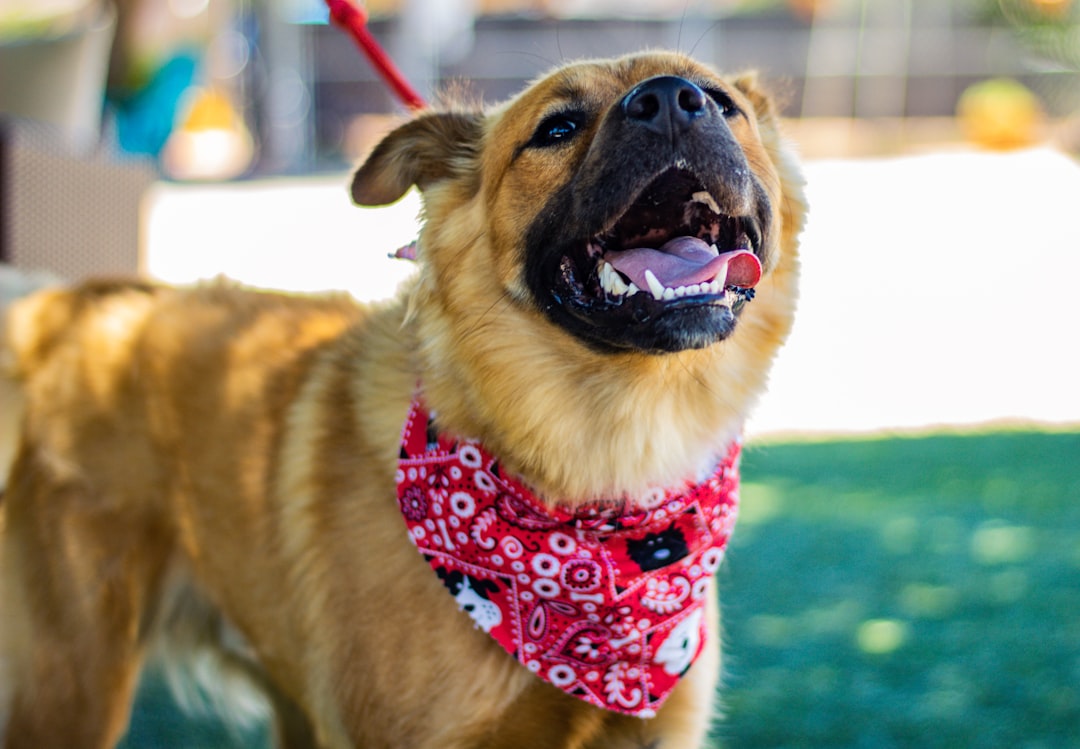
There’s a widespread belief that rescue dogs, often mixed breeds, come with a host of behavioral issues compared to purebred dogs. This assumption is not supported by evidence. Behavioral problems can be found in any dog, regardless of pedigree or background. Many rescue dogs are loving, loyal, and well-behaved, especially when given a stable home and proper training. The idea that purebreds are always easier or better-behaved only serves to keep wonderful dogs from finding loving homes. What matters most is the love and care they receive, not their origin.
Understanding the truth behind breed misconceptions helps us become more informed, compassionate, and responsible dog owners. Every dog is an individual, and while breed tendencies can offer guidance, they don’t define personality or potential. By looking past the myths and embracing facts, we open the door to deeper connections and more fulfilling relationships with our canine companions—regardless of their reputation. What surprised you the most about these common dog breed myths?


