
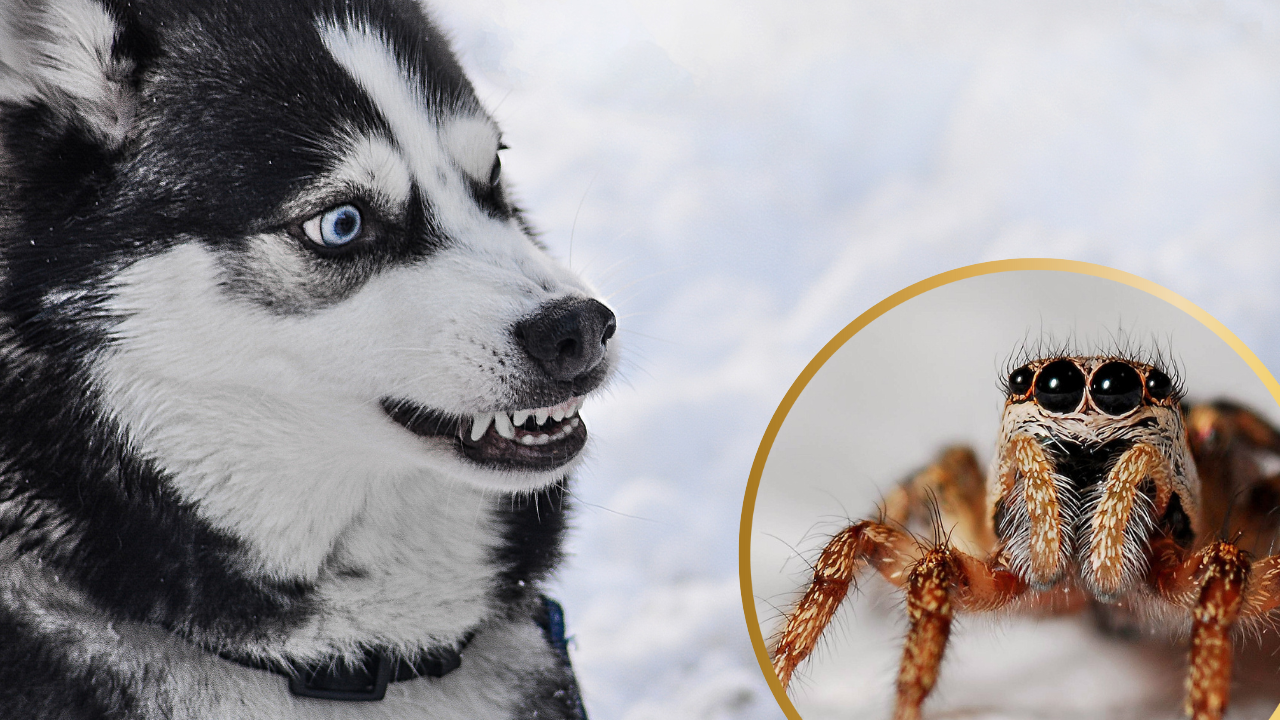
The animal kingdom is full of creatures that challenge our dogs’ comfort zones, and that’s perfectly natural. “The fear of humans that a lot of these predators show is really positive in that light,” Suraci said. “It gives us some opportunity to potentially share spaces with these animals — to go hiking in places where pumas, bears and wolves all exist, without experiencing any negative impacts. Your dog’s frantic attempts to escape buzzing insects aren’t just silly behavior—they’re smart survival instincts in action. Let us dive into 15 creatures in the Animal Kingdom which can be tolerated by your dog.
The Slithering Serpent That Sends Shivers Down Their Spines
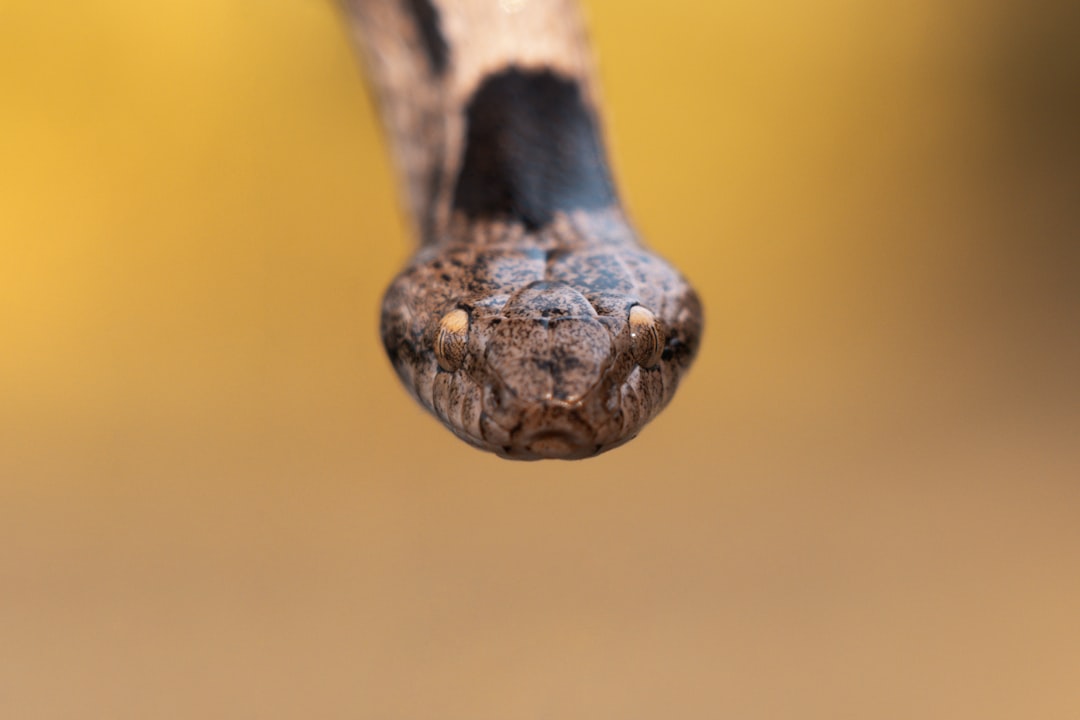
Have you ever watched your normally fearless furry friend suddenly freeze in terror at the sight of something coiled in the grass? Many dogs have an innate wariness of snakes and alligators. These reptiles move stealthily, camouflaging themselves until striking suddenly. Dogs that cannot properly identify snakes and alligators as threats may investigate out of curiosity, sometimes provoking attacks.
While not all dogs are equally afraid of snakes and alligators, most keep a respectful distance and show signs of caution around these camouflaged reptiles to avoid becoming prey. It’s fascinating how millions of years of evolution have hardwired this response into our canine companions. Most snakes in North America are harmless, and the small number of venomous species we do have will go out of their way to avoid humans. Yet dogs seem to possess an ancient understanding that these creatures demand respect and distance.
The Buzzing Menace That Drives Dogs to Distraction
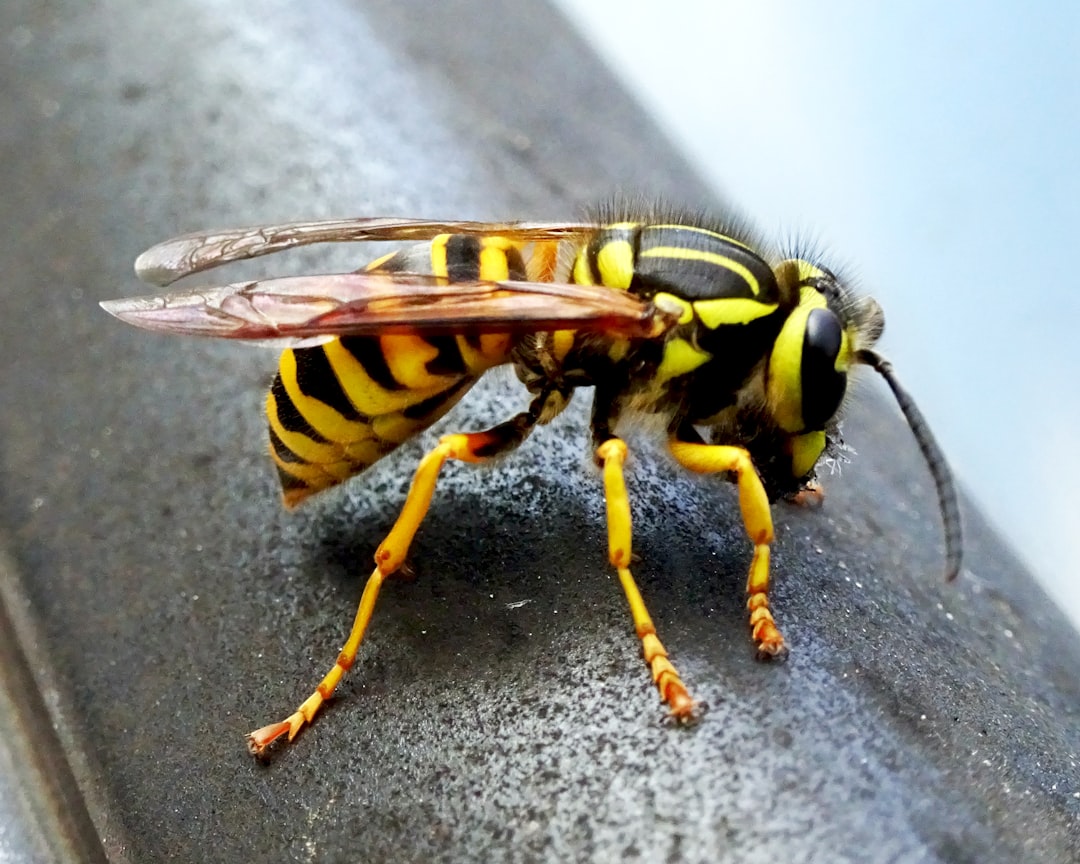
Most bee and wasp species never sting, and many snakes present no threat. But try telling that to your dog when a yellow jacket comes buzzing around the backyard barbecue! Dogs instinctively understand that these flying insects pack a painful punch. Most of the bees that are dealt with are in fact not bees, most of the problems that companies deal with come from wasps. Hornets are the most aggressive type of wasp followed by Yellow Jackets, and then Paper Wasps. There is a certain type of bees that we receive calls on, these are Honey bees and to be more specific they are Africanized Honey bees. These are the most aggressive type of bees in America and often bee and human contact can lead to a person being stung several times if not several hundred.
The Quill-Covered Fortress That Makes Dogs Think Twice
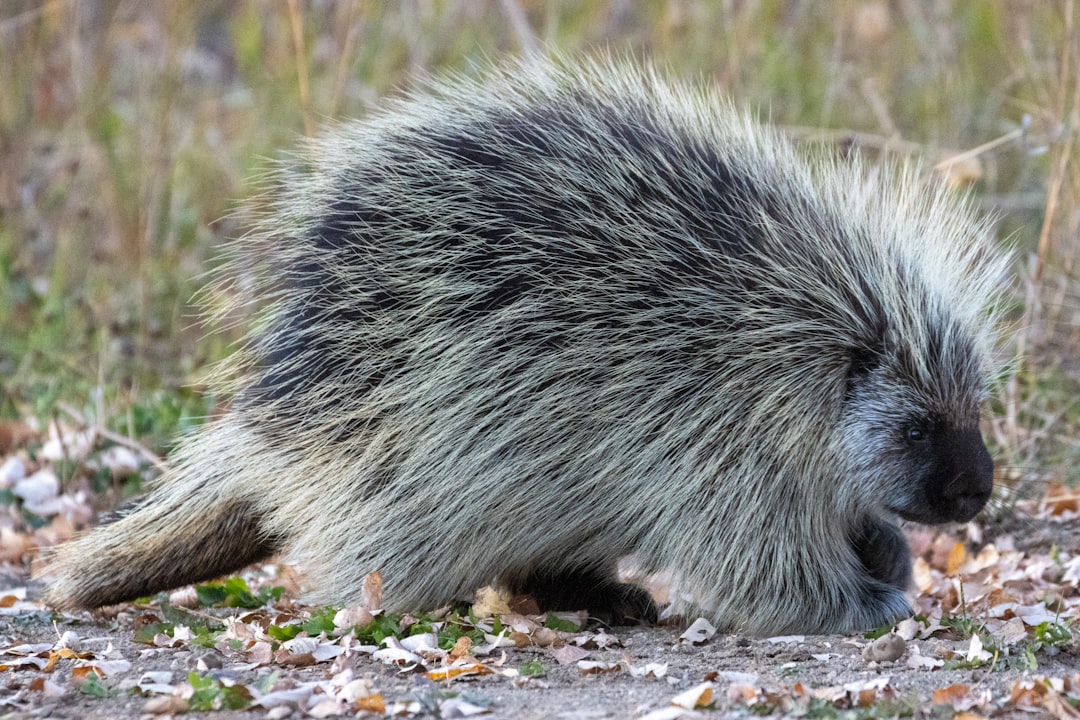
The porcupine is familiar to nearly everyone. Second in size only to the beaver among Colorado rodents, porcupines are 27 to 32 inches long (of which ten inches is tail). Weighing up to 33 pounds, these are large mammals. Their long, yellowish guard hairs and dense coat of quills give them a waddling gait and make them look fatter than they really are. Starting at the forehead and growing thicker and longer toward the hump of the back, the quills of a porcupine can reach four inches long. A single animal has between 15,000 and 30,000 quills. Although a threatened porcupine will spin quickly, slapping with its tail, it cannot throw its quills as popular belief suggests. They do pose a threat to dogs as they can be quite curious about the quills, frightening the porcupine and as a result, the barbs can get lodged into their snouts. Smart dogs learn to give these walking pin cushions a wide berth.
The Striped Stink Bomb That Clears the Neighborhood
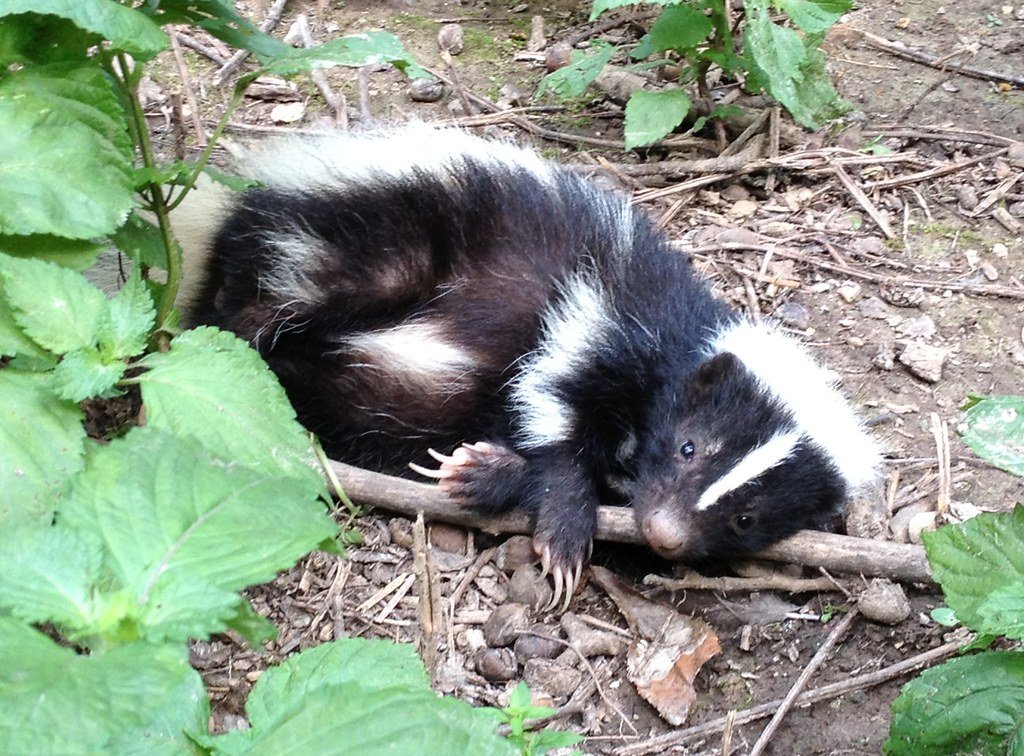
Nothing makes a dog’s day go sideways quite like an encounter with a skunk. It takes energy for spiders to bite or skunks to spray, and opossums don’t attack. But when a skunk does decide to deploy its chemical warfare, the results are memorable for all the wrong reasons. Four species of skunks are known in Colorado: striped, eastern and western spotted, and white-backed hog-nosed. Sometimes skunks are considered to be their own family, separate from the closely related weasels; certainly, skunks are unmistakable: all have the familiar warning colors of white on black. The striped skunk (24 to 32 inches long, weighing up to nine pounds) is the largest and most widespread. Dogs quickly learn to recognize those distinctive black and white warning colors and usually give skunks plenty of space. Unfortunately, curious puppies sometimes need to learn this lesson the hard way.
The Bandit-Masked Rascal That Outsmarts Canines
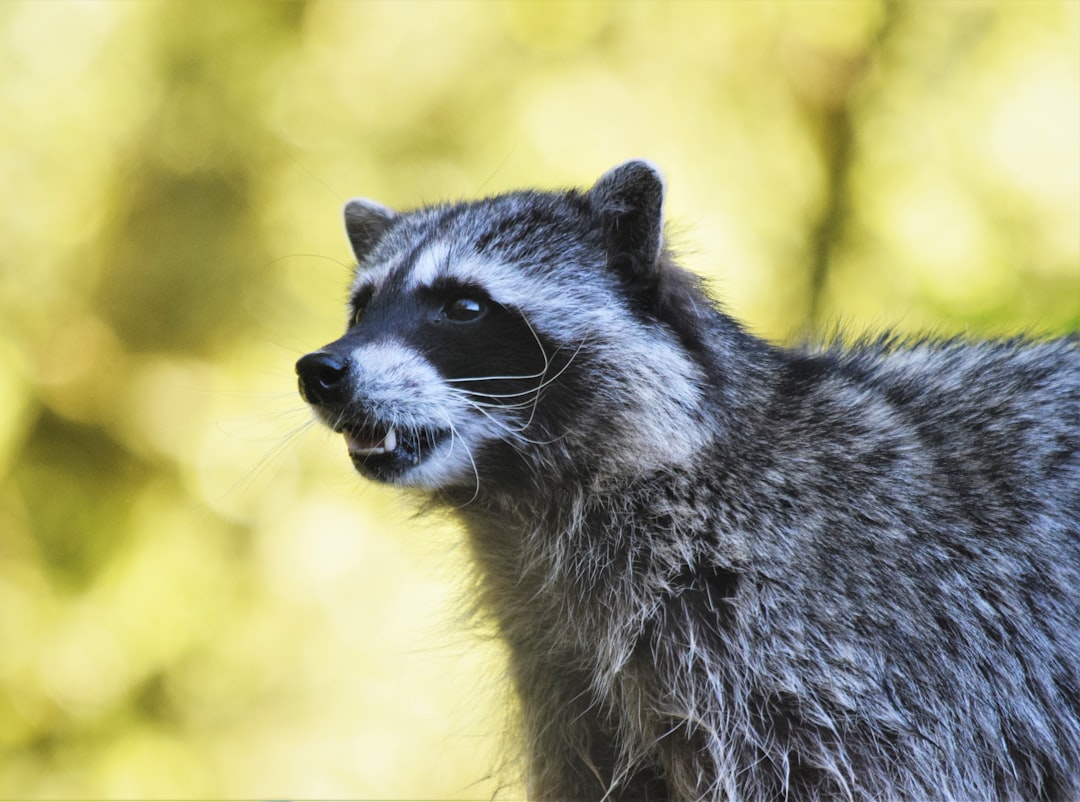
Raccoons need no introduction. With their ringed, bushy tail, yellowish-brown fur (with a blackish wash), and black face mask, they are unmistakable. Only their slim, grayish-buff cousin, the ringtail, has a similar ringed tail. Adults are two to three feet long (one-third of which is tail) and weigh eight to 22 pounds (heaviest in the autumn). While raccoons might look adorable, many dogs find these masked bandits deeply unsettling. Raccoon mothers who rip through plywood or other repairs to a hole in a wall are “not plotting to come down one day and kill you and your children,” says Toussaint. But their intelligence and unpredictable behavior make dogs nervous. Raccoons are one of the few animals that can actually outsmart dogs, using their dexterous paws and problem-solving abilities to escape even the most determined canine pursuit.
The Scurrying Speedster That Triggers Ancient Instincts
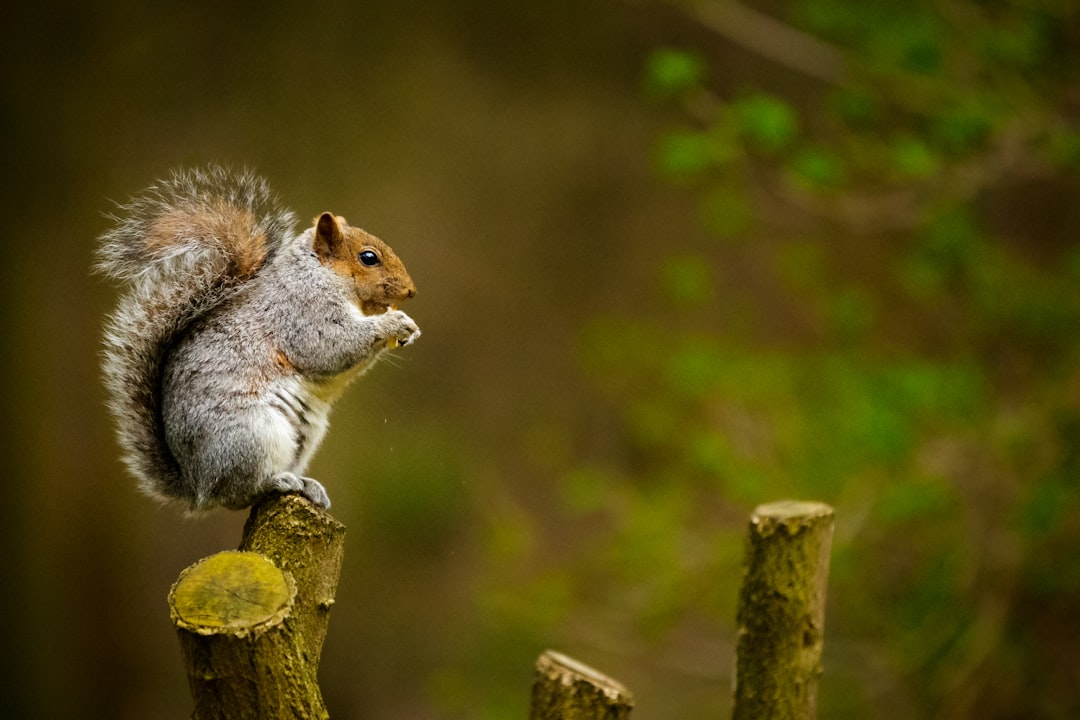
Squirrels might seem harmless, but they drive many dogs absolutely crazy. Herding breeds like Border Collies, Australian Shepherds, and Corgis have been bred for generations to chase and gather livestock. This strong prey drive can cause them to obsessively chase small animals like squirrels, rabbits, cats, mice, and birds. Certain dogs have an especially strong inherited urge to chase small fleeing creatures, known as high “prey drive.” For breeds like terriers and sighthounds bred to hunt vermin and other quarry, the instinct to give chase can be intensely motivating and rewarding. When triggered by the movement of cats, squirrels, rabbits or even small dogs, that drives kicks in and these dogs may aggressively pursue, attack or even kill the animal that incited their chase response. They have a natural fear of predators, such as cats, dogs, and birds of prey, which can threaten their safety. Some common predators of squirrels include birds of prey, like hawks and owls, as well as cats, dogs, and even snakes. This creates a fascinating predator-prey dynamic that leaves both species on edge.
The Fanged Feline That Strikes Fear Into Dog Hearts

The relationship between cats and dogs is complicated, but many dogs genuinely cannot tolerate cats. When dogs were first domesticated, they were often trained to hunt small, furry animals. So, imagine the scene: cat greets dog, dog sniffs cat’s butt, cat is completely freaked out by this undignified behavior and darts away, dog’s predatory instincts kick in and he thinks, “must chase small furry creature that is escaping!” Dog chases cat, cat becomes even more terrified and friendship becomes unlikely. Despite the saying, dogs and cats aren’t really natural born enemies. But there are a couple of factors that can make their relationship, well, a little complicated. For many dogs, cats represent everything that’s wrong with the world—they’re aloof, unpredictable, and worst of all, they act like they own the place!
The Thumping Cottontail That Makes Dogs Go Bonkers

Rabbits are prey animals whose predators include foxes, dogs, cats, birds of prey and stoats. This creates an interesting dynamic where both species are hardwired to react to each other. Surprisingly, domestic dogs are a common predator of pet rabbits. Even if a dog is not naturally aggressive, their predatory instincts can kick in when they encounter a rabbit. Dogs can break into enclosures, dig under fences, and sometimes even jump over barriers to reach a rabbit. Pet owners should never underestimate the potential danger posed by neighborhood or even family dogs, as they can become unexpected rabbit predators. Thus rabbits are very alert to potential danger. Their first response is to freeze, but if the danger comes too close then they will run away to a safe hiding place. They will also thump the ground with their back legs to let other rabbits know of the potential danger. The sudden appearance of a rabbit can send even the most well-behaved dog into a frenzy of barking and chasing.
The Wise-Eyed Raptor That Watches From Above
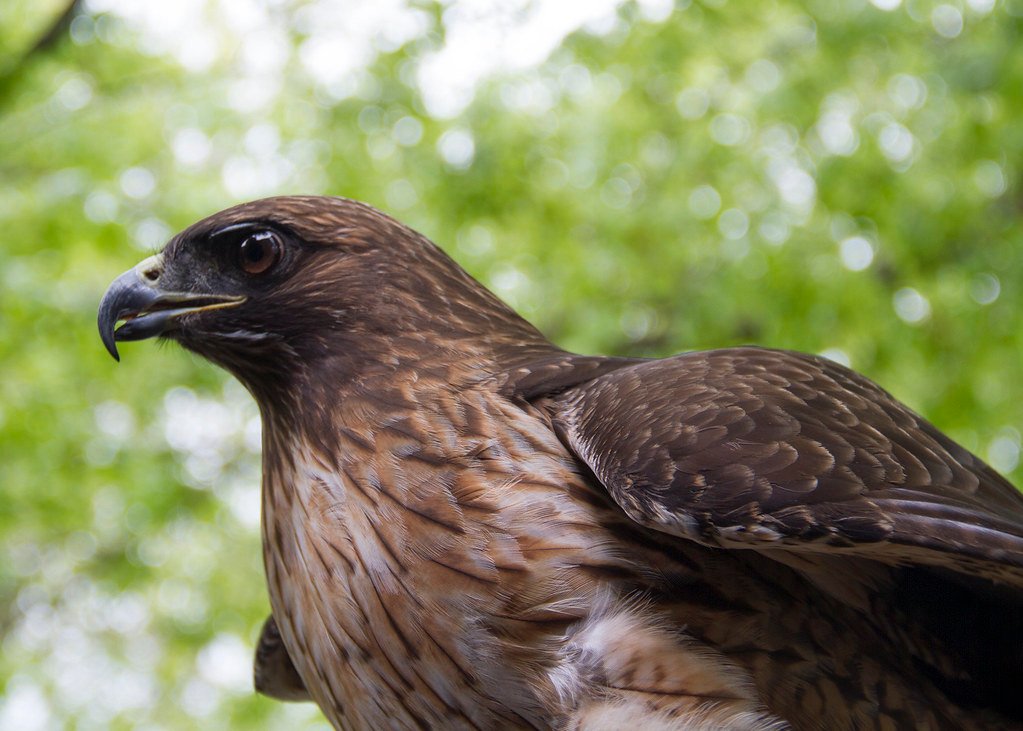
Birds of prey create a unique type of anxiety in dogs that’s different from ground-based threats. Squirrels have many predators like hawks, eagles, owls, and falcons that attack from the air. These raptors can swoop down at great speeds to grab unsuspecting squirrels on the ground or in trees with their powerful talons. It’s no wonder that squirrels exhibit quick escape behaviors when they spot a bird of prey overhead! According to the Cornell Lab of Ornithology, over 75% of squirrel predation is caused by aerial raptor attacks. Dogs often show unease around large birds, especially hawks and eagles. Their instincts tell them that anything with talons that sharp and a beak that powerful deserves respect and caution. Many dogs will bark nervously at circling raptors or refuse to venture into open areas where they feel exposed to aerial attack.
The Slithering Legless Wonder That Defies Logic
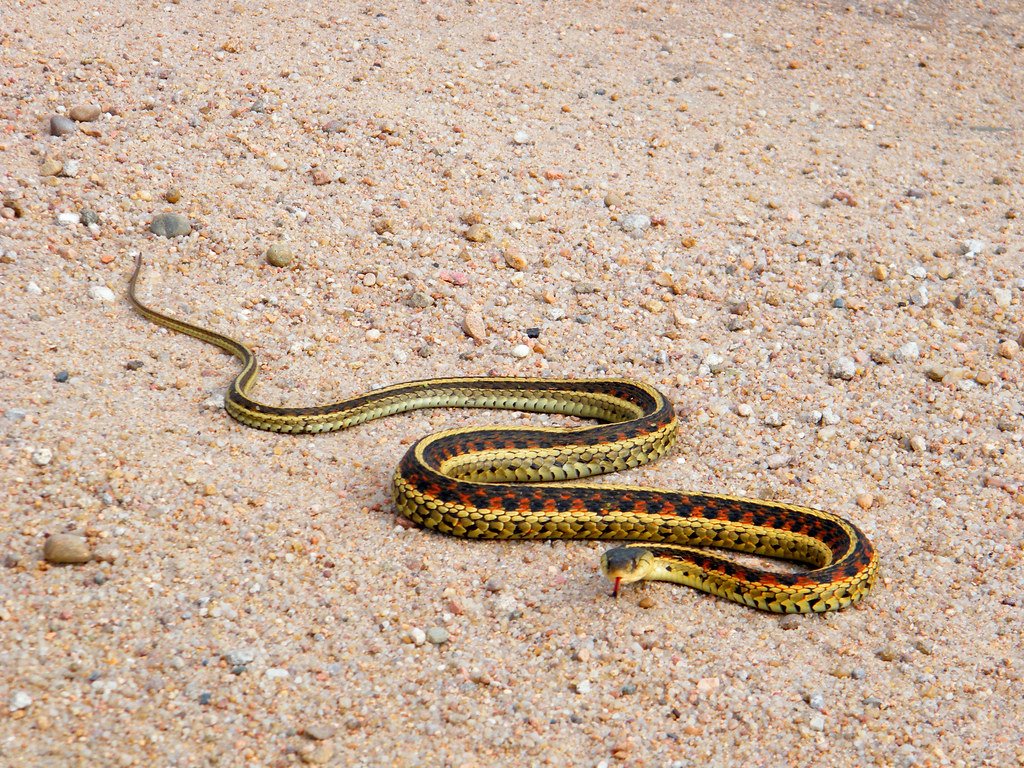
There’s something about snakes that just doesn’t compute in a dog’s mind. Ophidiophobia is the fear of snakes. It is named after the Greek words “ophis,” which means snake. Some instinctive trepidation is warranted when you see an unknown snake in the wild. This is normal because so many species are venomous. However, some people can’t even stand to talk about snakes or see a snake safely kept in an enclosure. Even an image of a snake can cause an ophidiophobe to have heart palpitations, trembling, and shortness of breath, among other symptoms. Dogs seem to share this ancient fear. Yet, time after time again we see full grown humans react in terror to the presence of a snake, even though the same people are able to maintain a very calm demeanor around much more dangerous species such as squirrels, or worse yet, raspberries (which have been known to attack unprovoked). The way snakes move—without legs, in that sinuous, unpredictable manner—triggers something deep in a dog’s evolutionary memory.
The Apex Predator That Commands Respect
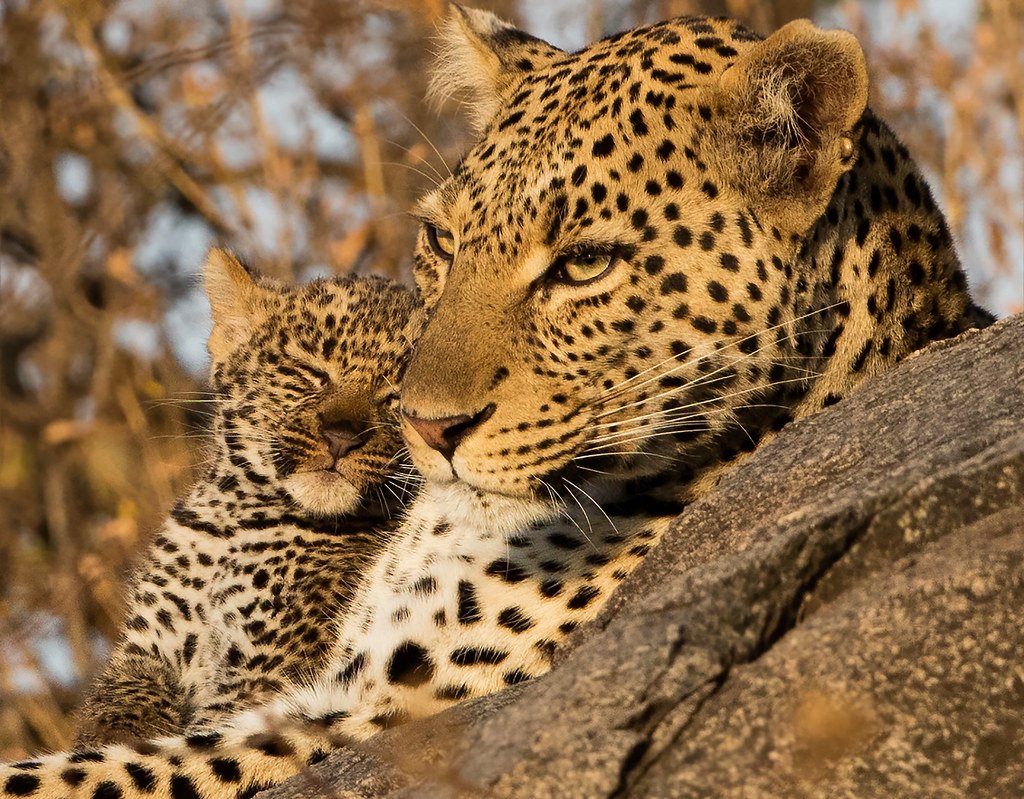
When it comes to large predators, dogs know they’re outgunned. Like bears, big cats fall into the apex predator category, activating prey drive instincts in dogs. In particular, mountain lions elicit fear since they are ambush hunters, attacking from cover and leaping onto prey. Dogs sense they could easily become mountain lion targets, making them extremely distrustful. In India, leopards prey on village dogs, treating them as easy food sources.
According to a 2021 study, free-roaming dogs have adapted by flocking into defensive packs that aggressively mob leopards entering villages. Dogs tend to be afraid of animals perceived as threats, like wolves, bears, large cats, and in some cases, specific breeds of dogs. Even the bravest family dog understands that bears, mountain lions, and wolves are in a completely different league. Their size, strength, and predatory capabilities make them creatures that dogs simply cannot tolerate being around.
The Chittering Rodent That Never Stops Moving
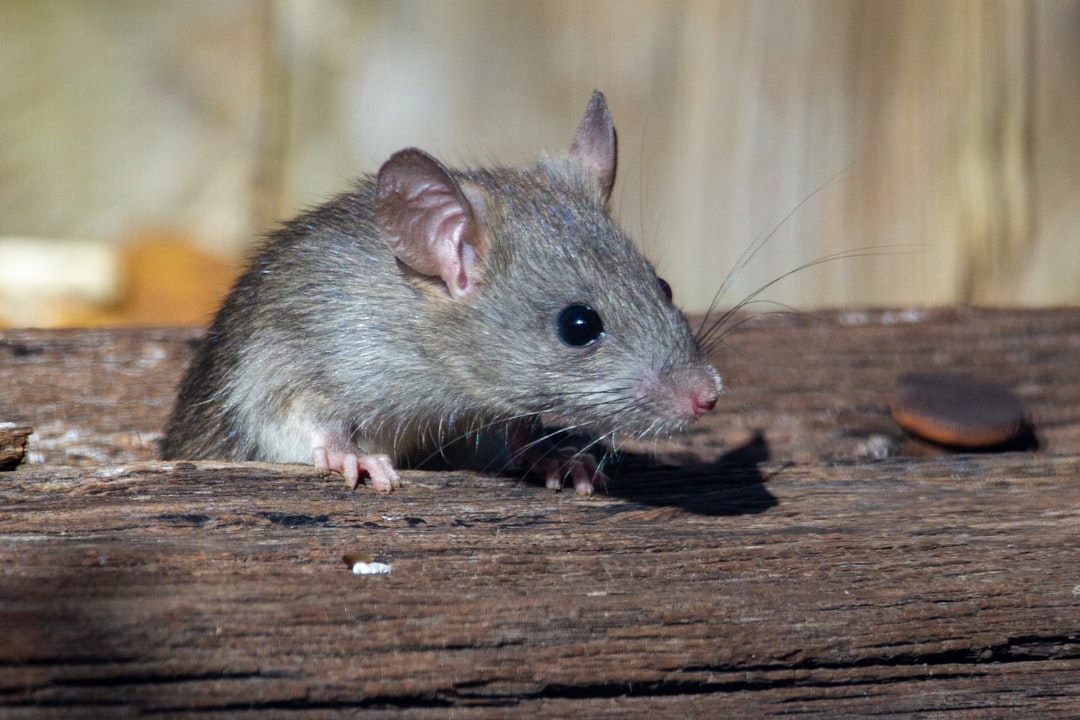
Rats and mice represent a special category of creatures that many dogs find intolerable. The five most feared animals were snakes, wasps, rats, cockroaches, and spiders. While dogs were historically bred to hunt these small rodents, modern pet dogs often find their quick, darting movements and squeaking sounds deeply unsettling. This strong prey drive can cause them to obsessively chase small animals like squirrels, rabbits, cats, mice, and birds. There’s something about the way rats move—quick, unpredictable, always seeming to be up to something—that triggers a dog’s hunting instincts while simultaneously making them nervous. It’s like they can’t decide whether to chase or flee.
The Eight-Legged Creeper That Defies Understanding
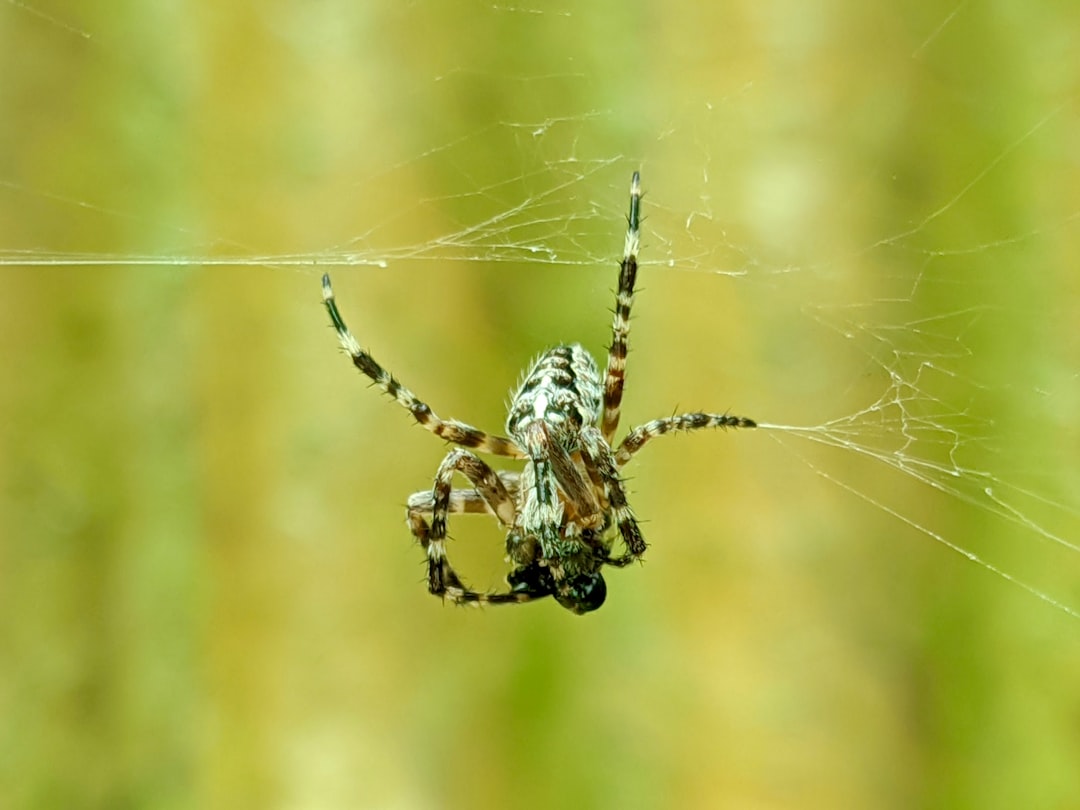
Spiders occupy a unique place in the canine world of intolerable creatures. In the end, the overall winner of inducing fear was the spider, earning a total of 4.39 out of 5 for fear, and 4.47 for disgust. Close to 19% of the volunteers expressed an extreme fear when shown a photo of a spider. The researchers believe the spiders fear-inducing quality may be because of their many legs, their omnipresence in our homes, their capacity for “fast unpredictable movement”, and their penchant for dark hiding spots. Dogs seem to share this primal fear of spiders. Let stink bugs stay; spiders will eat them. Let spiders stay; hummingbirds will snatch them up. The way spiders move—those eight legs working in perfect coordination—seems to trigger something deep in a dog’s brain that screams “NOPE!” Many dogs will back away from even the smallest spider, whimpering and refusing to approach.
The Buzzing Bloodsucker That Ruins Summer Fun
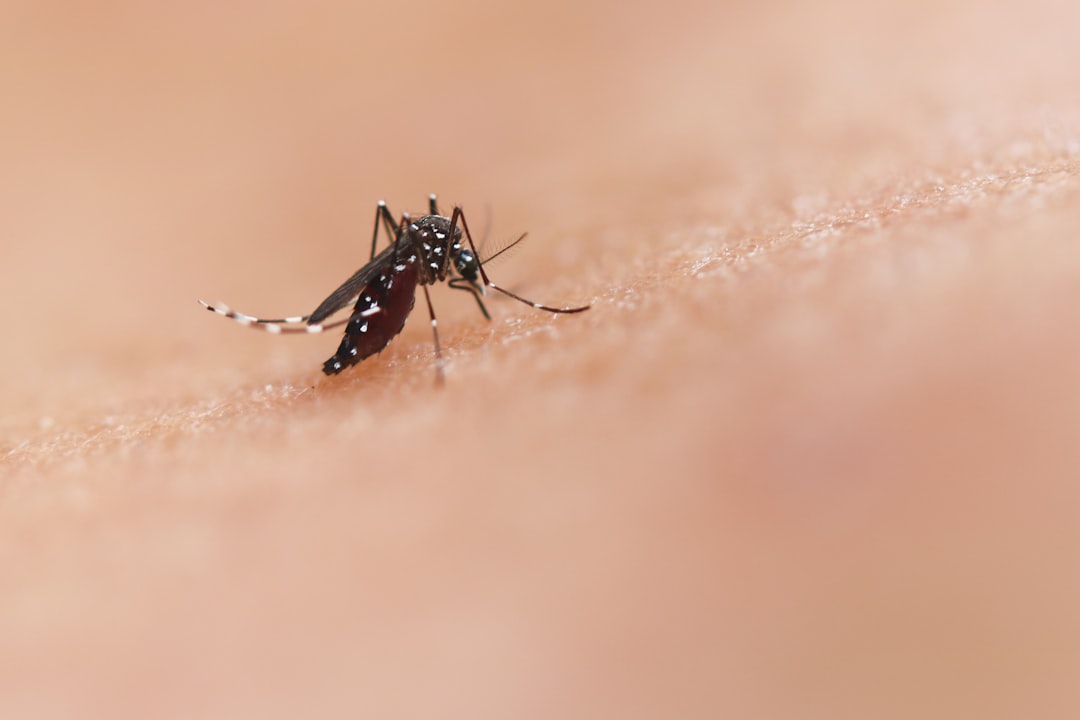
Mosquitoes might seem too small to bother a dog, but these tiny vampires can drive our four-legged friends to distraction. Dogs have sensitive hearing and can detect the high-pitched whine of a mosquito from much farther away than we can. Most bee and wasp species never sting, and many snakes present no threat. But mosquitoes are different—they’re persistent, annoying, and they bite. Dogs will snap at the air, paw at their ears, and generally act miserable when mosquitoes are around. The constant buzzing and biting can turn a pleasant evening walk into a nightmare for both dog and owner. Some dogs become so agitated by mosquitoes that they refuse to go outside during peak mosquito hours.
The Territorial Defender That Challenges Canine Authority
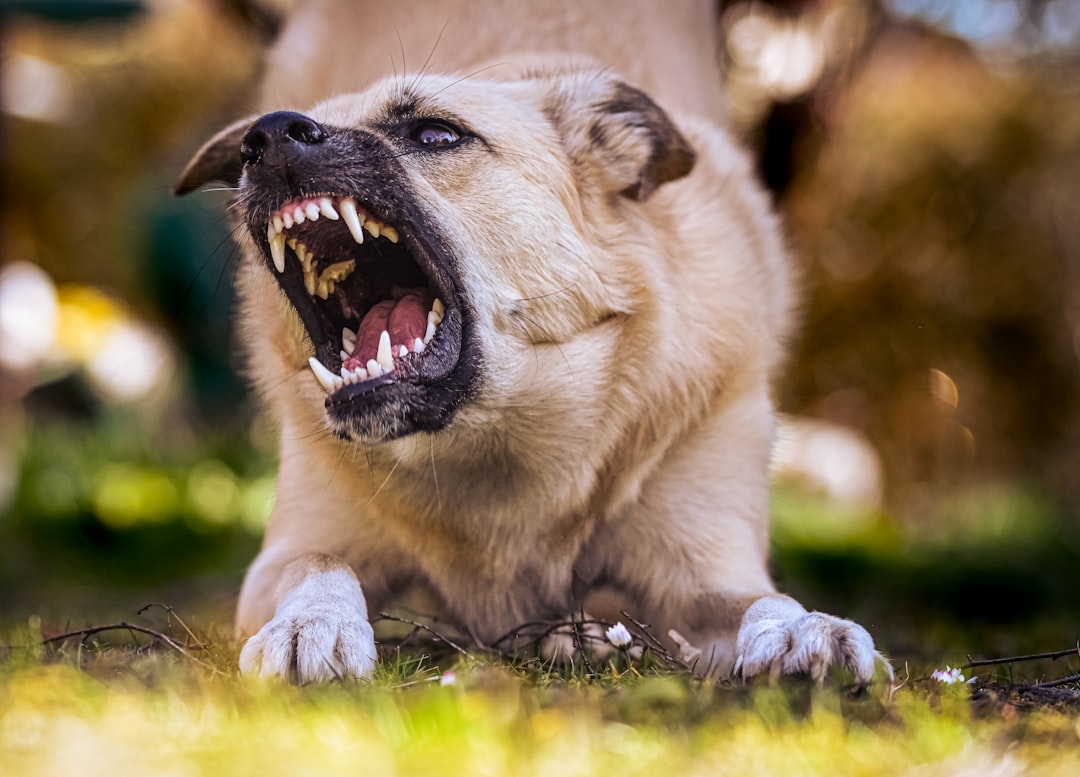
Other dogs, particularly aggressive or territorial ones, can be creatures that some dogs simply cannot tolerate. Due to their tiny size, small dog breeds like Chihuahuas, Yorkshire Terriers, and Maltese often feel threatened by larger dogs. Dogs tend to be afraid of animals perceived as threats, like wolves, bears, large cats, and in some cases, specific breeds of dogs. This creates fascinating social dynamics where personality and past experiences play huge roles. A dog that was attacked by another dog might develop a lifelong intolerance for certain breeds or sizes. Fear aggression in dogs occurs when a dog is exposed to a perceived or true threat.
There are many underlying reasons why a dog can escalate to aggressive behavior such as growling, barking, lunging, baring teeth, snapping, or biting—one of which is fear. Fear is a negative emotional response to a trigger. A trigger can be a person, another dog, an object, or a situation that ignites an emotional response, and it can be either a true or perceived threat. Fear aggression happens when a dog wants to increase distance between himself and a trigger (commonly another animal or a human). Some dogs just can’t handle the social pressure of dealing with dominant or pushy dogs.


