
You brought home the most adorable pup in the world. You watched every training video, bought the enzymatic cleaner in bulk, and set your phone alarm to take them outside every hour on the dot. Yet somehow, you’re still finding little surprises behind the couch. Sound familiar?
Here’s the truth no one tells you at the pet store: some dog breeds are genuinely, stubbornly, historically difficult to housebreak. It’s not a reflection of your skills as a dog parent. It’s biology, breeding history, and temperament all rolled into one wiggly, loveable package. The difficulty of housebreaking a puppy depends on many factors, and breed can definitely play into how well a dog responds to potty training, as some breeds are more obedient than others. So let’s dive in and meet the 15 breeds that will truly test your patience – and your paper towel supply.
1. Dachshund: The Stubborn Sausage Who Makes His Own Rules
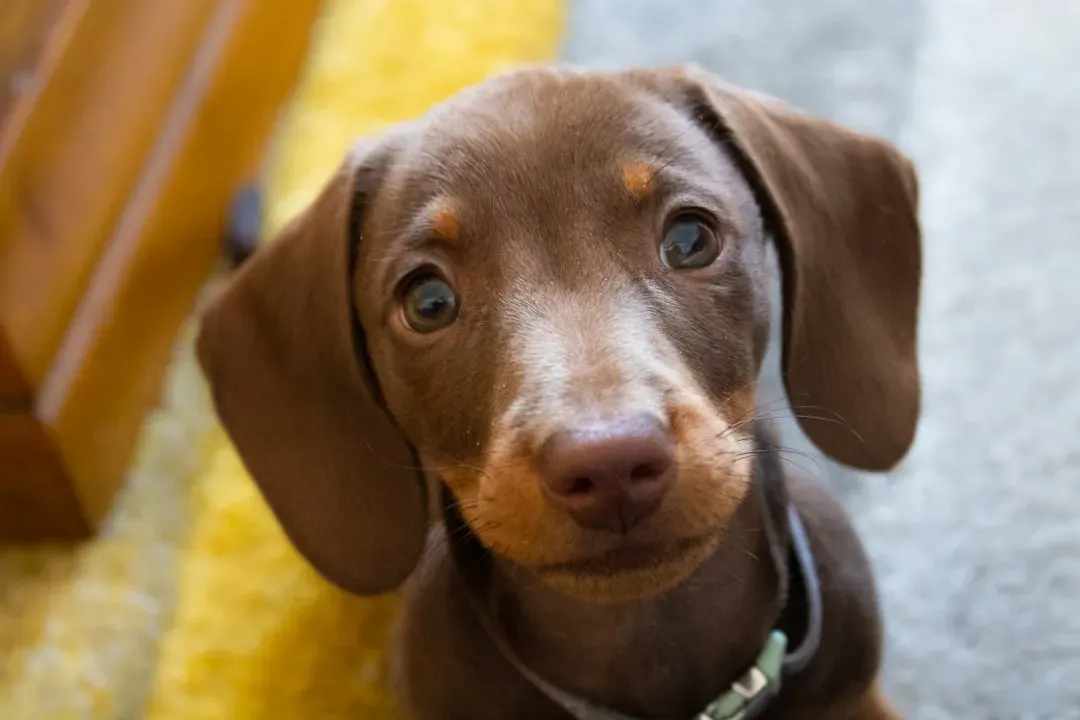
If there were an Olympic medal for housebreaking resistance, the Dachshund would take gold every single time. Originally bred to hunt badgers alone, Dachshunds developed strong independence and persistence. Combine that with their dislike for rain and a tiny bladder, and you’ve got a recipe for potty-training challenges. Think of trying to convince a toddler who just woke up from a nap that it’s time to go outside in drizzling rain. That’s your Dachshund, every single morning.
Dachshunds can sense your tone and will shut down if training feels negative or stressful. So losing your cool is absolutely not an option here. The fix? Keep a rock-solid routine, reward immediately after the right behavior, and consider a covered potty area for rainy days. According to one veterinarian, a Dachshund can take up to a year to be fully potty trained. Yes, a whole year. Take a deep breath.
2. Shih Tzu: The Royal Who Simply Refuses
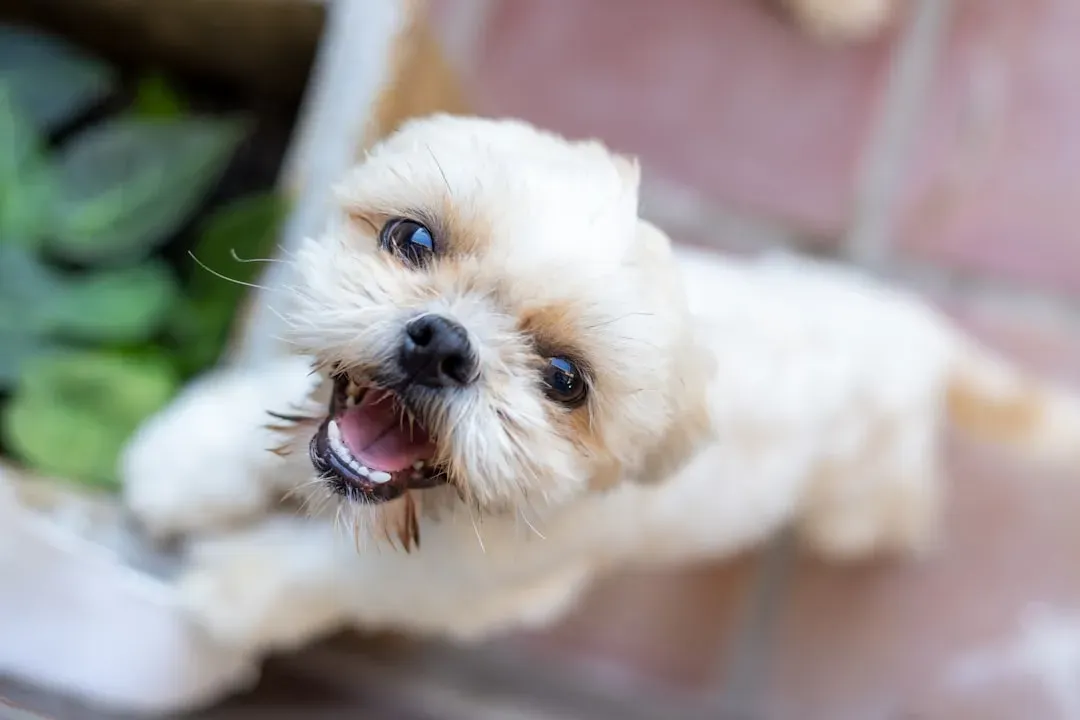
Taking the number one spot on veterinarian Dr. Adam Christman’s list of difficult dogs to potty train is the beloved toy breed, the Shih Tzu. Honestly, it makes perfect sense when you understand the history. These little dogs were bred as imperial lap dogs in ancient China and have maintained that regal “I do what I want” attitude ever since. The expression on their face when you try to enforce a bathroom schedule is truly something to behold.
The AKC notes that the Shih Tzu “tends to charm his owner into letting him have his own way, which can result in a chubby, less-than-completely-housebroken pet.” That charming smile is a strategy. The key is positive reinforcement and absolutely refusing to give in to the charm offensive. Crate training combined with a strict feeding schedule tends to work best.
3. Bichon Frise: The Pretty Pup With a Messy Secret
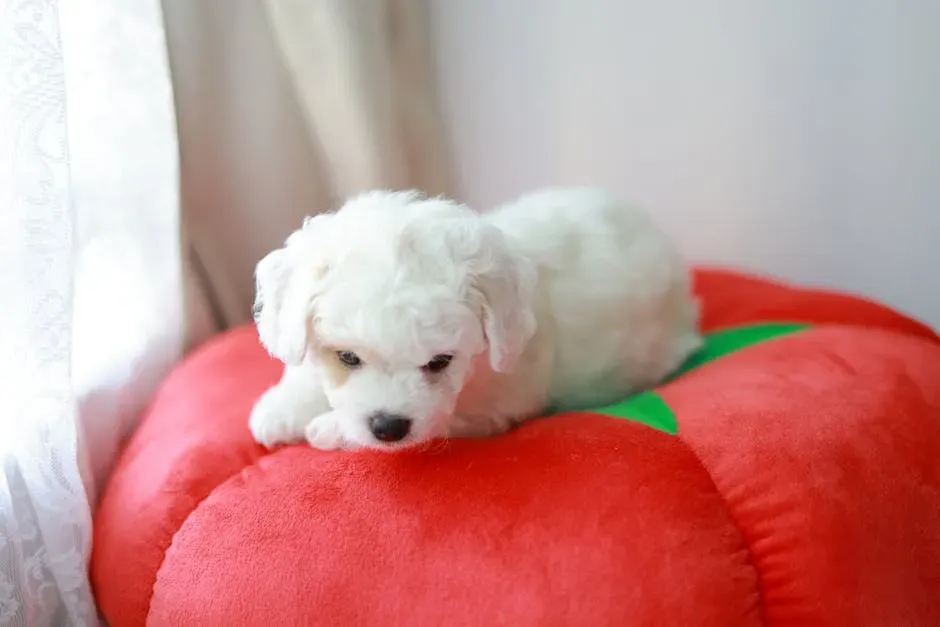
Thanks to their fluffy, soft, snowy white coat, Bichon Frises have a reputation for being an especially hygienic and manicured breed. However, despite their refined look, they’re known to have the rather unhygienic habit of having frequent accidents in the home. The irony is almost funny. Almost. The AKC itself says that Bichon Frises “have a reputation for being difficult to housebreak,” while the breed is described as “fiercely independent” and tending “to be picky about going outside when it’s rainy or cold out.”
Small dog breeds like the Bichon Frise are smart, and they might think they’re smarter than you. Their intelligence works against traditional house training methods because they’re constantly trying to outsmart the system. Use that intelligence to your advantage. Keep training sessions short, fun, and heavily reward-based. Crate training is particularly effective with the Bichon Frise, creating a safe space that they will want to keep dry and clean.
4. Jack Russell Terrier: All Energy, Zero Focus
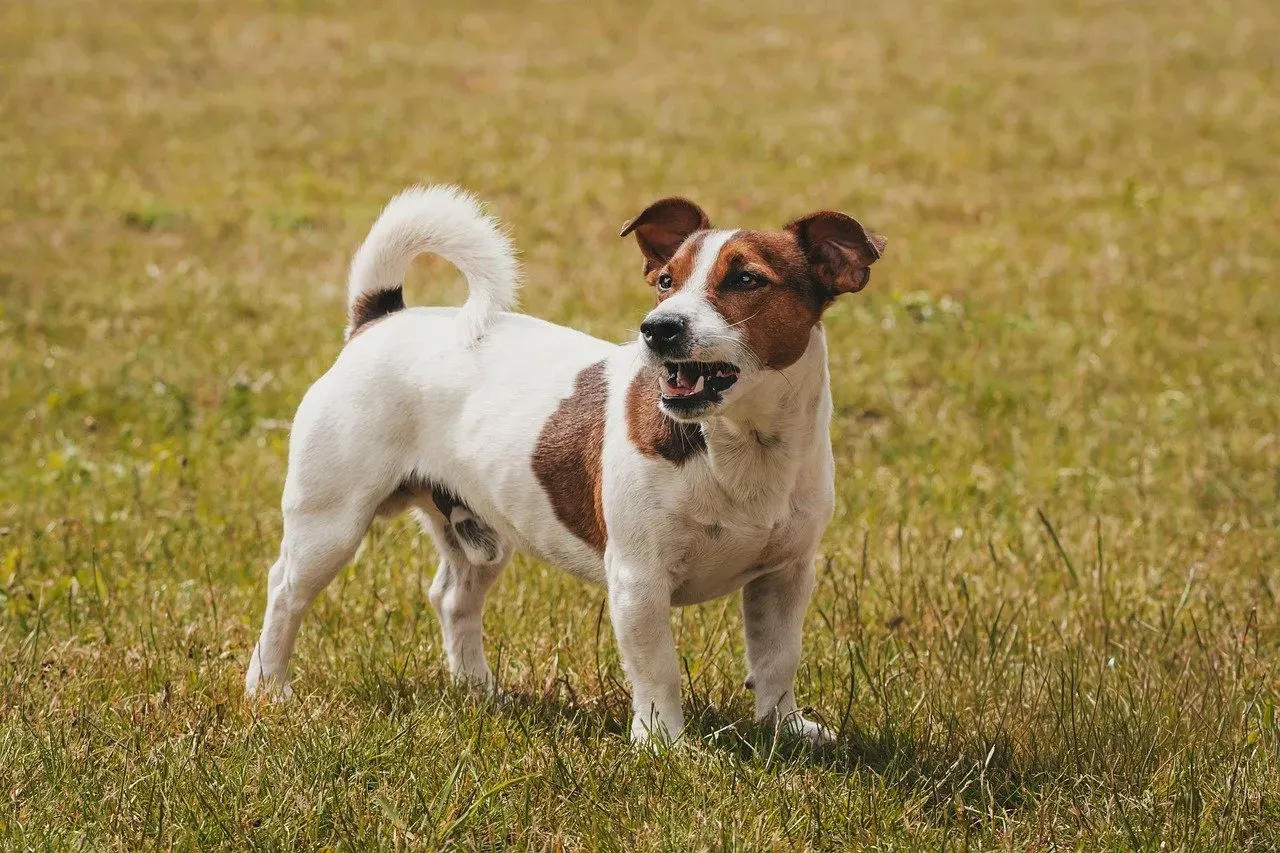
The Jack Russell Terrier is another small dog breed that struggles to potty train on a timeline, and high energy levels and short attention span are most likely to blame. Imagine trying to teach a room full of kindergarteners during a sugar rush. That’s essentially what training a Jack Russell feels like on most days. Jack Russell Terriers are known to be a challenging breed, to say the least. From chewing up your shoes to running around the house at full speed, these pups are little balls of energy that can be difficult to potty train.
A very intelligent breed, Jack Russell Terriers can be very creative in finding ways to break rules if they don’t respect the person training them. The key to training a Jack Russell is to start young so they come to see you as the dominant figure in the home. Short, frequent training sessions work far better than long, structured ones. Catch them right before they squat, redirect immediately, and praise like you just won the lottery when they go outside.
5. Pomeranian: Tiny Dog, Enormous Attitude
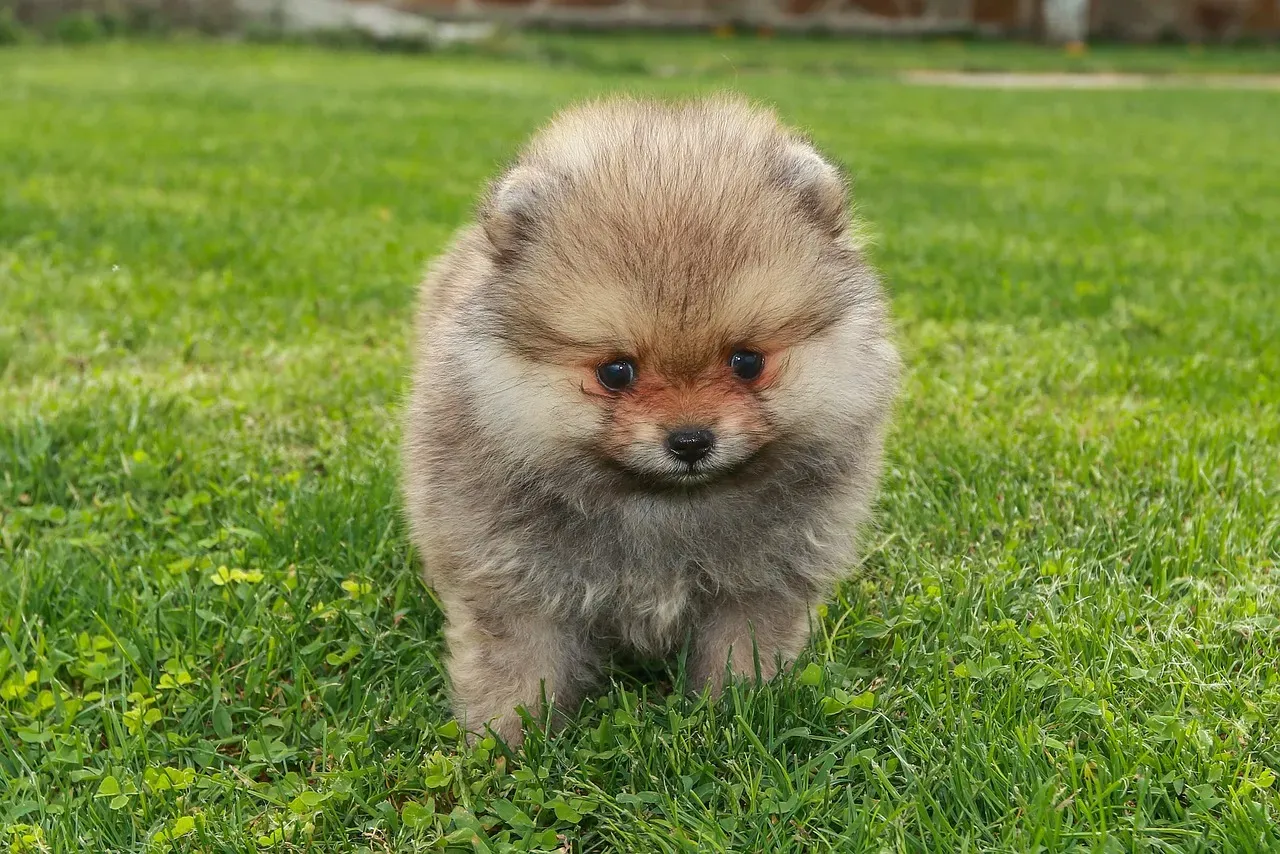
Known for their lively sass and top-dog attitude, Pomeranians can be difficult to potty train. Successfully potty training a Pomeranian requires establishing early dominance and keeping plenty of treats on hand. Let’s be real – the Pomeranian does not believe rules apply to them. They strut around with the confidence of a breed ten times their size, and that confidence extends to deciding where they go to the bathroom. The AKC describes Pomeranians as “alert” and “highly intelligent,” but also warns that “housebreaking can be a challenge, so consistency and patience are key.”
These tiny dogs have tiny bladders, so they need more frequent potty breaks than bigger breeds. They’re also clever and might try to outsmart you. The answer is structured routine, consistent command words, and making absolutely sure potty time isn’t skipped after meals, naps, or play. Tiny bladder means tiny window of opportunity.
6. Beagle: The Nose Always Wins
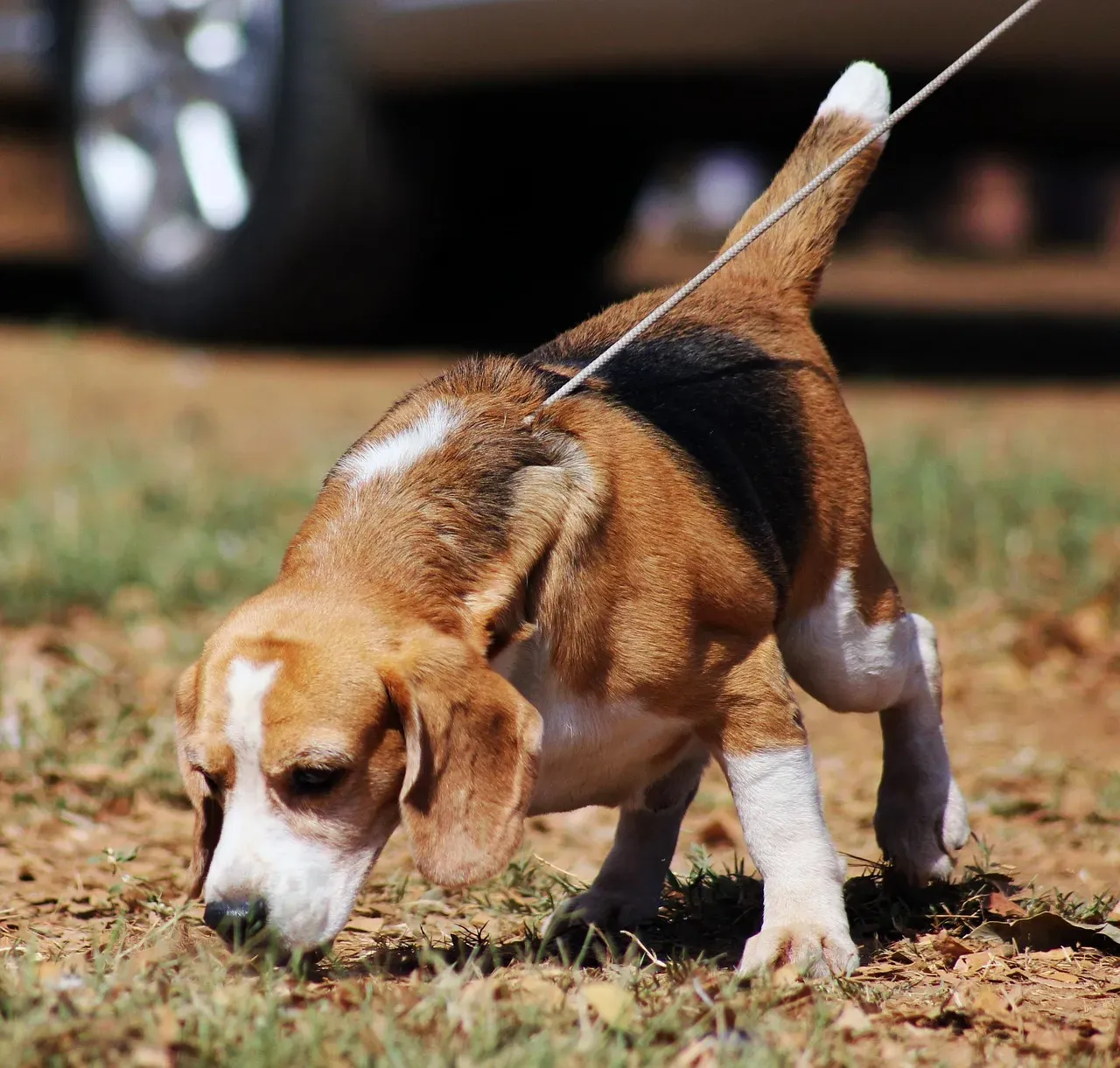
Beagles might look like the perfect family dog, but their nose-first approach to life creates real house training challenges. Beagles can be difficult to housetrain because of their strong hunting instincts and scent-driven nature. They also tend to be excitable dogs with a short attention span that get easily distracted and have a rather selective memory. A Beagle mid-sniff is a Beagle who has completely forgotten you exist, let alone that they needed to go outside.
Their powerful sniffers are still able to detect soiled areas even after you’ve cleaned them, and therefore they have a tendency to return to those spots because they simply smell like a bathroom. This is huge. After any indoor accident, use a proper enzymatic cleaner – not just regular household spray. If the smell lingers at all, your Beagle will think that spot is an approved bathroom. Enzymatic cleaners are a non-negotiable investment.
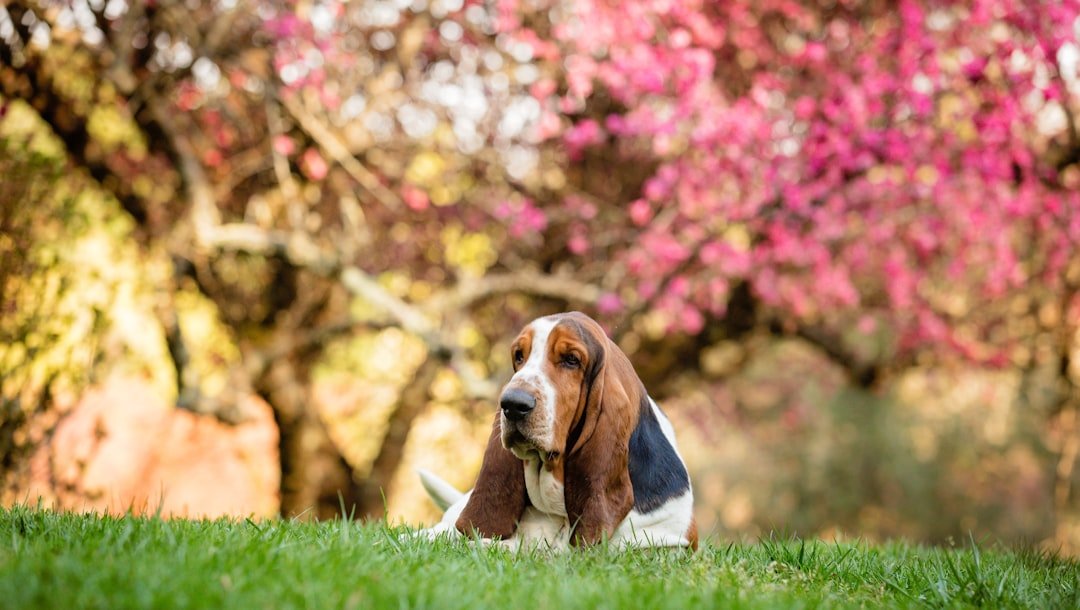
7. Basset Hound: The World’s Most Loveable Procrastinator
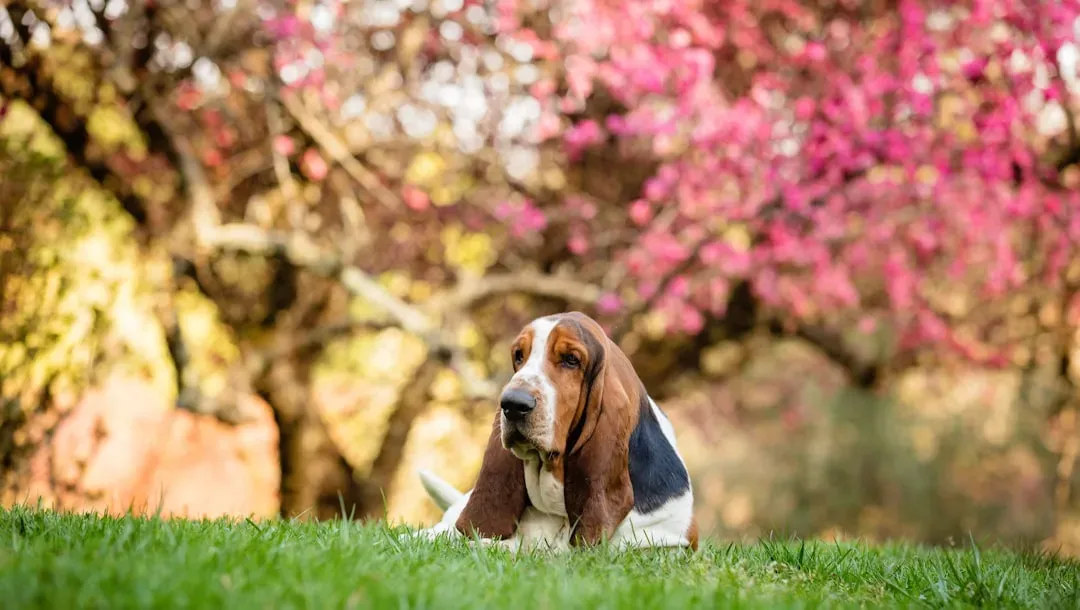
Although mellow, adorable, and charming, the Basset Hound is amongst the hardest breeds to train. They were bred to follow a scent tirelessly without distraction and are incredibly independent. They can also be stubborn, and their tendency to ignore everything but the scent means that it’s difficult to convince them to listen to commands. Getting a Basset Hound to pay attention is a bit like trying to get someone to focus on work emails when there’s pizza in the building.
Their low-slung bodies and methodical pace mean they approach everything in life slowly, including learning house rules. Once a Basset Hound picks up an interesting scent, they become completely absorbed in following it, making them oblivious to your calls to come inside or go to their designated bathroom spot. The good news? They love food, so you’ll have the best luck with reward-based, patient, consistent training, using yummy-smelling treats to help keep their attention on you.
8. Afghan Hound: Stunning, Aloof, and on Their Own Timeline
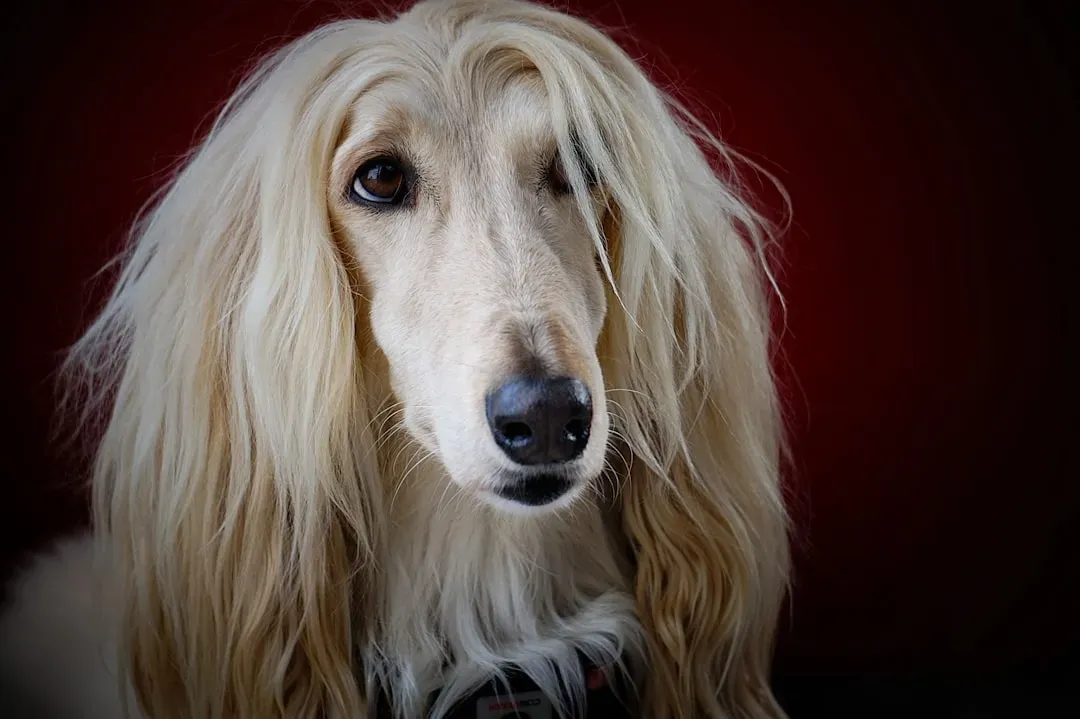
Afghan Hounds are slow learners and take a long time to housebreak, with these lofty daydreamers needing extra time, patience, and consistent training to catch on. Honestly, I think of the Afghan Hound as that one colleague who is brilliant but operates entirely on their own schedule and in their own world. Beautiful to watch. Baffling to manage. Afghan Hounds are one of the hardest breeds to train for several reasons. They are reserved and aloof dogs who bond closely with their owners but may not give anyone else the time of day. Since they’re independent by nature, Afghan Hounds are not used to anyone telling them what to do.
Sensitive and independent, Afghan Hounds don’t respond well to intimidation and may retreat from firm commands. They require a lot of patience and positive reinforcement, particularly treats, in order to establish consistent habits. Keep commands calm, tone warm, and training sessions brief. Harsh correction will set you back weeks. Patience paired with high-value treats is the only reliable currency with this breed.
9. Basenji: The “Barkless” Dog Who Also Ignores Rules
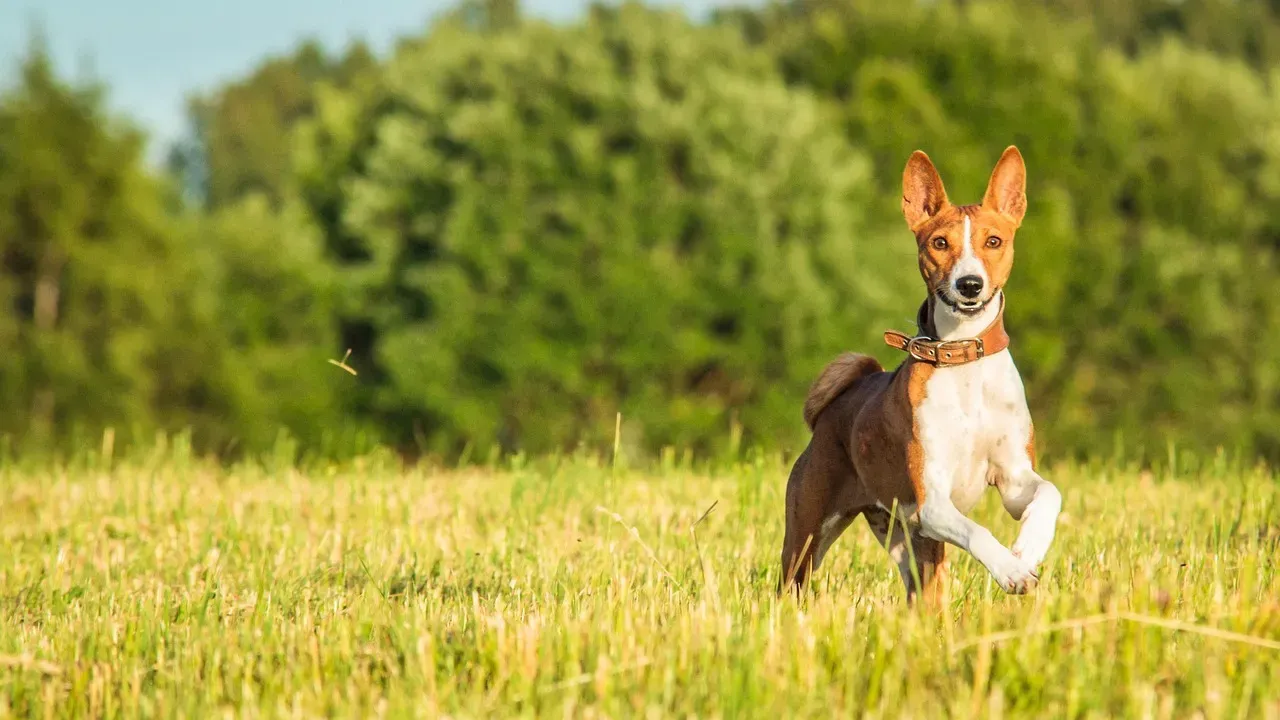
Known as the “barkless” dog from Africa, Basenjis are known to learn plenty of commands – it’s just a matter of whether they’ll actually perform them or not. This stubborn breed will usually decide what they feel like doing, so it’ll take a bit of extra training elbow grease to get their potty skills up to snuff. They know exactly what you want. They just don’t feel like it right now. Maybe later.
Basenjis were bred as hunting dogs in Africa, expected to work without human interference. They are independent, cat-like in temperament, and intelligent, but often lack the desire to please their owners. Basenjis also have a short attention span, meaning any training sessions must be brief, or they’ll get bored and disengage. Think five-minute training bursts, several times a day, with high-reward treats. Crate training is widely recommended and genuinely effective for this breed.
10. Chihuahua: Fierce, Tiny, and Absolutely Not Going Out in the Rain
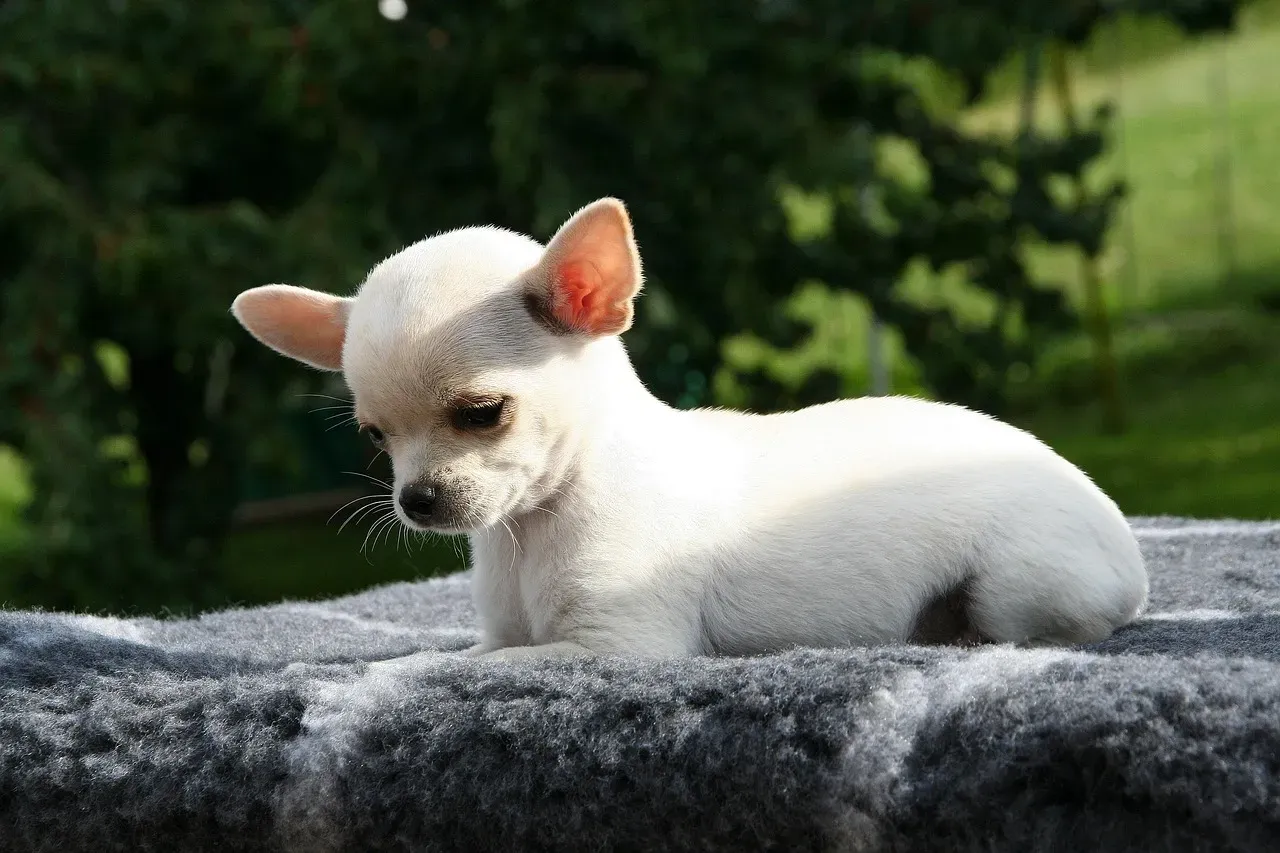
Chihuahuas are “known for urinating whenever and wherever they feel like it.” They can also be challenging to potty train because “they hate going outside when it’s too cold or wet out.” For such small bodies, Chihuahuas carry enormous opinions about the weather. Cold? No. Damp? Absolutely not. Slightly breezy? Don’t even ask. Toy breed dogs such as Chihuahuas tend to be harder to housebreak, and owners often treat small dogs like babies, carrying them outside for potty time instead of walking them to the potty area.
Little dogs don’t learn how to alert their family that they need to potty or even how to get to the potty area when carried. If their owner doesn’t take them out when they need to go, they will find a spot in the house. Treat your Chihuahua like a big dog in training – walk them to the spot, use consistent command words, and reward generously. An indoor grass pad for extreme weather days can also be a genuine lifesaver.
11. Yorkshire Terrier: Smart Enough to Know Better, Stubborn Enough Not to Care
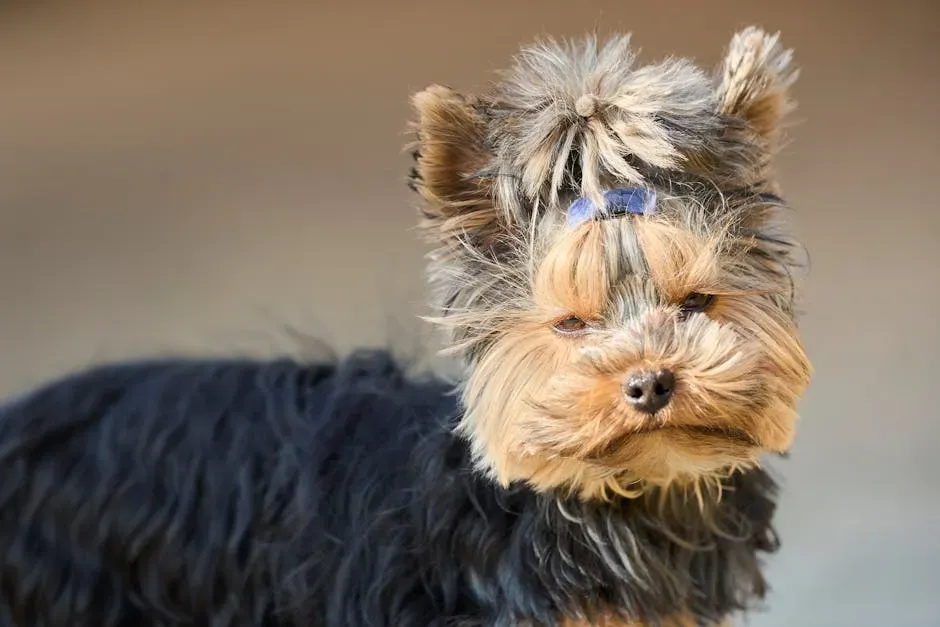
Yorkies are an intelligent breed that can also be stubborn, which makes it difficult to potty train them. Pet owners will also find it tricky to persuade these little prima donnas to go outside when the weather is cold or wet. In addition, these little dogs have smaller bladders, so they can’t last as long between potty breaks as larger breeds. The Yorkie is essentially an overachiever who has decided that housebreaking is beneath them.
Yorkshire Terriers can be tough to potty train, and they can also be stubborn. They are especially difficult to convince to go outside to do their business when it’s wet or cold out. Frequency is your best weapon here. Take them out every 45 minutes to an hour during training. Watch for pre-potty cues like circling and sniffing – these are your ten-second windows to make or break the lesson.
12. Dalmatian: High Intelligence, Higher Stubbornness
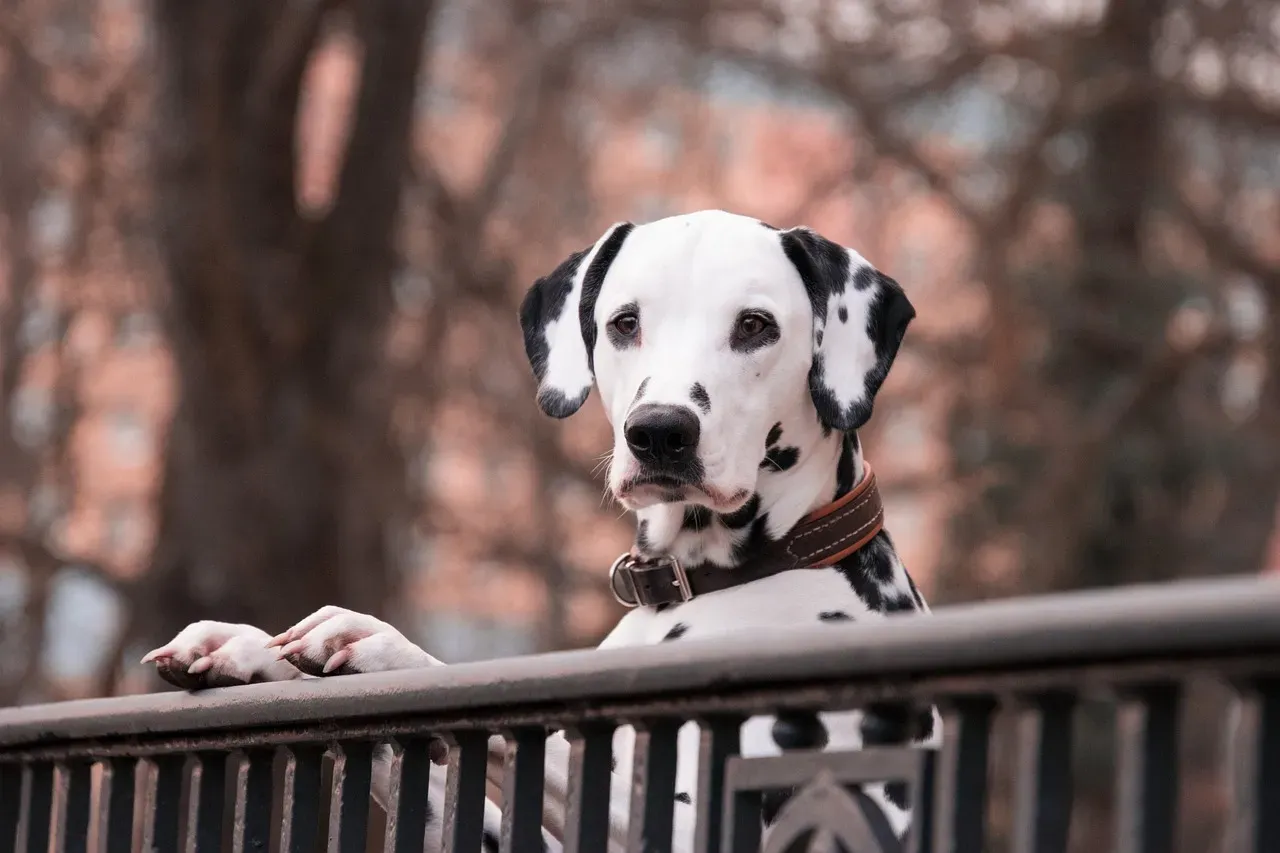
As one of the most intelligent and willful breeds, Dalmatians can easily view themselves as running the show if human dominance isn’t established from an early age. Potty training a Dalmatian requires confidence, consistency, and firm expectations. The Dalmatian is clever enough to understand the rules perfectly and opinionated enough to challenge them anyway. A classic case of a brilliant student who refuses to do homework.
Dalmatians, known for their energy and independence, pose a challenge in potty training due to their strong will. Their high energy levels can lead to distractions during training sessions, making consistency difficult. To overcome this, positive reinforcement, routine, and patience are crucial. Channel their energy constructively. Incorporate potty breaks into exercise routines, reward heavily right after success outdoors, and never skip a scheduled trip out – consistency is everything.
13. Pekingese: Former Palace Royalty Who Still Acts Like It
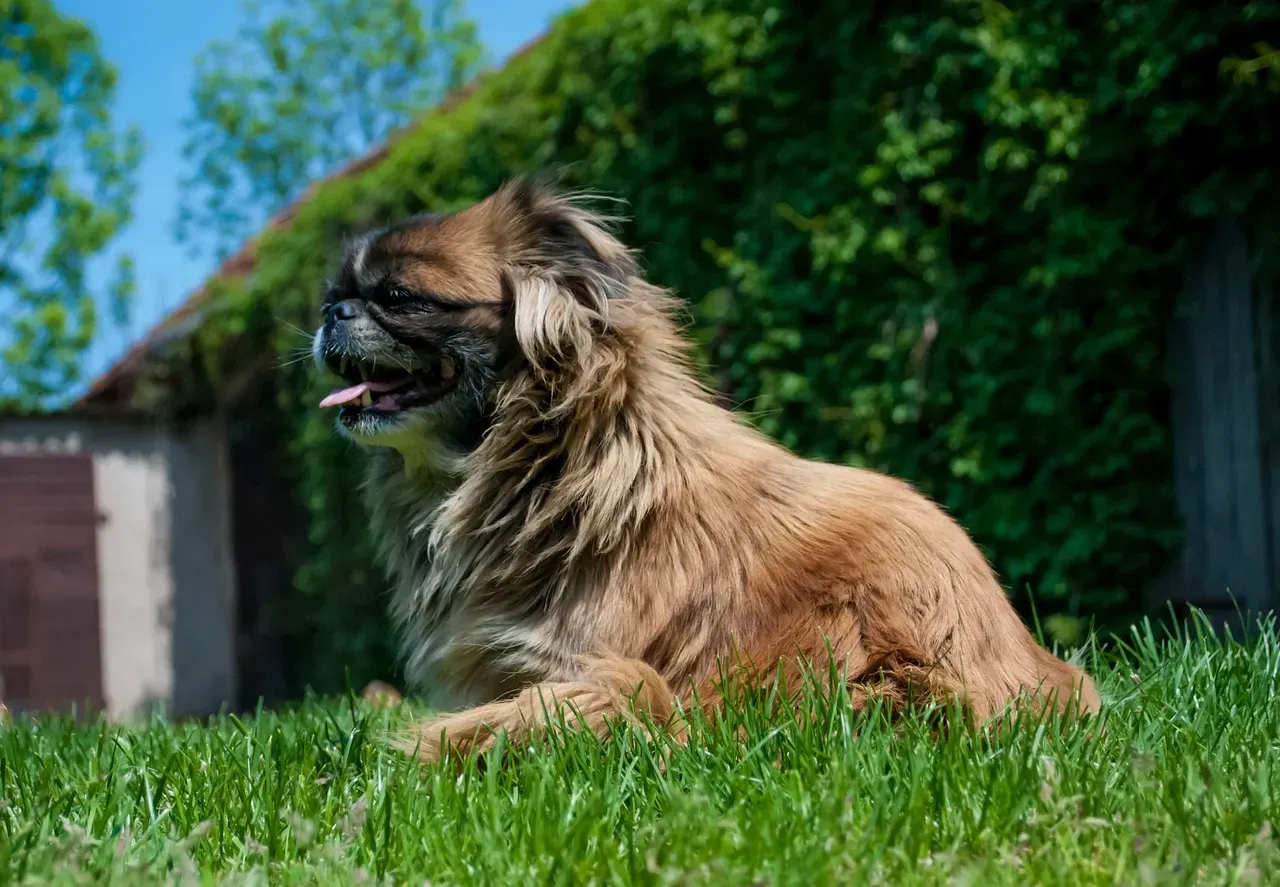
Once known as Chinese royalty, Pekingeses have the self-important attitude to show it. Although they’re very intelligent, they also have an independent attitude and tend to adopt “selective hearing” when it comes to potty training. Selective hearing is perhaps the most charitable way to describe what a Pekingese does when you call them toward the door. They heard you. They are simply considering whether to comply.
Pekingese are companion breeds that can find the potty training process somewhat tricky, and this petite breed needs to go potty more often than larger dogs, requiring plenty of reinforcement and frequent outdoor opportunities. Small body, small bladder, big personality. Keep schedules extremely tight, especially after meals and naps. Pair every outdoor success with enthusiastic praise and a high-value treat to build positive associations.
14. American Foxhound: Built for Wide Open Spaces, Not House Rules
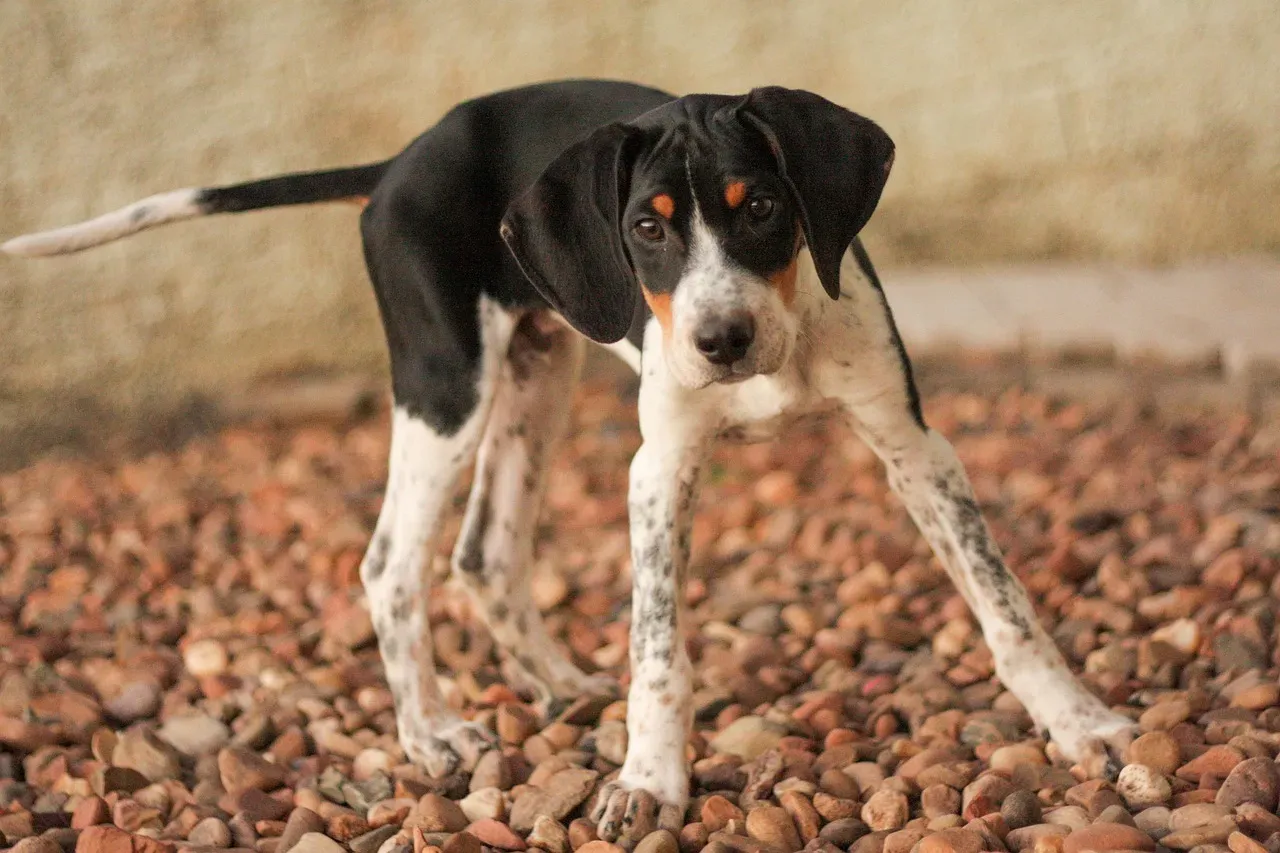
The American Foxhound is not the easiest breed to potty train. The AKC states that “training and housebreaking these independent souls can be a steep challenge for novice owners.” The American Foxhound is notoriously independent, often displaying a stubborn streak, making it one of the most challenging breeds to potty train. This is a dog bred to cover miles of terrain, following a scent trail while making split-second decisions. Following your bathroom schedule was simply never in the job description.
American Foxhounds have an innate drive to follow scents and explore their environment. They’re easily distracted, and their boundless energy prevents them from focusing on the task. Their independent nature means that they might resist a regular schedule. Their nose leads them, not your house rules. Prevention is key. Baby gate critical areas, never let them roam unsupervised during early training, and use a long line outdoors to prevent mid-session bolting after a scent.
15. Boxer: Energetic, Loving, and Thoroughly Distracted
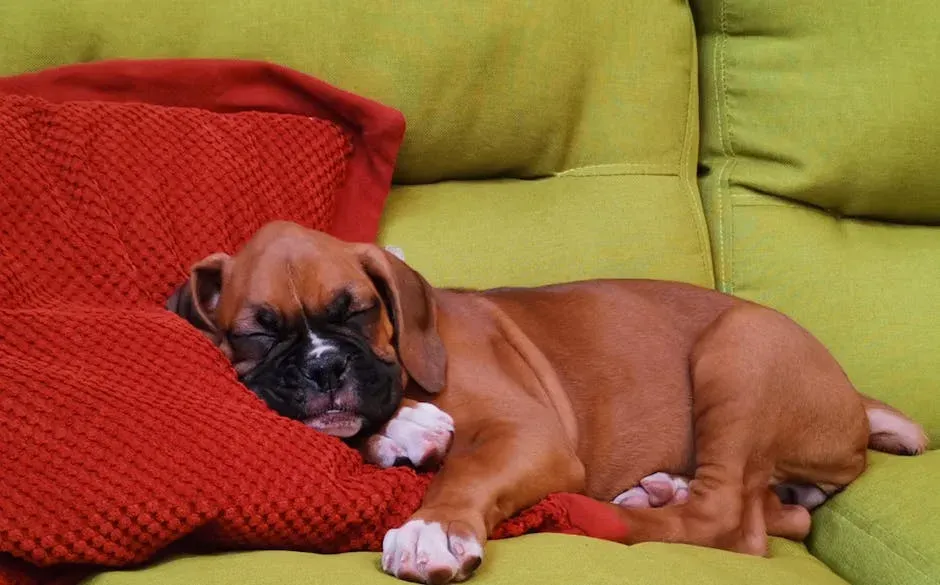
Boxers present a challenge in potty training due to their medium to large size and exceptionally playful and energetic personalities. Their boundless energy often makes it challenging for them to stay still during crucial potty breaks. A Boxer puppy is basically a small, enthusiastic tornado in dog form. They genuinely want to please you – they are just so thrilled to be alive that they sometimes forget what they were supposed to be doing outside.
Overcoming this difficulty involves maintaining consistency in training, employing positive reinforcement, and incorporating playful elements to keep Boxers engaged and focused during the potty training process. Leash them during outdoor potty trips early on so they don’t turn the whole backyard into a zoomies session. Keep the energy down, use a calm and consistent cue word, and reward the moment their paws cross the threshold back inside after a successful trip.
The Bottom Line: Patience Is Your Most Powerful Training Tool
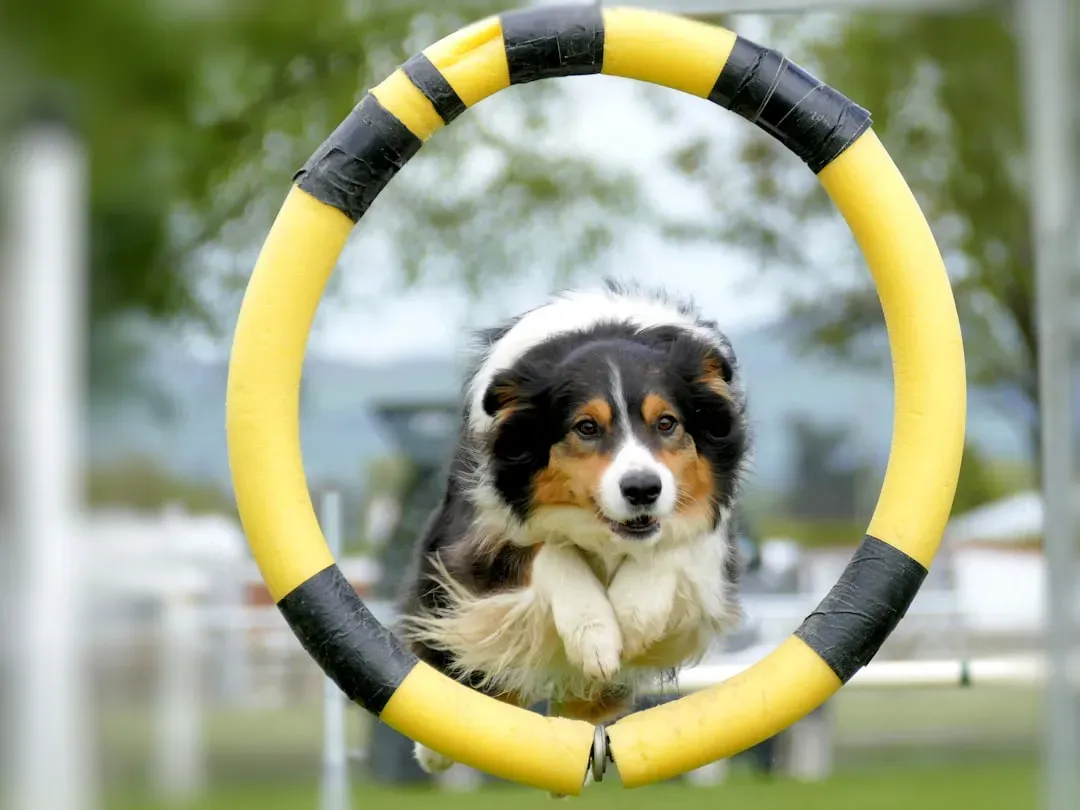
Here’s the thing – none of these dogs are bad dogs. Not even close. No dog is truly untrainable. Even the most independent or strong-willed pups can learn with time, consistency, and lots of positive reinforcement. What they are is breeds with very specific histories, instincts, and temperaments that make housebreaking a longer and more nuanced journey than you might expect. And that is okay.
Most dogs take four to six months to be fully house trained, but stubborn or small breeds may need six to twelve months of consistency. That timeline can feel discouraging in the trenches. However, one important thing to remember: if accidents continue after six months of truly consistent training or you notice signs of distress such as straining, crying, frequent small amounts of pee, or blood in urine or stool, these may signal health issues, not behavioral problems. Always rule out medical causes with your vet before doubling down on behavioral strategies.
Every puddle you clean up is not a failure – it’s a data point. Every successful outdoor trip is a victory worth celebrating loudly and genuinely. Your dog is doing their best, even when it doesn’t look that way. So are you. Keep going. The day it finally clicks will be one of the most satisfying moments of your entire dog-parenting journey. Trust that.
Which breed on this list sounds like your dog? Drop a comment below – we’d love to hear your housebreaking horror stories and hard-won victories!


