
Imagine living with a furry genius who’s always one step ahead, learning new tricks before you’ve even finished your morning coffee. It can be inspiring, hilarious, and sometimes a little overwhelming! If you’re a dog lover, you know that some breeds just seem to think faster, solve problems quicker, and get bored a lot easier. These canine Einsteins need more than just a walk around the block—they crave challenges, puzzles, and meaningful interaction. Let’s dive into the fascinating world of the 15 most intelligent dog breeds and discover what makes them so sharp, plus how you can keep their brilliant minds busy and happy.
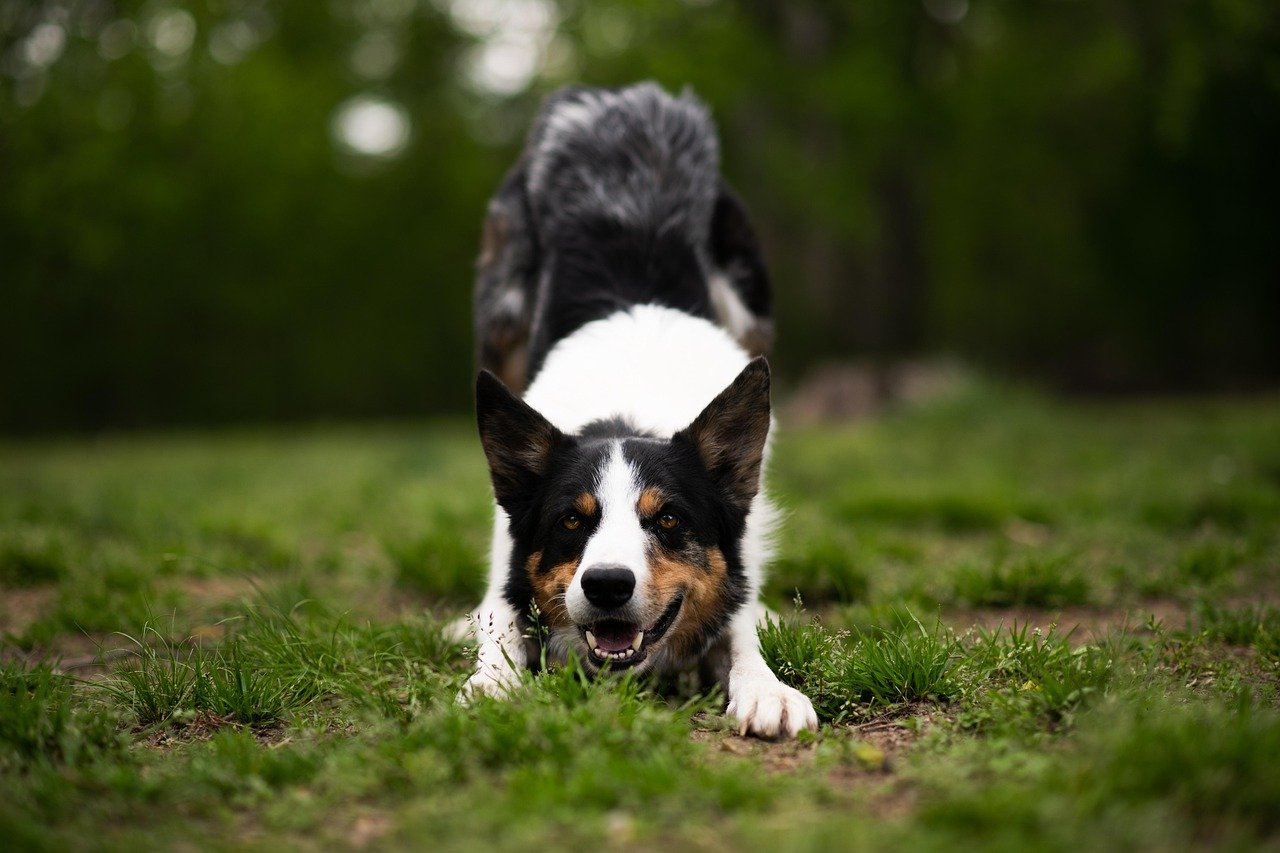
Border Collie
Some dogs are more than just loyal companions—they’re clever, quick learners with a natural talent for solving problems and picking up commands. Breeds known for their intelligence thrive on mental stimulation and can easily become bored or frustrated without enough to challenge them. Whether you’re considering one of these brainy breeds or already have one at home, understanding what makes them tick is key to keeping their minds sharp and their behavior balanced.
Border Collies are often hailed as the most intelligent dog breed in the world. Their minds are as sharp as their herding instincts, always ready to figure out the next command or puzzle. These dogs excel in obedience and agility competitions because they can read their owners’ cues with uncanny accuracy. But this brilliance comes with a price—Border Collies can quickly grow bored if they’re not challenged. To keep them engaged, try activities like flyball, advanced obedience training, or even teaching them to help around the house. Interactive toys and daily problem-solving tasks are a must. Without enough stimulation, they may invent their own jobs, like herding children or chasing shadows!
Poodle
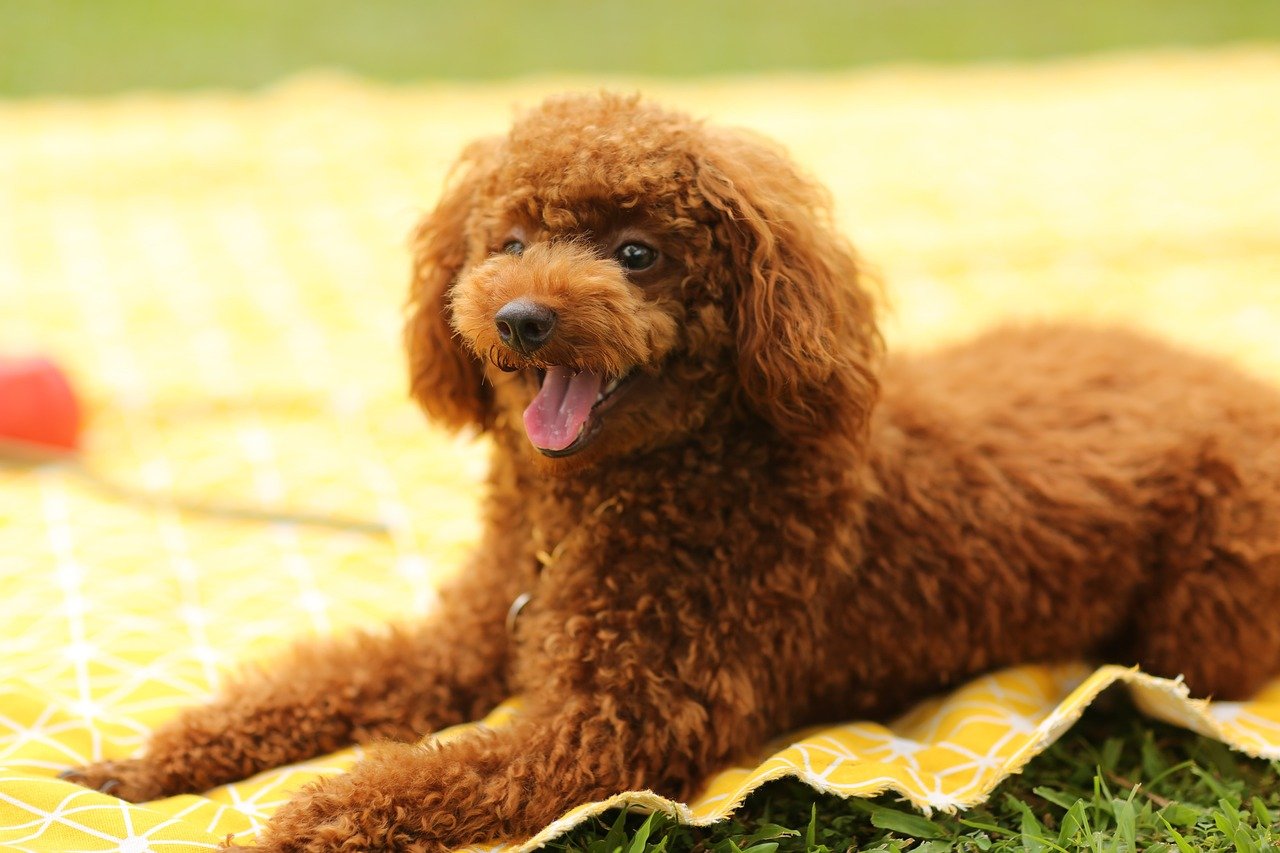
Poodles are not just about fancy haircuts and elegance—they’re also doggy brainiacs. Whether it’s a Standard, Miniature, or Toy Poodle, their intelligence shines through in their quick learning and adaptability. These dogs love to please their humans and pick up on new commands with ease. They thrive on mental stimulation, so teaching them tricks, playing hide-and-seek, or giving them puzzle feeders can keep their minds whirring. Poodles also excel in canine sports, from agility to dock diving. A bored Poodle can become mischievous, so regular mental challenges are essential for keeping them content and out of trouble.
German Shepherd
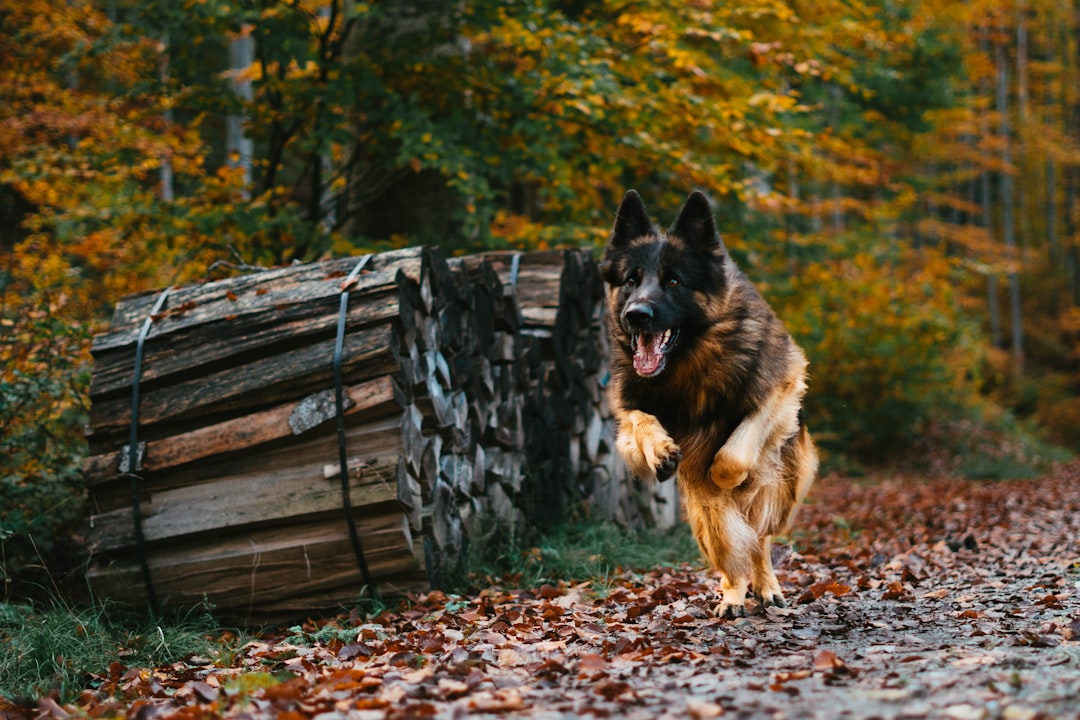
German Shepherds are the heroes of the dog world—police, military, and service work are second nature to them. Their intelligence, paired with a strong sense of duty, makes them incredibly versatile. German Shepherds are happiest when they have a job to do, whether it’s learning new commands, guarding the house, or participating in search-and-rescue games. You can keep them engaged by rotating their toys, setting up obstacle courses, or teaching them to identify different objects by name. Their loyalty and drive make them eager to learn, but without enough stimulation, they may become restless or destructive.
Golden Retriever

Golden Retrievers are more than just friendly faces—they’re also quick learners who love to participate in family activities. Their intelligence is matched by their eagerness to please, which makes training a breeze. Golden Retrievers enjoy games that challenge their minds, such as scent tracking, fetch with a twist, or learning a variety of tricks. Regular changes in routine and exposure to new environments help keep them interested. These dogs are happiest when they’re included in everything their family does, from outdoor adventures to puzzle games at home. Keeping a Golden Retriever engaged means a happy, well-behaved companion.
Doberman Pinscher
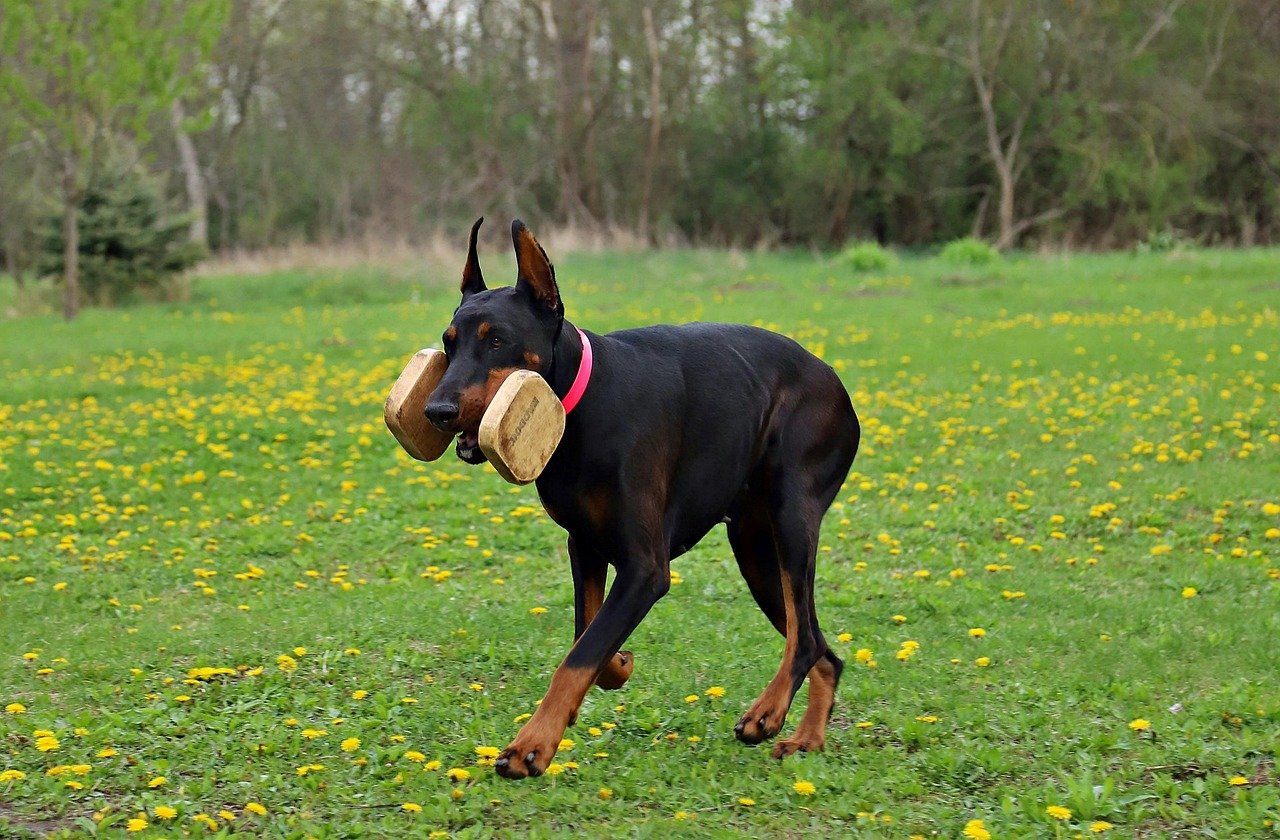
Doberman Pinschers are strikingly smart and incredibly loyal. With a keen sense for problem-solving and a natural protective instinct, they excel in obedience, agility, and even advanced scent work. Dobermans thrive when their brains are kept busy—try teaching them complex tricks, or engaging them with interactive toys that require multiple steps to solve. They also do well in protection or tracking activities. These dogs can become bored quickly if not challenged, so regular mental workouts are crucial. A well-stimulated Doberman is a confident, loving, and attentive family member.
Shetland Sheepdog
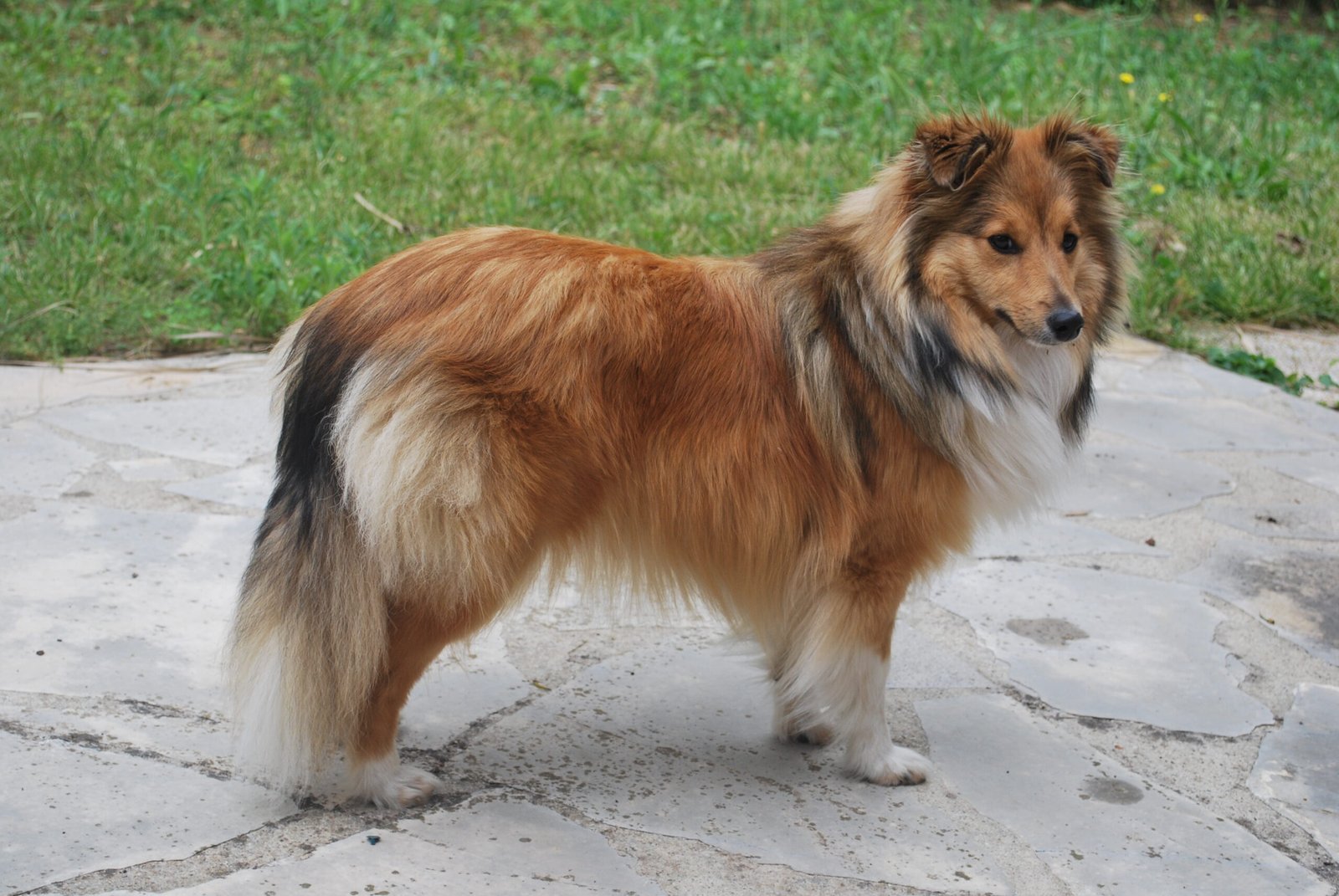
Shetland Sheepdogs, or Shelties, look like miniature Collies and share their larger cousins’ razor-sharp intelligence. These dogs excel at learning new commands, remembering complex routines, and even understanding words and phrases. Shelties love to be given tasks—try agility courses, herding games, or teaching them to help with chores. They also enjoy interactive toys and games that require strategy. Without enough mental activity, Shelties may become vocal or anxious. Keeping their minds engaged turns them into enthusiastic and well-mannered companions.
Labrador Retriever
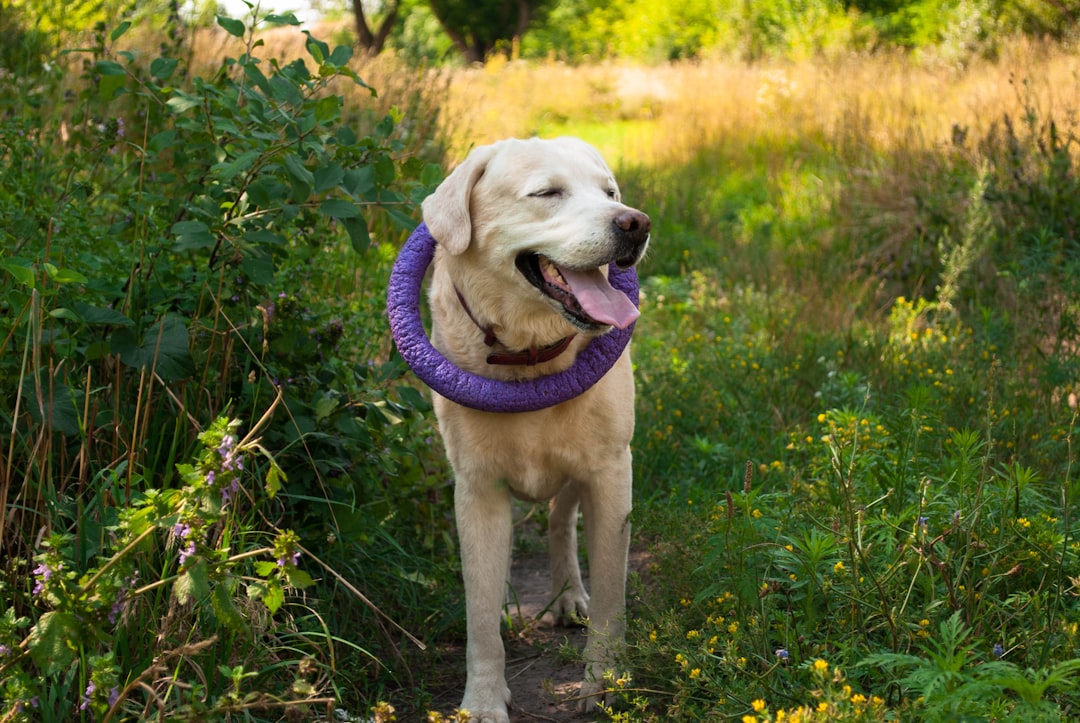
Labrador Retrievers are famous for their friendly personalities, but they’re also super smart. Labs are used as guide dogs, in search-and-rescue, and in therapy work because they’re quick learners and eager to help. These dogs love challenges—hide treats for them to find, teach them to fetch specific items, or involve them in scent work. Labs also enjoy swimming and retrieving games, which combine physical and mental stimulation. A bored Lab may turn to mischief, so keeping their minds and bodies busy is key to a happy, healthy pet.
Papillon
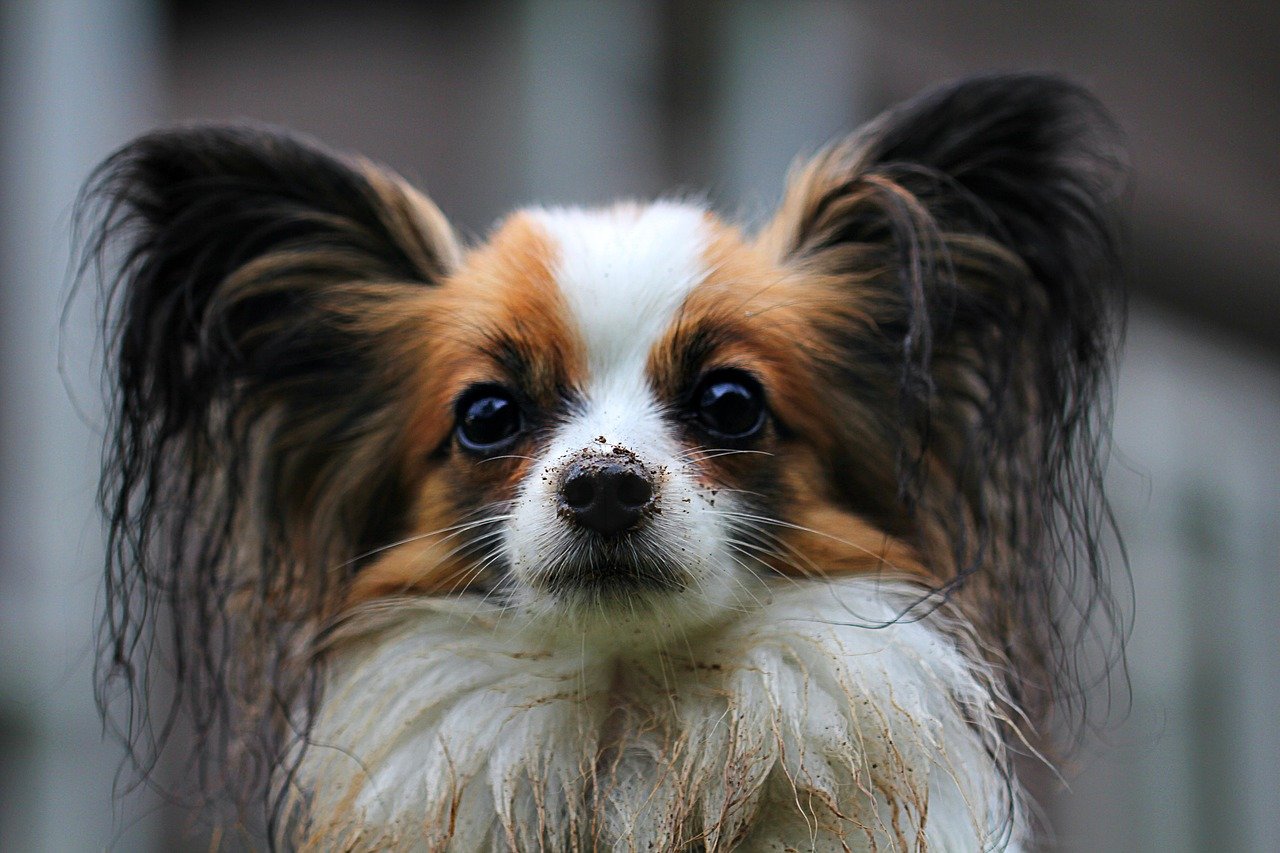
Don’t let their small size fool you—Papillons pack a punch when it comes to intelligence. These lively little dogs are famous for their quick wits and love for learning new tricks. Papillons excel in agility and obedience competitions, where their cleverness and speed really shine. They love games that challenge their minds, like puzzle toys or hide-and-seek. You can keep them engaged by regularly introducing new experiences and commands. Papillons thrive on attention and mental stimulation, and a busy mind keeps them from becoming bored or yappy.
Rottweiler
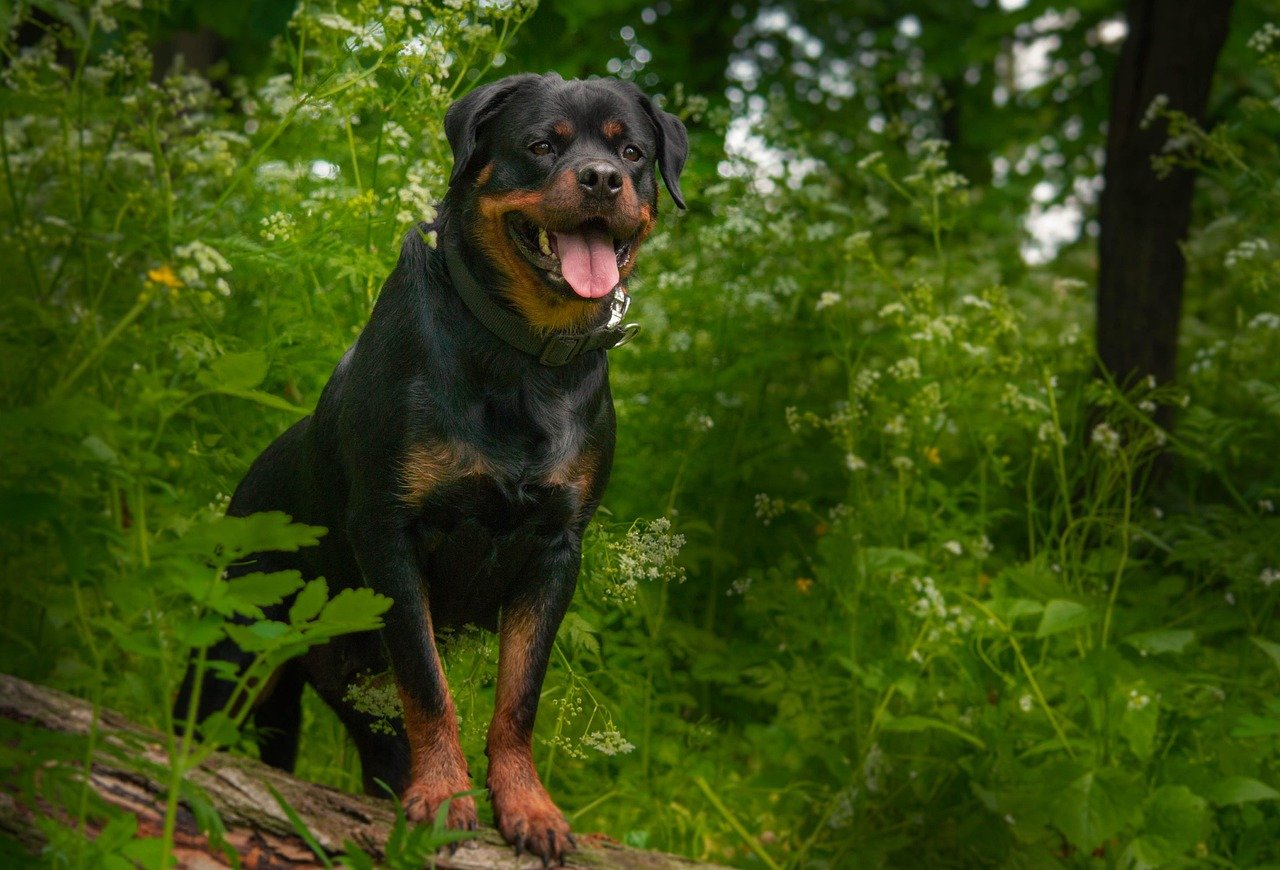
Rottweilers are known for their strength, but their intelligence is just as impressive. They learn commands quickly and remember them for life—a testament to their sharp minds. Rottweilers benefit from structured training sessions, advanced obedience work, and interactive play that makes them think. They enjoy roles that challenge them, such as guarding, tracking, or even dog sports. Regularly changing up their routines and games will keep them mentally satisfied. A mentally engaged Rottweiler is calm, confident, and deeply bonded with their family.
Australian Cattle Dog
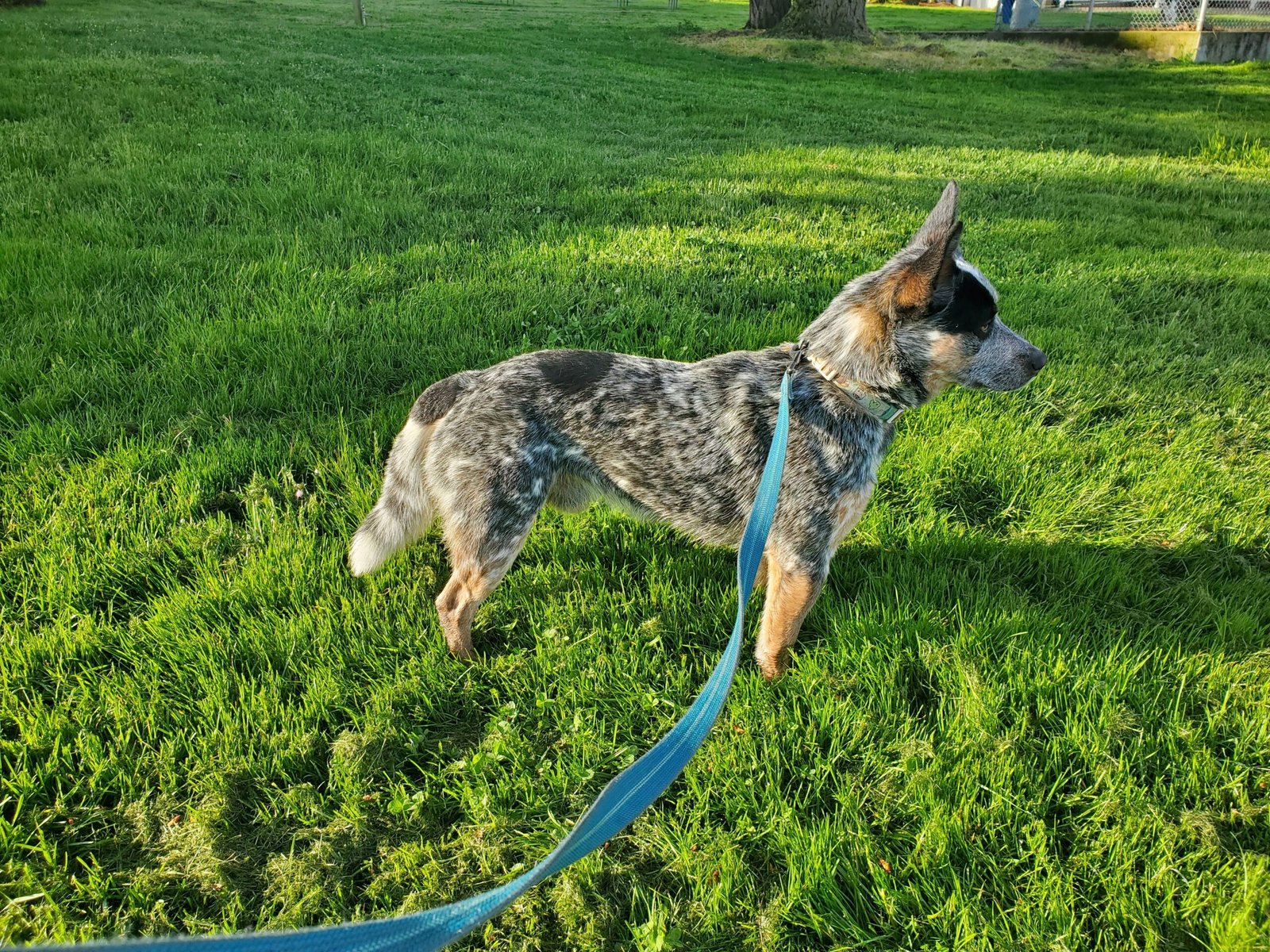
Australian Cattle Dogs are the ultimate problem solvers. Bred to herd cattle across vast distances, these dogs are independent thinkers who love a challenge. To keep them happy, involve them in advanced obedience, trick training, or dog sports like flyball. They adore tasks that require them to use their brains, such as food puzzles or learning complex cues. Without enough to do, they may invent their own activities—sometimes with hilarious or destructive results! Keeping their minds engaged ensures they’re focused and well-behaved.
Belgian Malinois
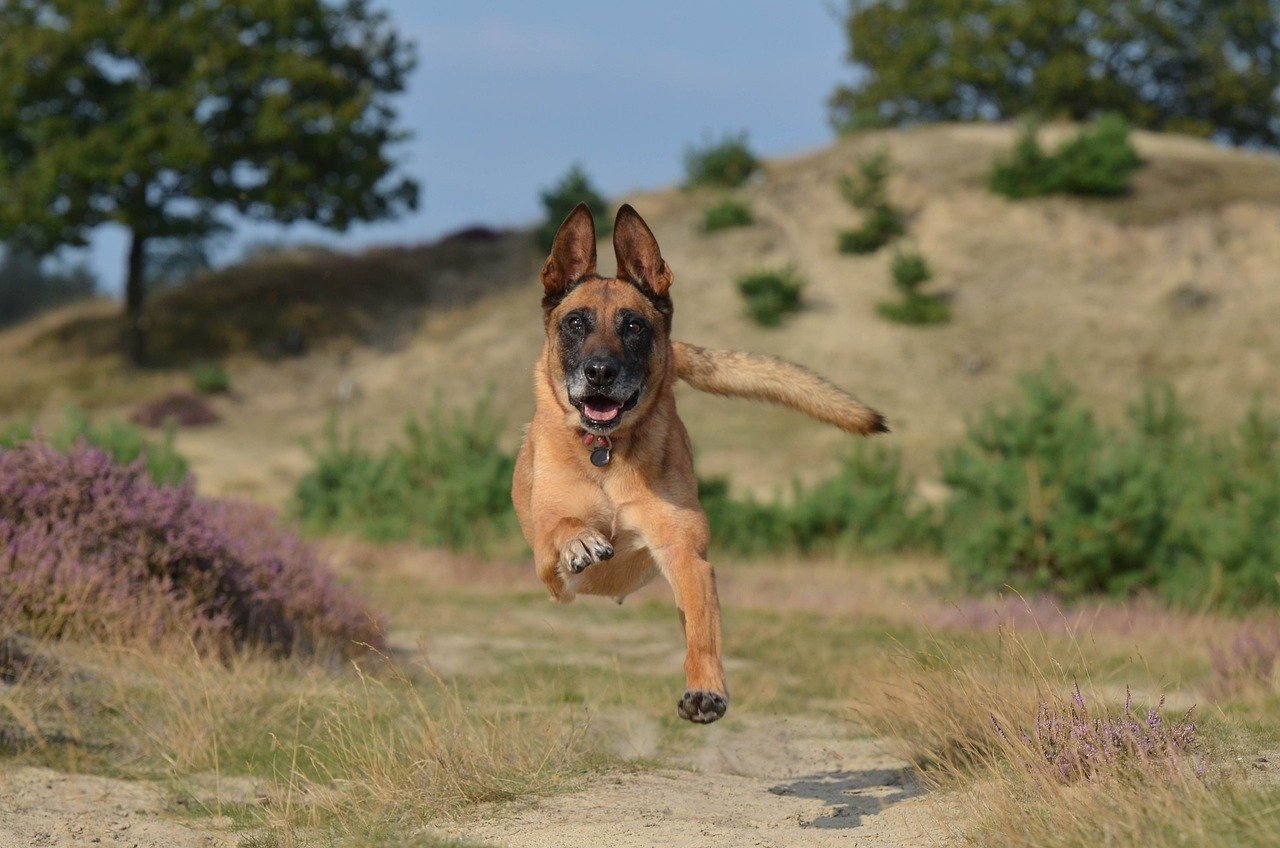
The Belgian Malinois is a dynamo of intelligence and energy. These dogs are often chosen for police and military work due to their sharp minds and unstoppable drive. Malinois need intense mental and physical stimulation, so challenge them with scent detection games, advanced agility, or teaching them to follow detailed routines. They love solving problems and learning new skills. Without enough to do, they can become anxious or restless. Keeping a Belgian Malinois engaged means you’ll have a loyal, focused, and incredibly skilled companion by your side.
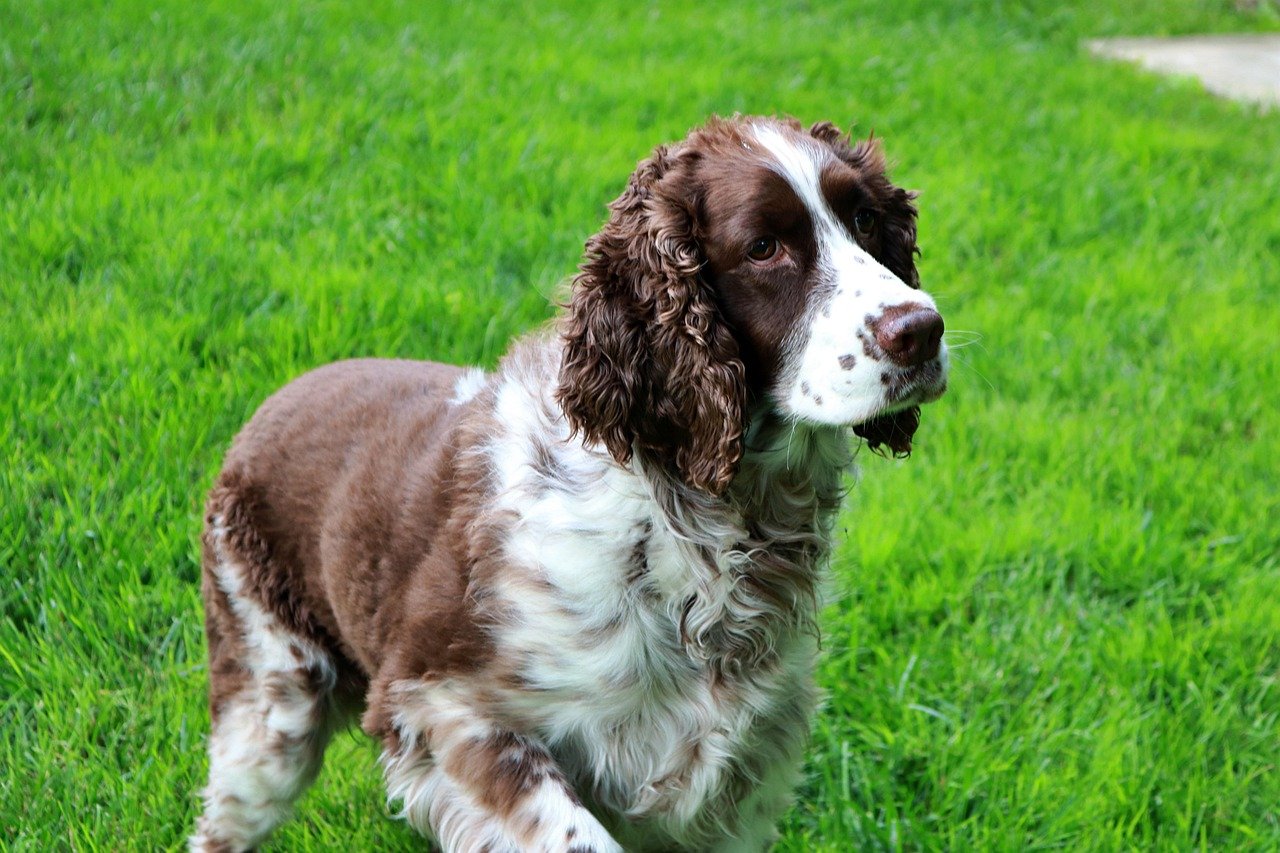
English Springer Spaniel
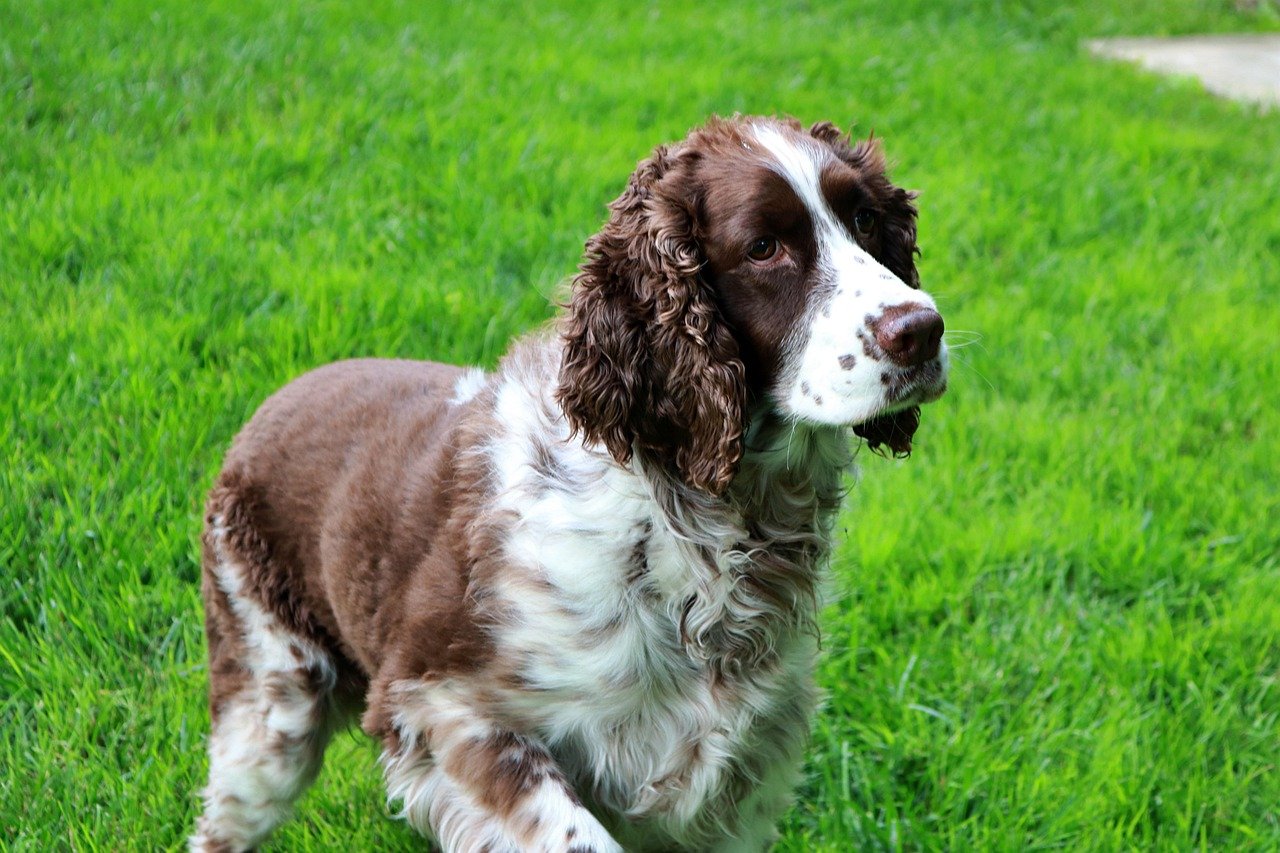
English Springer Spaniels are as smart as they are affectionate. These lively dogs excel at learning commands and love to be part of any action. They enjoy games that combine physical activity with mental challenges, like retrieving objects by name or participating in scent-based games. Regularly switching up toys and activities can help keep them interested and prevent boredom. Springer Spaniels are happiest when they feel useful and involved, making them ideal partners for active families who enjoy the outdoors.
Schipperke
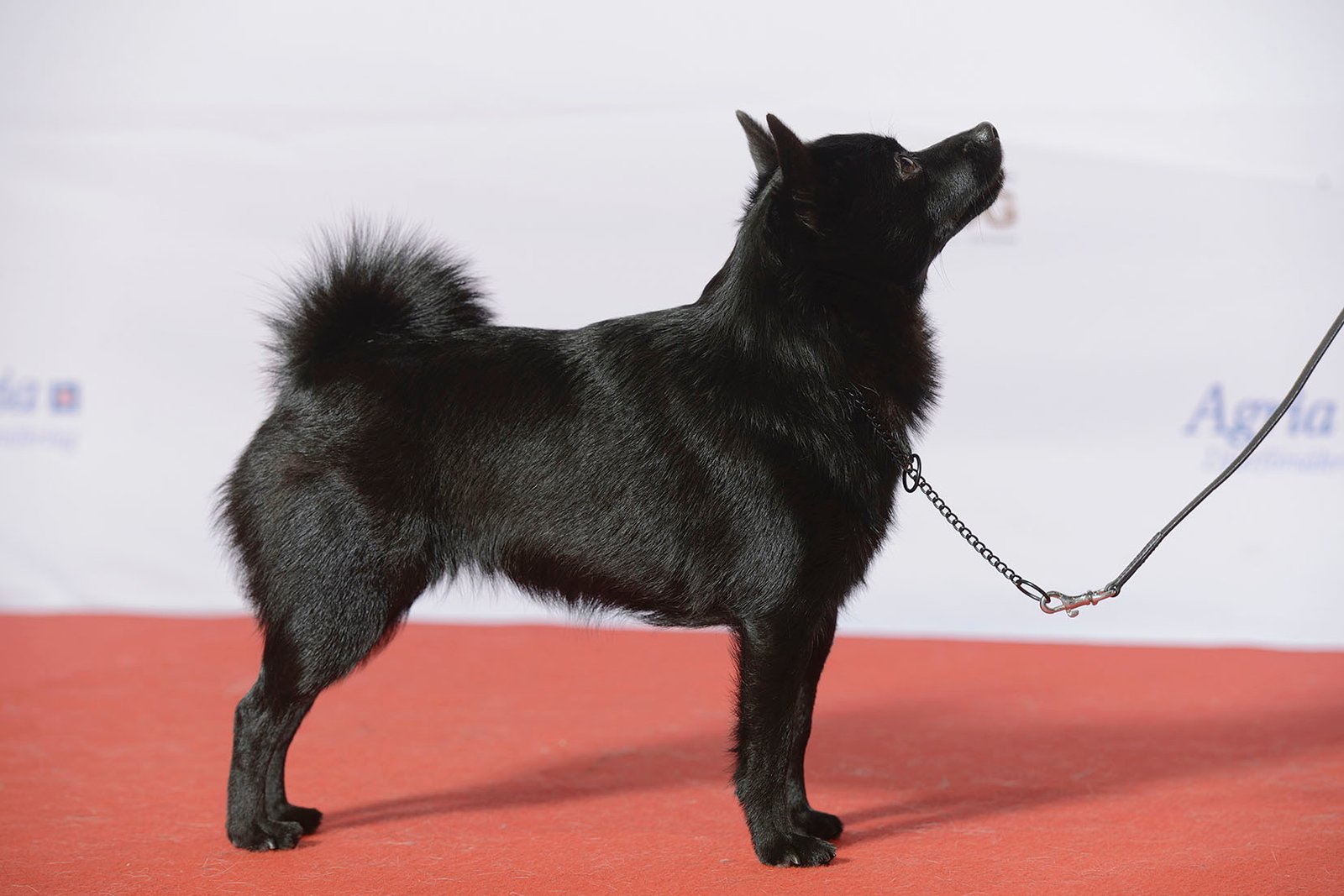
Schipperkes may be small, but their brains are mighty. These clever little dogs are natural problem solvers, always looking for something to do or figure out. Schipperkes enjoy puzzle toys, hide-and-seek games, and learning new tricks. Their curiosity knows no bounds, so introducing new experiences and challenges keeps them happy. Without enough mental stimulation, they may get into mischief, exploring areas they shouldn’t or inventing their own games. A busy Schipperke is a happy Schipperke!
Keeshond
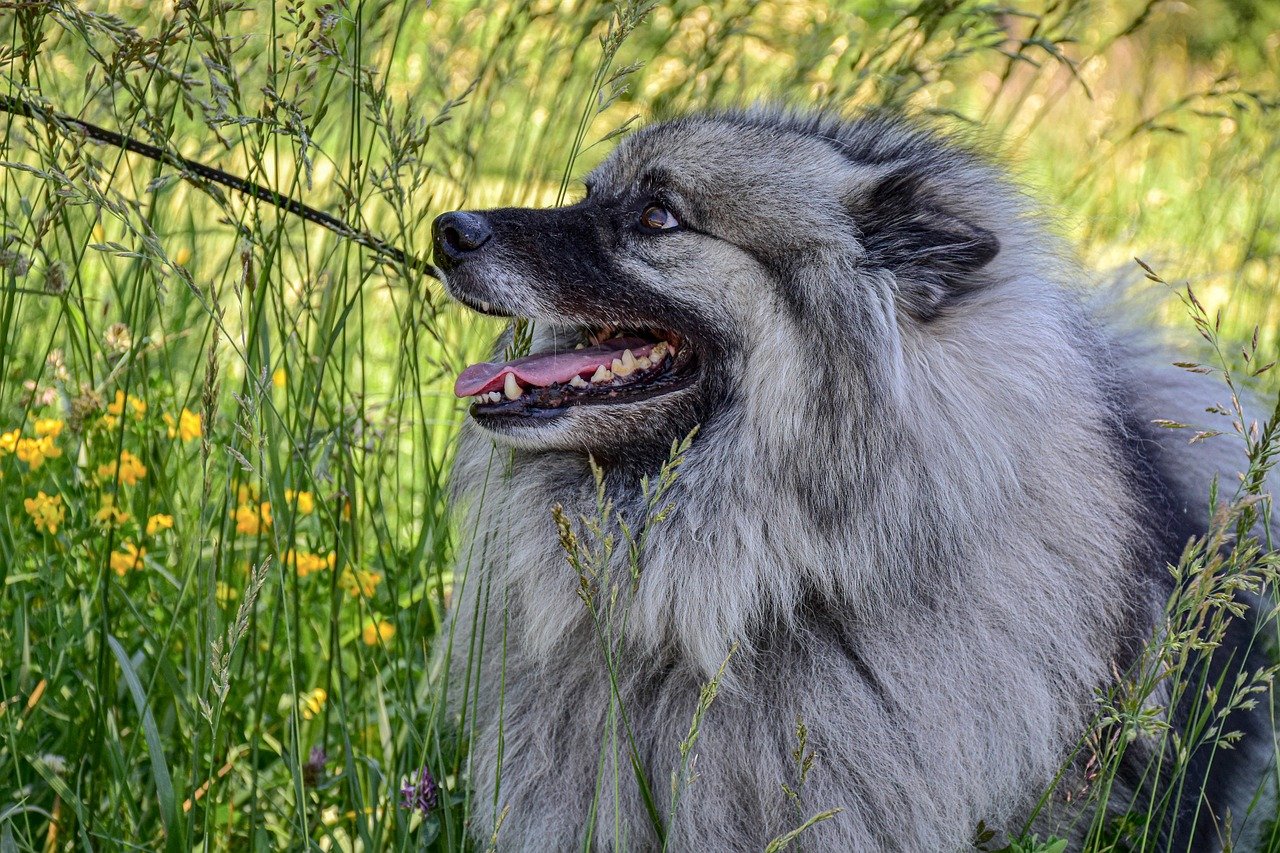
Keeshonds are cheerful, fluffy dogs with a surprising amount of brainpower. They quickly pick up on routines and new tricks, making training enjoyable for both dog and owner. Keeshonds love interactive play, such as learning names of toys or following complex commands. They thrive when they’re part of family activities and enjoy being included in games that require thinking, like scavenger hunts. Boredom can lead to barking or anxiety, so keeping their minds busy is essential for a well-adjusted pet.
Miniature Schnauzer
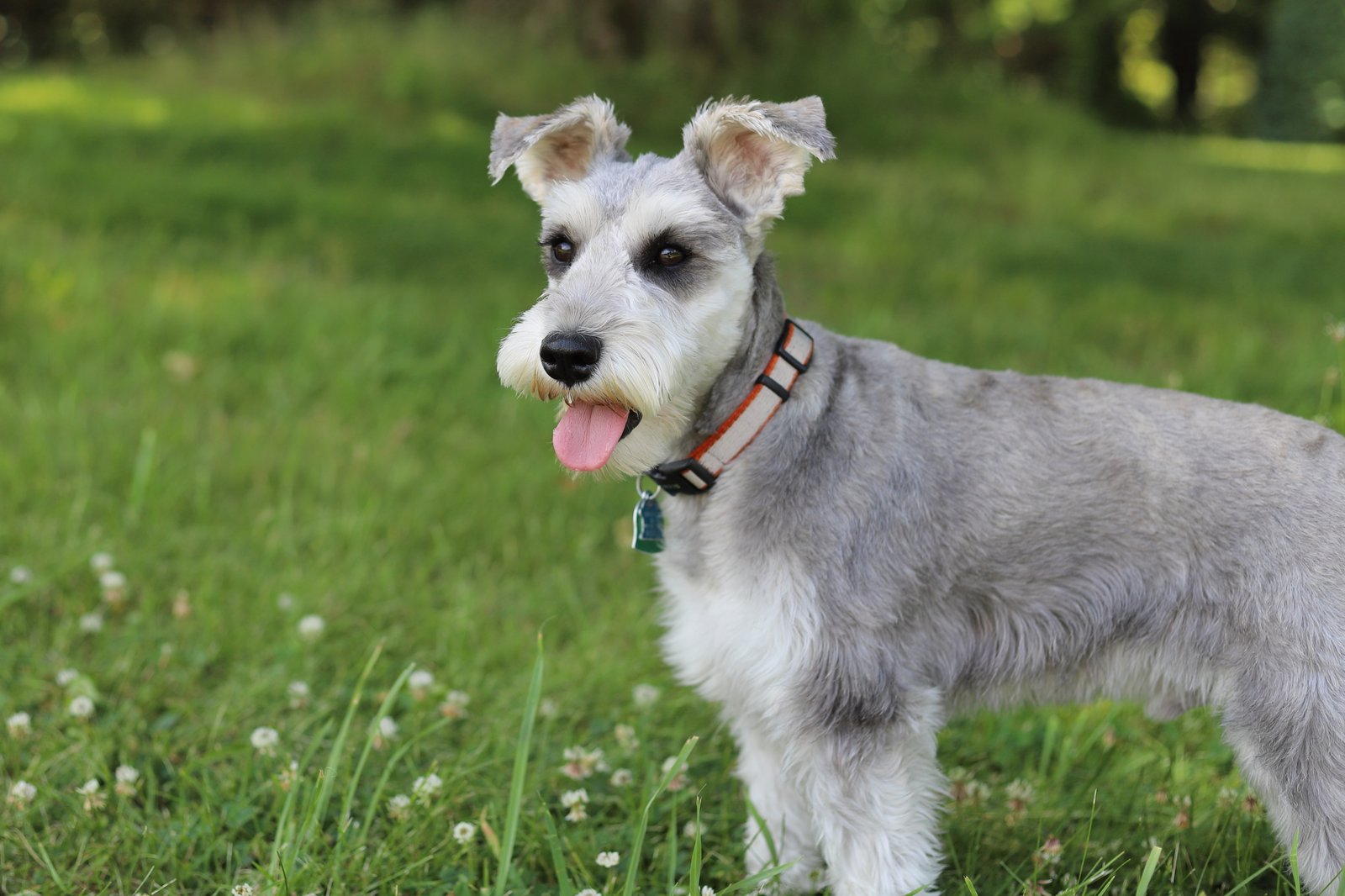
Miniature Schnauzers are spirited dogs with a sharp mind and a big personality. They’re quick learners, always eager to pick up new tricks or solve puzzles. Schnauzers enjoy activities like scent work, hide-and-seek, or learning to perform tasks around the house. Rotating toys and teaching new commands keeps their minds engaged. Without enough stimulation, they can become stubborn or overly vocal. A mentally challenged Miniature Schnauzer is playful, affectionate, and the life of the party.
Each of these 15 breeds brings a special spark to the world with their intelligence and curiosity. Keeping their minds engaged isn’t just about preventing boredom—it’s about nurturing their amazing abilities and strengthening the bond you share. The right mix of training, games, and challenges can turn these bright dogs into the happiest companions you could ever wish for. Which of these genius breeds surprised you the most?


