

You know that moment when you’re scrolling through apartment listings and see those dreaded words: “No loud dogs allowed?” Or maybe you’ve been on the receiving end of a neighbor’s pointed glare after your pup serenaded the whole building at 6 a.m. on a Saturday. Here’s the thing about dogs and their vocalizations. Some breeds barely utter a peep their entire lives, while others seem to have opinions about literally everything, from the mailman’s footsteps to a leaf daring to blow across the yard.
If you’re searching for a canine companion who understands the value of peaceful coexistence, or maybe you’re just curious about which breeds prefer a quieter life, you’re in the right spot. Let’s dive into the fascinating world of silent paws and chatty tails.
1. The Basenji: Africa’s Barkless Wonder
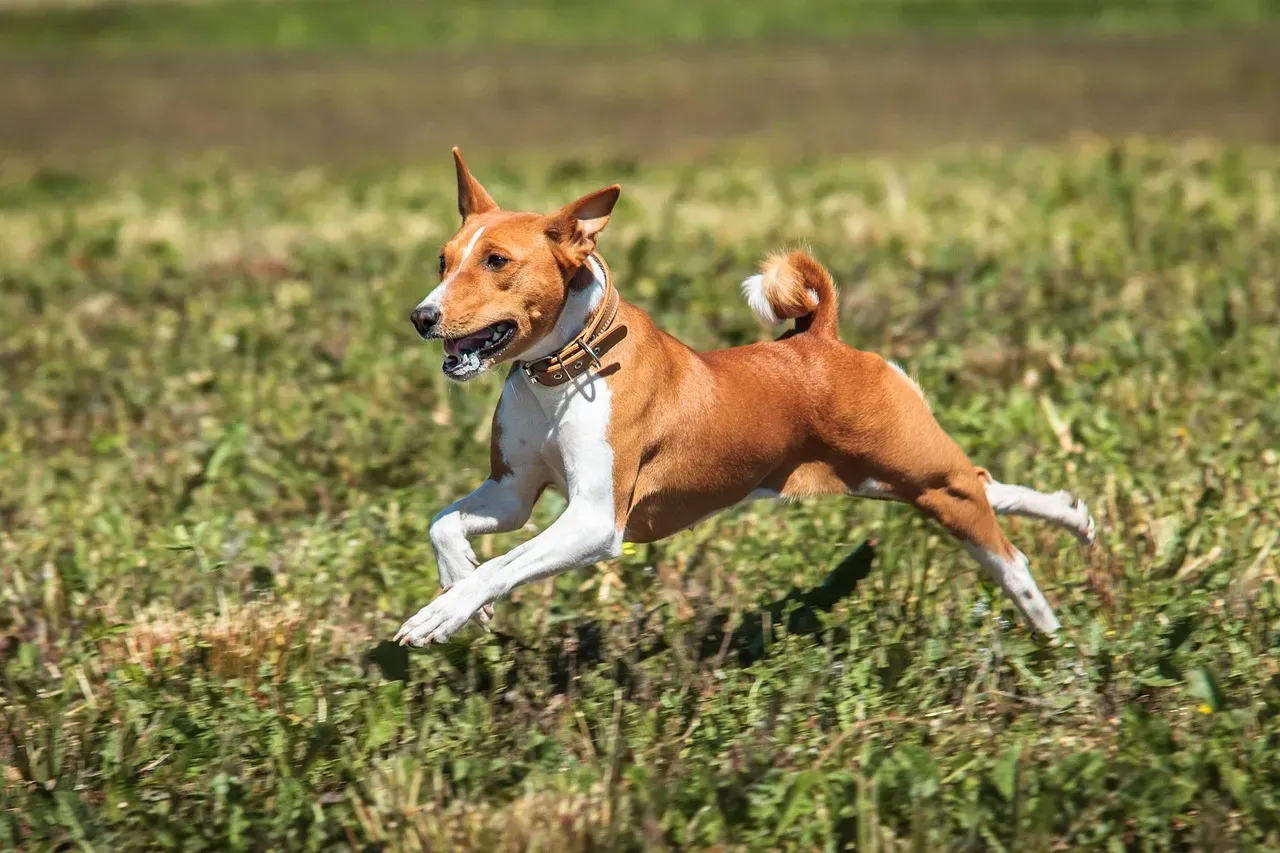
The Basenji is actually known as the “barkless dog” due to its unusually shaped larynx. This ancient breed from Central Africa produces something entirely different from a typical bark. Instead, they make a distinctive yodel-like sound called a “barroo,” which is a combination of yodeling and howling.
Their silent nature was particularly advantageous during hunts, allowing them to move stealthily through the dense forests and savannas. Think of them as the ninjas of the dog world. These elegant, intelligent pups groom themselves like cats and possess an independent streak that’s both charming and occasionally frustrating for owners expecting a people-pleasing Golden Retriever type.
2. Cavalier King Charles Spaniel: The Royal Silent Type
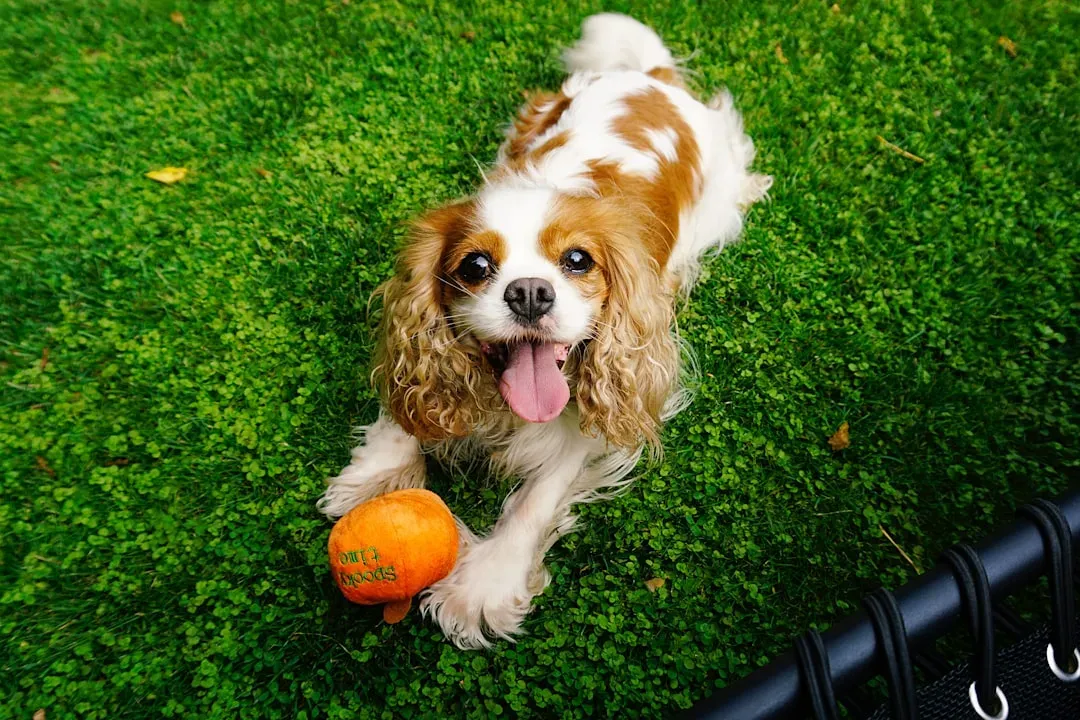
The Cavalier King Charles Spaniel has royal roots and a poised demeanor, calmly greeting strangers or cuddling up after a long day of napping. These sweet-faced companions rarely feel the need to announce themselves with excessive barking. Their gentle nature makes them wonderful apartment dogs.
However, there’s a catch. They love their people intensely, which can cause separation concerns, which tends to be one of the few times barking is a concern with this adorable breed. If you work from home or can bring your pup along on adventures, this breed’s quiet disposition makes them nearly perfect.
3. Great Dane: The Gentle Giant Who Whispers
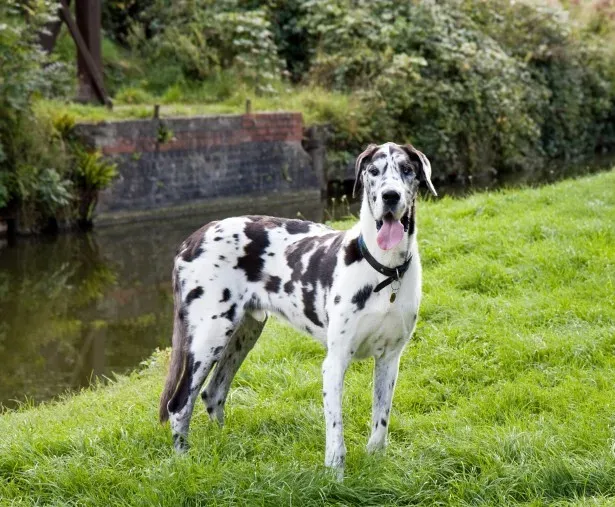
Let’s be real, when a dog weighs more than most adult humans, it doesn’t really need to bark to make an impression. Males weigh up to 200 pounds, and when they do bark, it’s loud and deep, but that doesn’t happen very often because they tend to have a calm nature.
In a race for quietest dog breed, the Great Dane runs neck and neck with the Newfie, and this gentle giant must know that its formidable size and appearance make it unnecessary to be talkative to be noticed. They’re basically the strong, silent types of the canine universe. Just make sure you have enough space for one of these massive couch potatoes.
4. Shiba Inu: The Fox-Faced Philosopher
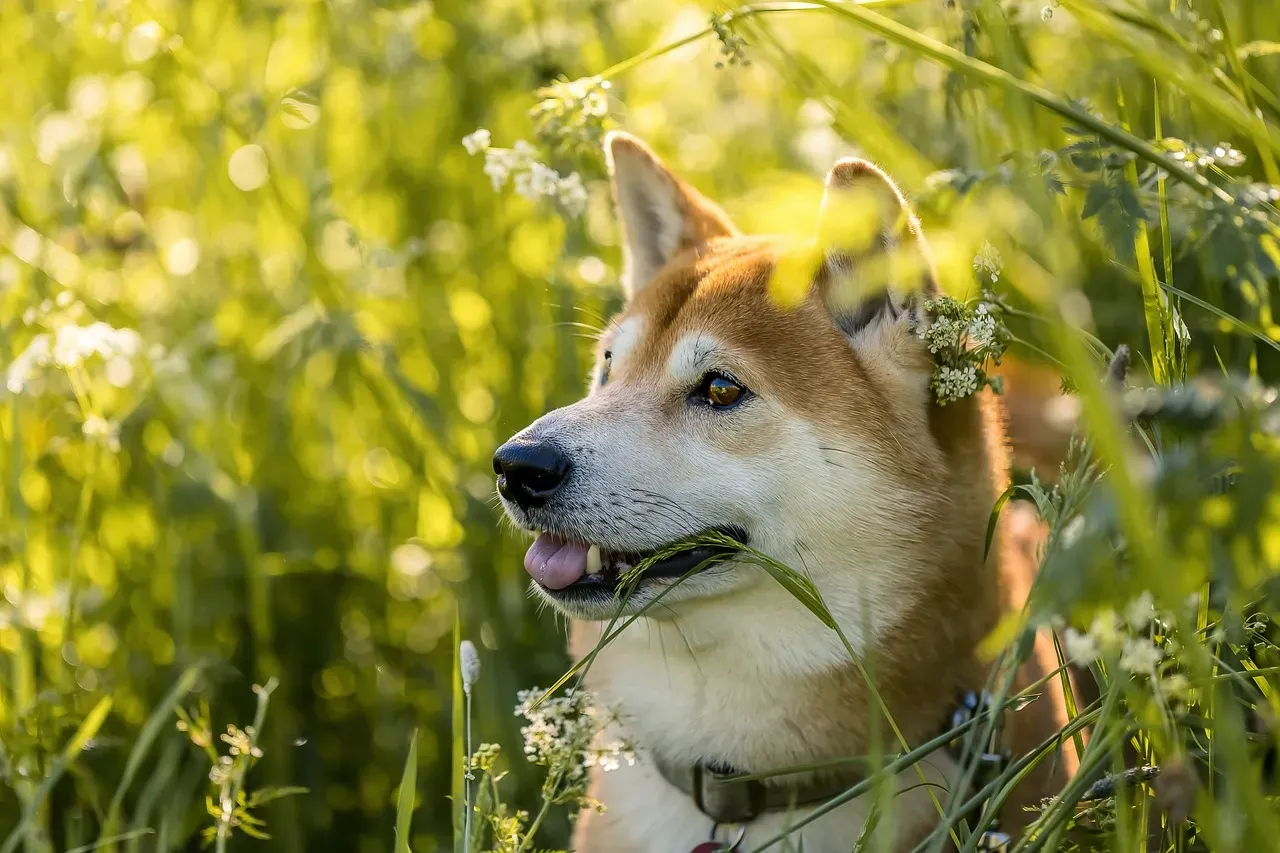
Shiba Inus are small and spirited with fox-like faces and a tendency to not bark too often. These Japanese breeds carry themselves with an almost cat-like independence and cleanliness. They’re the kind of dogs that seem perpetually unimpressed by the chaos around them.
That said, Shibas have one quirk worth mentioning. When they are distressed, such as during nail clipping or taking a bath, they may engage in the occasional “Shiba scream”. It’s as dramatic as it sounds, honestly. Picture a sound somewhere between a howl and someone yelling for help, reserved exclusively for moments they deem absolutely unacceptable.
5. Newfoundland: The Calm Protector
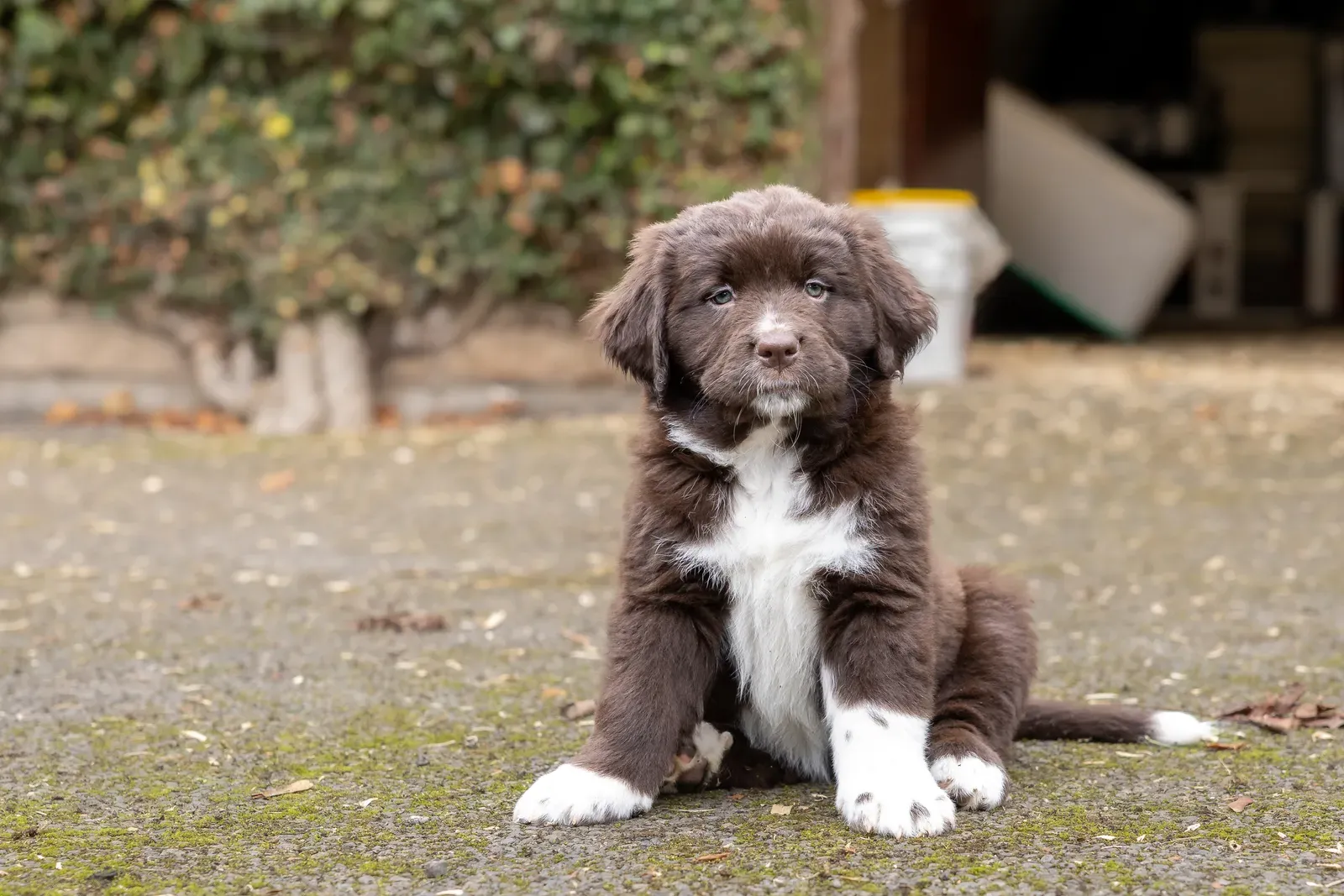
These gentle giants are top-notch swimmers, don’t bark much, and tend to do well with children, earning them the name “nanny dog”. Newfoundlands, also called “Newfies,” are far more well known for their calm nature and thick fur rather than their bark, and are not known to be excessive barkers.
Their massive size paired with their serene temperament creates the perfect blend of protection without aggression. These dogs seem to understand that their presence alone is enough. When they do vocalize, it’s typically for a genuine reason, not because a butterfly had the audacity to flutter past the window.
6. Bernese Mountain Dog: The Swiss Sweetheart
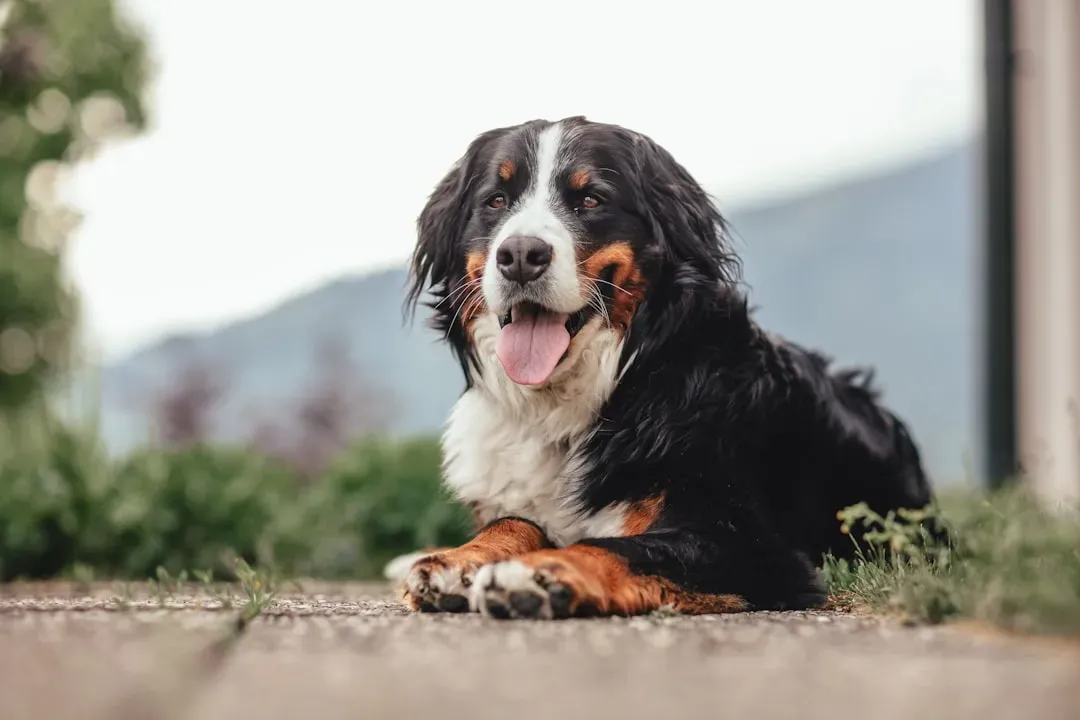
Bernese mountain dogs are calm, good-natured and strong, known for being among the dogs that don’t bark and are very placid. These beautiful tri-colored beauties from the Swiss Alps possess an almost zen-like quality. They seem perfectly content observing the world without feeling compelled to comment on every little thing.
Their temperament makes them exceptional family dogs. The Bernese Mountain Dog is a family favorite for many reasons, including their quiet nature, and this large dog breed can weigh over 100 pounds. You’ll find them more interested in snuggling than serenading.
7. French Bulldog: The Compact Charmer
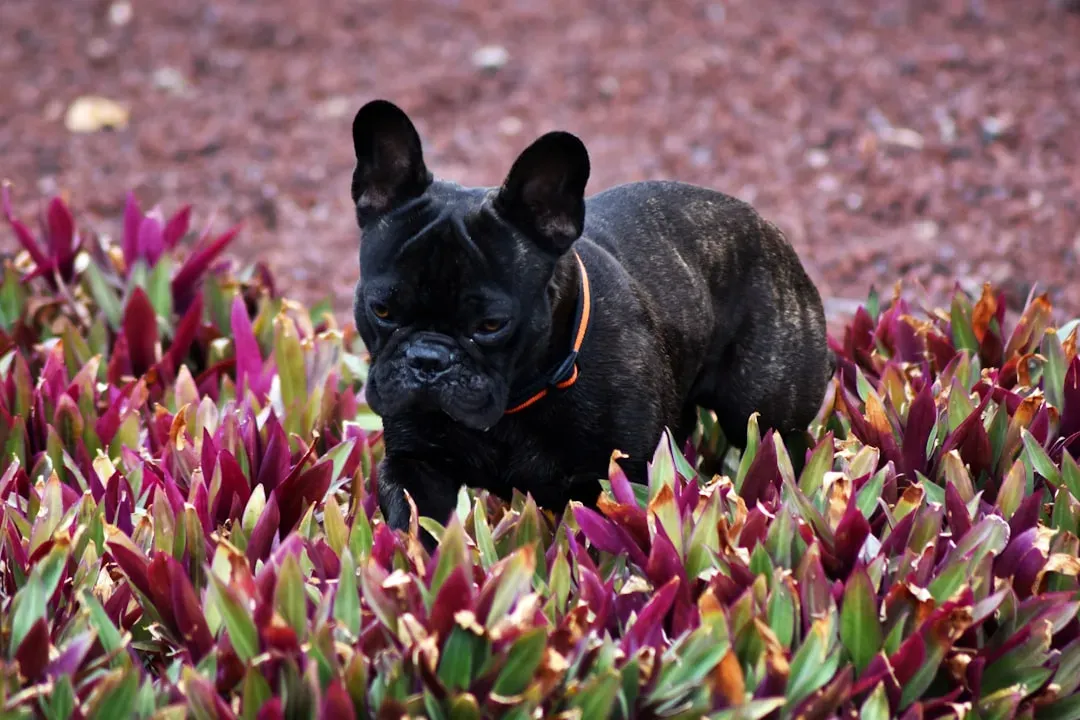
Frenchies love to lounge around the house, need less exercise than other breeds, and because of their shortened face, they are sensitive to overexertion and overheating, making them playful and alert but not prone to a lot of barking. These little companions have become wildly popular for good reason.
The French Bulldog is a small dog breed that doesn’t bark much, and this playful companion thrives on human contact and generally has low energy, which makes them well-suited for apartment living. You’re more likely to hear snoring and snorting than actual barking. They’re the perfect couch potato companions.
8. Rhodesian Ridgeback: The Quiet Guardian
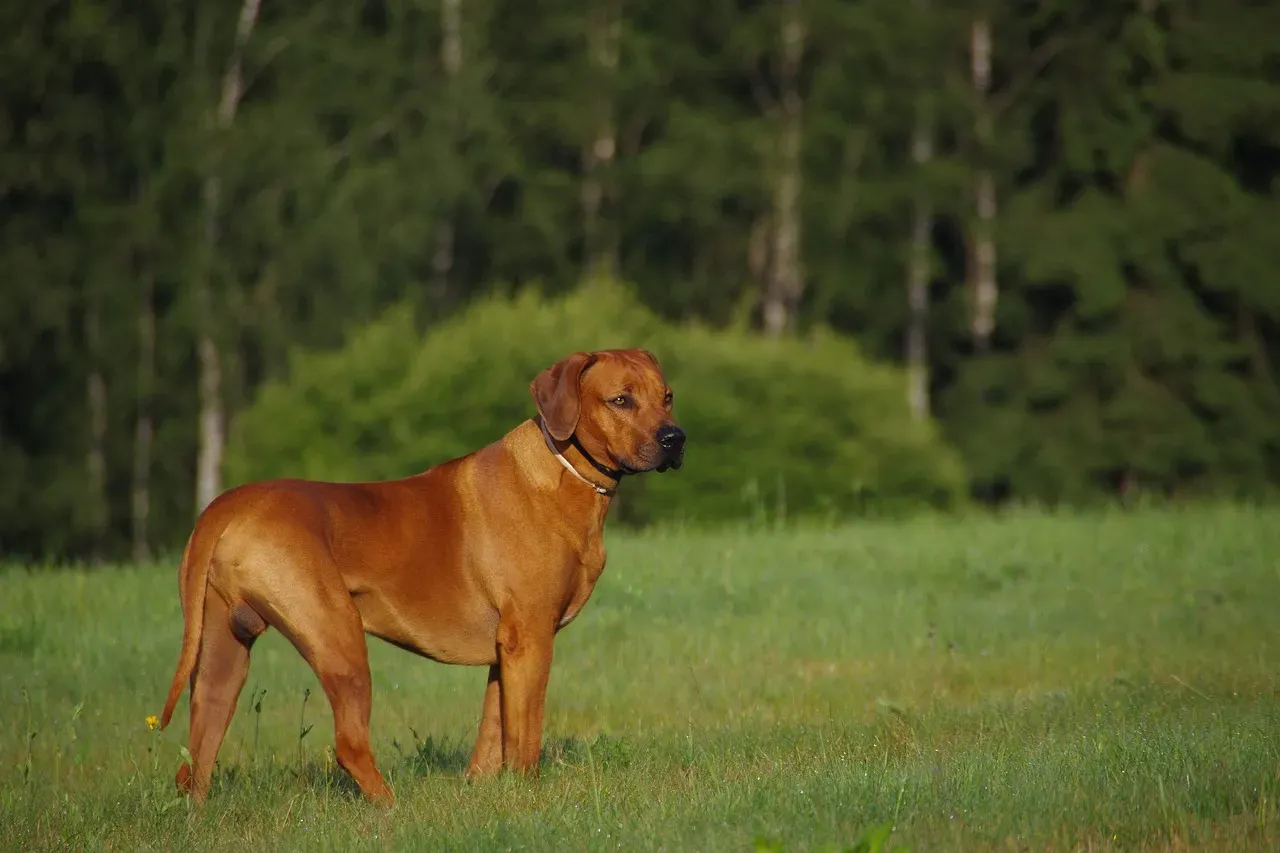
Rhodesian Ridgebacks may be large and powerful-looking, but they rarely raise their voices for attention or intimidation, and when presented with a potential threat, they are more likely to plant their prodigious bodies between it and those they care about. Their approach to protection is more about physical presence than vocal warnings.
These athletic dogs possess incredible loyalty and intelligence. Rhodesian Ridgebacks are faithful and watchful protectors with a strong will and independent nature, making the perfect family pet and often praised for their lack of barking. They’re confident enough not to need constant vocal validation.
9. Greyhound: The Speedy Silent Runner
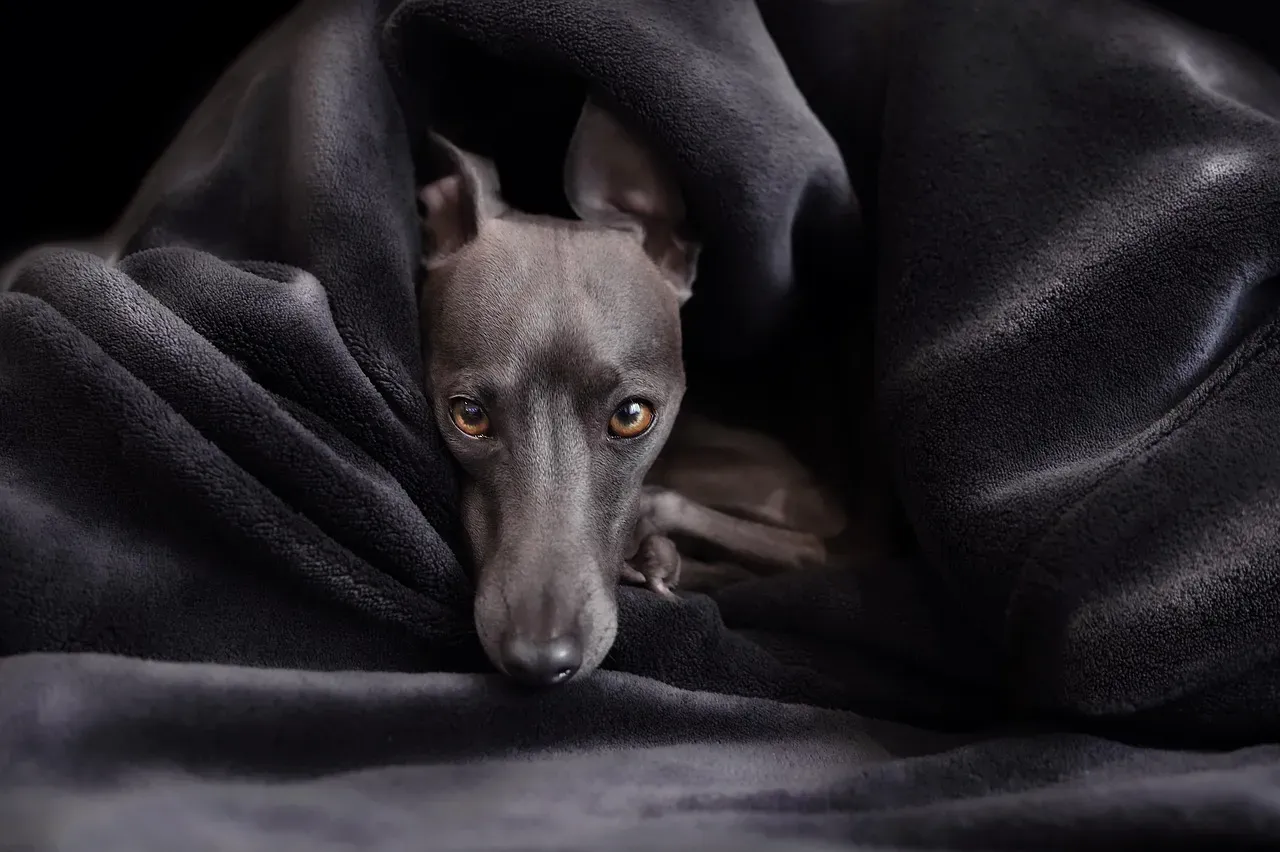
You’ll rarely hear a greyhound bark unless it’s necessary, and they are generally quiet dogs that only bark when they need attention, feel bored, have anxiety, or separation issues. These elegant athletes save their energy for what really matters, like napping after their daily zoomies.
The greyhound and other members of the sighthound family rarely bark when hunting, and all members of this family tend to be quiet, surprisingly doing well for apartment dwellers, as they are fairly inactive indoors. They’re basically living contradictions: built for speed, happiest when horizontal.
10. Akita: The Dignified Samurai
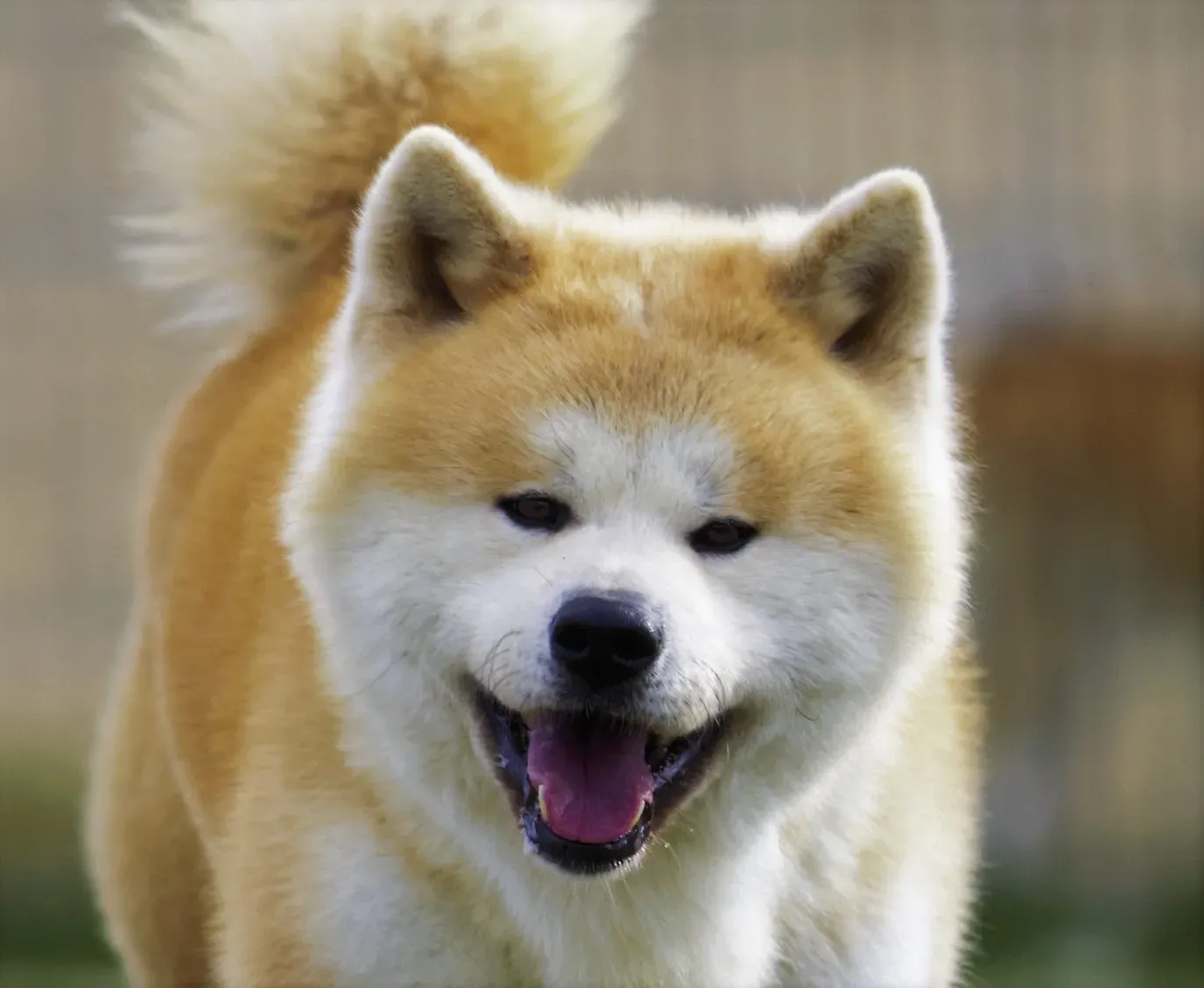
A well-trained Akita is less likely to bark than other breeds, and while they can become stubborn or protective, socialization from a young age may help them grow comfortable and prevent barking at strangers. These Japanese guardians take their role seriously but without unnecessary fanfare.
Despite common belief that they never bark, Akitas have a reputation for barking only when they deem it necessary, and you may find they bark to alert you of strangers, especially if they are feeling anxious. They’re selective about when to use their voice, treating it as a tool rather than a constant companion.
11. Whippet: The Graceful Whisperer
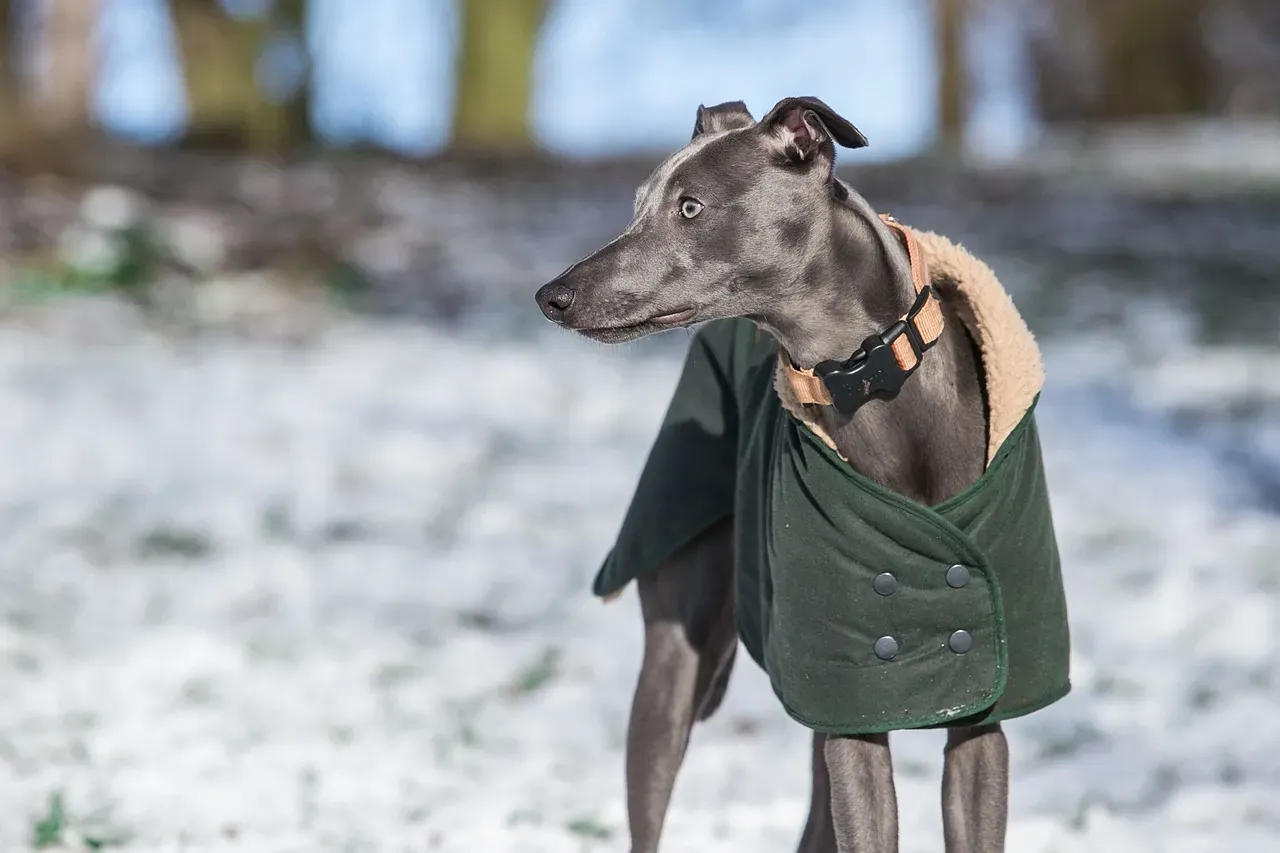
Similar to the Greyhound, the Whippet is a quiet breed that rarely makes its presence known by barking, perfect for those looking for a quiet, peaceful dog, though they’re considered low-barking and may bark more depending on their early training or individual personality. These medium-sized sighthounds are incredibly gentle.
They possess the same quiet confidence as their larger Greyhound cousins. Their sleek appearance and calm demeanor make them wonderful companions for people seeking a dog that won’t disturb the peace. Just don’t expect them to alert you to intruders; they’re more likely to offer a burglar the warmest welcome.
12. Shar Pei: The Wrinkled Philosopher
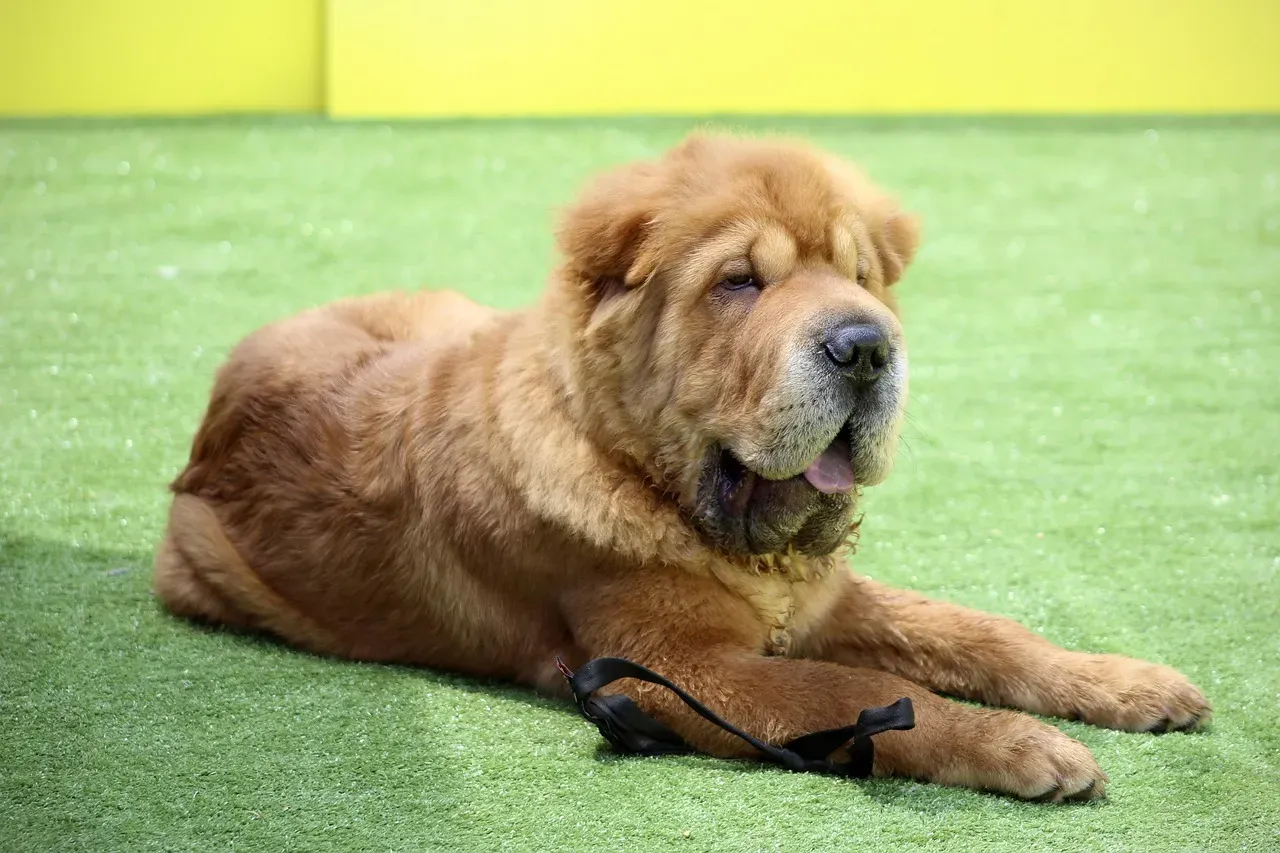
Shar Pei pups are generally quiet, calm and independent, likely to raise their voices only when truly alarmed, spending a lot of their time chilling out at home. Those adorable wrinkles aren’t just for show; they come with a personality that values serenity.
The Chinese Shar-Pei is robust, fiercely loyal, and an incredibly wrinkly love bug of a breed, among the quiet dog breeds who only make a sound to alert their families to possible threats. Their zen-like approach to life means they observe more than they vocalize. Think of them as the wise elders who only speak when they have something truly important to say.
13. Soft Coated Wheaten Terrier: The Enthusiastic Jumper
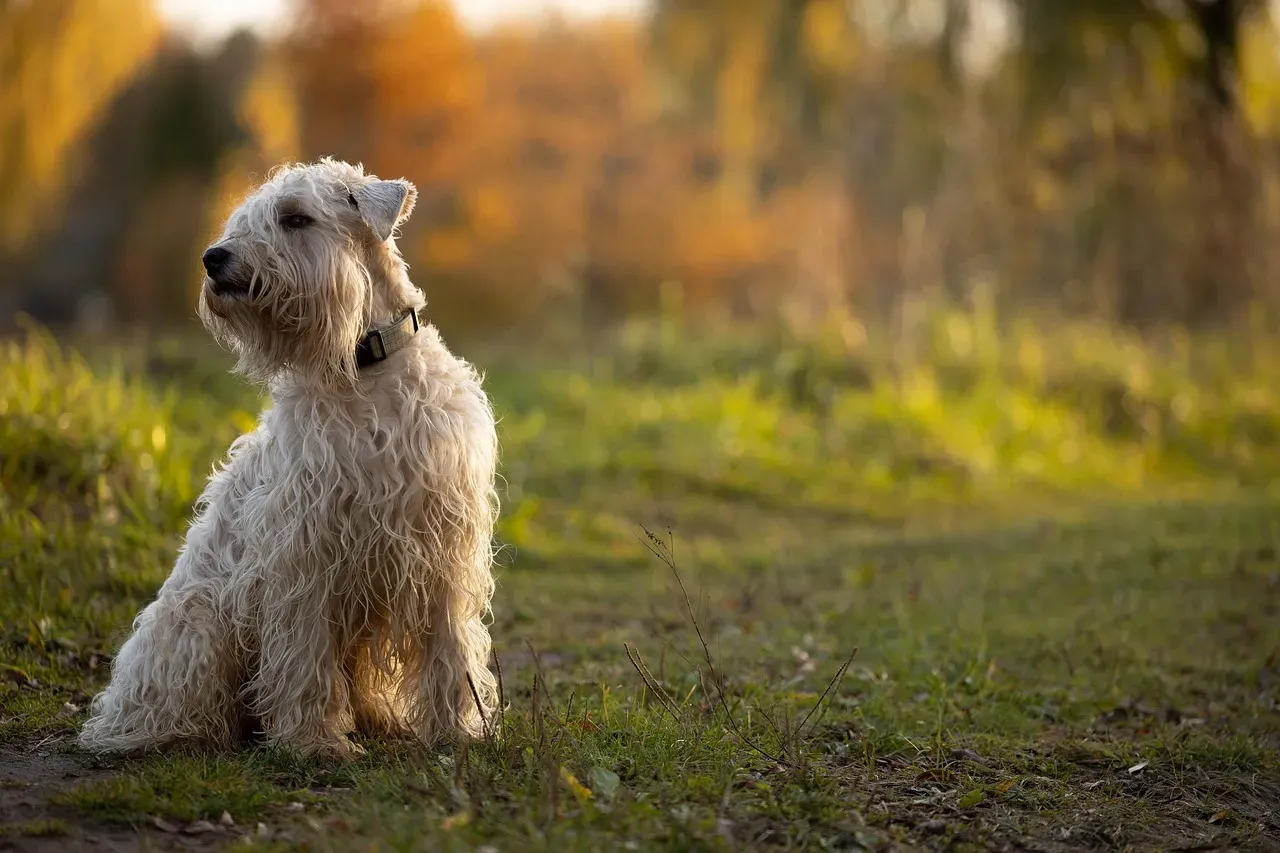
Wheatens will bark when necessary, but usually make their presence known with what’s called the “Wheaten greetin’,” an enthusiastic hello with lots of jumping, and outside of making guests feel welcome, they’re pretty chill. These Irish terriers have found a unique way to express excitement without relying on their voices.
Their signature greeting involves bouncing and wiggling rather than barking up a storm. It’s hard to say for sure, but this might be the most adorable alternative to excessive barking that exists in the canine world. They save their vocal cords for truly important occasions and let their bodies do the talking instead.
14. Australian Shepherd: The Selective Communicator
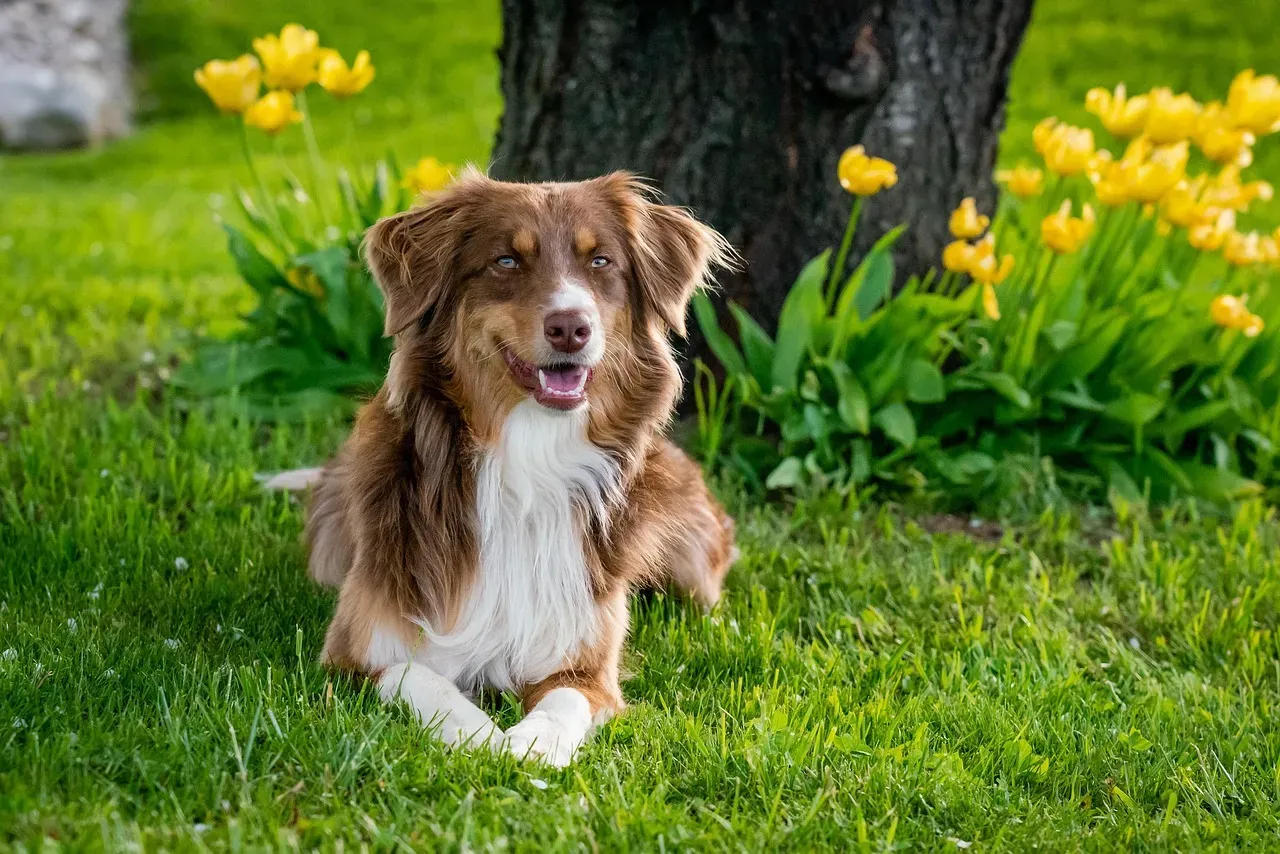
Aussies as a breed actually developed mostly in the U.S., and the herders will alert their owners when they think something requires their attention or someone’s getting out of line, but they’re unlikely to start barking up a storm at nothing in particular. These intelligent working dogs are discerning about when to use their voices.
Their herding background means they understand the strategic use of vocalization. They’re not silent, exactly, but they’re purposeful. You’ll find them barking when there’s an actual reason, not because the wind rustled some leaves three blocks away. That intelligence and selectivity make them manageable even for noise-sensitive environments.
15. Irish Setter: The Elegant Athlete
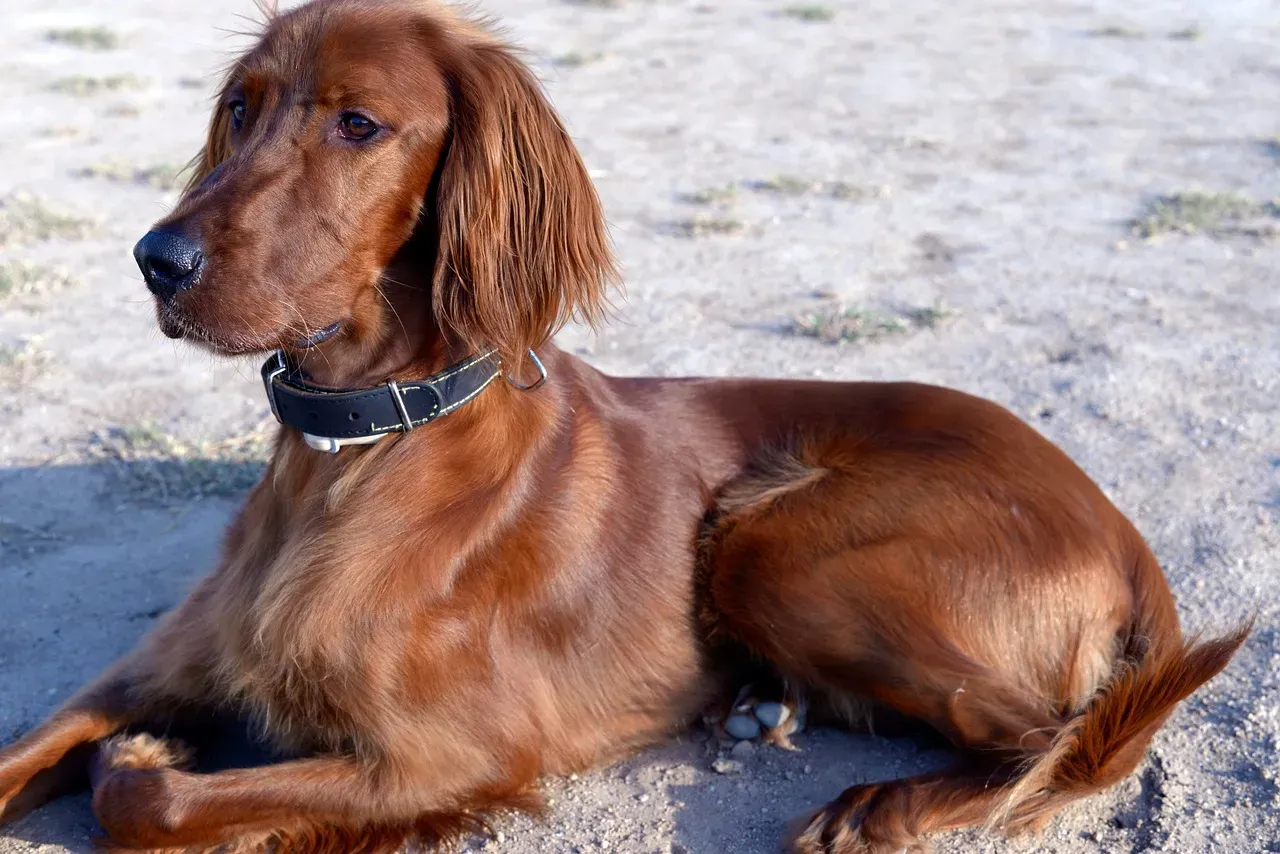
These beautiful red-coated setters are hunting dogs, not guard dogs, so their vocalizations tend to be limited to tracking down their prey if you adopt one for their intended purpose. Irish Setters may have a reputation for clownish, frolicking behavior and bottomless energy, but with ample exercise and play, they rarely exhibit nuisance barking, and the important thing is to keep them busy and wear them out.
These gorgeous redheads would rather run, play, and explore than stand around barking. Give them the exercise they crave, and you’ll have a peaceful, albeit energetic, companion who saves their voice for when it truly matters.
16. Beagle: The Melodious Howler
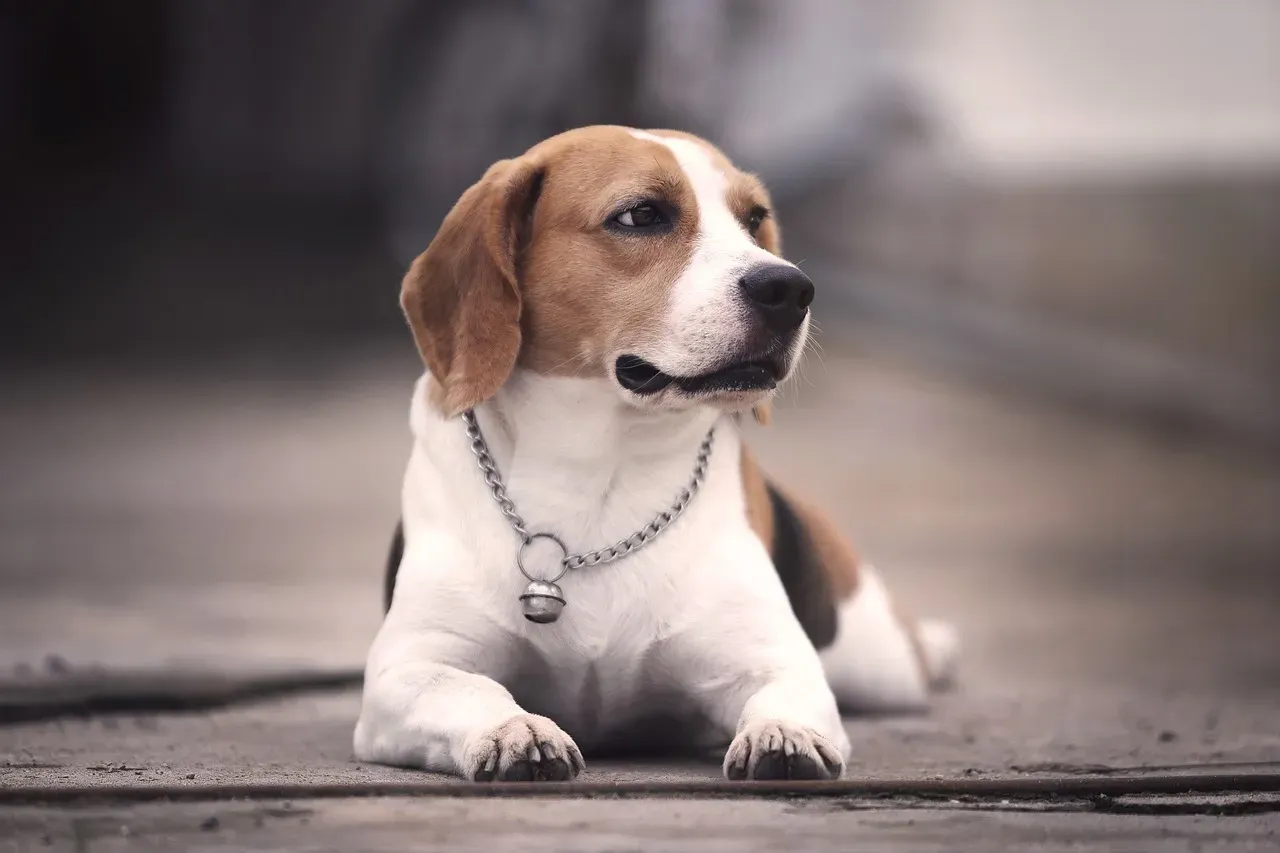
Now we’re switching gears to the chattier side of the canine spectrum. Beagles are famous for their loud “bay,” a specific type of bark that is often heard when they’re tracking or excited, and this vocalization is deeply ingrained in their hunting instincts. These adorable hounds have a lot to say about everything.
This scent hound is known to howl and bark during hunting to alert hunters of their location, and Beagles with big floppy ears have a diverse variety of vocalizations, which include standard barks, howls, and a sound similar to a yodel called a bay that is used when they are hunting. Living with a Beagle means accepting a soundtrack to your daily life. They’re vocal, enthusiastic, and unapologetic about it.
17. Chihuahua: The Tiny Titan
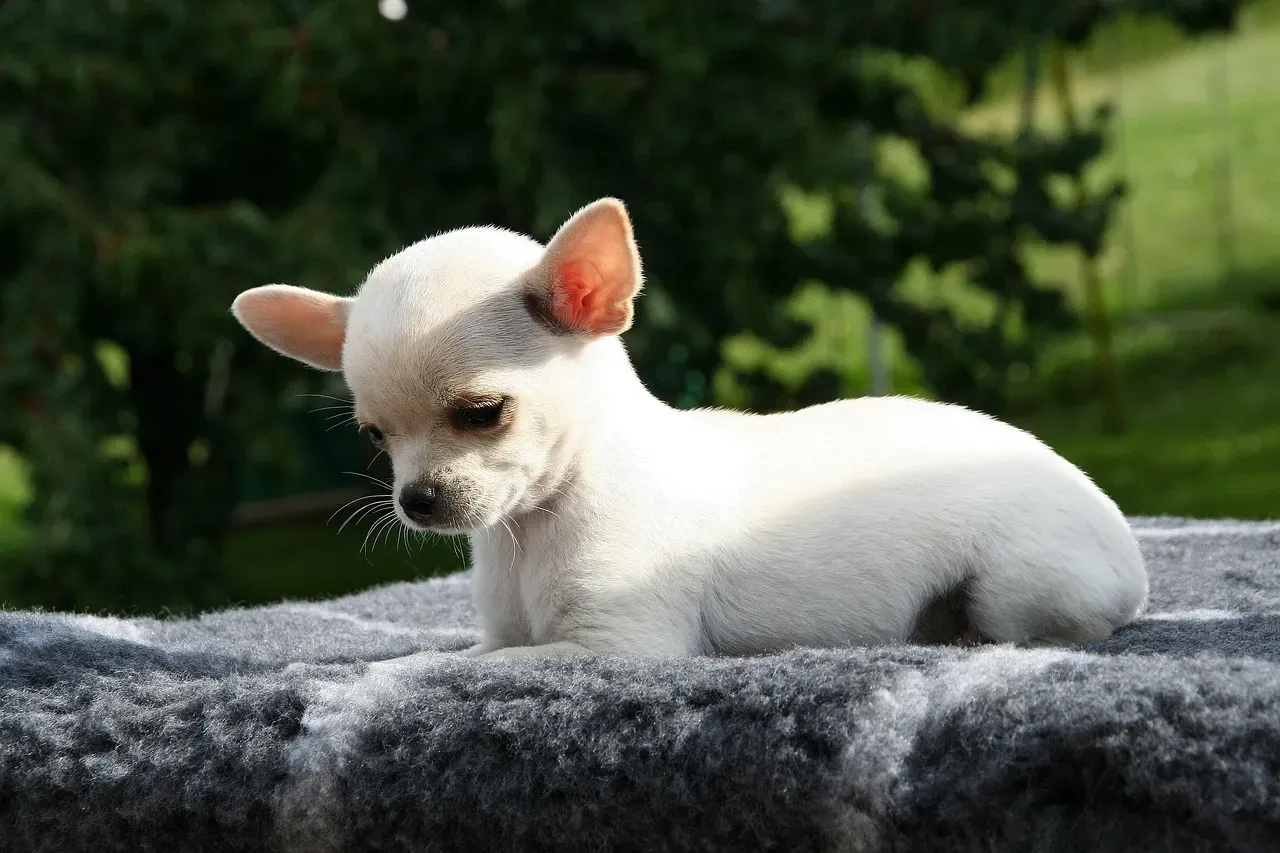
Historically bred as companion dogs and watchdogs, Chihuahuas are notorious for barking at anything they perceive as a threat, including visitors or even passing cars, and despite their small size, they bark loudly and often. These pocket-sized pups have personalities that far exceed their physical stature.
The noisiest dogs often include breeds like the Beagle, German Shepherd, and Chihuahua, known for their loud barks and frequent vocalizations. Don’t let their size fool you. Chihuahuas believe they’re fearsome protectors, and they’ll tell you, the neighbors, and anyone within a three-block radius about every perceived threat or excitement.
18. Siberian Husky: The Dramatic Vocalist
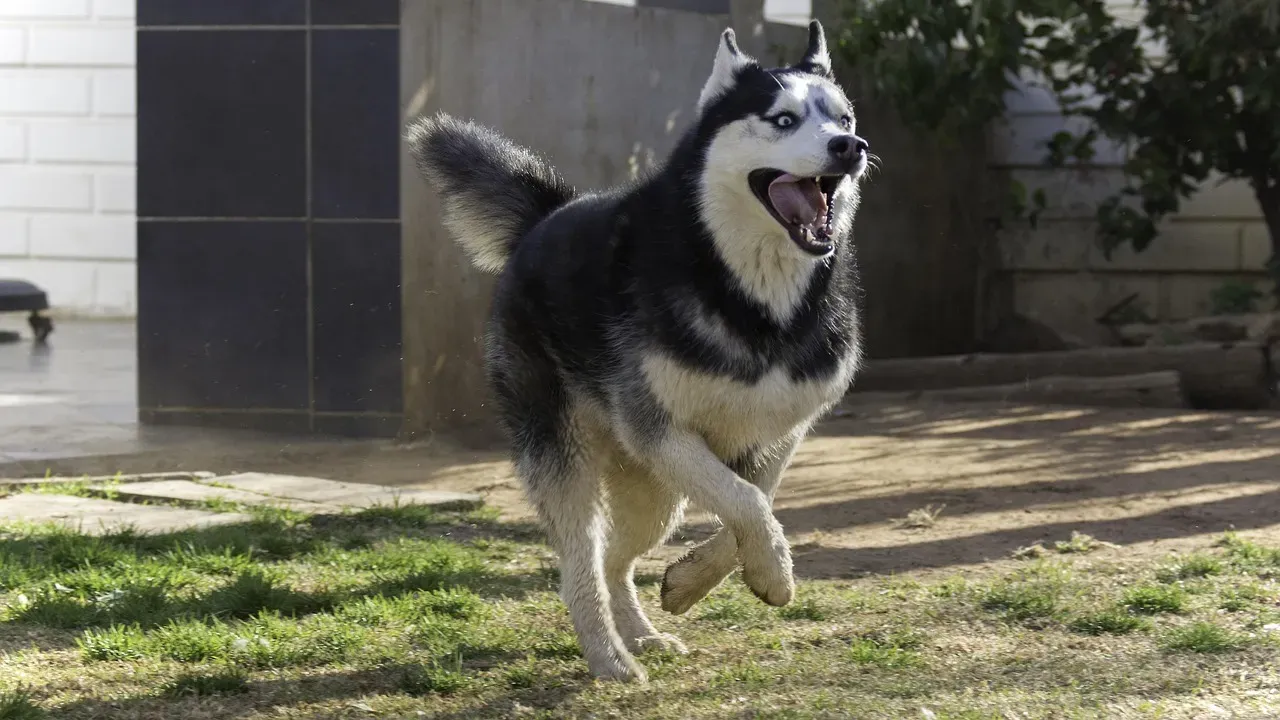
Siberian Huskies don’t necessarily bark a lot, but they’re described as a talkative breed, and they will whine, howl, groan and ‘talk’ for hours. These beautiful northern breeds have elevated canine communication to an art form. They don’t just bark; they converse, argue, and perform entire soliloquies.
Siberian Huskies can’t stay silent and can always be seen expressing their wide range of emotions with howls, whines, chirps, and boisterous barks, and the husky is the most talkative dog breed that doesn’t just bark for communicating, it will often be seen howling like a wolf for no reason at all. If you value peace and quiet, a Husky might not be your ideal match. They have opinions about everything and zero filter.
19. Miniature Schnauzer: The Alert Alarm System
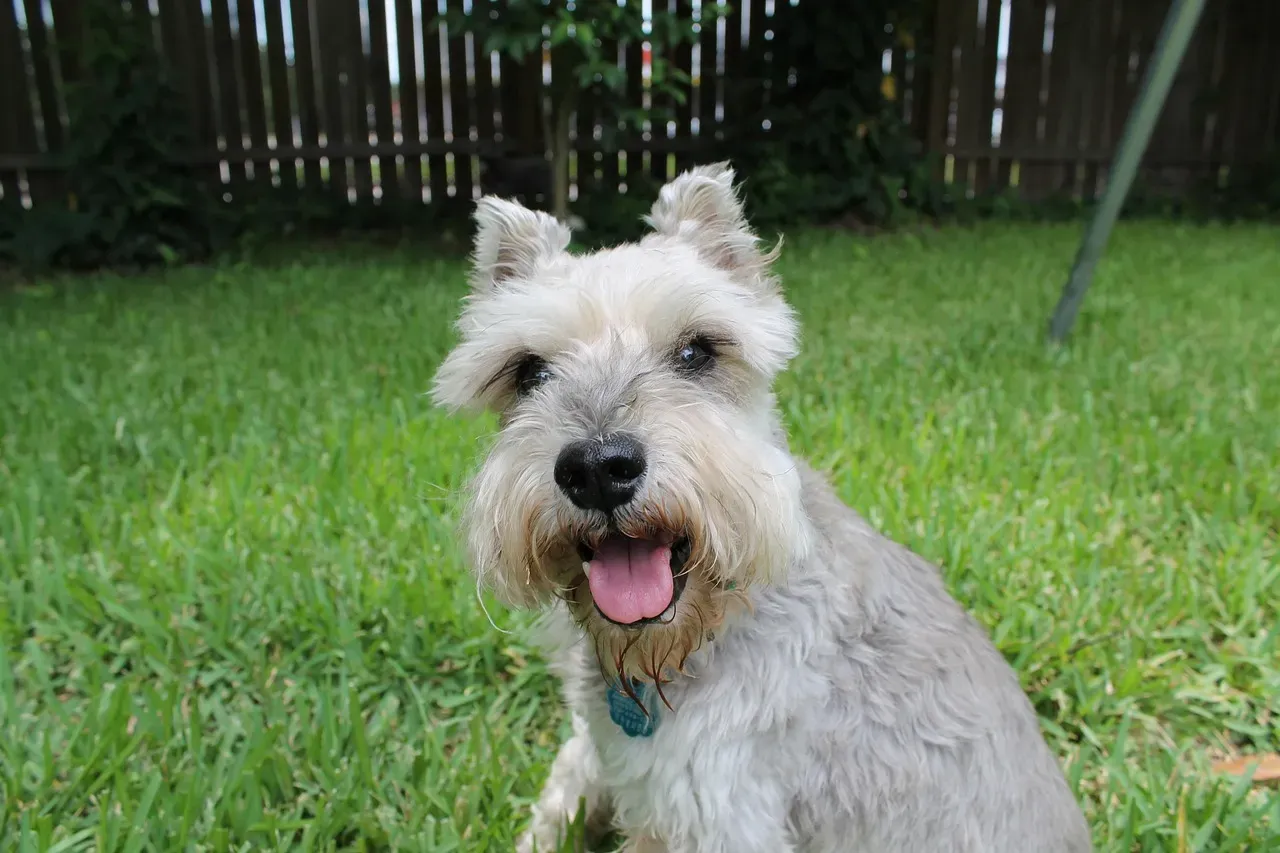
Schnauzers are often described as “watchdogs” and were originally bred to guard property, naturally vocal and will bark at anything they perceive as a threat, and while they’re great for alerting you to intruders, their barking can become overwhelming if not controlled. These bearded beauties take their guard dog duties seriously.
Miniature schnauzers are small but mighty in behavior, like an alert alarm and excellent watchdogs, known to have a sharp and persistent bark that is quite shrill and piercing to the ear, and they love to alert their owners of anything unusual. They consider it their personal responsibility to inform you of every single thing happening within earshot. Mailman? Bark. Doorbell? Bark. Leaf falling? You better believe that’s worth a bark.
20. German Shepherd: The Vocal Protector
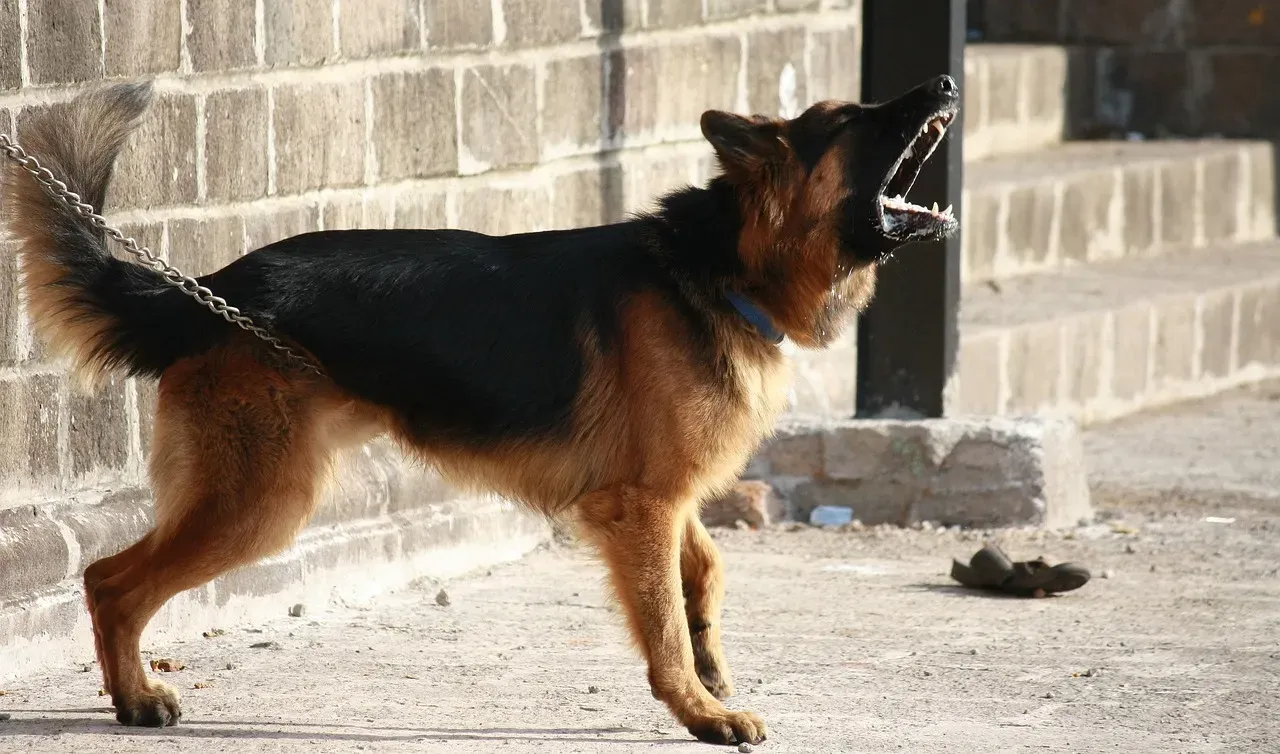
As a pastoral breed, German Shepherds were bred as guardians of the flock and expected to use their intimidating bark to raise the alarm and scare away intruders or predators. These intelligent, loyal companions use their voices as tools for protection and communication.
German Shepherds are generally more expressive and have a very distinctive loud bark. Their vocalizations are powerful and commanding, reflecting their role as guardians and protectors. When a German Shepherd barks, you know about it, your neighbors know about it, and probably the next neighborhood over knows about it too. They’re magnificent dogs, just not quiet ones.
Conclusion: Finding Your Perfect Match

While no dog is truly silent, there are breeds that are much less vocal than others, and several are much less vocal, with extensive training going a long way in keeping any dog from barking unnecessarily. Choosing between a quiet companion or a chatty friend ultimately depends on your lifestyle, living situation, and personal preferences.
For dogs, barking is a completely normal behavior and one of the most effective ways dogs know how to communicate with their owners. Whether you end up with a silent Basenji or a talkative Husky, understanding your dog’s communication style and needs is what matters most. The right training, proper exercise, and mental stimulation can help manage even the most vocal breeds.
What’s your experience with quiet or chatty dogs? Have you been surprised by a breed’s noise level? Every dog has their own personality, and sometimes the quietest breeds surprise you with occasional concerts, while the supposedly noisy ones turn out to be perfect angels.


