

Imagine coming home after a long day to find your dog waiting at the door, tail wagging, eyes sparkling with anticipation—because it’s exactly 6 p.m., and that’s walk time. Some dogs don’t just enjoy routine—they thrive on it. For these breeds, predictability isn’t boring; it’s a source of comfort, confidence, and joy. If you’re a dog lover searching for a companion who loves structure as much as you do, or if you want to create a peaceful, happy life for your furry friend, understanding which breeds crave routine can make all the difference. Let’s dive into the fascinating world of dogs who adore order—and discover how to make routines that truly work for them and for you.
Labrador Retriever: Enthusiasts of Predictability

Labrador Retrievers are famous for their friendly nature and boundless energy, but what many don’t realize is how much they appreciate a steady routine. Labs thrive when they know when meals, walks, and playtime are coming. Predictable schedules help them feel secure and reduce anxiety, especially in busy households. To keep your Lab calm and focused, introduce routines for feeding, exercise, and training. Labs respond especially well to scheduled fetch sessions or swimming times. If you’re consistent, you’ll find your Lab’s excitement for daily activities never fades. Their love for routine makes them wonderful family companions who adapt easily to structured environments.
German Shepherd: Structure Lovers
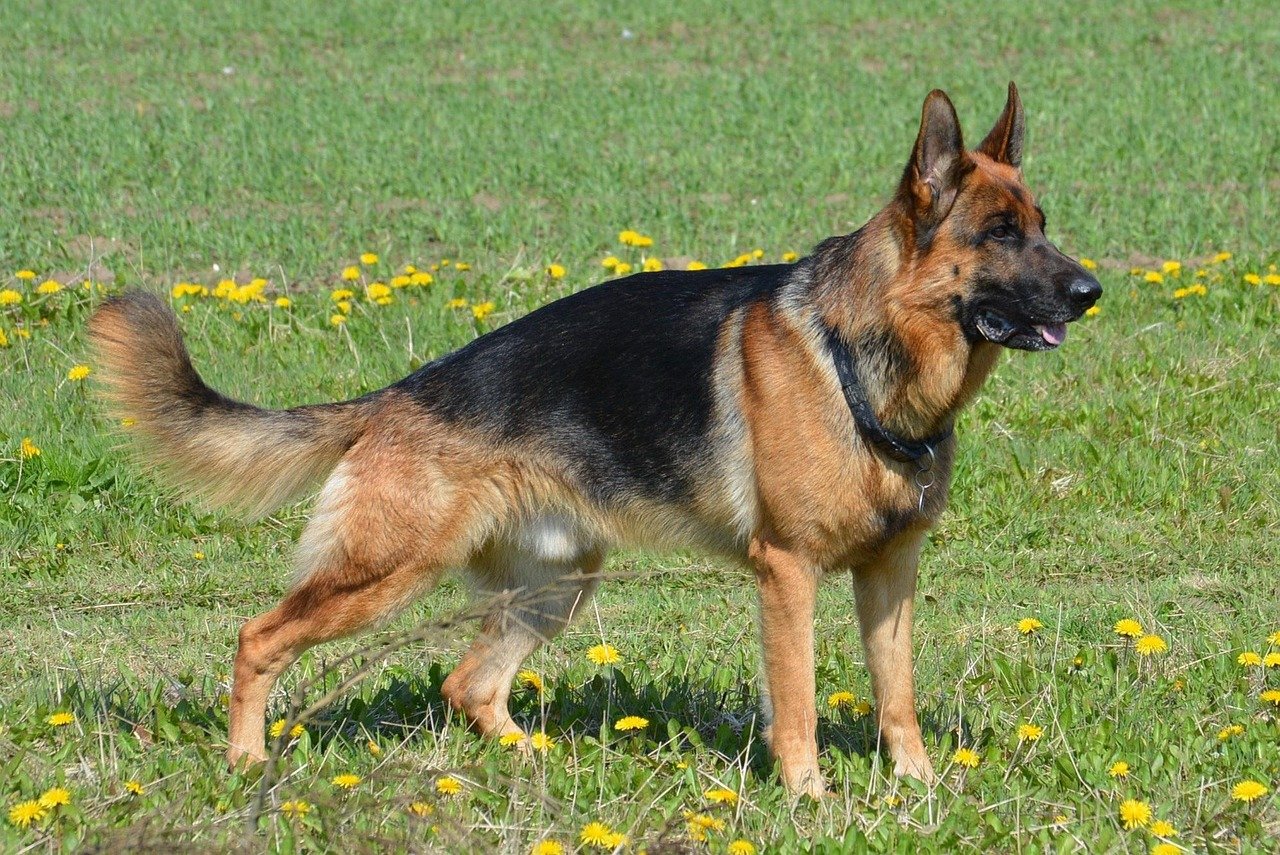
German Shepherds are intelligent, hardworking, and deeply loyal. They excel when life follows a pattern. These dogs are often used in police and military work partly because they respond so well to clear expectations and repetitive training. A daily routine helps a German Shepherd feel purposeful. This breed benefits from regular exercise, set feeding times, and mental challenges like obedience or agility training at the same time each day. Without structure, German Shepherds can become restless or anxious. With it, they blossom—showing off their best qualities and forming strong bonds with their families.
Border Collie: The Routine-Driven Genius
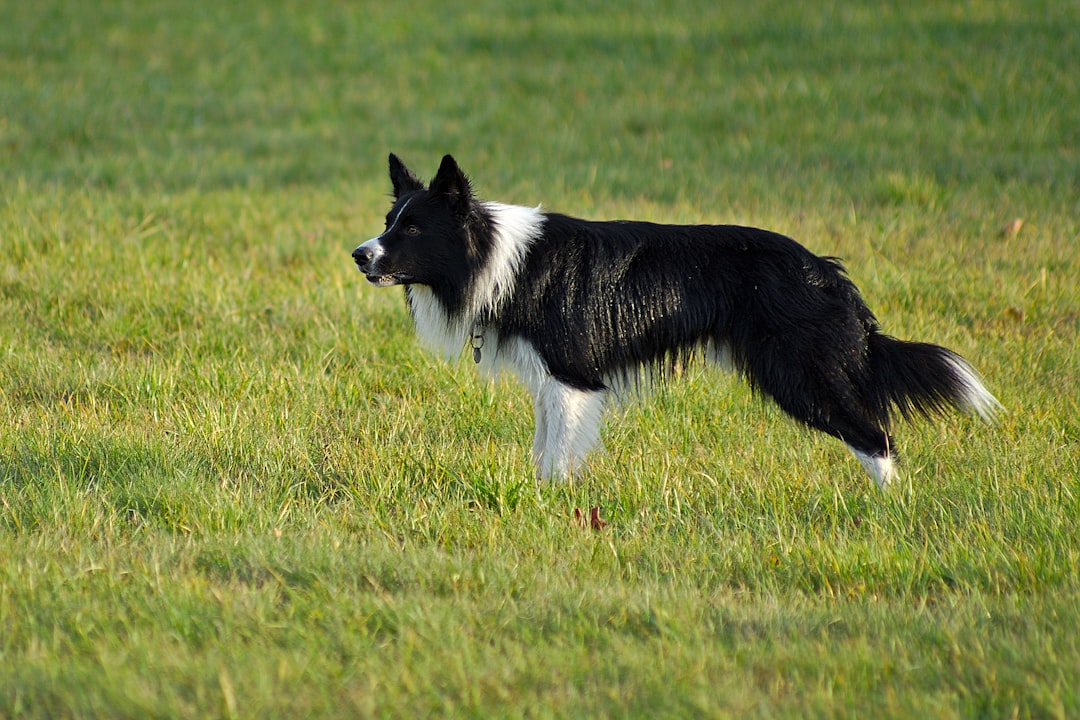
Border Collies are renowned for their intelligence and energy, but another trait stands out: their love for routine. These working dogs thrive on repetition, whether it’s herding sheep or learning new tricks. Border Collies need both physical and mental routines to stay happy. A set schedule of walks, playtime, and training keeps them engaged and reduces unwanted behaviors. Predictability helps ease their sensitive nature. Rotating their toys or introducing puzzle games at the same time each day can transform their world. For Border Collies, routine isn’t just nice—it’s essential for a balanced life.
Golden Retriever: Happiness in Habits
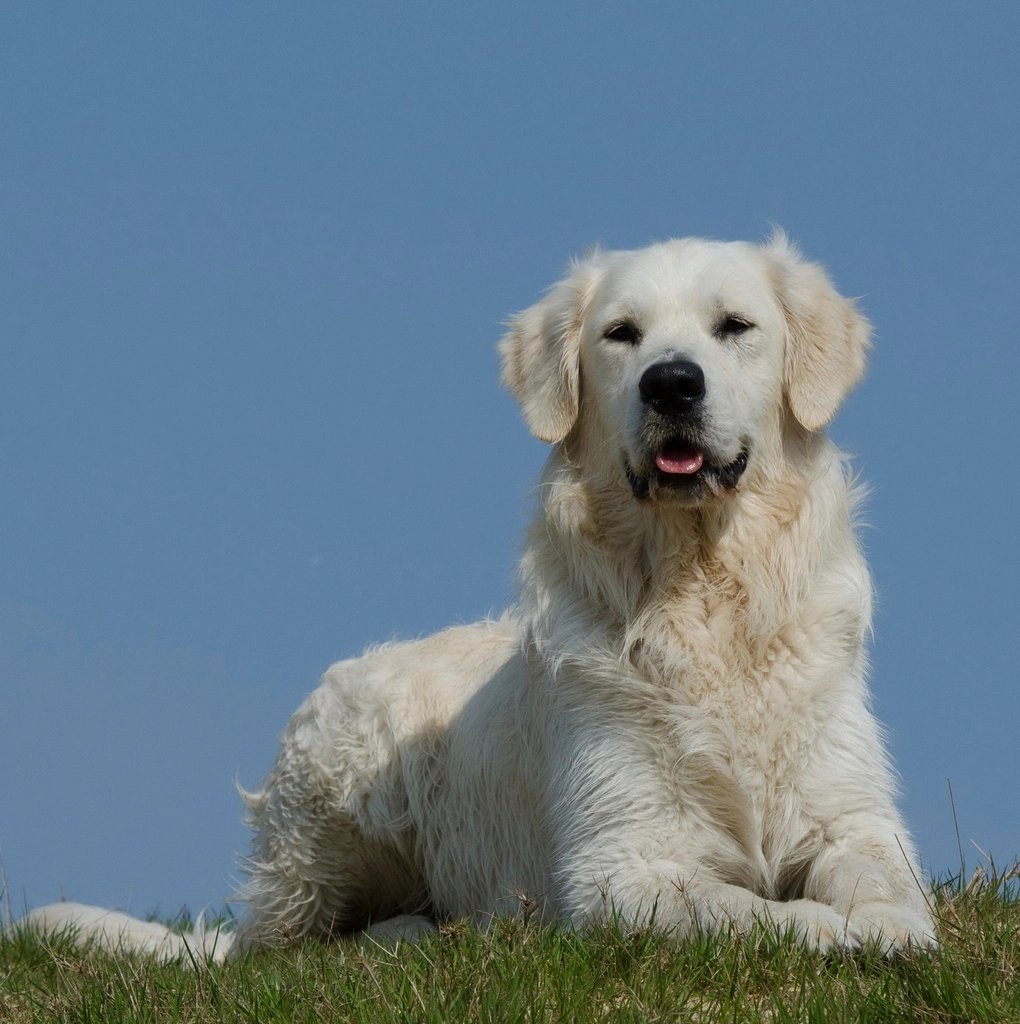
Golden Retrievers are the epitome of joy and affection, but they also crave order. These dogs love knowing when to expect meals, walks, and cuddles. Routines help Goldens feel calm, especially in busy or unpredictable households. Scheduling daily activities like brushing, playtime, and training can keep them at ease. Golden Retrievers are eager to please and quickly pick up on household rhythms. They’ll wait patiently by the door at walk time or nudge you when it’s time for their treat. Establishing routines with Goldens not only keeps them happy but strengthens your bond with them.
Poodle: Calm Through Consistency

Poodles, whether Toy, Miniature, or Standard, are smart and sensitive dogs who benefit greatly from structure. They appreciate knowing what to expect each day. Predictable routines help Poodles avoid stress and channel their intelligence into positive behaviors. Activities like daily grooming, scheduled walks, and regular play sessions keep them content. Poodles are quick learners and respond well to training sessions that happen at the same time each day. Their adaptability is enhanced when they have a solid routine, making them excellent companions for families and individuals alike.
Shih Tzu: Comfort in Patterns

Shih Tzus might be small, but their need for routine is mighty. These affectionate lap dogs rely on predictable schedules for eating, grooming, and bathroom breaks. Sudden changes can make them uneasy, so sticking to a regular routine helps them feel safe and secure. Shih Tzus love knowing when cuddle time is coming and will often remind you if you’re late. Setting aside time each day for gentle walks, grooming, and quiet bonding moments keeps their spirits high and their anxiety low. Their happiness truly flourishes in a home where routines are cherished.
Boxer: Order for Energy
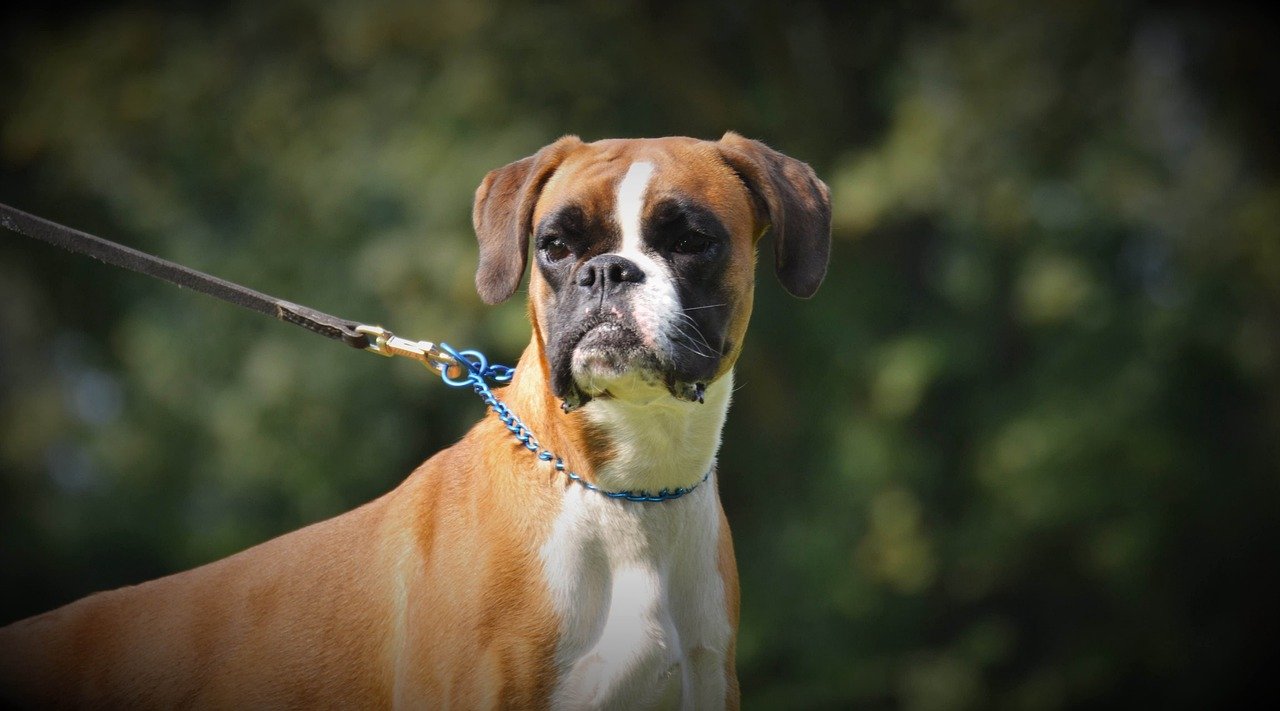
Boxers are bundles of energy and enthusiasm, but behind that playfulness lies a deep appreciation for routine. These dogs are happiest when their days follow a predictable pattern. Scheduled walks, playtime, and meals help Boxers channel their energy in healthy ways. Without structure, Boxers can become excitable or even destructive. By establishing routines for training and exercise, you help your Boxer feel secure and confident. They’ll quickly pick up on daily rituals and look forward to each part of their day. Boxers thrive in active households that value both fun and order.
Cavalier King Charles Spaniel: Predictable Pleasures

Cavalier King Charles Spaniels are known for their gentle, loving nature. They form strong attachments and find comfort in routine. These dogs do best when feeding times, walks, and play sessions happen regularly. Their sensitive personalities mean that unpredictability can lead to stress. Keeping a steady daily schedule reassures them and reduces anxiety. Cavaliers quickly learn household routines and will often wait patiently for their favorite activities. Creating small rituals, like morning cuddles or evening walks, makes these dogs feel truly at home.
Doberman Pinscher: Thriving on Discipline
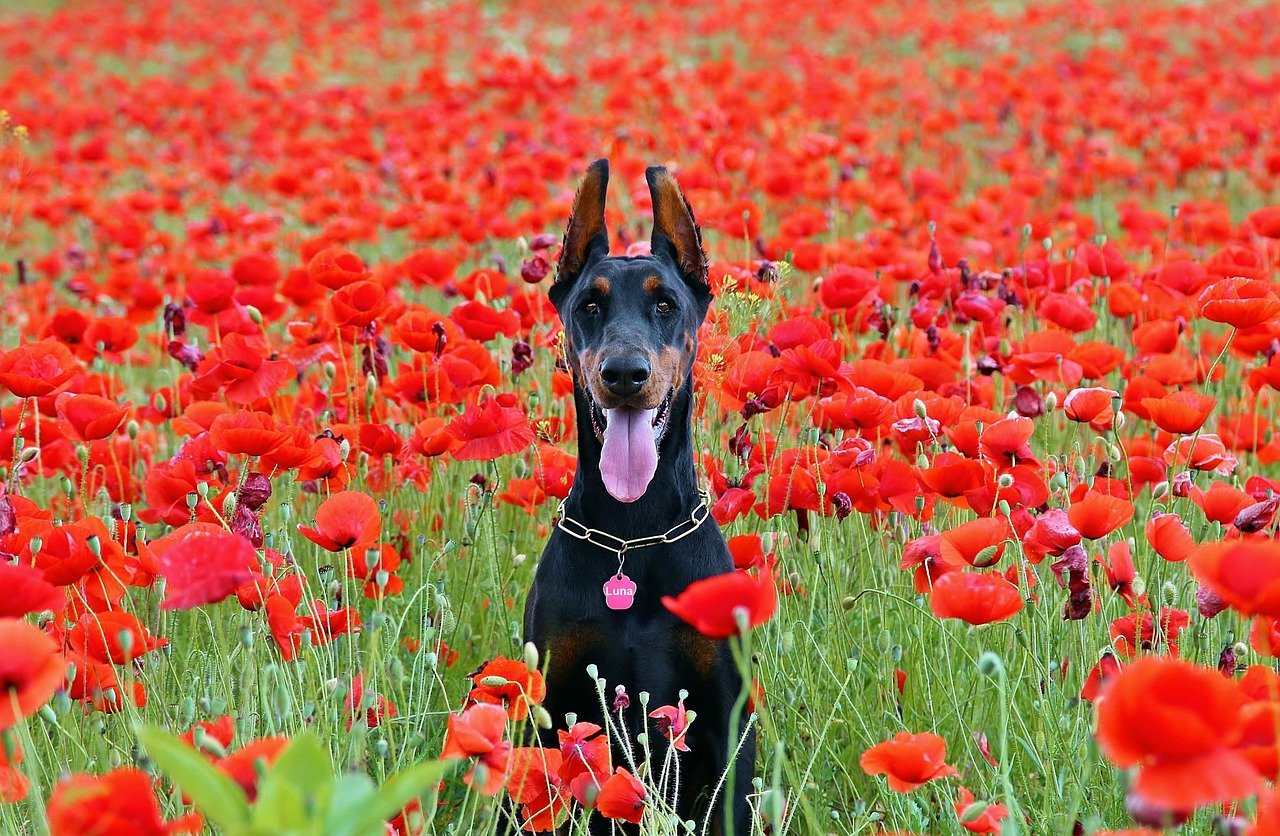
Doberman Pinschers are alert, loyal, and highly trainable. Their sharp minds crave structure and clear guidelines. Regular routines for exercise, training, and socialization are crucial for their well-being. Dobermans respond well to schedules, becoming more focused and less likely to act out when they know what’s expected of them. A set routine also builds trust between you and your Doberman, as they learn to anticipate rewarding activities. Consistency in rules and daily activities helps Dobermans feel secure, making them reliable and affectionate protectors.
Australian Shepherd: Routine for the Restless
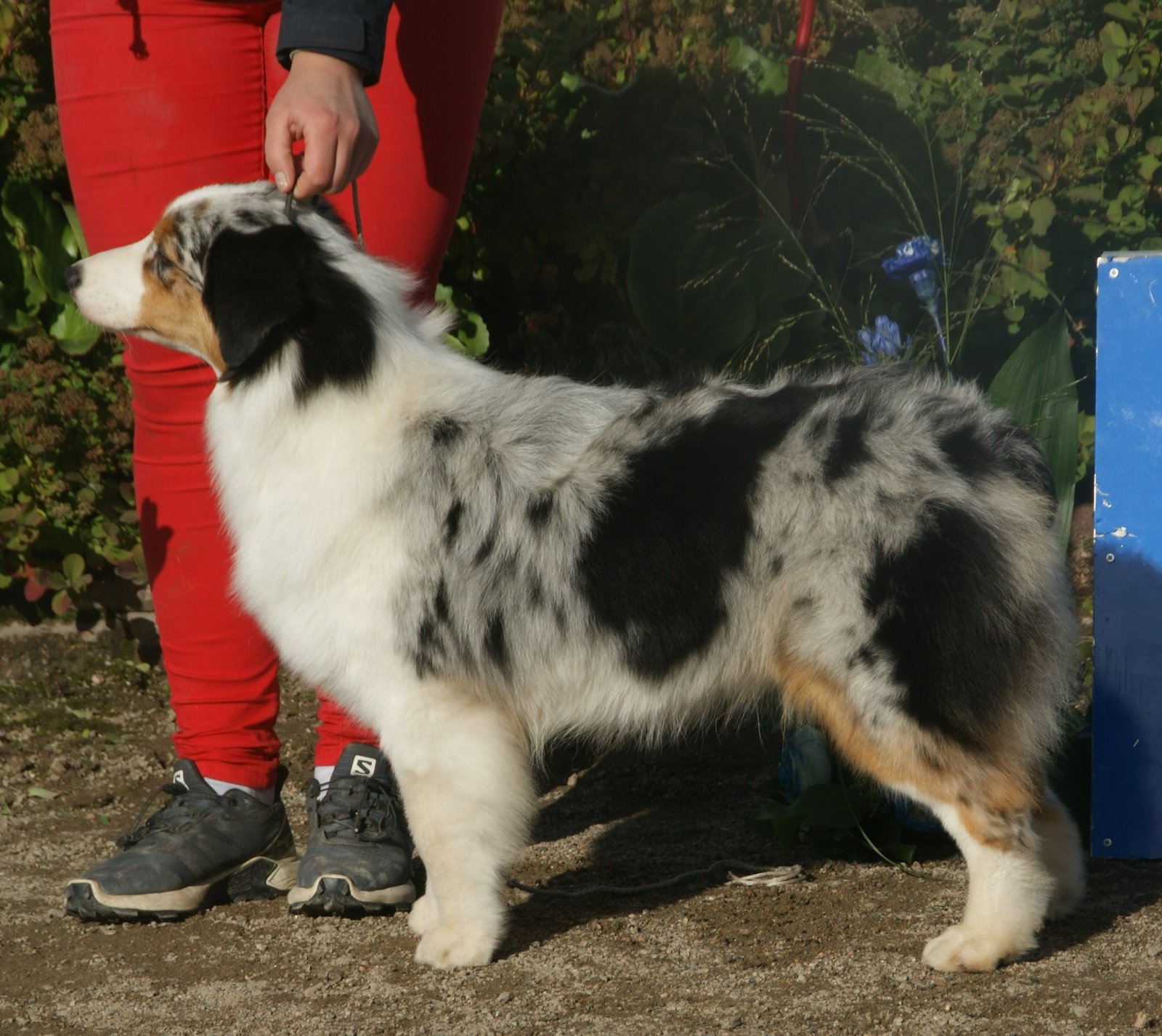
Australian Shepherds are energetic and intelligent, always seeking a job to do. Routine is like a calming anchor for these active dogs. Without a daily structure, Aussies can become bored and develop unwanted behaviors. Scheduling walks, training, and playtime provides them with the mental and physical outlets they need. Aussies love knowing when it’s time for work and when it’s time for rest. Introducing new tricks or agility exercises at regular intervals keeps them sharp and happy. Routine gives these dogs the stability they need to truly shine.
Rottweiler: Calm in Consistency
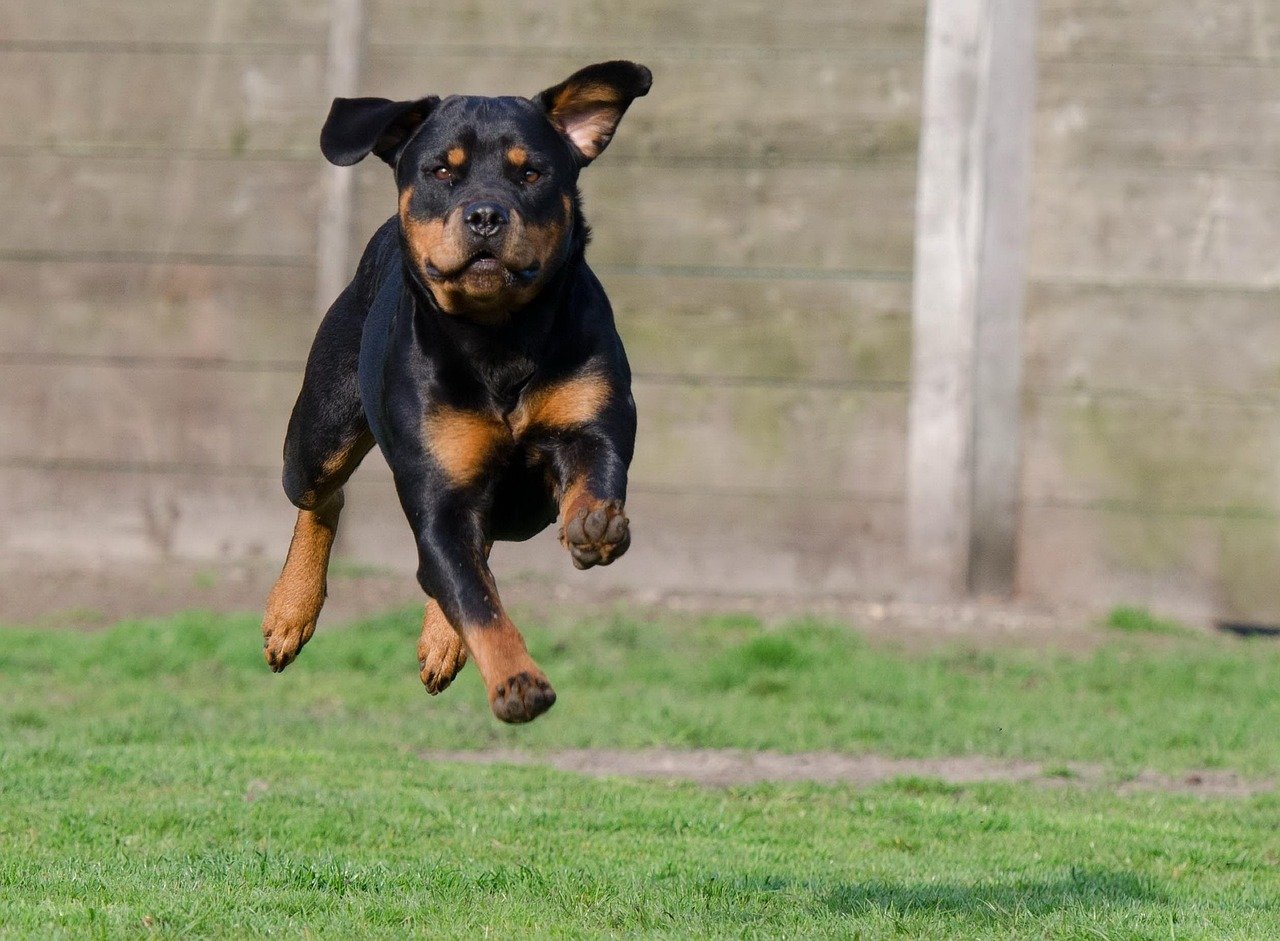
Rottweilers are strong, confident dogs who feel safest when life is predictable. Routine gives them a clear sense of purpose and place in the family. Setting fixed times for meals, walks, and training reinforces their understanding of household rules. Rottweilers bond deeply with their families and quickly learn to anticipate daily activities. They appreciate rituals, whether it’s a nightly brushing session or a morning jog. Providing a structured routine helps prevent behavioral issues and brings out the gentle giant within. Consistency is the key to a happy, well-adjusted Rottweiler.
Shetland Sheepdog: Schedules for the Sensitive
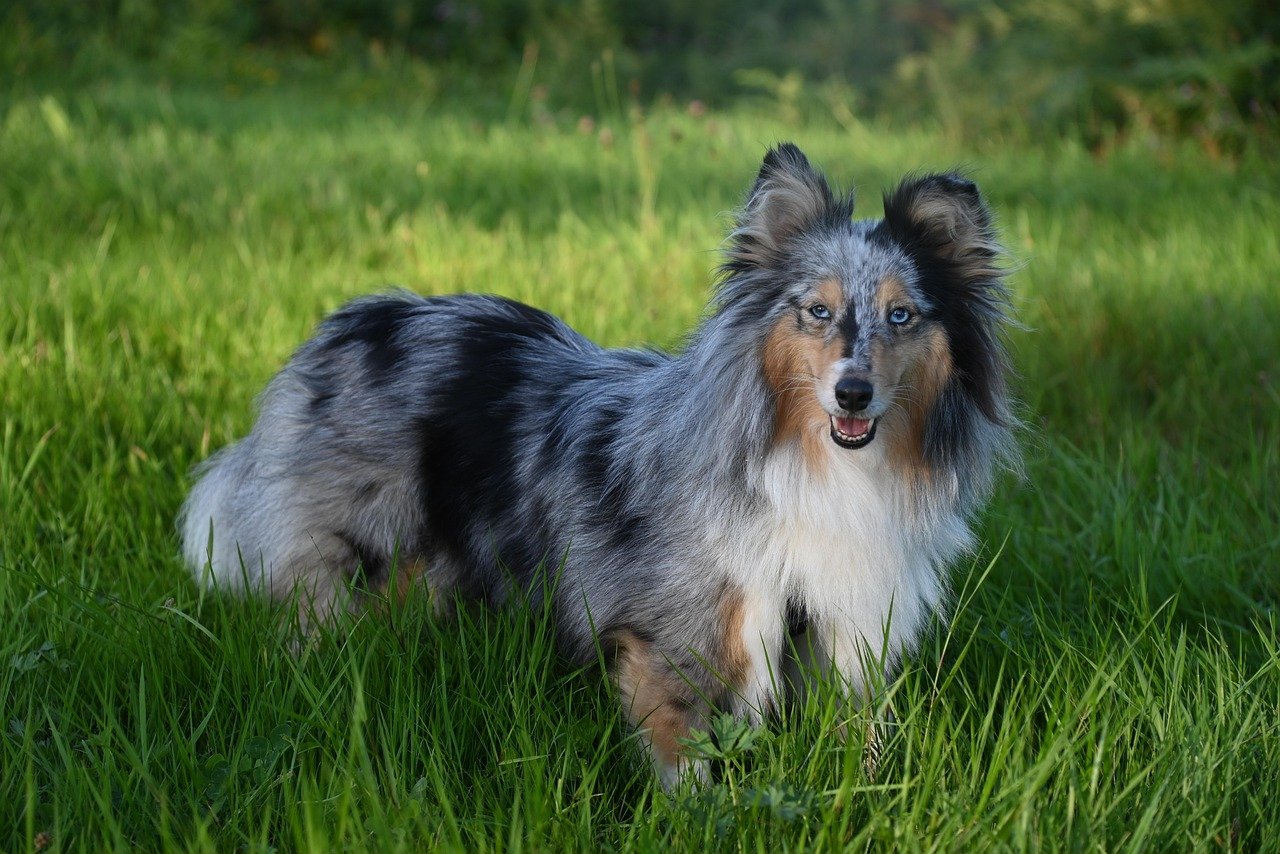
Shetland Sheepdogs, or Shelties, are sensitive and intelligent, thriving in homes with steady routines. They’re quick to pick up on daily habits and feel secure when life is predictable. Shelties benefit from regular feeding, exercise, and grooming times. Their herding instincts mean they love knowing what’s coming next. Changes in routine can make them anxious, so maintaining consistency is especially important. Shelties also enjoy routines that involve mental stimulation, such as puzzle toys or obedience training at set times. A well-structured day helps them feel confident and content.
Miniature Schnauzer: Orderly Little Guardians
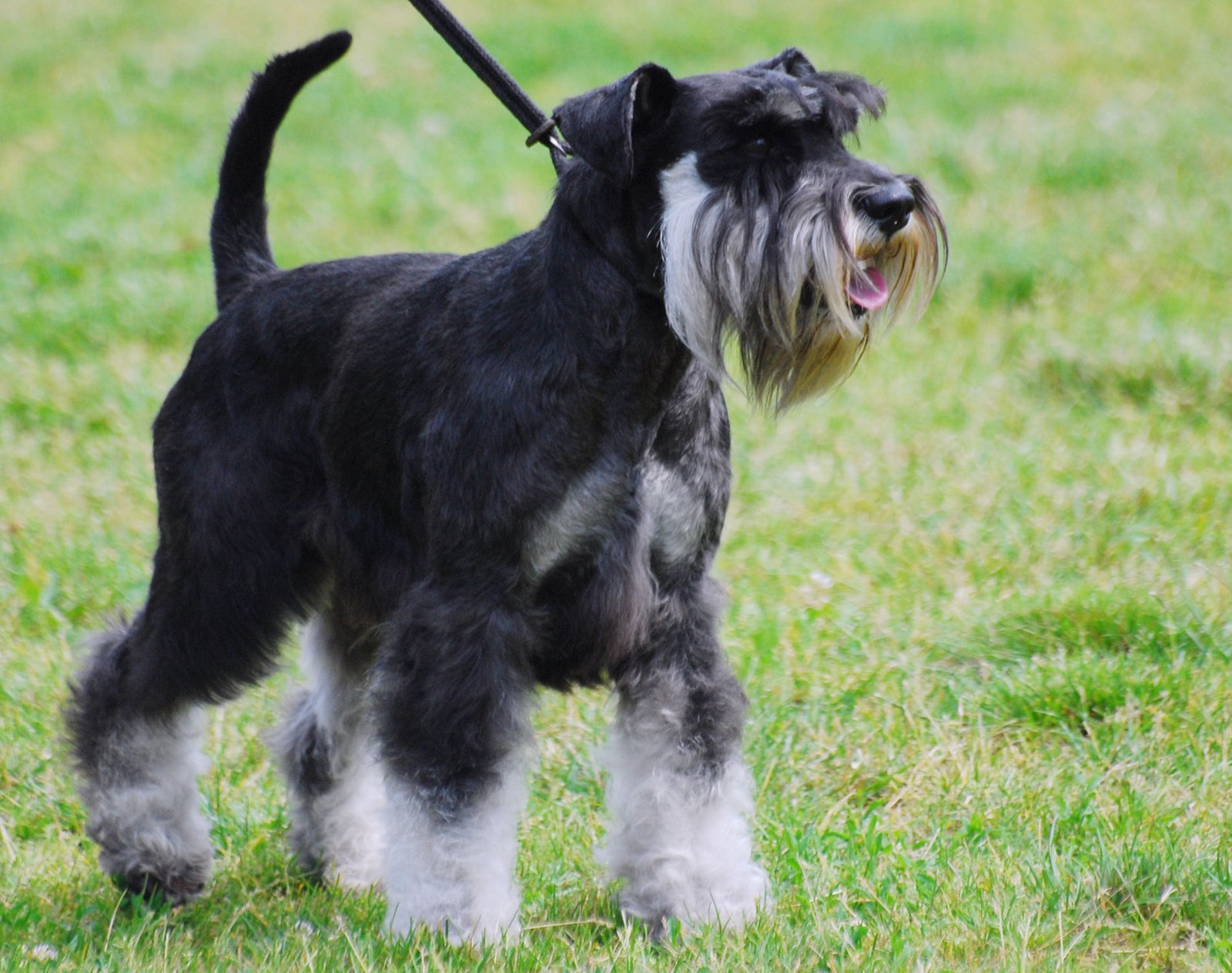
Miniature Schnauzers are spirited, alert, and eager to please. These small dogs have big personalities and thrive on routine. They quickly learn when it’s time for meals, walks, or play, and they’ll often remind you if you forget. Scheduled activities help channel their energy and reduce barking or restlessness. Regular grooming is also important for this breed, and making it part of a routine keeps them looking and feeling their best. Miniature Schnauzers are happiest when their days are filled with predictable patterns and plenty of family interaction.
Beagle: Joy in the Journey—With Structure

Beagles are curious, fun-loving dogs known for their keen sense of smell and love of adventure. Despite their independent streak, Beagles thrive with routine. Fixed schedules for meals, walks, and play help keep their minds occupied and prevent mischief. Beagles also benefit from regular training sessions, which can help channel their natural curiosity. Routines give them a sense of security, especially when their day includes lots of sniffing and exploring. With structure, Beagles become affectionate and well-behaved companions.
Collie: Routine for Reassurance

Collies are intelligent, gentle, and sensitive—qualities that make them deeply appreciative of routine. These dogs quickly adapt to household schedules and respond well to consistent rules and activities. Collies love knowing when it’s time for exercise, meals, and family bonding. Predictable routines help them feel confident and reduce anxiety, especially in busy homes. Regular grooming, walks, and training sessions provide the structure they crave. Collies reward consistency with loyalty, affection, and a calm presence in the home.
Dogs thrive on routine, and these 15 breeds especially love knowing what to expect each day—it helps them feel secure, calm, and well-behaved. Whether it’s walks, meals, or bedtime, consistency is key to keeping them happy. The good news? Creating a solid routine isn’t hard—it just takes a little planning and commitment. Once it’s in place, your dog will settle into the rhythm and feel right at home. A predictable day = a peaceful pup!


