
There is something deeply heartbreaking about watching a dog you love struggle to breathe on a warm afternoon, tongue hanging, eyes glazed, barely able to lift their head. Most people don’t realize just how dangerous heat can be for certain breeds until it is almost too late. The truth is, not every dog was built for warm weather. Some were literally engineered by nature and by humans to survive in freezing temperatures, and placing them in a hot climate is essentially asking them to wear a winter parka in July, every single day of their lives.
Some dog breeds are more sensitive to heat than others because of their physical traits, such as a flat face or thick double coat. Whether you’re thinking about getting a new pup or you already have one of these gorgeous breeds at home, what you’re about to read could genuinely save a life. Let’s dive in.
1. Siberian Husky: The Arctic Athlete in the Wrong Arena
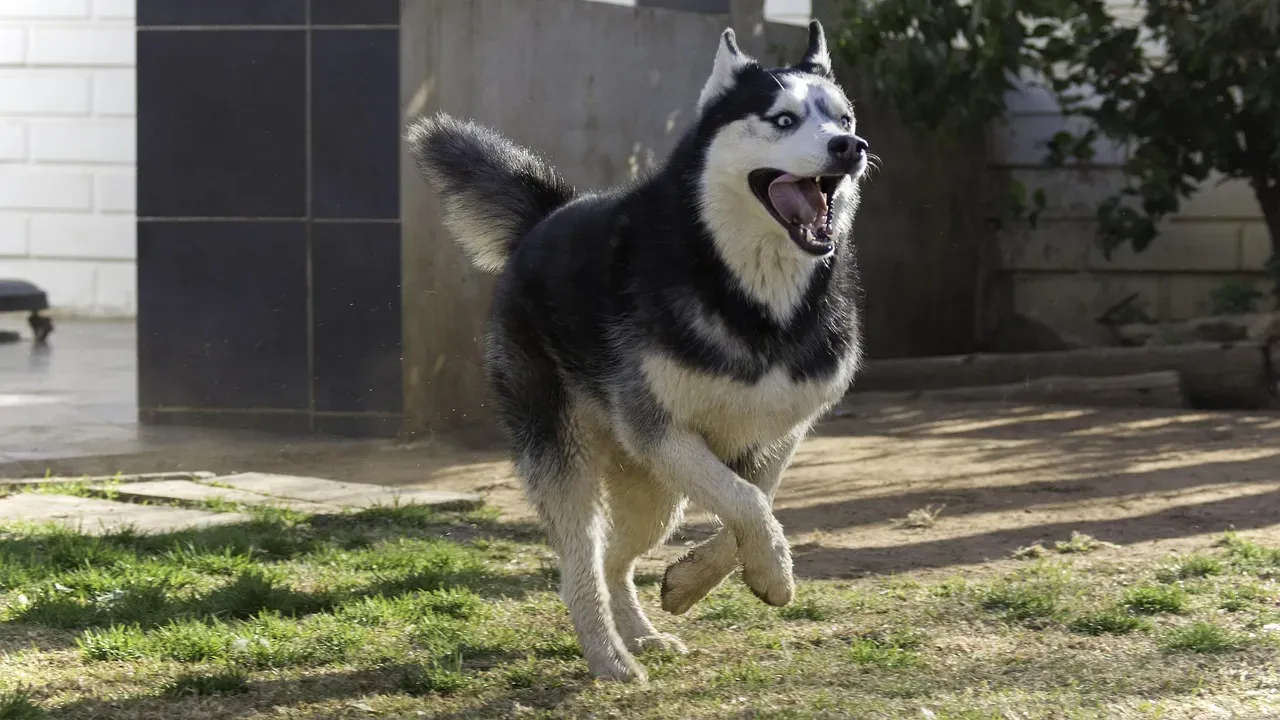
Born for snowy adventures, Siberian Huskies come equipped with a double coat that’s perfect for sub-zero temperatures but absolutely disastrous in the heat. Their thick fur acts like a permanent winter jacket they simply cannot take off. Imagine jogging every day in a full ski suit. That is what life in a hot climate feels like for a Husky.
Summer months can quickly become dangerous for Huskies, requiring constant access to shade and water, and even brief exposure to high temperatures can lead to heat exhaustion. If you live in a warm region and you own a Husky, early morning walks before sunrise and a well air-conditioned home are not optional; they are survival requirements.
2. Alaskan Malamute: The Sled Dog That Melts in Summer
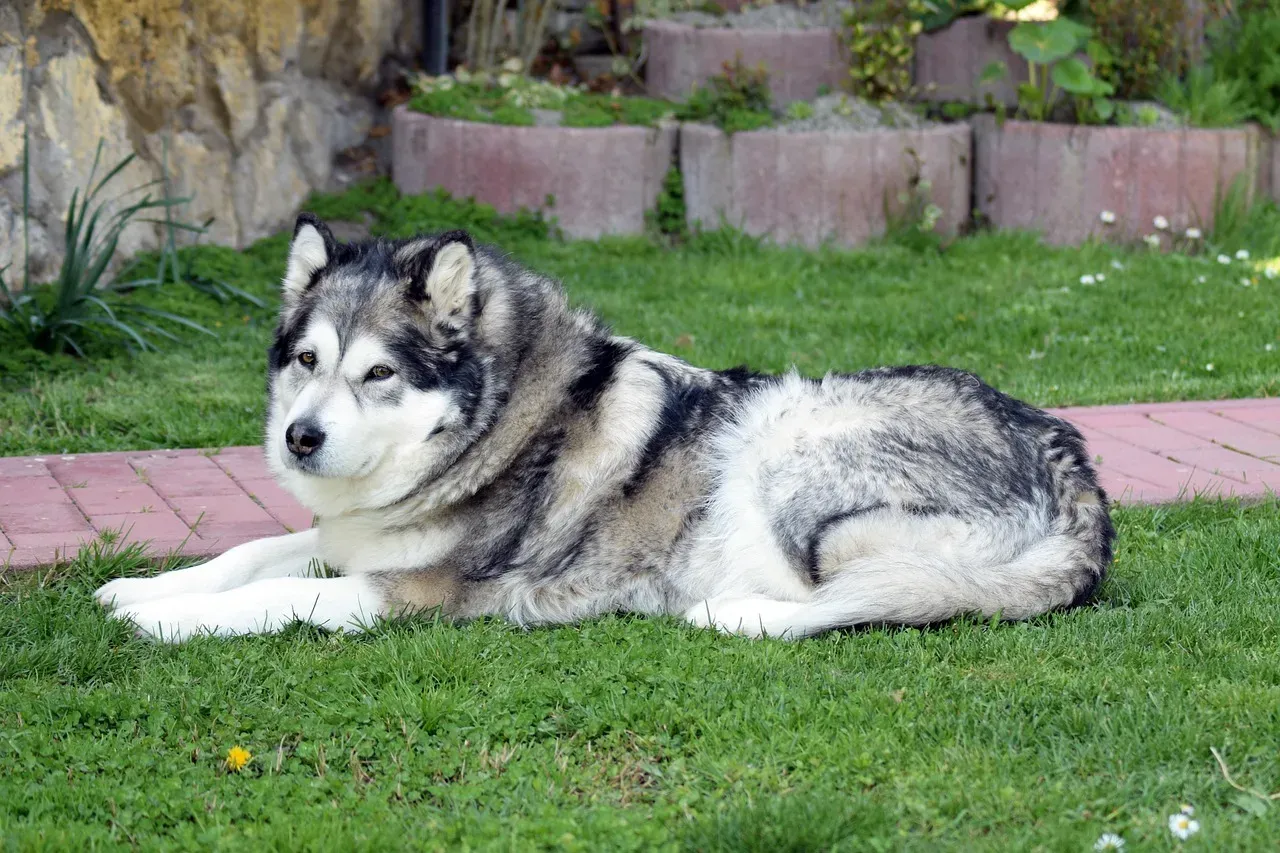
The Alaskan Malamute feels right at home in big snowdrifts, originally bred to pull heavy loads in Alaska, but a summer heat wave is far less tolerable for this double-coated working dog. The breed’s dense coat is like a well-insulated parka that traps heat and locks out moisture. The Malamute isn’t just uncomfortable in the heat; it’s genuinely at risk.
Keeping your Malamute inside during the hottest parts of the day and routinely grooming them with a comb or undercoat rake to remove excess fur can help your dog stay comfortable in the summer. Regular brushing is not just about appearance here; it is an act of love and protection.
3. Chow Chow: The Lion-Maned Dog With a Low Heat Threshold
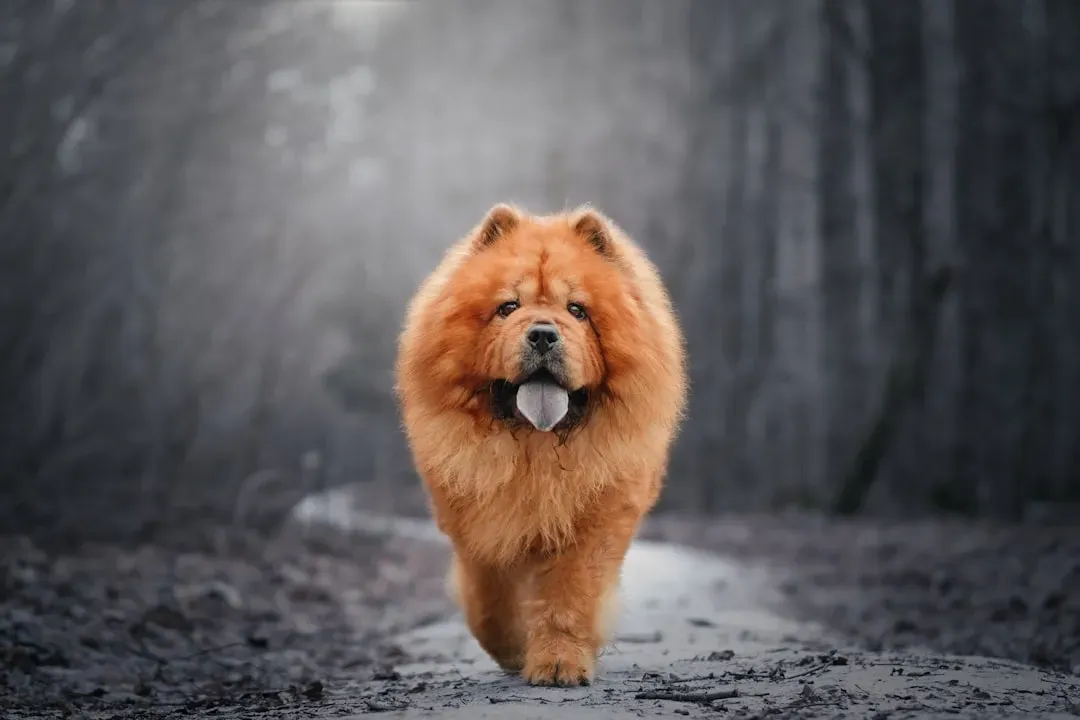
Think of a Chow Chow as wearing a fur-lined parka in July. Their thick double coats, built for icy winters, act like insulation in summer. Research from the Royal Veterinary College found the Chow Chow had approximately 17 times the risk of heatstroke compared to Labrador Retrievers. That number alone should stop you in your tracks.
Red flags to watch for include reluctance to move, lying flat on cool surfaces, and rapid panting. Brush daily to remove undercoat buildup, and don’t shave the coat; instead, trim it professionally to help airflow. A cooling mat indoors and strict limits on outdoor time are non-negotiable for this breed in warm regions.
4. English Bulldog: The Lovable Couch Potato Who Overheats Fast
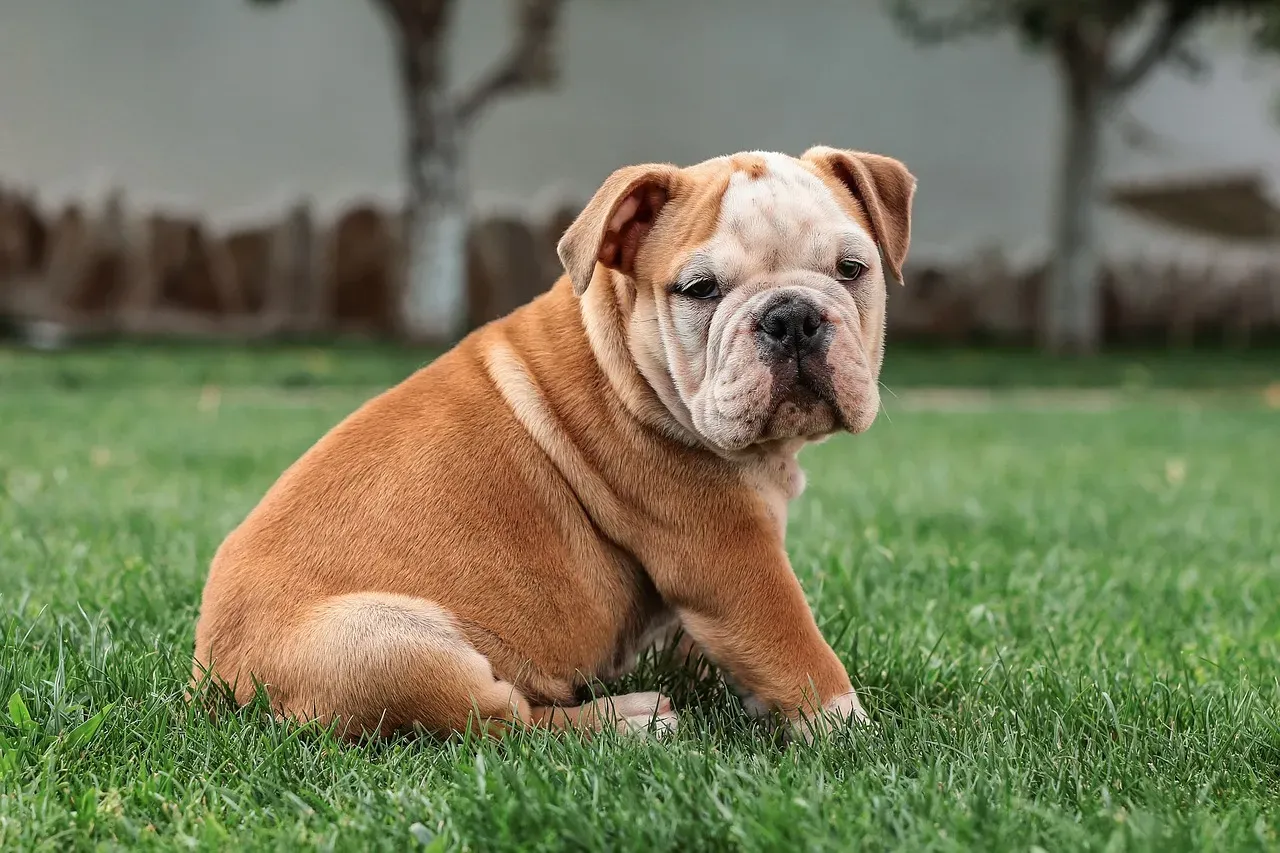
The English Bulldog prefers to live life in the slow lane, especially when temperatures start rising, because this brachycephalic breed has a short muzzle that raises the risk of overheating. Bulldogs are extremely susceptible to overheating, and their breathing problems can become life-threatening quickly during outdoor activity, even if your dog is only outside for a few minutes.
Even if you have a shady area in your backyard, do not leave your Bulldog outside in the heat, even if it doesn’t seem that hot to you. These are not the type of dogs to leave outside in heat even for just 20 minutes; they can succumb to the heat in that short a time period. Honestly, this breed and a hot climate are one of the most dangerous combinations in the dog world.
5. French Bulldog: The Trendy Breed With a Hidden Danger
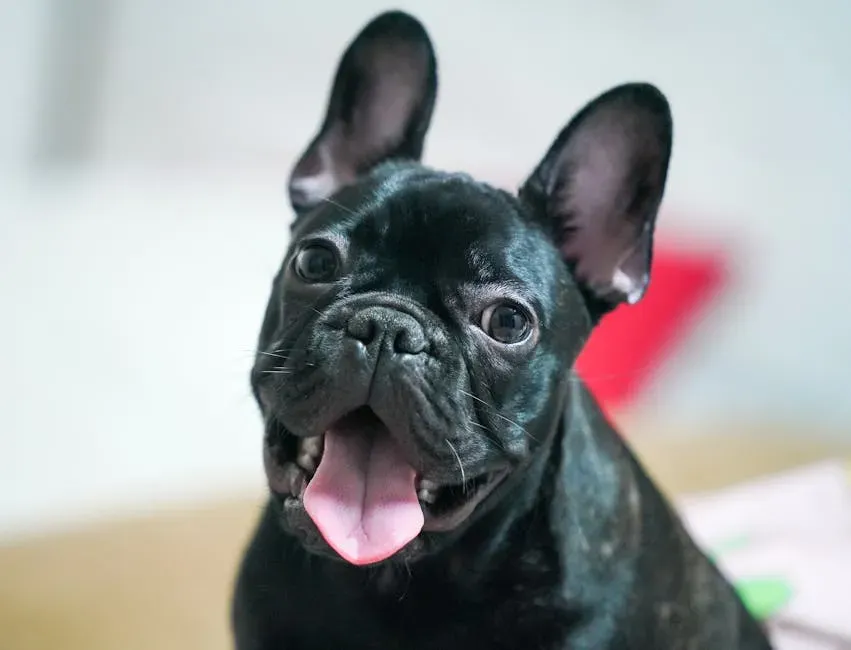
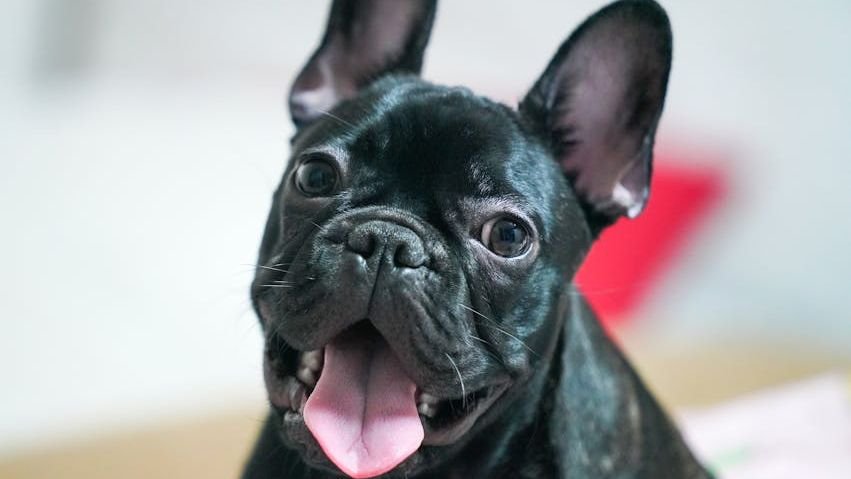
French Bulldogs have become one of the most popular dog breeds in the United States, but their popularity comes with a hidden danger. Frenchie overheating is more common than many pet owners realize, especially in hot climates. People fall in love with those wrinkly little faces and bat ears, then get blindsided by the health reality.
Frenchies may pant, but their short, narrow airways mean they can’t exchange enough air to regulate their body temperature. Unlike some breeds that can cool by panting effectively, French Bulldogs struggle with this basic cooling mechanism, and air conditioning isn’t optional for these popular companions; it’s a life-saving necessity during warm months.
6. Pug: Small Dog, Massive Heat Risk

With their flat faces and lovable snorts, Pugs are iconic. But that smooshed nose comes at a cost. Their short nasal passages make it extremely difficult for them to cool themselves through panting. Pugs also have a hard time in hot climates because of their short noses, which restrict airflow, and they’re prone to obesity, which can worsen their heat intolerance.
Brachycephalic dogs like Pugs can be overcome by the effects of heat stroke at much lower temperatures and after less vigorous activity, purely because their built-in cooling system is less efficient than dogs with longer muzzles. Walk your Pug only during early morning or after sunset, and use a breathable harness to reduce strain on their already compromised airway.
7. Saint Bernard: The Mountain Rescue Dog That Needs Rescuing From Heat
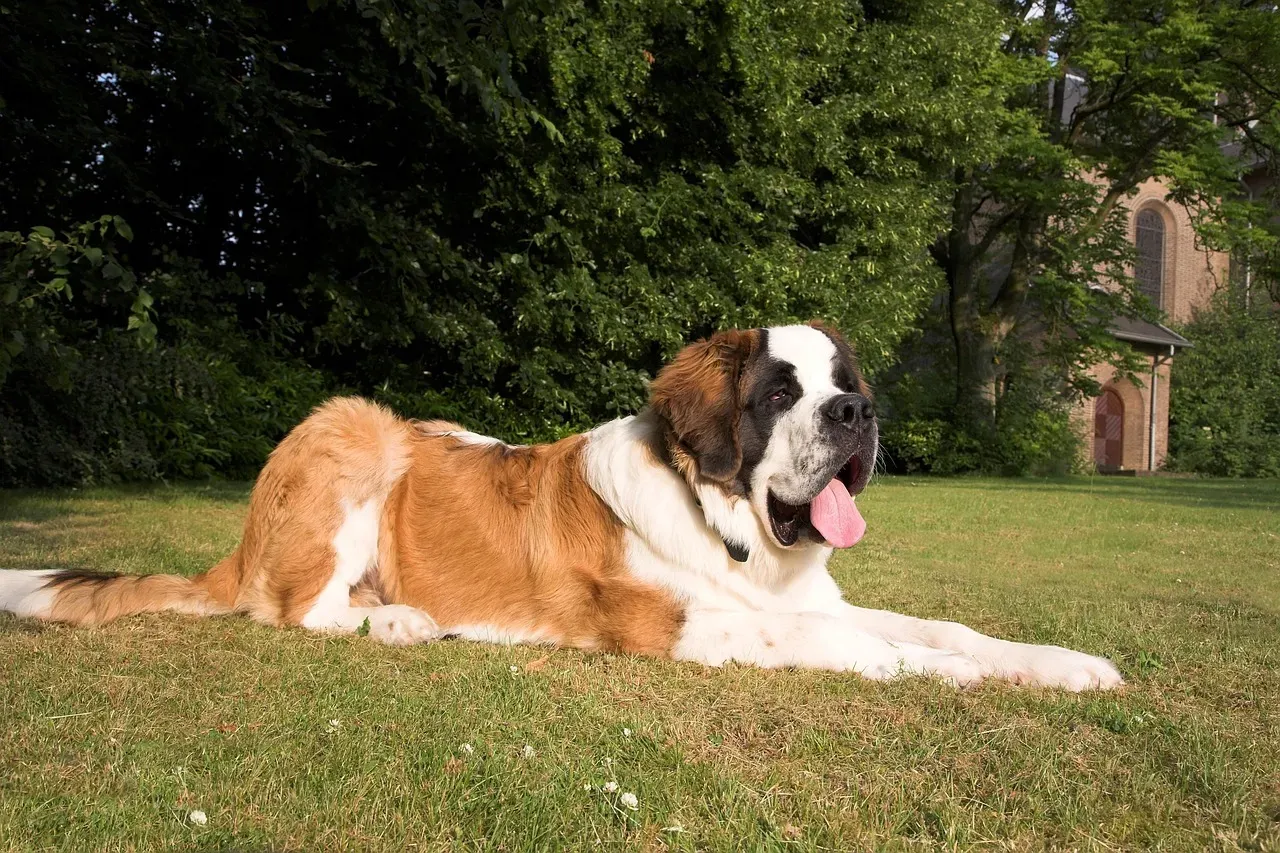
Originally from the Swiss Alps, Saint Bernards were bred for cold-weather rescue work, and thanks to the thick coat that protects them in the mountain snow, Saint Bernards can struggle significantly in hot and humid climates. A dog bred for the snowy mountains of the Swiss Alps is unlikely to enjoy the hot, humid summers of Florida. That is just the cold, hard truth.
Offering them fresh water and using cooling mats and fans can help lower their body temperature. Their sheer size makes heat dissipation even harder. Think of it this way: a large body generates more heat, and a thick coat traps every bit of it. Keeping a Saint Bernard in a hot region requires serious daily commitment.
8. Akita: The Stoic Warrior Who Hides His Suffering
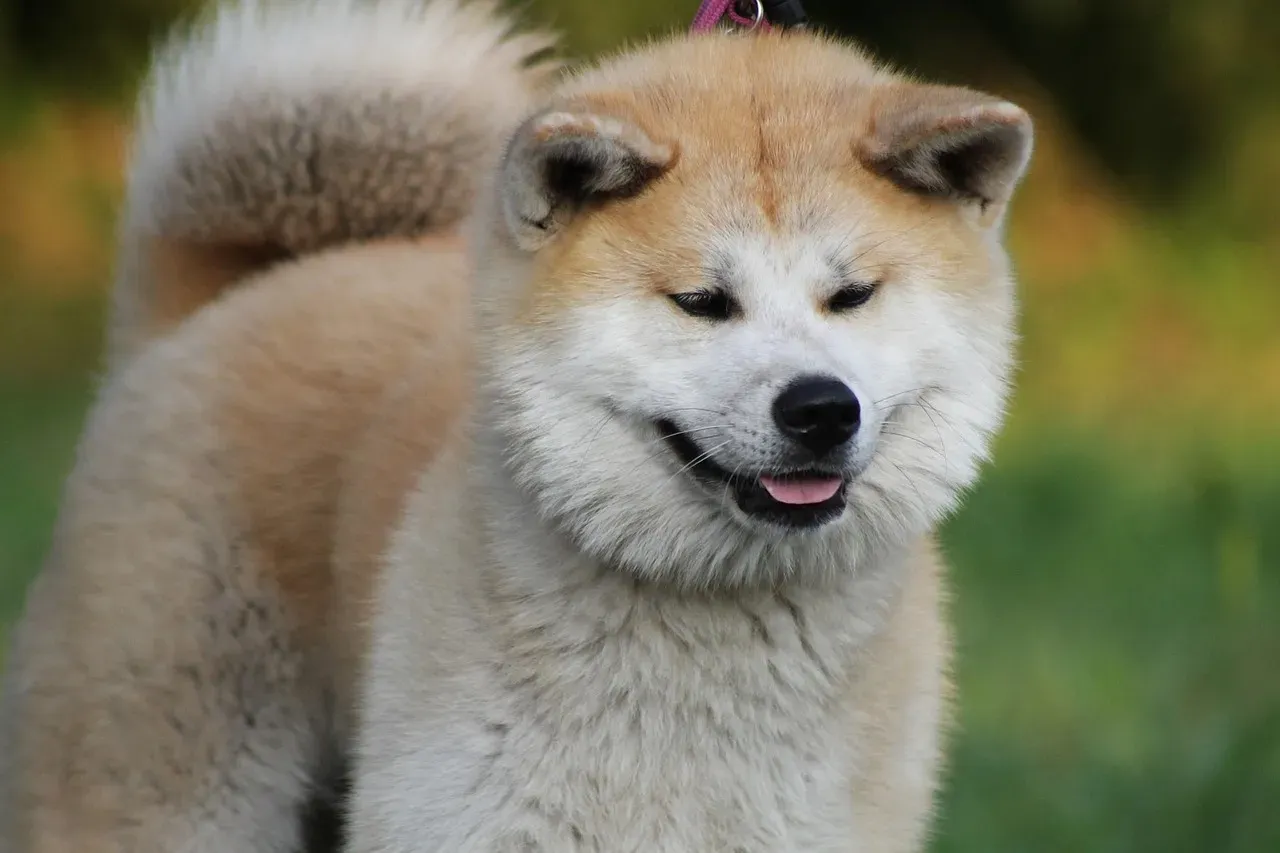
In cold weather, an Akita’s thick double coat provides excellent insulation, but in hot weather, this coat may cause them to overheat. Coupled with their heavy build, Akitas have a genuinely low tolerance for heat. What makes the Akita especially tricky is their personality.
Akitas tend to be stoic about discomfort, sometimes hiding signs of heat stress until it becomes serious. Vigilant owners must watch for subtle signs of overheating during warm weather outings. Don’t wait for obvious panting or collapse. Check their gums, watch for slowed movement, and always bring cool water on even the shortest outings.
9. Boxer: The Energetic Athlete Who Doesn’t Know When to Stop
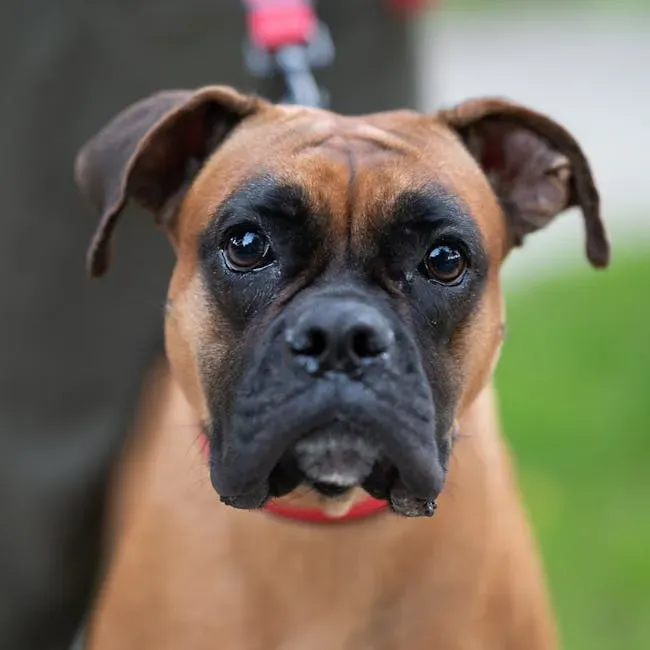
Despite having a short coat, Boxers have difficulty tolerating the heat. Their compact facial structure can cause breathing difficulties, making hot weather potentially dangerous for these energetic dogs. The real problem with Boxers is not just their anatomy; it is their personality. They are relentlessly enthusiastic.
Energetic and athletic, Boxers face heat challenges due to their shortened muzzles and boundless enthusiasm. Their brachycephalic features make efficient panting difficult, and unlike some heat-sensitive breeds, Boxers rarely slow down voluntarily, often playing until they reach dangerous overheating levels. You have to be the one who calls it quits, even when your Boxer clearly wants to keep going.
10. Shih Tzu: The Royal Lapdog With Respiratory Limits

The Shih Tzu would prefer to lounge on your lap inside, which is actually for the best. The Shih Tzu is one of many flat-faced breeds that struggle when it gets hot because it’s more difficult for them to cool themselves. Dogs cool down by panting, and brachycephalic breeds already work harder to breathe due to their shorter facial structure.
Flat-faced dogs such as Shih Tzus are more sensitive to heat because they suffer from brachycephalic airway syndrome. Keep their coat trimmed during warmer months, avoid any outdoor activity during peak afternoon heat, and make sure your air conditioning is working before summer arrives. For a Shih Tzu, a broken AC is a genuine emergency.
11. Newfoundland: The Gentle Giant Built for Cold Water
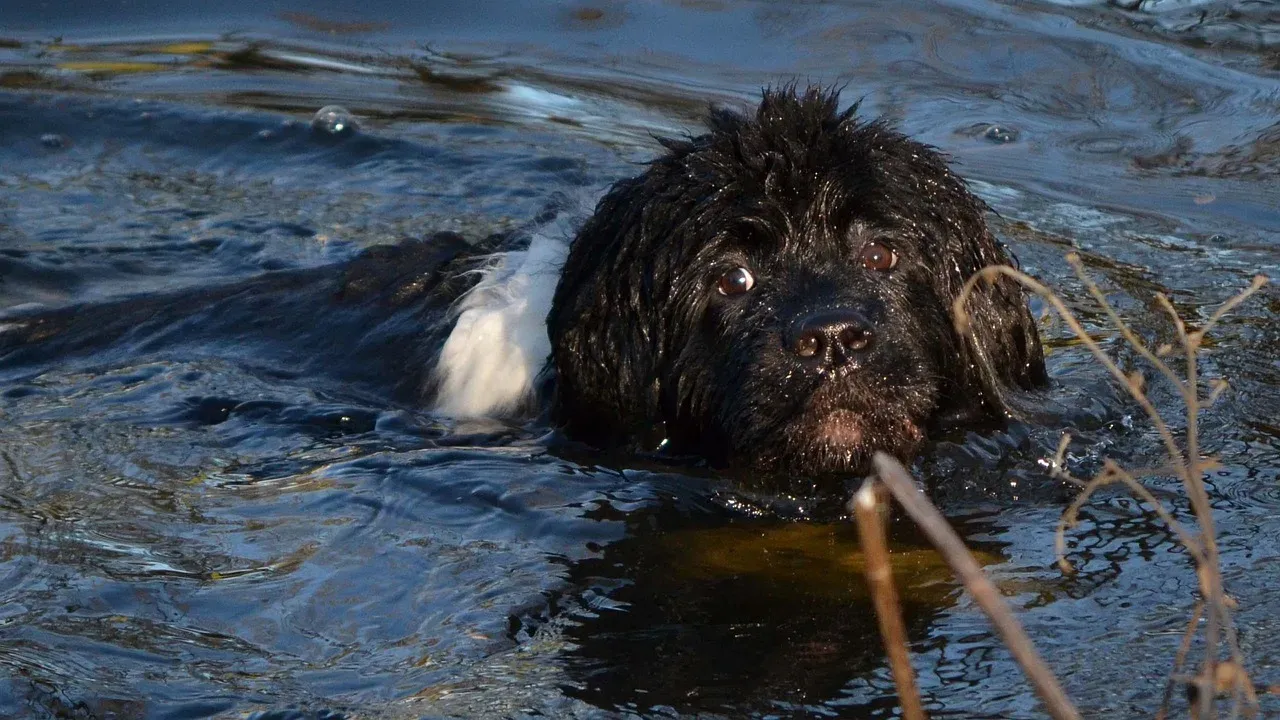
Newfoundland dogs were born to swim, not sunbathe. Newfies have a thick, water-repellent double coat that allows them to take a dip in brisk waters, like those found in the breed’s Canadian homeland. Their massive size and incredibly thick, water-resistant coats make heat dissipation challenging, and they quickly become uncomfortable when temperatures climb.
If you live in a hot climate and have a Newfoundland, you should provide plenty of shade and fresh water, limit their exercise during the hottest parts of the day, and keep them in air-conditioned spaces whenever possible. A kiddie pool in the shade can be a genuine lifesaver for this breed during warm months, giving them a safe way to cool down without overexerting themselves.
12. Boston Terrier: The Tuxedo Dog Who Struggles to Breathe in the Heat
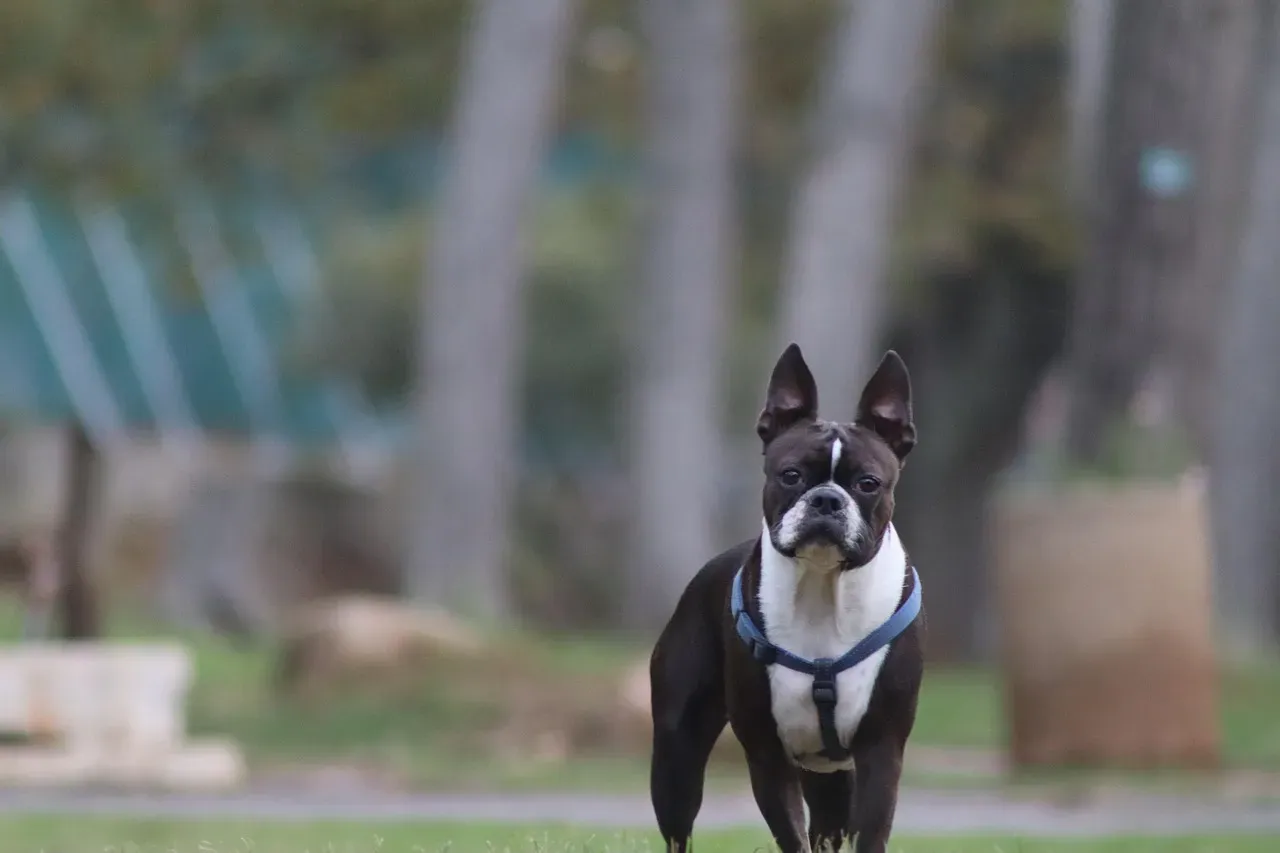
Boston Terriers are adaptable dogs and a perfect fit for just about any living situation, as long as you keep in mind that they don’t do well in summer heat. Although Bostons have a short, smooth coat, the breed’s short muzzle means that intense exercise during periods of high heat and humidity is a no-go.
Despite their short fur, Boston Terriers face real summer challenges. Their compact, flat faces severely restrict airflow, making efficient cooling through panting nearly impossible in hot weather. Their respiratory limitations override any advantage their short coat might offer. Schedule all outdoor play for early morning or evening, and always watch for heavy breathing or sudden stillness as warning signs.
13. Pekingese: The Ancient Imperial Dog Who Hates the Heat
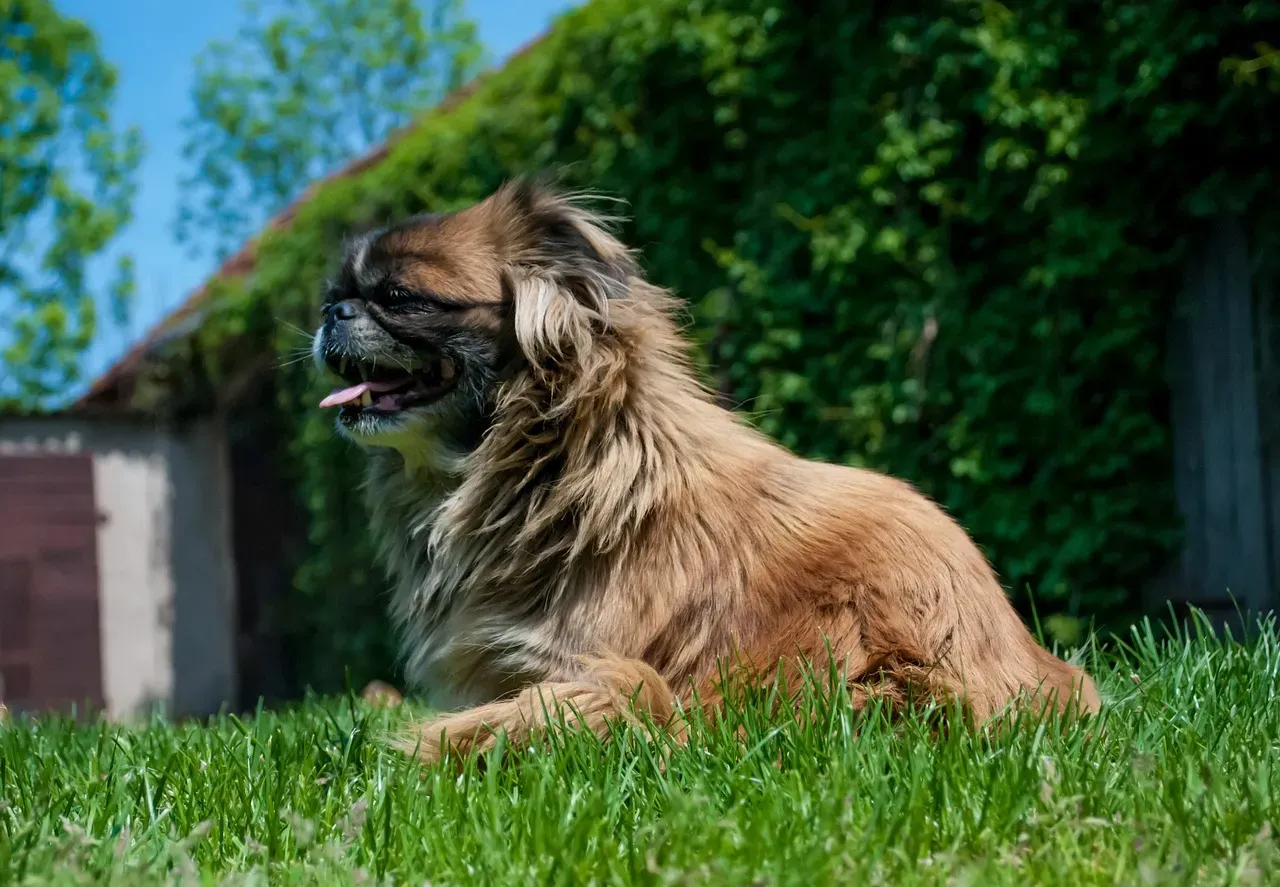
Pekingese can’t tolerate hot weather because they have a long, thick coat and because they’re brachycephalic. They may benefit from a summer haircut to help them stay cool, and they should always be kept inside during the hottest parts of the day. These little dogs carry a big double burden, a breathing limitation AND a thick insulating coat working against them simultaneously.
Ancient companions to Chinese royalty, Pekingese were not designed for scorching environments. Their flat faces create breathing challenges while their long, dense fur traps heat against their tiny bodies. It’s hard to say for sure which factor is more dangerous, the coat or the compressed airways, but together they make hot climates a serious welfare concern for this breed.
14. Golden Retriever: The Beloved Family Dog With a Heat Weakness
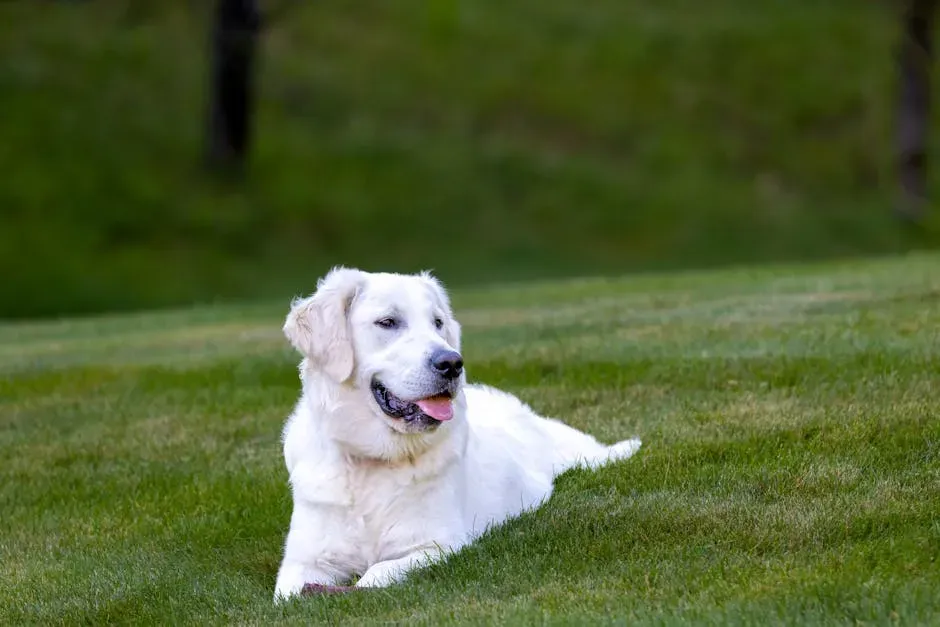
Golden Retrievers love to play, but their thick, double coats make it hard for active Retrievers to stay cool. It’s better to keep the play indoors during the hot parts of the day. Golden Retrievers have increased risk of heatstroke because of their thick double coats. A thick coat acts as insulation, trapping hot air and limiting heat loss if the dog overheats; it would be like having to wear a thermal jacket during a heatwave.
Research from the Royal Veterinary College identified Golden Retrievers as having roughly three times the risk of heatstroke compared to Labrador Retrievers. Most people are surprised by this. Goldens are so popular and so cheerful that owners often assume they can handle anything. Regular brushing to manage the undercoat and strictly avoiding midday outdoor activity will make a real difference.
15. Bullmastiff: The Big-Hearted Guard Dog Who Overheats Easily
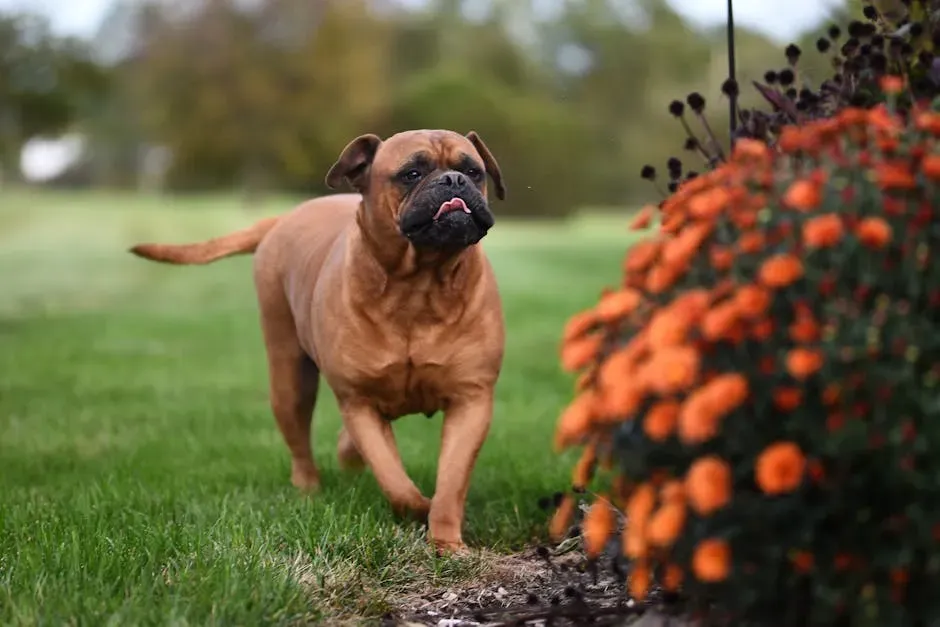
The Bullmastiff is a giant pup that can handle the cold well, but not the heat. Bullmastiffs have short snouts, making it hard to cool down and regulate their body temperature when it gets scorching. Add their considerable size and muscle mass to the equation, and you have a dog that generates enormous body heat with limited ability to release it.
Giant breed dogs are more likely to get heatstroke than smaller dogs because larger bodies tend to lose body heat more slowly; larger dogs can usually regulate their body temperature better in cold temperatures, not hot weather. For a Bullmastiff in a warm climate, shaded outdoor spaces, constant fresh water, and air-conditioned rest time aren’t luxuries. They are basic care requirements.
What Every Owner of These Breeds Needs to Know
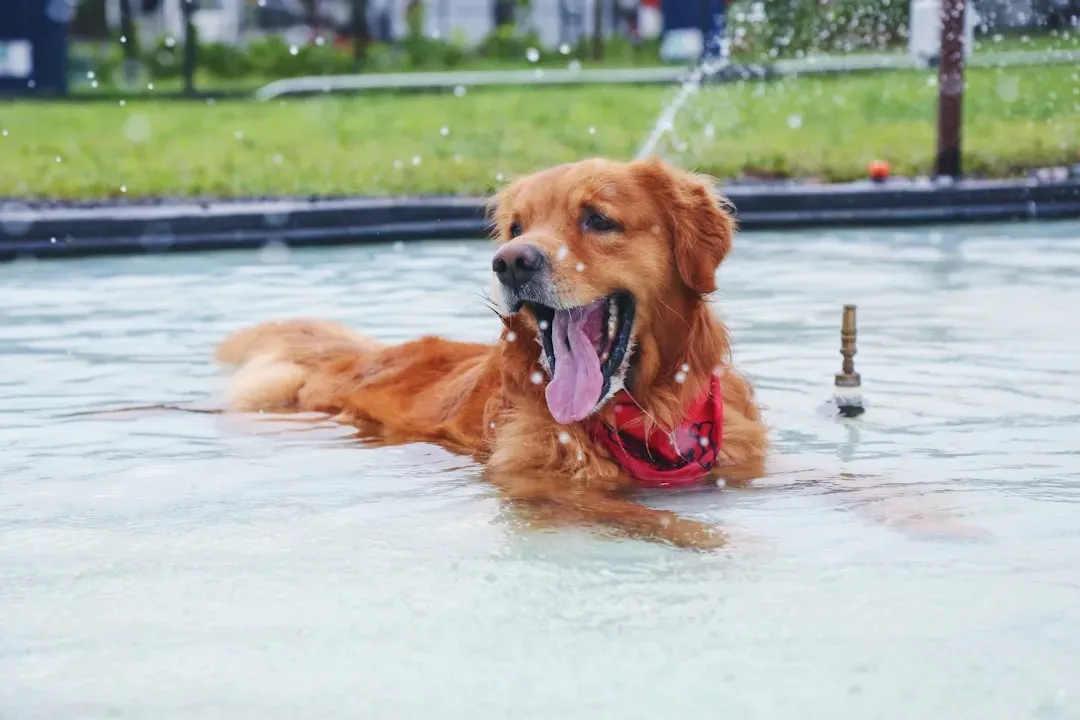
Signs of heatstroke include heavy panting, drooling, vomiting, diarrhea, weakness, and collapse. If you ever see these signs, don’t wait and hope it passes. Act immediately. Move your dog to a cool area, apply damp towels (not ice water), and call your vet right away.
If elevated body temperatures are prolonged, they will cause damage to every organ in the body, and heat stroke commonly leads to acute kidney injury, blood clotting issues, and shock. Prevention is infinitely better than treatment here. Avoid exposing heat-sensitive dogs to hot and humid environments, always ensure they have access to shade and fresh water, and opt for early morning or evening walks instead of midday outings.
Let’s be real: owning one of these breeds in a hot climate isn’t impossible, but it requires genuine awareness, consistent routine changes, and a willingness to put your dog’s comfort before convenience. Every dog deserves to live in an environment where they can thrive, and choosing a dog breed that can comfortably handle your local climate is vital for their health and happiness.
Conclusion: Love Means Knowing the Limits
Here’s the thing about being a responsible dog owner: it’s not just about feeding them well and giving them belly rubs. It’s about understanding what their bodies were made for and what they were not. Research has shown that one in seven dogs treated for heatstroke dies as a result of their illness. That is not a statistic you want to learn the hard way.
If you already own one of the fifteen breeds on this list and you live somewhere warm, don’t panic. Adjust your routines, invest in a good cooling mat, schedule vet check-ins during summer, and pay close attention to the behavioral cues your dog gives you. Dogs are incredibly communicative when we choose to listen.
Every single one of these breeds is wonderful in the right environment. They are loyal, loving, and deeply connected to their people. They just need us to be smarter than the heat on their behalf. So, knowing all of this now, would you make the same breed choice for your climate? Tell us in the comments.


